This Wild California River Carves A Stunning Path Through Historic Gold Country
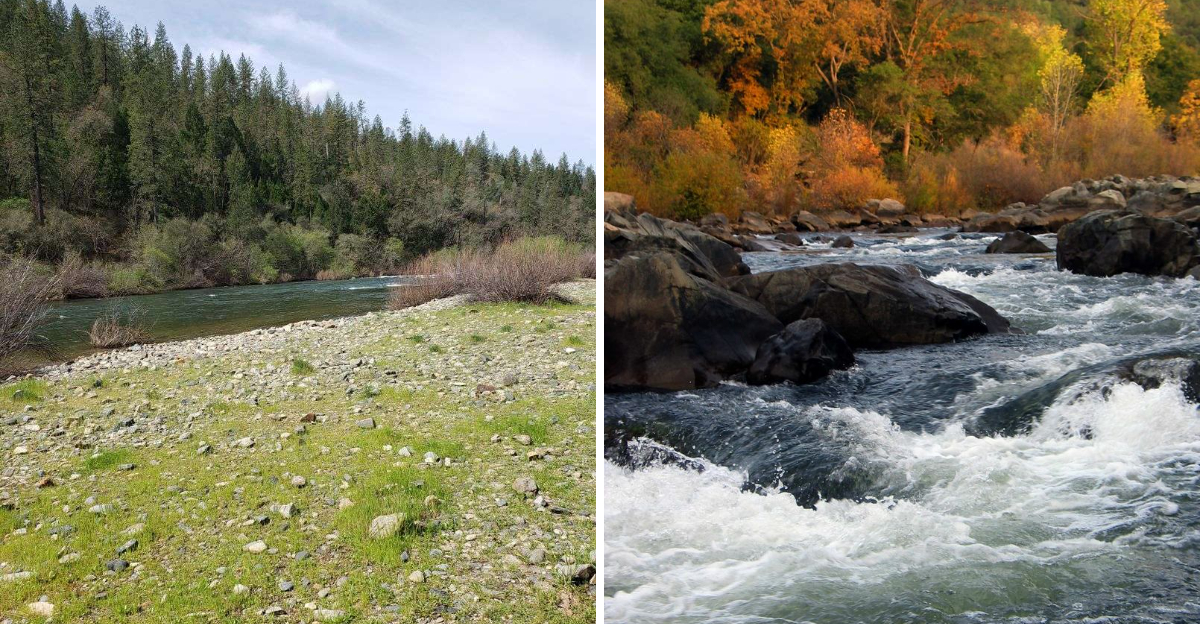
Gold fever didn’t just change California. It exploded right here. One discovery along this fast-moving river in 1848 triggered a migration so massive it reshaped the entire nation.
Fortune seekers flooded west, chasing rumors of gold buried in the rushing currents of what would become one of the most legendary waterways in American history.
That river still flows today, but the treasure looks different. The South Fork American River now draws a new wave of adventurers, swapping gold pans for paddles and trading prospecting camps for whitewater launch points.
Rapids crash through canyon corridors. Rafts surge over drops once scanned for glittering metal. The energy feels just as wild as it did during the Gold Rush.
Winding through El Dorado County, this Sierra Nevada tributary cuts past pine forests, granite cliffs, and historic mining zones where the past still lingers beneath the surface.
Every bend carries echoes of ambition, risk, and reinvention. Some visitors come chasing history. Others come for adrenaline. Most discover both.
Because along the South Fork American River, California’s most feverish gold rush spirit hasn’t faded. It’s simply traded nuggets for rapids – and the adventure still runs just as strong.
1. The Discovery That Changed Everything
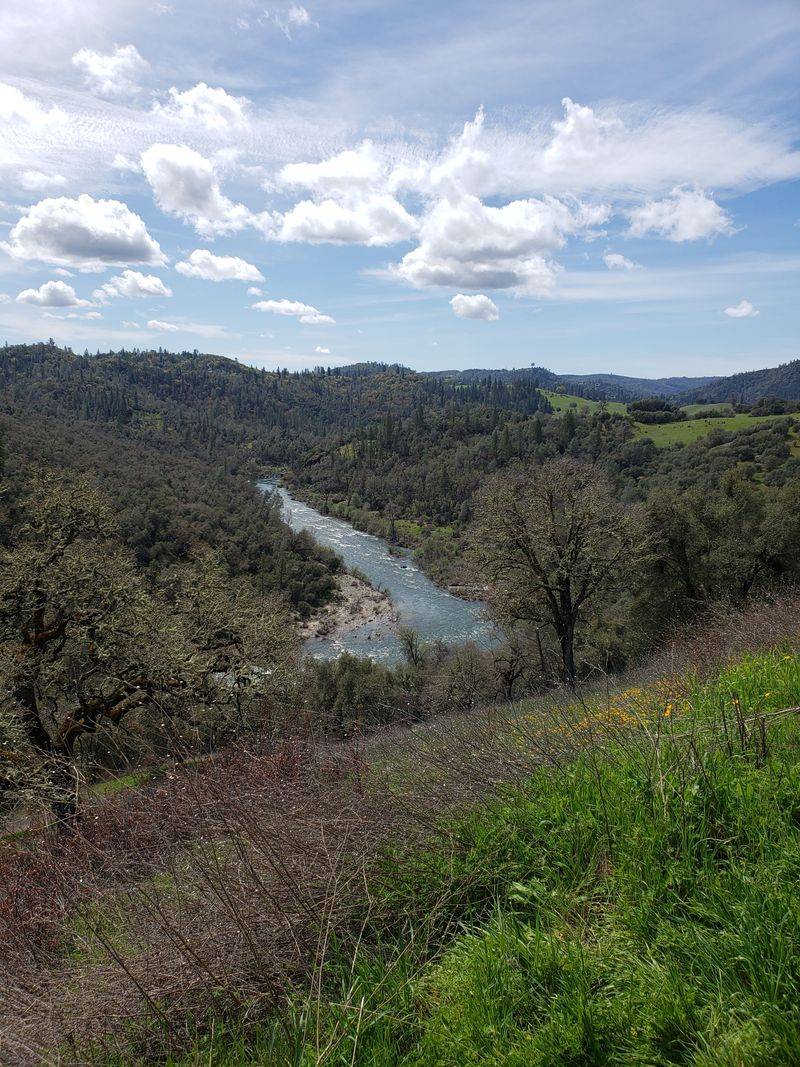
January 24, 1848 marked a turning point not just for California but for the entire nation when James Marshall spotted glittering flakes in the tailrace of Sutter’s Mill.
His find along the South Fork American River sparked the California Gold Rush, an event that would bring over 300,000 people westward within just a few years.
The news spread like wildfire despite efforts to keep it quiet, and soon people from every corner of the globe descended upon the region.
Marshall Gold Discovery State Historic Park now preserves the exact location where history changed course.
Visitors can walk the grounds where the original mill once stood and imagine the moment that transformed this peaceful river valley into a bustling center of activity.
The park includes a replica of the mill, a museum filled with Gold Rush artifacts, and interpretive trails that explain the mining techniques used by early prospectors.
The discovery fundamentally altered the demographic and economic landscape of California, accelerating its path to statehood in 1850.
Towns sprang up overnight along the river, and the population explosion created demand for infrastructure, goods, and services that shaped the region’s development for generations.
The legacy of that single January morning continues to define the cultural identity of Gold Country today.
2. Eighty-Seven Miles Of Mountain Magic
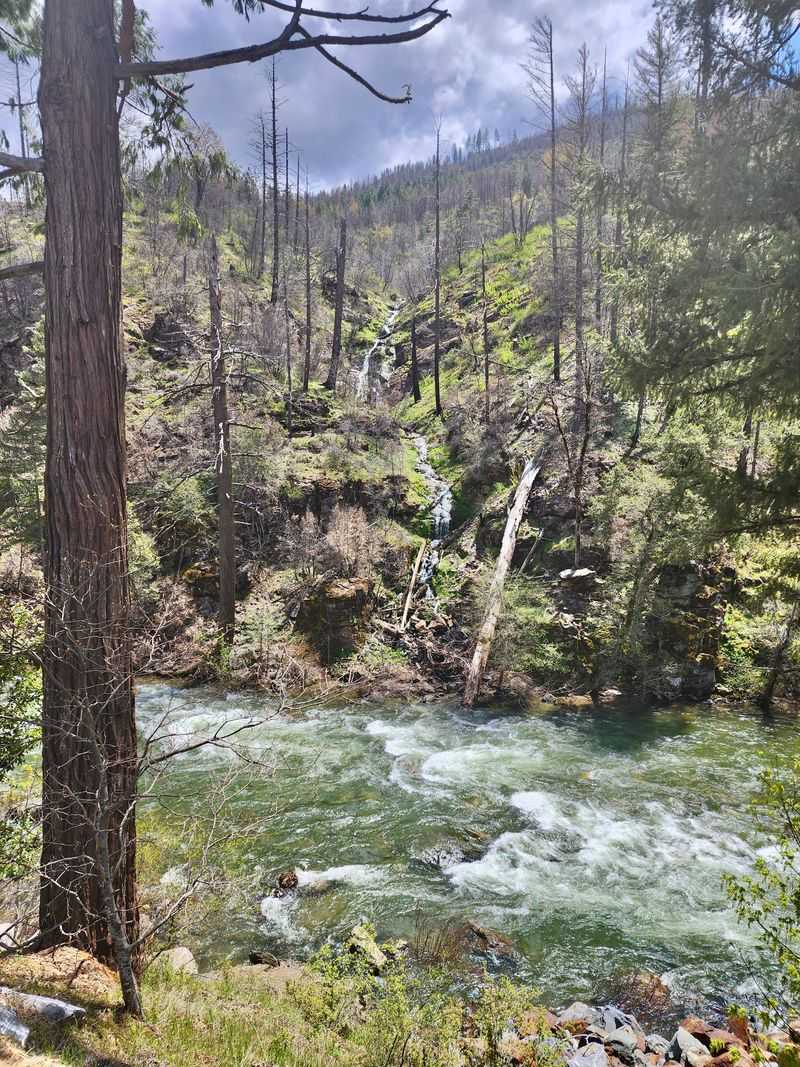
Stretching approximately 87 miles from its headwaters to Folsom Lake, the South Fork American River follows a dramatic descent from the Sierra Nevada highlands.
The river begins at an elevation of over 7,000 feet, fed by snowmelt and mountain streams that gather strength as they tumble downward through granite canyons.
This considerable drop in elevation creates the varied terrain and energetic rapids that make the river such a popular destination for water sports.
The upper reaches flow through remote wilderness areas where dense coniferous forests line the banks and wildlife remains abundant.
As the river progresses westward through El Dorado County, the landscape gradually transitions from alpine environments to foothill oak woodlands.
The changing elevation zones create distinct ecological communities along the river’s length, each supporting different plant and animal species adapted to specific conditions.
Geography plays a crucial role in shaping the river’s character at different points along its course.
Narrow gorges with steep walls give way to broader valleys where the water spreads and slows, creating pools and riffles that support diverse aquatic life.
The final miles before reaching Folsom Lake flow through gentler terrain, though the river retains its essential wildness even as it approaches more developed areas near the reservoir.
3. Rapids That Call To Adventurers
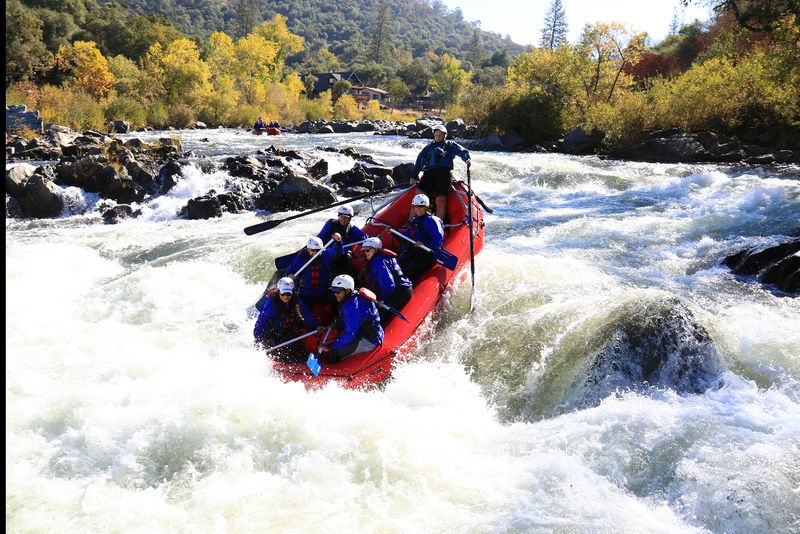
Few California rivers match the South Fork American for accessible whitewater excitement, offering rapids ranging from Class II to Class IV difficulty.
This variety means both first-time rafters and seasoned paddlers find suitable challenges along different stretches of the river.
The Chili Bar section features some of the most continuous whitewater, with rapids like Meat-grinder and Troublemaker testing skills and nerve.
Commercial outfitters operate throughout the warmer months, providing guided trips that introduce thousands of visitors annually to the thrill of riding rushing water.
Spring typically brings the highest flows when Sierra snowmelt swells the river, creating bigger waves and more powerful hydraulics that demand respect and proper technique.
Summer releases from upstream dams maintain consistent flows even as natural runoff diminishes, extending the rafting season well into fall.
Kayakers particularly appreciate the river’s forgiving nature despite its spirited rapids, as most hazards are straightforward and swims generally end without serious consequences.
The combination of exciting whitewater and beautiful scenery creates an experience that feels genuinely wild without requiring expedition-level skills or equipment.
Many people discover their love of river running on the South Fork, returning year after year to test themselves against familiar rapids or explore new sections of this dynamic waterway.
4. Beyond The Rapids
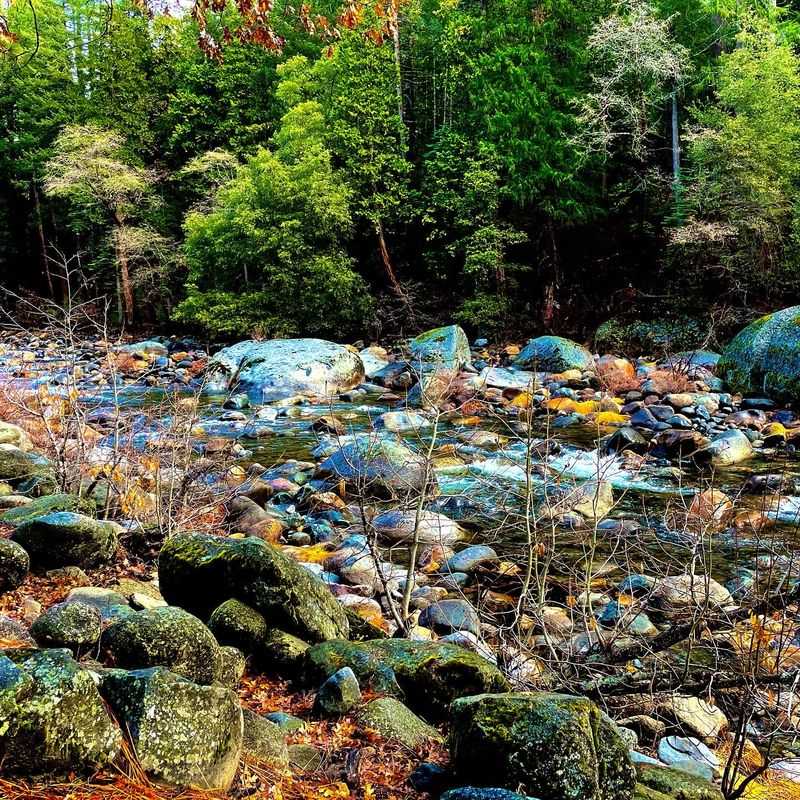
Water sports represent just one dimension of what draws people to the South Fork American River corridor throughout the year.
Miles of trails wind through the surrounding forests and along canyon rims, offering hikers and mountain bikers routes ranging from easy riverside strolls to challenging climbs with panoramic views.
Horseback riders also enjoy designated trails that showcase the region’s natural beauty from a different perspective.
Anglers cast lines into pools and runs where trout hold in the current, waiting for insects or smaller fish to drift past.
The river supports both native and introduced fish species, with regulations varying by section to protect populations and ensure sustainable fishing opportunities.
Gold panning remains surprisingly popular, with modern prospectors trying their luck in the same gravels that yielded fortunes during the Gold Rush era.
Camping along the river allows visitors to extend their stay and experience the area during different times of day when wildlife becomes more active.
Bureau of Land Management lands provide numerous primitive camping spots where the sound of rushing water provides a constant soundtrack.
Spring wildflowers paint hillsides in vibrant colors, while autumn brings golden leaves and comfortable temperatures perfect for exploring without the summer crowds that flock to the most popular put-in points and swimming holes.
5. Where Nature Meets Diversity
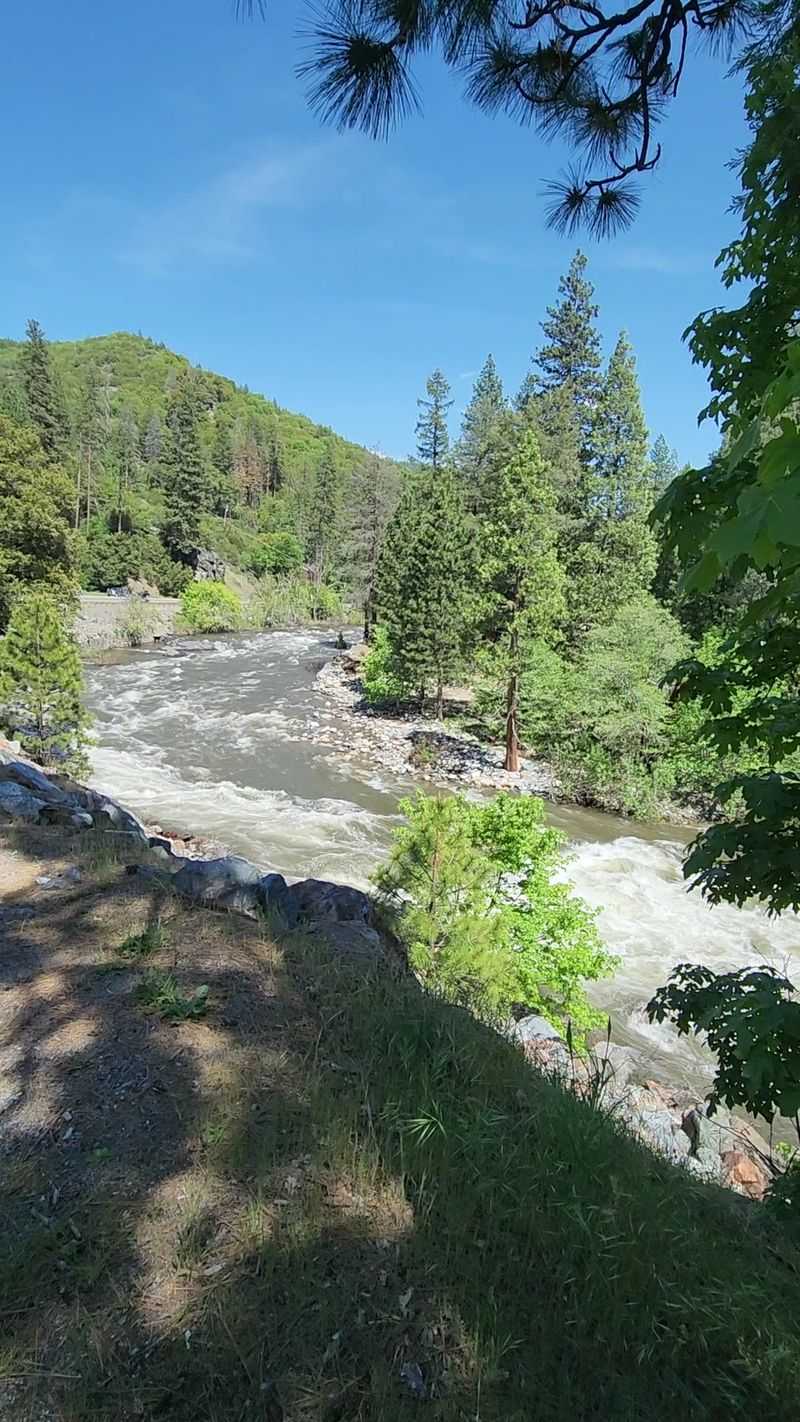
The South Fork American River watershed encompasses an impressive array of ecological communities, each supporting distinct assemblages of plants and animals.
Grasslands on lower slopes give way to oak woodlands dominated by blue oak and interior live oak, their gnarled branches providing food and shelter for countless creatures.
Chaparral communities thrive on drier exposures where dense shrubs create nearly impenetrable thickets that protect ground-nesting birds and small mammals.
Riparian zones along the river itself support the greatest biodiversity, with willows, alders, and cottonwoods creating shaded corridors that remain green even during California’s dry summers.
These streamside forests provide critical habitat for migratory songbirds, amphibians, and insects that depend on permanent water.
The cool, moist conditions under the canopy create microclimates that allow moisture-loving plants to survive far from their typical coastal ranges.
Higher elevations support mixed conifer forests where ponderosa pine, Douglas fir, and incense cedar dominate the canopy.
The transition between vegetation zones happens gradually, creating edge habitats where species from adjacent communities intermingle.
This ecological diversity makes the South Fork watershed valuable not just for recreation but as a living laboratory where scientists study how species adapt to California’s Mediterranean climate and how ecosystems respond to changing conditions over time.
6. Powering The Golden State
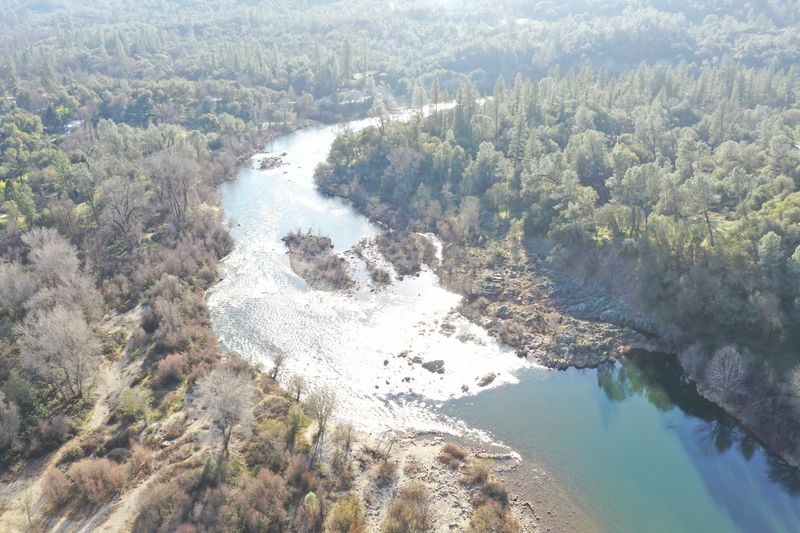
Multiple dams along the South Fork American River harness its energy to generate renewable electricity for California communities.
The Upper American River Project includes facilities that capture water at various elevations, routing it through penstocks to turbines that convert gravitational potential energy into electrical power.
This system represents an important component of the state’s efforts to produce clean energy without burning fossil fuels.
Chili Bar Dam, Ice House Dam, and Union Valley Dam are among the structures that regulate flows while generating power.
These facilities operate under licenses that require balancing energy production with environmental protection, recreational access, and downstream water needs.
The dams create reservoirs that store water during wet seasons for release during drier months, helping to maintain more consistent flows than would occur naturally.
The relationship between hydroelectric operations and river recreation remains complex, with scheduled releases determining water levels that affect rafting conditions and fish habitat.
Dam operators coordinate with outfitters, fisheries managers, and other stakeholders to optimize flows for multiple uses.
While some environmental advocates critique the impacts of dams on natural river processes, others recognize hydroelectricity as a valuable carbon-free energy source.
The South Fork system demonstrates both the benefits and tradeoffs inherent in managing rivers for human needs while attempting to preserve ecological functions.
7. Protected Lands Preserve The Legacy
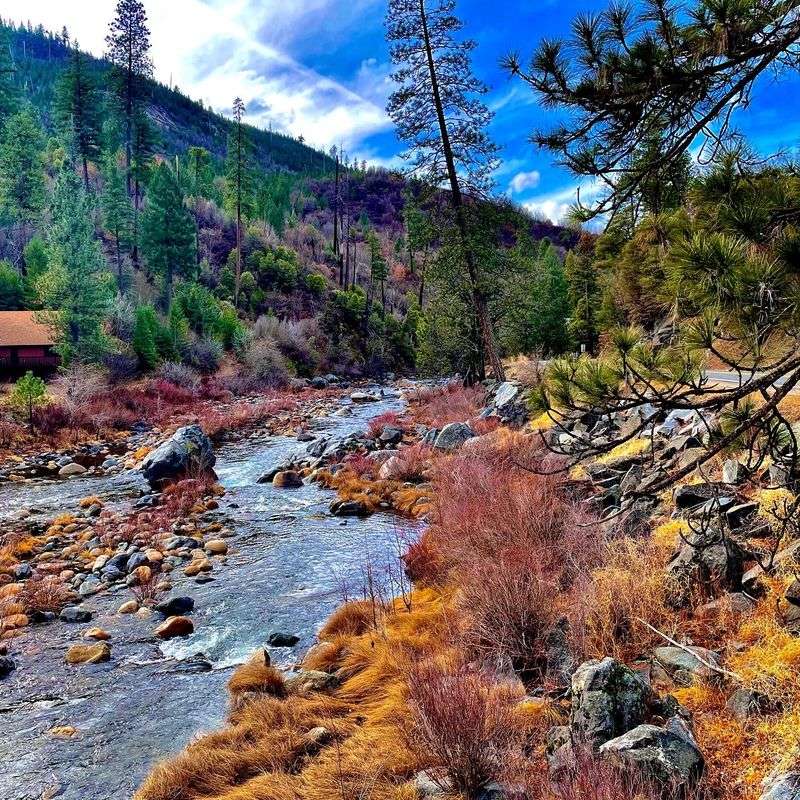
Extensive public lands surrounding the South Fork American River ensure that future generations can experience landscapes similar to those encountered by Gold Rush pioneers.
El Dorado National Forest encompasses much of the upper watershed, managing over 600,000 acres for multiple uses including recreation, timber production, and wildlife habitat.
These federal lands provide access to remote areas where solitude remains possible despite the region’s proximity to major population centers.
Marshall Gold Discovery State Historic Park protects the site where James Marshall found gold, preserving buildings and landscapes that tell the story of that pivotal moment.
The 280-acre park includes the town of Coloma, which boomed during the Gold Rush before settling into a quieter existence as a historic community.
Interpretive programs help visitors understand both the excitement and hardships of the mining era.
Bureau of Land Management holdings along the river corridor focus particularly on protecting recreational access and natural resources.
These lands include some of the most popular rafting sections, with developed put-ins and take-outs that accommodate thousands of boaters each season.
The patchwork of federal, state, and private lands requires coordination among multiple agencies to manage the river comprehensively.
Despite occasional conflicts over land use priorities, the overall effect of protected status has been preservation of the South Fork’s essential character as a wild river flowing through historic gold country.
8. Wings, Fur, And Fins
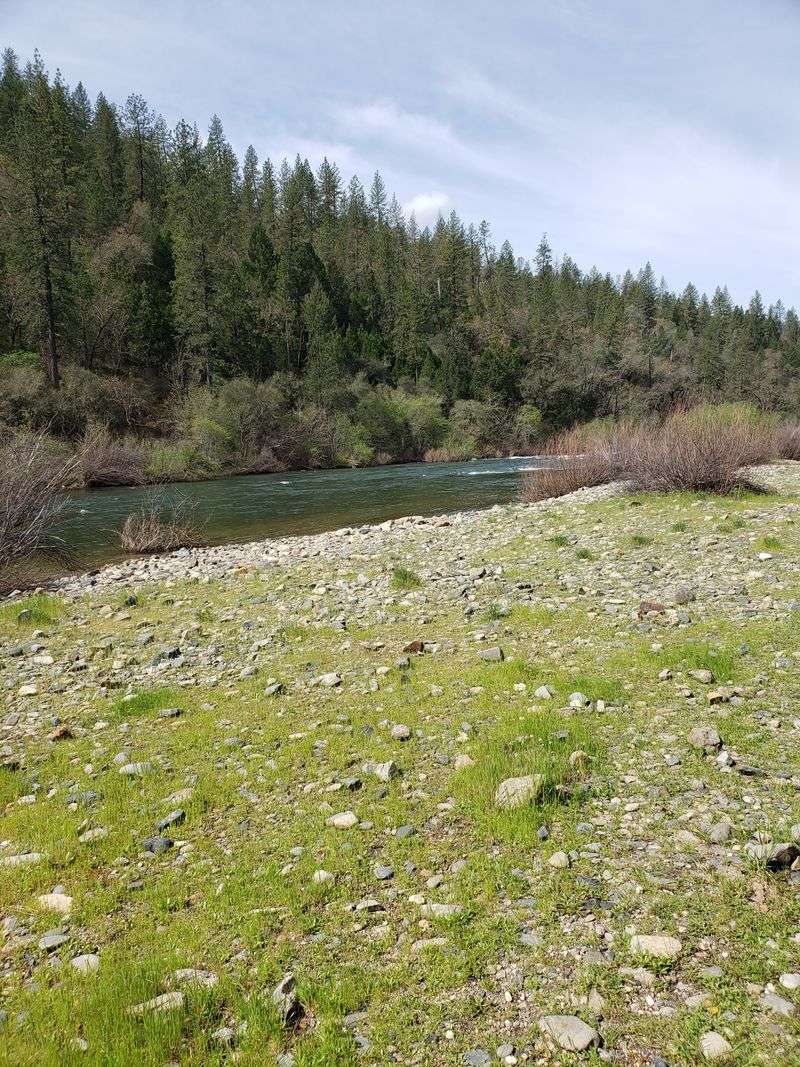
River otters patrol the South Fork American, their sleek bodies perfectly adapted for life in and around water.
These playful mammals hunt fish, crayfish, and aquatic insects, often entertaining rafters and kayakers with their acrobatic swimming and social behavior.
Otter populations declined significantly during the 20th century due to trapping and habitat loss, but conservation efforts have helped them recolonize many California rivers including the South Fork.
Golden eagles soar above the canyon, scanning for rabbits, squirrels, and other prey on the slopes below.
These magnificent raptors require large territories and undisturbed nesting sites, both of which the protected lands around the river provide.
Black bears occasionally appear along the riverbanks, especially during late summer when they search for berries and acorns to fuel their pre-hibernation feeding frenzy.
Beneath the surface, rainbow trout and brown trout hold in current seams and behind boulders, while Sacramento pikeminnow patrol deeper pools.
The river once supported larger runs of chinook salmon and steelhead that migrated from the ocean to spawn in cold headwater streams, though dams now block access to much of their historic habitat.
Hardhead, a native minnow species, survives in sections of the river where habitat remains suitable. The diversity of wildlife reflects the health of the river ecosystem and the effectiveness of conservation measures implemented over recent decades to protect California’s natural heritage.
9. When Snowmelt Meets Summer Heat
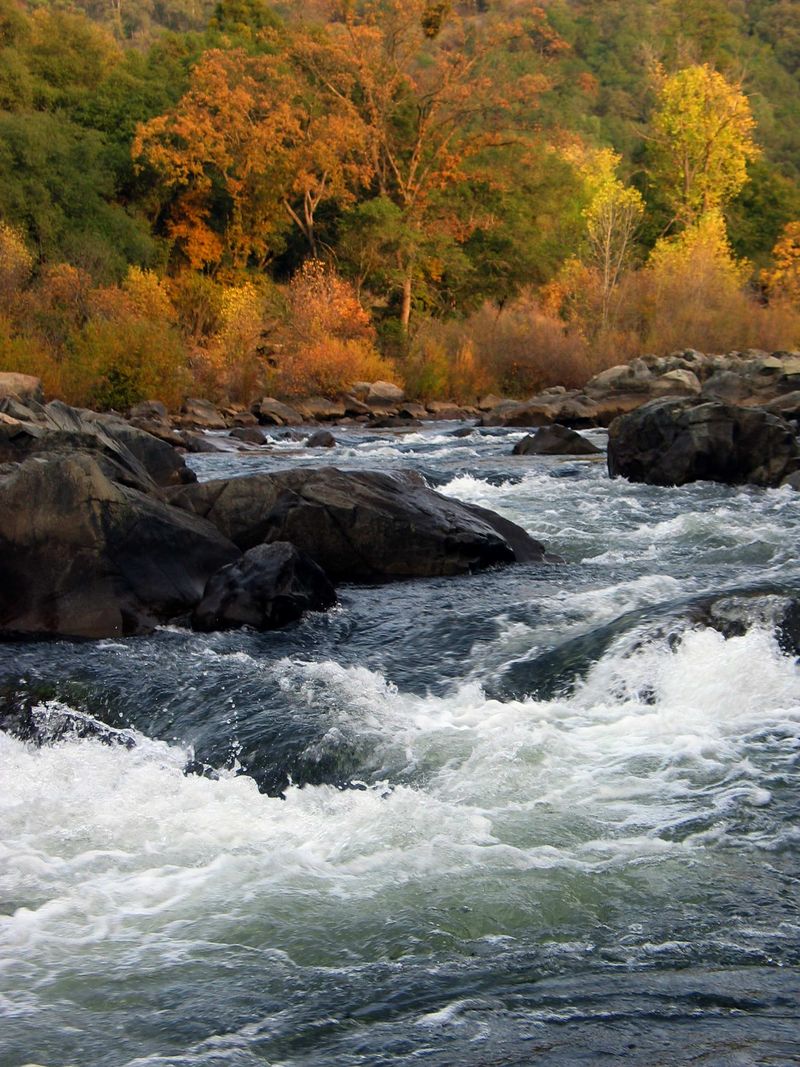
Spring transforms the South Fork American River from a manageable stream into a powerful force as warming temperatures melt the Sierra Nevada snowpack.
April and May typically bring peak flows when the accumulated snow of winter releases all at once, swelling the river to several times its low-water volume.
These high flows create the most challenging whitewater conditions, with bigger waves, stronger currents, and colder water temperatures that demand proper equipment and experience.
By late June, natural runoff begins to diminish as the snowpack depletes and summer drought settles over California.
Without dam releases, many sections of the river would become too shallow for rafting during July and August.
Scheduled releases from upstream reservoirs maintain flows sufficient for recreation while also meeting downstream water needs and environmental requirements.
These releases create a more predictable flow pattern than would occur naturally, extending the rafting season into fall.
Water temperature varies seasonally and with elevation, ranging from frigid snowmelt in spring to bathwater warm in lower reaches during late summer.
Flow levels affect not just recreation but also fish habitat, with different species preferring different conditions.
Juvenile salmon need cool, well-oxygenated water, while warm-water species tolerate higher temperatures.
River managers attempt to balance these competing needs through carefully timed releases that provide cold water pulses during critical periods while maintaining minimum flows throughout the dry season.
10. Echoes Of The Forty-Niners
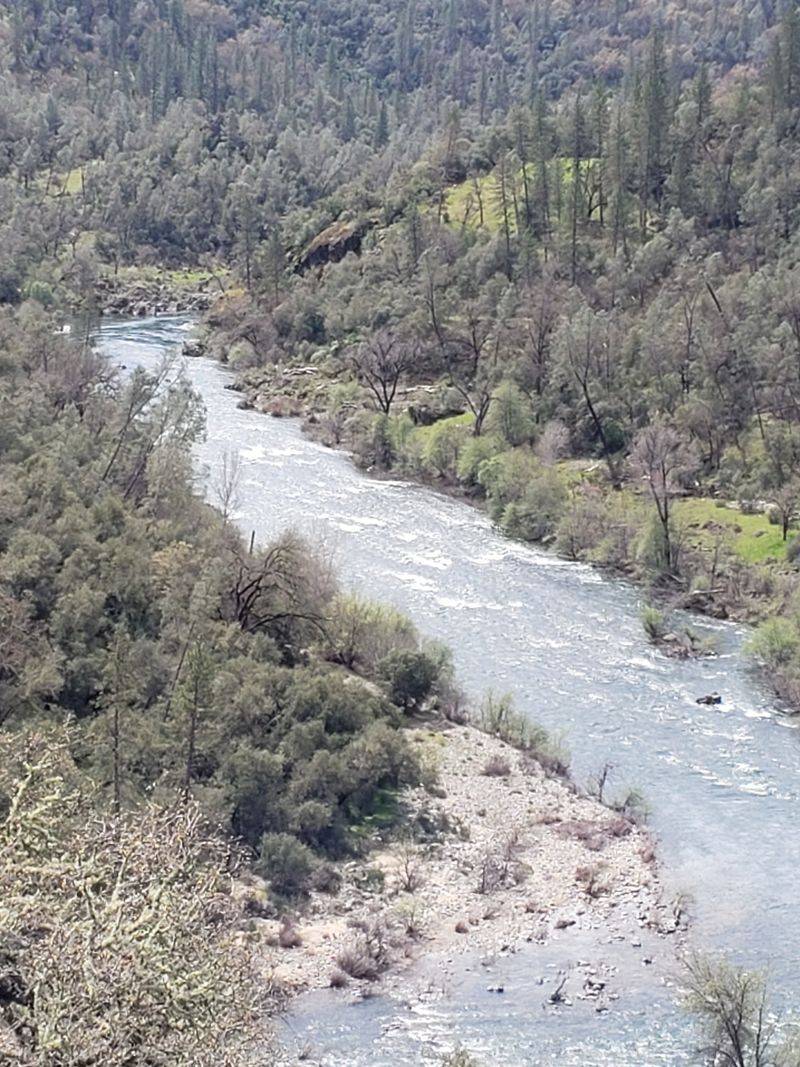
Remnants of the Gold Rush era scatter across the South Fork American River landscape, offering tangible connections to California’s transformative past.
Rusting mining equipment lies abandoned in ravines where hopeful prospectors once worked claims, their dreams of striking it rich eventually succumbing to the harsh realities of placer mining.
Stone walls and foundations mark sites where towns briefly flourished before fading when gold deposits played out or richer strikes lured residents elsewhere.
Hydraulic mining scars remain visible on some hillsides where high-pressure water cannons blasted away entire slopes to reach gold-bearing gravels.
This destructive technique, eventually banned due to its environmental impacts, reshaped the landscape in ways still evident more than a century later.
Chinese miners, often working claims abandoned by others, built intricate rock walls and irrigation systems that demonstrate their engineering skills and persistence in the face of discrimination.
Museums and historic sites throughout Gold Country preserve artifacts and stories from this pivotal period in American history.
Blacksmith shops, general stores, and saloons have been restored to show how mining camps functioned as complete communities despite their rough-and-tumble reputations.
The cultural heritage of the South Fork region extends beyond the physical remnants to include the diverse population that the Gold Rush attracted, creating California’s multicultural character that persists today in this river corridor where history flows as surely as the water itself.