The Remarkable Automobile Museum In North Carolina You’ve Probably Never Heard Of
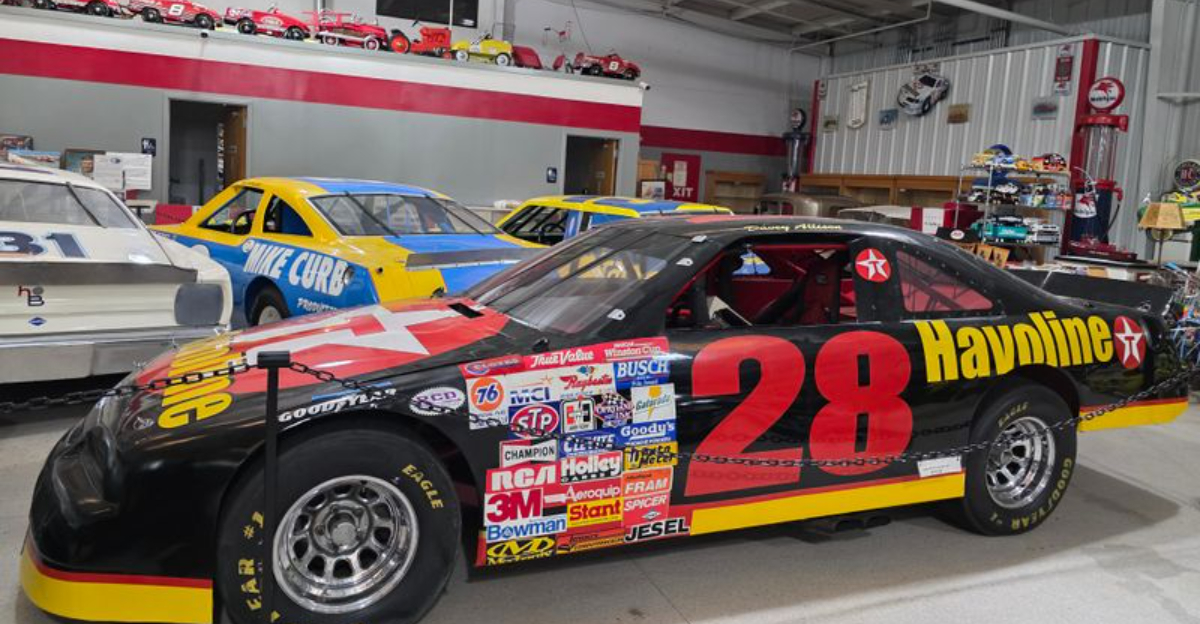
Hidden among the rolling hills and racing heritage of North Carolina sits an automotive wonderland that most travelers drive right past without ever knowing it exists. Memory Lane Museum houses more than 150 classic vehicles, vintage race cars, and nostalgic treasures that tell the story of American automotive history in ways the big-name museums simply cannot match.
North Carolina holds secrets worth discovering, and this unassuming museum is proof that the best adventures often hide in plain sight.
Racing fans will recognize names like Richard Petty and Dale Earnhardt among the collection, while movie buffs might spot vehicles from Hollywood films they have watched dozens of times. The friendly staff greets every visitor with genuine enthusiasm and fascinating stories that bring each exhibit to life.
Whether you are a gearhead or just curious about history, this place delivers an experience that feels personal, authentic, and refreshingly different from typical tourist attractions.
1. Over 150 Vehicles Spanning More Than A Century
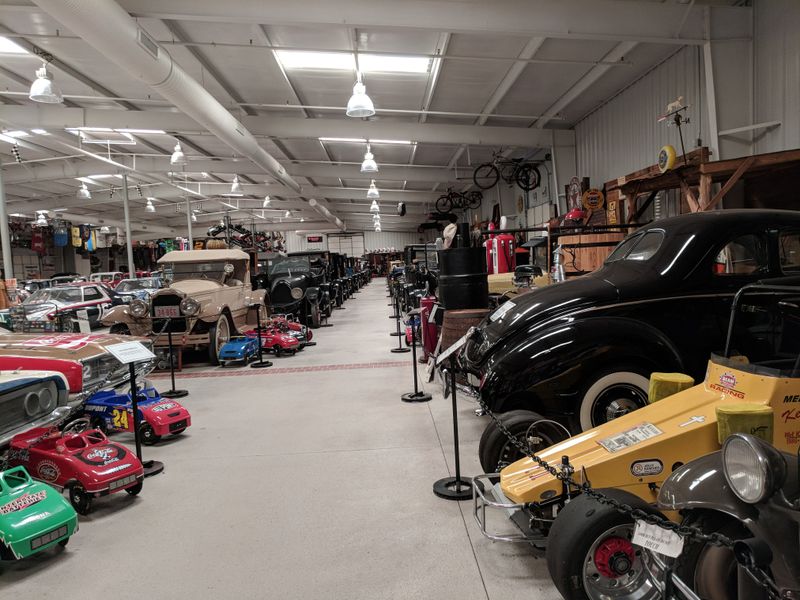
Walking through the doors feels like stepping into a time machine that spans generations of American ingenuity. Memory Lane Museum showcases an impressive collection of more than 150 vehicles that trace automotive evolution from the earliest motorized carriages to contemporary racing machines.
Each car represents a specific moment in history when design, technology, and culture intersected in fascinating ways.
The brass-era vehicles from the early 1900s sit alongside sleek muscle cars from the 1960s and 1970s. Visitors can spend hours examining the craftsmanship that went into each automobile, noticing how steering wheels, headlights, and body shapes transformed decade by decade.
The sheer variety means something catches every eye, whether you prefer elegant vintage roadsters or powerful modern performance cars.
This extensive collection took years to assemble and represents a passion for preservation that few private museums can match. The owners clearly understand that automobiles are more than transportation; they are rolling sculptures that reflect the dreams and aspirations of their eras, making this collection a true treasure for anyone interested in American history.
At 769 River Hwy in Mooresville, this family-owned diamond offers self-guided tours through decades of carefully preserved cars, from brass-era beauties to NASCAR legends that once roared around famous speedways.
2. Fifteen Different Types Of Race Cars On Display
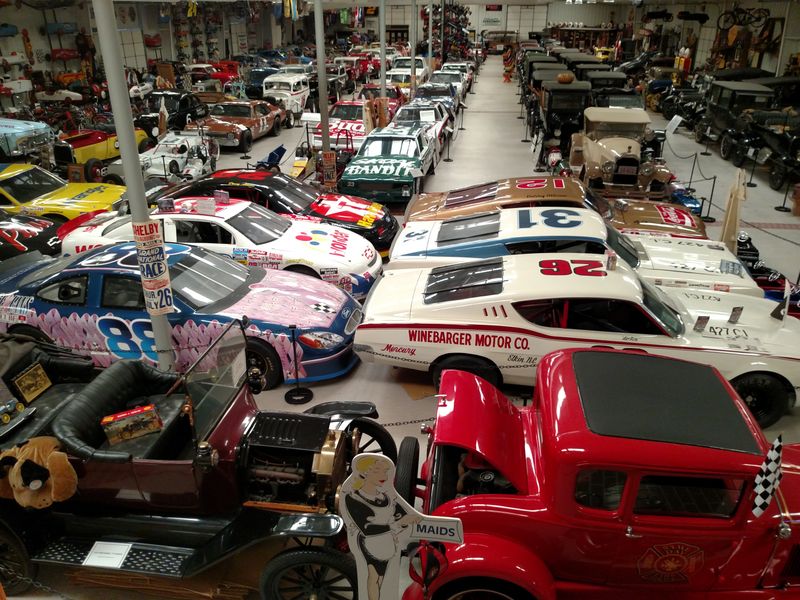
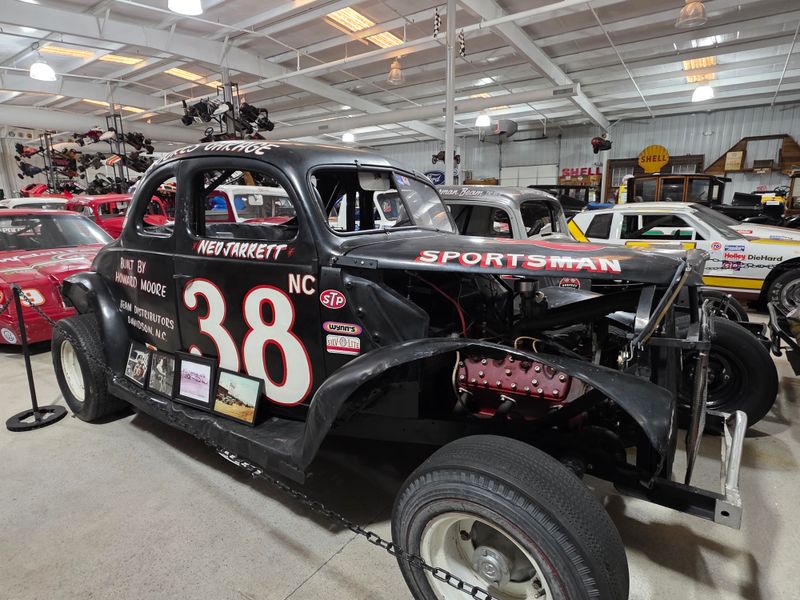
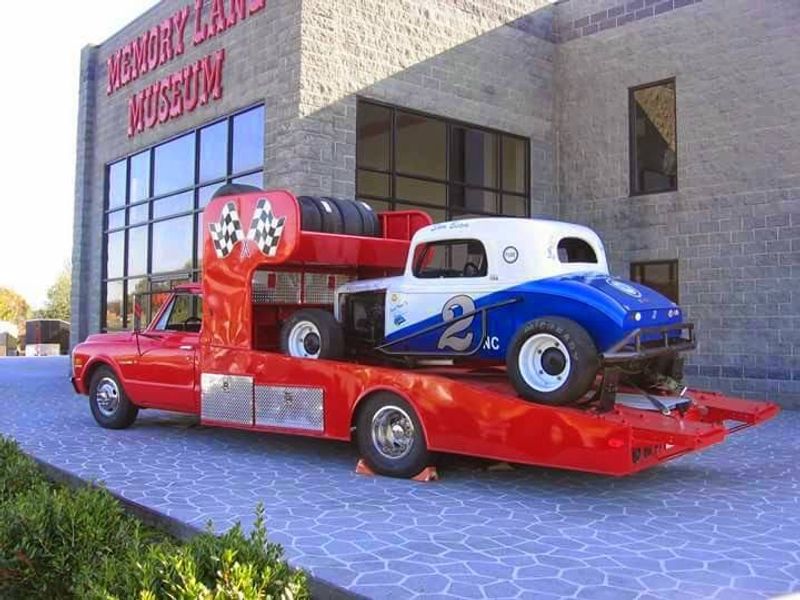
Racing enthusiasts discover something extraordinary when they realize the museum goes far beyond typical stock car displays. Memory Lane Museum features more than fifteen distinct types of race cars, covering everything from humble Soap Box Derby racers to thundering NASCAR machines that competed on the sport’s biggest stages.
This diversity shows how competitive racing evolved across multiple disciplines and decades.
The collection includes open-wheel racers, sprint cars, modified vehicles, and even the world’s largest known collection of racing go-karts. Each category tells its own story about innovation, courage, and the relentless pursuit of speed.
Younger visitors especially love seeing the progression from small pedal-powered racers to professional-grade competition vehicles.
What makes this exhibit special is how it honors all levels of motorsports, not just the famous names and big-budget teams. Grassroots racing gets equal respect alongside Winston Cup champions, creating a comprehensive picture of American racing culture.
The variety ensures that even casual fans leave with newfound appreciation for how many different ways people have competed on wheels throughout history.
3. Cars Driven By Racing Legends Like Richard Petty And Dale Earnhardt
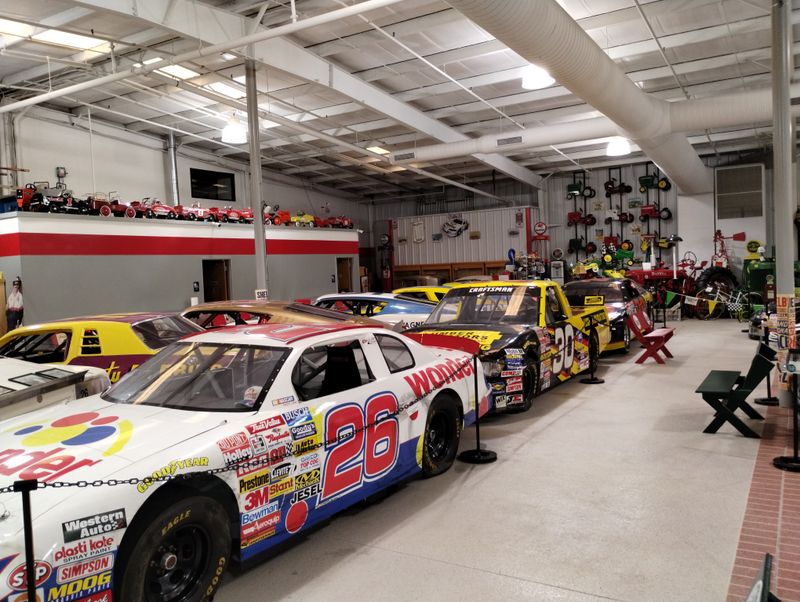
Standing face-to-face with machines piloted by racing royalty creates goosebumps for any motorsports fan. Memory Lane Museum proudly displays vehicles actually driven by legends including Richard Petty, Dale Earnhardt, and Jeff Gordon during their competitive careers.
These are not replicas or tribute cars; they are the genuine articles that battled for checkered flags and championships.
The Petty cars showcase the iconic Petty Blue paint scheme that became synonymous with NASCAR excellence across multiple decades. Dale Earnhardt’s intimidating black number three machine reminds visitors why he earned the nickname “The Intimidator” through fearless driving and fierce competition.
Jeff Gordon’s rainbow-colored ride represents a newer generation that brought stock car racing into the modern era.
Reading the placards beside each vehicle reveals stories about specific races, dramatic finishes, and historical significance that transform sheet metal into storytelling devices. Seeing the battle scars, sponsor decals, and authentic details helps visitors understand what these drivers experienced at speeds exceeding 180 miles per hour.
For racing fans, this collection represents a pilgrimage site where legends become tangible and history feels close enough to touch.
4. Extensive Collection Of Antique Toys And Pedal Cars
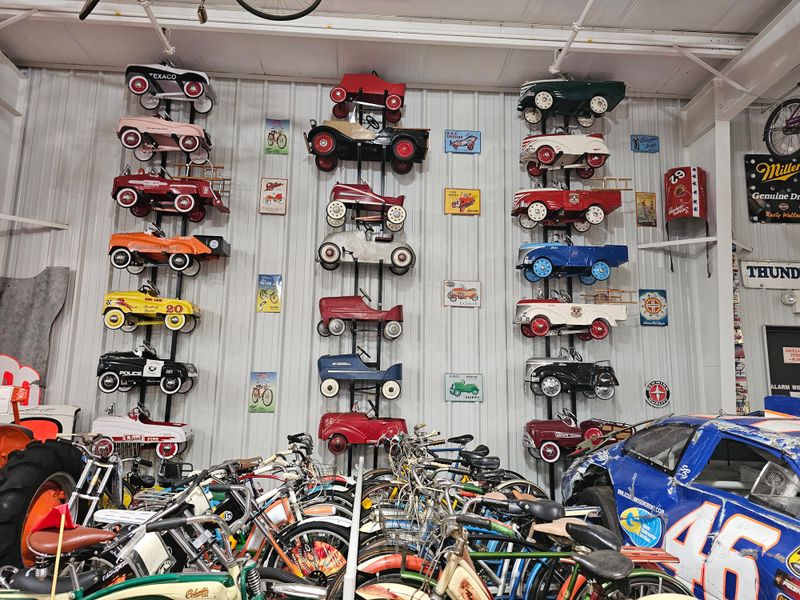
Nostalgia hits differently when you spot toys that look exactly like ones from childhood memories or family photographs. Memory Lane Museum houses an impressive array of antique toys, with special emphasis on pedal cars and vintage bicycles that once brought joy to children from past generations.
These miniature vehicles represent the same automotive passion that inspired their full-sized counterparts.
The pedal car collection spans decades of design evolution, from simple metal frames to elaborate replicas of famous automobile models. Many feature intricate details like working headlights, chrome accents, and authentic brand logos that made young drivers feel like they owned the real thing.
Seeing these toys preserved in excellent condition reminds visitors how playtime once looked before video games dominated childhood.
Parents and grandparents often linger longest at this exhibit, pointing out similarities to toys they remember from their own youth. The collection also includes antique bicycles, tricycles, and other wheeled toys that document how children’s transportation evolved alongside adult vehicles.
This exhibit proves that automotive enthusiasm starts young, and those childhood dreams often fuel lifelong passions for cars and racing.
5. Historical Timeline From 1901 To Present Day
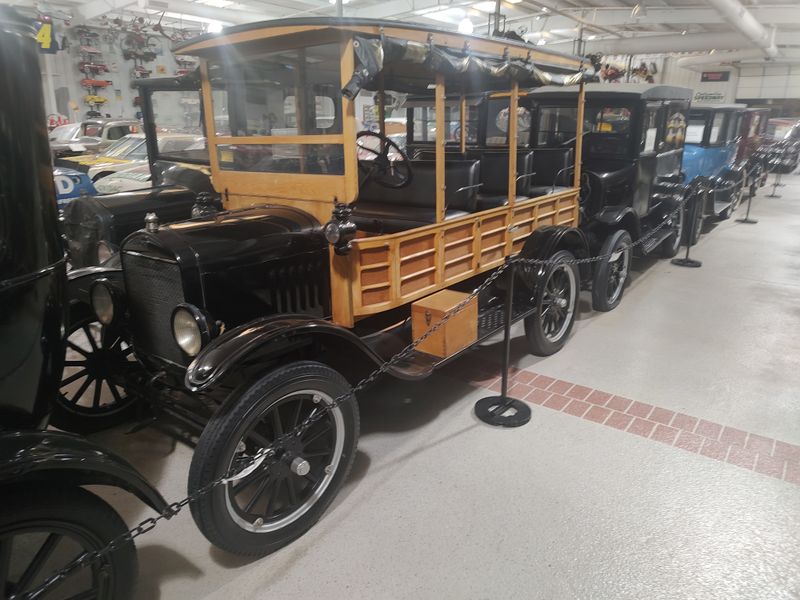
Understanding how automobiles transformed society requires seeing the progression unfold in chronological order. Memory Lane Museum organizes much of its collection to trace automotive development from the earliest motorized vehicles in 1901 through contemporary models, creating an educational journey through more than twelve decades of innovation.
This timeline approach helps visitors grasp how quickly technology advanced and how dramatically cars changed American life.
Early vehicles from the brass era look almost comically simple compared to modern machines, yet they represented cutting-edge technology for their time. Visitors can observe how engines grew more powerful, bodies became more aerodynamic, and safety features gradually improved generation after generation.
The progression shows not just mechanical evolution but also changing social attitudes about transportation, independence, and personal mobility.
This historical perspective makes the museum valuable for students, educators, and anyone curious about industrial history beyond just car enthusiasts. Seeing the timeline laid out physically rather than in textbooks creates stronger connections and memorable learning experiences.
The exhibit demonstrates how innovation builds upon previous achievements, with each generation of engineers and designers pushing boundaries that once seemed impossible to cross.
6. Award Recognition From Antique Automobile Club Of America
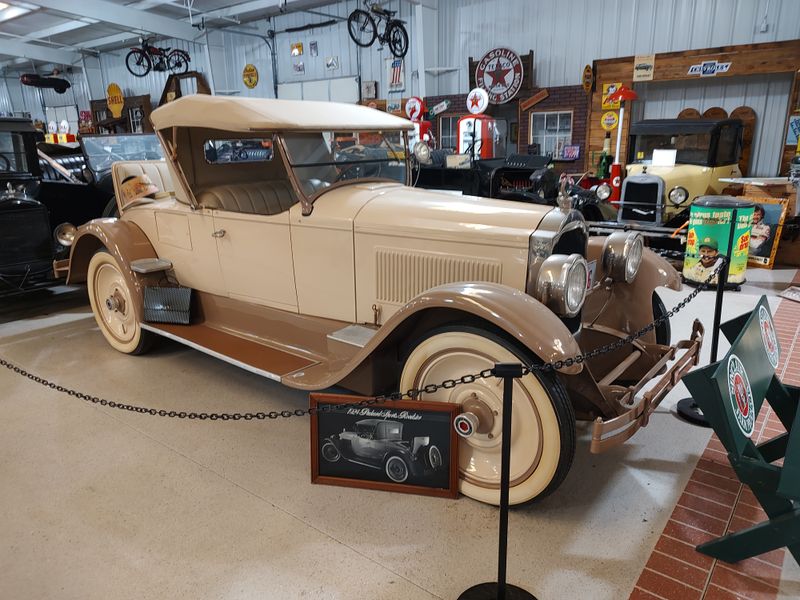
Earning respect from serious automotive historians and preservation experts requires dedication that goes beyond simply collecting old cars. Memory Lane Museum received prestigious recognition in 2003 from the Antique Automobile Club of America for outstanding achievement in preserving automotive history, validating the quality and significance of the collection.
This honor distinguishes the museum from casual collections and confirms its importance to automotive heritage.
The Antique Automobile Club of America sets rigorous standards for vehicle preservation, authenticity, and historical accuracy. Receiving their recognition means the museum meets professional-grade criteria for how vehicles are maintained, displayed, and documented.
This award reassures visitors that they are experiencing a legitimate historical resource rather than just someone’s hobby garage opened to the public.
The recognition also reflects the knowledge and passion that the museum’s owners and staff bring to their work. Preserving automotive history requires understanding original specifications, appropriate restoration techniques, and proper storage conditions that prevent deterioration.
This award represents decades of careful stewardship and commitment to ensuring future generations can appreciate these mechanical marvels. For serious collectors and historians, this recognition serves as a seal of approval worth noting.
7. Massive Racing Memorabilia Collection Including Trophies And Uniforms
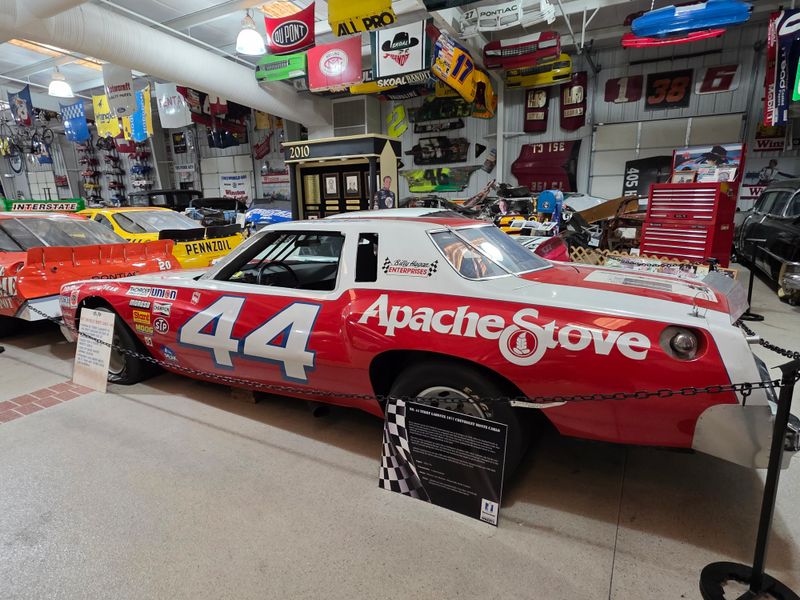
Cars tell only part of racing’s story; the personal items and awards reveal the human drama behind the competition. Memory Lane Museum features an extensive collection of racing memorabilia that includes championship trophies, driver uniforms, vintage photographs, and countless other artifacts that bring motorsports history to life.
These items add context and personality to the vehicles on display, transforming metal and rubber into stories about courage, rivalry, and triumph.
Trophy cases showcase hardware earned through years of dedication and countless hours of preparation, practice, and performance. Driver uniforms display sponsor patches and wear patterns that document actual racing careers rather than sanitized replicas.
Photographs capture victory lane celebrations, tense pit stops, and candid moments that reveal what life looked like for competitors across different racing eras.
This memorabilia helps visitors understand that racing involves entire teams of mechanics, crew chiefs, sponsors, and families who support drivers chasing their dreams. The collection honors not just famous champions but also lesser-known competitors who contributed to the sport’s rich history.
These personal artifacts create emotional connections that pure machinery cannot achieve alone, making the museum experience more meaningful and memorable for every visitor.
8. Hollywood Props From Days Of Thunder And Talladega Nights
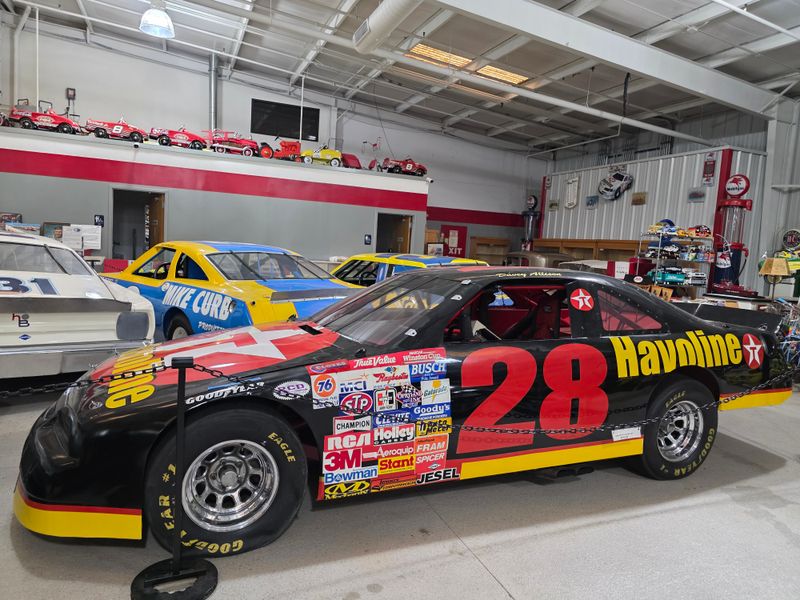
Movie magic meets automotive history in an unexpected crossover that delights film buffs and car enthusiasts alike. Memory Lane Museum features actual vehicles and props used in major Hollywood productions including “Days of Thunder” starring Tom Cruise and the comedy hit “Talladega Nights” with Will Ferrell.
Seeing these famous movie cars in person adds an entertainment dimension that most automotive museums simply cannot offer.
The “Days of Thunder” vehicles capture the intensity and glamour that made racing movies so popular during the 1990s. Meanwhile, the “Talladega Nights” props remind visitors that racing culture embraces both serious competition and good-humored fun.
These Hollywood connections make the museum accessible even to visitors who might not consider themselves hardcore car people.
Many guests recognize these vehicles from memorable movie scenes, creating instant connections and photo opportunities worth sharing on social media. The museum staff enjoys sharing behind-the-scenes stories about how these cars were modified for filming and what happened to them after production wrapped.
This blend of cinema and automotive history demonstrates how deeply cars have influenced American popular culture beyond just transportation.
9. World’s Largest Known Collection Of Racing Go-Karts
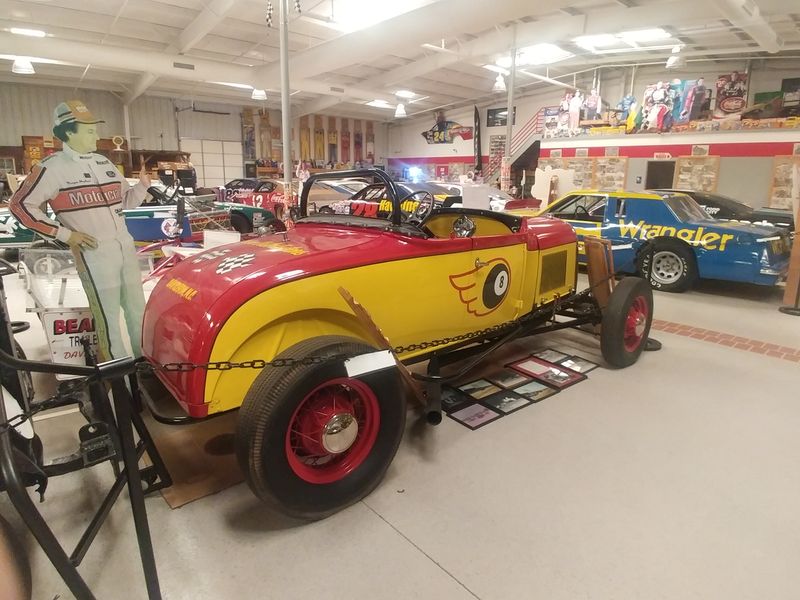
Before professional drivers piloted million-dollar race cars, many started their careers in humble go-karts on local tracks. Memory Lane Museum boasts what experts consider the largest known collection of racing go-karts in the world, documenting how this grassroots motorsport launched countless racing careers.
This unique exhibit celebrates where many champions first discovered their need for speed and competitive spirit.
The go-kart collection spans multiple decades and includes various engine configurations, frame designs, and racing classes that evolved as the sport grew. Some karts look surprisingly sophisticated with complex suspension systems and powerful engines, while others appear deceptively simple yet capable of remarkable performance.
Seeing this progression helps visitors understand how karting became the training ground for future NASCAR, IndyCar, and Formula One stars.
Many famous drivers credit their karting experience with teaching fundamental racing skills like throttle control, racing lines, and competitive awareness. This collection honors that tradition while preserving machines that might otherwise have been scrapped or forgotten.
For parents considering karting for their children or adults curious about motorsports entry points, this exhibit provides fascinating historical context about where racing passion often begins.
10. Vintage Gas Pumps And Period Advertising Signs
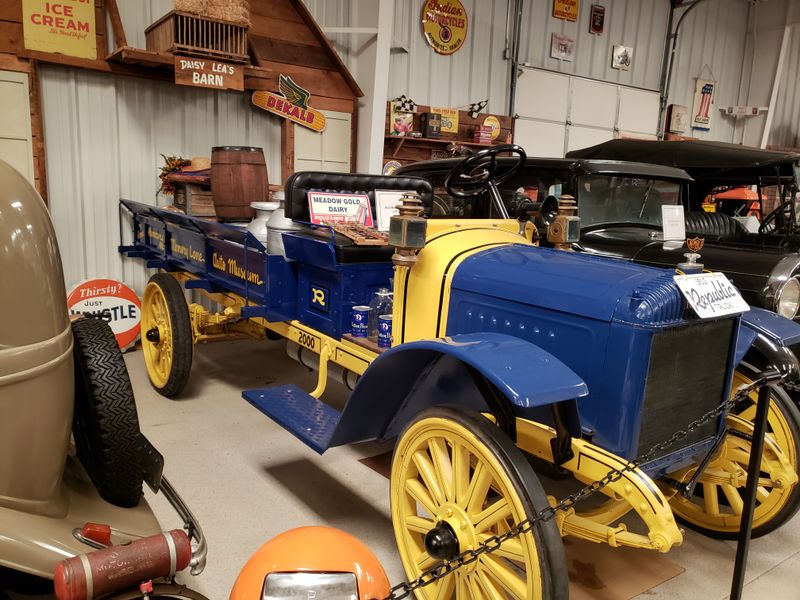
Automotive culture extends beyond vehicles themselves into the entire ecosystem that supported driving throughout history. Memory Lane Museum enhances its exhibits with authentic vintage gas pumps and period advertising signs that recreate the atmosphere of roadside America from past decades.
These artifacts transport visitors back to when filling stations offered full service, mechanics wore bow ties, and colorful signage competed for motorists’ attention.
The antique gas pumps showcase fascinating mechanical designs from the visible glass cylinders that measured fuel in early models to the streamlined art deco pumps of the mid-century. Brand names that once dominated the market but have since disappeared remind visitors how much the petroleum industry has changed.
The advertising signs feature bold graphics, catchy slogans, and brand mascots that defined automotive marketing before digital media existed.
These supporting exhibits create a more complete picture of automotive history by showing the infrastructure and commercial culture surrounding car ownership. Younger visitors find these artifacts especially intriguing because they look so different from modern gas stations with their computerized pumps and convenience store layouts.
The collection demonstrates how thoroughly automobiles reshaped American landscapes, commerce, and visual culture throughout the twentieth century.
11. Flexible Tour Options With Self-Guided And Group Visits
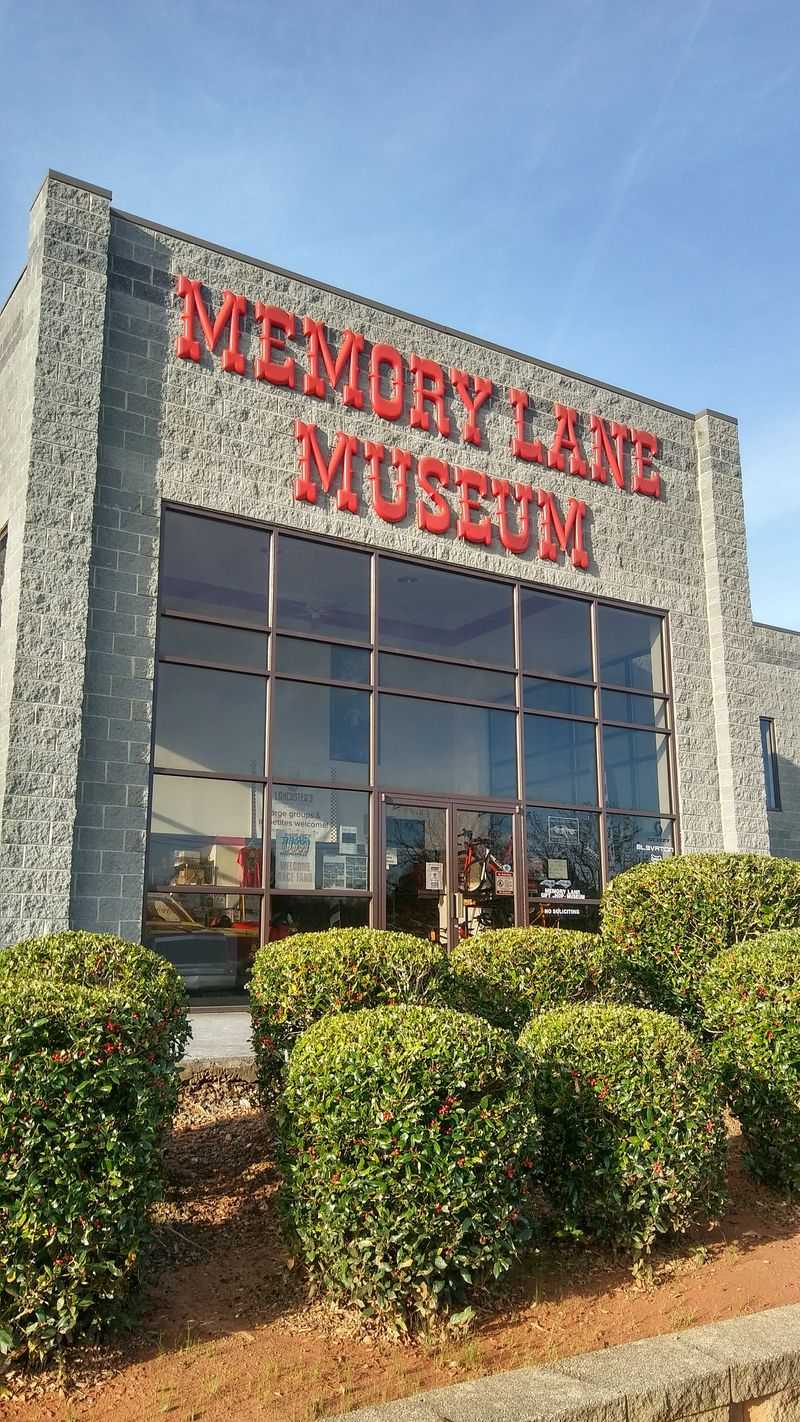
Not everyone enjoys being rushed through exhibits on rigid schedules dictated by tour guides with microphones. Memory Lane Museum respects different visiting styles by offering self-guided tours during regular operating hours, allowing guests to explore at their own comfortable pace without feeling hurried or constrained.
This flexibility means car enthusiasts can linger over favorite vehicles while casual visitors can move quickly through sections that interest them less.
The self-guided approach works particularly well for families with children who might need bathroom breaks, snack times, or simply want to run back and see a favorite car one more time. Photography enthusiasts appreciate having time to compose shots without blocking organized tour groups, and serious automotive students can study details and read informational placards thoroughly.
The museum also accommodates group tours by appointment, perfect for car clubs, school field trips, or corporate outings wanting guided experiences.
This visitor-friendly approach reflects the museum’s welcoming atmosphere and understanding that great experiences happen when people feel relaxed rather than rushed. The knowledgeable staff remains available to answer questions and share stories without forcing everyone into a one-size-fits-all touring format that might diminish individual enjoyment.
12. Well-Stocked Gift Shop With Unique Racing Memorabilia
Great museum visits deserve souvenirs that capture memories and extend the experience beyond the exit doors. Memory Lane Museum, at 769 River Hwy in Mooresville, operates a well-stocked gift shop offering racing memorabilia, nostalgic signs, automotive-themed collectibles, and unique items that appeal to visitors of all ages.
This retail space provides opportunities to take home tangible reminders of the incredible collection they just experienced.
The merchandise selection goes beyond typical tourist trap trinkets to include quality items that actual car enthusiasts and racing fans genuinely want to own. Vintage-style metal signs recreate the advertising aesthetic displayed throughout the museum, while racing memorabilia lets fans show their allegiance to favorite drivers or racing eras.
The shop also carries books about automotive history, die-cast model cars, apparel, and specialty items difficult to find elsewhere.
Shopping here supports the museum’s ongoing preservation efforts while giving visitors ways to share their enthusiasm with friends and family back home. Staff members can suggest items based on what exhibits visitors enjoyed most, creating personalized shopping experiences.
Whether buying a small memento or a significant collectible, the gift shop extends the museum experience and provides lasting connections to the automotive heritage celebrated throughout the facility.
13. Limited Operating Hours Make Visits Feel More Exclusive
Sometimes scarcity enhances value, and Memory Lane Museum’s limited operating schedule creates an atmosphere of exclusivity that mega-museums open seven days weekly cannot match. Currently operating Thursdays and Fridays from 10:00 AM to 4:30 PM, with group appointments available other days, the museum maintains an intimate, boutique experience rather than becoming an overcrowded tourist factory.
This schedule reflects the family-owned nature of the operation and ensures quality experiences for every visitor.
The limited hours mean smaller crowds, more personalized attention from staff, and quieter environments where the cars themselves take center stage without constant noise and congestion. Visitors can photograph vehicles without dozens of strangers photobombing their shots, and children can explore exhibits without navigating massive school groups blocking every display.
The appointment-based system for group visits ensures the museum never becomes overwhelming or chaotic.
Planning ahead becomes necessary, which actually builds anticipation and makes the visit feel more special when it finally happens. This approach prioritizes experience quality over maximizing ticket sales, demonstrating the owners’ genuine passion for sharing automotive history rather than simply running a commercial attraction.
Calling ahead at 704-662-3673 ensures you catch this remarkable museum during its operating hours.