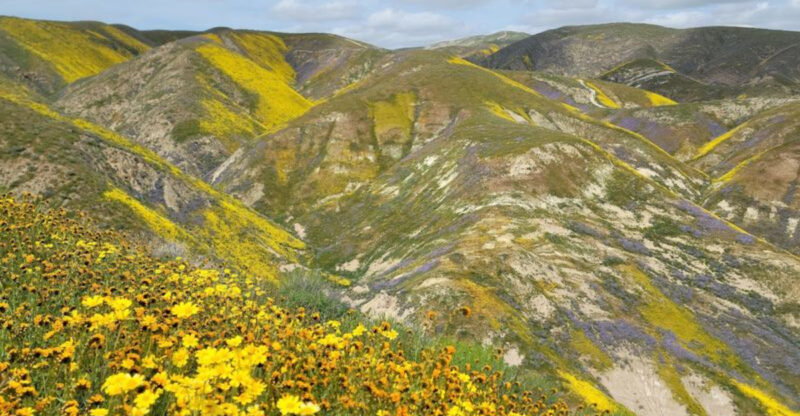
This California Nature Reserve Offers Surprisingly Close Encounters With Otters, Birds, And Coastal Wildlife This Spring
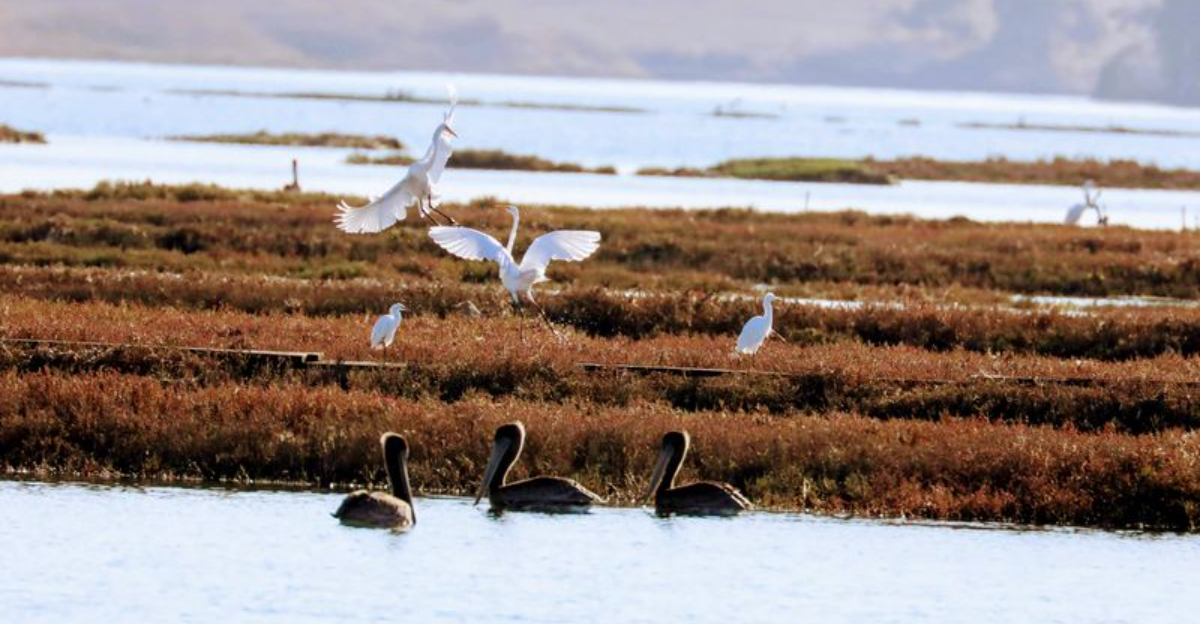
Spring transforms one of California’s most wildlife-rich coastal landscapes into a living nature show. Elkhorn Slough National Estuarine Research Reserve in Monterey County draws visitors eager to see sea otters, harbor seals, and shorebirds thriving just steps from the trail.
This sprawling 1,700-acre estuary offers rare up-close encounters without requiring a deep wilderness trek.
Sea otters float on their backs within clear view of observation areas. Shorebirds sweep across tidal flats. Harbor seals lounge on sun-warmed mudflats as families watch quietly from above.
Protected as a Wetland of International Importance, the reserve preserves one of the most ecologically significant coastal habitats along the Pacific shoreline.
Visitors explore maintained paths that wind through salt marshes and oak woodlands, where every turn reveals new wildlife activity.
Docent-led walks and educational programs bring the ecosystem to life, explaining how tides, plants, and animals depend on one another in this fragile environment.
The reserve opens Wednesday through Sunday with free admission, making it one of the most accessible wildlife experiences in California.
Spring visits feel especially rewarding. Seal pupping season unfolds along the slough, and migratory birds return in large numbers, filling the wetlands with movement, sound, and color that signal the season’s arrival.
1. Over 700 Species Call This Ecosystem Home
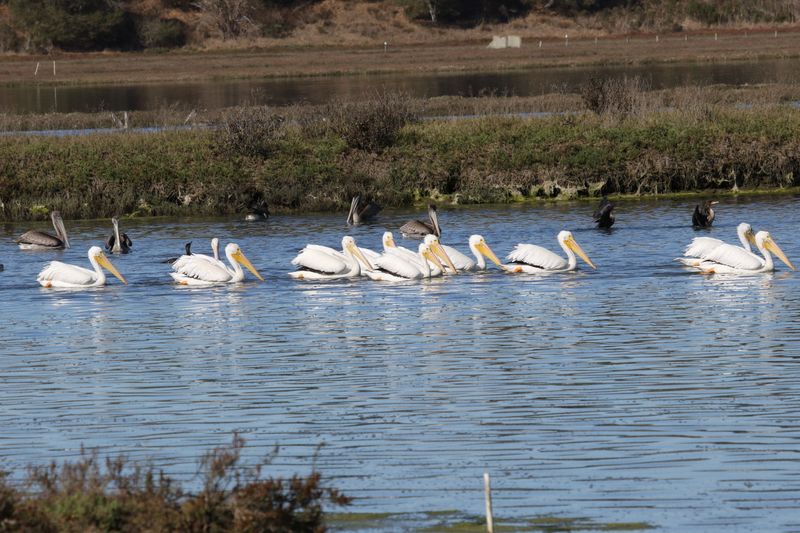
Elkhorn Slough supports an incredible diversity of life forms ranging from microscopic organisms to large marine mammals.
More than 340 bird species have been documented within the reserve boundaries along with 100 different fish species and countless invertebrates.
The variety stems from multiple habitat types existing side by side including tidal channels and mudflats alongside oak woodlands and grasslands.
Salt marshes provide nursery grounds for juvenile fish while adjacent uplands offer shelter for rabbits and ground-dwelling birds.
Seasonal changes bring different species into prominence as migratory birds arrive in spring and resident populations shift their behaviors with warming temperatures.
Visitors walking the trails during spring mornings often spot multiple species within minutes as activity peaks during early daylight hours.
The interconnected nature of estuarine ecosystems means that health in one area affects populations throughout the reserve.
Eelgrass beds growing in shallow waters produce oxygen and shelter young fish that later become food for larger predators.
Understanding this web of relationships helps explain why protecting wetlands matters for species living far beyond the immediate shoreline.
2. Southern Sea Otters Thrive In Record Numbers
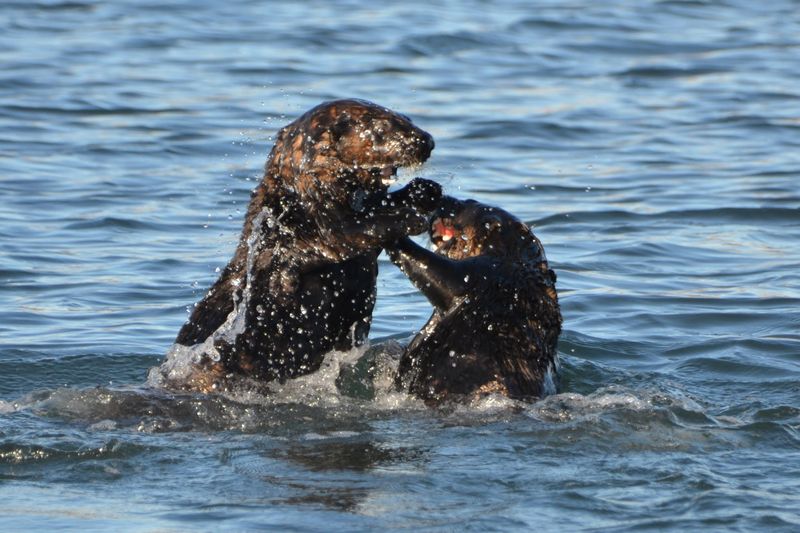
About 140 southern sea otters make Elkhorn Slough their permanent home creating the highest concentration of these marine mammals anywhere in California.
Watching otters crack open shellfish using rocks as tools provides entertainment and education for visitors of all ages.
The protected waters of the slough offer ideal conditions with abundant food sources and shelter from ocean storms and strong currents.
Sea otters spend most of their time floating on their backs grooming their dense fur which provides insulation in cold water.
Pups stay with mothers for several months learning essential survival skills like diving for food and avoiding predators.
Spring brings increased activity as breeding season approaches and established otters defend their territories from newcomers.
Viewing platforms along the reserve trails position visitors at perfect vantage points for otter watching without disturbing the animals.
Binoculars help spot individuals farther out in the channel while those closer to shore can be observed with the naked eye.
The casual nature of otter behavior allows extended observation periods as they rest and feed throughout the day.
3. Globally Important Bird Area Status Draws Enthusiasts
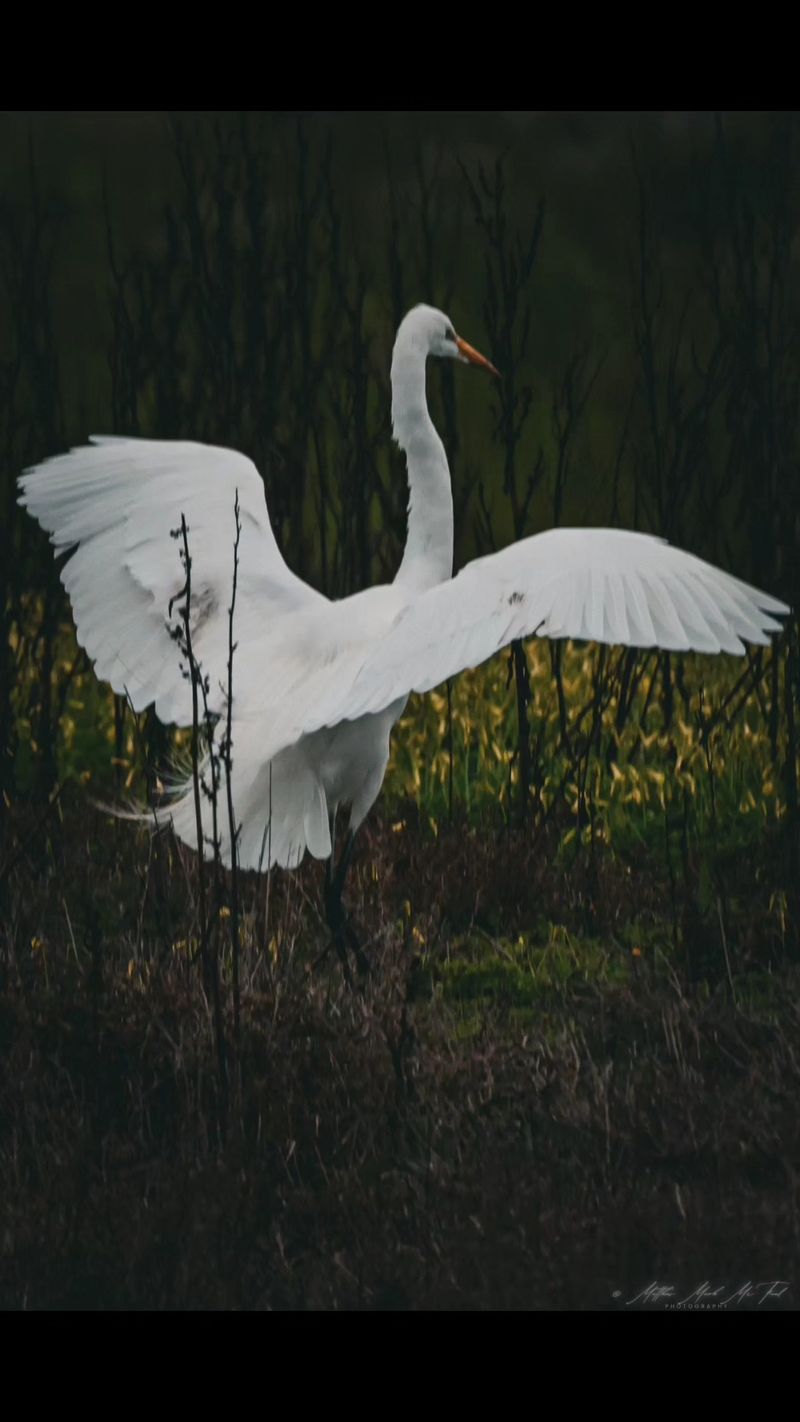
International recognition as a Globally Important Bird Area reflects the critical role Elkhorn Slough plays in supporting avian populations along the Pacific Flyway.
Brown pelicans glide low over water surfaces while great egrets stand motionless in shallow areas waiting for fish to swim within striking distance.
White-tailed kites hover above grasslands hunting for small rodents in open fields adjacent to marsh habitats.
Spring migration brings waves of shorebirds stopping to refuel during long journeys between wintering and breeding grounds.
Sandpipers probe mudflats for tiny invertebrates while willets call loudly from exposed perches marking their territories.
Resident species like black phoebes and marsh wrens maintain year-round presence adding their songs to the seasonal chorus of visitors.
Early morning hours offer the best birding opportunities when activity levels peak and lighting conditions favor photography.
The reserve provides bird checklists helping visitors identify species they encounter along different trail sections.
Patient observers willing to sit quietly near water edges often see rare species that avoid areas with constant foot traffic and noise.
4. Ramsar Convention Designation Protects Wetland Values
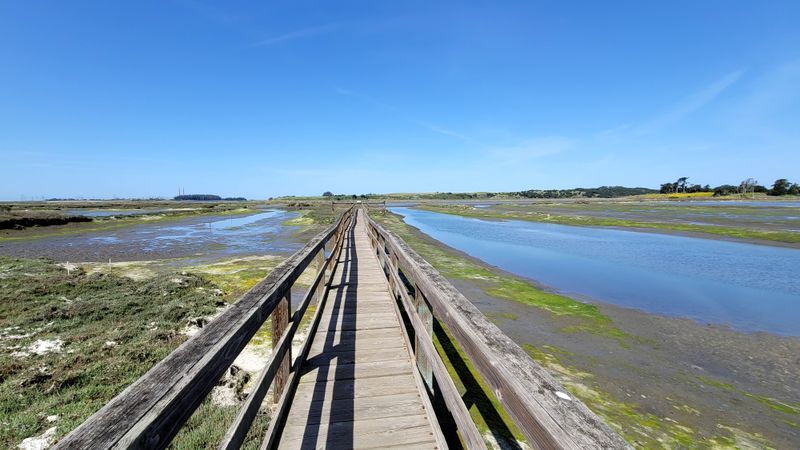
Recognition under the Ramsar Convention in 2018 placed Elkhorn Slough among the most important wetlands worldwide based on ecological significance and biodiversity values.
This international designation brings attention to conservation needs while encouraging research and education programs.
The status acknowledges that estuarine ecosystems provide services extending far beyond local boundaries including water filtration and carbon storage.
Wetlands act as buffers against coastal flooding by absorbing storm surge and slowing water movement across the landscape.
Salt marsh plants trap sediments and pollutants before they reach open ocean waters protecting marine environments downstream.
These natural processes work continuously without human intervention making wetland preservation an economical approach to environmental protection.
The Ramsar designation requires ongoing monitoring and management to maintain ecological integrity for future generations.
Scientists conduct regular surveys tracking population trends and habitat conditions across the reserve.
Public access remains a priority balanced against the need to minimize disturbance in sensitive areas where wildlife breeds and feeds.
5. Five Miles Of Trails Wind Through Varied Habitats
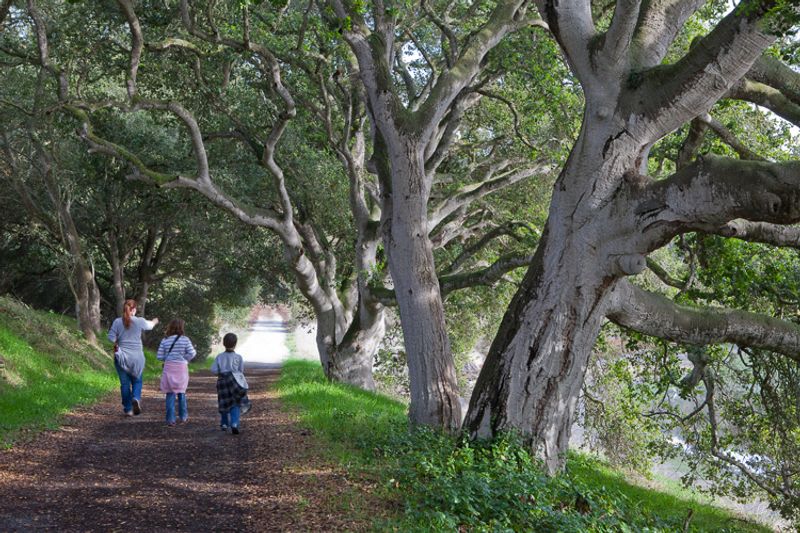
More than five miles of maintained trails guide visitors through distinctly different habitat zones from salt marshes at sea level to oak woodlands on hillsides above the slough.
Trail surfaces range from packed earth paths to elevated boardwalks that protect sensitive vegetation while providing views over marsh expanses.
Signs along routes identify plant species and explain ecological processes occurring in each habitat type.
The South Marsh Loop offers close views of tidal channels where water levels change dramatically between high and low tides.
Long Valley Loop climbs into upland areas where coast live oaks create shaded corridors and grasslands open to sweeping vistas.
Shorter accessible paths near the visitor center accommodate those with limited mobility or time constraints.
Spring wildflowers add color to grassland sections while new growth on marsh plants creates fresh green carpets across previously brown landscapes.
Trail conditions vary with weather and season so checking at the visitor center before setting out helps visitors choose appropriate routes.
Comfortable walking shoes and layered clothing prepare visitors for changing temperatures as trails move between exposed and sheltered areas.
6. Visitor Center Exhibits Explain Estuarine Ecology
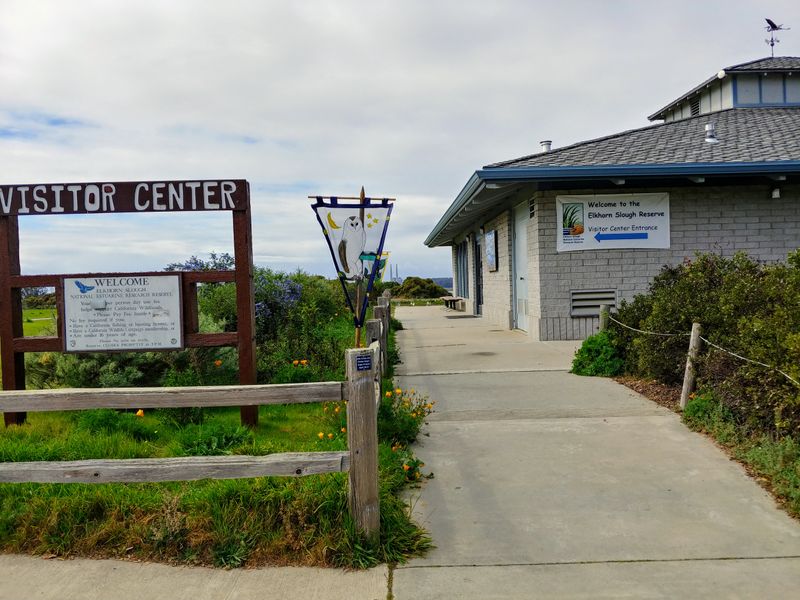
Interactive displays at the visitor center introduce fundamental concepts about how estuaries function and why they matter for both wildlife and human communities.
Large windows frame views of the slough itself connecting indoor learning with outdoor observation opportunities.
Exhibits explain the mixing of fresh and salt water that defines estuarine conditions creating unique challenges and opportunities for organisms living there.
Graphics show food web relationships illustrating how energy flows from microscopic algae through increasingly larger consumers.
Seasonal displays highlight current wildlife activity helping visitors know what to look for during their trail walks.
Staff members answer questions and provide trail maps with suggestions based on visitor interests and physical abilities.
The center stocks field guides and educational materials for those wanting to deepen their understanding of coastal ecosystems.
Restroom facilities and drinking water make the center a logical starting point before heading out to explore the reserve grounds.
7. Kayaking Provides Water-Level Wildlife Perspectives
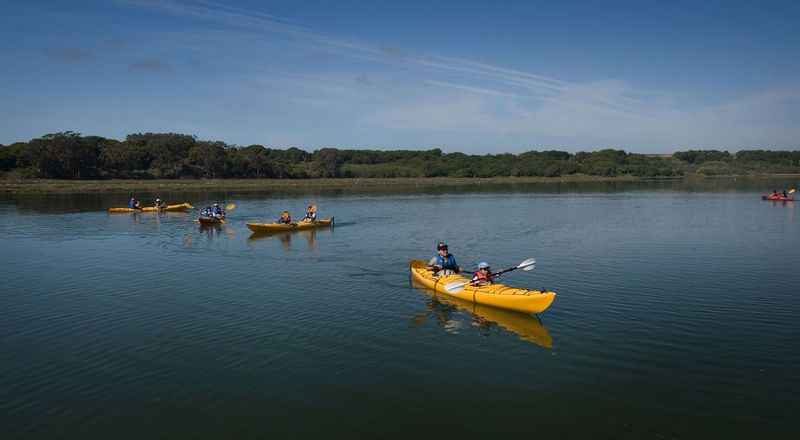
Launching a kayak into slough waters transforms the wildlife viewing experience by placing observers at the same level as otters and water birds.
Paddling quietly through narrow channels reveals hidden corners inaccessible from shore trails where herons nest and harbor seals haul out on isolated mudflats.
The slow pace of kayak travel allows extended observation without disturbing animals accustomed to boats moving through their habitat.
Several local outfitters offer kayak rentals and guided tours for those without their own equipment or experience navigating tidal waters.
Guides share knowledge about animal behavior and point out species that inexperienced observers might overlook.
Spring tides create strong currents requiring paddlers to time their trips carefully and stay aware of changing water conditions.
Kayaking restrictions protect sensitive areas during breeding seasons when wildlife disturbance could cause nest abandonment or separation of mothers from young.
Following marked routes and maintaining proper distances from wildlife ensures that recreation activities remain compatible with conservation goals.
Life jackets and appropriate clothing for water activities rank as essential safety equipment even in calm conditions.
8. Guided Boat Tours Offer Comfortable Wildlife Viewing
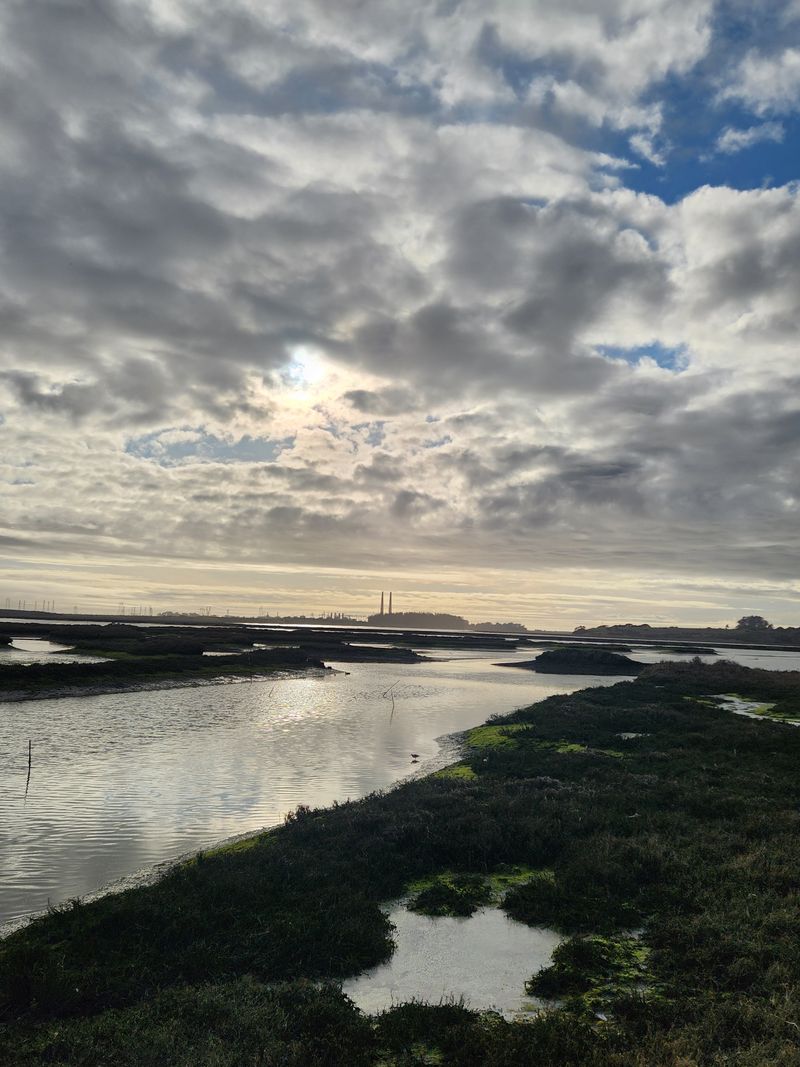
Naturalist-led boat tours provide narrated journeys through the main channel where captains position vessels for optimal wildlife observation while maintaining respectful distances.
Passengers sit comfortably above water level gaining perspectives different from both kayaking and shore viewing.
Tour guides use microphones to share information ensuring everyone aboard hears explanations about behaviors and ecological relationships being witnessed.
Boats access areas too deep or distant for kayaks while covering more territory than walking trails allow in similar time periods.
Spring tours focus on seal pupping activity and increased otter interactions as breeding season progresses.
The stable platform of a motorized boat makes photography easier than from a kayak and accommodates visitors who prefer not to paddle.
Reservations become necessary during peak spring weekends when demand exceeds available spaces on scheduled departures.
Tour lengths vary from quick introductory trips to extended excursions that explore the full length of navigable waters.
Dress recommendations include layers and sun protection since conditions on the water differ from those on land even during warm weather.
9. Spring Marine Mammal Baby Tours Capture Special Moments
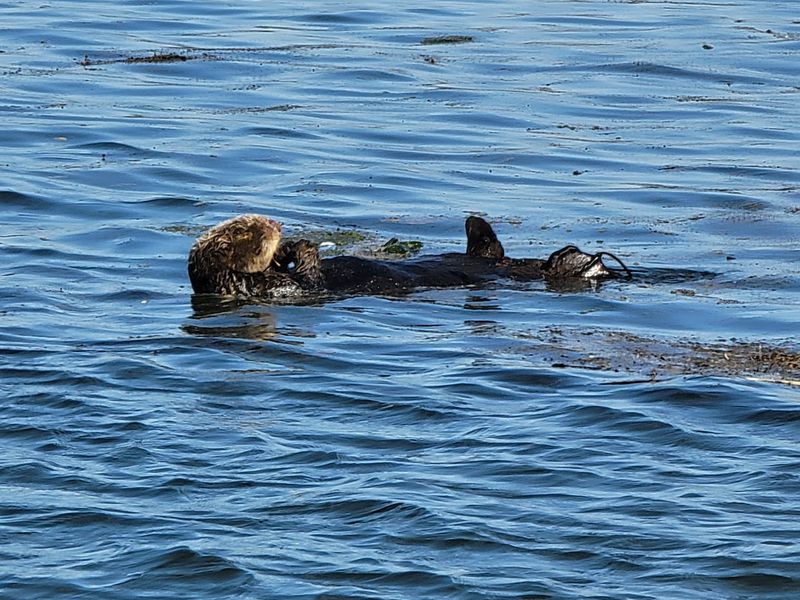
Special springtime tours focus specifically on observing harbor seal pups and sea otter births during the peak season when marine mammals raise their young.
Harbor seals give birth on exposed mudflats and sandbars where pups must learn to swim and follow their mothers within hours.
Sea otter mothers float with newborn pups resting on their chests while grooming the infant fur that provides crucial insulation.
Viewing baby animals appeals to visitors of all ages creating memorable experiences that build appreciation for wildlife conservation.
Guides explain the challenges young marine mammals face and the behaviors that increase survival rates during vulnerable early life stages.
Maintaining proper viewing distances becomes especially important when young animals are present since disturbance can disrupt essential bonding and feeding.
Photography opportunities abound but tour leaders remind participants that the welfare of animals takes priority over getting perfect shots.
Binoculars provided on boats bring distant subjects into clear view without requiring close approaches.
The limited duration of pupping season makes spring the ideal time for visitors specifically interested in observing marine mammal reproduction and parental care.
10. Docent-Led Walks Enhance Understanding And Discovery
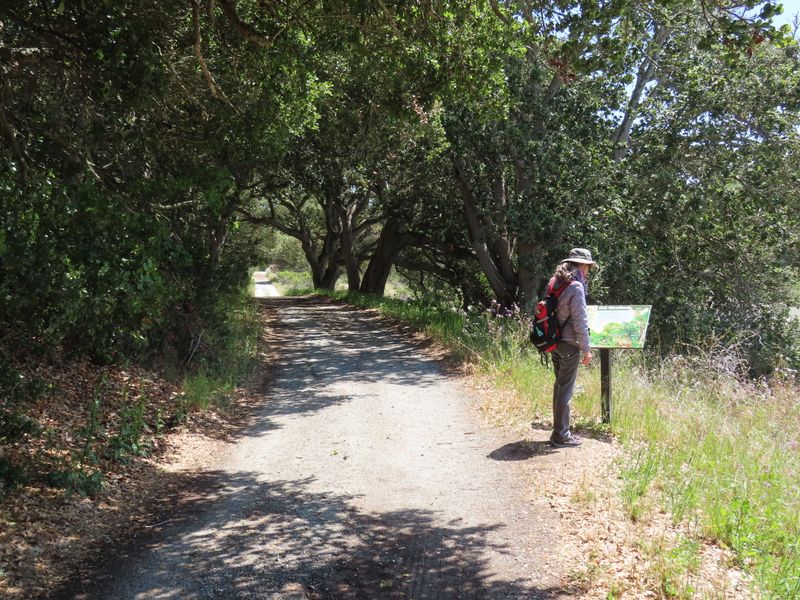
Trained volunteer docents lead scheduled walks that combine wildlife observation with ecological education tailored to participant interests and knowledge levels.
Docents carry spotting scopes to share views of distant birds and point out subtle signs of animal activity that untrained eyes might miss.
Their familiarity with the reserve helps groups find wildlife efficiently while avoiding sensitive areas where human presence could cause problems.
Walking with a knowledgeable guide transforms a simple hike into an immersive learning experience as docents explain plant adaptations and animal behaviors observed along the trail.
Questions from participants often lead to discussions about conservation challenges and management strategies being employed to protect habitats.
The social aspect of group walks appeals to solo visitors wanting to share the experience with others.
Docent-led programs operate on regular schedules posted at the visitor center and online allowing visitors to plan their trips around these enhanced opportunities.
No additional fees apply beyond regular admission making guided walks an excellent value for those wanting deeper engagement.
Spring walks emphasize seasonal changes and the increased wildlife activity that makes this time of year particularly rewarding for nature observation.
11. Conservation Projects Restore And Protect Habitats
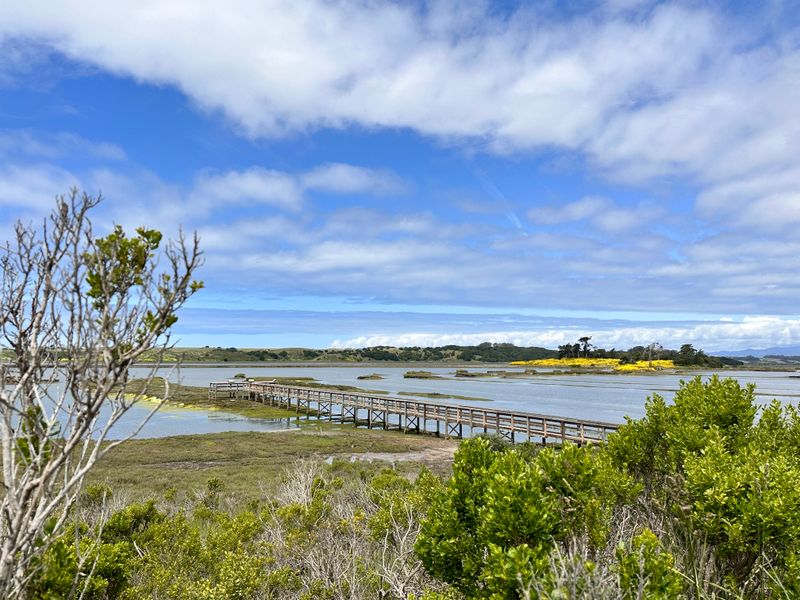
Ongoing restoration efforts address decades of habitat degradation caused by agricultural development and altered water flows that changed the natural dynamics of the slough system.
Native plant restoration projects remove invasive species and reestablish vegetation communities that provide food and shelter for wildlife.
Tidal flow modifications help recreate historical patterns that support productive fish nurseries and healthy marsh ecosystems.
Scientists monitor restoration outcomes tracking how wildlife populations respond to habitat improvements over time.
Research findings guide future management decisions ensuring that limited resources focus on actions producing the greatest conservation benefits.
Partnerships between government agencies and nonprofit organizations pool expertise and funding to accomplish work beyond what any single entity could achieve alone.
Visitors sometimes see restoration work in progress as crews plant native vegetation or modify water control structures.
Interpretive signs explain project goals helping the public understand that active management often proves necessary to repair damaged ecosystems.
Long-term commitment to habitat protection ensures that future generations will enjoy the same wildlife viewing opportunities available today.
12. Free Admission Makes Nature Accessible to All
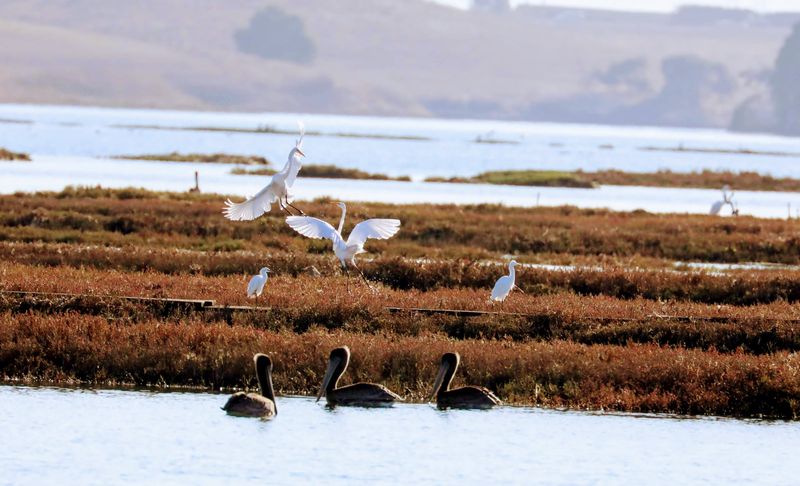
The reserve operates Wednesday through Sunday from 9 a.m. to 5 p.m. with no admission fees removing financial barriers that prevent some families from accessing nature experiences.
Free entry reflects the public mission of the reserve system to build environmental literacy and foster connections between people and natural places.
Parking areas accommodate standard vehicles with designated accessible spaces near the visitor center and trailheads.
Operating hours provide ample time for both quick visits and extended explorations depending on visitor schedules and interests.
Arriving near opening time allows experiencing morning wildlife activity when many species are most visible and active.
Weekday visits tend to be less crowded than weekends offering more solitude for those seeking quiet nature immersion.
The reserve welcomes visitors of all ages and abilities with trail options ranging from easy accessible paths to more challenging routes requiring moderate fitness levels. Dogs must remain at home to avoid disturbing wildlife and protect sensitive habitats from damage.
The combination of free admission and diverse offerings makes Elkhorn Slough an exceptional resource for environmental education and outdoor recreation in California.