This Is Your Last Chance To Step Aboard A VR Titanic Before It Closes Today In Los Angeles, California
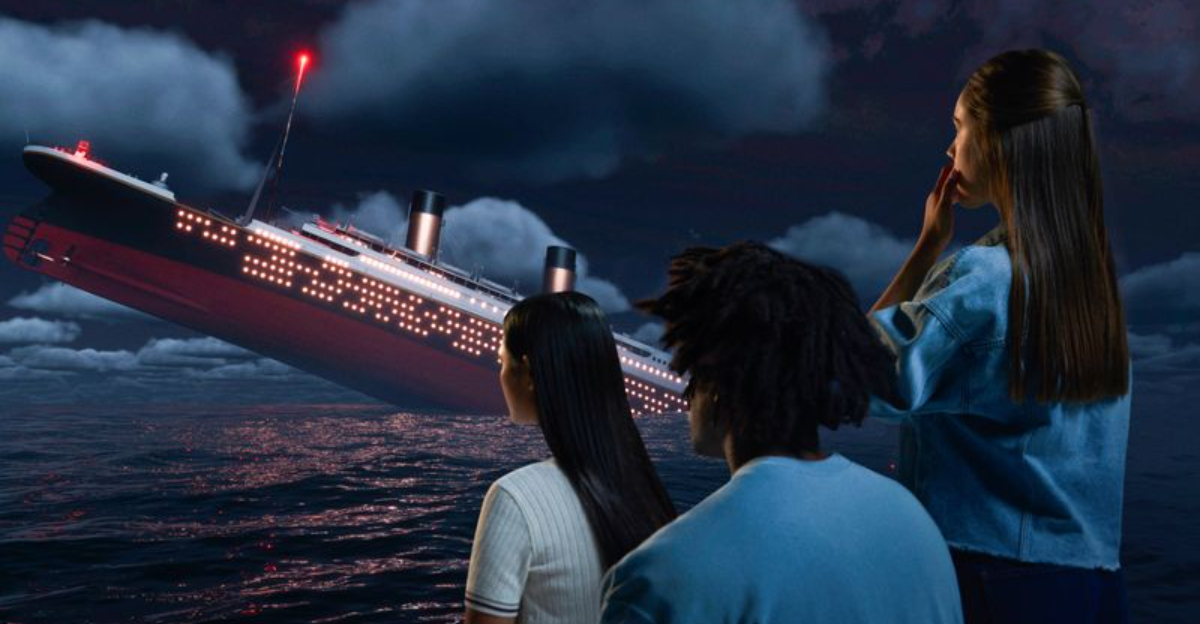
Los Angeles now hosts one of the most immersive historical experiences in the country. Titanic: A Voyage Through Time uses advanced virtual reality technology to bring the legendary ocean liner back to life in remarkable detail.
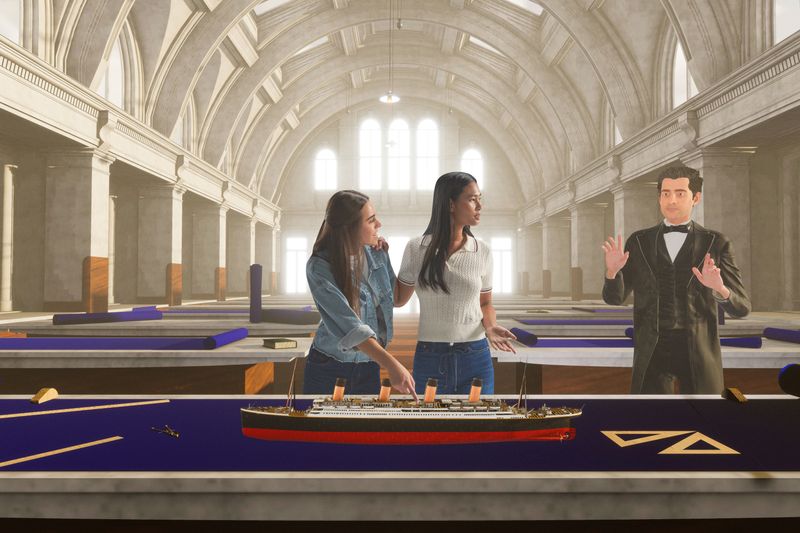
Visitors step inside a fully reconstructed version of the ship and move through its most famous spaces as if the year were still 1912.
Guests walk grand staircases, explore elegant corridors, and stand on decks that once carried passengers across the Atlantic.
Every environment reflects meticulous research, from architectural details to lighting and furnishings.
The experience feels cinematic but deeply personal, placing participants at the center of Titanic’s story rather than on the sidelines.
The journey extends beyond the ship’s peak era. Visitors descend virtually nearly 2.4 miles beneath the ocean surface to view the wreck site as it rests today.
Seeing the vessel in both its glory and its aftermath creates a powerful contrast that traditional exhibits rarely achieve.
This California attraction blends history, storytelling, and cutting-edge technology into an unforgettable voyage through time.
1. Journey To The Ocean Floor Begins Your Adventure
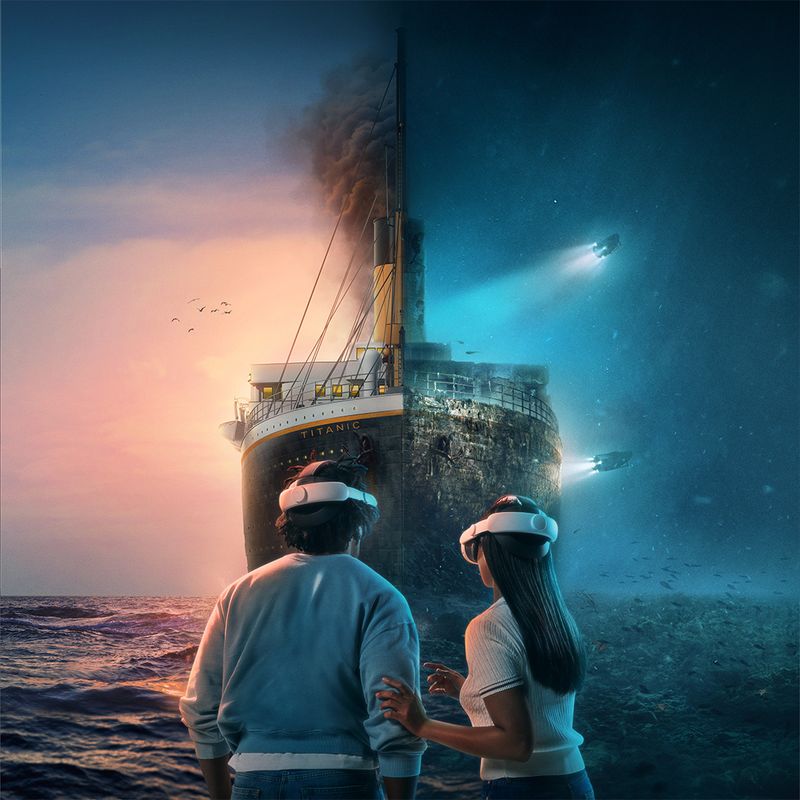
Visitors start their experience with something few people ever get to see in real life. The VR journey begins with a realistic descent through dark ocean waters, traveling nearly 2.4 miles down to where the actual Titanic rests on the seafloor.
Shadows deepen as sunlight fades, creating an atmosphere that feels both peaceful and haunting. This opening sequence sets the tone for everything that follows.
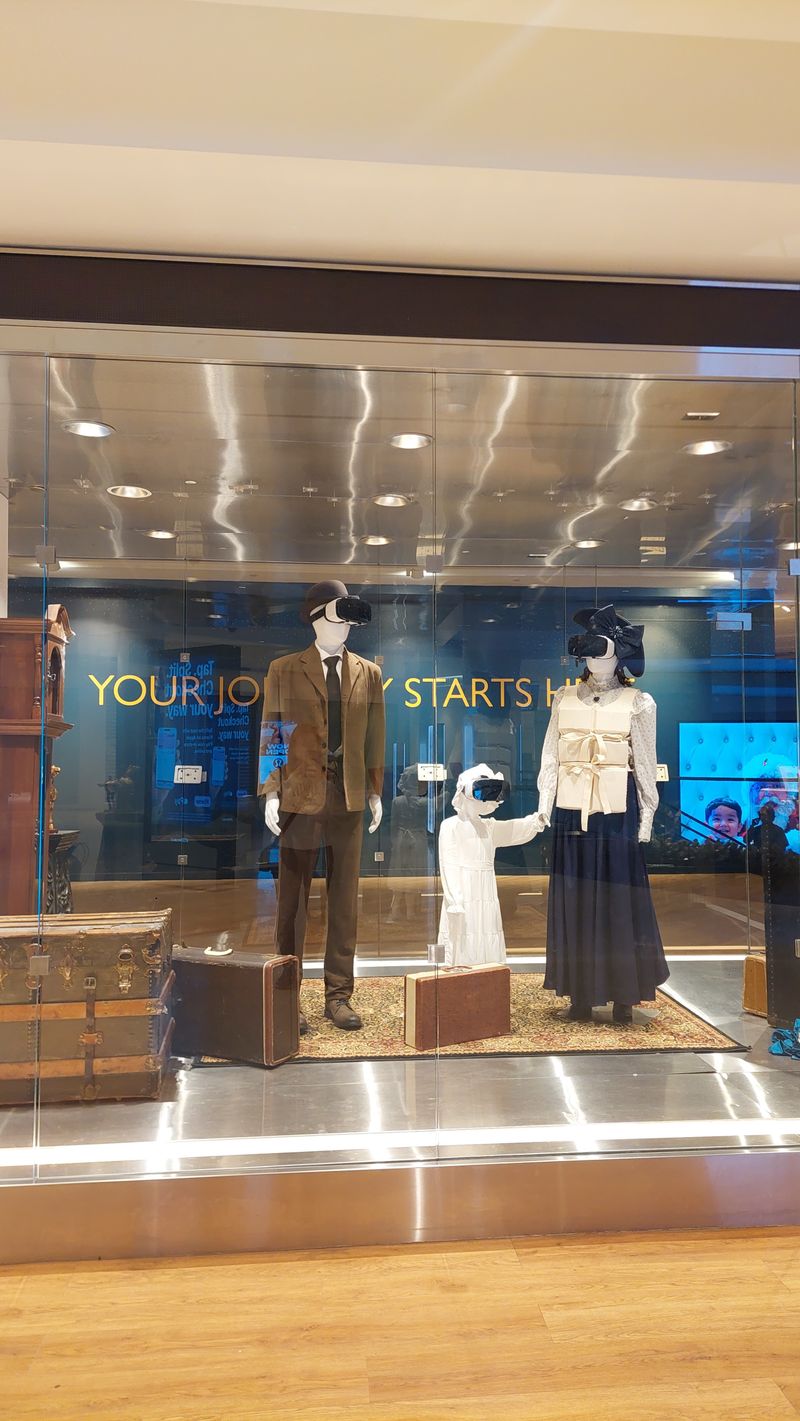
Guests at Beverly Center, 8500 Beverly Blvd, Los Angeles, CA 90048 see the ship’s remains exactly as they appear today, scattered across the ocean bottom after more than a century underwater.
Rust covers the metal surfaces, and marine life has made the wreck its home. The technology creates a sense of actual movement through water.
Participants can look around in all directions, noticing how the ship broke apart when it sank. Small fish swim past the viewing area, and the water pressure feels almost tangible through the headset.
This portion of the experience lasts several minutes, giving everyone time to absorb the reality of the disaster. Historical context appears through visual information, explaining what happened that tragic night.
The descent serves as a bridge between past and present, preparing visitors for the time travel that comes next.
2. The Grand Staircase Welcomes You Back To 1912
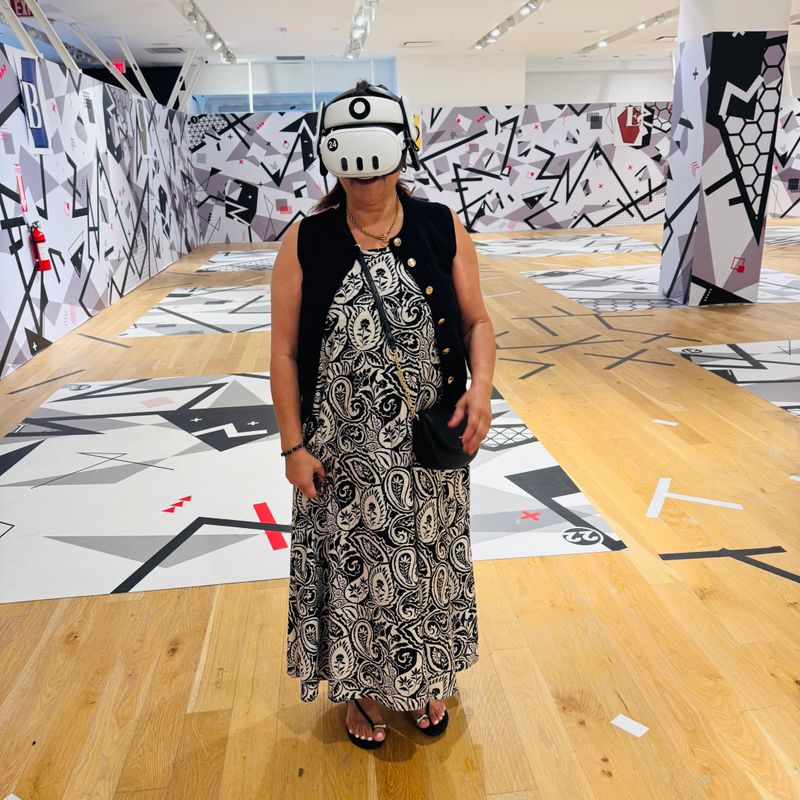
After witnessing the wreck, the experience shifts dramatically to show the ship in its original glory. The Grand Staircase appears exactly as it looked when the Titanic first set sail, with polished wood gleaming under electric lights.
Carved details cover every surface, and the famous clock sits prominently at the landing. Walking through this space feels surreal because visitors just saw these same areas destroyed on the ocean floor.
The contrast makes the tragedy more personal and immediate. Guests can pause on the steps, looking up at the glass dome overhead that once let natural light flood the stairwell.
The VR technology captures textures with impressive accuracy. Wood grain shows clearly in the paneling, and the carpet pattern remains distinct underfoot.
Even the metalwork on the railings displays the craftsmanship that made this ship legendary. This area represents the height of luxury travel in the early twentieth century.
Only first-class passengers could access this magnificent staircase, which served as both a functional pathway and a social gathering spot.
The experience lets everyone explore it freely, regardless of what ticket class they might have held back then.
3. Opulent Dining Rooms Show How Passengers Lived
Meals aboard the Titanic were elaborate affairs, especially for wealthier passengers. The VR experience recreates the dining rooms with tables set for service, complete with fine china and crystal glassware.
Chairs sit ready for guests who will never arrive, creating a moment that feels frozen in time. The first-class dining saloon could seat over 500 people at once, making it one of the largest rooms on the ship.
White linens cover every table, and the ceiling rises high overhead with decorative plasterwork. Large windows would have provided ocean views during daylight hours.
Visitors can walk between the tables, examining place settings and imagining conversations that once filled this space. The room’s size becomes apparent when moving from one end to the other.
Lighting fixtures hang at regular intervals, providing warm illumination that makes the room feel welcoming despite knowing the ship’s fate.
Menu cards from actual voyages listed multiple courses for each meal. Breakfast might include seven or eight options, while dinner could stretch to ten courses or more.
The dining experience reflected the social importance of mealtimes in that era, when people spent hours at the table.
4. Walking The Deck Under Virtual Stars
Something magical happens when participants step onto the ship’s deck in virtual reality. Stars fill the sky overhead, and the ocean stretches endlessly in all directions.
The deck appears just as it would have during those final calm nights before the iceberg collision. Wooden planks run the length of the promenade, and deck chairs sit positioned for passengers to enjoy fresh air.
Railings line the edges, and lifeboats hang in their davits, ready for an emergency that most people never expected.
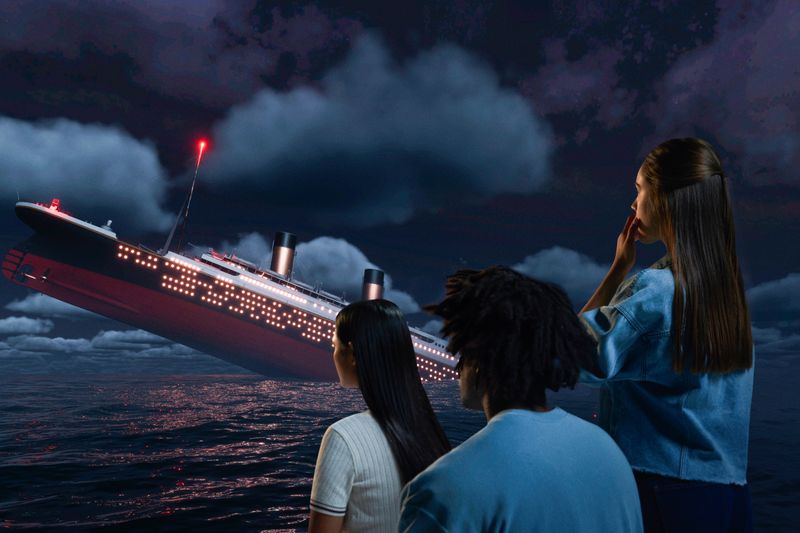
The experience captures both the beauty and the tragedy of this space. Wind sounds play softly through the headset, and the gentle motion of waves creates a realistic sensation of being at sea.
Participants can walk freely, choosing their own path along the deck. Some areas remain crowded with period details, while others offer open space to simply stand and look at the horizon.
Many passengers spent evening hours on deck, socializing or seeking quiet moments away from the busy interior spaces. The temperature would have been cold, especially in the North Atlantic during April.
This outdoor area provides a different perspective on shipboard life, showing how people moved between enclosed and open spaces throughout each day.
5. Interactive Elements Let You Touch History
Unlike passive viewing experiences, this VR exhibition encourages active participation. Guests can reach out and touch objects throughout the ship, from door handles to furniture pieces.
The controllers track hand movements, making interactions feel natural and responsive. Picking up items reveals additional information about their purpose and history.
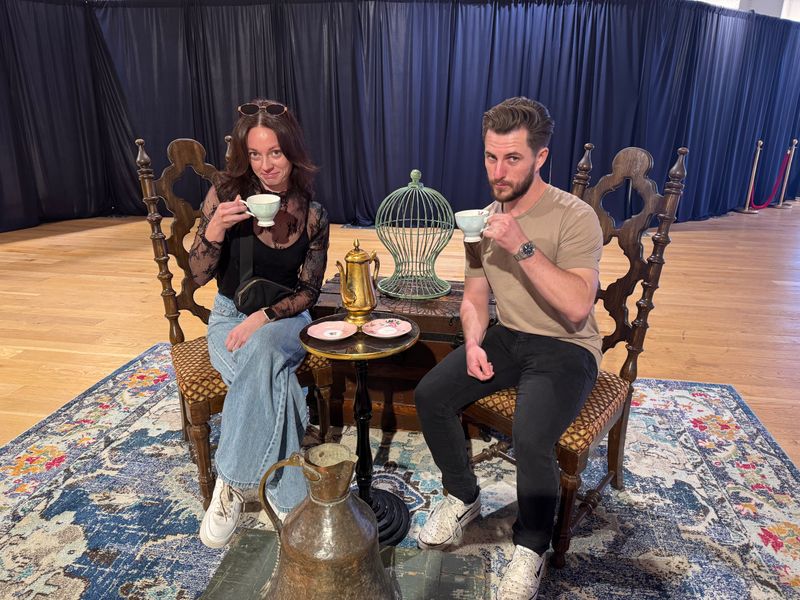
A teacup might display details about the pottery manufacturer, while a navigation instrument could explain how officers determined the ship’s position at sea.
These small interactions add layers of understanding to the overall experience.
The technology even simulates walking down stairs by having participants make stepping motions. This physical engagement helps create stronger memories than simply observing.
Touching a railing or opening a door becomes a personal connection to the past. Children particularly enjoy this interactive aspect, as it transforms learning into play.
Instead of reading text panels at a traditional museum, they discover information through exploration.
Adults also appreciate the hands-on approach, which makes historical facts more memorable. Every object serves a purpose in telling the Titanic’s story.
From practical items like life preservers to luxury goods like jewelry, the range of touchable elements illustrates the diversity of life aboard the ship.
6. Meeting Real Passengers And Crew Members
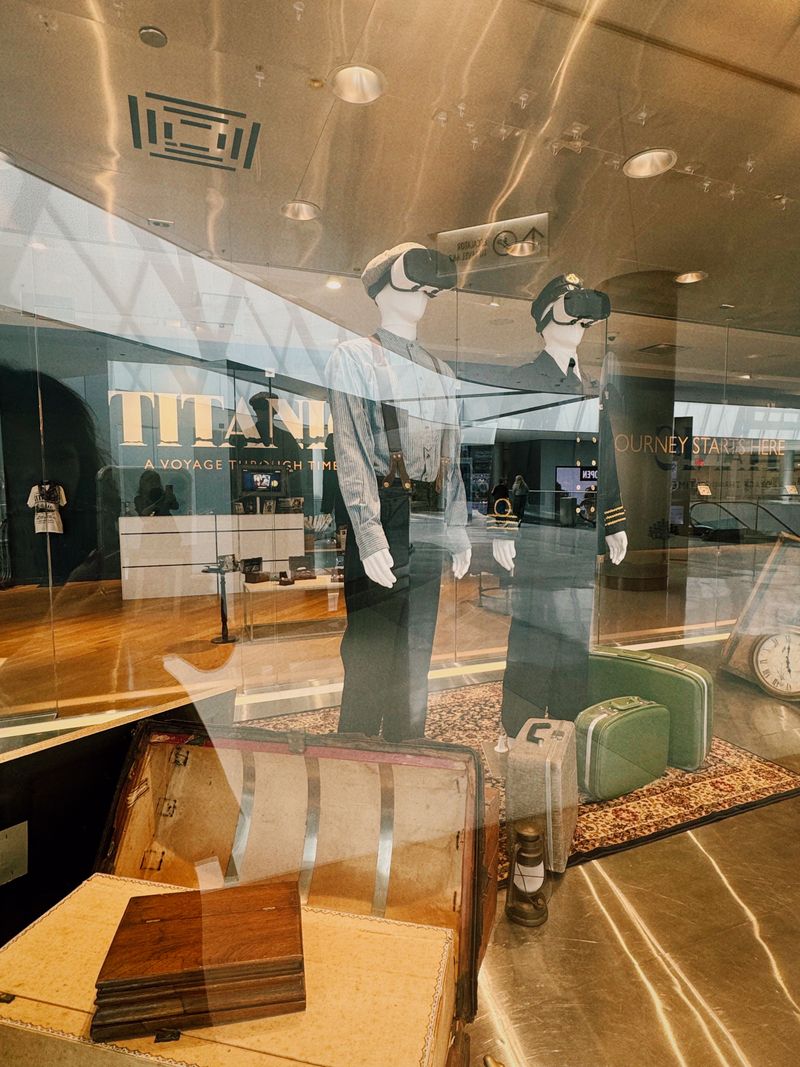
Personal stories bring history alive in ways that facts alone cannot. Throughout the VR journey, participants encounter representations of actual people who sailed on the Titanic.
These figures share their backgrounds, hopes, and experiences through audio narration. The exhibition includes passengers from all three classes, showing the vast differences in their accommodations and expectations.
A wealthy businessman might discuss his cabin’s amenities, while a third-class immigrant family talks about seeking new opportunities in America.
Crew members explain their duties, from stoking coal in the engine rooms to serving meals in the dining saloons.
These encounters happen naturally as visitors explore different areas of the ship. A steward might appear in a hallway, or a passenger could be sitting in the reading room. Each person offers a unique perspective on the voyage and what it meant to them.
Learning individual names and stories transforms the disaster from an abstract historical event into a collection of personal tragedies.
A young mother traveling with her children, an elderly couple celebrating an anniversary, a crew member working to support his family back home – each person becomes real rather than just a statistic.
The emotional impact of these encounters stays with visitors long after removing the VR headset.
7. Educational Value Meets Emotional Engagement
Teachers and parents often seek experiences that combine entertainment with learning. This exhibition delivers both, making it valuable for school groups and family outings.
The VR format captures attention in ways traditional presentations might not, especially for younger visitors who grew up with digital technology.
Historical information appears throughout the experience without feeling like a lecture. Facts about ship construction, navigation methods, and social customs of the era emerge naturally as participants explore.
The technology presents data visually, which many people find easier to remember than reading text.
The emotional component adds depth to the educational content. Understanding what happened intellectually differs from feeling the weight of the tragedy.
Walking through spaces where people lived their final days creates empathy and connection across more than a century.
Families can discuss what they learned together after the experience ends.
Questions about engineering, safety regulations, social class divisions, and human courage all emerge from this single exhibition.
The content works for multiple age groups, with younger children focusing on the ship itself while older visitors consider deeper themes.
Many schools incorporate Titanic history into their curriculum, making this experience a perfect field trip destination.
8. Beverly Center Location Offers Convenient Access
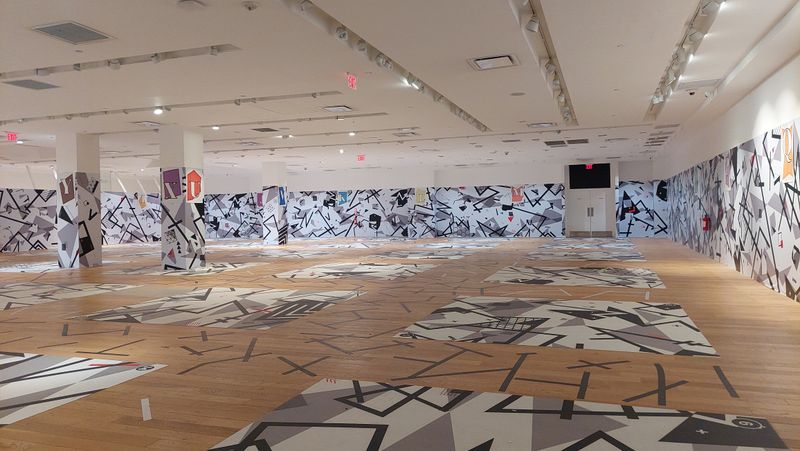
Finding the exhibition requires no complicated navigation through unfamiliar areas. The Beverly Center is a well-known shopping destination with ample parking and public transportation access.
The location makes planning a visit straightforward for both local residents and tourists. The mall environment means visitors can combine the Titanic experience with other activities.
Restaurants, shops, and additional entertainment options fill the center, allowing families to make a full day of their outing.
Restrooms and seating areas remain easily accessible throughout the building.
Wheelchair users will find the venue fully accessible, with elevators and ramps ensuring everyone can participate.
The exhibition designers considered mobility needs when creating the space, making adjustments to accommodate various physical abilities.
Parking availability varies by time of day, with weekday mornings typically less crowded than weekend afternoons.
The Beverly Center charges standard mall parking rates, though some validation options may exist. Public buses serve the area regularly, and ride-sharing services can drop passengers directly at the entrance.
The urban location means nearby hotels and attractions are within easy reach. Visitors from out of town can explore other Los Angeles highlights before or after their Titanic experience without extensive travel time.
9. One Hour Journey Through Time And Technology
Time commitment matters when planning any outing, especially for families with young children. The entire Titanic experience lasts approximately one hour, with the core VR portion running 45 minutes.
This duration provides enough time for meaningful exploration without causing fatigue or restlessness. The pacing feels natural rather than rushed.
Visitors move through different areas of the ship at their own speed, spending extra time in spaces that interest them most.
Some people focus on architectural details, while others prioritize the personal stories of passengers and crew.
The 45-minute VR segment includes both the underwater wreck exploration and the historical recreation of the functioning ship.
Transitions between these sections happen smoothly, maintaining immersion throughout. Additional time before and after the VR portion allows for orientation and discussion.
Age restrictions exist for safety and developmental reasons. The exhibition welcomes participants aged ten and older, recognizing that younger children might find the content intense or the equipment uncomfortable.
The minimum age ensures everyone can fully appreciate and understand what they’re experiencing. Booking specific time slots helps manage crowd sizes and ensures everyone has adequate space.
The reservation system prevents overcrowding, which could diminish the immersive quality of the VR technology.
10. Ticket Pricing And Availability Through February 2026
Planning ahead helps secure preferred dates and times for the exhibition. Tickets start at $20.80 for adults, with pricing potentially varying based on demand and time slots.
The Fever platform handles all reservations, providing a centralized system for checking availability and completing purchases.
The exhibition runs through February 16, 2026, giving people plenty of opportunities to visit. This extended timeline means no immediate pressure to book, though popular times like weekends and holidays may fill quickly.
Checking the calendar several weeks in advance typically provides the best selection of available slots.
Group rates might exist for school trips or large family gatherings, though specific pricing requires contacting the venue directly.
Birthday parties and special events could also receive customized packages. The Fever website lists any promotional offers or discount codes currently available.
Purchasing tickets online eliminates waiting in line at the venue. Confirmation emails arrive immediately after booking, containing all necessary information for the visit.
The digital ticketing system also allows easy modifications if schedule changes become necessary. Refund and exchange policies vary, so reviewing terms before purchasing helps avoid confusion later.
Most ticketing platforms offer some flexibility for date changes, especially when requested well in advance of the scheduled visit time.