This California Seafood Buffet Serves Crab The Way Coastal Diners Love It
Crack open the first crab leg and you know exactly why people keep coming back.
The shell gives way with that sharp snap. Steam escapes. Sweet, tender meat slides free. That first dip into melted butter sets the tone for everything that follows.
In California, seafood is serious business.
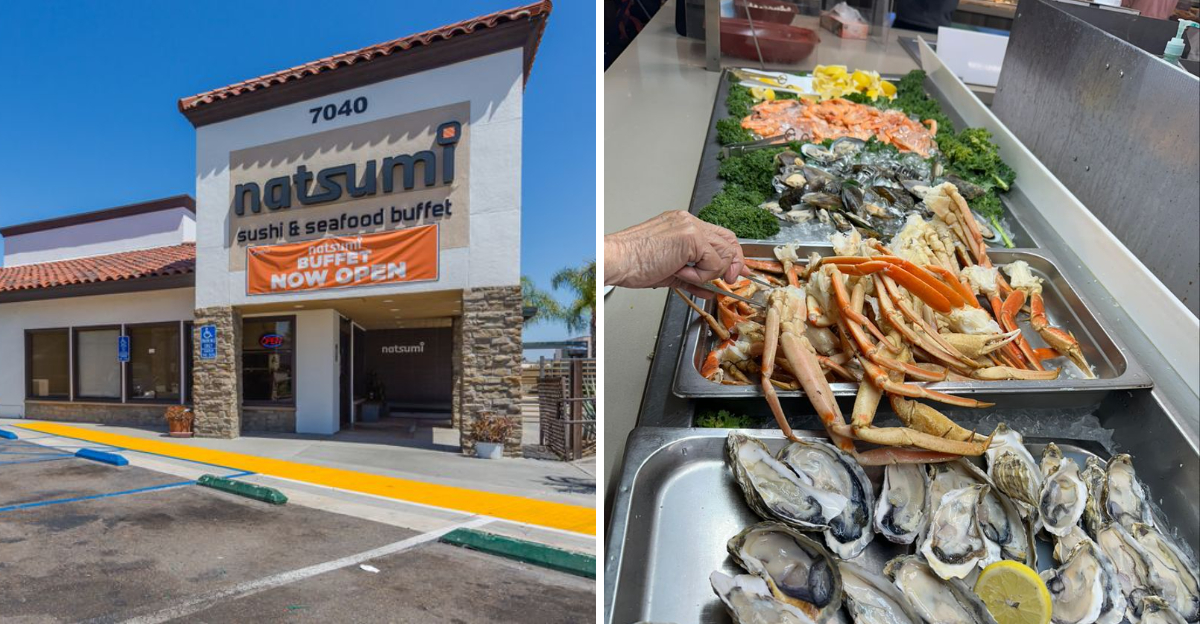
At Natsumi Sushi & Seafood Buffet in San Diego’s Miramar neighborhood, the focus stays where it should be: freshness, flavor, and the freedom to go back for more.
Snow crab legs stack high. Sushi chefs keep rolls coming. The teppanyaki grill sizzles in the background while guests circle the stations planning their next plate.
There’s no pressure to choose just one favorite. You build your meal in rounds. Crab first. Then sashimi. Maybe grilled seafood or a hot dish you didn’t expect to love.
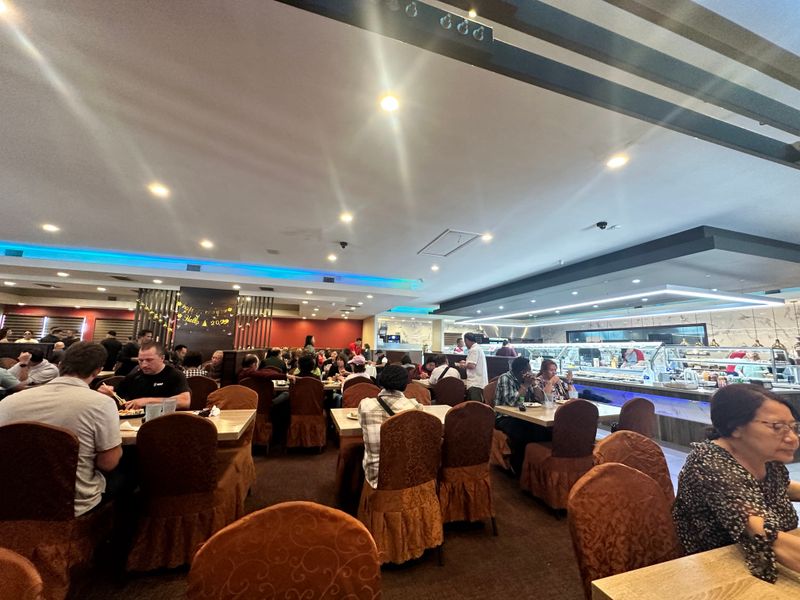
The room feels relaxed, not rushed. Families settle in. Friends compare finds. Plates refill as quickly as they empty.
Natsumi does not overcomplicate the experience. It delivers what seafood lovers actually want: generous portions, steady quality, and that satisfying rhythm of crack, dip, and repeat.
If you are craving a crab dinner that feels indulgent without feeling fussy, this California buffet makes it easy to settle in and stay awhile.
1. Snow Crab Legs Done Right
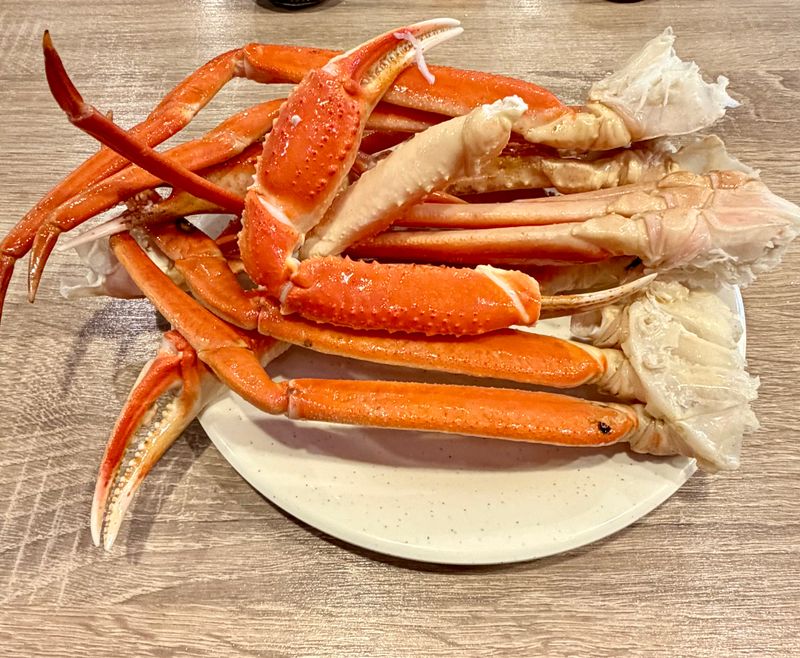
Snow crab legs take center stage at Natsumi, and for good reason. The sweet, tender meat pulls away from the shell with minimal effort, delivering that pure ocean flavor diners crave.
Each piece arrives steamed to perfection, maintaining moisture without becoming rubbery or overcooked.
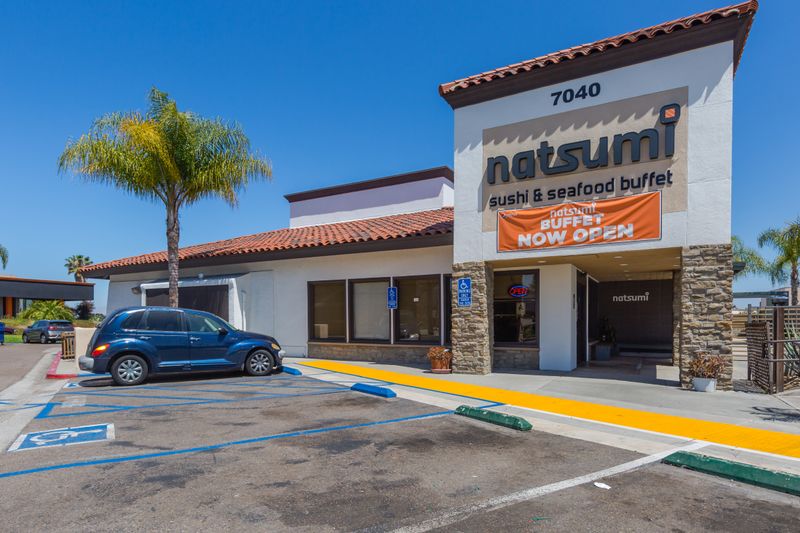
Natsumi Sushi & Seafood Buffet sits at 7040 Miramar Rd, San Diego, CA 92121, offering easy access for anyone in the area.
The crab legs stay consistently stocked during service hours, allowing guests to return for seconds or thirds without worry.
Natural sweetness defines these crustaceans, requiring little more than a squeeze of lemon to enhance their delicate taste.
The buffet format means diners can pace themselves, cracking shells at their own rhythm while exploring other stations between helpings.
Weekday lunch visits tend to feel more relaxed, with fewer crowds and quicker access to the seafood bar.
The restaurant maintains proper temperature control, keeping the crab legs warm without drying them out.
Many guests make these snow crab legs their primary focus, building entire meals around multiple visits to the seafood station. The quality remains steady throughout service, whether arriving early or later in the evening.
2. Salt And Pepper Crab Brings Bold Flavor
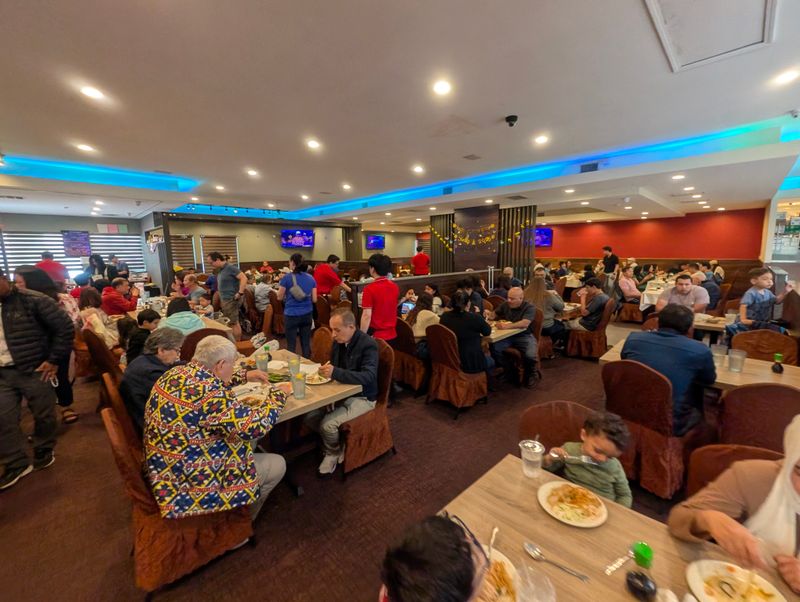
Crispy coating meets savory seasoning in Natsumi’s salt and pepper crab, a dish that transforms simple ingredients into something memorable.
The preparation involves frying crab pieces until the exterior develops a satisfying crunch while keeping the meat inside moist and flavorful.
Balanced spice levels make this option appealing to most palates, avoiding overwhelming heat while still delivering distinct peppery notes.
The California restaurant prepares this dish in manageable portions throughout service, ensuring freshness with each new batch.
Unlike plain steamed options, the salt and pepper version offers textural contrast that many diners appreciate as a change of pace.
The coating adheres well to the crab, creating that sought-after combination of crispy shell and tender flesh.
Small pieces make it easy to sample alongside other buffet selections without committing to a full plate.
Evening service often sees this dish disappear quickly, particularly during weekend hours when more guests fill the dining room. The kitchen maintains consistent seasoning ratios, so each piece delivers the same flavor profile.
Some diners alternate between this preparation and the steamed snow crab legs, enjoying the variety within a single meal.
The salt and pepper crab demonstrates how different cooking methods can highlight various aspects of the same main ingredient.
3. Mussels And Clams In Black Bean Sauce
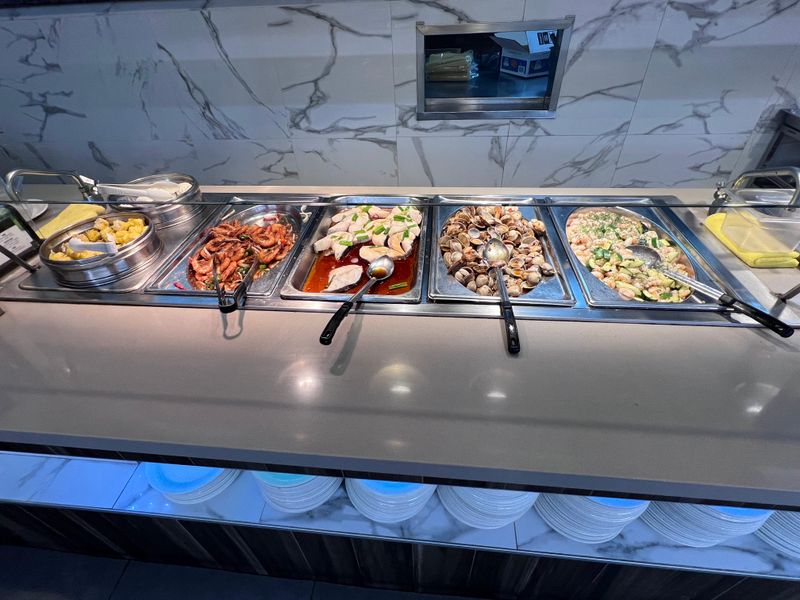
Black bean sauce adds depth to steamed mussels and clams, creating a savory preparation that differs from traditional butter-based approaches.
The fermented beans contribute umami richness that complements the natural sweetness of the shellfish. Each mussel and clam opens during cooking, revealing tender meat bathed in the aromatic sauce.
This preparation reflects Asian culinary traditions, where bold sauces enhance rather than mask seafood flavors.
The sauce clings to the shells, encouraging diners to use utensils or bread to capture every bit of the flavorful liquid.
Garlic and ginger notes often accompany the black bean base, adding layers of taste that develop with each bite.
The buffet keeps these shellfish warm in chafing dishes, maintaining proper serving temperature throughout the meal period.
Guests who enjoy exploring different flavor profiles often gravitate toward this station, appreciating the departure from simpler preparations.
The combination works particularly well for those building varied plates, as the sauce provides contrast to plainer items.
Weekend evenings see this dish replenished frequently, indicating its popularity among regular visitors.
The mussels and clams cook quickly, meaning the kitchen can produce fresh batches without long delays.
Understanding how to extract the meat from shells efficiently makes enjoying this dish easier, though the process becomes intuitive after the first few attempts.
4. Specialty Sushi Rolls Beyond Basic Options
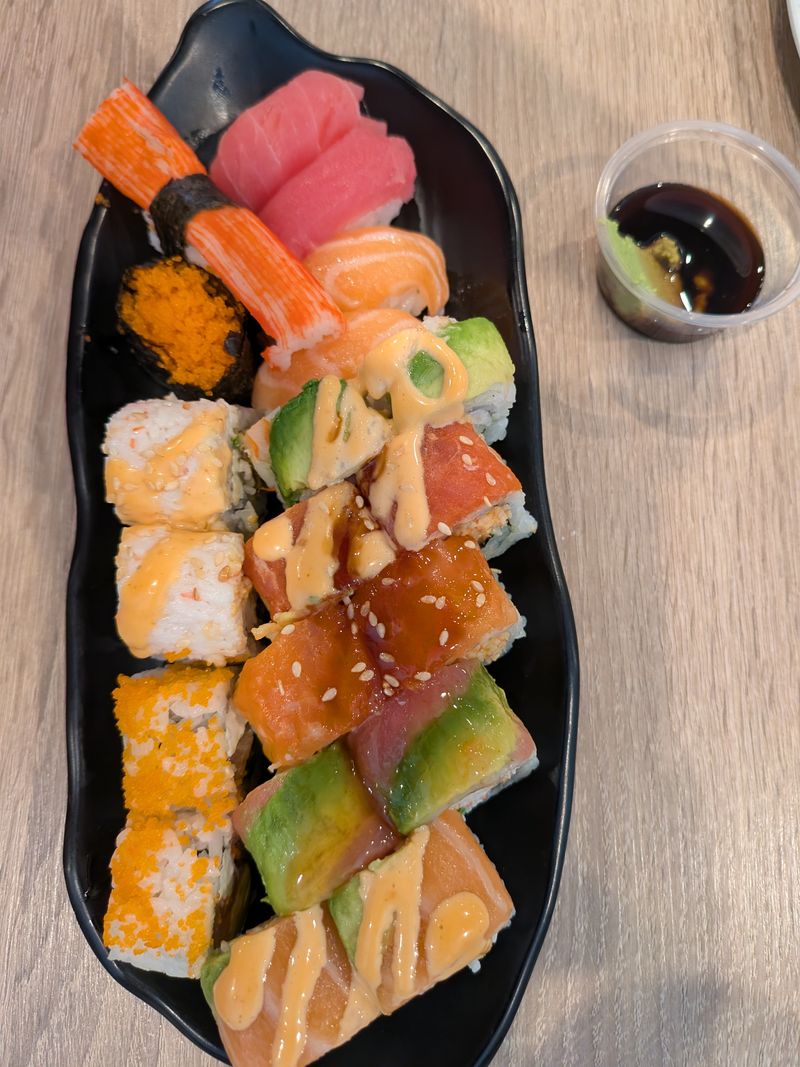
Specialty rolls at Natsumi move beyond simple tuna and cucumber, incorporating ingredients like eel, spicy tuna, and crabmeat in creative combinations.
The Natsumi Roll, Las Vegas Roll, and Crunch Roll each present distinct flavor profiles, allowing diners to explore different taste experiences.
Fresh ingredients and proper rice preparation form the foundation of quality sushi, and these rolls demonstrate attention to both elements.
The sushi station operates continuously during service, with chefs preparing rolls as needed to maintain freshness. Avocado adds creamy texture to many rolls, balancing spicier components and providing richness.
The variety available means guests can sample multiple types without feeling obligated to finish entire orders.
Presentation matters in sushi preparation, and each roll arrives sliced and arranged to showcase its colorful cross-section.
Buffet sushi sometimes carries concerns about quality, but consistent turnover during busy periods helps ensure pieces don’t sit too long.
The restaurant’s focus on seafood extends to its sushi offerings, where fish quality directly impacts overall enjoyment.
Some diners make the sushi bar their primary destination, treating other buffet items as secondary additions.
The combination of traditional and creative rolls accommodates both purists and adventurous eaters.
Understanding personal preferences for rice-to-fish ratios helps guide roll selection, as some options feature more filling than others.
5. Fresh Sashimi Selection
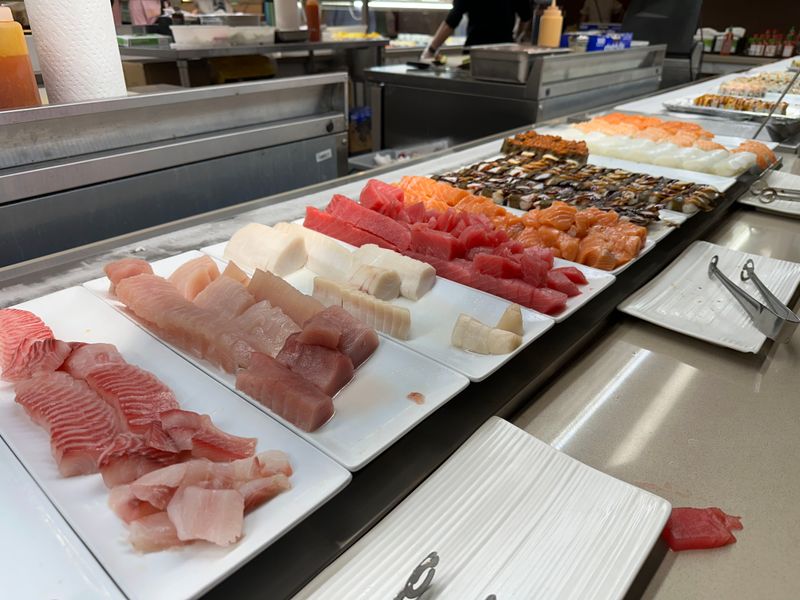
Sashimi represents seafood in its purest form, and Natsumi offers salmon, tuna, red snapper, and white tuna for those who prefer fish without rice or additional ingredients.
The delicate taste of each variety shines through, highlighting differences in texture and flavor between species.
Proper knife work ensures clean cuts that enhance both appearance and mouthfeel. The sashimi station sits near the sushi preparation area, allowing chefs to maintain quality control over all raw fish offerings.
Wasabi and soy sauce accompany the fish, though many sashimi enthusiasts prefer tasting each piece plain first to appreciate its natural characteristics.
The buffet format removes pressure to commit to large portions, encouraging experimentation with less familiar fish types.
Salmon typically offers a buttery texture and mild flavor, making it an approachable starting point for sashimi newcomers.
Tuna presents a firmer texture and slightly stronger taste, appealing to those who enjoy more pronounced fish flavors. Red snapper and white tuna add variety, each contributing unique qualities to the overall selection.
The restaurant’s commitment to freshness becomes most apparent in these raw preparations, where there’s nowhere to hide inferior ingredients.
Evening service during weekends sees the fastest turnover at the sashimi station, as more guests arrive and sample the offerings.
Understanding the difference between sashimi and sushi helps diners navigate the buffet more effectively.
6. Fresh Oysters Available Daily
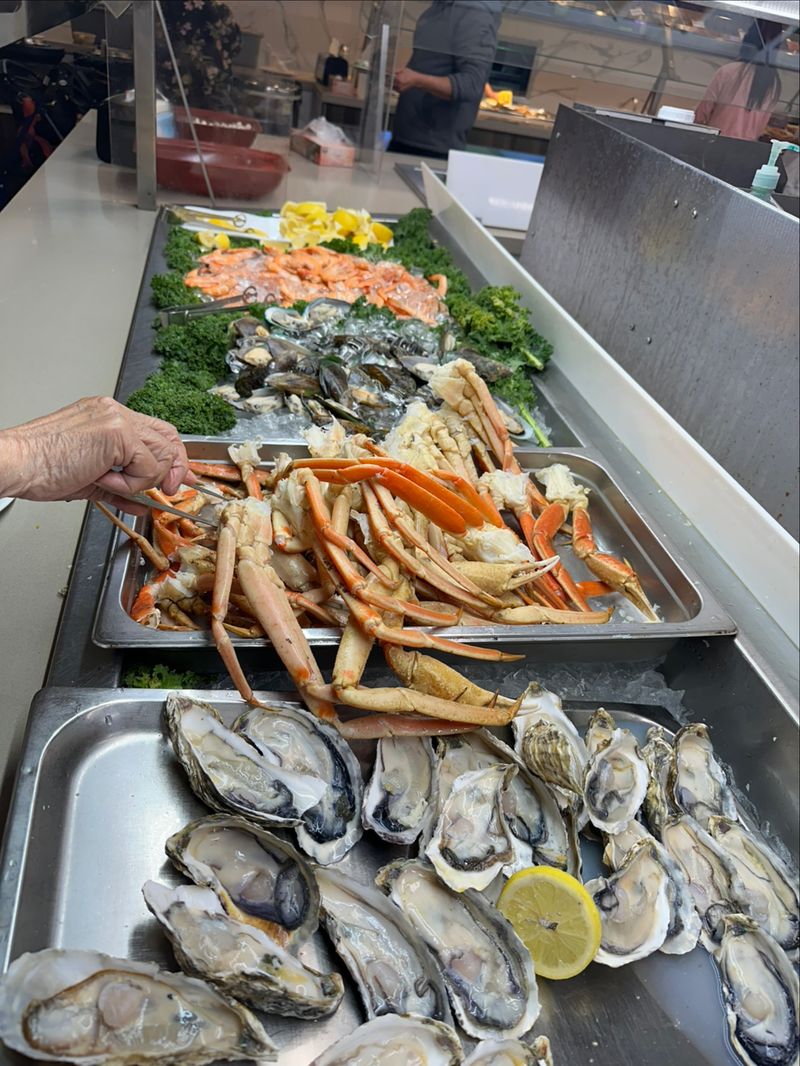
Raw oysters rest on beds of ice at the seafood station, their shells freshly opened and ready for immediate enjoyment.
The briny taste of these mollusks appeals to seafood enthusiasts who appreciate their clean, oceanic flavor.
Simple accompaniments like lemon wedges and salt allow the natural characteristics of the oysters to shine without unnecessary embellishment.
Presentation matters with raw oysters, and Natsumi keeps them properly chilled and clearly displayed for easy selection.
The buffet format gives guests the freedom to try just one or sample several, making this option accessible even to those new to raw seafood.
Texture plays a significant role in oyster enjoyment, and proper handling ensures each one maintains its characteristic smoothness.
The restaurant’s location in San Diego connects diners to the Pacific Coast’s seafood traditions, where fresh oysters have long been a staple.
Lunch service typically sees fewer people at the raw bar, offering a quieter moment to appreciate these delicate offerings.
Some guests prefer oysters as a palate cleanser between richer dishes, using their light flavor to reset taste buds. The steady turnover during busy periods helps maintain freshness throughout service.
Understanding personal preferences for seafood texture helps determine whether raw oysters will become a regular stop during buffet visits in California.
7. Teppanyaki Grill Station
Live cooking happens at the teppanyaki station, where chefs prepare beef, chicken, and seafood to order on a large flat grill.
The interactive element adds entertainment value while ensuring maximum freshness, as nothing sits under heat lamps waiting for selection.
Guests can request specific items and watch as the chef transforms raw ingredients into finished dishes within minutes.
The sizzle of protein hitting the hot grill creates an appealing sensory experience that draws attention throughout the dining room.
Customization becomes possible at this station, allowing diners to skip certain vegetables or request lighter oil application.
The immediate cooking method means food arrives at the table still steaming, at its peak temperature and texture.
Weekday lunch periods often see shorter lines at the teppanyaki station, making it easier to request personalized preparations.
The chefs work efficiently, managing multiple orders simultaneously while maintaining quality across all dishes.
This station provides a break from self-service buffet dynamics, introducing a brief moment of table service within the larger format.
Some guests time their visits to the teppanyaki grill strategically, ordering items that complement what they’ve already selected from other stations.
The cooking style produces slightly charred edges on proteins, adding depth of flavor through caramelization.
Understanding cooking times helps manage expectations, as thicker cuts naturally require a few extra minutes on the grill.
8. Hot Asian Dishes For Variety
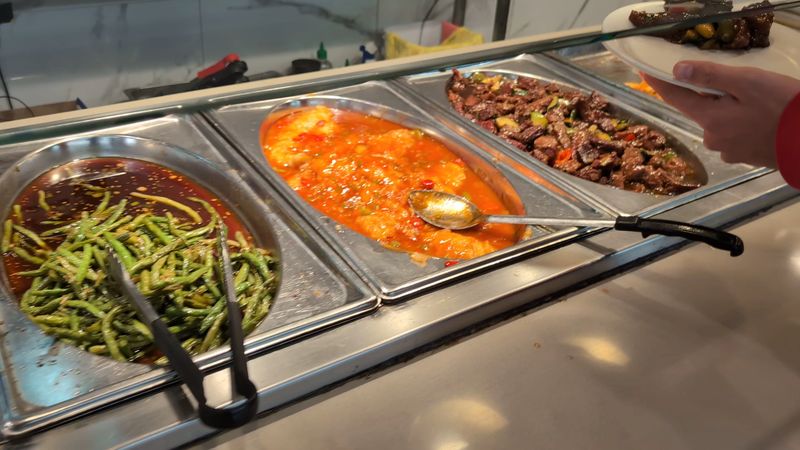
Beyond seafood, Natsumi offers familiar Asian dishes like orange chicken, honey walnut shrimp, and beef broccoli for guests seeking variety or dining with less adventurous eaters.
These options provide comfort and familiarity, ensuring everyone in a group can find something appealing.
The sweet and savory profiles of dishes like orange chicken appeal to younger diners and those new to Asian cuisine.
Honey walnut shrimp combines crispy texture with creamy sweetness, creating a dish that balances multiple taste elements.
Beef broccoli offers a more straightforward savory option, with tender meat and crisp vegetables in a light sauce.
The hot food stations stay well-stocked during peak hours, with the kitchen monitoring levels and replenishing items as needed.
Temperature control matters with these preparations, and the restaurant maintains proper heat to keep food safe while preserving quality.
Some guests use these dishes as a foundation, building meals that combine Asian entrees with seafood selections from other stations.
The variety accommodates different appetite levels and dietary preferences within a single dining experience.
Children often gravitate toward these more recognizable options, making family visits more manageable.
The buffet’s breadth means no one feels forced to choose only seafood, even though it remains the primary focus.
Understanding personal spice tolerance helps guide selection, as some dishes carry more heat than their descriptions might suggest.
9. Dessert Station Variety
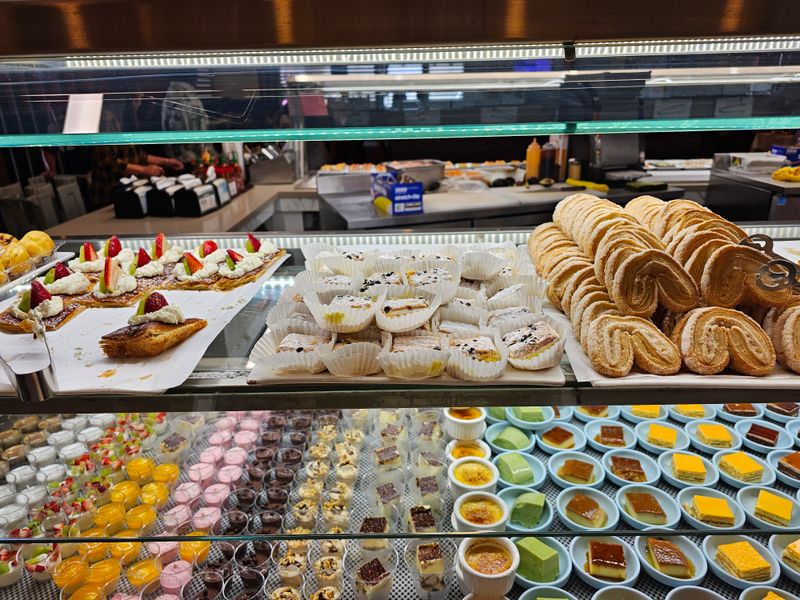
Sweet conclusions come in many forms at Natsumi’s dessert station, where fresh fruit, ice cream, and pastries provide options for every preference.
Light fruit offerings allow diners to end meals on a refreshing note after heavy seafood consumption. Ice cream serves as a palate cleanser, its cold temperature and creamy texture providing contrast to the savory courses that came before.
Pastries like crème brûlée and tiramisu introduce European influences to the primarily Asian-focused buffet, demonstrating culinary range.
The crème brûlée’s caramelized sugar top delivers that satisfying crack when tapped with a spoon, revealing smooth custard beneath.
Tiramisu layers coffee-soaked cake with mascarpone cream, offering richness balanced by subtle bitterness.
The dessert station receives less attention than seafood areas during early meal stages, meaning items stay well-stocked even during busy periods.
Some guests prefer sampling small portions of multiple desserts rather than committing to a single large serving. The variety ensures that even those with modest sweet preferences can find something appealing.
Children particularly enjoy the ice cream selection, which often features multiple flavors and toppings.
The dessert station’s location at the end of the buffet line follows logical meal progression, though nothing prevents guests from starting there if desired.
Understanding personal capacity after a seafood-heavy meal helps prevent over-ordering at the dessert stage.
10. Pricing And Hours That Work
Natsumi structures its pricing around meal periods, with lunch buffet available Monday through Friday from 11:00 AM to 3:30 PM at $18.99 per person.
Dinner pricing adjusts to $31.99 Monday through Thursday and $33.99 Friday through Sunday, reflecting expanded evening hours and typically higher demand.
The restaurant operates Sunday through Thursday from 11:00 AM to 8:30 PM, extending to 9:00 PM on Fridays and Saturdays.
Tuesday closures allow for weekly maintenance and preparation, so planning visits around this schedule prevents disappointment.
The lunch price point makes weekday midday visits particularly attractive for those seeking value, as the seafood selection remains comparable to dinner service.
Evening hours accommodate working professionals and families who prefer dining after typical business hours.
The restaurant closes early enough that kitchen staff can properly clean and prepare for the next service.
Reservations can be made by calling (858) 695-0888, which helps manage seating during peak weekend periods.
Walk-in availability varies based on day and time, with weekday lunches generally offering the most flexibility.
The pricing structure reflects current market conditions for seafood and operational costs, representing reasonable value given the all-you-can-eat format.
Understanding the difference between lunch and dinner pricing in California helps budget-conscious diners maximize their experience.
The restaurant’s website at natsumibuffet.com provides additional details and occasional updates to hours or pricing.