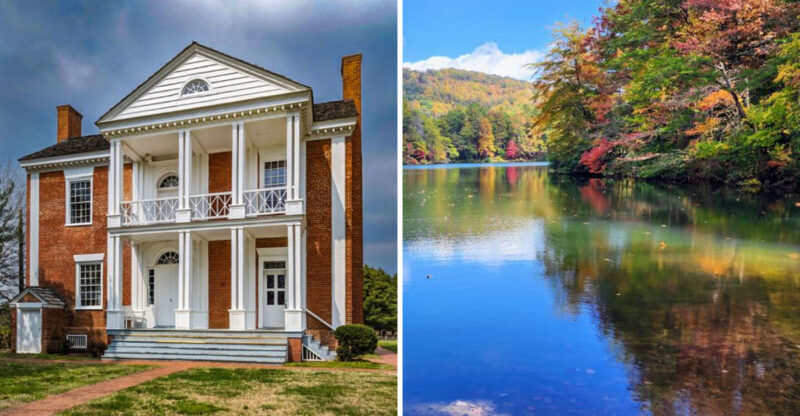
This Humble Georgia Home Where A President Changed History Is Perfectly Preserved In Time
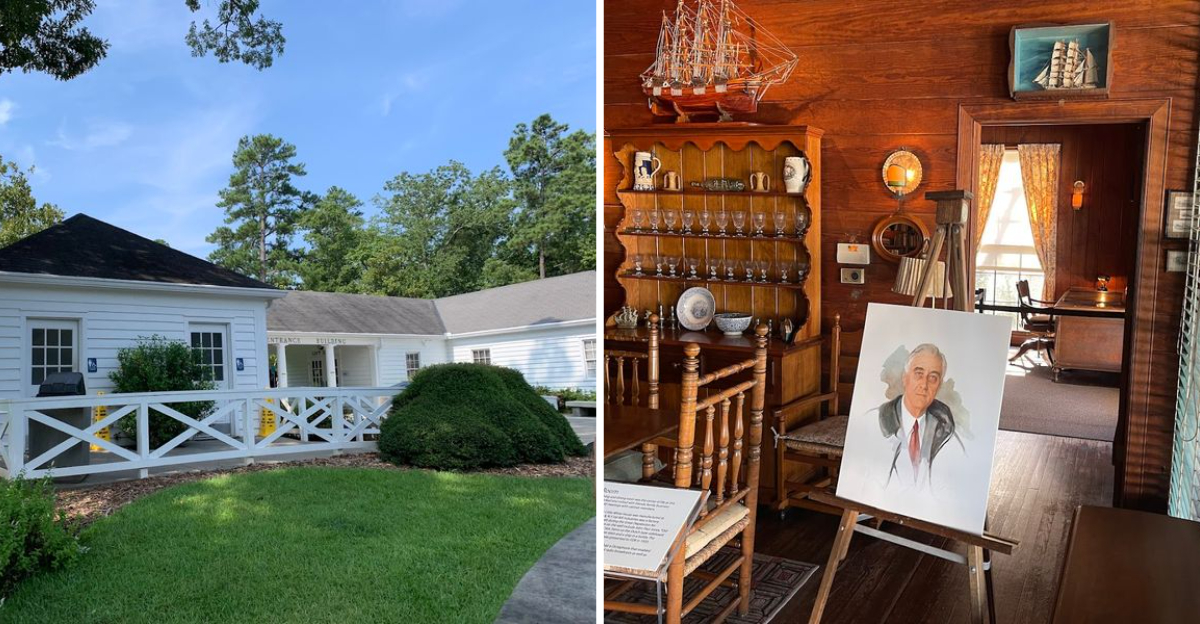
President Franklin D. Roosevelt discovered solace in the quiet hills of Warm Springs, Georgia, where a simple retreat known as the Little White House became his refuge from the weight of history. Far from Washington’s constant demands, this modest six room cottage offered space for reflection, recovery, and personal peace during some of the nation’s most turbulent years.
Here, Roosevelt balanced the burdens of guiding America through the Great Depression and World War II while finding comfort in the region’s restorative atmosphere. Visitors today can step inside the preserved residence and experience the setting much as he left it. From his workspace to the intimate living quarters, every detail tells a human story behind the presidency.
Frozen in time since April 1945, the site provides a powerful and deeply personal window into Roosevelt’s final chapter.
1. The Unfinished Portrait That Captured History
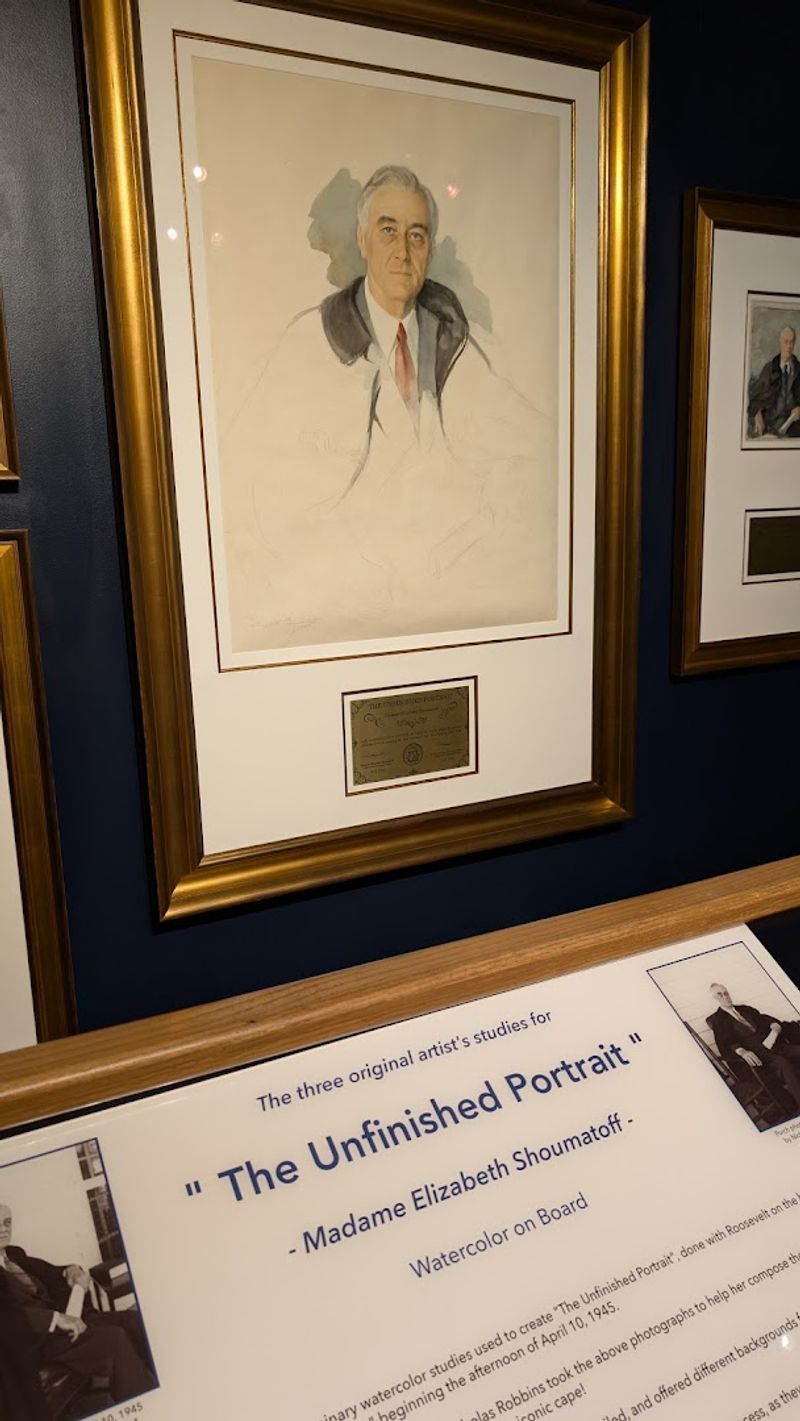
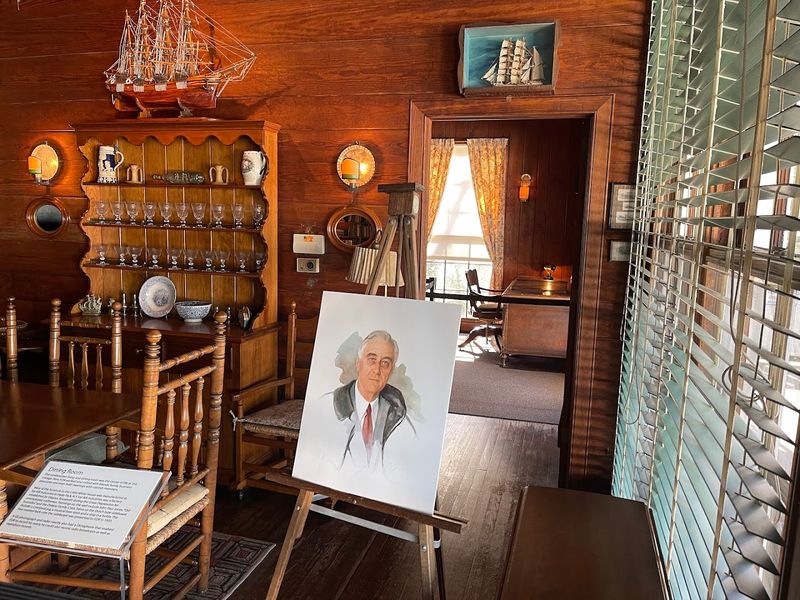
Walking into the living room feels like stepping back to April 12, 1945. Elizabeth Shoumatoff was painting President Roosevelt’s portrait when he suddenly collapsed at his desk. She never finished the watercolor painting, and you’ll see it exactly as she left it that tragic afternoon.
The unfinished portrait sits on display at 401 Little White House Rd, Warm Springs, GA 31830, serving as a powerful reminder of how quickly everything changed. Roosevelt’s face appears complete, but his shoulders and suit jacket remain sketchy outlines. The clock stopped at 3:35 PM, the moment history shifted forever.
Standing before this incomplete artwork gives me chills every single time. You can almost feel the urgency and confusion that must have filled the room. The brushstrokes tell a story that words simply cannot capture about mortality and legacy.
2. Roosevelt’s Custom-Built Wheelchair Accessible Home
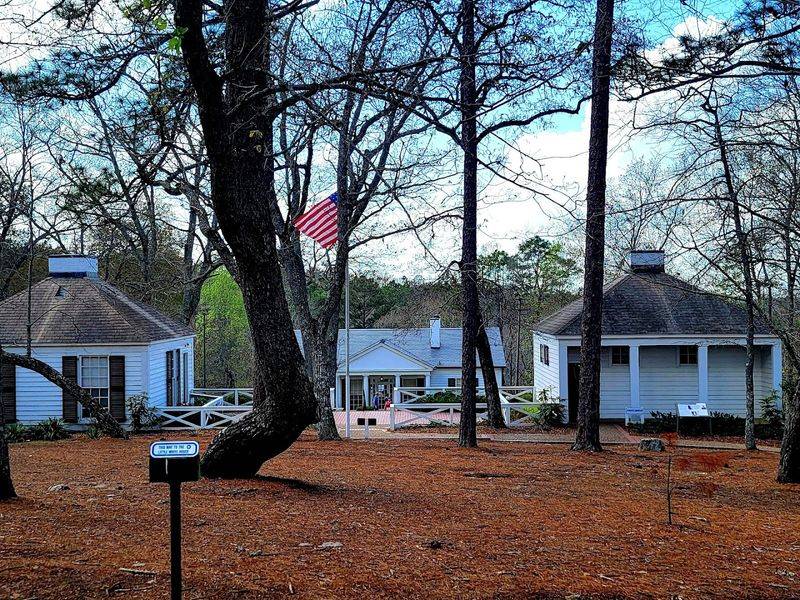
Polio left Roosevelt paralyzed from the waist down, yet he designed this cottage with remarkable independence in mind. Every doorway measures extra wide to accommodate his wheelchair. Ramps replace steps throughout the property, making it one of the earliest examples of accessible architecture in America.
The kitchen counters sit at heights he could reach from his chair.
His determination to maintain dignity and autonomy shines through every design choice. Roosevelt never wanted pity or special treatment despite his physical challenges. This home represents his refusal to let disability define his capabilities or limit his presidency.
3. The Therapeutic Warm Springs Pools
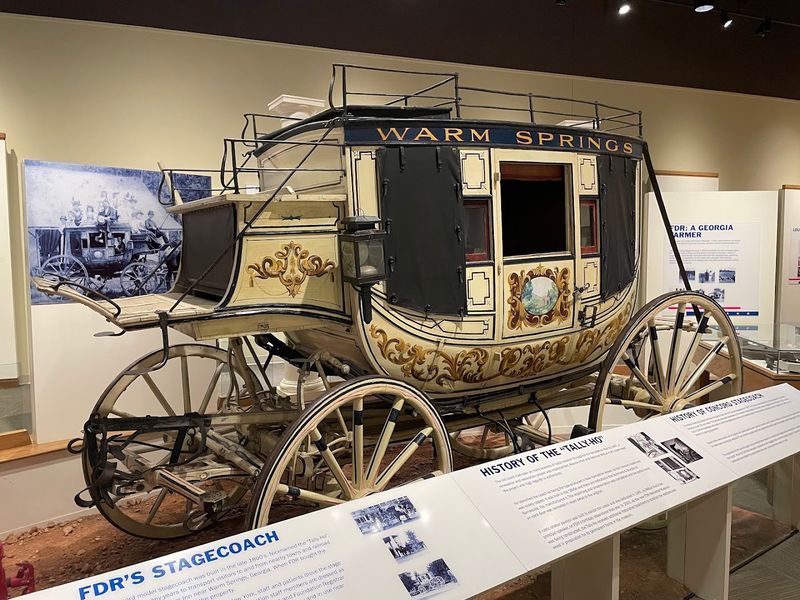
Roosevelt discovered Warm Springs in 1924 after reading about the naturally heated mineral waters. The 88-degree pools provided relief from his paralysis like nothing else he’d tried. He could move his legs in the buoyant water, giving him hope and temporary freedom from his wheelchair.
Thousands of polio patients followed Roosevelt here seeking the same healing properties. He built a treatment center that revolutionized rehabilitation therapy across the nation.
Swimming in these waters changed Roosevelt’s outlook on life and disability. He transformed personal suffering into public service by creating facilities for others facing similar challenges. The pools represent hope, healing, and his commitment to helping fellow polio survivors regain strength.
4. The Modest Presidential Bedroom
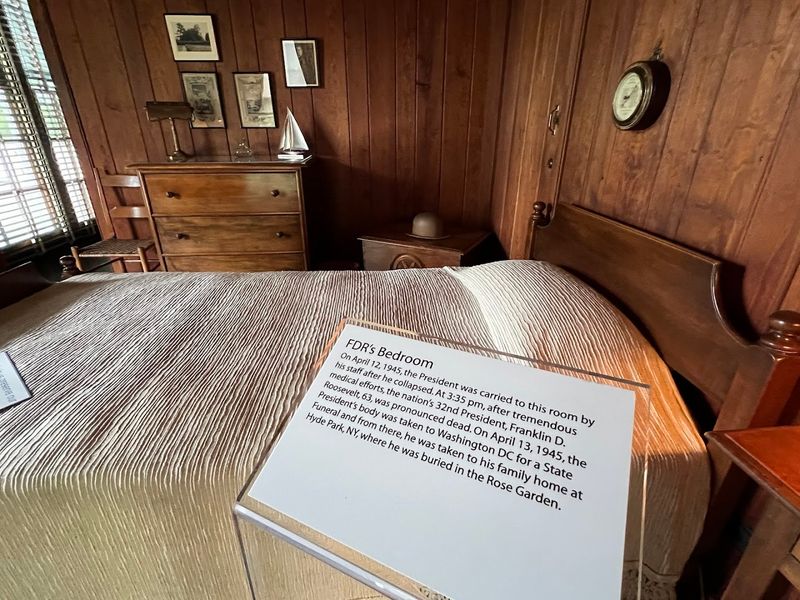
Forget grand presidential suites with luxury furnishings. Roosevelt’s bedroom contains a simple twin bed, a plain dresser, and a small nightstand. The spartan accommodations reveal a man who valued comfort over extravagance during his private moments away from Washington.
His naval prints hang on the walls, reflecting his lifelong love of the sea. A well-worn book still rests on the bedside table.
The room’s simplicity strikes visitors immediately. Roosevelt led the free world from this modest cottage, yet his personal space remained unpretentious and functional. His clothing still hangs in the closet, and his leather leg braces sit nearby, intimate reminders of daily struggles.
5. The Working President’s Desk
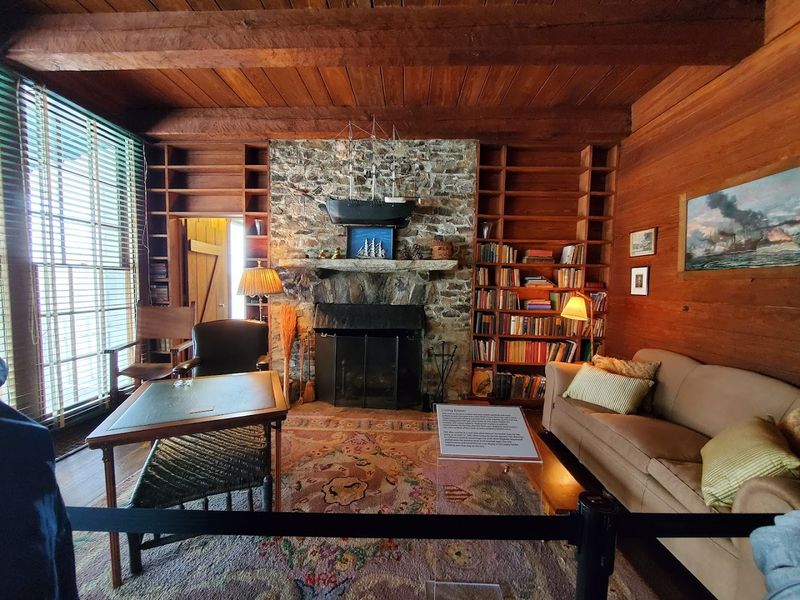
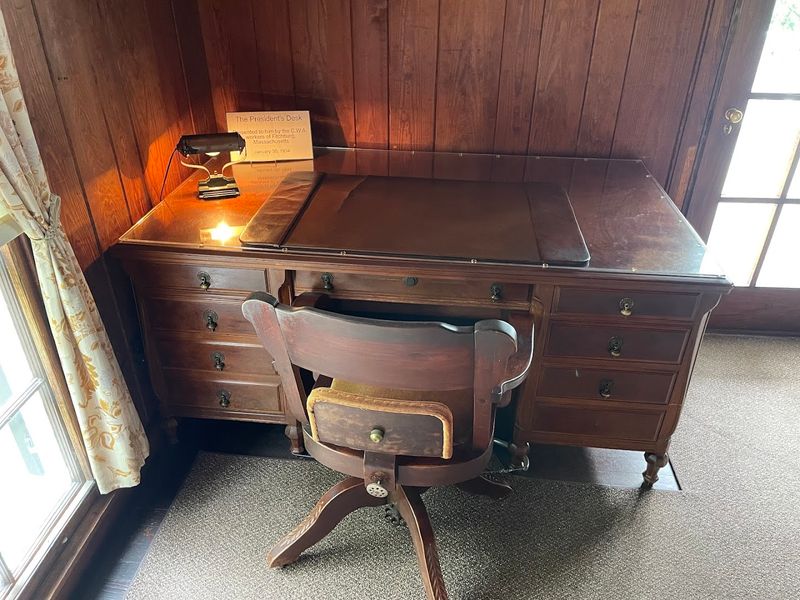
Roosevelt conducted critical wartime business from a cluttered desk in the living room. Papers, maps, and correspondence still cover the surface just as they did on his final day. He signed important documents here, made crucial phone calls, and strategized about World War II while sitting in his wheelchair.
His reading glasses rest beside a stack of reports he never finished reviewing. A telephone connected him directly to the White House and military commanders worldwide.
Seeing this workspace helps you understand how Roosevelt balanced presidential duties with personal rest. He never truly stopped working, even during supposed vacations. The desk overflows with evidence of a mind constantly engaged in solving national and global crises.
6. The Historic Guest Cottage
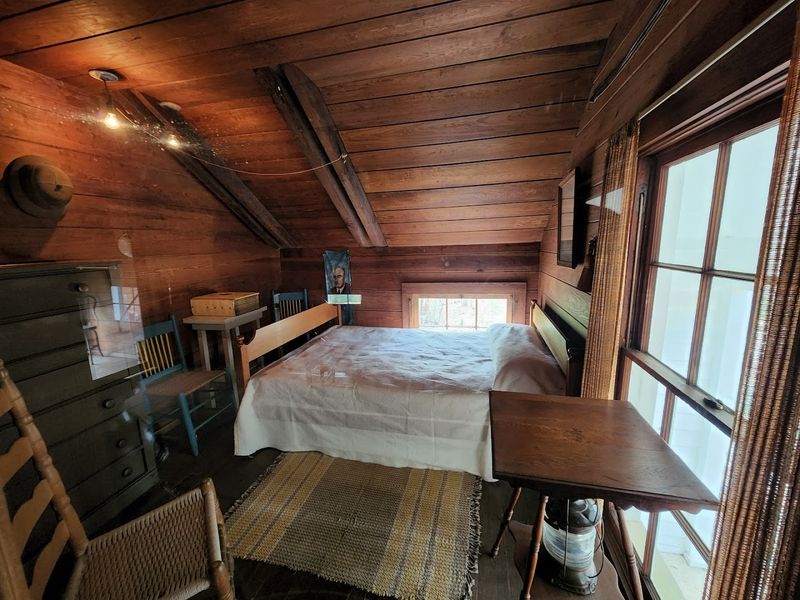
Eleanor Roosevelt stayed in the separate guest cottage during her visits to Warm Springs. Their complicated marriage meant they often maintained separate living spaces, even at their Georgia retreat. The cottage provided privacy while keeping family members and important guests close by when needed.
Advisors, family members, and political allies all spent time here during critical moments in American history. The furnishings remain authentic to the period.
Walking through this building offers insight into Roosevelt’s personal life beyond his public persona. His marriage faced challenges that most Americans never knew about during his lifetime. The physical distance between the main house and guest cottage speaks volumes about their arrangement.
7. The Museum’s Rare Artifacts Collection
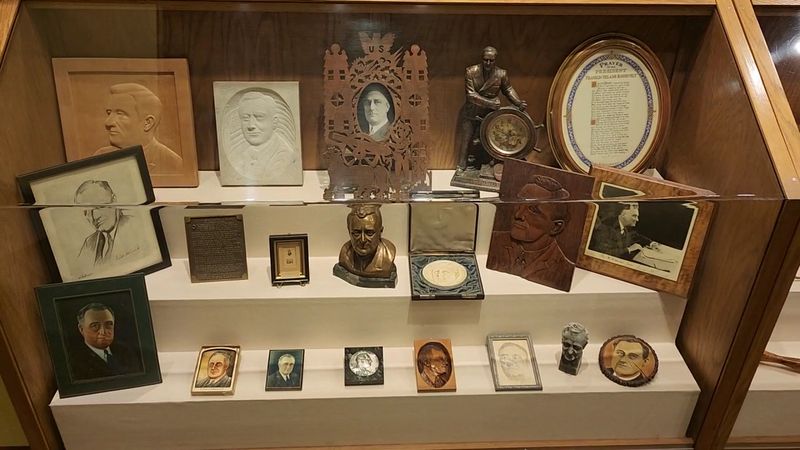
Beyond the house itself, the museum building contains treasures you won’t find anywhere else. Roosevelt’s favorite walking canes, his well-worn fedora, and personal correspondence fill carefully curated displays. Each artifact tells part of his story and connects visitors to the man behind the presidential image.
You’ll see his hand-modified car with special controls he designed for driving despite his paralysis. Campaign buttons, gifts from world leaders, and family photographs complete the collection.
These objects make history tangible in ways that textbooks cannot achieve. Holding space with Roosevelt’s actual possessions creates emotional connections across generations. I always spend extra time examining the small personal items that humanize this larger-than-life figure.
8. The Beautiful Native Stone Construction
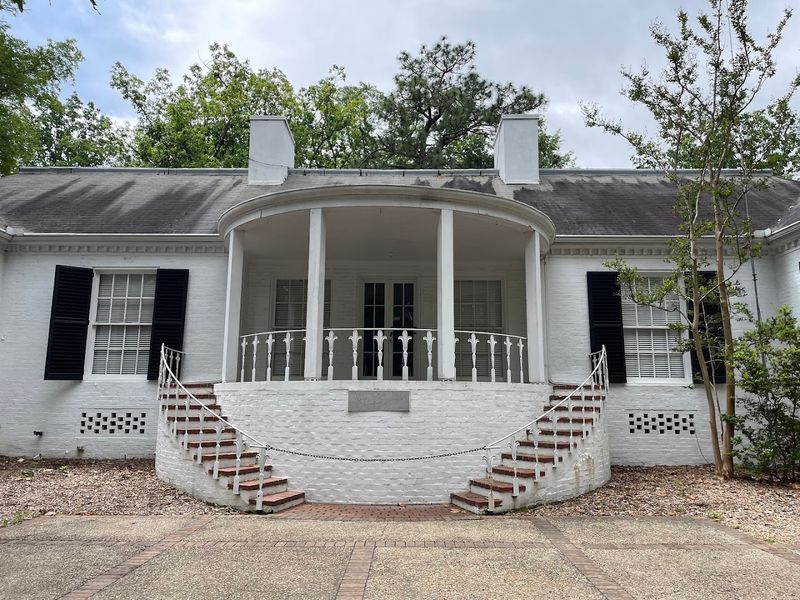
Local craftsmen built the cottage using native Georgia pine and stone quarried from nearby mountains. Roosevelt specifically requested materials that would blend naturally with the surrounding landscape. The result creates a warm, organic structure that feels like it grew from the earth rather than being imposed upon it.
Each rock was carefully selected and placed by hand. The massive stone fireplace dominates the living room, providing both heat and a rustic focal point for the space.
Roosevelt’s connection to the land influenced every construction decision. He wanted a home that honored Georgia’s natural beauty rather than competing with it. The building materials tell a story about respecting regional character and supporting local workers during economically difficult times.
9. The Servants’ Quarters and Kitchen
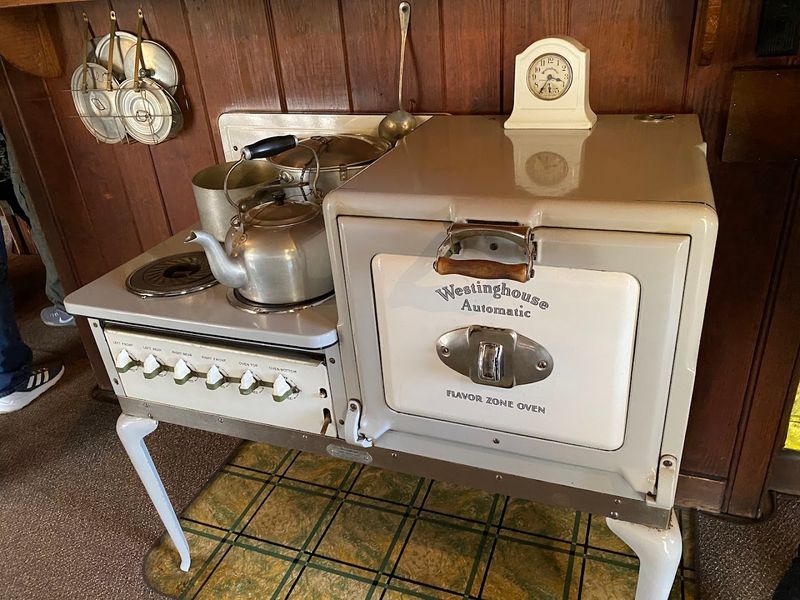
Behind the main house, the servants’ quarters reveal another dimension of 1940s life. Daisy Bonner, Roosevelt’s cook, prepared meals in the modest kitchen using a wood-burning stove. Her living space was simple but comfortable, reflecting the social hierarchies of the era while showing Roosevelt’s respect for his staff.
You can see where Daisy created the president’s favorite Southern dishes. Her recipes and cooking methods influenced what Roosevelt ate during his Georgia visits, introducing him to authentic regional cuisine.
Exploring these spaces provides context about household operations and race relations during this period. Daisy’s story deserves recognition alongside Roosevelt’s legacy. Her dedication and culinary skills contributed significantly to making the Little White House a welcoming retreat for the president.
10. The Surrounding Pine Forest Trails
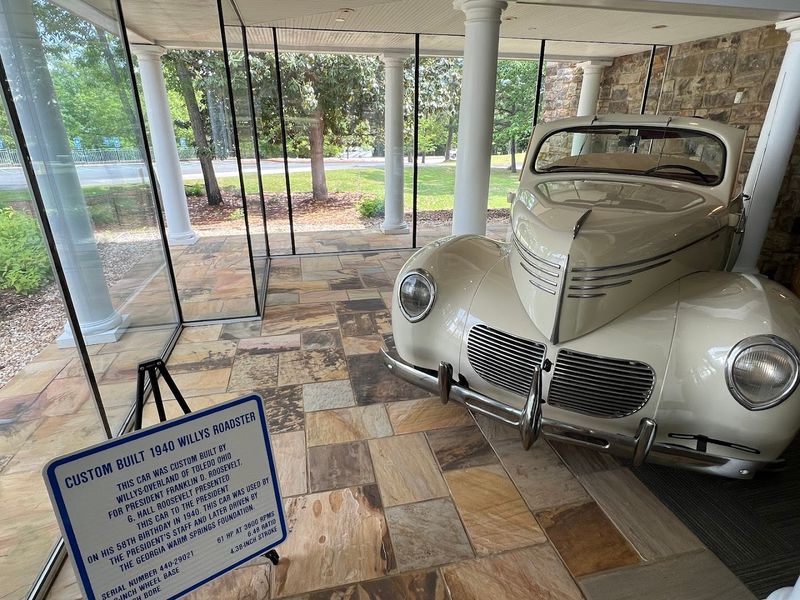
Roosevelt loved nature and insisted on preserving the surrounding forest. Miles of trails wind through towering pines where he would ride in his specially modified car or sit quietly observing wildlife. The peaceful woods provided mental restoration from the constant pressures of leading a nation through crisis.
Birds sing overhead while sunlight filters through the canopy. Walking these paths helps you understand why he returned here repeatedly throughout his presidency.
Nature therapy played a crucial role in Roosevelt’s mental health management. The forest offered solitude impossible to find in Washington. I recommend taking time to walk these trails and imagine the president finding peace among these same trees decades ago.
11. The Memorial Fountain and Gardens
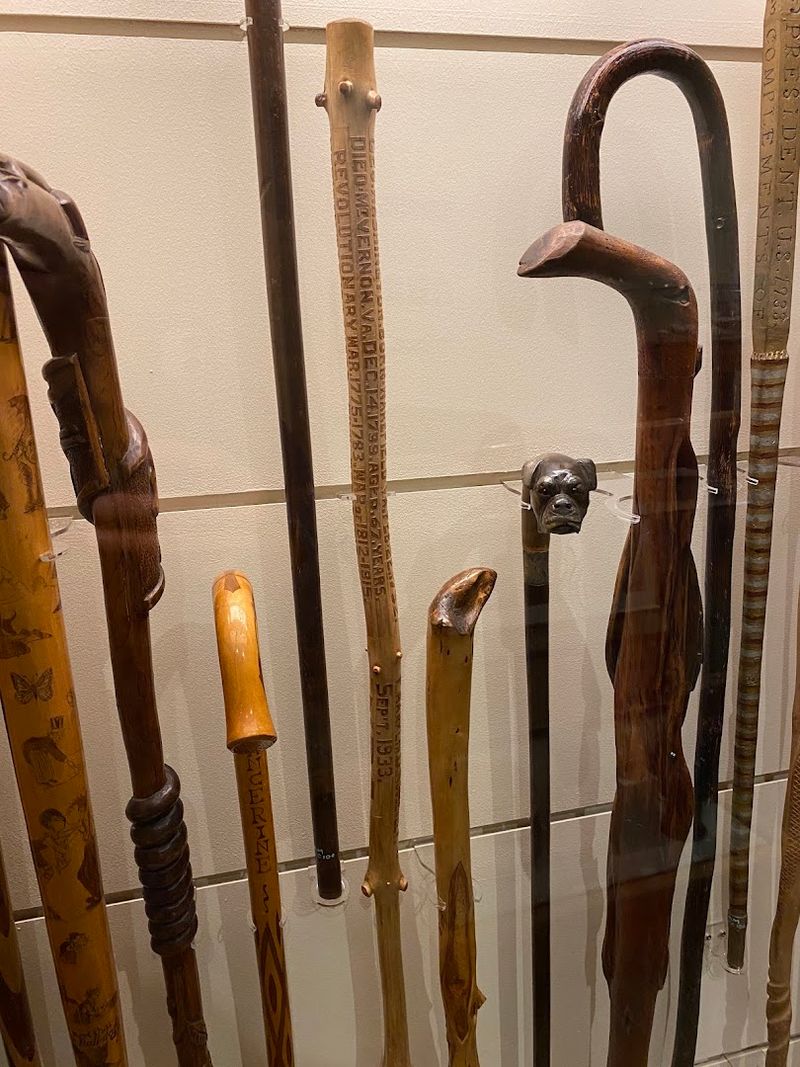
After Roosevelt’s death, admirers created a beautiful memorial fountain and garden on the property. Water flows continuously as a living tribute to his legacy. Seasonal flowers bloom throughout the year, maintained by dedicated volunteers who honor his memory through horticultural beauty.
Benches surround the fountain where visitors can sit and contemplate Roosevelt’s impact on American history. The sound of flowing water creates a meditative atmosphere perfect for quiet thought.
Gardens held special meaning for Roosevelt, who loved agriculture and land conservation. This memorial perfectly captures his appreciation for natural beauty and growth. Many visitors find this spot emotionally powerful, especially after touring the home where he died.
12. The Historic Vehicle Collection
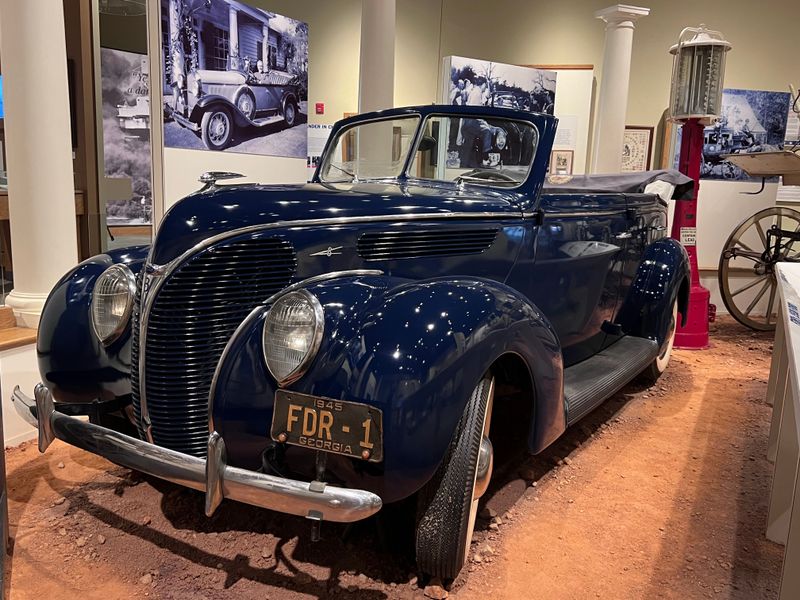
Roosevelt’s custom 1938 Ford convertible remains on display, complete with the hand controls he designed. He refused to let paralysis stop him from driving, so he engineered modifications that allowed him to operate the vehicle independently. The car represents his innovative spirit and determination to maintain autonomy despite physical limitations.
The hand controls show remarkable ingenuity for 1930s technology. Roosevelt could accelerate, brake, and steer using only his hands and upper body strength.
Seeing these vehicles up close amazes me every time. Roosevelt’s refusal to accept limitations extended beyond politics into every aspect of his life. The modifications he pioneered influenced future adaptive vehicle designs that help disabled drivers today maintain independence and mobility.
13. The Educational Programs and Living History
Regular living history programs bring the 1940s back to life. Costumed interpreters portray Roosevelt, Eleanor, and staff members, sharing stories and answering questions in character. These performances help younger visitors connect with history in engaging, memorable ways that static displays cannot achieve.
School groups particularly benefit from these interactive educational experiences. The interpreters research extensively to ensure historical accuracy in their portrayals and presentations.
I’ve watched children become genuinely excited about history through these programs. Hearing stories told in first person makes the past feel immediate and relevant. The site’s commitment to education ensures Roosevelt’s legacy continues inspiring new generations of Americans.
14. The Breathtaking Mountain Views
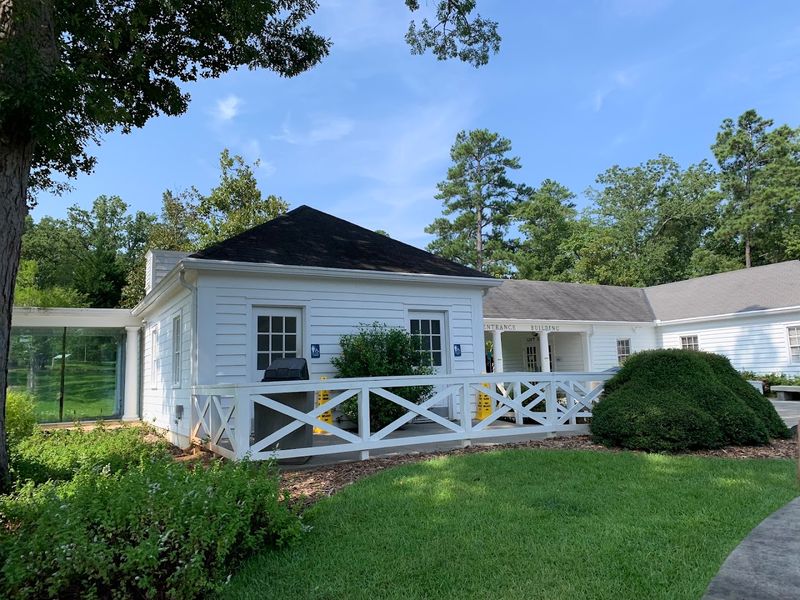
From the cottage porch, sweeping views of the Georgia mountains stretch toward the horizon. Roosevelt spent countless hours sitting here, watching the changing light across the hills. The elevated location provided fresh mountain air that he believed contributed to his physical improvement and mental clarity.
Development has been carefully controlled to preserve the natural scenery he loved. Sunrise and sunset transform the landscape into a spectacular display of colors across the forested hills.
Photography enthusiasts will find endless opportunities to capture stunning images from this vantage point. The views remind us why Roosevelt chose this specific location for his retreat. Standing where he stood and seeing what he saw creates a profound connection across time.
15. The Affordable Admission and Accessibility
Visiting this nationally significant site won’t break your budget. Admission prices remain remarkably reasonable, making presidential history accessible to families regardless of income. The site honors Roosevelt’s commitment to public service by keeping costs low and welcoming all Americans to explore this important location.
Wheelchair users can navigate the entire property easily, following Roosevelt’s example of inclusive design. Guided tours run regularly, and knowledgeable staff members answer questions with genuine enthusiasm.
I appreciate how the site prioritizes education over profit. Roosevelt believed government should serve all people, and this pricing philosophy reflects those values. Plan to spend at least two hours exploring everything the property offers for a truly comprehensive experience.