This Northern California Waterfall Hides A Rare Black Swift Nesting Area
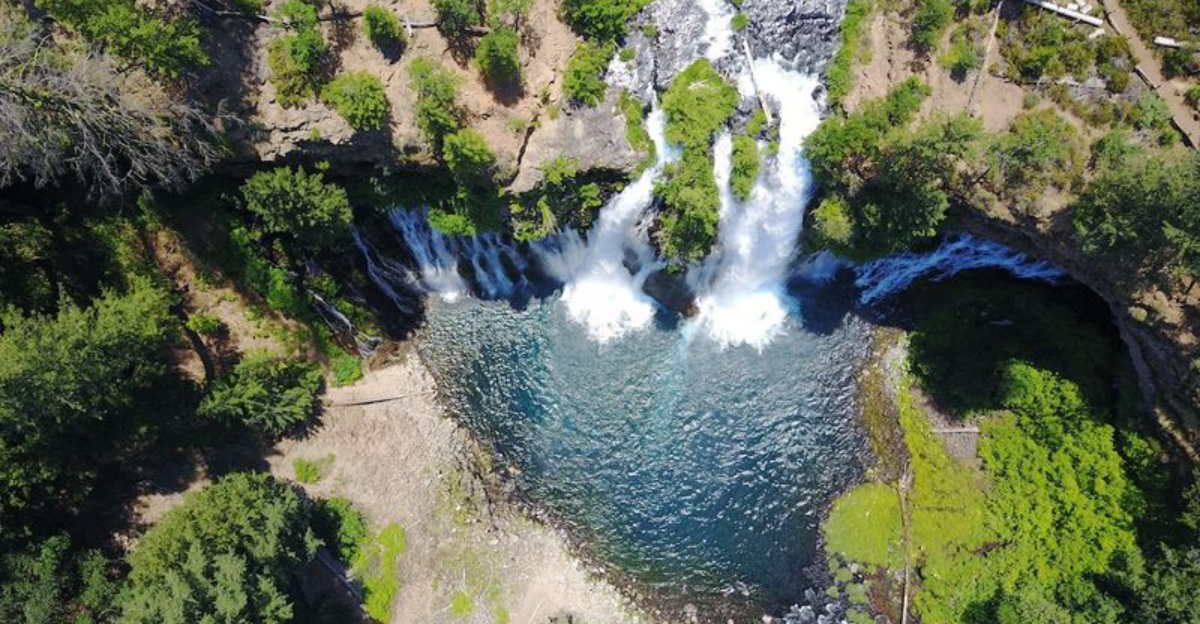
A 129-foot wall of water crashes into a mist-filled basin, pulling you closer with every thunderous drop. This Northern California waterfall doesn’t just look powerful – it feels alive.
But the real story hides behind the roar. Tucked within the damp, shadowed rock behind the waterfall lives one of the rarest birds on the continent.
Black Swifts have chosen this exact curtain of water as one of their few nesting sites in North America.
While visitors lift phones to capture the cascade, these elusive birds slip in and out of the mist, raising their young in a place most people never notice.
Roughly 100 million gallons surge from underground springs every single day, creating the cool, protected microclimate the swifts depend on. That constant flow isn’t just dramatic – it’s essential.
California has listed the Black Swift as a Species of Special Concern, which means this isn’t just a scenic stop. It’s a fragile habitat wrapped in natural spectacle.
Burney Falls delivers the kind of view that stops conversations mid-sentence. Knowing what’s happening behind the water makes it even harder to look away.
1. Black Swifts Choose Waterfall Homes
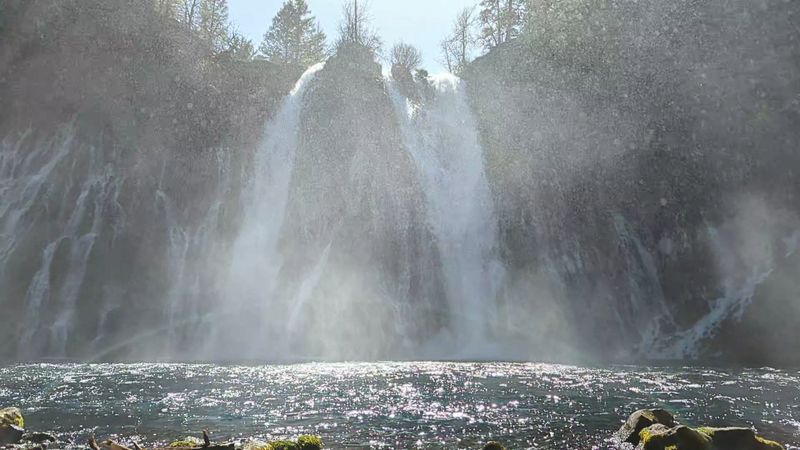
Black Swifts build their nests in one of the most unusual places any bird species selects for raising families.
Behind the cascading water at Burney Falls, these birds find cool, dark, and constantly damp niches that provide ideal protection from predators and harsh weather.
The constant spray from the falls keeps the nesting area humid, which the birds seem to prefer over drier cliff faces found elsewhere.
Only about 80 documented nesting sites exist for Black Swifts across all of North America, making each location incredibly valuable for the species’ survival.
Burney Falls represents one of the few confirmed nesting spots in California, giving it special importance for conservation efforts.
The birds return to the same nesting areas year after year, showing strong site fidelity to locations that meet their specific needs.
Watching these birds dart through the waterfall spray requires patience and good timing, as they move incredibly fast and blend into the shadows.
The nesting behavior happens mostly out of sight, with parent birds flying through the water curtain to reach their hidden nests.
Understanding this unique habitat choice helps explain why protecting waterfall environments matters so much for rare bird populations.
2. Limited Nesting Sites Make Every Location Critical
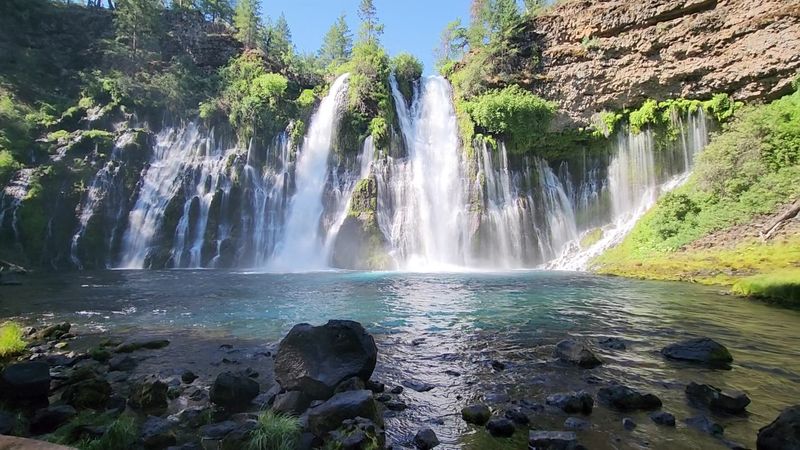
Across the entire North American continent, researchers have confirmed only about 80 places where Black Swifts successfully nest and raise their young.
This incredibly small number of breeding sites puts the species at risk, as losing even one location could impact the overall population significantly.
Burney Falls stands among a handful of California sites where these birds have established reliable nesting colonies.
The rarity of suitable nesting habitat stems from the birds’ very specific requirements for successful breeding.
Black Swifts need vertical cliff faces with constant moisture, protection from direct sunlight, and proximity to good foraging areas where they can catch flying insects.
Not many places in nature combine all these elements in the right proportions, which explains why the species has such limited breeding range.
Conservation groups monitor known nesting sites carefully, tracking population numbers and breeding success rates each season.
Burney Falls receives special attention because the consistent water flow from underground springs maintains ideal conditions year-round.
Protecting these rare nesting locations requires balancing public access for viewing with minimizing disturbance to the breeding birds during their sensitive nesting period.
3. Seasonal Visitors Arrive In Spring
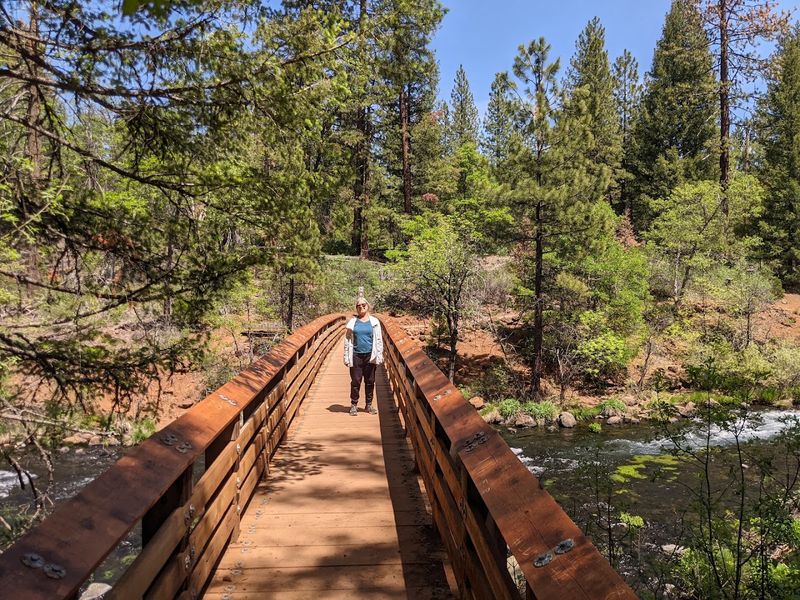
Black Swifts typically make their appearance at Burney Falls during the first week of May, marking the beginning of their breeding season in Northern California.
The timing of their arrival coincides with warming temperatures and increasing insect populations, which provide the food source these aerial hunters need.
Bird enthusiasts mark their calendars for early May, knowing this window offers the best chance to witness the swifts returning to their nesting territory.
Throughout the summer months, the birds remain active around the falls, making feeding flights and tending to their nests behind the cascading water.
Parent swifts make multiple trips daily, catching insects on the wing and returning to feed their growing chicks. The constant activity continues until autumn approaches and temperatures begin dropping.
By the first freeze of autumn, usually occurring in October or early November, the Black Swifts depart Burney Falls for their wintering grounds.
Scientists believe these birds migrate to Central or South America, though their exact winter locations remain somewhat mysterious.
The seasonal pattern repeats each year, with the same nesting sites being reoccupied when the birds return the following spring to start the cycle again.
4. Species Of Special Concern Status
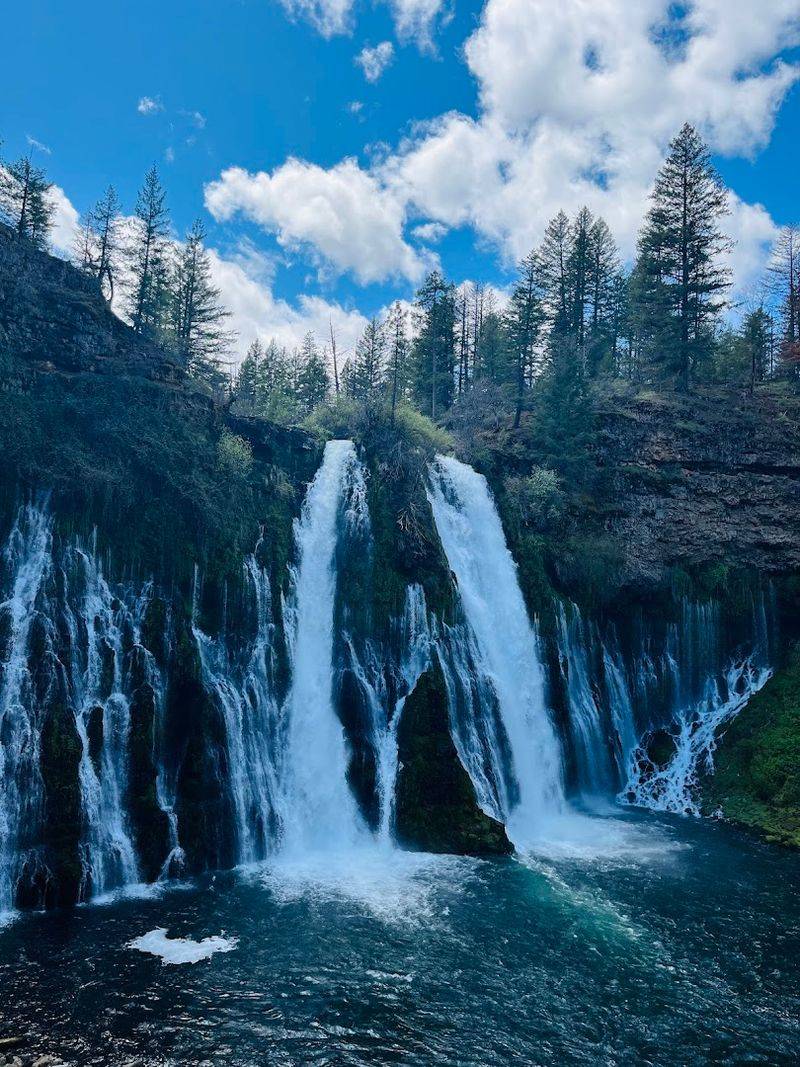
California has officially designated the Black Swift as a Species of Special Concern, recognizing the threats facing this rare bird population.
This classification means the species faces declining numbers or limited habitat that could lead to more serious endangerment without proper conservation measures.
The designation helps direct resources and attention toward protecting the remaining nesting sites and understanding population trends.
Several factors contribute to the species’ vulnerable status, including climate change impacts on water flow at nesting sites and potential disturbance from human activity.
Habitat loss represents another concern, as development near waterfall areas can disrupt the quiet conditions Black Swifts need for successful breeding.
Changes in insect populations due to pesticide use or environmental shifts also affect the birds’ ability to find adequate food.
State wildlife agencies work with local park management to implement protection strategies that balance public enjoyment with conservation needs.
Monitoring programs track nesting success rates and population numbers to identify any concerning trends early.
Education efforts help visitors understand the importance of maintaining quiet around nesting areas during breeding season, reducing stress on the birds while still allowing people to appreciate these remarkable creatures.
5. Underground Springs Feed Consistent Flow
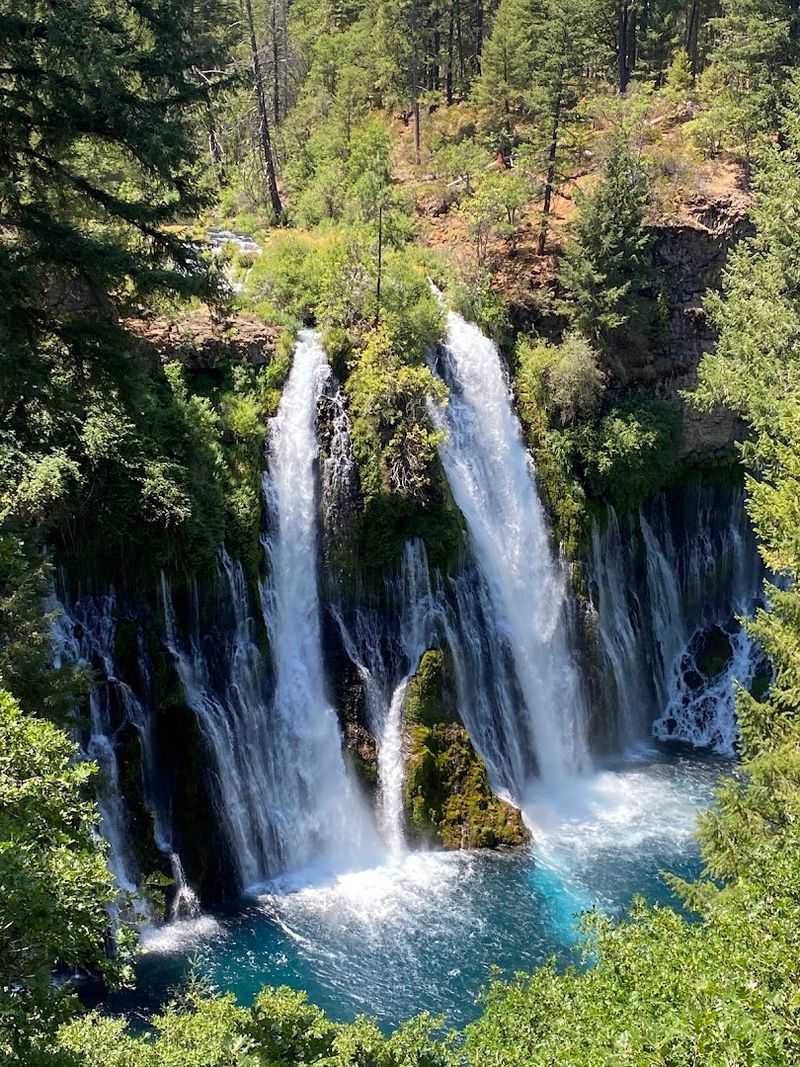
Burney Falls maintains its spectacular appearance year-round thanks to underground springs that feed approximately 100 million gallons of water daily through the falls.
Unlike many waterfalls that depend solely on surface runoff and seasonal precipitation, this consistent underground water source ensures the cascade never runs dry.
Even during California’s periodic droughts, when many other waterfalls reduce to trickles, Burney Falls continues flowing at nearly full volume.
The springs originate from an underground aquifer system that has accumulated water over many years through gradual percolation through porous volcanic rock.
This natural reservoir releases water steadily, creating the reliable conditions that Black Swifts depend on for their nesting habitat.
The constant moisture behind the falls never varies significantly, maintaining the damp environment these birds require.
Visitors notice the falls look remarkably similar regardless of the season or recent weather patterns, which makes Burney Falls unusual among California waterfalls.
The steady flow also supports a unique ecosystem of plants and animals adapted to the constant spray zone.
Understanding this underground water system helps explain why this particular location became such an important nesting site for rare bird species that need dependable environmental conditions.
6. Basalt Cliff Formation Creates Perfect Structure
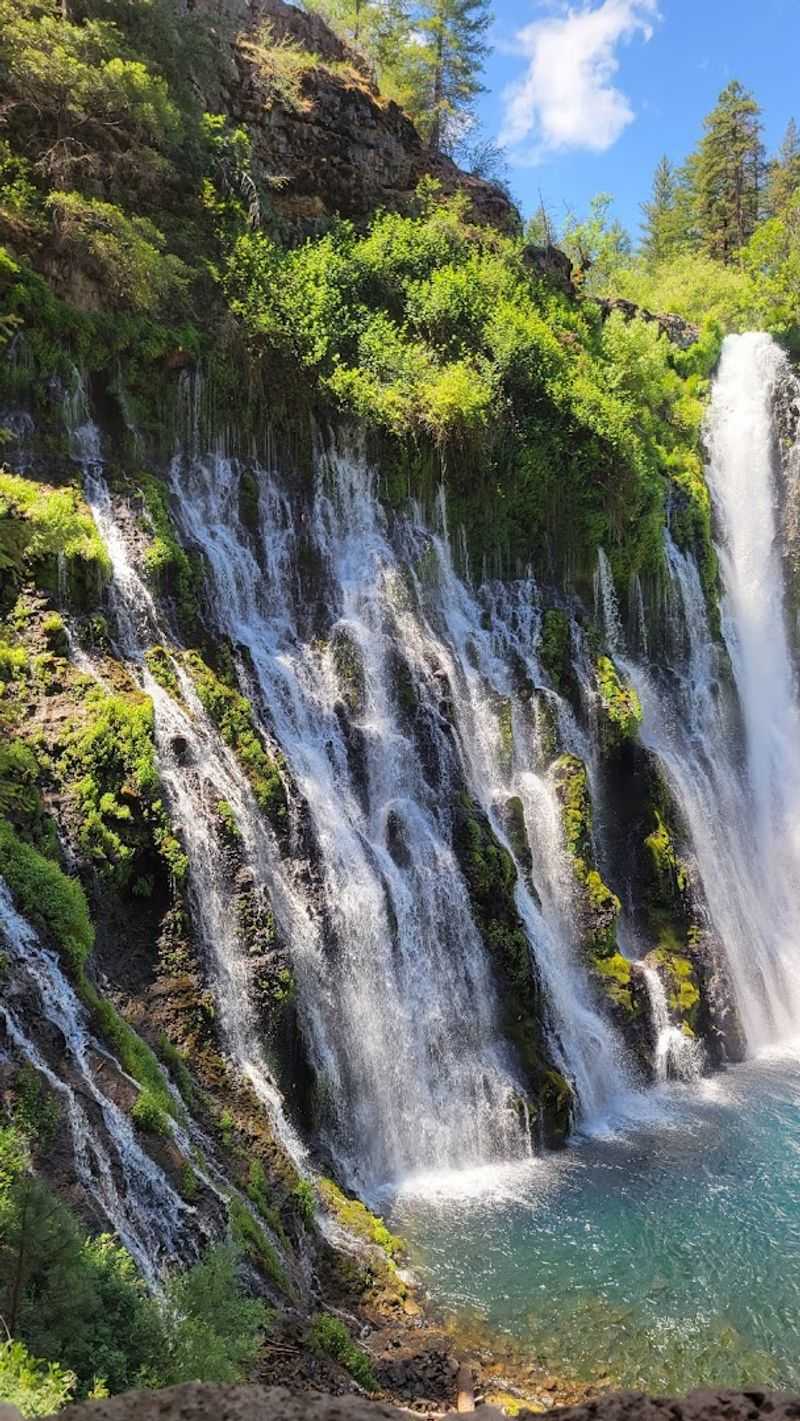
Burney Creek flows over a massive basalt cliff that formed more than a million years ago during periods of volcanic activity in Northern California.
The dark volcanic rock creates dramatic visual contrast with the white cascading water, making the falls particularly photogenic.
Layers of basalt visible in the cliff face tell the story of multiple lava flows that cooled and hardened over geological time.
The structure of basalt rock includes natural cracks and crevices that provide the nesting niches Black Swifts need for building their nests.
Water seeping through the porous volcanic rock emerges at various points along the cliff face, creating the misty environment behind the main cascade. These geological features combine to produce conditions found at very few other locations.
Erosion patterns in the basalt have created overhanging sections that shelter nesting areas from direct rain while still maintaining high humidity from the waterfall spray.
The hardness of basalt means the cliff structure remains stable over long periods, providing reliable nesting sites that persist for many bird generations.
Studying the geological formation helps scientists understand why certain waterfall locations support nesting populations while similar-looking sites elsewhere do not attract the birds.
7. Over 130 Bird Species Call The Park Home
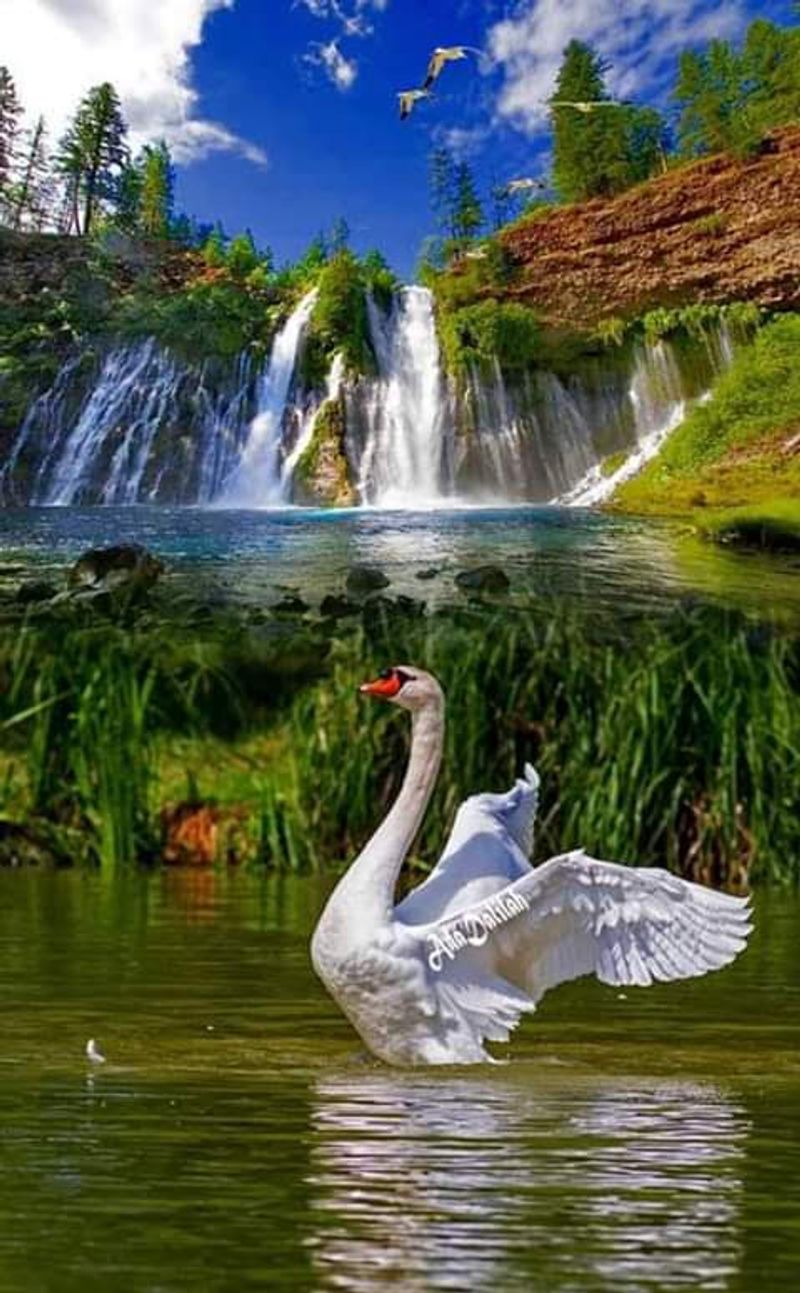
McArthur-Burney Falls Memorial State Park supports an impressive diversity of bird life beyond the rare Black Swifts that nest behind the falls.
More than 130 different bird species have been documented within the park boundaries, making it a premier birdwatching destination in Northern California.
The variety of habitats, from riparian zones along the creek to mixed conifer forests on the hillsides, provides niches for many different bird families.
Warblers represent one of the most abundant groups, with species like Hermit, Black-throated Gray, McGillivray’s, Wilson’s, Nashville, Yellow-rumped, and Yellow Warblers all breeding in the park.
Western Tanagers add splashes of red and yellow to the forest canopy during summer months. Cassin’s Vireos sing their repetitive songs from oak and pine trees throughout the warmer seasons.
The park’s location along the Pacific Flyway means migrant species pass through during spring and fall, temporarily boosting the bird diversity even higher.
Year-round residents include woodpeckers, jays, and chickadees that remain active even during winter months.
Bird enthusiasts can expect different species depending on the season, with spring and early summer offering peak diversity when breeding birds fill the forest with songs and calls.
8. Year-Round Activities Beyond Bird Watching
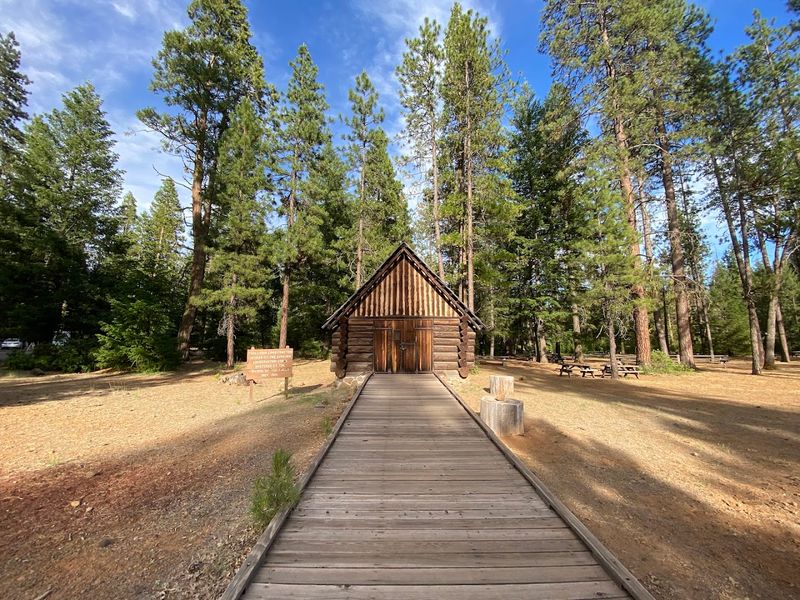
McArthur-Burney Falls Memorial State Park offers activities throughout all four seasons, making it a destination that rewards visits at any time of year.
Hiking trails wind through the park, including a popular loop trail that descends to the base of the falls and provides views from multiple angles.
The trail system ranges from easy walks suitable for families to more challenging routes for experienced hikers.
Fishing opportunities exist in Burney Creek and nearby Lake Britton, where anglers can try for trout and other species depending on the season.
The park maintains designated fishing areas with access points that minimize environmental impact. Camping facilities allow overnight stays, with developed campsites offering amenities like picnic tables and fire rings.
Winter visits provide a quieter experience with fewer crowds, though some facilities may have limited hours during colder months.
The falls remain impressive even when surrounded by snow, creating beautiful contrast between ice formations and flowing water.
Spring brings wildflowers blooming along the trails, while summer offers warm weather perfect for exploring the entire park.
Autumn colors transform the deciduous trees, adding another visual element to complement the constant beauty of the waterfall itself.
9. Theodore Roosevelt’s Famous Endorsement
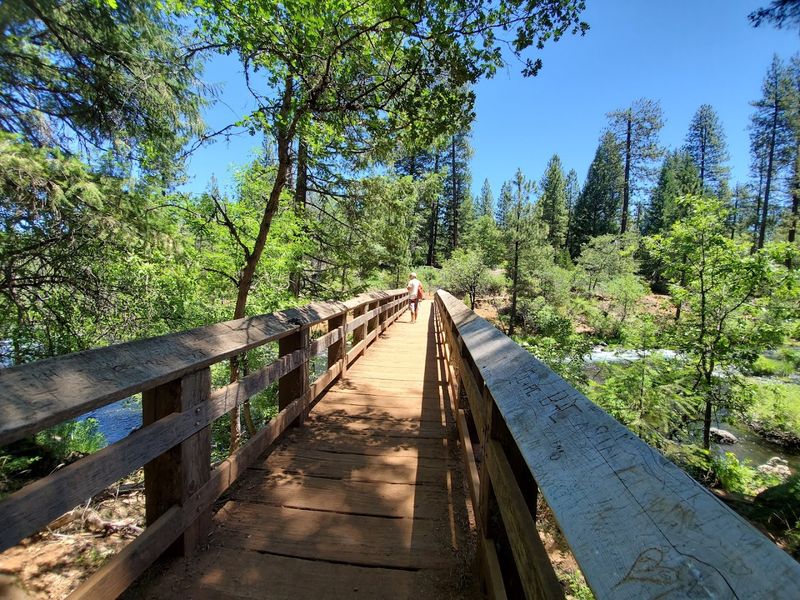
President Theodore Roosevelt reportedly called Burney Falls the Eighth Wonder of the World after visiting the site, giving the waterfall a prestigious historical endorsement.
Roosevelt’s passion for natural landscapes and conservation made his opinion particularly influential in raising awareness about special places deserving protection.
The quote has been repeated countless times in park literature and tourism materials, cementing the falls’ reputation as an exceptional natural feature.
Roosevelt’s visit occurred during an era when the conservation movement was gaining momentum in America, leading to the establishment of national parks and protected areas.
His enthusiasm for Burney Falls helped generate public interest in preserving such landscapes for future generations.
The presidential recognition contributed to the eventual establishment of the state park that protects the falls today.
Modern visitors can understand Roosevelt’s amazement when they first glimpse the falls through the trees or hear the thunder of water before reaching the viewpoint.
The combination of height, volume, and the unique way water emerges from the cliff face at multiple points creates a spectacle that stands out even among California’s many impressive waterfalls.
The historical connection adds another layer of interest for people who appreciate both natural beauty and American conservation history.
10. Stand By Me Film Location Recognition
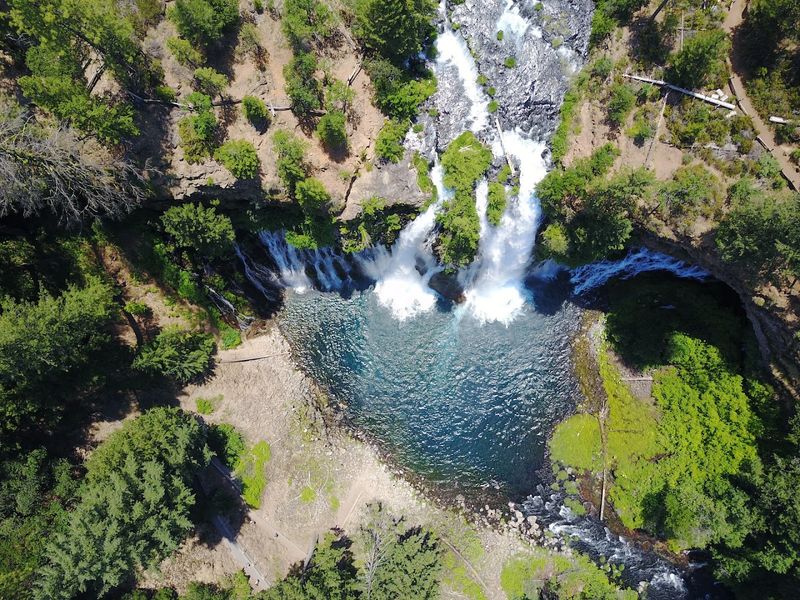
Burney Falls gained Hollywood recognition when scenes from the 1986 coming-of-age film Stand by Me were filmed in the surrounding area.
The movie, based on a Stephen King novella, required authentic Pacific Northwest scenery to capture the story’s setting.
Northern California’s landscapes provided the perfect backdrop, with locations near Burney Falls appearing in several memorable sequences.
Film location enthusiasts sometimes visit the park hoping to recognize specific spots that appeared on screen, adding a pop culture element to the natural attraction.
The movie’s enduring popularity has introduced new generations to the beauty of this region, even if many viewers don’t realize the exact filming locations.
Stand by Me’s themes of friendship and adventure resonate with the spirit of exploration that draws people to natural areas.
The park’s cinematic connection represents just one aspect of its cultural significance, complementing rather than overshadowing the natural and ecological importance of the site.
Movie filming at natural locations requires careful management to prevent environmental damage, and the successful shoot demonstrated that commercial activities can occur without harming sensitive habitats.
The film legacy adds another reason for people to discover this remarkable waterfall and the rare birds that nest behind its cascading waters.
11. Visitor Amenities Enhance The Experience
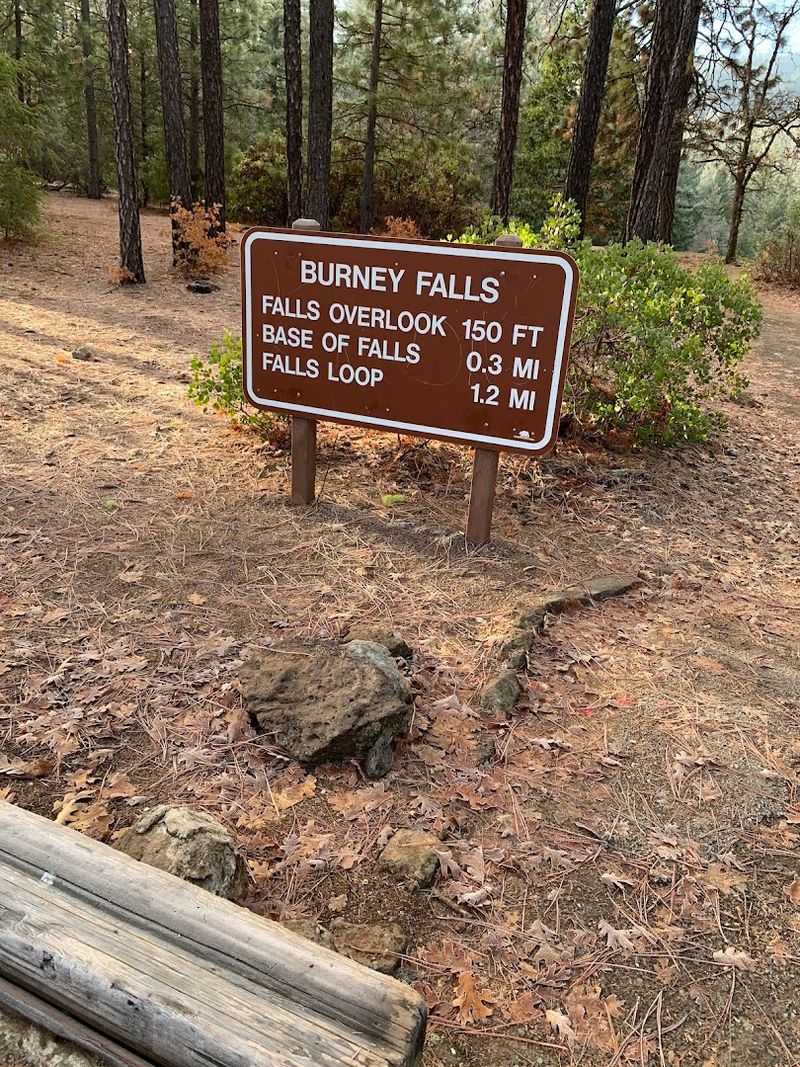
McArthur-Burney Falls Memorial State Park provides well-maintained facilities that make visiting comfortable without detracting from the natural setting.
Picnic areas with tables and grills allow families to enjoy meals surrounded by forest scenery. A general store near the entrance offers snacks, drinks, souvenirs, and basic camping supplies for visitors who forgot essential items.
Campground facilities include developed sites with restrooms and showers, making overnight stays accessible to people who prefer some amenities over primitive camping.
The park’s infrastructure has been designed to accommodate visitors while minimizing visual and environmental impact on the surrounding landscape.
Rangers and park staff provide information about the best viewing times for Black Swifts and other wildlife.
Parking areas near the falls viewpoint can fill quickly during peak summer weekends, so arriving early in the day often provides a better experience with smaller crowds.
The park charges a day-use fee that helps fund maintenance and conservation programs.
Accessibility features allow people with mobility limitations to experience views of the falls from paved overlooks.
Thoughtful facility placement ensures that human presence doesn’t disturb the Black Swift nesting areas while still allowing visitors to appreciate both the waterfall and the remarkable birds that call it home.
12. Easy Access From Highway 89
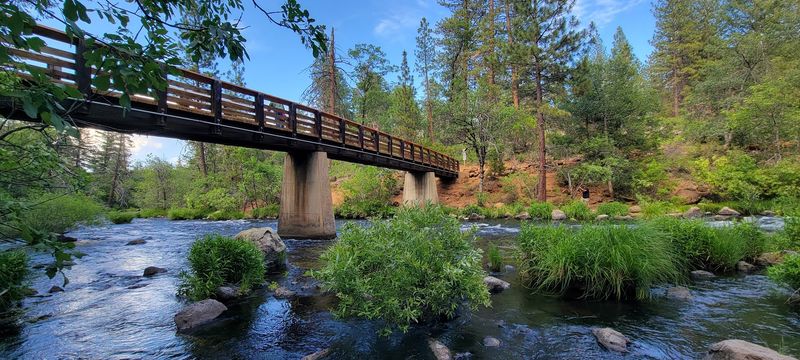
Burney Falls sits conveniently along Highway 89, approximately six miles north of the small town of Burney in Shasta County.
The accessible location makes the park an easy addition to road trips through Northern California or a worthwhile destination for a day trip from larger cities in the region.
Clear signage along the highway directs drivers to the park entrance, reducing confusion for first-time visitors.
The drive to Burney Falls takes travelers through scenic landscapes typical of the southern Cascade Range, with views of volcanic peaks and extensive forests.
Highway 89 connects to other major routes, allowing visitors to incorporate the falls into longer itineraries that might include Lassen Volcanic National Park or Mount Shasta.
The relatively short distance from the highway to the falls viewpoint means people can experience this natural wonder without committing to extensive hiking.
Accessibility from a major highway has both benefits and challenges for conservation efforts, as easier access brings more visitors who need to be educated about protecting sensitive habitats.
Park management works to balance welcoming guests with preserving the quiet conditions Black Swifts need during nesting season.
The convenient location ultimately helps more people connect with nature and learn about rare species conservation, supporting broader environmental awareness efforts across California.