This Captivating Southern California Coastal Drive Is Even More Stunning In March
Some coastal drives are pleasant. This one feels cinematic.
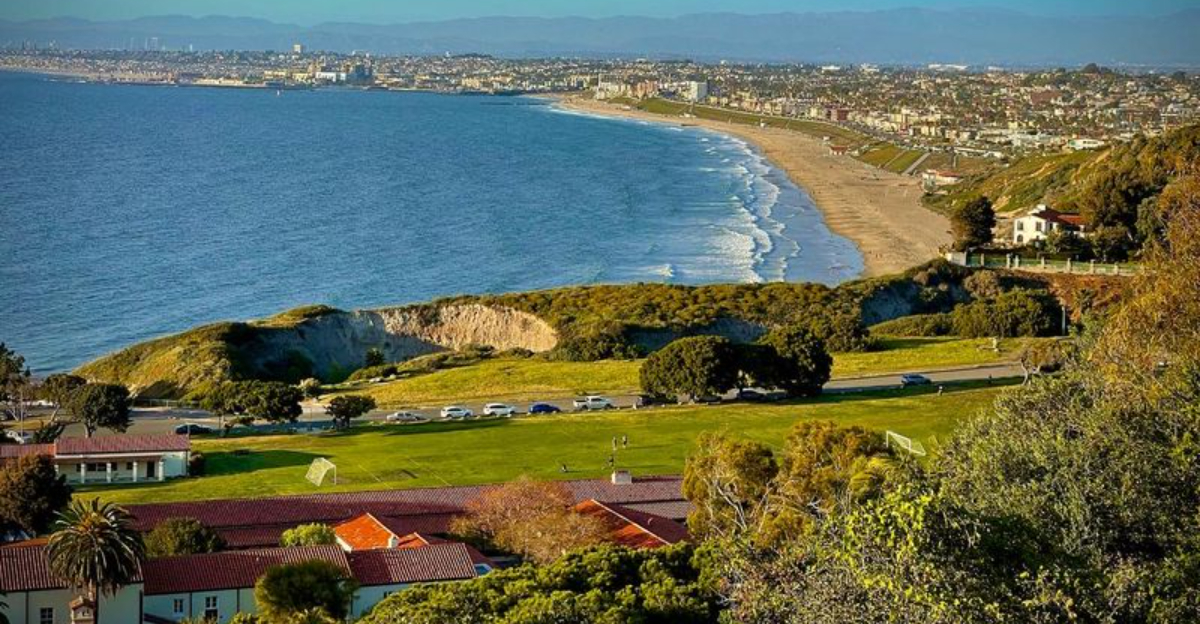
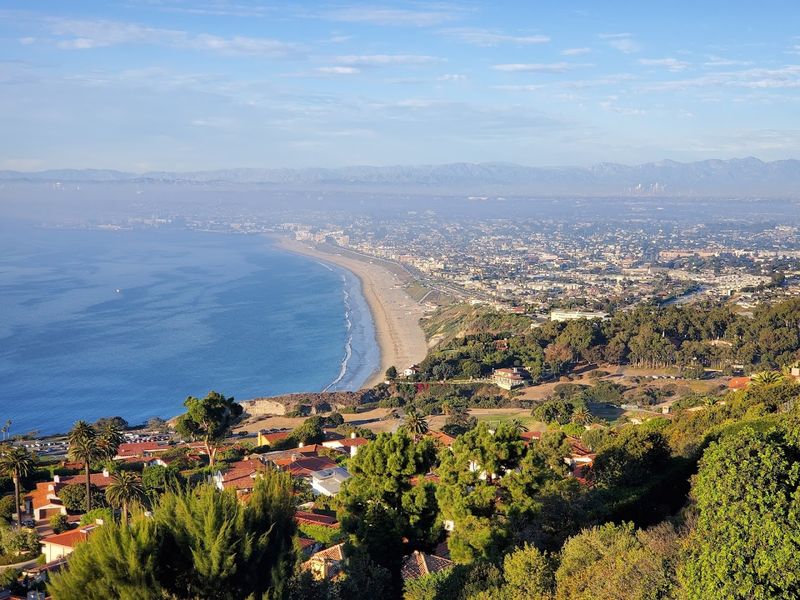
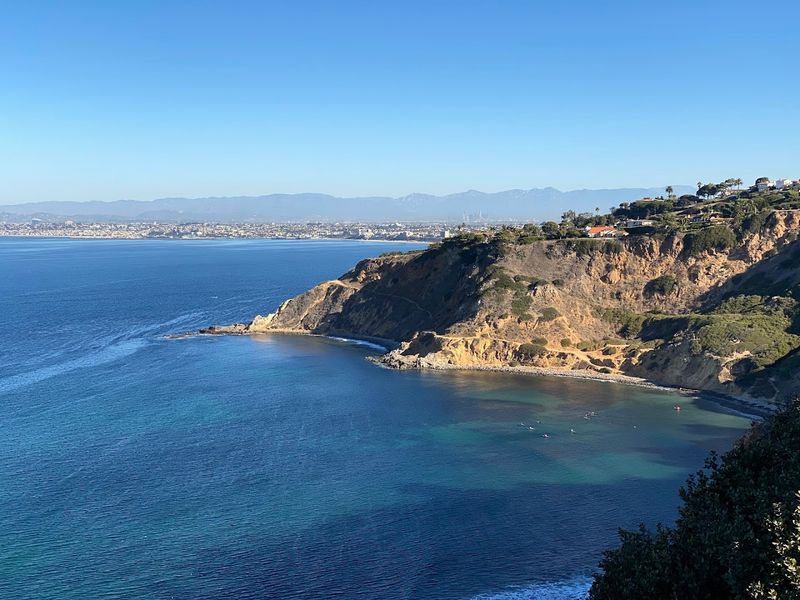
Along the edge of Southern California, a ribbon of road curves above the Pacific, tracing cliffs that drop sharply toward restless blue water.
The views open without warning. One bend reveals rocky shoreline. The next frames an endless horizon.
Palos Verdes Scenic Drive circles the Palos Verdes Peninsula, offering one of the most dramatic stretches of coastline in the region. It is not long, but it rarely feels rushed.
Pullouts invite you to stop. Overlooks demand a second look.
March changes the mood in subtle ways. Wildflowers begin to dot the hillsides. Migrating gray whales pass offshore. The air carries a crispness that makes the ocean feel even closer.
It is the kind of drive that rewards patience. Windows down. Music low. No strict timeline.
Before setting out, here is what makes this early spring stretch along the California coast especially memorable.
1. Wildflower Blooms Along The Peninsula
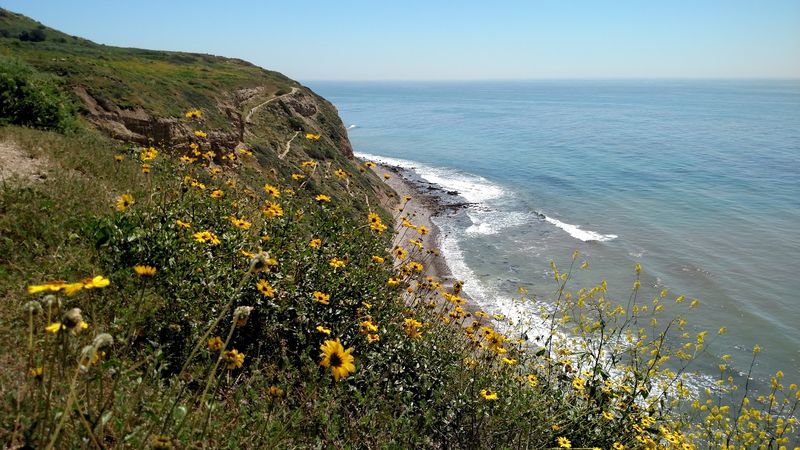
Spring arrives quietly along the Palos Verdes Peninsula, but the wildflowers make sure it does not go unnoticed.
By early March, native plants begin pushing color through the dry hillsides, turning the landscape from muted gold to bursts of purple, yellow, and orange.
The transformation happens gradually, so visiting early in the month versus late can offer noticeably different scenery.
The Linden H. Chandler Preserve, managed by the Palos Verdes Peninsula Land Conservancy, protects critical habitat where some of these native plants thrive.
Visitors walking nearby trails may notice low-growing coastal scrub plants flowering close to the ground alongside taller blooming shrubs.
The preserve also serves as habitat for the endangered Palos Verdes blue butterfly, which depends on native vegetation for its survival.
Bringing a pair of binoculars helps spot smaller blooms tucked into rocky outcroppings along the cliffs. Staying on marked trails protects both the plants and the fragile soil underneath.
March tends to offer better bloom density in years with above-average winter rainfall, so checking recent trail reports before visiting gives a more accurate picture of what to expect.
2. Mild And Pleasant March Weather
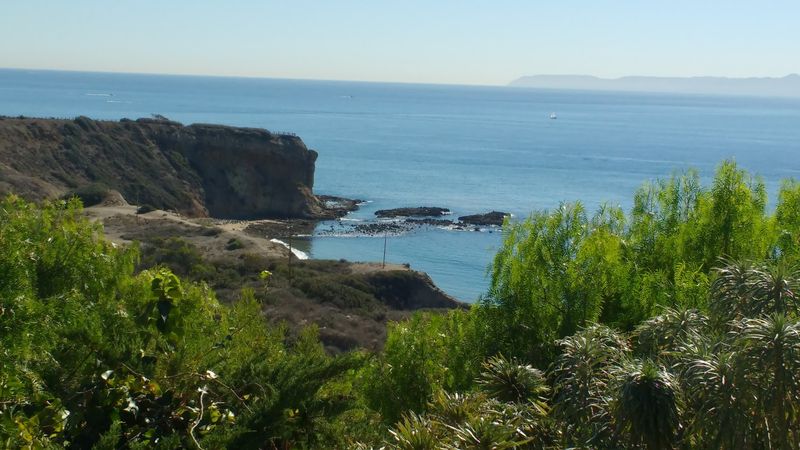
March weather along the Palos Verdes coast sits in a sweet spot that outdoor enthusiasts tend to appreciate.
Daytime highs hover around 68 degrees Fahrenheit while overnight lows drop to roughly 53 degrees, creating conditions that feel comfortable without requiring heavy layers.
The sun stays out for long stretches, and the coastal breeze keeps things from feeling too warm even during midday.
Unlike the peak summer months, March does not bring the same intense UV exposure or heat that can make long outdoor drives feel draining.
Morning fog sometimes rolls in from the Pacific and burns off by late morning, adding a moody atmospheric quality to the early hours of a drive.
Visitors who start the route around 9 or 10 in the morning often catch the tail end of the fog lifting over the cliffs.
Layering clothing makes sense for a March visit since temperatures shift noticeably between shaded canyon sections and open clifftop stretches. Light jackets work well for the cooler morning segments.
The overall comfort level in March makes it genuinely easier to stop, get out of the car, and take in the views without rushing back inside.
3. Gray Whale Migration Viewing
March ranks among the best months to watch gray whales moving along the Southern California coast, and the Palos Verdes cliffs put visitors right in the middle of the action.
These massive mammals travel northward during spring migration after spending winter months in warmer Baja California waters.
Spotting a spout or a tail fluke from a clifftop overlook creates a moment that stays with visitors long after the drive ends.
The Point Vicente Interpretive Center sits at 31501 Palos Verdes Drive West, Rancho Palos Verdes, CA 90275, and serves as one of the best land-based whale watching spots along the entire California coast.
The center provides educational exhibits about gray whale biology and migration patterns, along with outdoor viewing areas positioned directly above the ocean.
Staff members and volunteers are often present during peak migration periods to help visitors identify what they are seeing offshore.
Binoculars significantly improve the experience since whales typically travel several hundred yards from shore. Arriving on clear days with calm seas gives the best visibility.
Weekday mornings tend to attract fewer visitors, making it easier to claim a good viewing spot along the outdoor observation area without feeling crowded.
4. San Pedro Scenic Overlook Views
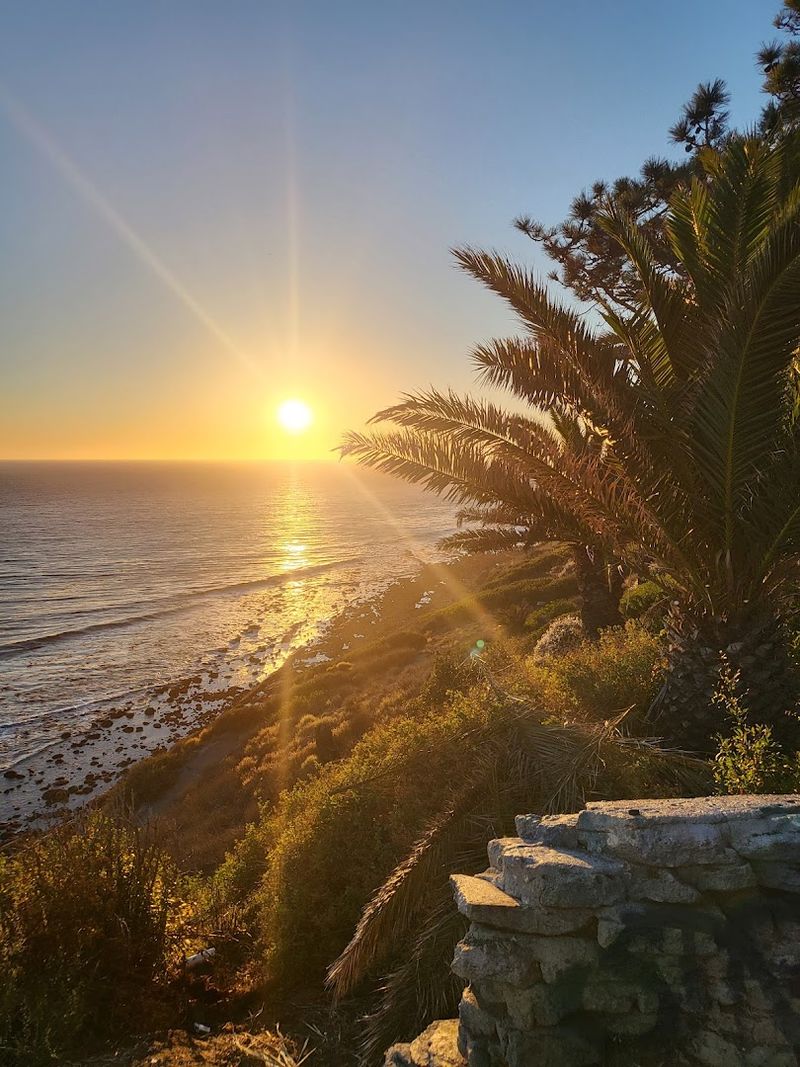
Pulling over at a viewpoint that delivers a genuinely wide panorama feels like a reward after winding through the curves of the coastal drive.
The San Pedro Scenic Overlook delivers exactly that kind of payoff, offering unobstructed sightlines across the Pacific Ocean and the sprawling Port of Long Beach.
On clear March days, the visibility stretches far enough to make the scale of the harbor feel almost cinematic.
Container ships moving slowly across the horizon create an interesting contrast against the natural ruggedness of the coastline below.
The overlook provides a paved pullout area where visitors can safely stop, step out, and spend a few quiet minutes absorbing the view.
Benches are available, making it a comfortable spot to sit and watch the water without needing to stand the entire time.
Photographers tend to favor the overlook during the golden hour before sunset when the light turns warm and the water takes on a deeper blue tone.
March sunsets happen earlier than summer ones, so planning the timing around 6 to 6:30 PM works well for catching the best light.
The overlook does not require any admission fee and remains accessible to the public throughout the year.
5. Point Vicente Lighthouse History
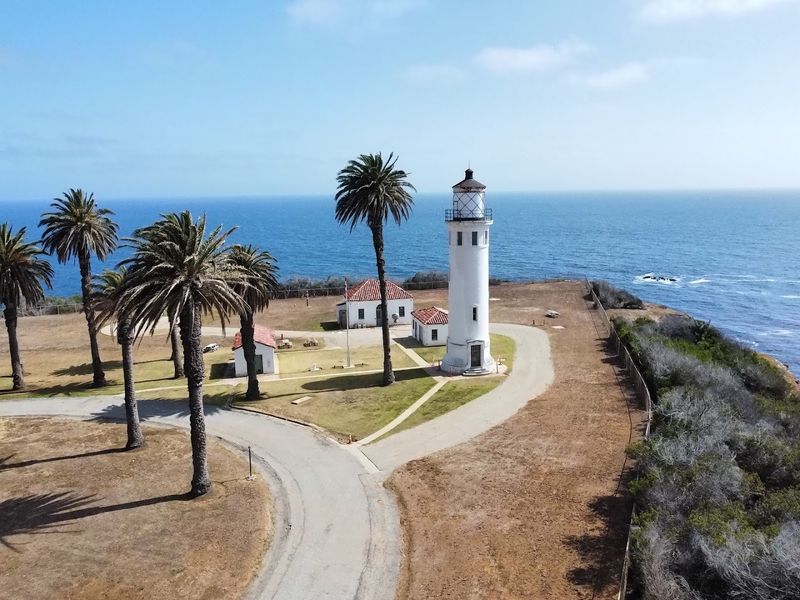
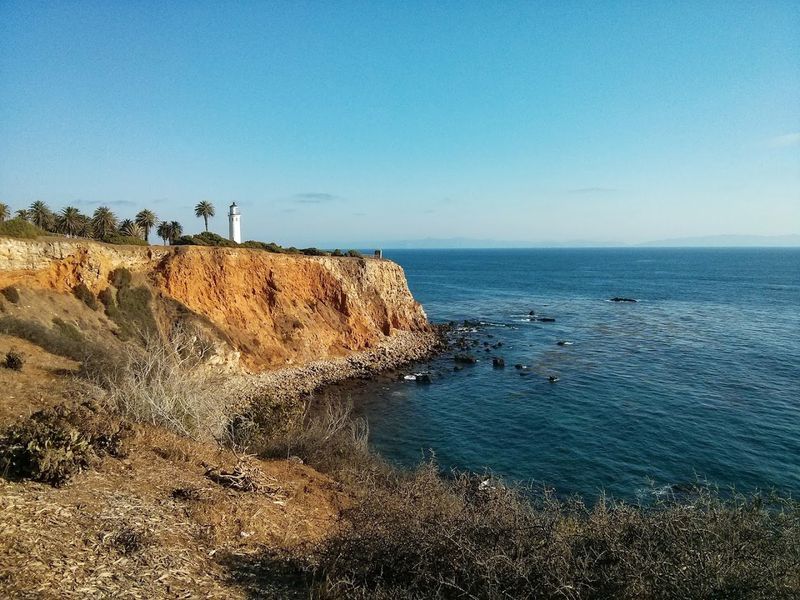
Built in 1926, the Point Vicente Lighthouse has guided ships safely along this stretch of the California coast for nearly a century.
The lighthouse stands 67 feet tall and sits on cliffs that rise about 130 feet above sea level, giving its light remarkable reach across the water.
Even visitors who do not catch an official tour find the exterior view from the road genuinely striking.
The lighthouse is located at 31550 Palos Verdes Drive West, Rancho Palos Verdes, CA 90275, adjacent to the Point Vicente Interpretive Center.
Tours of the lighthouse grounds are typically offered on the second Saturday of each month, though schedules can vary and checking ahead before visiting is strongly recommended.
The surrounding grounds offer their own appeal with ocean views that frame the historic structure from multiple angles.
Local lore around the lighthouse includes stories of a mysterious female figure reportedly seen in the light beam over the decades, a tale that has become part of the Peninsula’s cultural identity.
Whether or not the legend holds any truth, it adds an interesting layer to what is already a historically significant stop.
March visits benefit from the cleaner air and reduced haze that often comes with the cooler season.
6. Guided Nature Walks By The Land Conservancy
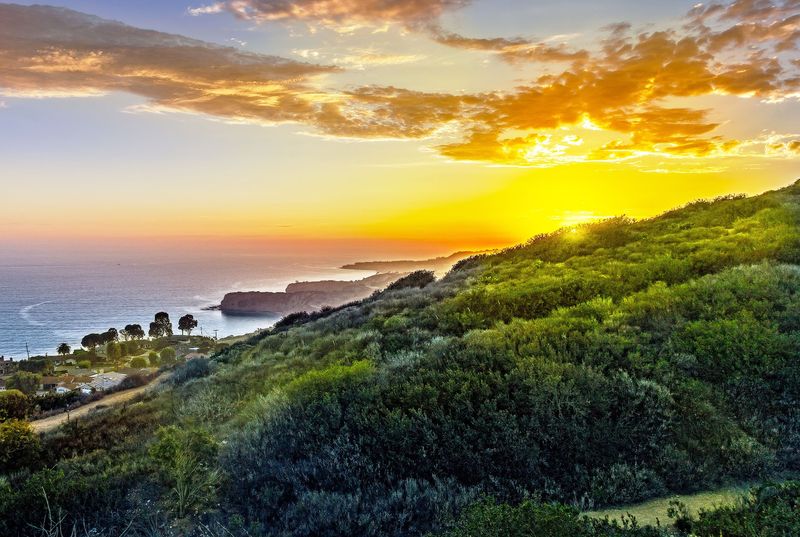
Walking the Palos Verdes Peninsula with someone who actually knows the land makes a noticeable difference in how much a visitor absorbs from the experience.
The Palos Verdes Peninsula Land Conservancy organizes guided nature walks throughout March, led by knowledgeable volunteers and staff who explain the ecology, native plants, and wildlife that make the peninsula so ecologically significant.
Groups tend to stay small, which allows for genuine conversation along the trail rather than a rushed lecture.
These walks cover a range of terrain from open coastal scrub to shadier canyon sections, depending on the specific route chosen.
Comfortable walking shoes with good grip are recommended since some trail surfaces include loose gravel or uneven rocky patches.
Participants are encouraged to bring water and dress in layers since coastal temperatures can shift during a two-hour walk.
Volunteer events also run alongside the walks in March, giving visitors a chance to contribute to habitat restoration efforts on the peninsula.
Pulling invasive plants and planting native species alongside local residents creates a connection to the land that a standard drive-through visit simply cannot replicate.
Registration details and upcoming event schedules are available through the Land Conservancy website for those planning ahead.
7. Native Plant Sales In Early Spring

Not every visitor leaves Palos Verdes with only photographs.
March brings native plant sales to the peninsula, giving visitors and local residents the chance to take home a piece of the coastal landscape in the form of plants that genuinely belong there.
These events are typically organized by the Palos Verdes Peninsula Land Conservancy and draw gardeners, naturalists, and curious newcomers alike.
The plants available at these sales are grown from seeds and cuttings sourced locally, which means they are well-adapted to the specific soil and climate conditions found along the Southern California coast.
Coastal sage scrub species, native grasses, and drought-tolerant flowering plants tend to be popular choices.
Vendors and volunteers at the sales are usually happy to answer questions about planting, care, and which species attract native pollinators.
Attending a native plant sale adds a relaxed and community-oriented dimension to a Palos Verdes visit that goes beyond the scenic drive itself. Prices are generally reasonable and the atmosphere feels casual rather than commercial.
Checking the Land Conservancy website or local community boards ahead of time confirms specific dates since sale schedules can shift slightly from year to year depending on growing conditions and volunteer availability.
8. Malaga Cove Art And Cultural Scene
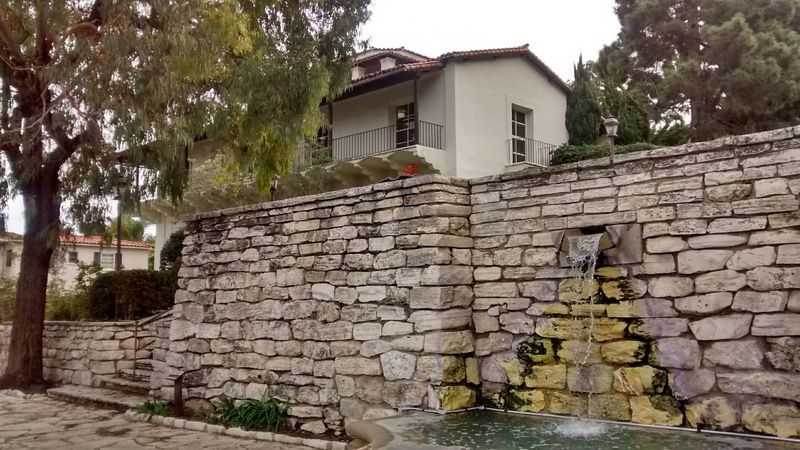
Tucked along the northern end of the Palos Verdes drive, Malaga Cove carries a quiet, unhurried character that feels distinct from the more dramatic clifftop sections of the route.
The area features Mediterranean-style architecture, a small plaza, and a cultural atmosphere that reflects the artistic community that has long called the peninsula home.
Art fairs and community events occasionally take place here in March, adding a creative layer to what is already a visually interesting stop.
The cove itself sits below the bluffs and offers a rocky beach that draws tidepooling enthusiasts and surfers who prefer a less crowded break.
Walking down from the plaza area to the shoreline takes only a few minutes and rewards visitors with a ground-level perspective of the cliffs that cannot be appreciated from the road.
The transition from the cultural energy of the plaza to the raw quiet of the beach happens within a very short distance.
Small local shops and a handful of eateries near the plaza give visitors a reason to linger rather than rush through.
March weekday afternoons tend to be especially calm here, with the area feeling genuinely local rather than tourist-heavy.
Parking near the plaza is available and generally accessible without significant difficulty during non-peak hours.
9. Photography Opportunities In March Light
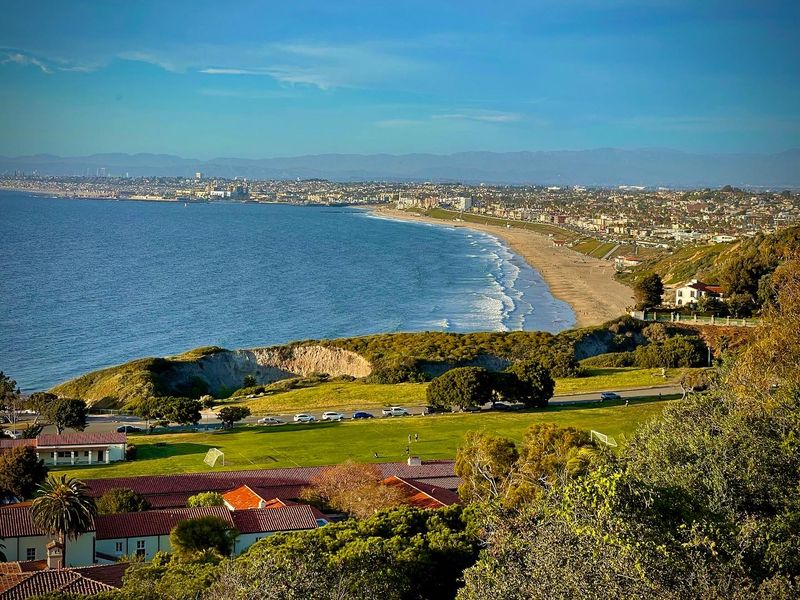
March light along the Palos Verdes coast has a quality that photographers tend to seek out deliberately.
The sun sits at a lower angle than in summer, casting longer shadows and warmer tones across the cliffs and ocean surface even during midday.
Combined with blooming wildflowers, clear skies, and the occasional whale spout visible offshore, the visual ingredients stack up in a way that feels almost arranged.
Clifftop overlooks along Palos Verdes Drive West and Palos Verdes Drive South provide elevated vantage points where foreground elements like native plants and rocky outcroppings frame the ocean naturally.
The contrast between the green coastal scrub, the dark volcanic rock, and the deep blue of the Pacific gives images a layered depth that flat or hazy conditions simply cannot produce.
Early morning shots benefit from the soft light and lingering coastal mist before it burns off. Telephoto lenses help capture whale activity or distant ships without requiring visitors to lean over cliff edges.
Standard wide-angle lenses work well for capturing the full sweep of the coastline at the larger overlooks.
Tripods are useful for longer exposures during the golden hour before sunset, when the cliffs glow and the water surface picks up warm reflected color.
10. Quieter Crowds Compared To Summer
Summer along the Palos Verdes coast brings heavier traffic, fuller parking areas, and a noticeably busier energy at the popular overlooks.
March shifts that dynamic considerably, offering the same stunning scenery with far fewer people competing for the same viewpoints.
For visitors who find crowded overlooks frustrating, the early spring timing makes a tangible difference in how the drive actually feels.
Weekday visits in March are particularly calm, with some stretches of the coastal road feeling almost entirely private.
Parking at spots like the Point Vicente Interpretive Center becomes much easier without the summer weekend rush.
The reduced foot traffic also means wildlife along the cliffs and in the coastal scrub behaves more naturally, making animal sightings slightly more likely for patient observers.
The tradeoff is that some amenities like food trucks or pop-up vendors that appear during busier seasons may not be present in March.
Planning ahead with snacks and water ensures that a longer drive does not get cut short by hunger or thirst.
The overall pace of a March visit tends to feel more exploratory and less managed than a peak-season outing, which suits visitors who prefer discovering a place at their own rhythm rather than following a crowd.
11. Road Conditions And Planning Ahead
The Palos Verdes Peninsula sits on geologically active land, and sections of the coastal road have historically been affected by landslides and ground movement.
Palos Verdes Drive South in particular has experienced closures and detours in past years due to ongoing land instability in the Portuguese Bend area.
Checking current road status through the City of Rancho Palos Verdes website before departing is a practical step that prevents unexpected detours mid-drive.
The City of Rancho Palos Verdes provides road closure updates and maintenance notices through their official communications at rpvca.gov, which is a reliable source for current conditions.
Some sections of the drive may require alternate routing depending on the status of ongoing stabilization work.
Flexibility in the itinerary helps absorb these kinds of adjustments without derailing the overall experience.
GPS navigation apps do not always reflect the most current road closures on the peninsula, so combining app guidance with a quick check of official city updates before leaving gives the most accurate picture.
Starting the drive from the northern end near Malaga Cove and heading south allows for easier course corrections if a section turns out to be closed.
March road conditions can also be affected by recent rainfall, so allowing extra time after a wet week is worth factoring into the plan.