Discover The North Carolina Landmark Where The Civil War Came To An End
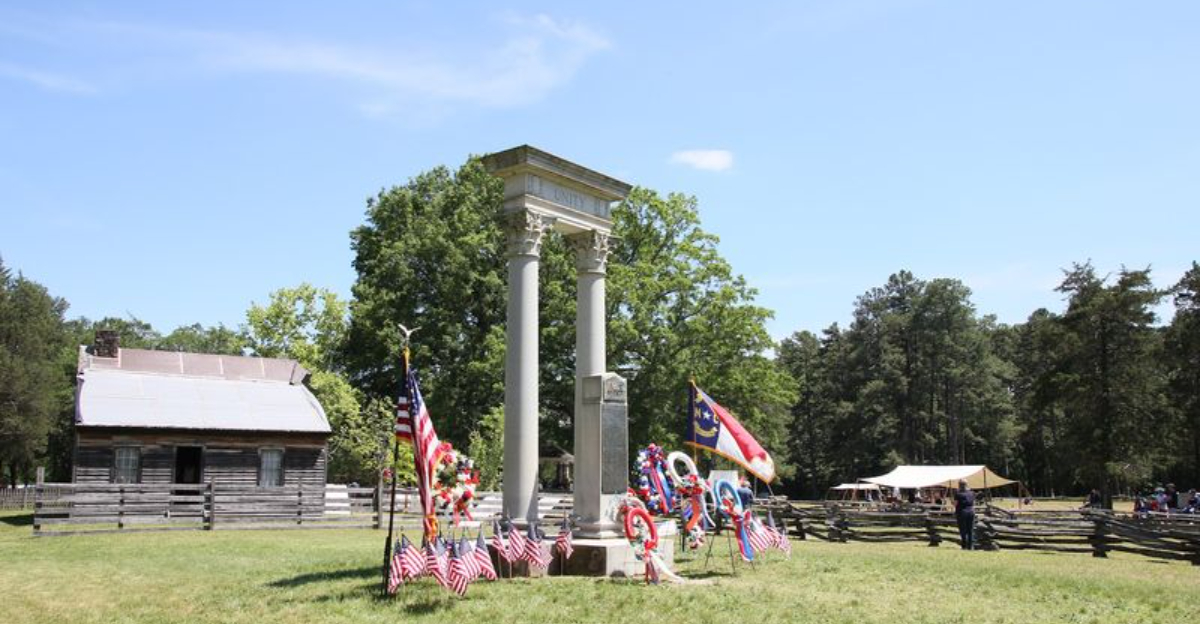
History came to a turning point on a quiet farm where two generals met to end years of conflict. The largest surrender of Confederate forces happened right here in North Carolina.
Bennett Place stands as proof that even the biggest wars must eventually find their way to peace. The farmhouse where Generals Sherman and Johnston signed their agreement might be a reconstruction, but the story it tells remains as powerful today as it was in 1865.
Visitors walking these grounds follow the same paths that soldiers took when they laid down their weapons and began the long journey home. The site preserves not just buildings and artifacts but the memory of families like the Bennetts who lost so much during those difficult years.
1. The Largest Surrender Of The Civil War Happened Here
Around 89,270 Confederate soldiers surrendered at Bennett Place on April 26, 1865. That number represents troops from North Carolina, South Carolina, Georgia, and Florida who were under General Joseph E. Johnston’s command.
Most people know about Appomattox, where Robert E. Lee surrendered his army on April 9, 1865.
What many miss is that Lee’s surrender only covered his Army of Northern Virginia. Thousands of Confederate soldiers remained in the field across the South.
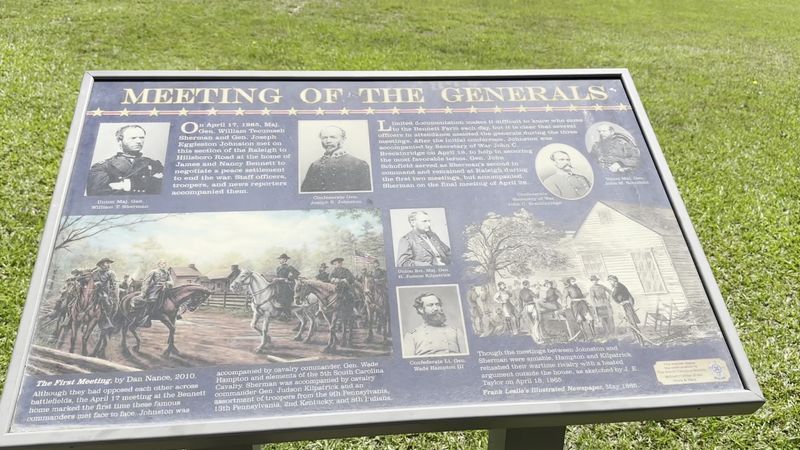
The Bennett Place surrender addressed those remaining forces. General William T. Sherman met with Johnston over three separate days to negotiate terms. The agreement they reached effectively ended the Civil War in a huge portion of the South.
Standing on these grounds helps visitors grasp the scale of what happened here. Nearly 90,000 men put down their weapons and began the journey back to civilian life.
The farmhouse where the generals talked became the setting for one of the most significant moments in American history.
Located at 4409 Bennett Memorial Rd in Durham, this historic landmark offers a chance to stand where history changed direction and understand what it took to reunite a divided nation.
2. Three Days Of Negotiations Changed Everything
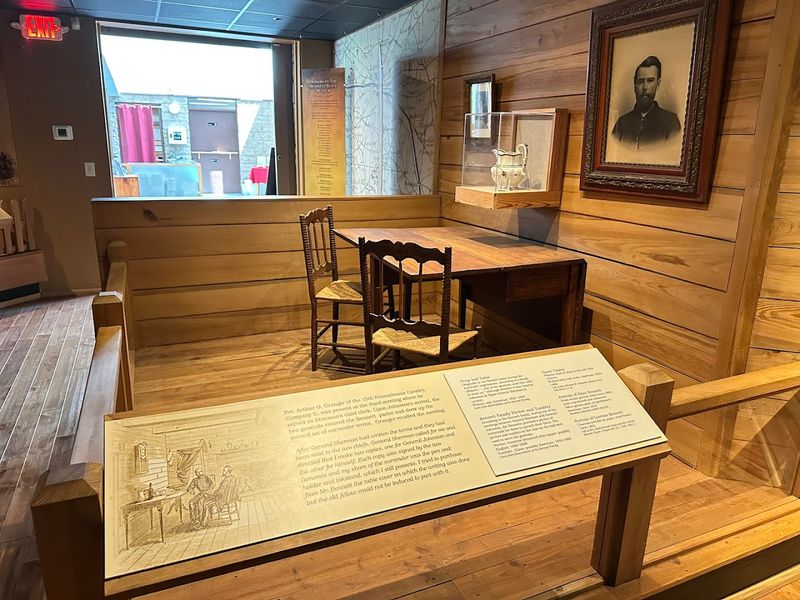
The surrender didn’t happen in a single afternoon. Sherman and Johnston met three times between April 17 and April 26, 1865.
Each meeting brought new challenges and required patience from both sides.
Their first meeting on April 17 came just days after Lincoln’s assassination. That tragedy complicated everything because the mood in Washington had shifted dramatically.
Sherman initially offered generous terms that his superiors rejected.
The generals had to meet again to work out terms that Washington would accept. Johnston faced his own pressures from Confederate leaders who weren’t ready to give up.
The back-and-forth negotiations showed how difficult it was to end such a massive conflict.
The final agreement on April 26 brought relief to soldiers on both sides. Men who had been fighting for years could finally go home.
The negotiations at Bennett Place demonstrated that even bitter enemies could find common ground when the alternative was continued bloodshed and suffering.
3. The Bennett Family Paid A Terrible Price
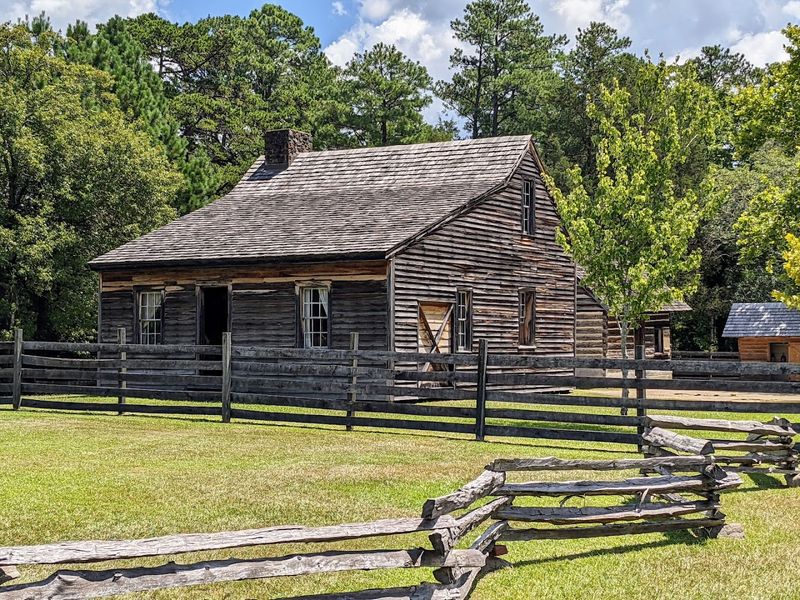
James and Nancy Bennett owned a 189-acre farm where they raised their family. War didn’t spare them just because important meetings happened on their property.
They lost both of their sons and a son-in-law during the conflict.
Families across the South faced similar losses, but the Bennetts’ story hits especially hard. Their home became famous for ending the war, yet they had already sacrificed so much.
The farmhouse where peace was made stood as a reminder of their personal grief.
Nancy Bennett continued living on the farm after the surrender. She witnessed the parade of soldiers leaving and the slow work of rebuilding that followed.
Her strength through such loss represents countless other families who endured the war’s brutal toll.
Visitors learning about the Bennett family understand that history isn’t just about generals and battles. Real people with real families lived through these events.
Their losses mattered just as much as the political outcomes that historians usually focus on.
4. The Original Farmhouse Burned In 1921
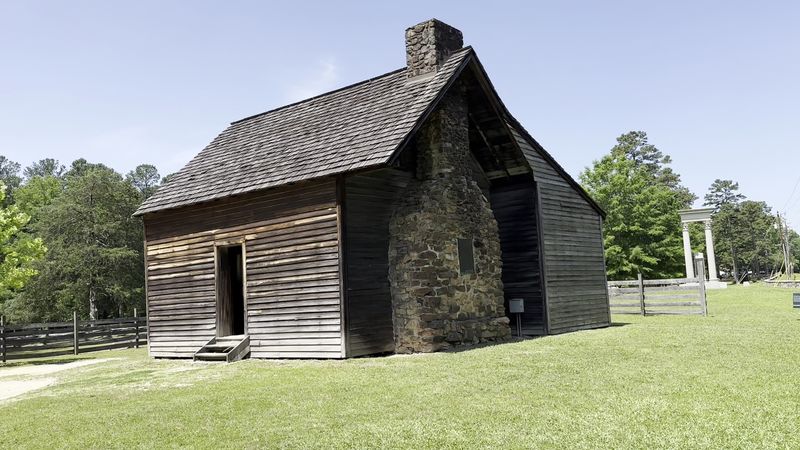
Fire destroyed the original Bennett farmhouse in 1921, more than fifty years after the surrender. The building where Sherman and Johnston met was gone.
Only memories and photographs remained to show what it looked like.
Losing the original structure could have meant losing the entire historic site. Communities sometimes let such places fade away when the physical evidence disappears.
Fortunately, people who understood the importance of Bennett Place refused to let that happen.
The state of North Carolina eventually reconstructed the farmhouse based on photographs and historical records. Workers studied every available detail to make the new building as accurate as possible.
The reconstruction includes period-appropriate furniture and household items that help visitors imagine life in 1865.
Walking through the reconstructed farmhouse today provides a window into the past. The rooms are arranged as they would have been when the generals met.
Seeing where history happened, even in a careful reconstruction, creates a connection that photographs alone cannot provide.
5. Educational Programs Bring History To Life
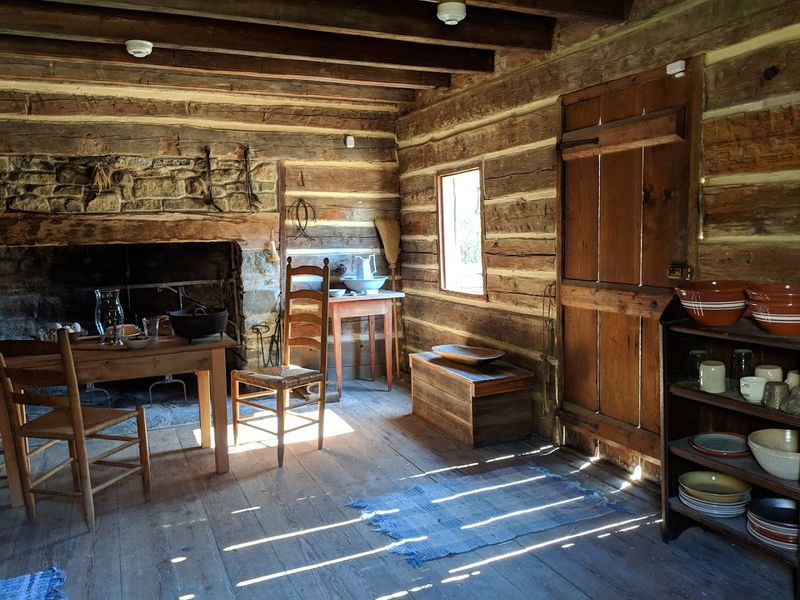
Bennett Place offers programs that help visitors understand what life was like during and after the Civil War. Staff members and volunteers share stories about soldiers, civilians, and the challenges of ending such a massive conflict.
These programs go beyond basic facts to explore how people experienced this turning point in history.
Living history demonstrations show daily activities from the 1860s. Visitors might see cooking methods used in the Bennett kitchen or learn about the clothing people wore.
These hands-on elements make history feel more real than any textbook description.
Special programs focus on topics like the end of slavery in North Carolina and the experiences of different groups during the war. The educational approach recognizes that understanding the past requires looking at multiple perspectives.
Schools bring students to learn about this crucial period in ways that stick with them.
Engaging with knowledgeable staff adds tremendous value to any visit. They answer questions and share details that signs and exhibits might miss.
The educational mission ensures that Bennett Place remains relevant to new generations learning about American history.
6. The Unity Monument Stands For Reconciliation
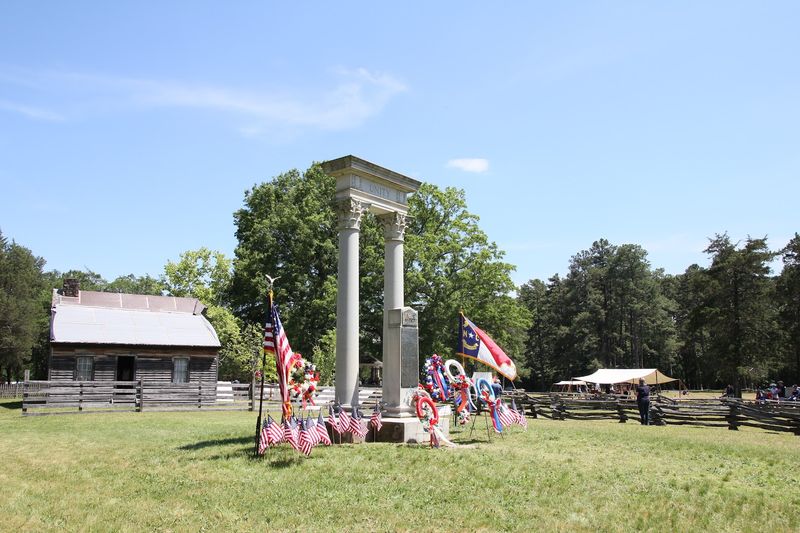
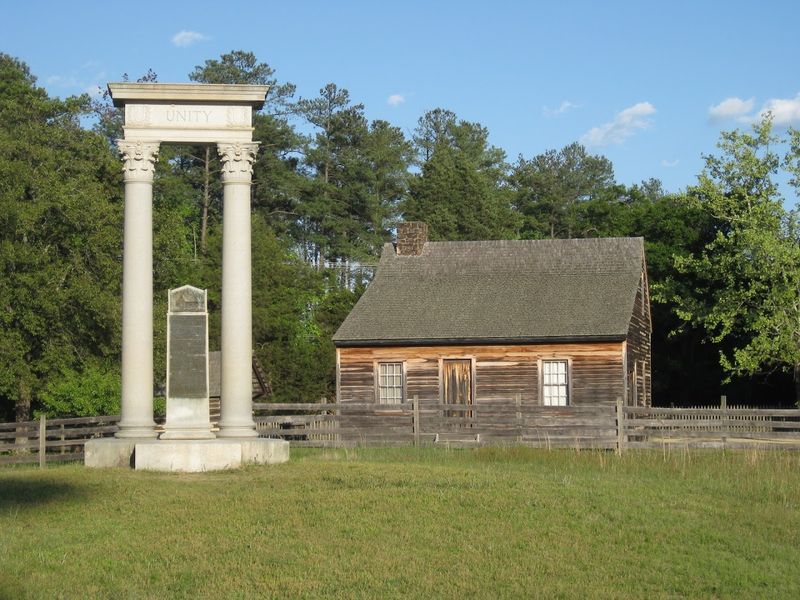
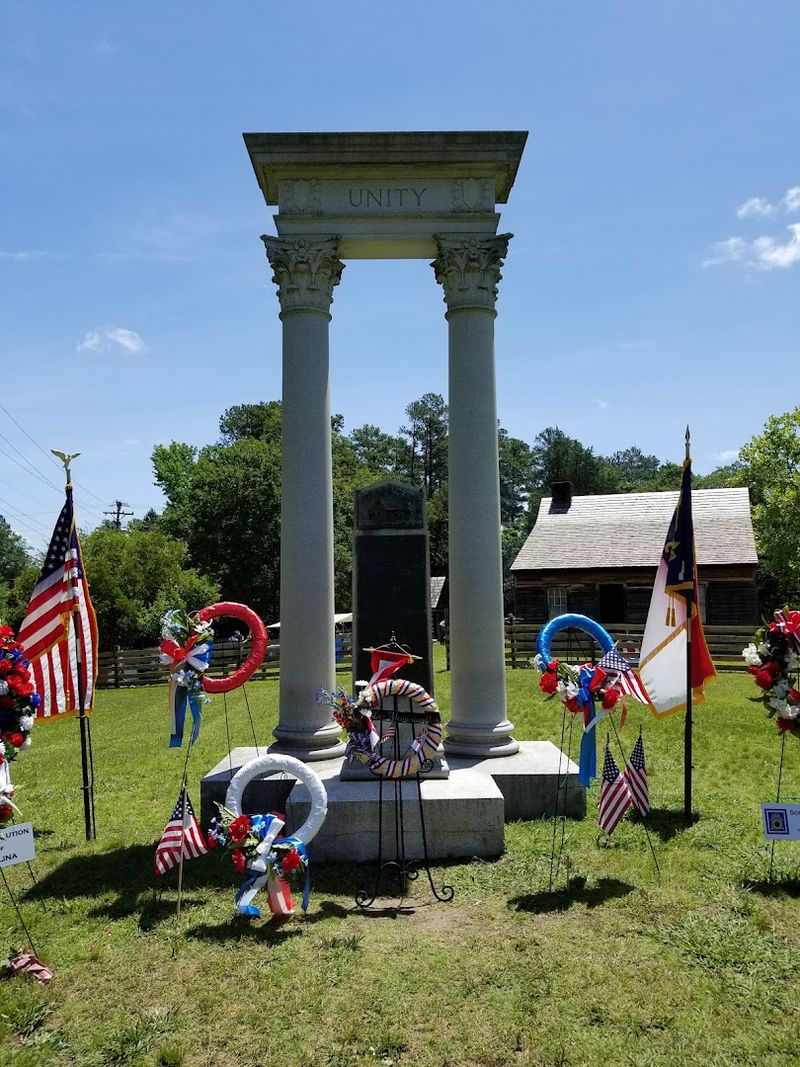
A monument dedicated in 1923 honors the surrender and symbolizes the nation coming back together. The Unity Monument represents hope that former enemies could become fellow citizens again.
Its placement at Bennett Place reminds visitors that reconciliation was just as important as military victory.
The monument’s dedication came during a time when Civil War veterans from both sides were aging. Many wanted to see healing between North and South before they passed away.
The ceremony brought together people who had once fought against each other.
Standing before the Unity Monument today carries weight. The stone memorial has weathered decades of changing perspectives on the Civil War.
It continues to represent the difficult work of building peace after conflict tears a nation apart.
Visitors often pause at the monument to reflect on what unity really means. The surrender at Bennett Place ended the fighting, but true unity required generations of effort.
The monument serves as a reminder that the work of bringing people together never truly finishes.
7. The Visitor Center Houses Important Artifacts
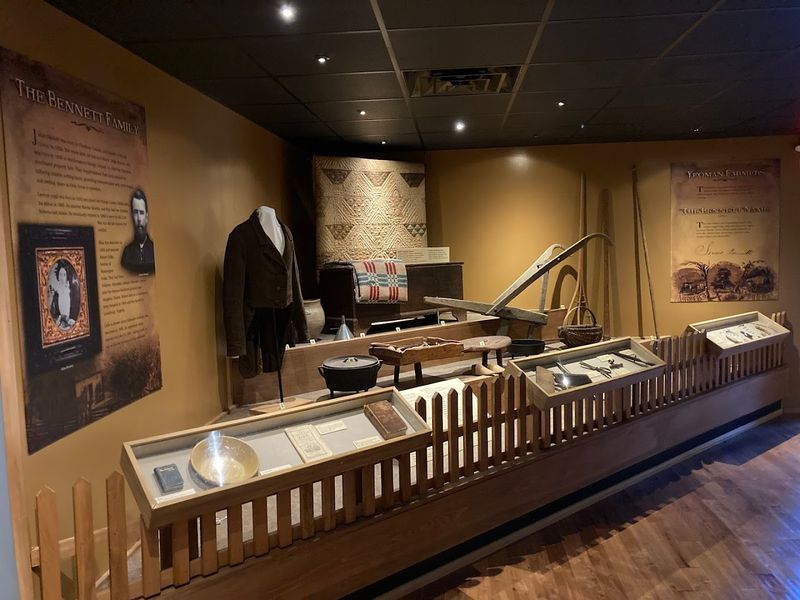
The visitor center serves as the starting point for understanding Bennett Place. Inside, exhibits display artifacts from the Civil War period and explain the significance of the surrender.
A short film provides context about the events that led to Sherman and Johnston meeting on this farm.
Artifacts in the collection range from military items to everyday objects that families like the Bennetts would have used. Seeing actual objects from the 1860s creates a tangible connection to the past.
Information panels throughout the center explain not just what happened but why it mattered.
The center includes details about other Confederate surrenders that happened after Appomattox. Many visitors discover facts they never learned in school.
The displays are arranged to tell a coherent story rather than just presenting random historical items.
Staff members in the visitor center can answer questions and provide guidance for touring the grounds. The gift shop offers books and items related to Civil War history.
Starting your visit here ensures you’ll have the background knowledge to fully appreciate the historic buildings and landscape outside.
8. Reconstructed Outbuildings Show Farm Life
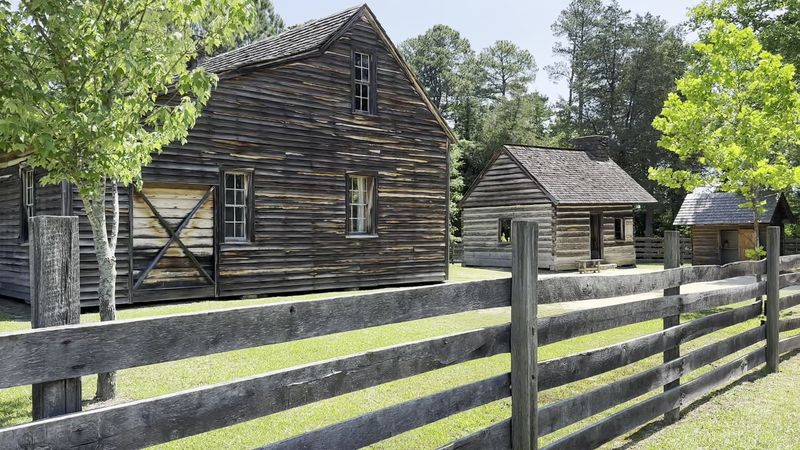
The site includes reconstructed outbuildings that show how a mid-19th century farm operated. The separate kitchen building demonstrates a common practice of keeping cooking fires away from the main house.
A smokehouse preserves meat the way families did before refrigeration existed.
These outbuildings help visitors understand daily life on the Bennett farm. The kitchen fireplace is much larger than the one in the main house because serious cooking required more heat.
The size difference makes sense once you see both buildings and imagine preparing meals for a family and farm workers.
The separation between buildings also highlights fire safety concerns of the era. Kitchens were dangerous places with open flames and hot grease.
Keeping the kitchen separate meant a cooking fire wouldn’t destroy the family’s living quarters and possessions.
Walking between the buildings gives a sense of the physical layout of a working farm. The Bennetts and their enslaved workers would have moved between these structures many times each day.
Understanding the practical aspects of 1860s farm life adds depth to the story of what happened here in April 1865.
9. Nature Trails Offer Peaceful Reflection
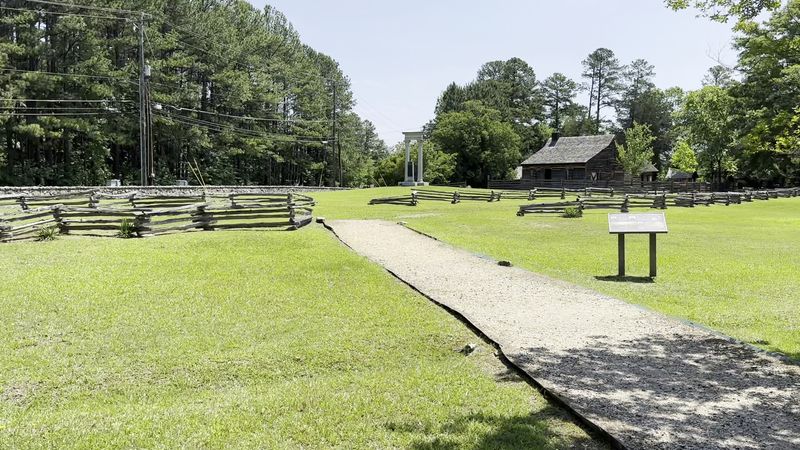
Walking trails wind through the Bennett Place grounds, offering visitors a chance to experience the landscape much as it appeared in 1865. The trails provide a quiet space for reflection after learning about the intense history that unfolded here.
Trees and natural areas surround the historic buildings.
The trails aren’t difficult, making them accessible for most visitors who want to explore beyond the main structures. Walking the same land that soldiers crossed gives a physical connection to the past.
The peaceful setting contrasts sharply with the conflict and tension that brought thousands of men to this spot.
Some visitors use the trails to process what they’ve learned in the visitor center and historic buildings. Others simply enjoy the natural beauty of the preserved land.
The combination of history and nature makes Bennett Place more than just a collection of old buildings.
Families often appreciate having outdoor space where children can move around after touring the exhibits. The trails provide a gentle way to wind down a visit.
The grounds remain well-maintained, making a walk through the area a pleasant experience in any season when the site is open.
10. Guided Tours Add Depth To Your Visit
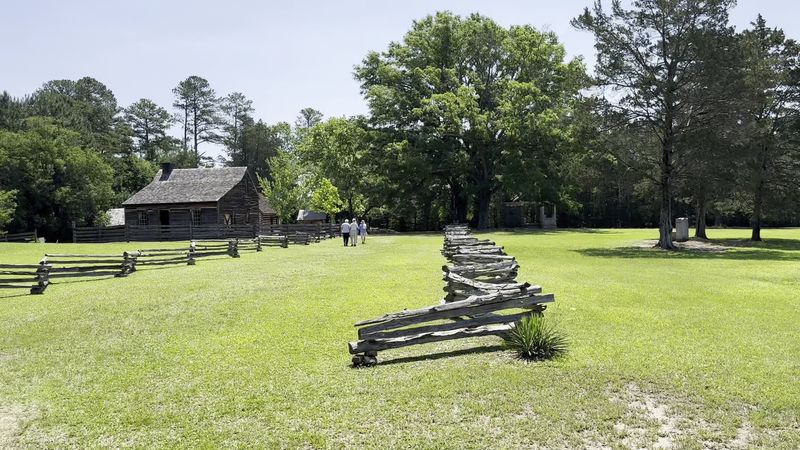
Guided tours at Bennett Place bring the site’s history to life in ways that self-guided visits cannot match. Knowledgeable guides share stories and details that help visitors understand not just what happened but why it mattered.
Their enthusiasm for the subject often proves contagious.
Tours typically include the visitor center, the reconstructed farmhouse, and the outbuildings. Guides point out specific features and explain how the buildings were used.
They answer questions and adapt their presentations based on what interests the group.
Many visitors mention in reviews how much the guides enhanced their experience. The personal interaction creates opportunities to dig deeper into topics that fascinate individual visitors.
Guides often have extensive knowledge about Civil War history beyond just the surrender at Bennett Place.
Timing your visit to catch a guided tour is worth the effort. The tours run at scheduled times when staff is available.
Calling ahead or checking the website helps ensure you won’t miss out. The combination of professional interpretation and historic setting creates a memorable educational experience that stays with visitors long after they leave.
11. Annual Events Commemorate Historic Moments
Bennett Place hosts special events throughout the year that mark important anniversaries and bring history to life. The surrender anniversary in late April draws particular attention with programs that recreate elements of that historic day.
Living history events feature reenactors in period clothing demonstrating military and civilian life from the 1860s.
These events offer experiences beyond what regular visiting hours provide. Rifle demonstrations, period music, and hands-on activities help visitors of all ages connect with the past.
The atmosphere during special events creates a sense of community among history enthusiasts.
Holiday programs sometimes include period cooking demonstrations and seasonal activities that the Bennett family would have known. Santa visits during December events have even been mentioned in reviews, showing how the site adapts historical interpretation for family audiences.
The events calendar changes yearly, so checking ahead helps visitors plan around programs that interest them most.
Annual commemorations serve an important purpose beyond entertainment. They keep the memory of the surrender alive and help new generations understand this crucial moment in American history.
Attending an event often provides a richer experience than a standard visit.
12. Free Admission With Suggested Donation
Bennett Place operates as a state historic site with free admission, though donations are encouraged to support preservation and programming. The suggested donation typically runs around two to five dollars per adult.
This accessibility ensures that financial constraints don’t prevent anyone from experiencing this important piece of history.
The site is open Tuesday through Saturday from 9 a.m. to 5 p.m., with closures on Sunday and Monday. Hours remain consistent throughout the year, making it easy to plan a visit.
Holiday closures may affect the schedule, so checking before making a special trip is wise.
The location at 4409 Bennett Memorial Road in Durham places the site within easy reach of the Research Triangle area. Parking is available on-site, and the flat terrain makes the buildings accessible for most visitors.
The combination of free admission and convenient hours removes many barriers that might otherwise keep people away.
Supporting the site through donations helps maintain the buildings and grounds. It also funds the educational programs and special events that make Bennett Place more than just a collection of old structures.
Every contribution helps preserve this landmark for future generations to learn from and appreciate.