This California Historic Estate Is A Must Visit In March For Its Breathtaking Gardens
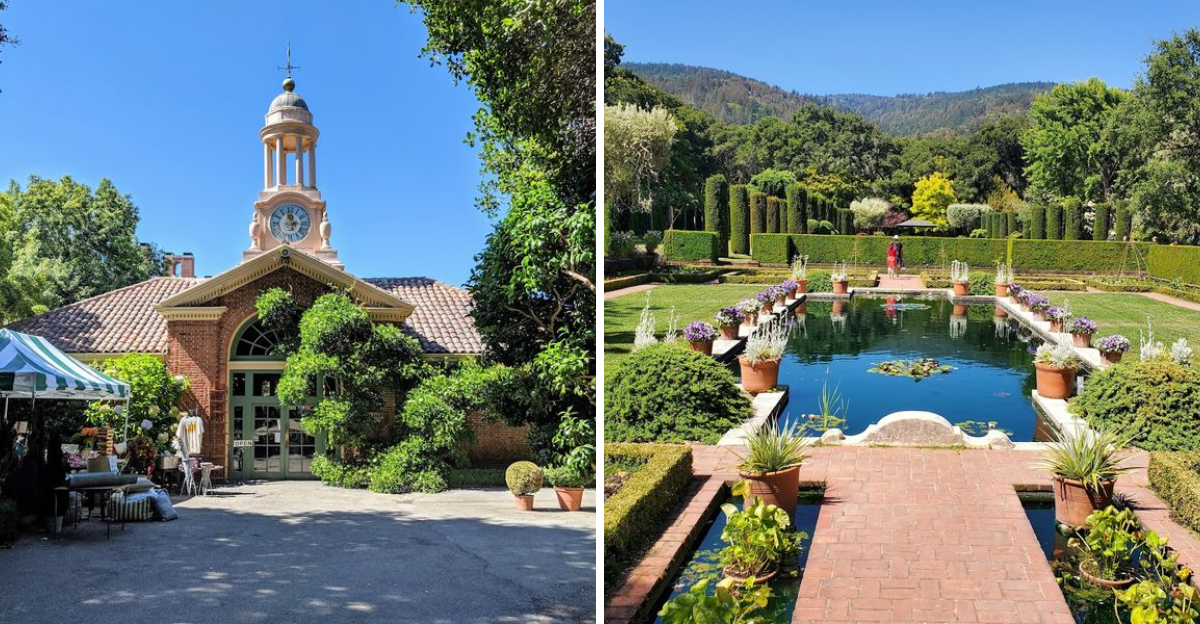
Spring changes everything at Filoli. Color spills across the hills. Gardens wake up in waves of yellow, pink, and purple. The air feels softer. The pace slows down.
Filoli Historic House & Garden rises from the rolling landscape of Woodside like something out of another era.
The Georgian Revival mansion stands tall against acres of curated beauty, framed by flowering trees and perfectly clipped hedges. Every path leads somewhere scenic. Every turn reveals another layered view.
More than six hundred acres surround the estate, but the heart of the experience lives within the formal gardens.
March brings a spectacular transformation as thousands of bulbs bloom across sweeping beds and structured borders, creating a living canvas that changes week by week.
History adds depth to the beauty. The estate began as a private home built over a century ago by a prominent San Francisco family, and its rooms still carry that sense of old-world elegance.
High ceilings, refined details, and grand windows connect the architecture to the landscape outside.
Filoli feels different from anywhere else in California. The blend of heritage, design, and seasonal color creates an atmosphere that feels timeless without feeling distant.
Visitors come for the flowers. They stay for the feeling of stepping into a place where nature and history move in quiet harmony.
1. A Mansion Built By San Francisco Wealth
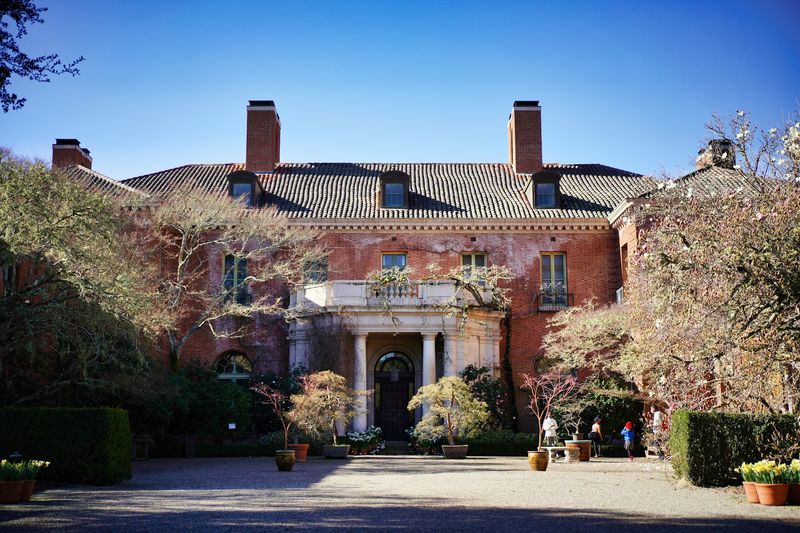
William Bowers Bourn II made his fortune in the gold mining and water industries before deciding to build a country estate that would reflect his success.
Construction began in 1915 and took three years to complete, resulting in a 54,256-square-foot mansion with 56 rooms.
The name Filoli comes from Bourn’s personal credo: Fight for a just cause, Love your fellow man, Live a good life.
The estate sits at 86 Cañada Rd, Woodside, CA 94062, nestled in the foothills of the Santa Cruz Mountains.
Architect Willis Polk designed the house in the Georgian Revival style, which was popular among wealthy Americans during the early 20th century.
The exterior features red brick, white trim, and symmetrical windows that create a sense of balance and formality.
Inside, visitors can explore rooms filled with period furniture, artwork, and decorative objects that reflect the lifestyle of California’s elite during the 1910s and 1920s.
The grand ballroom served as a gathering space for social events, while the library and morning room offered quieter areas for reading and conversation.
Each room showcases craftsmanship and attention to detail that was typical of estates built during this era.
2. Sixteen Acres Of English-Inspired Gardens
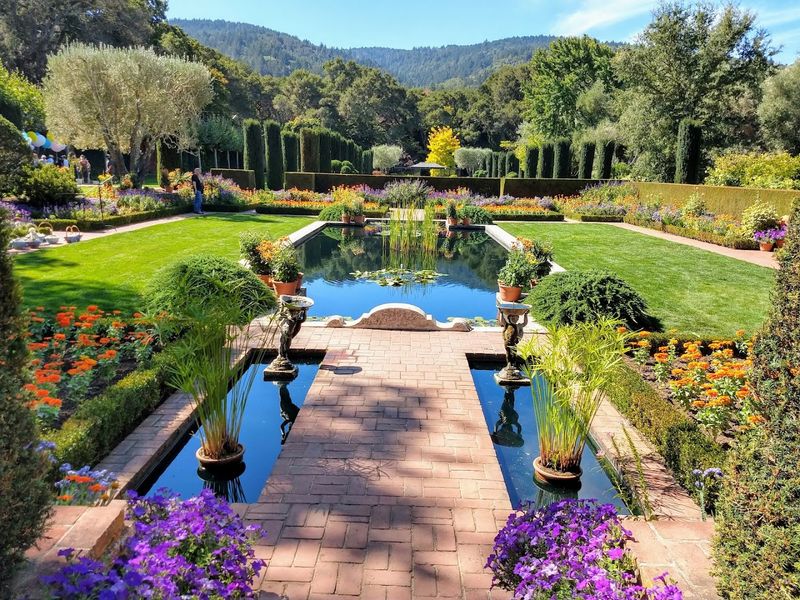
Bruce Porter, a prominent landscape designer, worked closely with Isabella Worn to create the formal gardens at Filoli between 1917 and 1929.
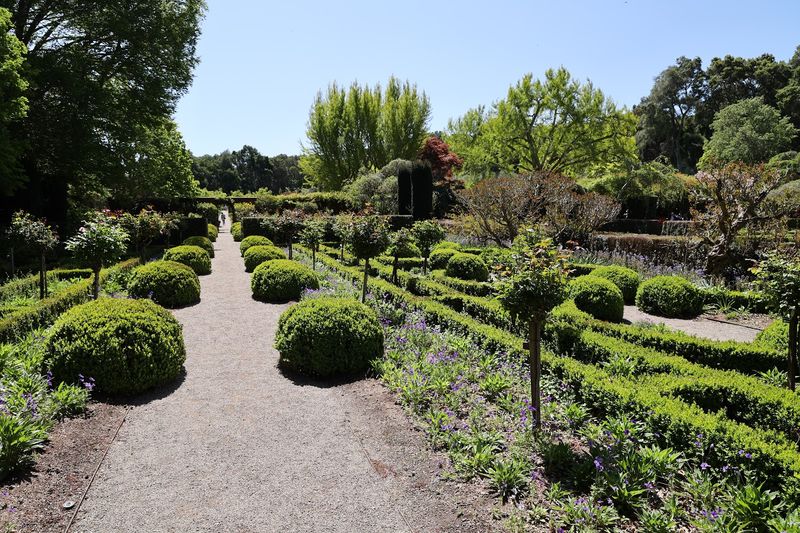
The design follows English Renaissance principles with geometric patterns, clipped hedges, and carefully planned sightlines. The gardens are divided into distinct rooms, each with its own character and purpose.
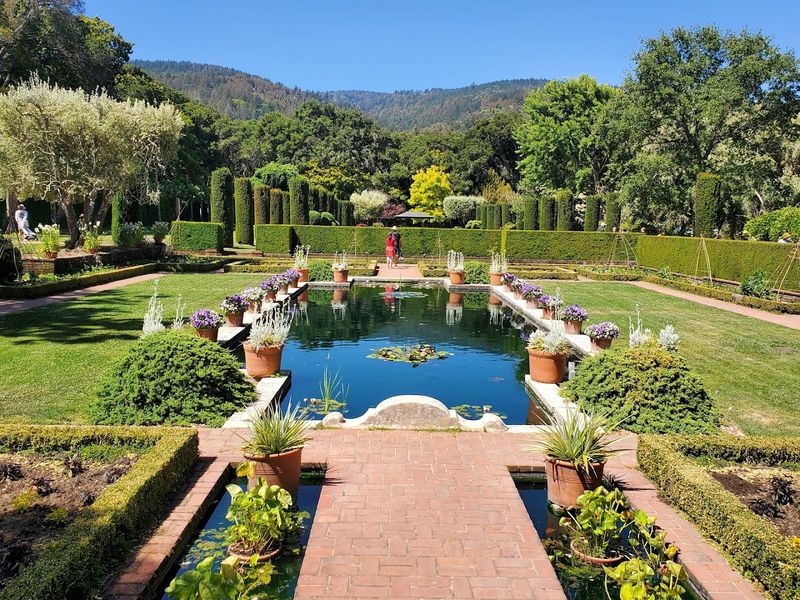
Visitors can wander through areas like the Sunken Garden, the Walled Garden, and the Chartres Cathedral Garden, each offering different colors, textures, and seasonal displays.
Yew hedges frame many of the garden rooms, providing structure and evergreen backdrop throughout the year. Water features, including pools and fountains, add movement and sound to the landscape.
The gardens reflect a philosophy of combining beauty with function, as many areas originally served practical purposes like growing cut flowers or vegetables.
Today, the gardens are maintained by a team of horticulturists who follow traditional methods while adapting to modern environmental practices.
Walking through these spaces feels like exploring a living museum where plants and design elements tell stories about early 20th-century garden aesthetics and the people who created them.
3. Spring Bulbs Transform The Landscape
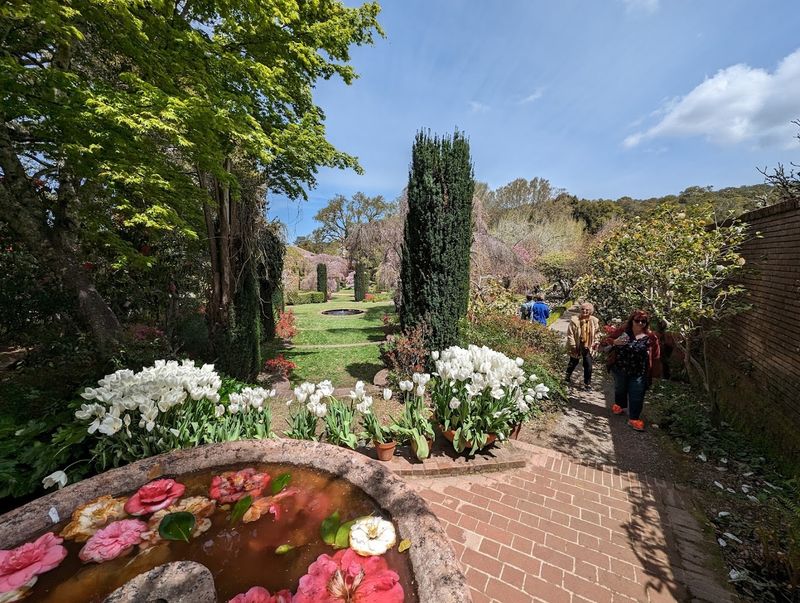
March marks one of the most spectacular times to visit Filoli as thousands of spring bulbs reach their peak bloom.
Daffodils carpet large sections of the gardens in shades of yellow and cream, while tulips add splashes of red, pink, and purple. Hyacinths contribute fragrance that drifts through the air on warm afternoons.
The bulb displays are planned months in advance, with gardeners planting new bulbs each fall to ensure vibrant spring color. Different varieties bloom in succession, extending the show from early March through April.
Some areas feature single-color displays for dramatic impact, while others mix complementary hues for a more naturalistic effect.
Photographers often arrive early in the morning when the light is soft and the flowers are fresh with dew.
The combination of formal garden structures and informal bulb plantings creates interesting contrasts that appeal to both garden enthusiasts and casual visitors.
Benches positioned throughout the gardens offer places to sit and absorb the colors and scents without rushing.
The bulb season draws crowds, but the 16-acre garden provides enough space that visitors can usually find quieter corners to enjoy.
4. Guided Tours Reveal Hidden Details
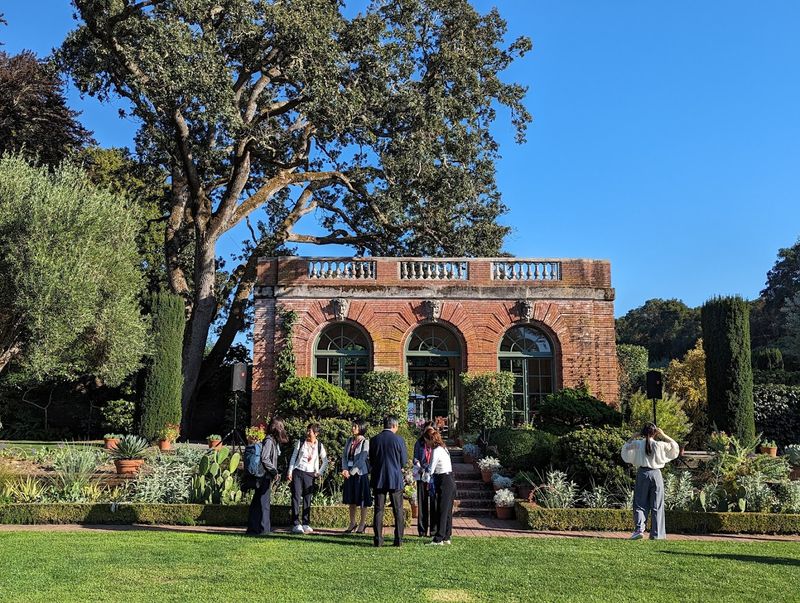
The Discovering Filoli tour offers a 90-minute guided experience that covers both the house and gardens with insights that self-guided visitors might miss.
Docents share stories about the families who lived at the estate, including the Bourns and the Roths, who owned Filoli from 1937 to 1975.
These narratives bring the rooms to life and help visitors understand how the spaces were actually used. Tours are limited in size to maintain an intimate atmosphere and allow participants to ask questions.
Guides point out architectural features, explain the symbolism in decorative elements, and discuss the evolution of the gardens over time.
The tour route includes areas not always accessible during self-guided visits. Reservations are recommended, especially during peak visiting times in spring when demand is highest.
The tour provides context that enhances appreciation for the craftsmanship and planning that went into creating Filoli.
Hearing about the estate’s transition from private residence to public trust adds depth to the visual experience.
Many visitors find that the guided tour helps them notice details they would have overlooked on their own, from carved wood panels to carefully selected plant combinations.
5. Cultural Celebrations Honor Diverse Traditions
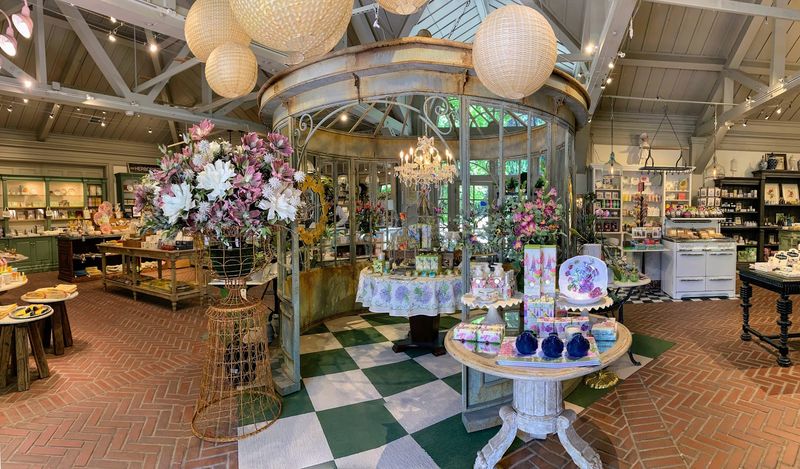
Filoli hosts events throughout the year that celebrate different cultural traditions and their connections to gardens and nature.
The Chinese Floralia festival honors the goddess of flowers with performances, demonstrations, and displays that showcase Chinese garden aesthetics and traditions.
Traditional music and fashion presentations add layers of cultural richness to the estate’s already diverse offerings.
These celebrations attract visitors who might not otherwise visit a historic estate, broadening the audience and creating opportunities for cultural exchange.
The gardens provide an appropriate backdrop for events that emphasize the universal human connection to plants and seasonal cycles.
Food, art, and performance elements are incorporated in ways that feel organic to the setting.
Attending a cultural celebration at Filoli offers a different experience than a typical garden visit, with energy and activity that contrast with the usual tranquility.
Families with children often find these events particularly engaging because they include interactive elements and visual spectacle.
The estate’s commitment to hosting diverse programming reflects an understanding that gardens and historic sites can serve as gathering places that bring communities together while honoring different traditions and perspectives.
6. Flora Parties Encourage Creative Expression
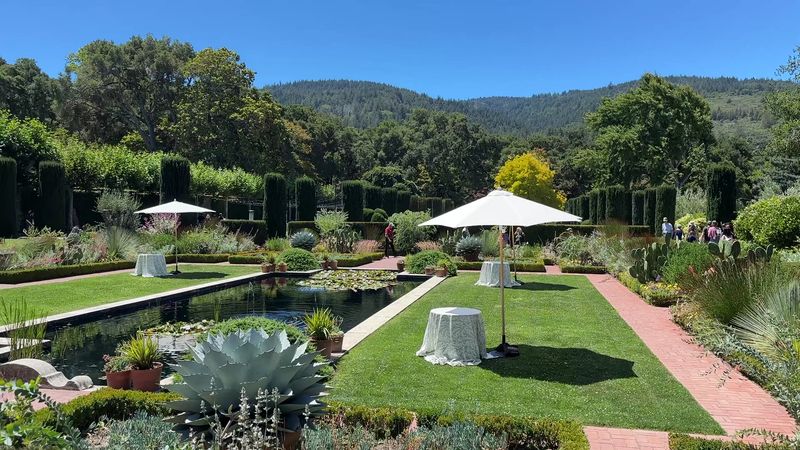
During spring, Filoli offers flora parties where guests can create their own floral arrangements using blooms from the estate’s gardens.
These hands-on workshops provide instruction while allowing for personal creativity and interpretation.
Participants learn basic principles of floral design, including color harmony, proportion, and technique.
The workshops take place in garden settings, often under tents or in covered areas that allow participants to work while surrounded by the flowers that inspire their creations.
Instructors demonstrate methods and offer guidance, but the emphasis is on experimentation and enjoyment rather than perfection.
All materials and tools are provided, and participants take their finished arrangements home.
These events appeal to people with varying levels of experience, from complete beginners to those with some floral design background.
The social aspect adds to the appeal, as participants often chat and share ideas while working. Flora parties represent a way to engage with the gardens actively rather than passively observing.
Creating something beautiful from materials grown on the estate deepens the connection visitors feel to the place and gives them a tangible reminder of their visit.
7. Wellness Activities Connect Body And Garden
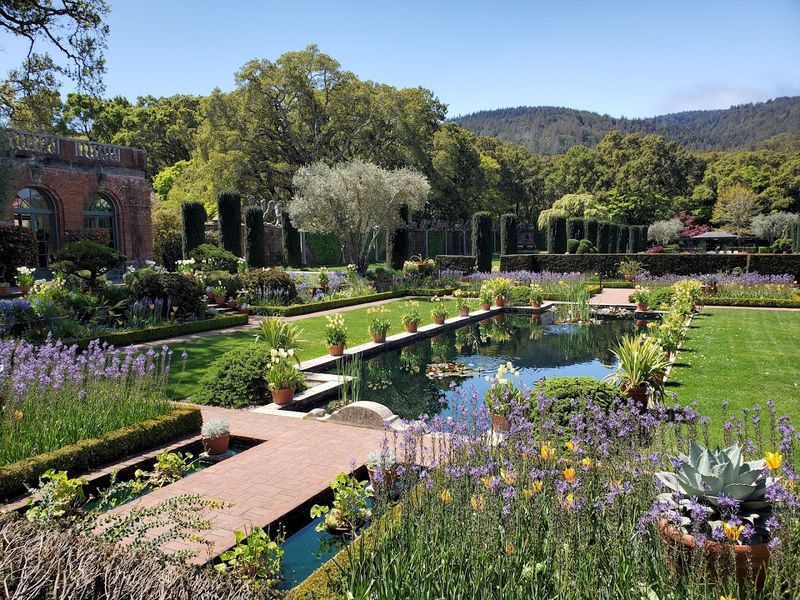
Filoli offers wellness programs that combine physical activity with the restorative qualities of the garden environment.
Yoga sessions take place on lawns or terraces where participants can practice poses while surrounded by flowering plants and mature trees.
The natural setting adds a dimension that indoor classes cannot provide, with bird songs and breezes becoming part of the experience.
Watercolor sketching sessions give participants a chance to capture garden scenes while developing artistic skills.
Instructors provide basic guidance on technique, but the focus remains on observation and personal expression.
These classes move slowly and encourage participants to notice details they might otherwise overlook.
The wellness programs attract visitors who appreciate the connection between natural environments and mental and physical health.
Sessions are typically limited in size to maintain a peaceful atmosphere and allow for individual attention.
Participants often report feeling refreshed and grounded after spending time in focused activity surrounded by beauty.
The estate’s commitment to wellness programming reflects a broader understanding of gardens as spaces that nourish multiple aspects of human wellbeing beyond visual pleasure.
8. Historic Orchard Preserves Rare Fruit Varieties
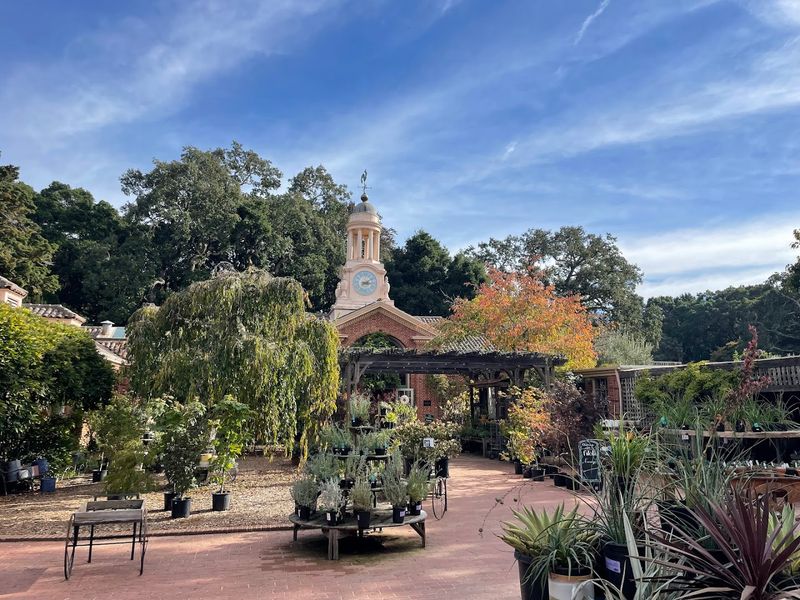
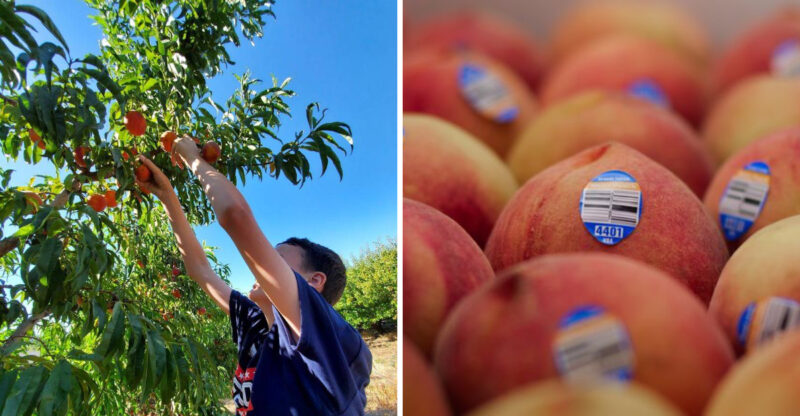
The Gentleman’s Orchard at Filoli spans 6.8 acres and contains over 600 fruit trees representing rare and heritage varieties.
The collection includes apples, pears, peaches, and other fruits that were popular in California during the early 20th century but have since become uncommon in commercial production.
Preserving these varieties maintains genetic diversity and connects visitors to agricultural history.
The orchard was originally planted for the Bourn family’s use, providing fresh fruit for the household and demonstrating the self-sufficiency expected of large estates.
Today, the orchard serves educational purposes, showing visitors how fruit cultivation has changed over the past century.
Seasonal fruit tastings and orchard tours help people understand the flavors and characteristics that made these varieties valued.
Walking through the orchard during bloom time in March reveals clouds of pink and white blossoms that attract pollinators.
The trees are arranged in traditional rows that create pleasing visual patterns and make maintenance easier. Harvest events in fall allow visitors to sample fruits and learn about preservation methods.
The orchard represents a living archive of agricultural heritage and demonstrates Filoli’s commitment to conservation beyond ornamental gardens.
9. Natural Lands Offer Hiking And Wildlife Viewing
Beyond the formal gardens, Filoli encompasses 654 acres of natural lands with ecosystems including oak-madrone forests, redwood groves, and chaparral.
Miles of trails wind through these areas, offering opportunities for hiking and wildlife observation. The trails range from easy walks to more challenging routes that climb into the hills.
Native plant communities thrive in the natural lands, providing habitat for birds, deer, and smaller animals.
Spring brings wildflowers to open areas, while the forests remain cool and shaded even on warm days.
Trail maps are available, and some routes connect the formal gardens to wilder areas, allowing visitors to experience different landscapes in one visit.
Hikers often spot birds including woodpeckers, hawks, and songbirds that nest in the diverse habitats.
The natural lands contrast with the manicured gardens, showing how the same property can support both formal design and ecological preservation.
Benches and viewpoints along the trails provide places to rest and take in views of the surrounding hills.
The trail system makes Filoli appealing to visitors who want more than a garden stroll and appreciate the opportunity to explore California’s native landscapes.
10. Daily Hours Provide Flexible Visiting Options
Filoli opens daily from 10 a.m. to 5 p.m., giving visitors a seven-hour window to explore the estate.
Arriving early in the day often means fewer crowds and better light for photography, especially in the gardens.
Admission tickets are timed to manage visitor flow and preserve the experience for everyone.
Purchasing tickets in advance is strongly recommended, particularly during peak bloom periods in March and April when demand is highest.
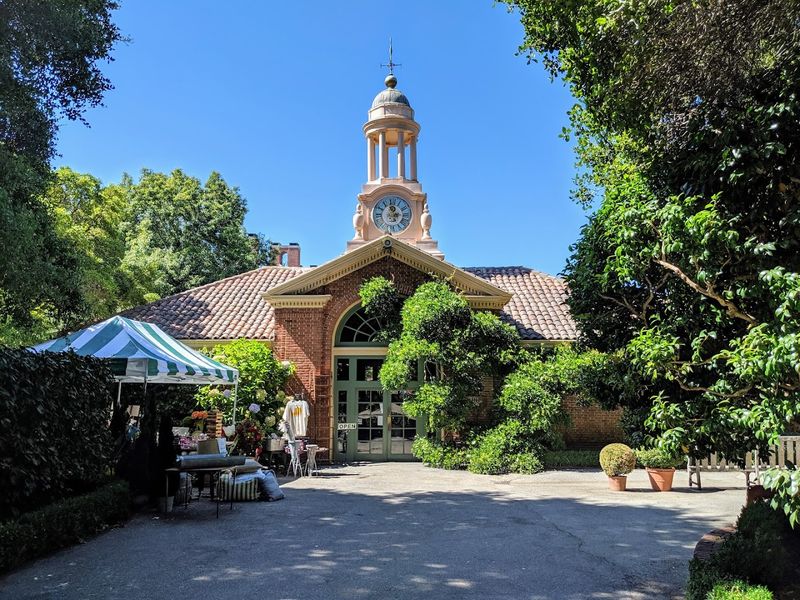
The estate includes a cafe where visitors can purchase light meals and refreshments, allowing for extended visits without leaving the property.
Parking is available on-site, and the walk from the parking area to the house and gardens is relatively short.
The estate is accessible for visitors with mobility limitations, though some garden areas have slopes or uneven surfaces. Restrooms and shaded seating areas are distributed throughout the property.
The consistent daily schedule makes planning a visit straightforward, and the seven-hour window provides enough time to see both the house and gardens without rushing.
Many visitors spend three to four hours on the property, though garden enthusiasts often stay longer.
11. Connection To Indigenous Heritage
Filoli acknowledges that the estate occupies the unceded ancestral lands of the Ramaytush Ohlone people, who lived in the San Francisco Peninsula region for thousands of years before European colonization.
This recognition appears in estate materials and reflects a growing awareness among cultural institutions of the indigenous history that predates their own stories.
The Ramaytush Ohlone people had deep knowledge of the local environment and managed the landscape through practices including controlled burning and selective harvesting.
Their relationship with the land was fundamentally different from the European-style estate that now occupies the site.
Understanding this history adds complexity to how visitors might think about the property and its evolution.
Filoli has begun incorporating indigenous perspectives into some programming and interpretation, though this work is ongoing and evolving.
The acknowledgment of indigenous heritage represents a step toward more complete and honest storytelling about place and history.
Visitors who take time to consider the layers of human presence on the land may develop a richer understanding of how landscapes reflect cultural values and power structures.
The formal gardens and mansion represent one chapter in a much longer story of human interaction with this particular piece of California geography.
12. Television Fame And Popular Culture
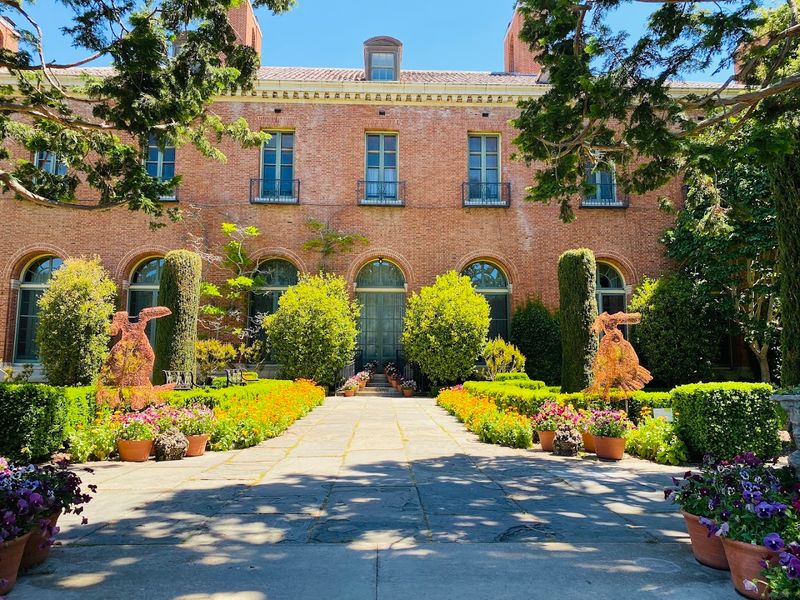
Filoli gained widespread recognition when exterior shots of the mansion were used in the opening credits of the television series Dynasty, which aired from 1981 to 1989.
The show depicted the lives of a wealthy Denver family, and Filoli’s elegant architecture perfectly conveyed the opulence the producers wanted.
Millions of viewers saw the estate without knowing its actual location or history.
The association with Dynasty brought new attention to Filoli and likely contributed to increased visitation in subsequent decades.
Some visitors arrive specifically because they remember the show and want to see the real building.
The mansion’s television fame represents an interesting example of how popular culture can shape public awareness of historic sites.
Other films and television productions have also used Filoli as a location, taking advantage of the pristine gardens and well-preserved architecture.
These appearances in media have helped fund preservation efforts through location fees while introducing the estate to audiences who might not typically visit historic properties.
The tension between maintaining historical integrity and allowing commercial filming requires careful management.
For many visitors, the Dynasty connection is a fun piece of trivia, while others remain more interested in the estate’s actual history and the families who built and maintained it over generations.