The Haunting Legacy Of Central State Hospital Milledgeville Georgia Still Echoes Today
Tucked away in the small city of Milledgeville, Georgia, the former Central State Hospital holds one of the most powerful and complicated chapters in American history. Established in the nineteenth century as a progressive effort to care for people with mental illness, the institution eventually grew into a vast complex that shaped the identity of the entire region.
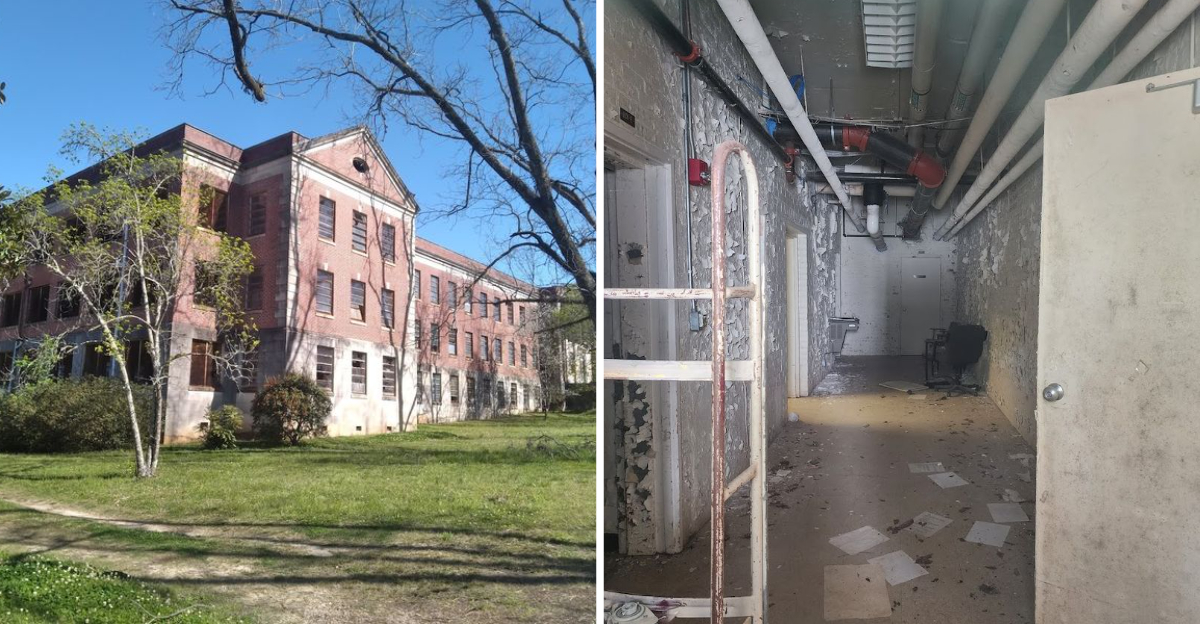
At its peak, more than 12,000 patients lived on the grounds, making it one of the largest psychiatric hospitals in the world. Over time, overcrowding and limited resources led to heartbreaking conditions that left lasting scars. Today, abandoned buildings, weathered brick corridors, and unmarked graves stand as solemn reminders of lives once lived behind those walls.
The story is not simply one of tragedy, but of evolving medical practices and changing social attitudes. Exploring its legacy offers a deeper understanding of Georgia’s past and the human stories woven into it.
1. Founded in 1842: Georgia’s First Public Psychiatric Hospital
Before there was a national conversation about mental health care, Georgia was already trying to address it. In 1842, the Georgia State Lunatic, Idiot, and Epileptic Asylum opened its doors in Milledgeville, becoming the state’s very first public psychiatric hospital. The name alone reflects how different and how misguided the understanding of mental illness was at the time.
The founding of this institution was seen as a progressive step for its era, offering a public alternative to jails and poorhouses where people with mental illness were often warehoused. Georgia lawmakers believed a dedicated facility would provide more humane care. Whether that promise was ever fully kept is a question that would haunt the institution for the next 150 years.
Today, the hospital’s origin story serves as a reminder of how far mental health awareness has come and how much further society still needs to go in treating vulnerable people with dignity and compassion.
2. A Campus That Grew Into Its Own City
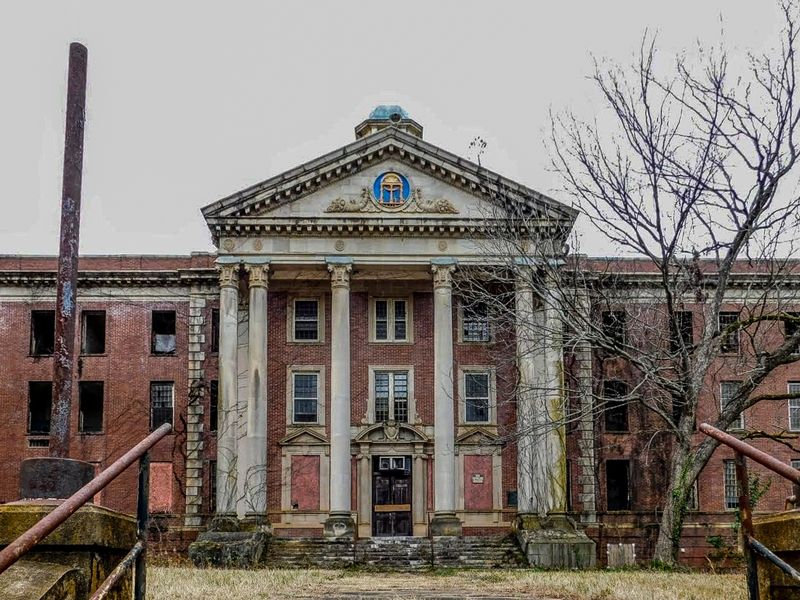
Few institutions in American history can claim a campus as staggering in scale as Central State Hospital. At its height, the grounds stretched across roughly 2,000 acres and featured nearly 200 individual buildings. There were patient wards, staff housing, a laundry facility, a farm, a bakery, and even its own railroad spur essentially a self-contained city within a city.
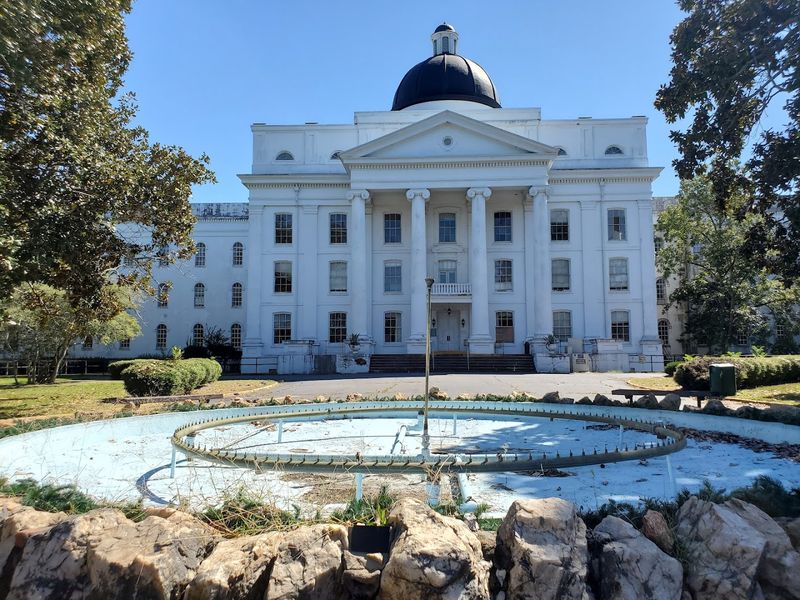
The architectural styles spanned decades of construction, from mid-19th century brick buildings to mid-20th century utilitarian structures. Walking through the campus today, visitors encounter a jarring mix of grandeur and decay. Some buildings still carry ornate detailing that hints at the ambition behind the original vision.
The Georgia Trust for Historic Preservation has recognized the campus as a “Place in Peril,” urging that these structures not be lost to time. The sheer scale of this campus is something that photographs struggle to fully capture — it must be seen to be truly understood.
3. The 1959 Exposé That Shocked the Nation
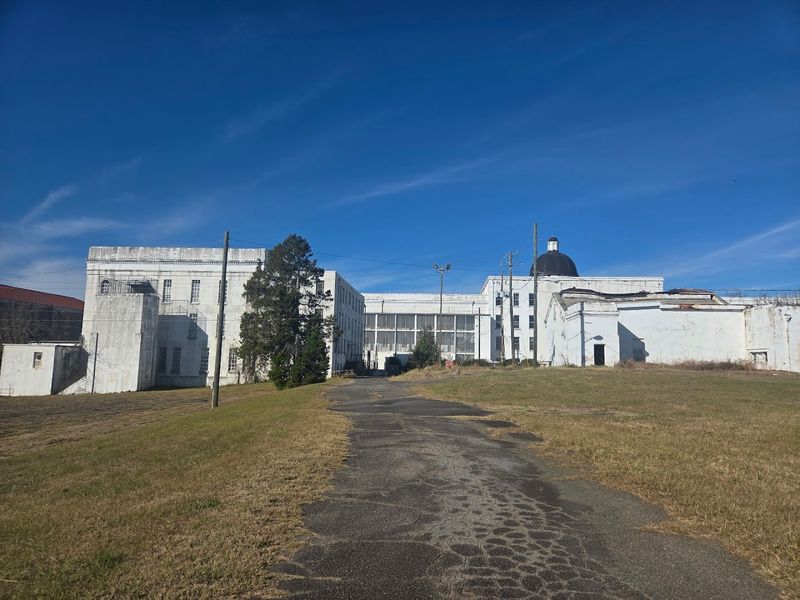
Sometimes it takes one brave journalist to pull back the curtain on something the public needs to see. In 1959, reporter Jack Nelson published a searing exposé that brought national attention to the horrifying conditions inside Central State Hospital. His reporting described scenes of overcrowding, patient abuse, and systemic neglect that left readers across the country stunned.
Nelson documented a staff-to-patient ratio so alarmingly low that meaningful care was essentially impossible. Patients were reportedly left unattended for long stretches, and abuse both physical and psychological was described as commonplace. The piece was a pivotal moment not just for the hospital but for the broader national conversation about mental health care reform.
The exposé won Nelson the Pulitzer Prize and helped accelerate calls for change within Georgia’s psychiatric system. His work is a powerful example of how investigative journalism can shine a light on injustice and push institutions to reckon with their failures, even when that reckoning comes painfully late.
4. Peak Population: Over 12,000 Patients in the 1960s
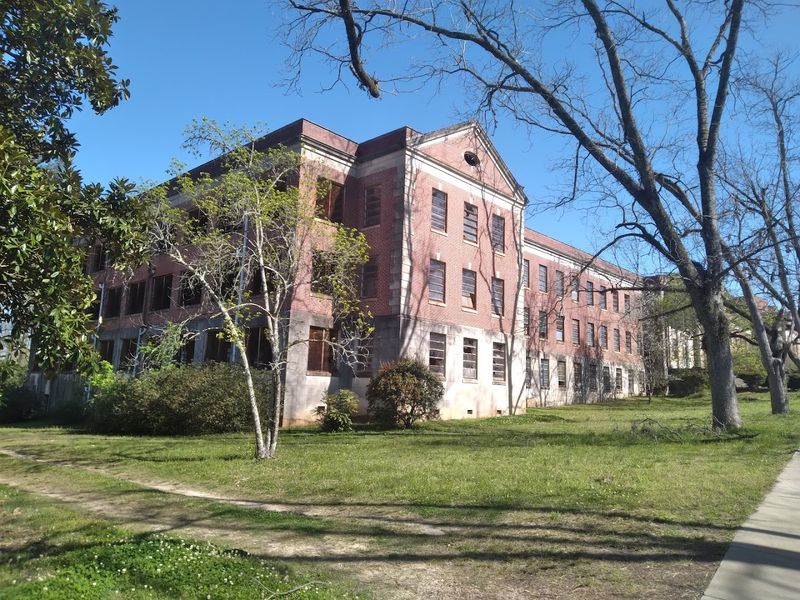
By the 1960s, Central State Hospital had swelled to a population that is almost difficult to comprehend. More than 12,000 patients were living on the grounds at one time, making it one of the largest mental health facilities anywhere in the world. To put that number in perspective, the entire city of Milledgeville today has a population of only around 18,000 people.
With such massive numbers came enormous challenges. Resources were stretched impossibly thin, staff were overwhelmed, and the quality of care deteriorated sharply. Patients were often left in large, crowded wards with minimal supervision or therapeutic activity.
What started as a facility meant to provide care had transformed into something closer to a warehousing system for society’s most vulnerable individuals. The sheer volume of people living on that campus during this era is central to understanding why so many disturbing stories and painful histories are attached to this place.
5. Deinstitutionalization and the Slow Decline
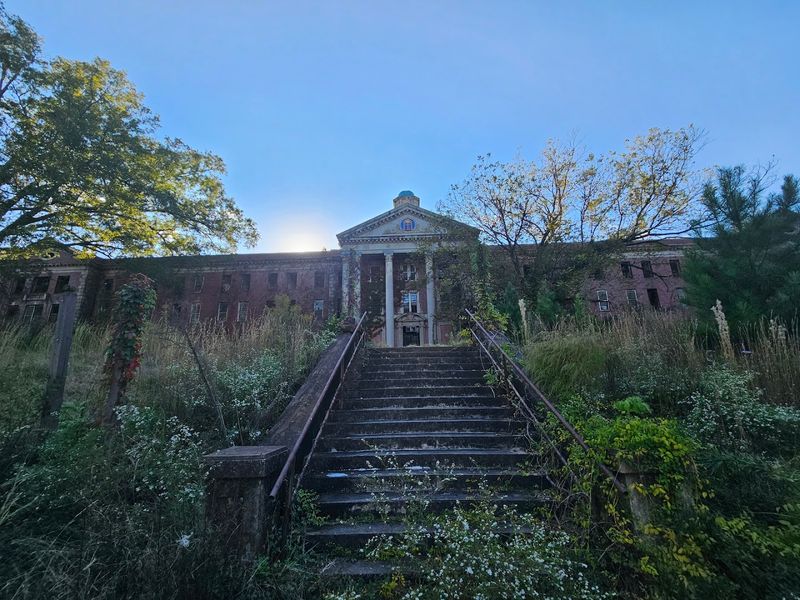
The 1970s and 1980s brought a major philosophical shift in how America approached mental health care. The deinstitutionalization movement pushed the idea that patients were better served in community-based settings rather than large institutions. For Central State Hospital, this meant a dramatic and steady decline in population.
Federal policy changes, new psychiatric medications, and legal reforms all contributed to the push toward outpatient and community care. Thousands of patients were discharged over the years, and many of the hospital’s sprawling facilities were shuttered one by one. Buildings that once housed hundreds of patients were locked up and left to decay.
While the movement had good intentions, critics point out that adequate community support systems were rarely put in place to receive discharged patients. Many ended up homeless or cycling through the criminal justice system instead. The legacy of deinstitutionalization at Central State Hospital is therefore bittersweet a reform movement that created new problems even as it dismantled old ones.
6. Controversial Treatments That Defined a Dark Era
The treatment methods used at Central State Hospital reflected the deeply flawed medical thinking of the 20th century. Patients underwent procedures including lobotomies, insulin shock therapy, and electroconvulsive therapy all of which were considered legitimate psychiatric treatments at the time, though many caused lasting harm.
Lobotomies, which involved severing connections in the brain’s prefrontal cortex, were performed widely across American psychiatric hospitals during the mid-1900s. The procedure often left patients docile but permanently changed. Insulin shock therapy, which deliberately induced comas, carried serious physical risks and offered questionable benefits.
Looking back, these treatments are now widely regarded as barbaric, though it is worth acknowledging that many physicians genuinely believed they were helping. The history of psychiatric medicine is filled with well-intentioned mistakes, and Central State Hospital became a place where those mistakes played out on a massive, heartbreaking scale. Understanding this helps frame the broader tragedy of what happened within those walls.
7. Over 25,000 Patients Buried in Unmarked Graves
Perhaps the most sobering fact about Central State Hospital is what lies beneath its grounds. More than 25,000 patients who died at the facility were buried on the campus in unmarked graves, their identities reduced to numbered metal stakes in the soil. Cedar Lane Cemetery, located on the former hospital grounds, holds the remains of thousands of these forgotten individuals.
For decades, families had no way of knowing where their loved ones were buried or even that they had died. The anonymity of these graves reflects how thoroughly the humanity of psychiatric patients was stripped away during this era. They lived without dignity and, for many, died without it too.
Efforts have been made in recent years to bring more recognition to these burial sites. The metal stakes that mark the graves serve as quiet, haunting memorials. Visiting Cedar Lane Cemetery is a deeply moving experience that makes the human cost of this institution impossible to ignore or minimize.
8. Abandoned Buildings Frozen in Time
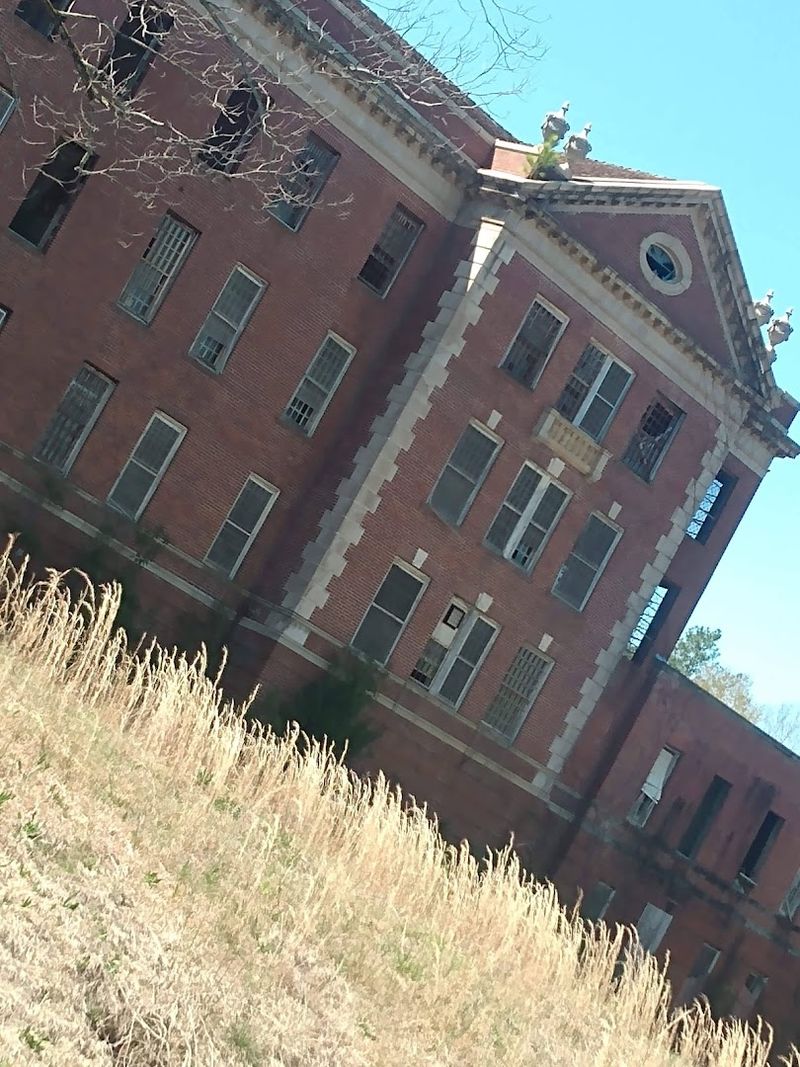
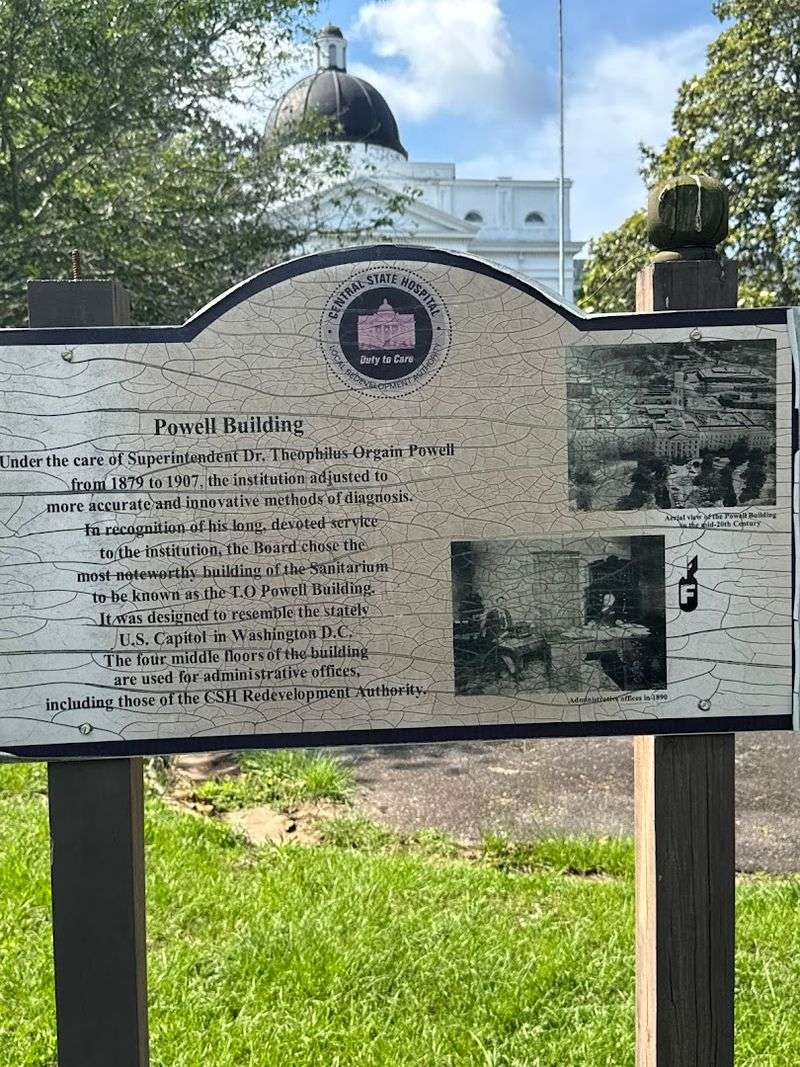
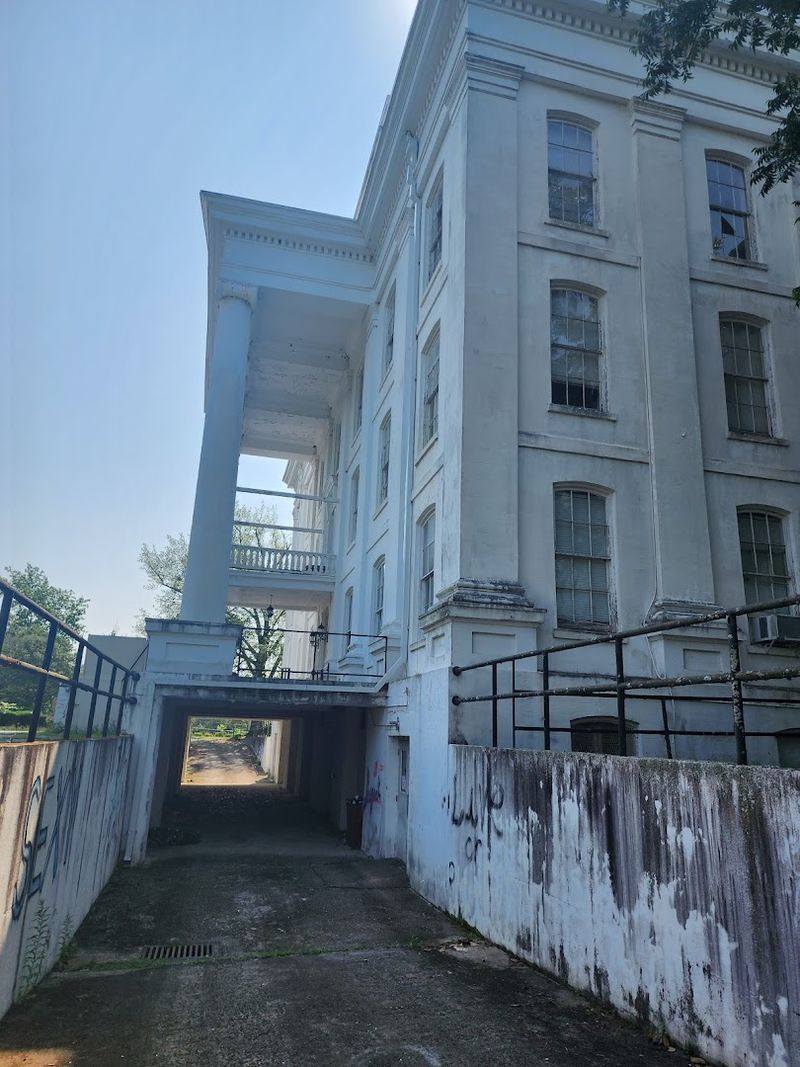
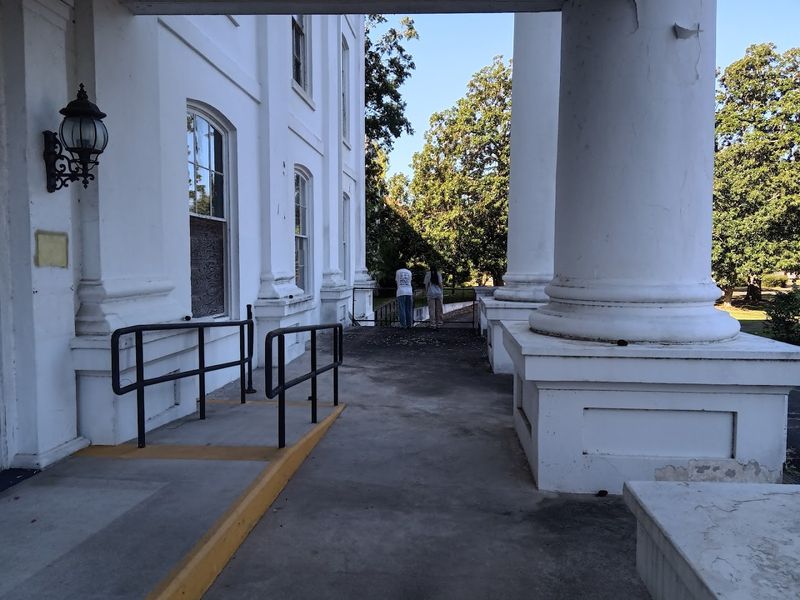
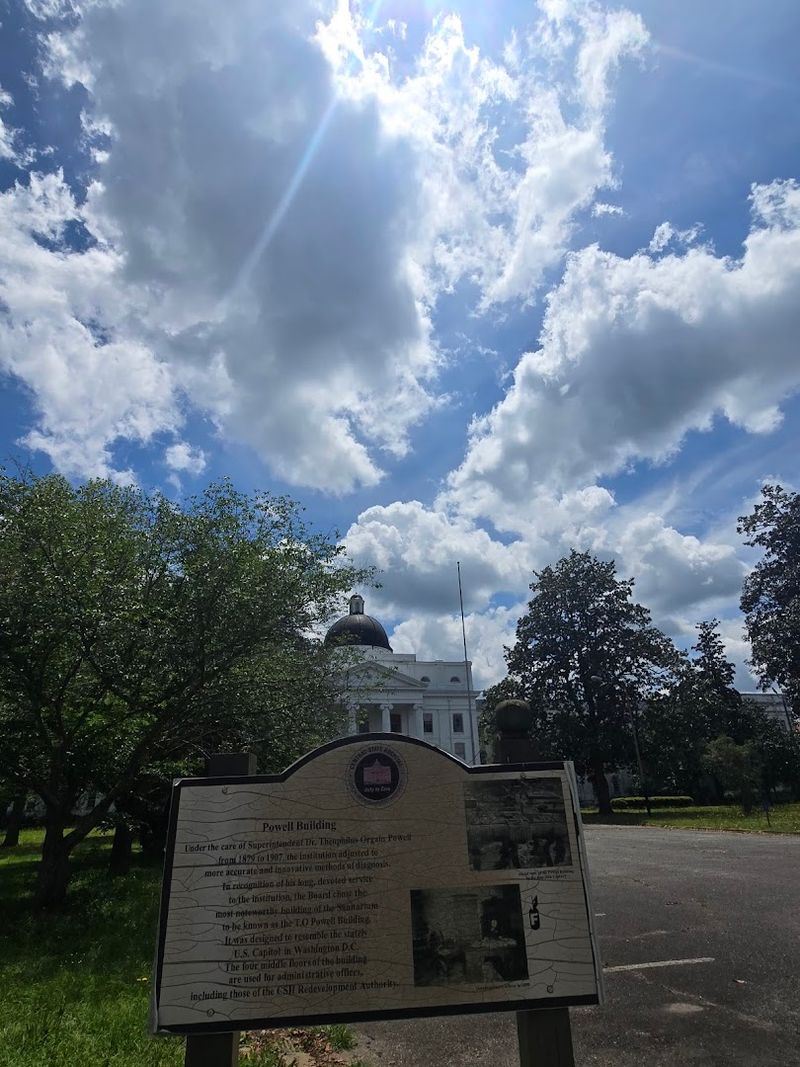
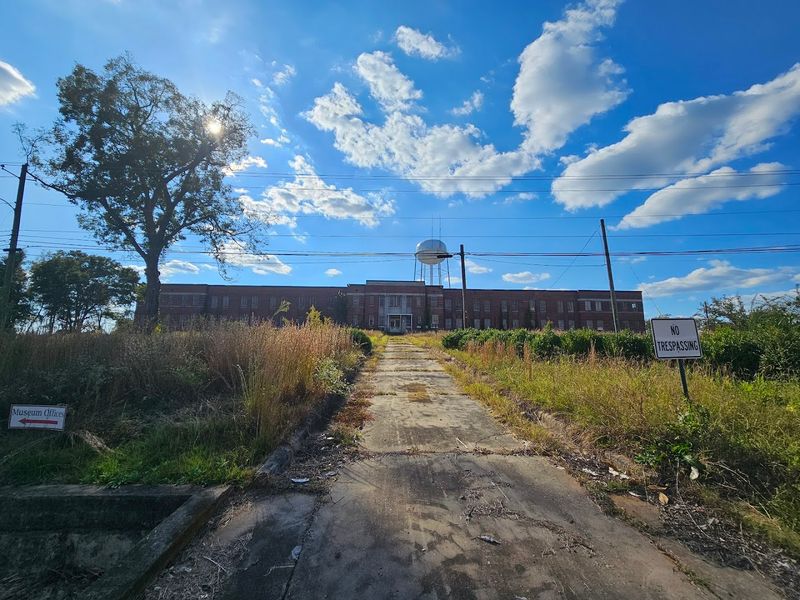
Walking through the abandoned sections of Central State Hospital feels like stepping into a time capsule that nobody wanted to open. Structures like the Jones Building and Powell Building stand in various states of decay, their crumbling brick facades and shattered windows telling silent stories of what once happened inside. Vegetation has reclaimed many corners of the campus, weaving through broken walls and rusted iron fixtures.
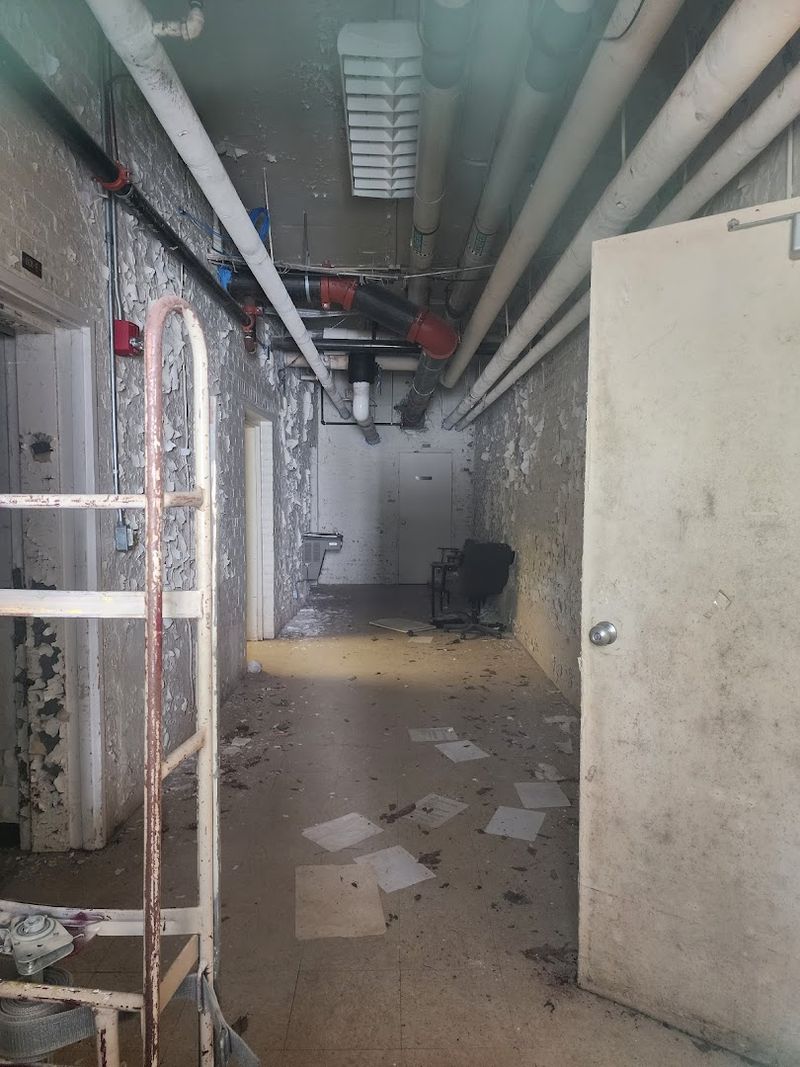
These buildings were not simply abandoned overnight their deterioration happened gradually over decades as the patient population dwindled and funding dried up. Some structures still contain remnants of their former use: old medical equipment, decayed furniture, and faded institutional paint on the walls.
The Georgia Trust for Historic Preservation has sounded the alarm about the urgency of stabilizing these structures before they are lost forever. Each abandoned building represents not just architectural history but also the lived experiences of thousands of patients whose stories deserve to be remembered and told with honesty and care.
9. Paranormal Reports and Ghost Stories
Given the sheer weight of suffering that occurred within Central State Hospital’s walls, it is not surprising that the site has developed a strong reputation for paranormal activity. Visitors, urban explorers, and paranormal investigators have reported unexplained sounds, shadowy figures, and an overwhelming sense of unease while exploring the campus after dark.
Stories range from disembodied voices in empty hallways to flickering lights in buildings with no power source. Whether or not one believes in ghosts, there is something undeniably atmospheric about a place where so much pain and loss occurred over more than a century. The emotional residue of that history seems to cling to the walls themselves.
Haunted history tours and paranormal investigation events have been organized in the Milledgeville area, drawing visitors who are curious about the darker side of the hospital’s past. For many, the ghost stories are less about the supernatural and more about keeping the memory of forgotten patients alive in a way that feels visceral and real.
10. Preservation Efforts Fighting Against the Clock
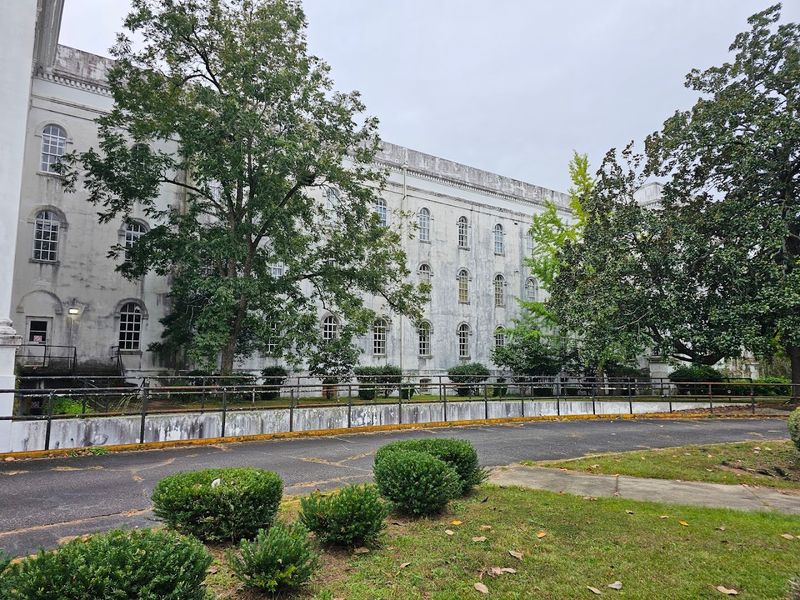
Saving a 2,000-acre historic campus from total ruin is no small task, and the clock is ticking. The Georgia Trust for Historic Preservation has placed Central State Hospital on its annual “Places in Peril” list, drawing public attention to the urgent need for stabilization and adaptive reuse of the site’s historic structures. Without intervention, many of these buildings could be lost within a generation.
Preservation advocates argue that the campus represents a unique and irreplaceable piece of American medical history. Plans for adaptive reuse have been floated over the years, including proposals to convert buildings into housing, educational facilities, or cultural centers. Progress has been slow, but interest remains steady.
Local organizations and state agencies have been working together to develop a long-term vision for the campus that honors its difficult history while creating new purpose for its structures. The challenge of balancing historical memory with practical redevelopment is one that communities across Georgia are watching closely as a potential model for similar sites.
11. Current Operations: A Much Smaller Facility Today
Central State Hospital did not close entirely it simply transformed into something much smaller and more focused. As of 2016, the facility operates as a significantly reduced institution, providing short-stay acute psychiatric treatment, residential services for individuals with developmental disabilities, and specialized nursing care. The current patient population hovers around 200, a fraction of its former peak.
The modern operation reflects the dramatic evolution of mental health care philosophy over the past several decades. Treatment today emphasizes shorter stays, individualized care plans, and community reintegration rather than long-term institutionalization. The contrast between the current facility and its historical predecessor is stark and instructive.
For Georgia residents who rely on state-funded mental health services, the continued operation of the facility even in its reduced form provides an important safety net. Visiting the active portions of the campus today offers a sobering counterpoint to the abandoned sections nearby, illustrating just how dramatically the approach to psychiatric care has shifted over time.
12. The Central State Hospital Museum
History this complex deserves to be told carefully, and the Central State Hospital Museum takes that responsibility seriously. Located on the former campus at the historic depot building in Milledgeville, the museum offers exhibits, artifacts, and guided tours that walk visitors through the institution’s long and layered history. It is one of the most thoughtful ways to engage with this site’s difficult past.
Exhibits cover everything from the hospital’s founding era to its peak population years, the controversial treatments used, and the deinstitutionalization movement that reshaped the facility. Personal stories of former patients and staff help humanize a history that can otherwise feel abstract or overwhelming.
The museum, located at 132 N. Jefferson Street, Milledgeville, Georgia 31061, welcomes school groups, researchers, history enthusiasts, and curious travelers alike. A visit here provides essential context for understanding the broader significance of the campus and offers a respectful, educational lens through which to view one of Georgia’s most complex historical sites.
13. Economic Backbone of Milledgeville for Over a Century
For much of its history, Central State Hospital was not just a medical institution it was the economic engine that kept Milledgeville running. At its peak, the hospital employed thousands of local residents, from doctors and nurses to maintenance workers, cooks, and administrative staff. The payroll generated by the facility flowed directly into the local economy, supporting businesses, schools, and community life throughout Baldwin County.
The hospital operated its own farm, dairy, and various production facilities, many of which supplied goods not just to the campus but to the surrounding region. This level of self-sufficiency made it a community institution in the truest sense, deeply woven into the fabric of everyday life in Milledgeville.
As the hospital’s population declined through the late 20th century, the economic impact on the city was significant. Thousands of jobs disappeared, and the ripple effects were felt for decades. Understanding the hospital’s economic role helps explain why its decline was not just a medical story but a community transformation that reshaped an entire city.
14. Cultural Influence: Documentaries, Articles, and Art
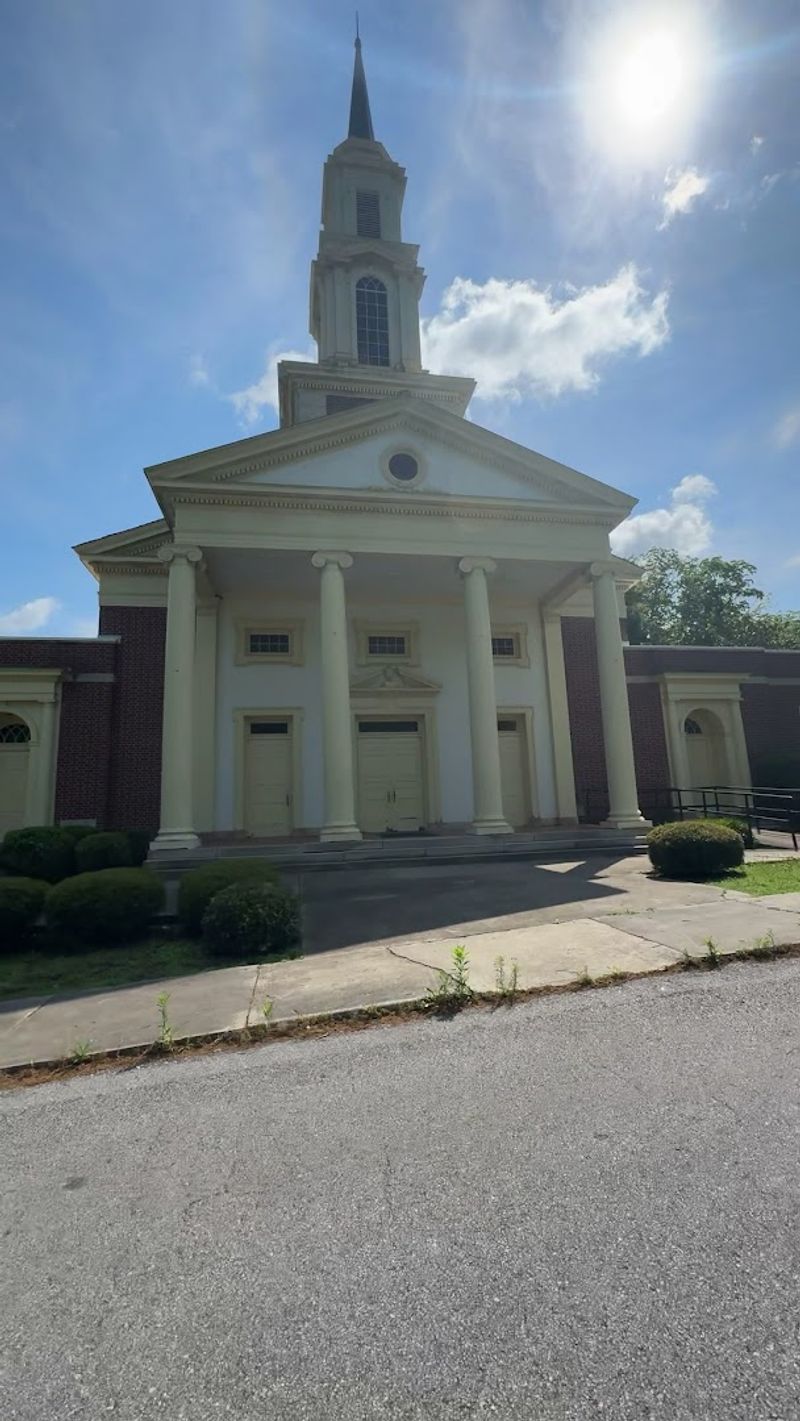
A place with this much history was bound to capture the imagination of artists, journalists, and filmmakers. Central State Hospital has been the subject of numerous documentaries, long-form magazine articles, and creative projects that attempt to make sense of its sprawling and painful legacy. Atlanta Magazine published a widely read deep-dive into the hospital’s history that brought national attention to the site’s stories.
Photographers have documented the haunting beauty of the decaying campus, producing images that balance aesthetic fascination with ethical awareness of the suffering that occurred there. Writers have explored the intersection of mental health policy, human rights, and institutional power through the lens of this single Georgia facility.
The cultural output inspired by Central State Hospital reflects a broader societal need to reckon with uncomfortable histories rather than erase them. Each documentary, article, or art installation keeps the memory of the patients alive and pushes audiences to think critically about how society treats its most vulnerable members then and now.
15. Ongoing Visitor Interest: Researchers, History Buffs, and Curious Travelers
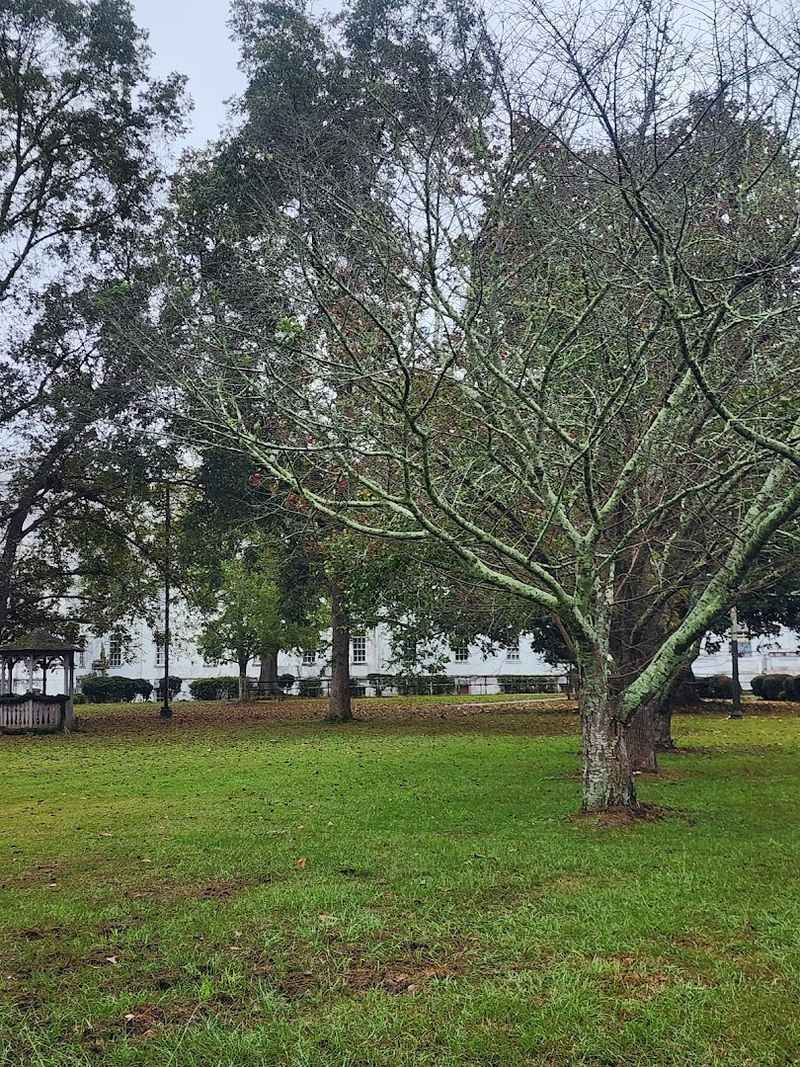
Decades after its peak, Central State Hospital continues to draw a steady stream of visitors from across the country and beyond. Researchers studying the history of American psychiatry, genealogists searching for records of lost relatives, urban explorers fascinated by the abandoned campus, and history enthusiasts all find reasons to make the trip to Milledgeville, Georgia.
Atlas Obscura has featured the site as one of America’s most compelling and unusual destinations, introducing it to a global audience of curious travelers. The combination of architectural history, human rights legacy, paranormal reputation, and ongoing preservation drama makes it a uniquely layered destination that offers something different to every type of visitor.
Milledgeville itself is a charming small Georgia city with a rich history that extends well beyond the hospital — it served as the state capital before Atlanta. Pairing a visit to the Central State Hospital campus with exploration of the broader city offers a full, rewarding day of history, reflection, and discovery in one of Georgia’s most underrated destinations.