This Haunted Landmark Bonaventure Cemetery Savannah Georgia Draws Thousands
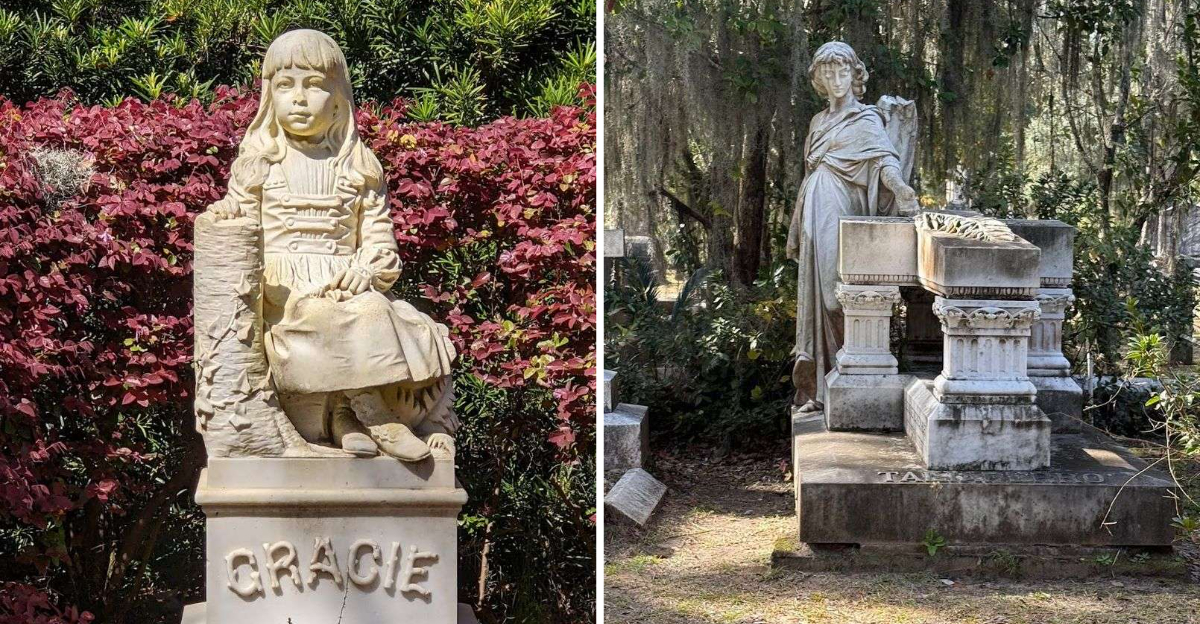
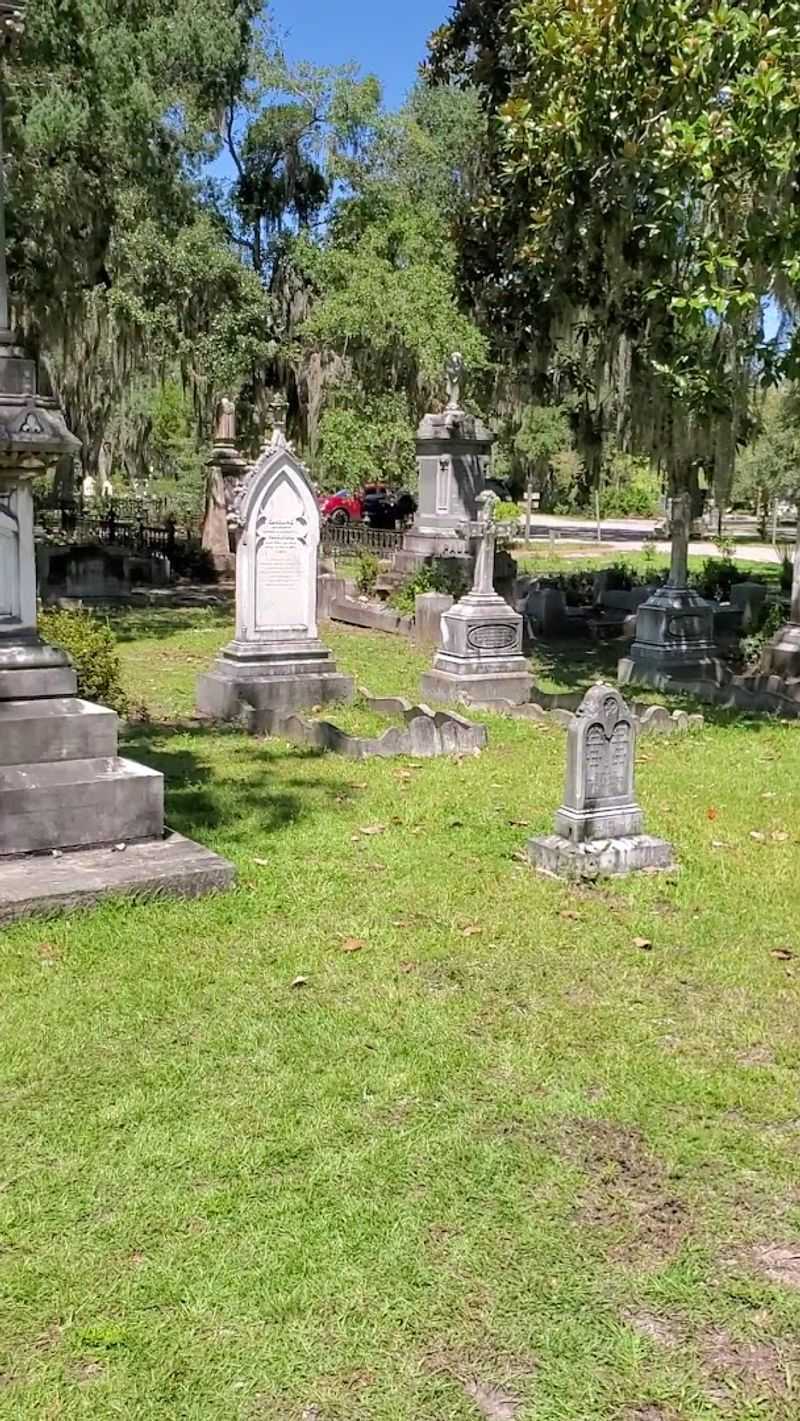
Tucked along the peaceful banks of the Wilmington River in Savannah, Georgia, Bonaventure Cemetery captures attention the instant you pass through its gates. Towering live oaks stretch overhead, their branches draped in Spanish moss that sways gently in the coastal breeze. Sunlight filters through the canopy, illuminating ornate Victorian sculptures, weathered headstones, and intricate carvings that feel both solemn and breathtaking.
The atmosphere blends quiet reflection with striking natural beauty, creating a setting unlike any other in the South. Writers, photographers, and history lovers find endless inspiration among the winding paths and historic plots. Stories of notable figures, whispered legends, and generations of Savannah families add layers of meaning to every step.
Whether you arrive seeking literary connections, haunting tales, or simply a moment of stillness, Bonaventure Cemetery offers an experience that lingers long after you leave.
1. Victorian Funerary Art
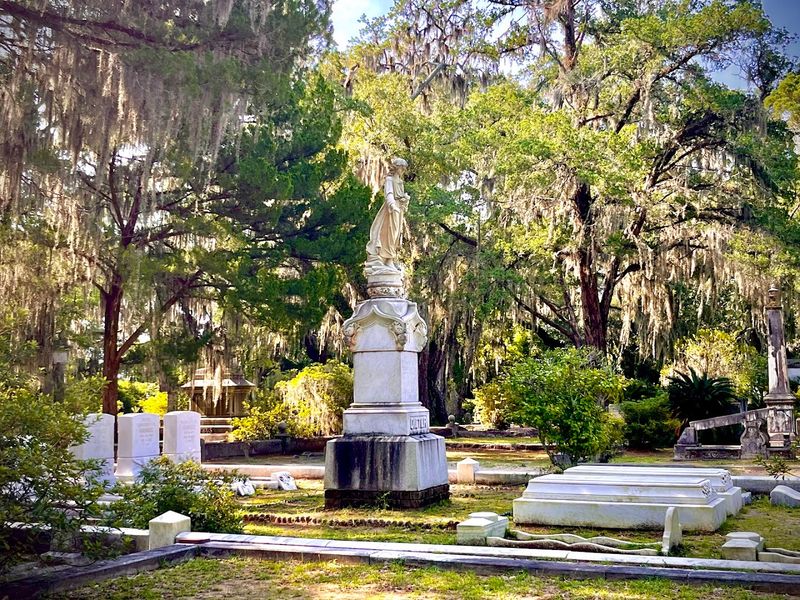
Walking through Bonaventure Cemetery feels like stepping into an open-air museum dedicated to 19th-century artistry. The cemetery, located at 330 Bonaventure Road, Savannah, GA 31404, holds one of the most impressive collections of Victorian funerary art in the entire American South. Carved angels, weeping figures, and elaborate stone urns line the pathways in every direction.
Each monument tells a story about the person it honors, often reflecting their social standing, faith, or family legacy. Craftsmen from across the country created these works with painstaking detail, and many have survived remarkably well despite over a century of coastal Georgia weather.
Art enthusiasts and history buffs alike find themselves slowing down to examine the fine details on each piece. The combination of skilled stonework and the moody natural setting makes every turn feel like discovering something genuinely rare. Comfortable walking shoes are strongly recommended for exploring this expansive outdoor gallery.
2. Historic Significance and Notable Burials
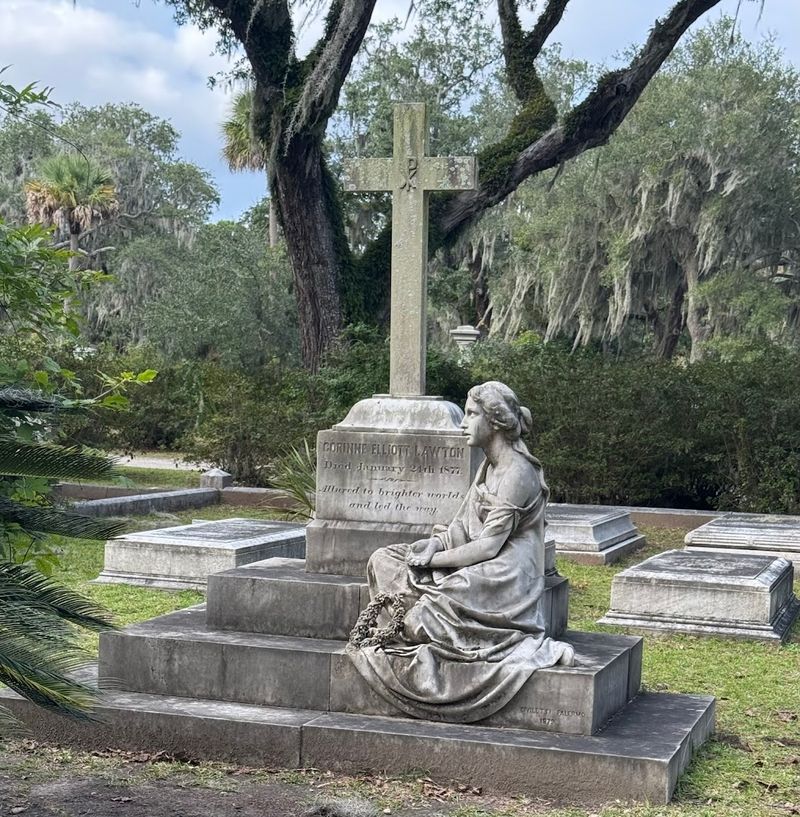
Some places earn their reputation not just through beauty but through the remarkable people connected to them. Bonaventure Cemetery serves as the final resting place of several well-known figures, including celebrated poet Conrad Aiken and Grammy-winning songwriter Johnny Mercer, whose music still fills jukeboxes and playlists today.
Aiken actually requested that his grave serve as a sort of gathering spot, and visitors sometimes bring a bottle of something cold and sit beside his bench-style marker for a quiet moment of reflection. That tradition alone says something special about how the cemetery connects people across generations.
Johnny Mercer, who wrote classics like “Moon River” and “Days of Wine and Roses,” rests nearby, and fans frequently leave small tokens at his grave. Knowing these creative giants are buried here adds a layer of meaning to every step taken along the cemetery’s winding paths.
3. The Bird Girl Statue Connection
One of the most photographed images in Savannah’s history originated right here at Bonaventure Cemetery. The Bird Girl statue, a bronze sculpture of a young girl holding two shallow bowls, became world-famous after appearing on the cover of John Berendt’s bestselling book “Midnight in the Garden of Good and Evil” in 1994.
The original statue was created by sculptor Sylvia Shaw Judson and was privately owned by the Lucy Boyd Trosdal family, whose plot sits within the cemetery. Due to overwhelming visitor attention following the book’s publication, the statue was moved to the Telfair Museums for safekeeping.
Visitors can now see the original Bird Girl at the Jepson Center, part of Telfair Museums at 207 W. York Street, Savannah, GA 31401. A replica marker at the original grave site still draws curious fans who want to stand where that iconic photograph was taken.
The story behind the statue is genuinely fascinating.
4. The Gaston Tomb
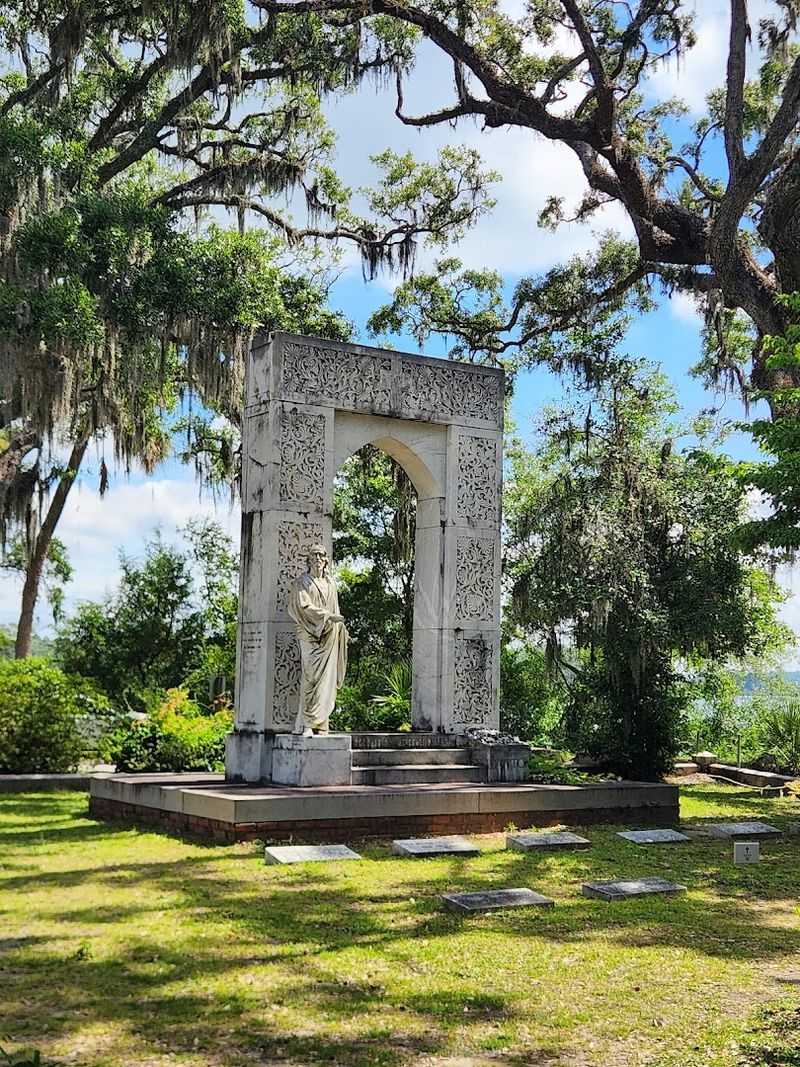
Right near the entrance of Bonaventure Cemetery stands one of its most architecturally striking features: the Gaston Tomb. Built in memory of William Gaston, a prominent Savannah merchant and civic leader, this elaborate marble structure immediately signals that what lies beyond is no ordinary cemetery. The tomb sits at the entry to the grounds at 330 Bonaventure Road, Savannah, GA 31404.
The Gaston Tomb reflects the Victorian-era belief that burial monuments should celebrate a person’s life and standing in the community rather than simply mark their passing. Its scale and craftsmanship are impressive even by today’s standards, and it draws photographers and history enthusiasts in equal measure.
Standing before it on a quiet morning, with soft light filtering through the oak canopy overhead, creates an atmosphere that feels almost cinematic. Historians note that the Gaston family played a significant role in shaping Savannah’s early commercial landscape. The tomb is a fitting tribute to a family of considerable local influence and legacy.
5. Natural Beauty of the Grounds
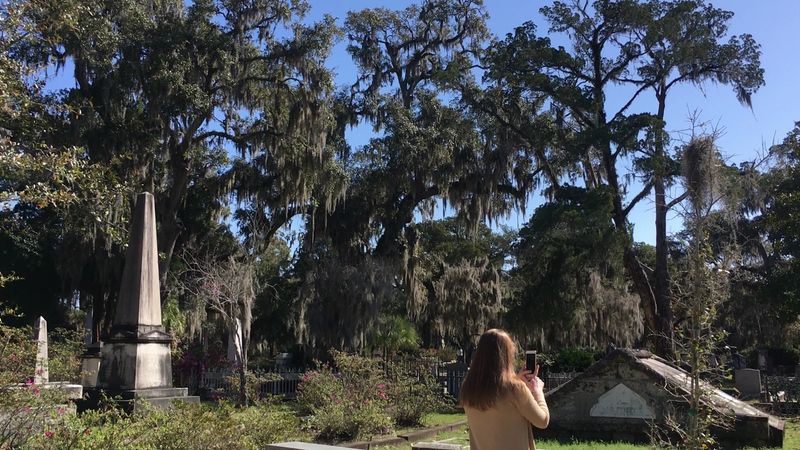
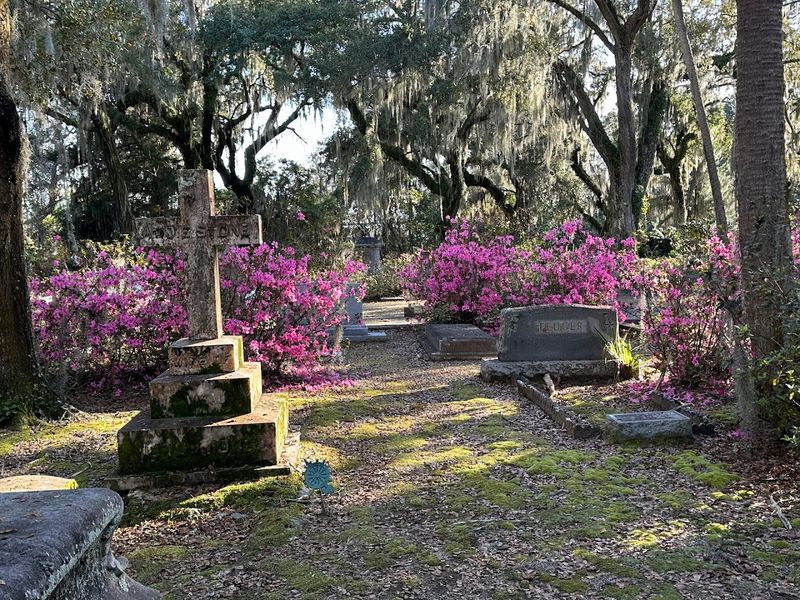
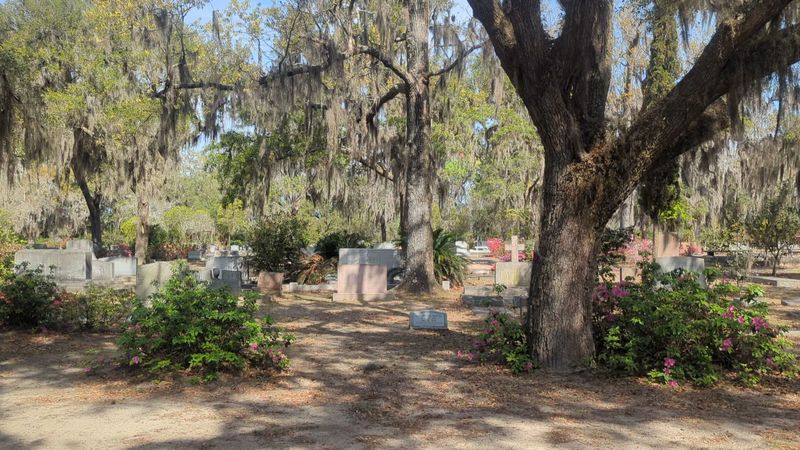
Even visitors with no particular interest in history or ghost stories tend to fall quiet when they first see the landscape of Bonaventure Cemetery. Ancient live oaks, some estimated to be hundreds of years old, stretch their massive limbs across the pathways and create a cathedral-like canopy of shade. Spanish moss drapes from every branch in long, silver-green curtains.
The cemetery sits along the Wilmington River and the combination of riverside breezes, blooming azaleas in spring, and dappled sunlight creates a sensory experience that photographs struggle to fully capture. Seasons shift the mood noticeably here, with autumn bringing golden tones and summer offering lush, deep green.
Birdwatchers will appreciate that the mature tree canopy attracts a variety of local and migratory bird species throughout the year. The grounds genuinely feel like a nature preserve as much as a historic site. Early morning visits offer the most peaceful experience before tour groups begin arriving.
6. Haunted Reputation and Ghost Stories
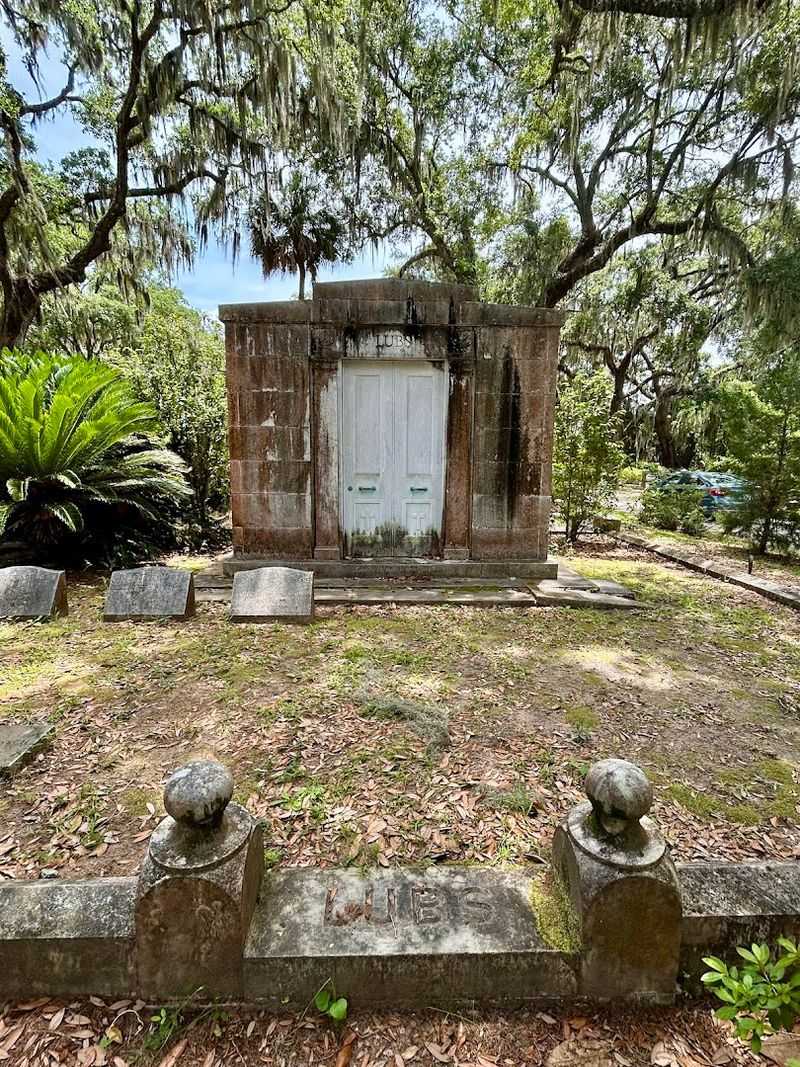
Savannah is widely considered one of the most haunted cities in the United States, and Bonaventure Cemetery sits comfortably at the top of that supernatural reputation. Legends and ghost accounts associated with the grounds have circulated for well over a century, drawing paranormal enthusiasts, curious tourists, and storytellers from across the country.
The cemetery’s atmosphere after sunset shifts in a way that even skeptics tend to notice. Visitors have reported hearing children’s laughter near Gracie Watson’s grave, seeing unexplained mists drifting between monuments, and feeling sudden cold spots on otherwise warm evenings.
Whether these experiences have supernatural explanations or not, the stories themselves are deeply woven into Savannah’s cultural identity. Several local ghost tour companies include Bonaventure in their evening routes, offering guided walks with historical context mixed in with the spookier tales. Even daytime visitors often leave with a story worth telling.
The atmosphere alone earns its haunted status.
7. Little Gracie Watson’s Grave
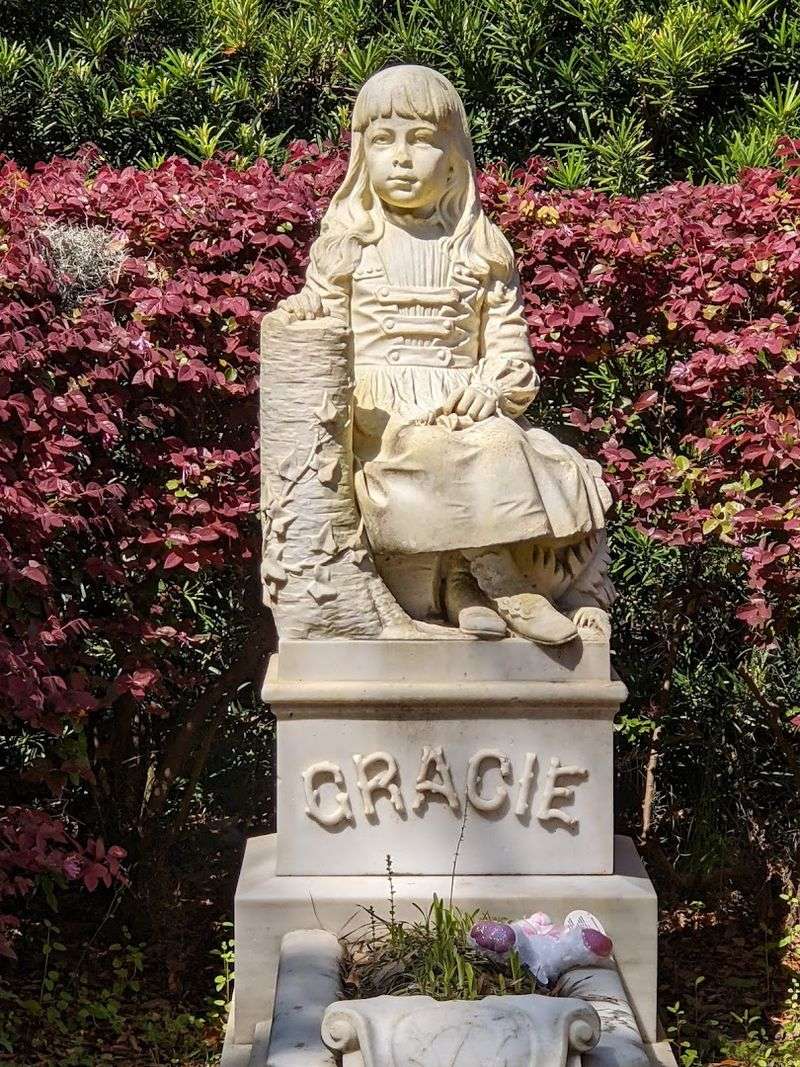
Few sights in Bonaventure Cemetery stir as much emotion as the life-sized marble statue marking the grave of Gracie Watson, a six-year-old girl who passed away in 1889. Located within the cemetery grounds The sculpture was created by renowned artist John Walz and captures Gracie’s likeness with heartbreaking precision.
Gracie was the daughter of W.J. Watson, manager of the Pulaski House Hotel in Savannah, and she was beloved by hotel guests and locals alike during her short life. Her sudden death from pneumonia devastated the community, and her father commissioned the statue as a tribute to her memory.
Visitors today often leave small toys, coins, and flowers at the base of the statue, a touching tradition that has grown organically over the decades. The grave carries a quiet emotional weight that tends to linger long after leaving the cemetery grounds. Bring tissues, just in case.
8. The Historic 1917 Jewish Section Chapel
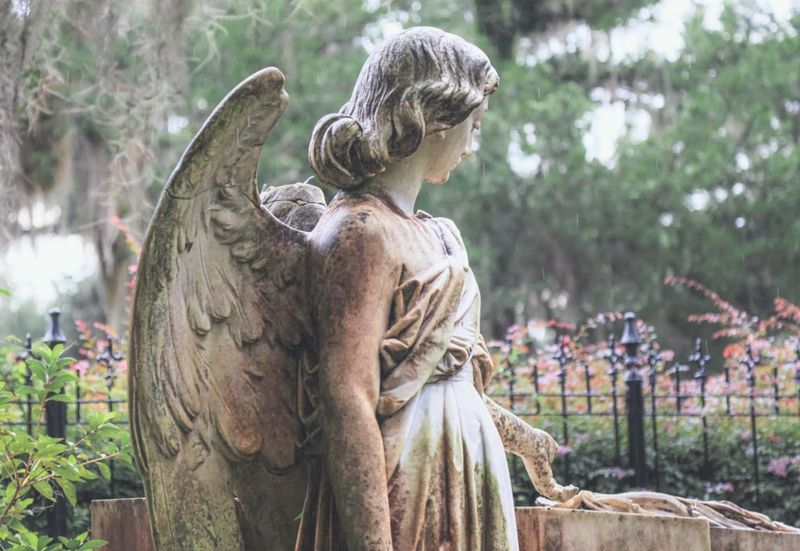
Hidden within the Jewish section of Bonaventure Cemetery stands a small but historically significant chapel dating back to 1917. It is one of only two surviving historic buildings on the entire cemetery property, making it a rare architectural landmark within an already landmark-worthy destination. The chapel adds a layer of quiet dignity to an already solemn section of the grounds.
Bonaventure Cemetery has long served as the burial ground for members of Savannah’s diverse religious communities, and the Jewish section reflects the city’s historically active Jewish population dating back to colonial times. The chapel was built to serve families during graveside services and community observances.
Though modest in size compared to some of the grand mausoleums elsewhere in the cemetery, the chapel carries a warmth and sincerity that larger structures sometimes lack. Its survival through more than a century of coastal weather and changing times is a testament to the care taken by Savannah’s preservation community. Worth a quiet moment of appreciation.
9. Diverse Cultural Sections
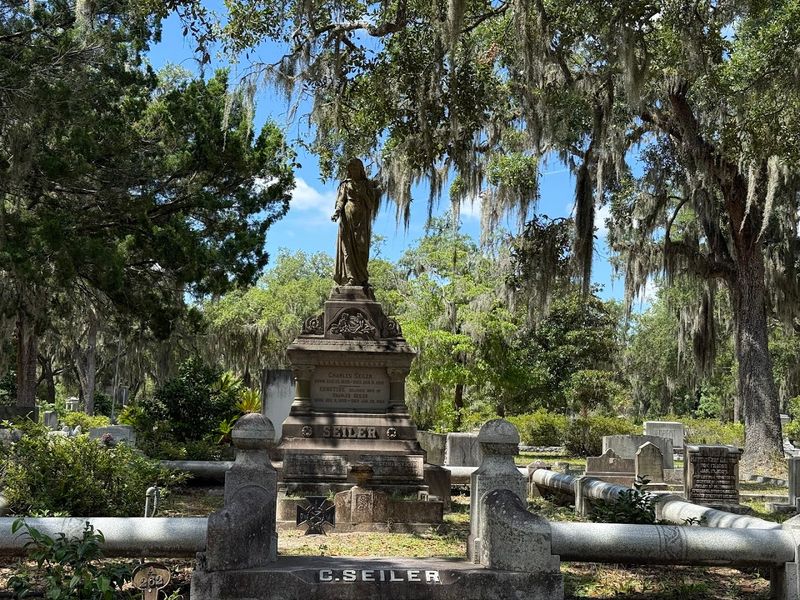
One of the more overlooked aspects of Bonaventure Cemetery is how much it reflects Savannah’s multicultural history. The grounds are divided into sections representing different religious and ethnic communities, including dedicated areas for Jewish, Greek, and other heritage groups, each featuring monuments and memorial styles unique to their traditions.
Walking through these varied sections at reveals how immigrants and long-established families alike shaped the city over generations. Greek Orthodox crosses stand alongside Hebrew inscriptions and elaborate family mausoleums, creating a tapestry of cultural identity that feels both personal and historically rich.
For anyone interested in genealogy, immigration history, or simply understanding how communities built their lives in the American South, these sections offer remarkable insight. The diversity of the cemetery mirrors the diversity of Savannah itself, a port city that welcomed traders, settlers, and immigrants from around the world. Spending time in each section reveals a different chapter of the same long story.
10. Underground Grotto Chapels
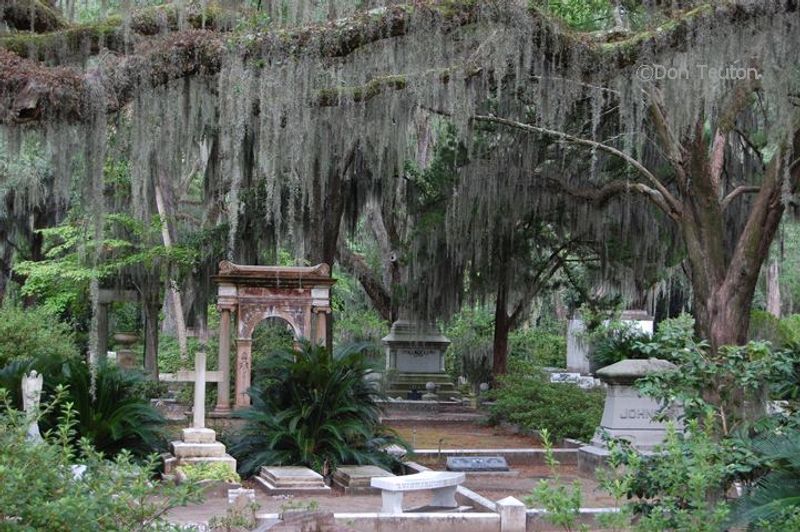
Beneath the surface of Bonaventure Cemetery lies something most visitors never expect: a collection of approximately a dozen underground grotto chapels tucked below the grounds. These subterranean chambers reflect Victorian-era burial practices and beliefs about death, remembrance, and the afterlife, offering a genuinely unusual glimpse into 19th-century funeral customs.
The cemetery holds these hidden spaces quietly, and many visitors walk directly over them without realizing what lies beneath. Some grottos are accessible or visible from the surface, while others remain sealed, their interiors preserved as they were when first constructed generations ago.
The existence of these underground chapels adds another dimension to Bonaventure’s already layered history. They speak to an era when families spared no expense or imagination when honoring their deceased loved ones. History guides and knowledgeable local tour operators can point visitors toward the most notable grotto locations, making a guided visit particularly worthwhile for those who want the full picture.
11. Photography Opportunities
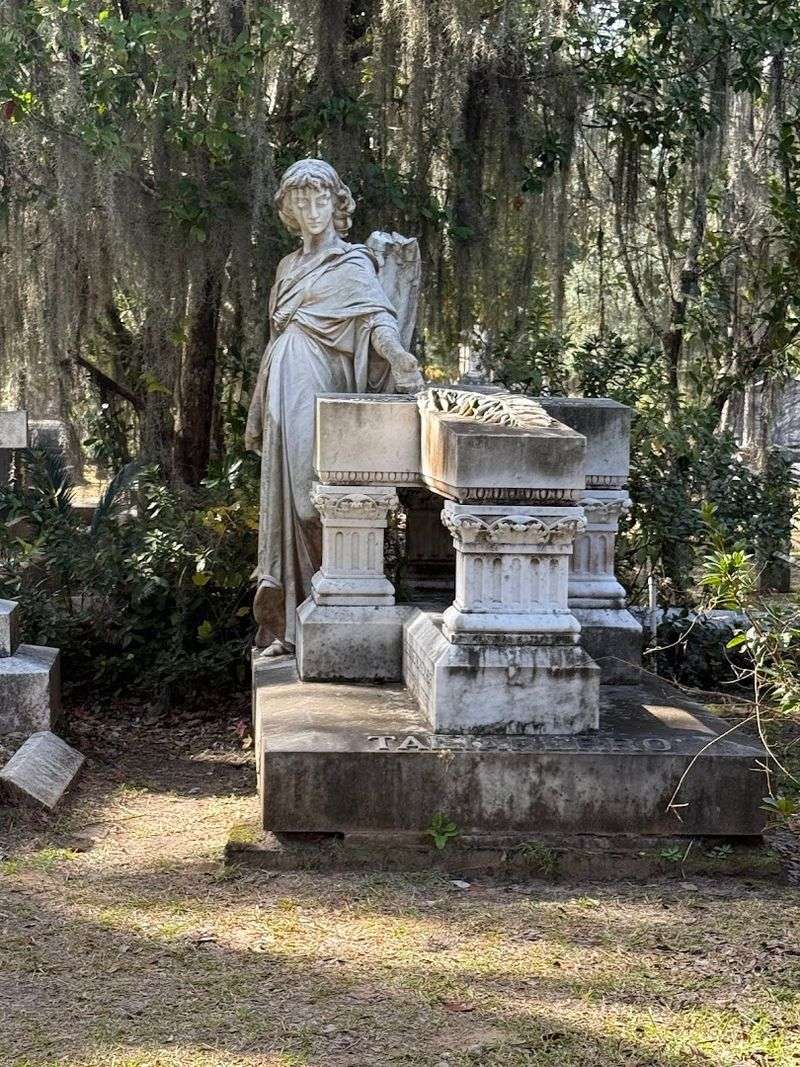
Ask any serious photographer in Savannah where they go for inspiration, and Bonaventure Cemetery will likely be near the top of the list. The combination of weathered stonework, towering oaks, hanging moss, and soft coastal light creates conditions that feel almost purpose-built for striking images. Morning hours, when mist sometimes lingers near the river, are particularly magical.
Every section of the cemetery offers something visually compelling, from close-up details of carved stone angels to wide landscape shots framing rows of monuments beneath the oak canopy. Sunset visits produce warm, golden tones that contrast beautifully with the grey of aged marble.
Photographers of all skill levels find rewarding shots here, whether shooting with a professional camera or a smartphone. Respectful behavior is expected, and visitors should avoid climbing on monuments or disturbing active grave sites. A tripod can be useful for low-light shots near dusk.
Composition opportunities are genuinely around every corner here.
12. Free Guided Tours by the Bonaventure Historical Society
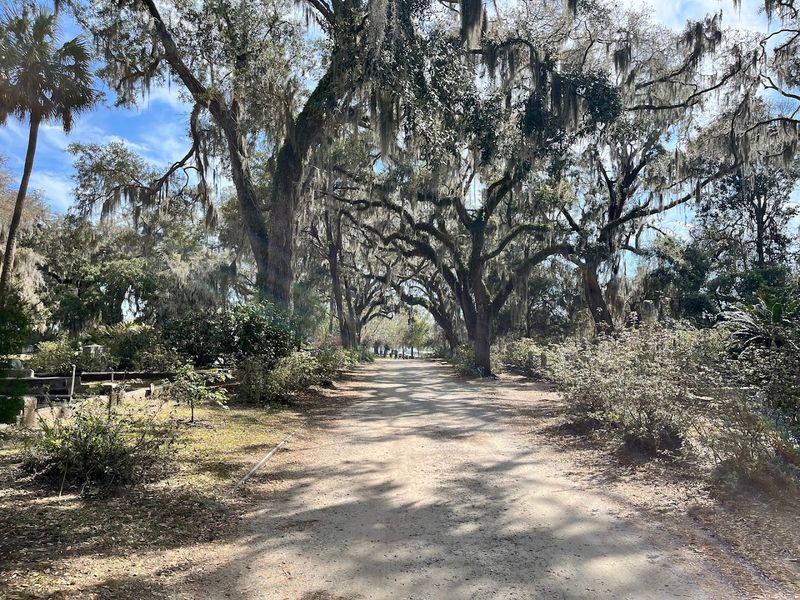
Not every remarkable experience comes with a price tag, and the free guided tours offered by the Bonaventure Historical Society are proof of that. Held on the second weekend of each month, these tours are led by knowledgeable volunteers who bring the cemetery’s history to life through stories, facts, and personal passion for Savannah’s heritage.
Tours depart from within the cemetery and typically cover key monuments, notable graves, and the broader historical context of the grounds. Group sizes can vary, and arriving a few minutes early is a good idea, especially during peak tourist season when spots fill quickly.
The guides tend to share details that are impossible to find in any guidebook, including family stories, architectural explanations, and local legends passed down through generations. For first-time visitors especially, a guided tour transforms what could be an aimless wander into a genuinely educational and moving experience. Check the Bonaventure Historical Society website for current tour schedules before visiting.
13. Literary Connection to Midnight in the Garden of Good and Evil
John Berendt’s 1994 nonfiction book “Midnight in the Garden of Good and Evil” put Savannah on the literary map and introduced Bonaventure Cemetery to millions of readers worldwide. The book, which spent an extraordinary four years on the New York Times bestseller list, wove the cemetery into its narrative in ways that made it feel like a character of its own.
Bonaventure Cemetery became a literary pilgrimage site almost overnight after the book’s publication, and that wave of interest has never fully subsided. Book lovers still arrive clutching worn copies, searching for the spots described in Berendt’s vivid prose.
The 1997 film adaptation directed by Clint Eastwood brought another wave of attention, cementing the cemetery’s place in American pop culture. Visitors who have read the book often describe their cemetery visit as a uniquely layered experience, where fiction, fact, and atmosphere blur together in the most compelling way. Reading the book before visiting genuinely deepens the experience.
14. Cultural and Artistic Destination
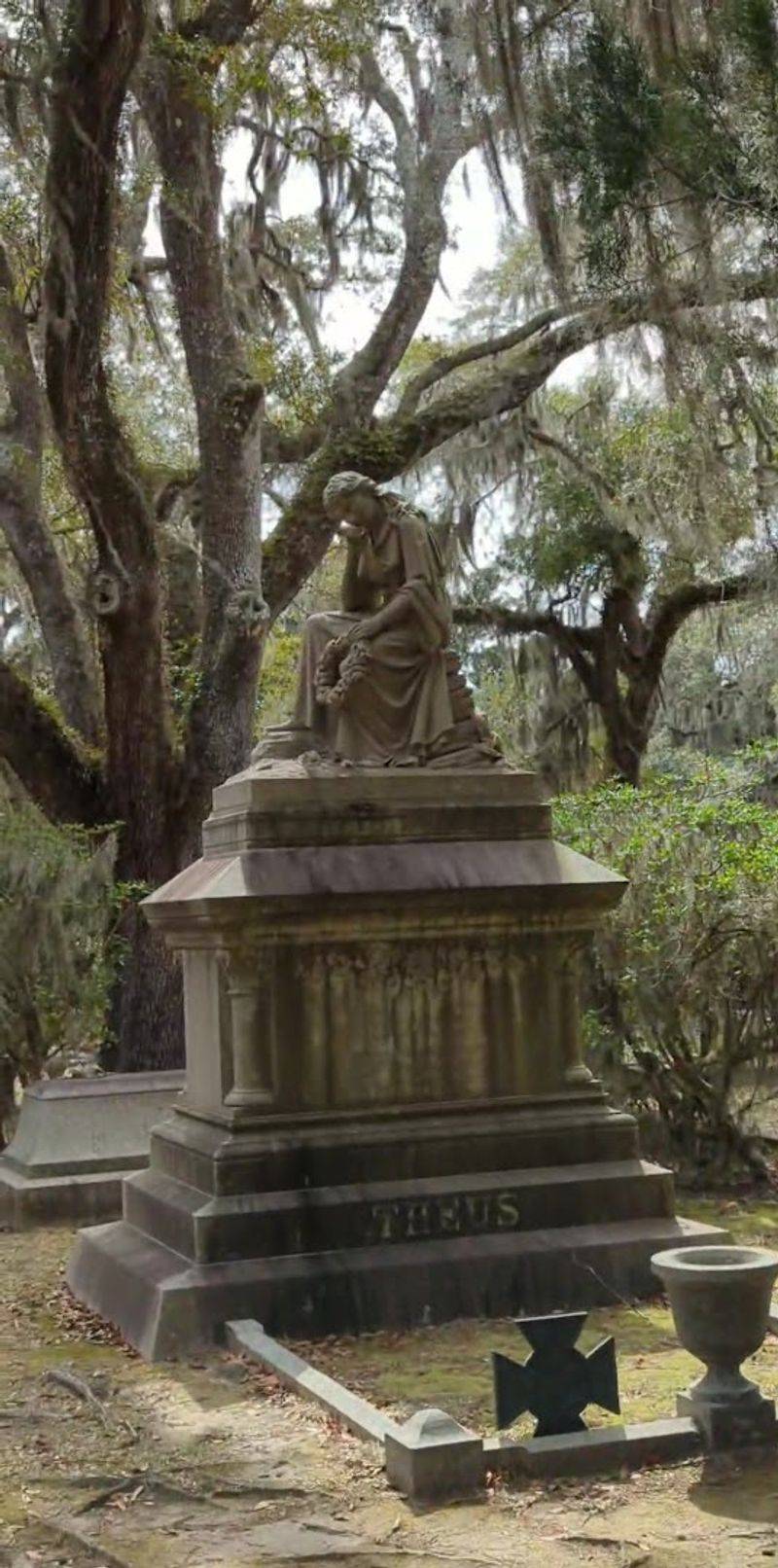
Bonaventure Cemetery occupies a rare space where art, history, and nature converge in a way that few places anywhere can match. Museums typically separate art from its environment, but here the sculptures exist in direct relationship with the landscape, the weather, and the passage of time, which gives them a living quality that indoor galleries cannot replicate.
At 330 Bonaventure Road, Savannah, GA 31404, the cemetery functions as a genuine cultural destination, drawing art historians, landscape architects, preservation specialists, and curious travelers in equal measure. Academic groups occasionally visit to study the range of sculptural styles represented across different periods and cultural traditions.
Savannah itself is deeply invested in the arts, home to the Savannah College of Art and Design, and that creative spirit extends to how locals and institutions approach places like Bonaventure. The cemetery is treated not simply as a burial ground but as a living archive of human expression. Visiting with that perspective shifts the experience from somber to genuinely inspiring.
15. Peaceful Atmosphere for Reflection
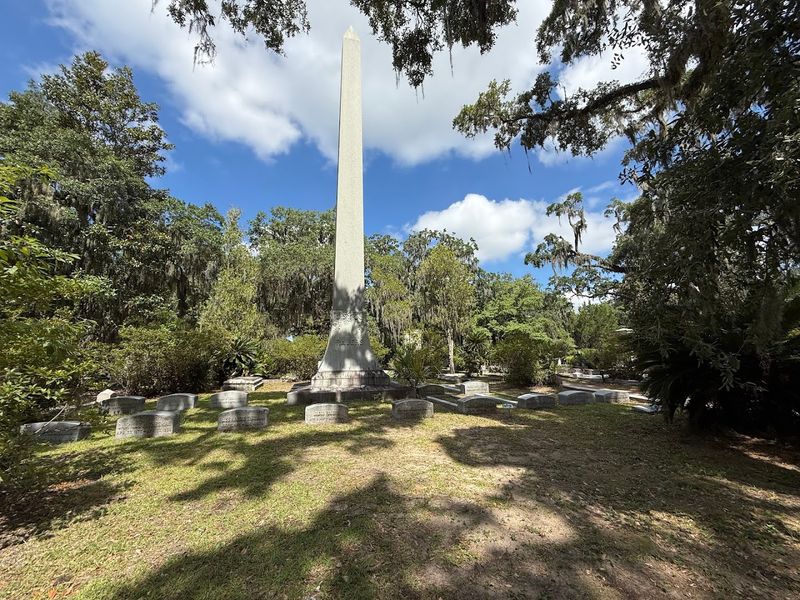
In a city known for its lively squares, ghost tours, and bustling riverfront, Bonaventure Cemetery offers something genuinely different: stillness. The grounds carry a hush that feels intentional, as if the trees themselves encourage slower breathing and quieter thoughts. Many visitors describe leaving feeling more centered than when they arrived.
The cemetery borders the Wilmington River, and on calm days the water adds a soft, rhythmic backdrop to the already peaceful setting. Benches and natural seating areas throughout the grounds invite visitors to pause rather than rush from monument to monument.
Weekday mornings tend to be the quietest times, with fewer tour groups and a more contemplative energy throughout. The cemetery is open daily from 8:00 a.m. to 5:00 p.m., giving visitors ample time to explore without feeling rushed. Whether processing a personal loss or simply seeking a moment away from the noise, Bonaventure provides space for that with quiet generosity.
16. Easy Accessibility from Downtown Savannah
For a destination with this much history and atmosphere, Bonaventure Cemetery is surprisingly easy to reach. Sitting roughly three miles east of downtown Savannah, the cemetery is accessible by car, rideshare, taxi, or as part of an organized guided tour that picks up from central Savannah locations. The drive itself passes through quiet residential neighborhoods and tree-lined streets.
The cemetery entrance includes a parking area that accommodates personal vehicles comfortably on most days, though weekends during peak tourist season can see heavier traffic. Arriving by rideshare is a practical option for visitors who prefer not to navigate parking.
Several local tour companies offer dedicated Bonaventure Cemetery excursions departing from downtown Savannah, combining transportation with expert narration along the way. The cemetery is open daily from 8:00 a.m. to 5:00 p.m. Checking in advance for any special events or closures is always a smart move.
Getting there is genuinely one of the easier parts of the whole visit.