This $7.4M California Mountain Bike Park With 15 Miles Of Trails Is Set To Debut In Early 2026 (And It’s Less Than An Hour From L.A.)
Big things are rolling into Southern California. A brand-new mountain bike park is rising in Santa Clarita, and riders across the region are already paying attention.
The scale alone makes it stand out. The location makes it even more compelling. Sitting about 35 miles north of downtown Los Angeles, the park could quickly become one of the most accessible mountain biking destinations in the region.
Weekend road trips may not even be necessary. Construction began in July 2025, and the expected opening in early 2026 has riders watching closely.
Haskell Canyon Bike Park is not a small neighborhood trail project. It is a $7.4 million investment spread across more than 720 acres of open space, with over 15 miles of purpose-built trails designed for real progression.
Pump tracks. Dual slalom courses. Learning zones for beginners. Technical downhill runs for experienced riders. The layout promises something for nearly every skill level.
Momentum is building. Anticipation is real. Here are some key facts that explain why Haskell Canyon Bike Park is shaping up to be a major addition to Southern California’s outdoor scene.
1. A $7.4 Million Investment In Mountain Biking
Not every city commits $7.4 million to building a mountain bike park from scratch, but Santa Clarita did exactly that.
The price tag behind Haskell Canyon Bike Park reflects a serious, long-term commitment to outdoor recreation infrastructure in Southern California.
The funding covers everything from trail construction and grading to park amenities, event space, and environmental mitigation measures.
Projects of this scale typically take years of planning, community input, and environmental review before a single shovel hits the ground.
For Santa Clarita, the investment signals a clear intention to position the city as a destination for mountain biking enthusiasts across the region.
The budget also reflects the complexity of building within a protected open space area where natural terrain must be respected.
Riders and local advocates who have followed the project since its early planning stages say the investment feels proportional to the ambition behind it.
The park is not a small patch of dirt with a few berms thrown in. It is a fully designed, multi-use facility built to meet the needs of a growing and passionate riding community in California.
2. Over 15 Miles Of Trails For All Skill Levels
Fifteen miles of trails might sound like a lot, but at Haskell Canyon Bike Park, every mile serves a purpose.
The trail network includes cross-country routes, climbing paths, and dedicated downhill runs designed to match riders at different points in their biking journey.
Beginners can build confidence on gentler terrain while more experienced riders push their limits on technical descents.
Trail variety is one of the most important factors in making a bike park feel welcoming rather than intimidating. When a park offers only advanced features, newer riders often feel excluded.
Haskell Canyon addresses that by including a skills learning zone where beginners can practice foundational techniques before venturing onto longer trails.
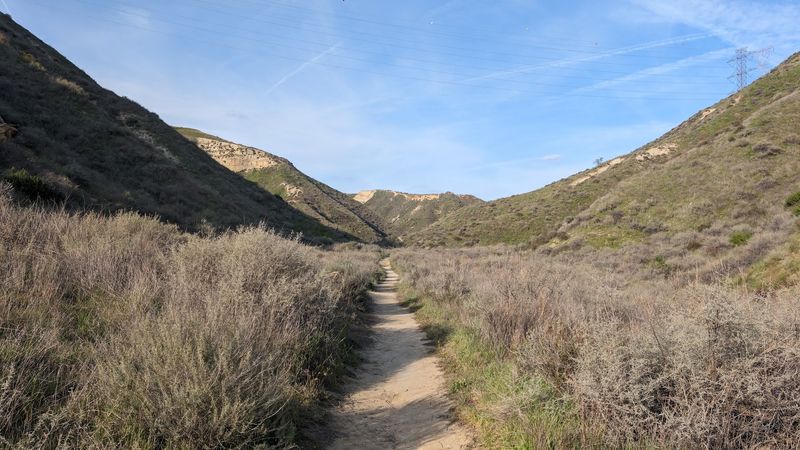
The layout also takes advantage of the natural contours of the Haskell Canyon Open Space, which spans over 720 acres of rugged Southern California terrain.
Dry chaparral, rolling hillsides, and canyon views give the trail network a natural character that purpose-built parks sometimes lack.
Riders looking for variety without driving hours from Los Angeles may find that 15 miles of thoughtfully designed trails offers more than enough to explore across multiple visits.
3. Less Than An Hour From Downtown Los Angeles
Proximity to a major metro area can make or break a recreational destination, and Haskell Canyon Bike Park sits in a strong position on that front.
Located approximately 35 miles north of downtown Los Angeles, the park falls within a drive that most Angelenos would consider entirely reasonable for a half-day or full-day outdoor outing.
Traffic conditions on the I-5 corridor can vary, but off-peak timing often keeps the drive under 45 minutes.
For mountain bikers living in the San Fernando Valley or the surrounding communities, the commute could be even shorter.
Having a destination of this caliber within close range removes one of the biggest barriers to regular riding, which is the time and effort required to reach quality trails.
Many riders currently travel to more distant parks in the Angeles National Forest or Ventura County, making Haskell Canyon a genuinely convenient alternative.
The park’s address at 21450 Copper Hill Drive in Santa Clarita places it in an area already familiar to many Southern California outdoor enthusiasts.
Easy access from major freeways means the park could attract consistent weekday and weekend traffic from across the greater Los Angeles area once it opens in California.
4. The Haskell Bike Park Core: A Hub Of Features
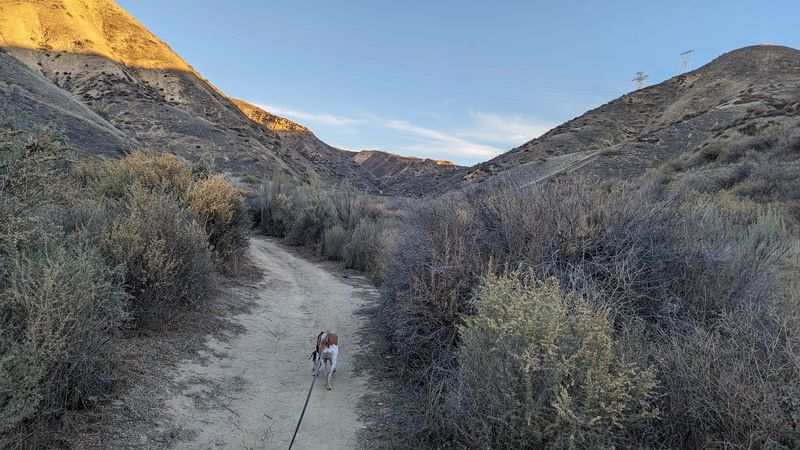
At the center of the park sits what planners call the Haskell Bike Park Core, a concentrated zone of purpose-built riding features designed to offer variety in a compact space.
The core includes slopestyle lines, downhill jump trails, dual slalom courses, and pump tracks calibrated for different ability levels.
Having all of these features clustered together makes it easier for riders to move between disciplines without long pedal-outs between sections.
Slopestyle courses challenge riders to string together aerial tricks and stylish maneuvers over sculpted dirt jumps and wooden features.
Dual slalom courses pit two riders against each other on parallel courses of bermed turns and rhythm sections, adding a competitive element that many parks lack.
Pump tracks, which allow riders to generate speed using body movement rather than pedaling, are increasingly popular with both young riders and experienced cyclists looking to sharpen their technique.
The inclusion of an event space within the core area suggests that the city envisions Haskell Canyon as more than just a recreational outlet. Competitions, clinics, and community gatherings could all find a home here.
The core design reflects a broader philosophy of building a space that serves casual riders and competitive athletes alike in Southern California.
5. Opening Date Pushed To First Quarter Of 2026
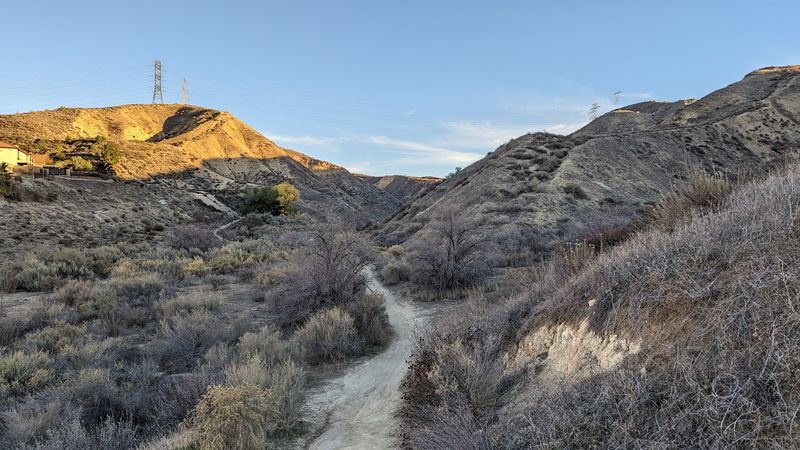
Construction on Haskell Canyon Bike Park broke ground in July 2025 with an original target opening date set for December 2025.
However, city officials confirmed in December 2025 that the opening had been pushed back to the first quarter of 2026.
Timeline shifts are common in large-scale outdoor construction projects, particularly when environmental conditions, permit requirements, or grading complexity create unexpected delays.
The revised timeline does not appear to reflect any fundamental problems with the project. Rather, it suggests that the city and its construction partners are taking the time needed to complete the work properly.
Rushing a trail network or park infrastructure can lead to erosion, safety hazards, or features that require expensive repairs shortly after opening.
Riders and community members who have been following the project closely may feel the wait, but the additional time could result in a more polished and durable finished product.
Local mountain biking groups have maintained an enthusiastic outlook on the project throughout the construction period.
For anyone planning a visit, checking the city of Santa Clarita’s official communications closer to the anticipated opening window would be the most reliable way to confirm the exact launch date in California.
6. 720 Acres Of Open Space Terrain
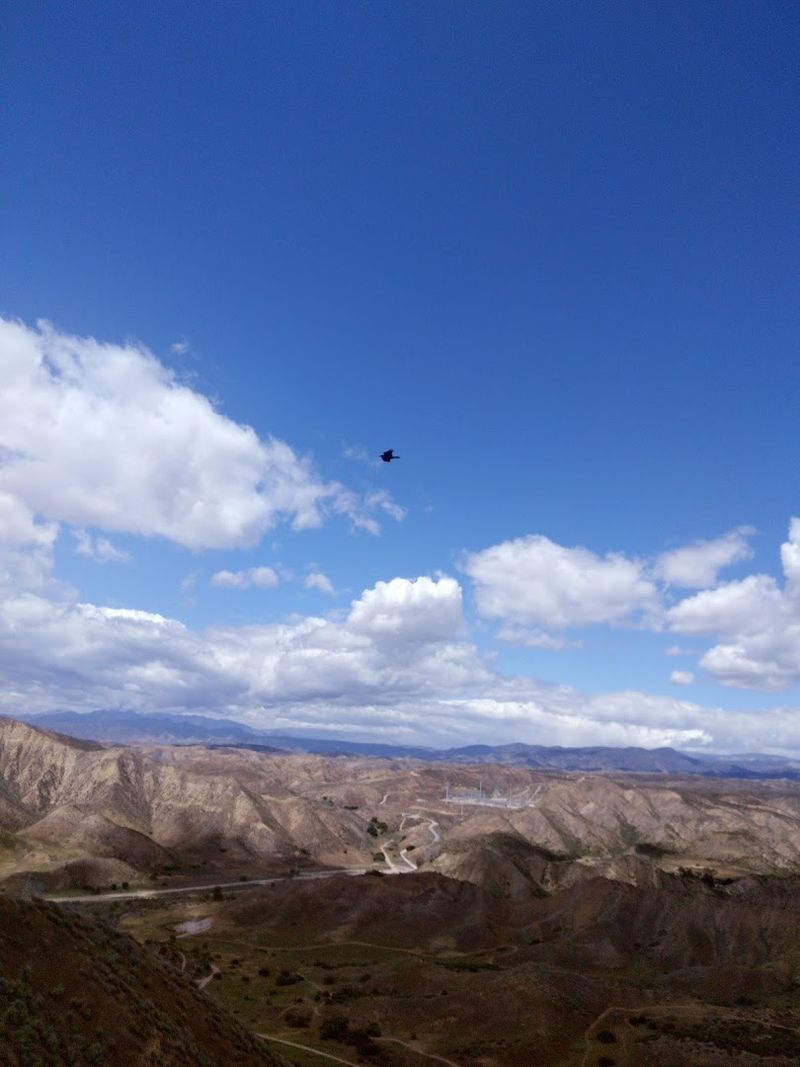
Most bike parks operate on a relatively small footprint, but Haskell Canyon Bike Park is embedded within a 720-acre open space preserve that gives the entire facility a sense of scale and natural immersion.
Riding through terrain of this size means encountering varied topography, changing light conditions throughout the day, and the kind of quiet that urban riders rarely experience close to home.
The Haskell Canyon Open Space has long been used informally by hikers and mountain bikers, but the new park formalizes and expands access in a way that prioritizes safety and sustainability.
Trails built with proper drainage, grade reversals, and erosion control tend to hold up far better over time than informal routes carved by foot traffic or unguided riding.
Having 720 acres as a backdrop also means there is room for the park to grow. Future trail additions or expanded amenity areas could be incorporated without crowding the existing layout.
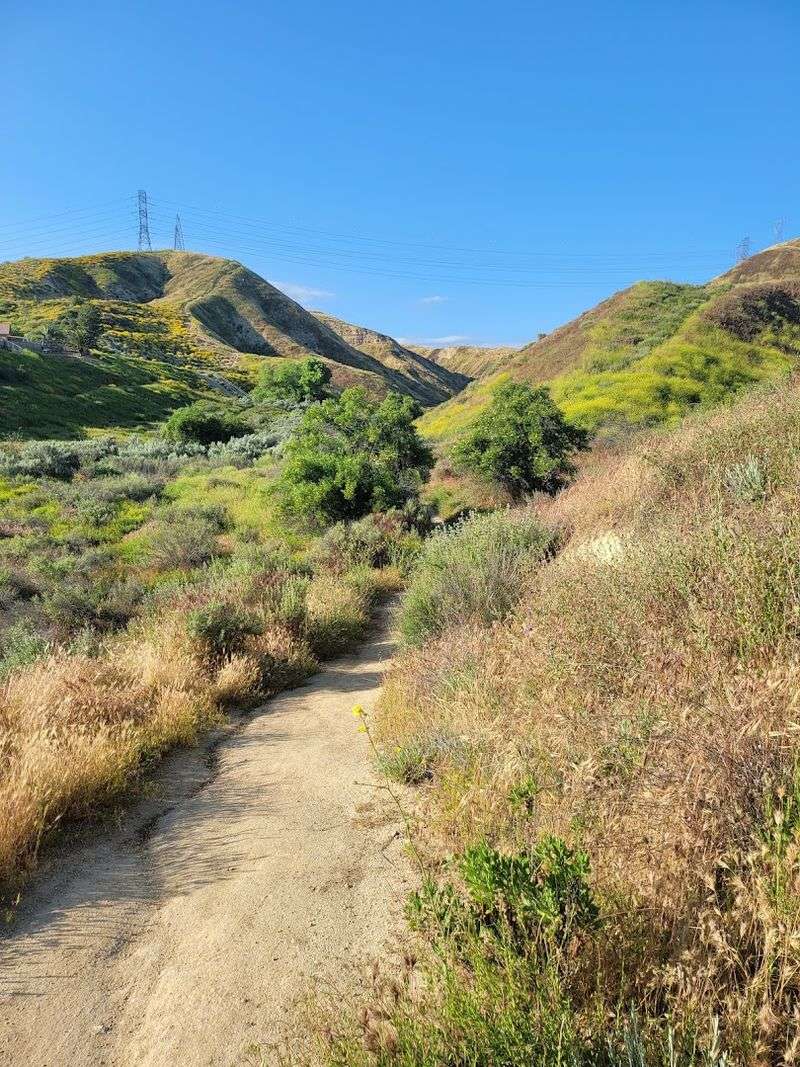
The natural terrain of Southern California’s inland hills, with its mix of rocky outcroppings, sandy washes, and dense chaparral, provides a setting that feels genuinely wild even when a parking lot is just a short ride away.
That balance between accessibility and natural character is difficult to manufacture.
7. Designed And Built By Avid Trails
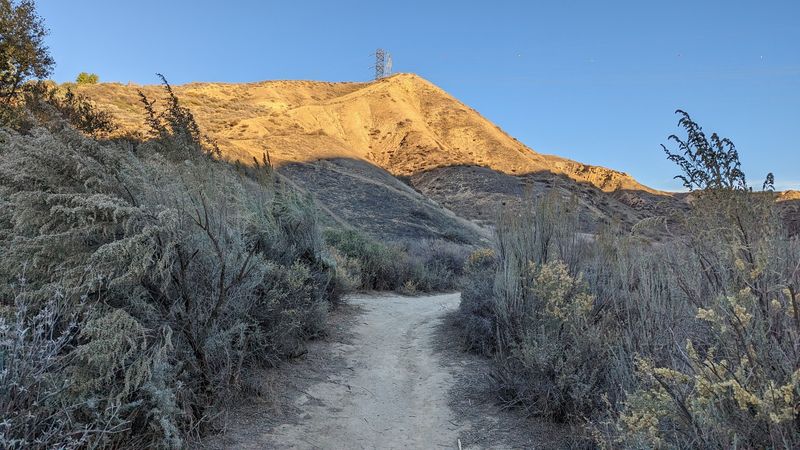
Behind every well-built trail system is a team that understands both the land and the rider.
For Haskell Canyon Bike Park, the city of Santa Clarita partnered with Avid Trails, a design and construction firm specializing in mountain bike trail development.
The collaboration was intended to ensure that the park’s features would meet the expectations of modern riders while integrating respectfully with the surrounding open space.
Avid Trails brings experience from projects across North America, and their approach typically emphasizes sustainable trail building techniques that minimize erosion and long-term maintenance costs.
Good trail design is not just about making riding fun.
It also involves understanding how water moves across a slope, how soil compacts under wheel traffic, and how natural features can be incorporated rather than bulldozed.
Riders who have experienced poorly designed trails know the difference immediately.
Awkward transitions, blind corners with bad sightlines, and features that drain poorly after rain all detract from the experience.
Working with a specialized firm like Avid Trails suggests that Santa Clarita approached the Haskell Canyon project with a level of professional seriousness that should translate into a high-quality finished product for the California mountain biking community.
8. Free Access For All Riders Year-Round
One of the most rider-friendly aspects of the Haskell Canyon Bike Park plan is the expectation that access will be free and available year-round.
Paid admission models at bike parks can create financial barriers that keep newer or younger riders from developing their skills consistently.
A free public facility removes that barrier entirely and opens the sport to a much wider cross-section of the community.
Year-round access is equally significant in Southern California, where the mild climate allows outdoor recreation to continue through most of the calendar year.
Unlike mountain regions where snow or ice can close trails for months at a time, Santa Clarita’s climate tends to stay dry and rideable across all seasons.
Summer heat can be a factor, and early morning rides during warmer months may be more comfortable than midday outings.
Free access combined with proximity to Los Angeles positions Haskell Canyon as a democratizing force in mountain biking.
The sport has sometimes carried a reputation for being expensive and gear-intensive, but a no-cost public facility with beginner-friendly features could help shift that perception.
Families, students, and casual riders who might hesitate to pay daily fees at private parks could find Haskell Canyon a genuinely welcoming starting point in California.
9. Community Support From Local Riding Groups
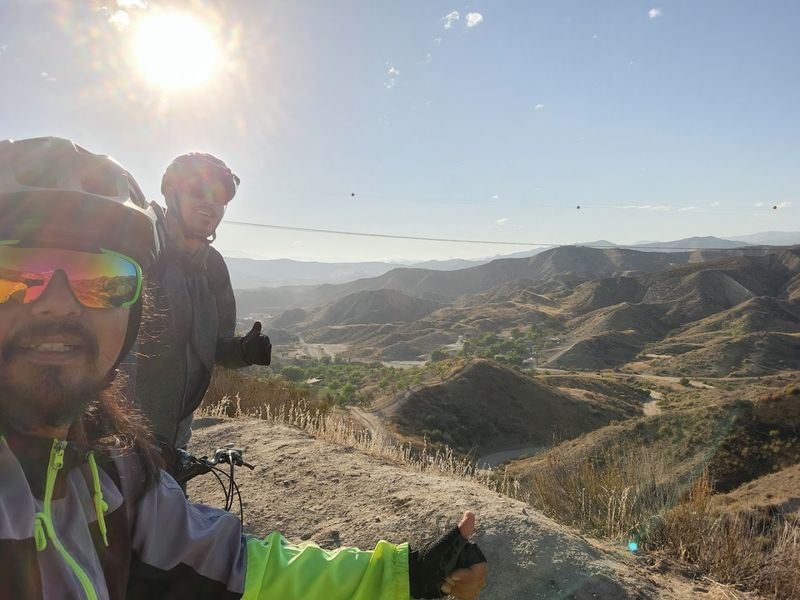
Local mountain biking groups have played an important role in the story of Haskell Canyon Bike Park, and their enthusiasm has been vocal throughout the planning and construction phases.
Crankn’Stein, a Santa Clarita-based riding club, has been among the most publicly supportive voices, viewing the park as a long-awaited hub for the regional biking community.
Grassroots support of this kind often reflects a genuine need rather than manufactured excitement. Riding clubs tend to be deeply familiar with the gaps in local trail access.
When a group like Crankn’Stein expresses enthusiasm for a new facility, it usually means the project addresses real shortcomings in what the area currently offers.
Santa Clarita already has some trail access through existing open space networks, but a dedicated bike park with structured features and maintained surfaces is a different kind of resource entirely.
Community support also tends to translate into responsible use. Riders who feel invested in a park are more likely to follow posted rules, report trail damage, and participate in volunteer maintenance days.
The relationship between local clubs and park management can be one of the most valuable assets a public facility has.
That kind of community stewardship could help Haskell Canyon maintain its quality over time in California.
10. Economic Impact And Santa Clarita’s Biking Ambitions
Beyond the riding experience itself, Haskell Canyon Bike Park carries real economic implications for Santa Clarita.
Destination bike parks attract visitors who spend money on food, lodging, gear, and local services.
A facility that draws riders from across the greater Los Angeles area on a regular basis could generate meaningful revenue for nearby businesses over time.
Santa Clarita has made no secret of its ambition to become a leading mountain biking destination in Southern California.
The Haskell Canyon project is a significant step toward that goal, but it also raises the profile of the city’s existing trail network and outdoor recreation offerings.
A rising tide of biking tourism tends to benefit the broader local economy rather than just the park itself. The long-term vision appears to extend beyond a single park.
Reports suggest that the success of Haskell Canyon could pave the way for additional biking infrastructure in the region, further building Santa Clarita’s reputation as a go-to destination for two-wheeled adventure.
For a city that sits at the northern edge of the Los Angeles metro area, establishing a distinct outdoor recreation identity could be a meaningful differentiator.
Haskell Canyon Bike Park may turn out to be the starting point of something much larger for California mountain biking.