This Enchanting 29-Mile Highway In California Feels Like A Drive Through A Storybook
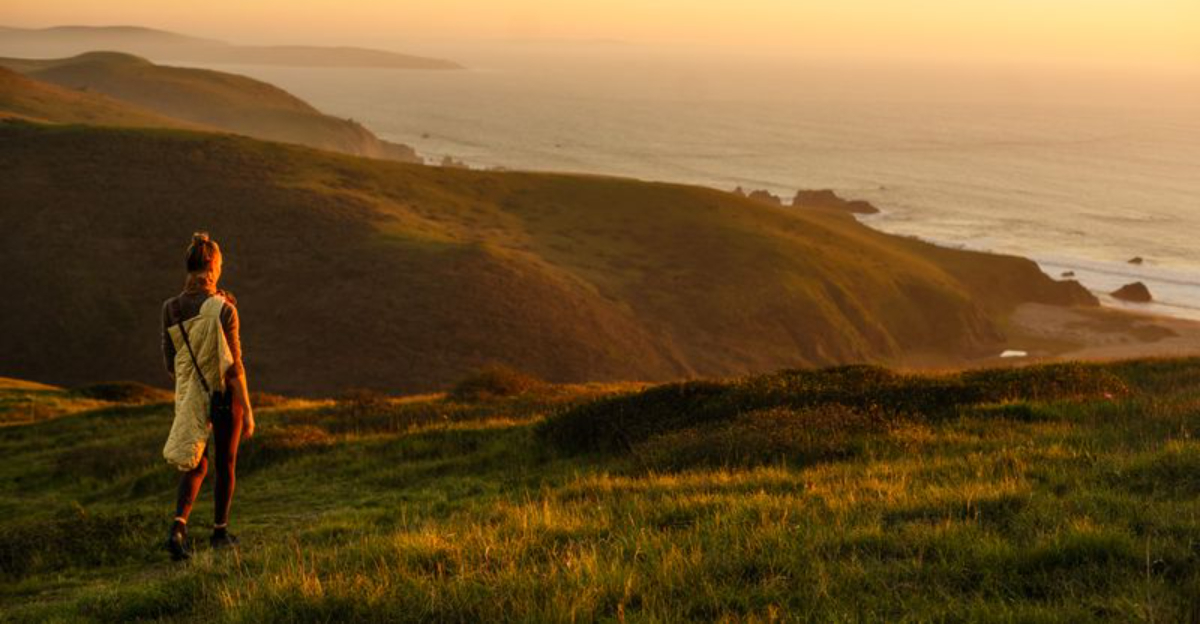
Few coastal routes capture the magic of Northern California quite like the stretch of highway between Bodega Bay and Jenner.
This 29-mile ribbon of asphalt hugs the rugged Sonoma coastline, delivering one stunning vista after another as it curves past windswept beaches, dramatic headlands, and secret coves tucked beneath towering cliffs.
The Pacific Ocean crashes against ancient rock formations while seabirds wheel overhead, creating a scene that feels lifted straight from the pages of a classic adventure tale.
Travelers who take their time along this route discover more than just pretty scenery.
Hidden trails lead to tide pools teeming with life, historic landmarks whisper stories of fishing villages and Hollywood fame, and protected parklands offer quiet spaces to breathe in the salt air and watch for migrating whales.
Every turn reveals something new, whether it’s a weathered bridge spanning a coastal creek or a sandy beach where waves have sculpted the shoreline into natural works of art.
The Sonoma Coast Highway between Bodega Bay and Jenner invites drivers to slow down, pull over often, and experience California’s coastline at its most enchanting.
1. Dramatic Coastal Views That Define The Journey
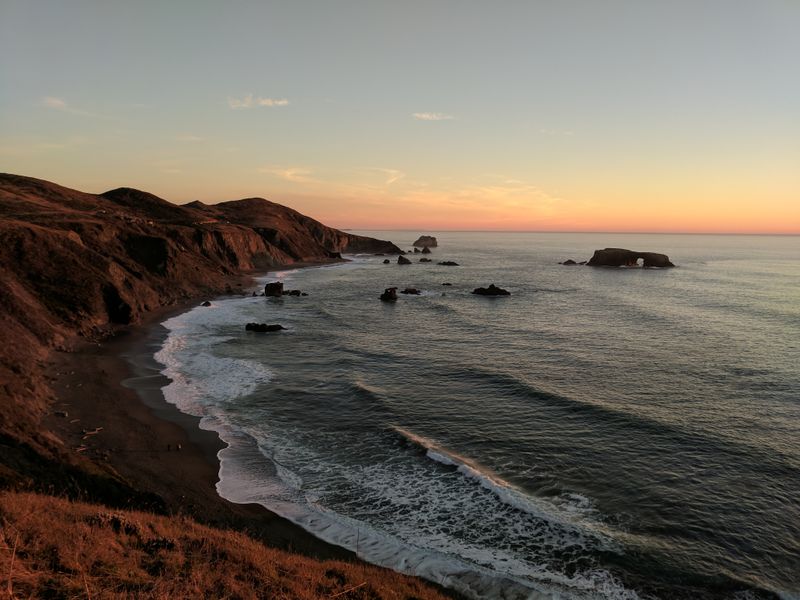
Driving this stretch means encountering ocean views that shift with every curve in the road.
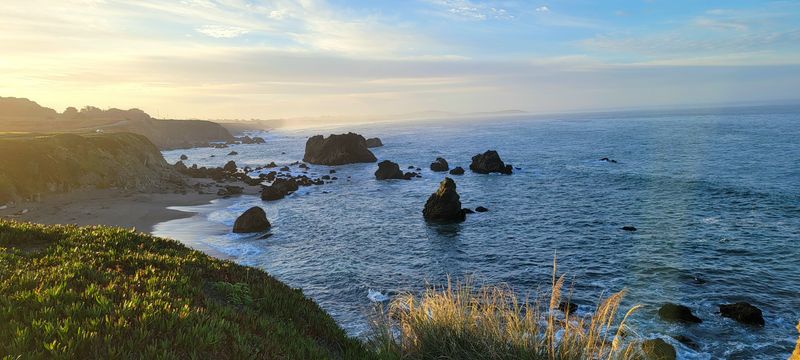
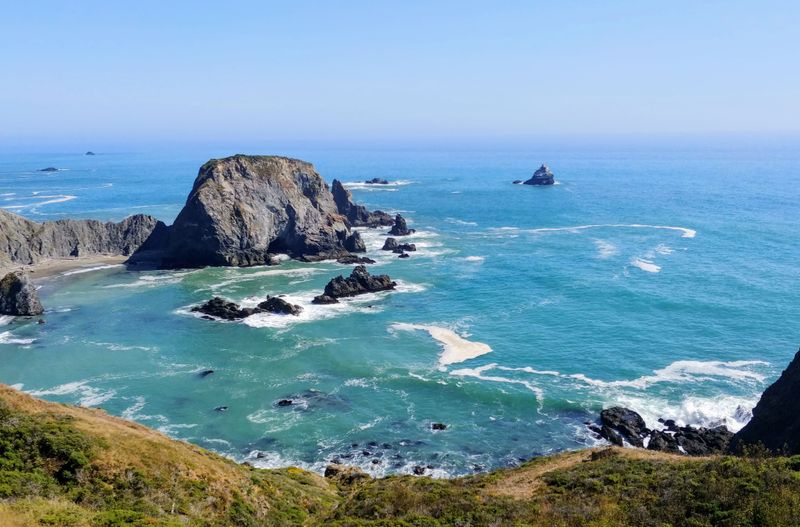
Sheer cliffs drop away to reveal beaches far below, while rocky outcroppings jut into the surf like ancient sentinels guarding the shore.
The highway sits close enough to the water that spray from particularly large waves can mist across the roadway during winter storms.
On calmer days, the Pacific stretches out in shades of blue and green that change as clouds move across the sky.
Pullouts dot the route, giving drivers chances to stop and take in the full scope of the coastline. Some overlooks face south toward Bodega Bay, while others look north toward the mouth of the Russian River.
Morning fog often blankets the coast before burning off by midday, creating an ethereal quality that adds to the storybook atmosphere.
Late afternoon light paints the cliffs in warm tones that photographers particularly appreciate.
The elevation changes along the highway mean some sections offer bird’s-eye perspectives while others bring travelers nearly down to sea level.
Each viewpoint presents a different angle on the same magnificent stretch of California coast that has captivated visitors for generations.
2. Bodega Bay’s Hollywood Connection
Alfred Hitchcock chose this quiet fishing village as the setting for his 1963 thriller that still draws film buffs decades later.
The schoolhouse where Tippi Hedren’s character waited while crows gathered on the playground equipment still stands, though it now serves private purposes rather than welcoming visitors inside.
The town itself maintains much of the character that attracted Hollywood’s attention in the early 1960s.
Working fishing boats still tie up at the docks, and the harbor retains an authentic maritime atmosphere rather than becoming overly touristy.
Several buildings featured in the film remain recognizable to fans who arrive with screenshots saved on their phones.
The community has embraced this piece of cinema history without turning it into a theme park, striking a balance that keeps the town feeling genuine.
Visitors can drive past filming locations and imagine the scenes that unfolded here when Hitchcock’s crew transformed the area into a place of suspense.
The natural beauty that served as backdrop for the film remains largely unchanged, with the same sweeping views and coastal light that cameras captured six decades ago.
The connection to classic Hollywood adds an extra layer of interest to a town already worth visiting for its working waterfront and access to coastal trails.
3. Bodega Head’s Whale Watching Opportunities
This prominent peninsula extends into the Pacific like a natural observation deck built specifically for watching marine life.
Gray whales pass close to shore during their annual migrations, heading south toward Mexico between December and February, then returning north with their calves from March through May.
The headland rises high enough above the water to provide excellent sightlines for spotting the telltale spouts and backs of whales as they surface.
Patient observers often see multiple whales during peak migration periods, and the elevated vantage point makes it easier to track their progress along the coast.
Strong winds frequently sweep across the exposed headland, so bringing layers makes visits more comfortable regardless of how warm the day starts.
The unobstructed views extend for miles in every direction, with the Farallon Islands visible on clear days far to the south.
Trails loop around the headland, offering different perspectives and chances to explore tide pools when the ocean retreats.
Wildflowers bloom across the grassy slopes in spring, adding splashes of color to the already dramatic landscape.
The combination of whale watching potential, sweeping ocean panoramas, and accessible trails makes this headland one of the highlights along the highway.
Timing a visit during migration season increases the chances of memorable wildlife encounters.
4. Sonoma Coast State Park’s Seventeen Miles Of Shoreline
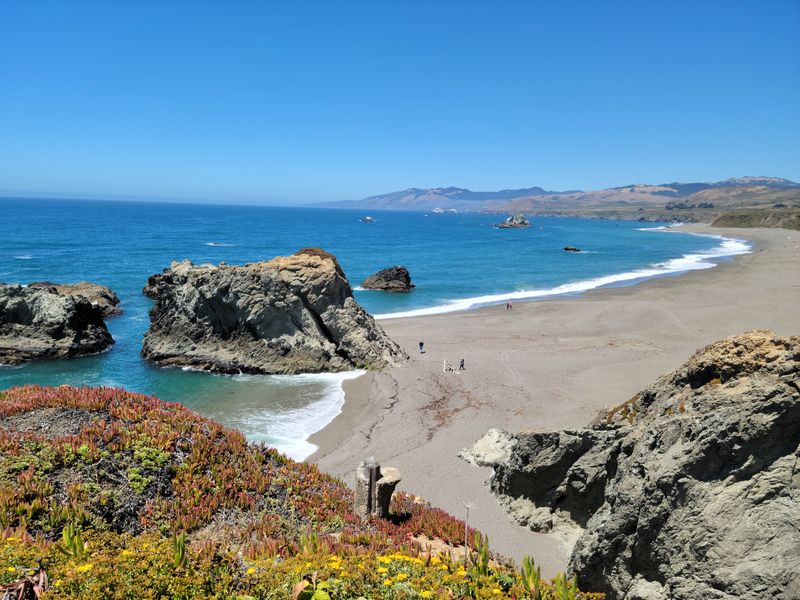
Stretching from Bodega Head nearly to Jenner, this park protects a remarkable variety of coastal landscapes within its boundaries.
Sandy beaches alternate with rocky sections, while natural arches carved by centuries of wave action create photogenic formations that seem designed by an imaginative artist.
Multiple access points along the highway lead to different sections of the park, each with its own character.
Some beaches spread wide and flat, perfect for long walks when the tide retreats, while others nestle in small coves surrounded by dramatic rock walls.
The park sees fewer crowds than more famous California beaches, partly because the water stays quite cold year-round and strong currents make swimming dangerous.
Visitors come for beachcombing, tide pooling, picnicking, and simply enjoying the raw beauty of an undeveloped coastline.
Driftwood accumulates in enormous piles on some beaches, bleached white by sun and salt.
Agates and other semi-precious stones hide among the regular pebbles, rewarding careful searchers who take time to examine what the waves bring in.
Trail connections between different beach access points allow for longer explorations on foot, though checking tide tables before setting out prevents getting trapped against cliffs when water levels rise.
The park represents coastal California at its most natural and unspoiled.
5. Doran Regional Park’s Family-Friendly Facilities
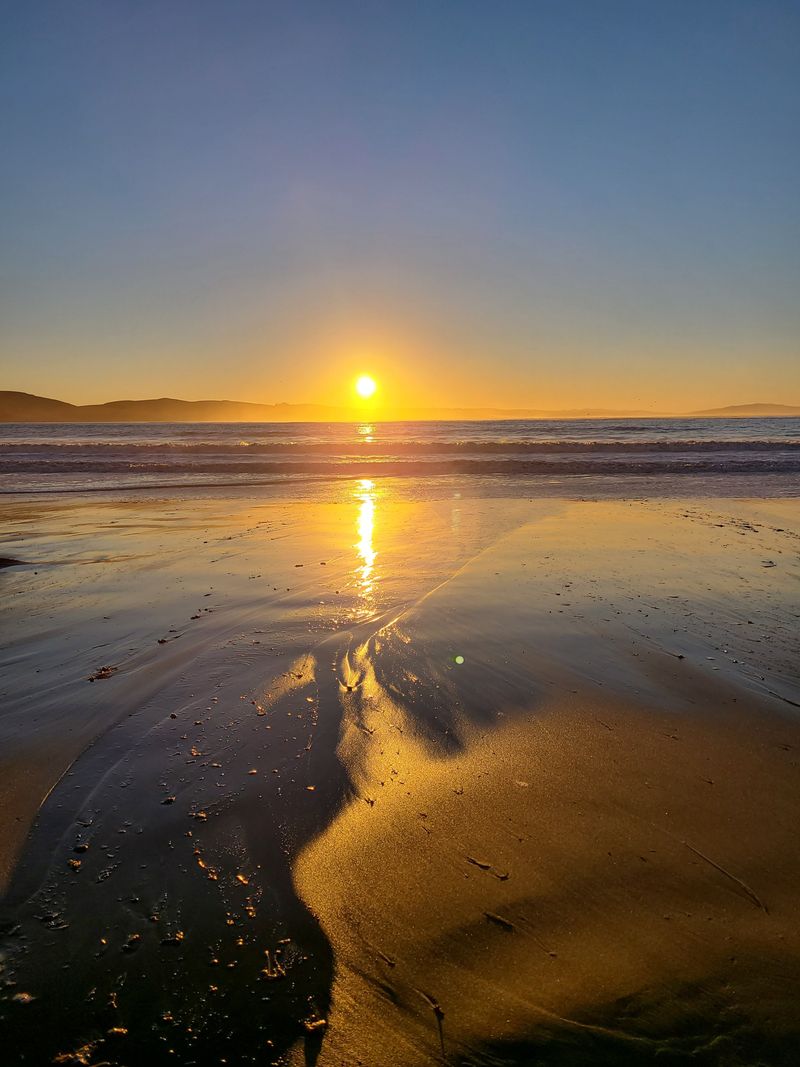
Located on a sandy spit that extends into Bodega Harbor, this 127-acre park offers a gentler beach experience than the wild ocean shores found elsewhere along the highway.
The harbor waters stay calmer than the open Pacific, making this spot more suitable for families with young children.
Year-round camping facilities attract visitors who want to spend multiple days exploring the area without rushing back to distant hotels.
The campground provides basic amenities while keeping guests close to both the beach and the harbor, where fishing boats come and go throughout the day.
A boat launch serves anglers and kayakers looking to get out on the water, while the sandy beach invites castle building and gentle wading.
Picnic areas with tables and grills accommodate groups gathering for outdoor meals with water views.
The protected location means less wind than exposed headlands experience, though fog still rolls in regularly during summer months.
Sunrise views across the harbor toward town create peaceful moments that early risers particularly appreciate.
The park balances recreational facilities with natural beauty, providing infrastructure that makes coastal access easier without overwhelming the landscape.
Reservations for camping fill quickly during peak summer weekends, so planning ahead helps secure spots at this popular park that serves as a comfortable base for exploring the surrounding coastline.
6. Bodega Bay Bike And Pedestrian Trail
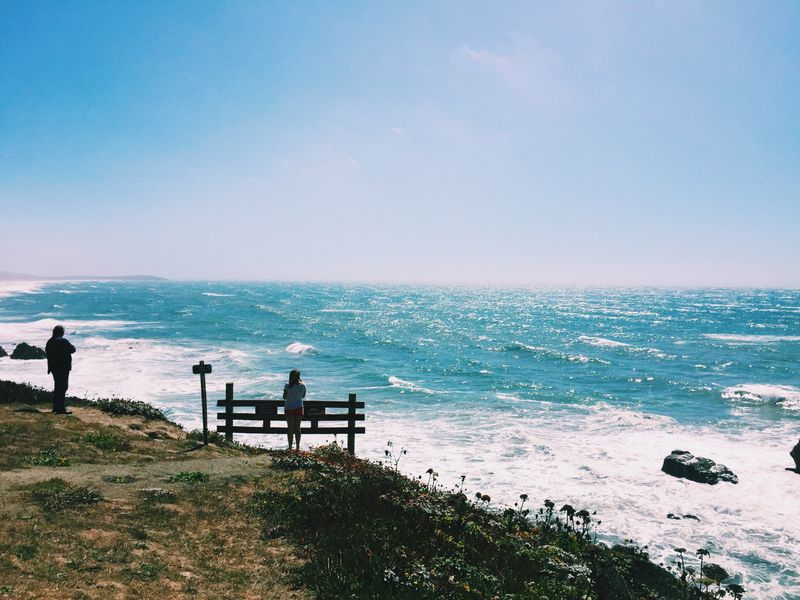
This dedicated pathway creates a safe route for cyclists and walkers along sections of the highway where narrow shoulders and winding curves make sharing the road with vehicles less pleasant.
The trail connects parks, shops, and scenic overlooks while providing separated space for non-motorized travel.
Families with children on bikes appreciate having a protected route that lets them enjoy coastal views without navigating traffic.
The relatively flat terrain makes cycling accessible to riders of varying abilities, though wind can provide resistance depending on direction.
The trail passes through different landscapes, from residential areas to open coastal sections where the full force of ocean breezes reminds users of the wild environment surrounding this developed corridor.
Benches positioned at intervals offer rest spots with views.
Morning walks or rides often coincide with marine layer fog that creates a mysterious atmosphere, muffling sounds and limiting visibility to just a few dozen yards.
As the day warms and fog retreats, the same trail transforms into a sunny path with expansive vistas.
The existence of this trail encourages slower exploration of the area, giving visitors an alternative to driving past everything at highway speeds.
Stopping becomes easier when traveling by bike or foot, allowing for spontaneous detours to investigate interesting spots that might otherwise go unnoticed from a car window.
7. Gleason Beach Highway Realignment Project
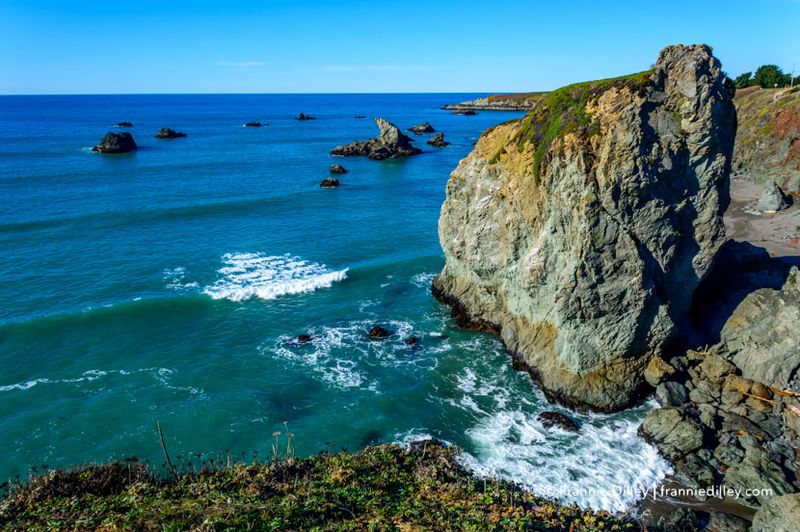
Coastal erosion threatened to undermine the original highway route near Gleason Beach, prompting a major engineering project that moved the roadway inland and built an 850-foot bridge over Scotty Creek.
The $62.5 million investment completed in recent years ensures this vital coastal connection remains passable for decades to come.
The new bridge spans wetlands and creek channels that the old road crossed at grade, improving both highway safety and environmental protection.
Native plants have been established along the realigned sections, helping the new route blend into the surrounding landscape.
Drivers crossing the bridge gain elevated views across the coastal prairie and down to the creek below, perspectives that didn’t exist when the highway hugged the ground.
The engineering required to complete this project in such a sensitive coastal environment showcases the commitment to maintaining access along this scenic route.
The project also addressed drainage issues and improved pullout areas where travelers can stop safely to enjoy views.
Interpretive signs explain the erosion challenges and the solutions implemented to protect both the highway and the natural environment.
This realignment represents just one example of ongoing efforts to maintain California’s coastal highways in the face of rising seas and intensifying storms.
The investment reflects how much this particular stretch of road matters to both local communities and the many visitors who travel it each year.
8. Estero Americano Coast Preserve’s Natural Diversity
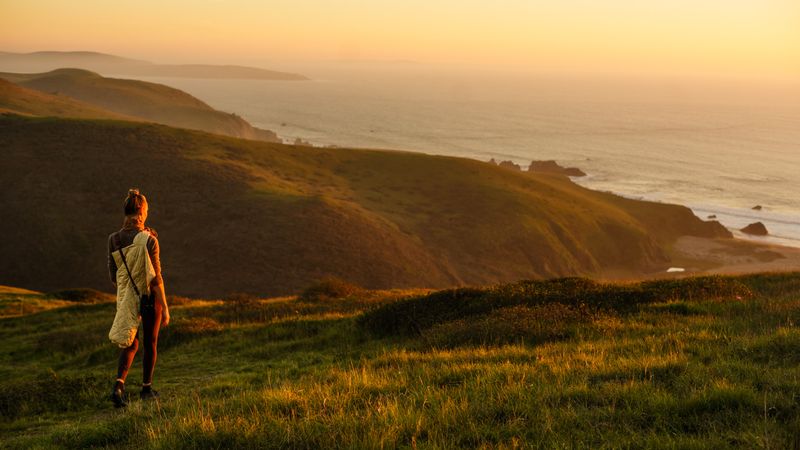
This 547-acre preserve protects a remarkable variety of coastal habitats within a relatively compact area.
Coastal prairie covers the uplands, while tidal marshes and mudflats spread across the lowlands where Estero Americano creek meets the ocean.
Hiking trails wind through the preserve, offering chances to observe shorebirds, raptors, and the many smaller creatures that thrive in these protected wetlands.
Spring wildflowers transform the prairie sections into colorful displays that contrast beautifully with the blue water visible in the distance.
Kayak access allows paddlers to explore the estuary from water level, gliding past mudflats where herons stalk through the shallows and harbor seals haul out to rest.
The tidal nature of the estuary means timing matters, as low tides can leave channels too shallow for comfortable paddling.
Picnic areas provide spots to relax and watch the constant activity of a healthy coastal ecosystem.
The preserve sees lighter visitation than nearby beaches, offering a quieter experience for those willing to explore beyond the most obvious stops.
The diversity of habitats within this single preserve illustrates the ecological richness of the Sonoma Coast.
Visiting here adds a different dimension to the coastal highway experience, shifting focus from dramatic ocean views to the intricate web of life that thrives where fresh and salt water meet.
9. Goat Rock Beach And The Russian River Mouth
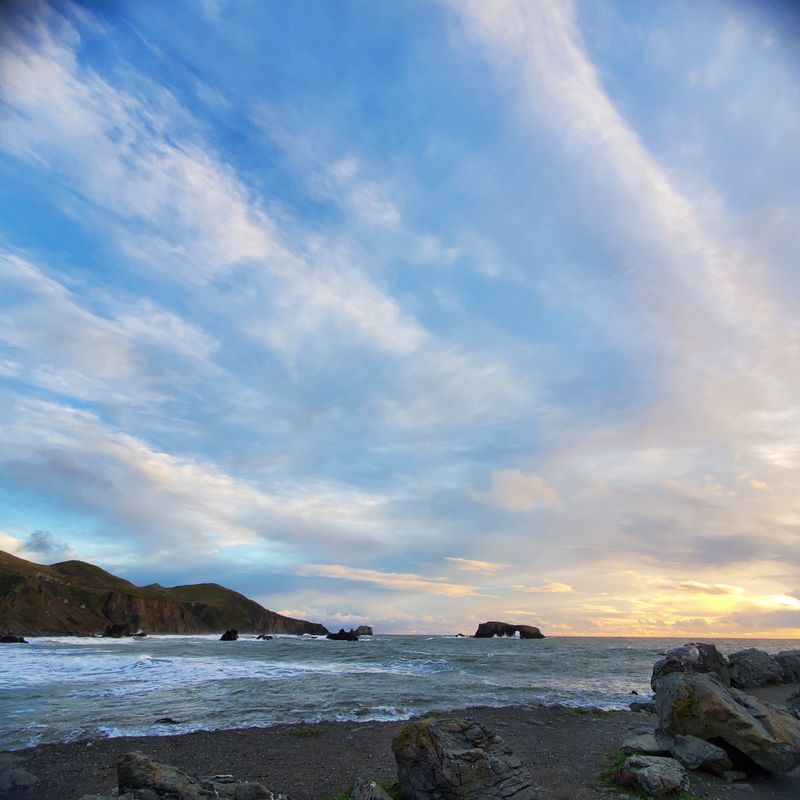
Where the Russian River finally reaches the Pacific after its long journey from inland mountains, a dynamic beach landscape constantly reshapes itself according to the competing forces of river current and ocean waves.
The beach takes its name from a prominent offshore rock that supposedly resembles a goat, though interpretations of this vary among visitors.
Massive driftwood logs accumulate on the sand, carried downstream by winter floods and then rearranged by summer waves.
These enormous pieces of wood create natural sculptures and provide windbreaks for beachgoers seeking shelter from persistent breezes.
Harbor seals use the beach and nearby rocks as haul-out sites, particularly during pupping season when mothers and pups rest between feeding sessions.
Viewing guidelines ask visitors to keep their distance and never approach or disturb these protected marine mammals.
The shifting sandbar at the river mouth sometimes blocks the outlet entirely, creating a lagoon behind the beach until winter rains and increased river flow break through again.
This natural cycle affects both the beach landscape and the ecosystems that depend on the mixing of fresh and salt water.
Sunset views from Goat Rock Beach rank among the finest along the entire highway, with the sun sinking into the Pacific while the river mouth creates foreground interest.
The combination of river, ocean, unique rock formations, and abundant wildlife makes this beach a fitting final stop on the northbound journey.
10. Historic Fishing Heritage Of Bodega
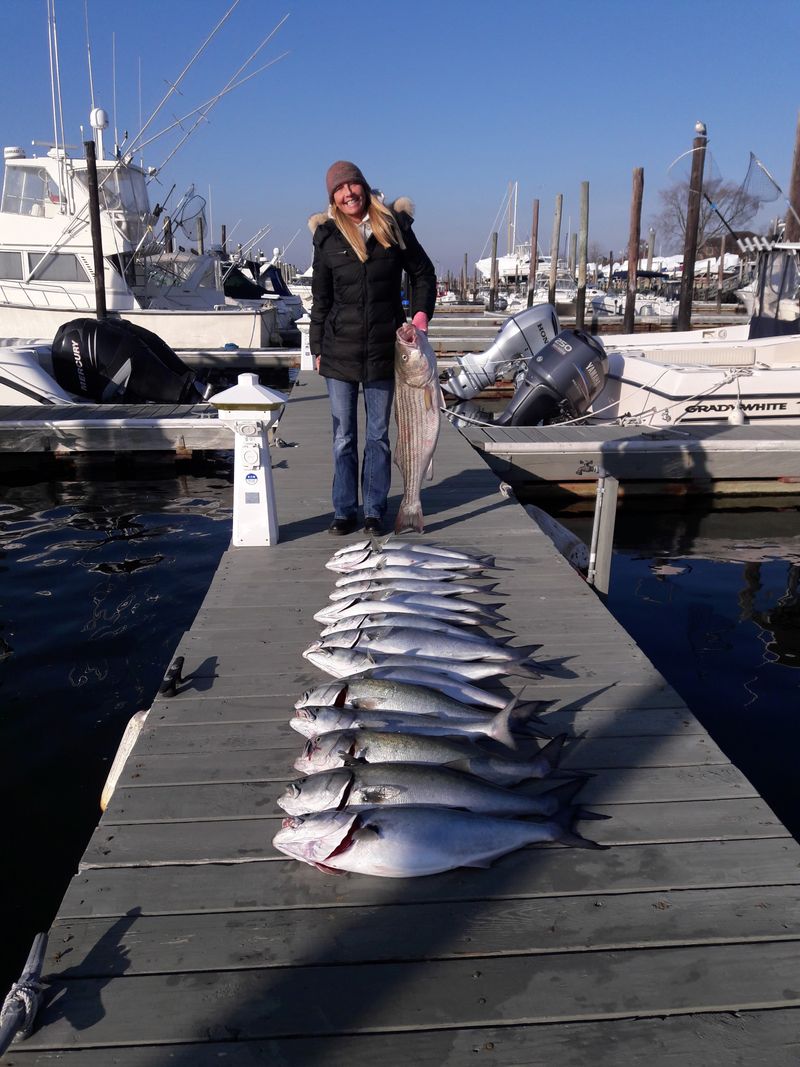
Generations of fishing families have worked these waters, building a maritime tradition that continues today despite changes in the industry.
The harbor still serves as home port for commercial fishing boats that head out to pursue salmon, crab, and other species depending on the season.
Walking the docks reveals a working waterfront where nets need mending, engines require maintenance, and the daily rhythms follow the tides and the fish rather than any clock.
The smell of salt water and diesel fuel mingles with the cries of gulls hoping for scraps.
Fresh seafood markets near the harbor sell the day’s catch, offering visitors chances to purchase fish and crab that were swimming in the Pacific just hours earlier.
The quality and freshness exceed what most inland markets can provide, making these purchases memorable parts of a coastal visit.
Charter fishing operations also work from the harbor, taking recreational anglers out beyond the bay to deeper waters where larger fish swim.
These trips continue a tradition of fishing that extends back long before the highway brought tourists to the area.
The fishing heritage adds authenticity to Bodega Bay that purely recreational coastal towns sometimes lack.
Seeing working boats alongside pleasure craft reminds visitors that this coastline supports livelihoods and communities, not just vacation experiences, maintaining connections to maritime traditions that shaped California’s coastal culture.