12 Epic Day Trips To Explore In North California
Northern California is full of the kind of places that can make one ordinary day feel much bigger than it has any right to.
A good day trip does not have to be far or complicated to leave a mark. Sometimes all it takes is a beautiful road, a town with real character, or a view that changes the mood before you even get out of the car.
That is the charm of exploring this part of the state. The scenery shifts fast, the atmosphere never stays quite the same, and each destination brings its own little jolt of surprise.
Some days call for coast, others for mountains, history, or a stretch of quiet that feels like a reset.
These Northern California day trips deliver that satisfying sense of getting away without making it feel like a major production.
1. Muir Woods National Monument
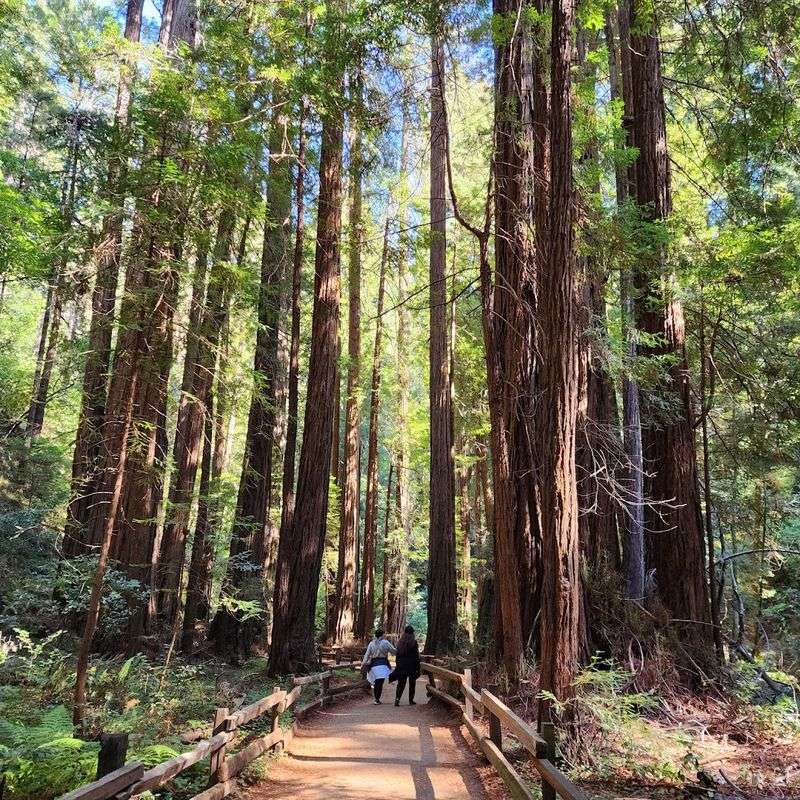
Walking among coast redwoods that have stood for hundreds of years has a way of putting everything else into perspective.
Muir Woods National Monument sits just north of San Francisco in Mill Valley, and the towering trees create a cathedral-like atmosphere that feels completely removed from city life.
The trail system is well-maintained and accessible, making it manageable for most fitness levels.
Because the monument is so close to San Francisco, it draws significant crowds, especially on weekends.
Parking and shuttle reservations are required and must be made in advance through the official National Park Service website. Arriving early on a weekday tends to offer a quieter and more relaxed experience among the trees.
The main loop trail follows Redwood Creek through the heart of the old-growth grove and takes roughly an hour at a comfortable pace.
Longer connecting trails extend into the surrounding hills for those wanting more elevation and broader views.
Wearing layers is a smart call since the forest floor stays cool and shaded even on warm days.
2. Point Lobos State Natural Reserve
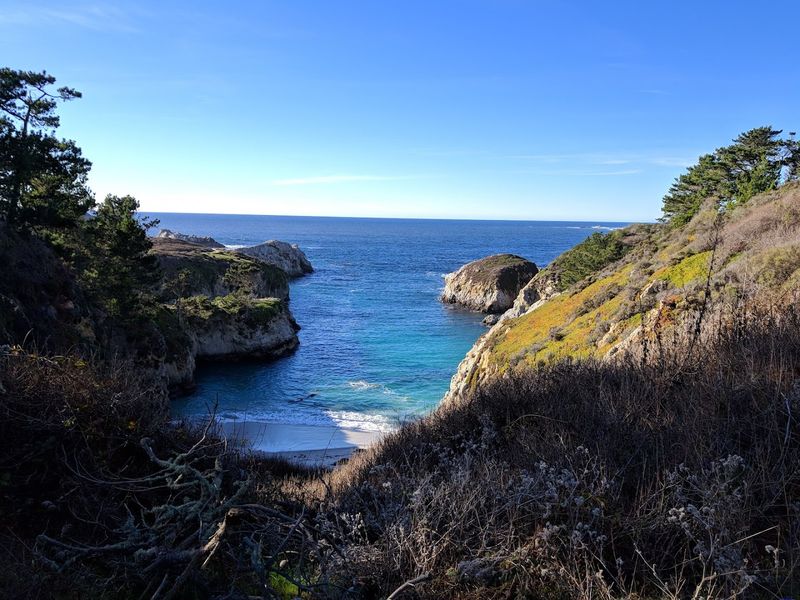
Some coastal spots feel like they were designed to slow a person down, and Point Lobos is exactly that kind of place.
Located about 3 miles south of Carmel-by-the-Sea along Highway 1, the reserve is classified as a State Natural Reserve by California State Parks.
The combination of clifftop trails, hidden coves, and sea lion colonies makes it one of the most visually striking stretches of coastline in the state.
Tide pools here are active and diverse, and the water takes on a vivid blue-green color that shifts with the light throughout the day.
The reserve can fill up quickly on weekends since parking is limited and entry is controlled to protect the habitat.
Arriving before mid-morning on a weekend gives a better chance of securing a spot without a long wait.
Trails range from short flat walks along the bluffs to longer loops that take in multiple coves and overlooks.
Sea otters are sometimes visible floating offshore, and harbor seals occasionally rest on the rocks near the water. Bringing binoculars and a light jacket adds a lot to the experience here.
3. McArthur-Burney Falls Memorial State Park
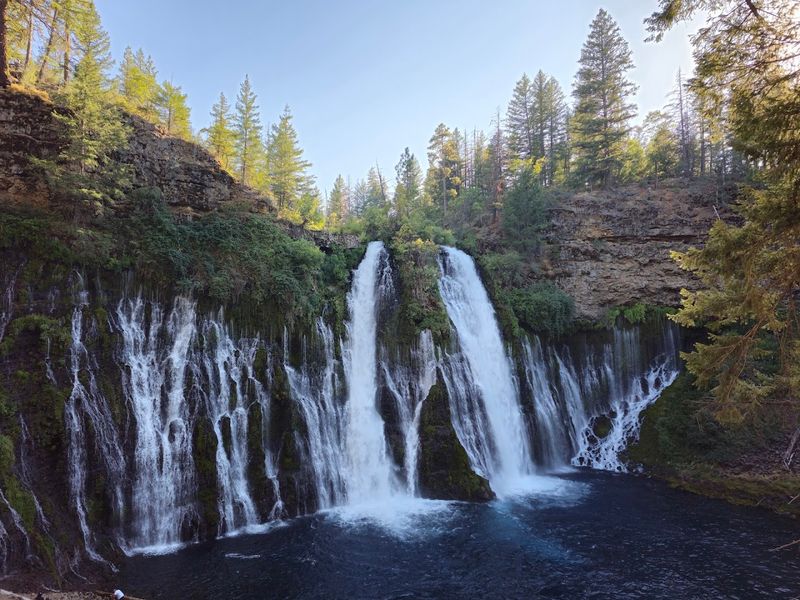
Burney Falls earns its reputation quickly. The main waterfall drops 129 feet while springs seep directly from the basalt cliff face on either side, creating a wide curtain of water that looks almost surreal up close.
McArthur-Burney Falls Memorial State Park is located near Burney in the northeastern part of the state, roughly an hour’s drive from Redding.
The park sits at 24898 CA-89, Burney, CA 96013, and the trailhead to the falls is a short walk from the parking area.
A loop trail descends to the base of the falls and continues along the creek before looping back up, covering about 1.3 miles in total. The mist near the base keeps the air noticeably cool even during summer.
Beyond the main waterfall, the park offers access to the Pacific Crest Trail for those wanting a longer hike into the surrounding forest.
Camping is available on-site for visitors who want to extend the trip into a full overnight stay.
The falls run year-round thanks to the underground spring system, which keeps the flow consistent regardless of seasonal rainfall.
4. Lassen Volcanic National Park
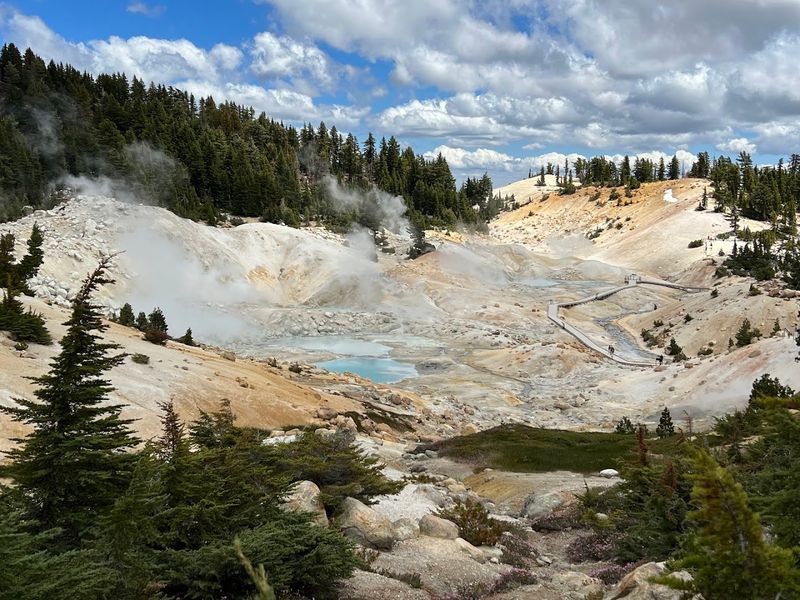
Not many places let a visitor stand next to a boiling mudpot, stare up at a volcanic peak, and then cool off beside an alpine lake all in the same afternoon.
Lassen Volcanic National Park offers exactly that kind of range, and the variety makes it one of the more genuinely unique day trips in Northern California.
The park is located near Mineral along Highway 36 East and covers a wide swath of volcanic terrain.
The Lassen Volcanic National Park Highway is the main artery through the park and provides access to most of the key stops including Sulphur Works, Bumpass Hell, and the Devastated Area.
Summer and fall are the most accessible seasons since the highway is typically closed by snow in winter and early spring.
Field programs and ranger-led activities run seasonally for those who want more structured exploration.
Stargazing here can be exceptional on clear nights due to minimal light pollution in the surrounding area.
Hiking options range from short interpretive walks around hydrothermal features to longer summit trails for experienced hikers.
5. Avenue of the Giants and Humboldt Redwoods State Park
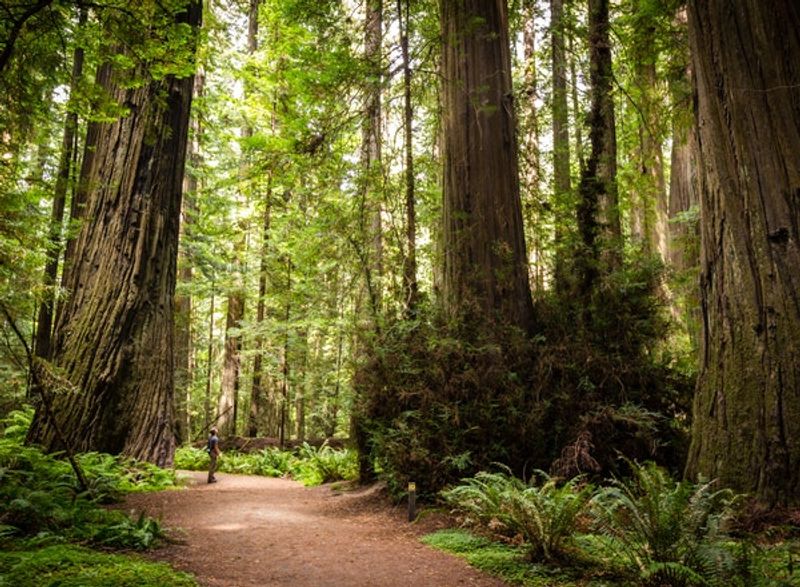
A slow drive through the Avenue of the Giants feels like traveling through a different version of the world.
The 32-mile route winds beneath old-growth redwoods so tall and dense that the road feels almost enclosed, with light filtering through the canopy in long shifting beams.
Humboldt Redwoods State Park, which borders the drive, is home to the largest remaining old-growth redwood forest on Earth according to California State Parks.
Roadside pullouts allow for easy stops at named groves like the Founders Tree and Rockefeller Forest, where some of the tallest trees in the park stand.
Short trails branch off from many of these pullouts and lead deeper into the quiet of the forest. The pace of the day tends to set itself naturally here since the scale of the trees encourages lingering rather than rushing.
The town of Weott sits near the middle of the route and provides a central reference point for the drive. Visitor centers along the way offer maps and information about the park’s ecology and history.
Fall colors from the surrounding deciduous trees add another visual layer to the experience during October and November.
6. Emerald Bay State Park
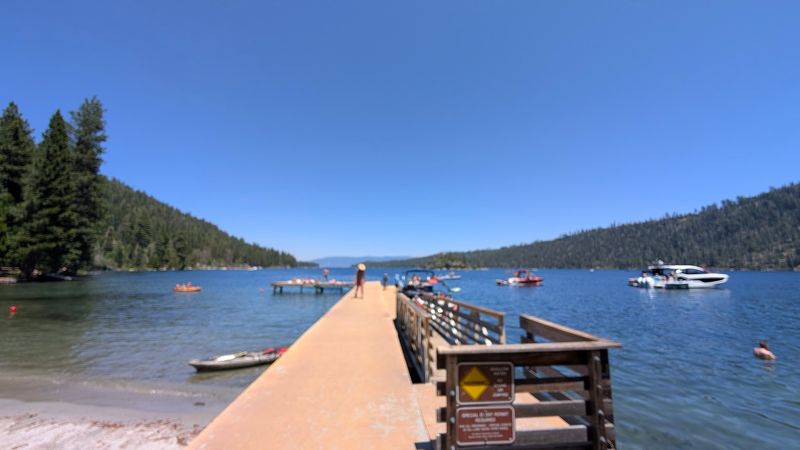
Few views in Northern California stop people in their tracks quite like the first glimpse of Emerald Bay from the roadside overlook.
The water shifts between shades of blue and green depending on the time of day and the angle of the light, set against a backdrop of granite peaks and pine-covered slopes.
Emerald Bay State Park is located 12 miles north of South Lake Tahoe according to California State Parks.
Vehicles cannot drive down to the water’s edge, but well-marked hiking trails descend from the road to the shoreline and to Vikingsholm, a historic stone mansion built in the late 1920s.
The trail down is steep in places and takes roughly 20 to 30 minutes each way. Eagle Falls sits just north of the bay entrance and adds a worthwhile waterfall stop to the same visit.
Summer weekends draw large crowds to the overlook pullout and trailhead, so earlier arrivals tend to mean easier parking and a more relaxed pace.
Winter access can be limited depending on snowfall and road conditions. The bay is generally considered one of the most photographed spots in the entire Lake Tahoe region for good reason.
7. Armstrong Redwoods State Natural Reserve
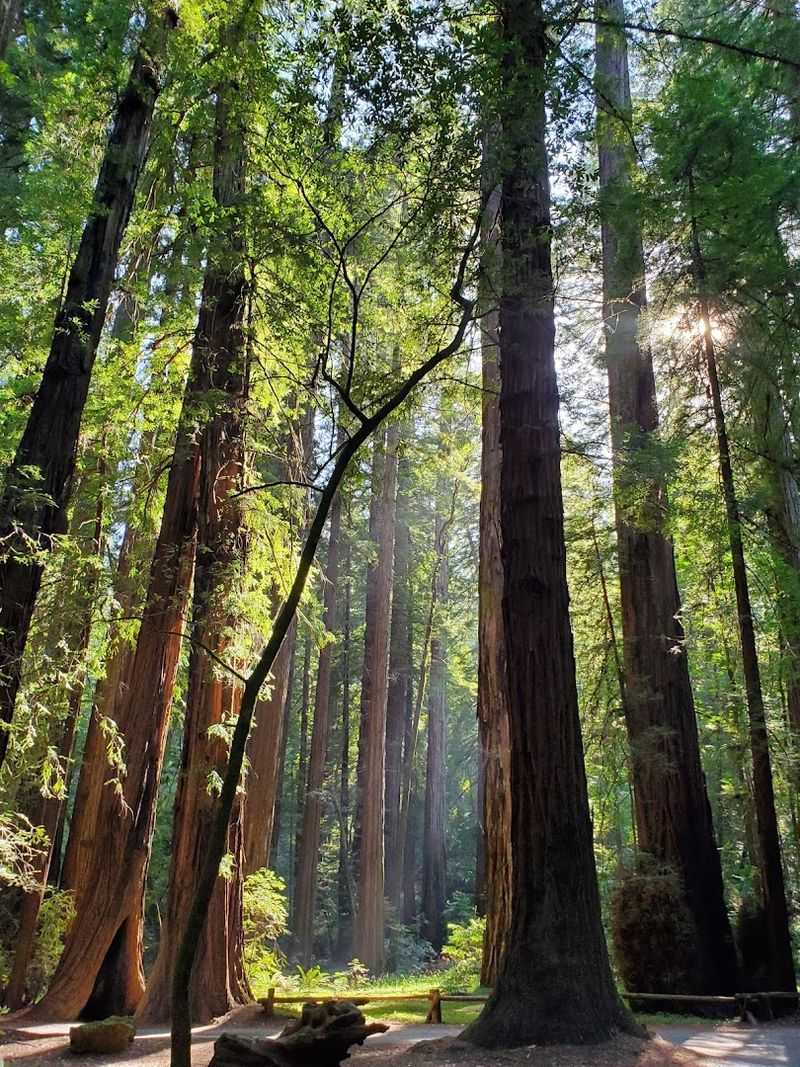
There is something particularly calming about Armstrong Redwoods that sets it apart from the larger and more visited redwood parks further north.
The grove is compact enough to explore at a relaxed pace while still delivering the full sensory experience of walking among ancient coast redwoods.
California State Parks notes that the reserve protects trees that once covered much of the surrounding area before 19th-century logging dramatically reduced the old-growth stands.
The reserve is located at 17000 Armstrong Woods Rd, Guerneville, CA 95446, within easy reach of the Sonoma Coast and the Russian River area.
The main trail through the grove is mostly flat and shaded, making it a good option for visitors who prefer a gentler walk.
Benches along the path invite longer pauses beneath trees that have been growing for more than a thousand years.
Pairing the reserve with a stop in Guerneville adds a nice contrast to the day, shifting from old-growth forest to a casual small-town atmosphere along the river.
The reserve also connects to longer backcountry trails in Austin Creek State Recreation Area for those wanting more elevation and fewer people.
8. Yosemite Valley
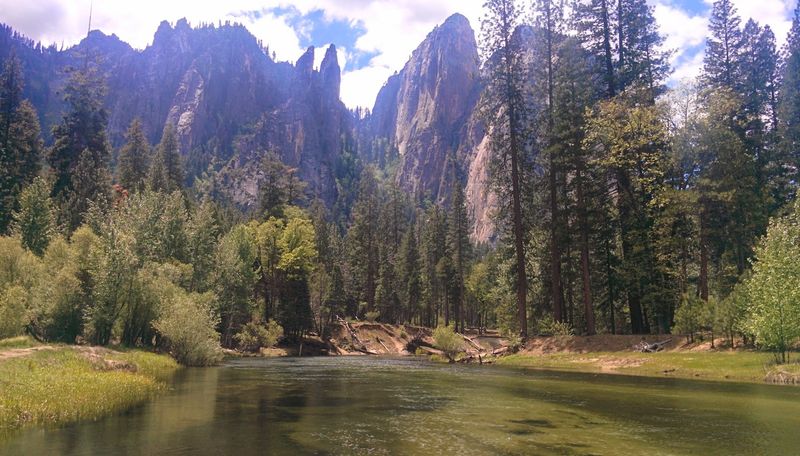
The scale of Yosemite Valley is something that photographs genuinely cannot prepare a visitor for.
Granite walls rise thousands of feet on either side of the valley floor while waterfalls drop in long white ribbons from the cliffs above.
As a day trip from parts of Northern California, the drive can be long, but the payoff justifies an early start.
Yosemite National Park has announced it will not require timed vehicle reservations in 2026, though the National Park Service continues to encourage early planning because weekends and holidays remain consistently busy.
Valley-floor trails like the Mirror Lake Loop and the walk to the base of Lower Yosemite Fall are accessible and rewarding without requiring significant fitness or gear. Shuttle buses within the valley reduce the need to move the car between stops.
Spring brings peak waterfall volume from snowmelt, making it one of the more dramatic seasons to visit. Fall offers fewer crowds and warm afternoon light on the granite faces.
Carrying snacks and water from home saves both money and time compared to relying entirely on in-park services during a tight day-trip schedule.
9. Carmel-by-the-Sea
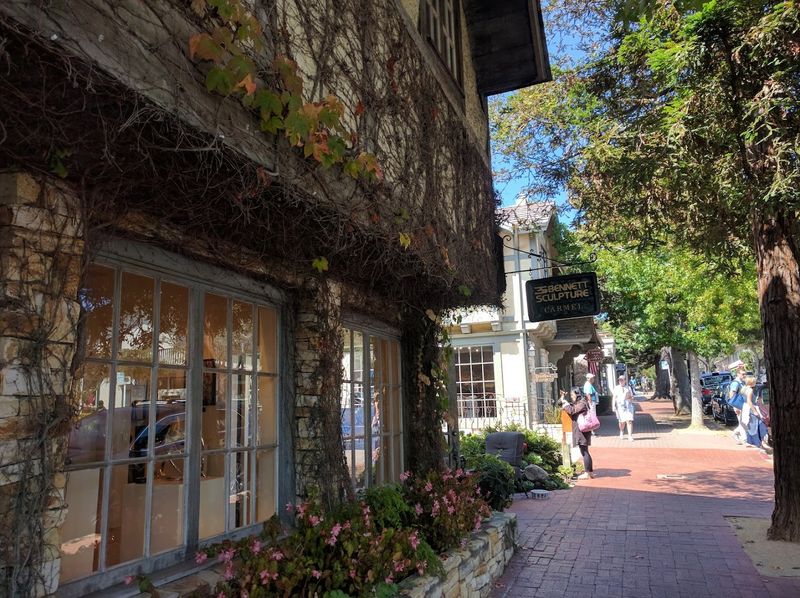
Carmel-by-the-Sea moves at a pace that makes it easy to forget there is anywhere else to be.
The town’s cottage-style architecture, flower-draped courtyards, and gallery-filled streets create an atmosphere that feels unhurried and genuinely pleasant to wander through.
White sand at Carmel Beach sits at the end of Ocean Avenue and adds a natural anchor to the day.
The walkable town center covers a small enough area that most visitors can see the main streets without needing to move the car more than once.
Bakeries, bookshops, and small restaurants are scattered throughout and offer plenty of options for a casual midday break.
Boutique galleries display everything from coastal photography to sculpture, making it easy to browse without any pressure to buy.
Pairing the town with a visit to Point Lobos State Natural Reserve just a few miles south along Highway 1 gives the day a strong mix of built and natural scenery.
The combination works well because the drive between the two is short and the contrast between village streets and coastal cliffs is satisfying.
10. Bodega Bay and Sonoma Coast State Park
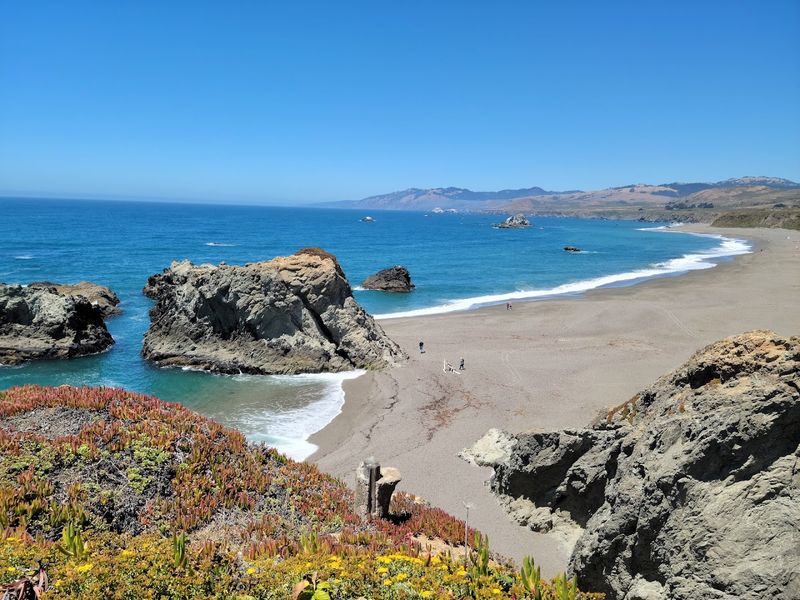
Salt air, harbor views, and dramatic Highway 1 pullouts make Bodega Bay one of the most satisfying coastal day trips within a few hours of the Bay Area.
The small harbor town has a working fishing fleet, which gives it a lived-in quality that feels different from more polished coastal destinations. Seafood is a natural choice here given the proximity to the boats that supply it.
Sonoma Coast State Park stretches along the coastline north and south of town and includes a series of beaches and bluff-top viewpoints accessible from roadside pullouts.
Goat Rock Beach at the mouth of the Russian River is one of the more distinctive stops within the park, where harbor seals often rest on the sand near the water.
The waves along this stretch of coast can be powerful, so beach walks tend to be more scenic than swimming-friendly.
Bodega Bay also connects naturally to the wider Sonoma Coast drive, which rewards slow travel with frequent stops and changing views.
Fog is common in the mornings and often burns off by midday, revealing clearer skies over the water.
Layering clothing is practical here since coastal temperatures can shift significantly within a single afternoon.
11. Nevada City
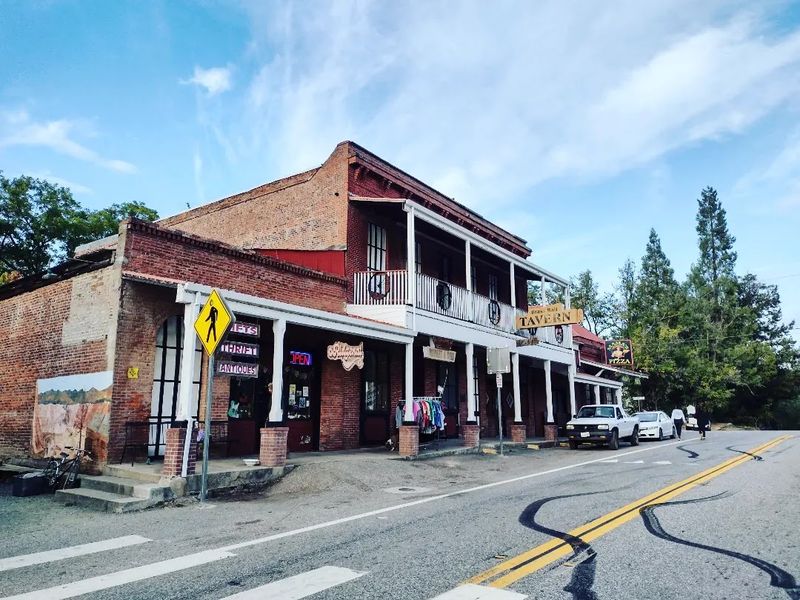
Gold Rush history sits right at the surface in Nevada City, visible in the brick storefronts, Victorian facades, and narrow streets that have stayed largely intact since the 19th century.
The town feels genuinely historic rather than artificially preserved, and walking through the main commercial district gives a real sense of what this part of the Sierra Nevada foothills looked like during its most active era.
Independent shops, cafes, and small restaurants fill the old buildings without overwhelming their character.
The downtown area is compact and walkable, making it easy to spend several hours moving between shops and stopping for a long lunch without covering much ground.
Nearby Deer Creek offers a pleasant natural counterpoint to the town’s built environment, with shaded paths along the water accessible from the edges of downtown.
The surrounding foothill landscape adds a woody, textured backdrop that makes the whole area feel removed from busier parts of the state.
Nevada City tends to draw a creative and independent-minded crowd, and the local business mix reflects that. Bookshops, art galleries, and specialty food spots appear frequently along the main streets.
Fall is a particularly appealing season to visit when the surrounding oak and maple trees shift color against the older buildings.
12. Mendocino Headlands State Park and Mendocino Village
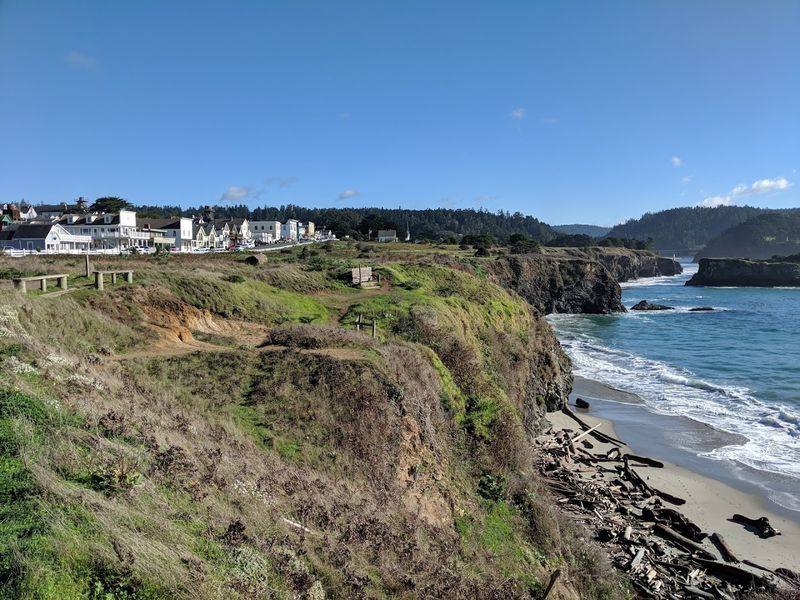
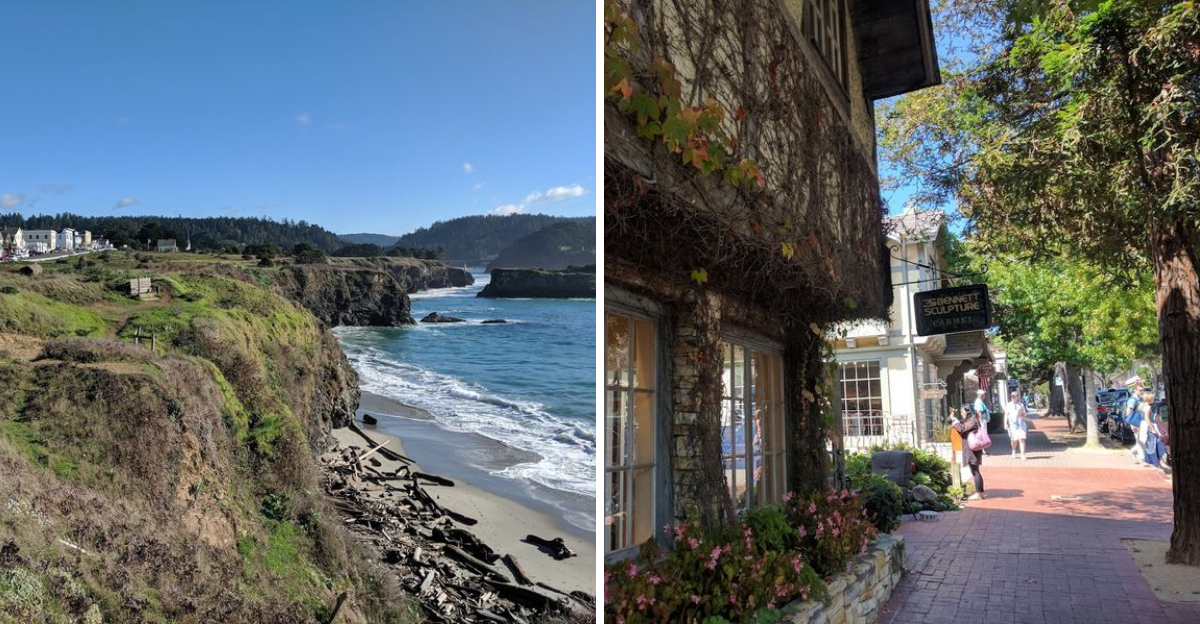
Standing on the bluffs above the Pacific in Mendocino feels cinematic in a way that is hard to explain until a person has actually done it.
The combination of sea caves carved into the rock below, wind-bent cypress trees along the cliff edges, and Victorian-era buildings just a short walk inland creates a setting that feels genuinely unlike anywhere else on the Northern California coast.
The headlands and the village sit close enough together that moving between them requires almost no driving.
Mendocino Headlands State Park wraps around the village on three sides, with trail access beginning near 45160 Albion St, Mendocino, CA 95460.
Cliff-top walking paths follow the perimeter of the headlands and offer continuously changing views of the ocean, rock formations, and the occasional gray whale during migration season.
The trails are mostly flat and well-maintained, making them accessible to a wide range of visitors.
The village itself is small and walkable, filled with galleries, independent shops, and a handful of cafes that work well for a mid-afternoon break.
Architecture throughout the town reflects the late 1800s building style brought by New England settlers, which gives Mendocino a distinctly East Coast appearance in a very West Coast setting.
Morning fog often lifts by mid-morning, revealing dramatic coastal light that makes the whole area feel especially vivid.