This North Carolina Desert Dome Is So Realistic, You’ll Forget You’re Still In The South

There’s a desert in North Carolina. Before you comment on my bad geography, hear me out.
One North Carolina Zoo has created something that shouldn’t technically be possible. It’s so realistic it makes actual deserts look fake.
I was sceptical thinking about how good could a manufactured desert really be? After I saw it, I ended up questioning reality itself. The transition is instant and jarring.
Carolina humidity evaporates. Desert heat surrounds you.
Cacti and succulents stretch in every direction. Your body registers the climate shift before your brain catches up, creating this bizarre moment where you’re genuinely confused about which state you’re standing in.
If you’ve never experienced a biome that completely hijacks all five senses simultaneously, this is your chance. Just prepare for mild existential confusion.
The Desert Dome Experience That Starts Before You Even Walk In

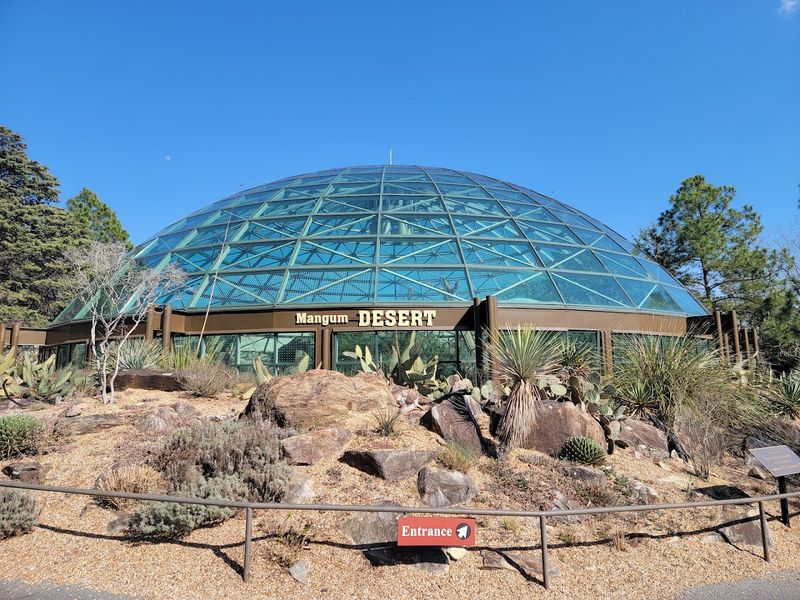
The moment you round the corner toward the Desert Dome at the North Carolina Zoo in Asheboro, something shifts in the air around you.
The landscaping outside is already doing its job, with sun-bleached rocks, sparse shrubs, and sandy pathways that whisper “you are not in the Piedmont anymore.”
I caught myself squinting at the sky as if expecting a hawk to circle overhead.
What makes this entrance so clever is the gradual sensory transition.
The zoo designers clearly understood that you cannot just slap a dome on a hillside and call it immersive. Every detail outside primes your brain for what is coming inside.
The path narrows slightly as you approach, and the temperature noticeably ticks upward. That warmth is not just the North Carolina sun doing its thing.
It is intentional design working on your subconscious before you even reach the door handle.
By the time you step inside, your mind is already halfway convinced you have left the South entirely. Honestly, the build-up alone is worth the trip to 4401 Zoo Pkwy, Asheboro, NC 27205.
Scorching Temperatures Inside That Feel Wildly Out Of Place In NC
The moment I entered it in July felt like opening an oven that had been preheated to “actual Arizona.”
The temperature inside the Desert Dome climbs noticeably higher than the already warm North Carolina air outside. Your body registers the difference in about three seconds flat.
The humidity drops just as fast as the heat rises. If you have spent any time in the South, you know that dry heat is practically a foreign language around here.
That contrast alone makes the experience feel genuinely transportive rather than just theatrical.
The zoo maintains this climate deliberately to support the real plants and animals living inside. These are not props or painted backdrops.
Everything is alive and thriving because the environment actually matches their natural habitat.
I watched a kid tug her dad’s sleeve and say, “Are we still in North Carolina?” That question, asked with complete sincerity, is basically the Desert Dome’s greatest achievement. The staff nearby just smiled, clearly used to hearing it.
That kind of wonder is baked right into the architecture itself.
Real Desert Plants That Look Straight Out Of A Western Film Set
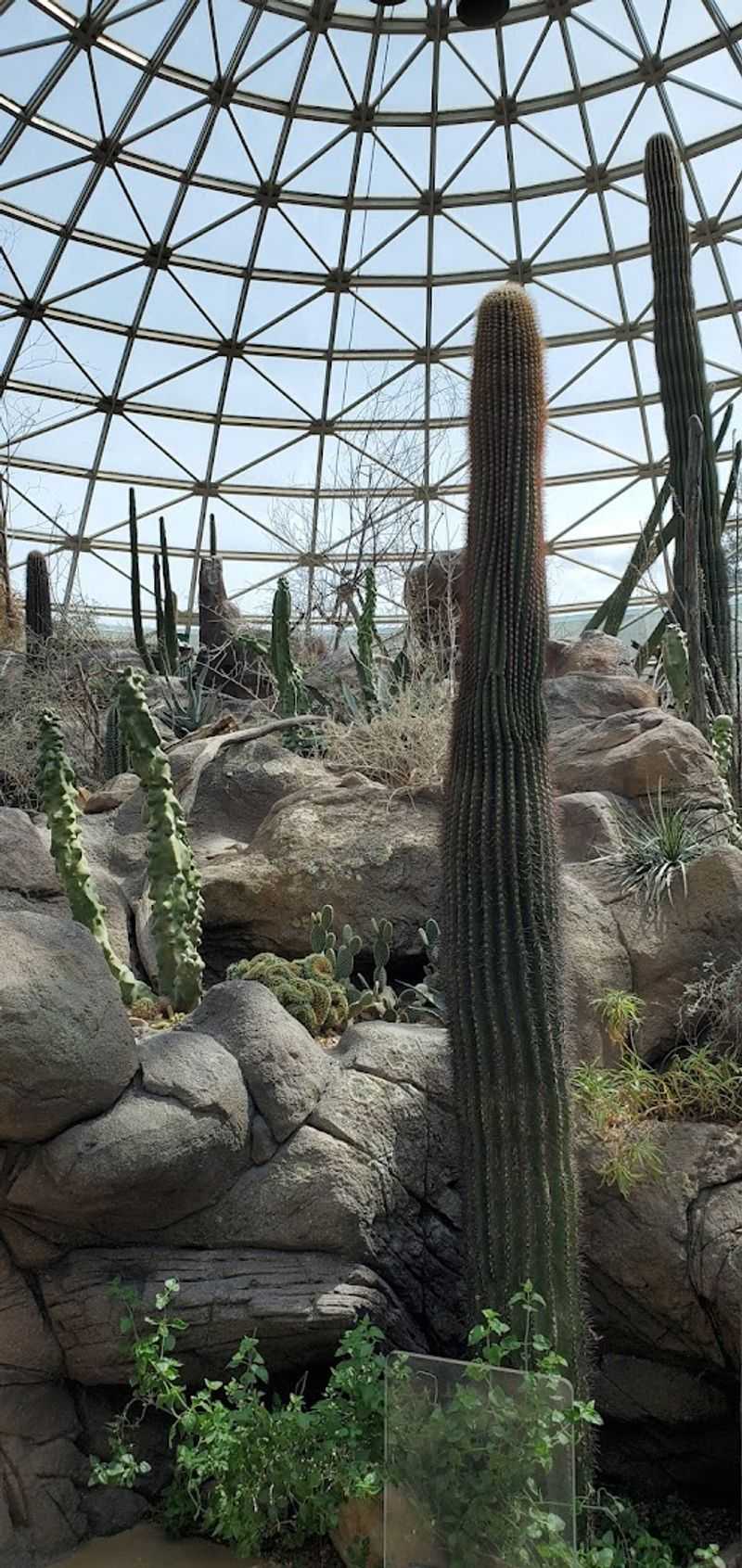
Saguaro cacti standing taller than a grown adult inside a building in North Carolina should feel absurd. Somehow, it just feels right.
The plant collection inside the Desert Dome is genuinely impressive, featuring species that most Carolinians have only ever seen in movies or on a postcard from a cousin who moved to Arizona.
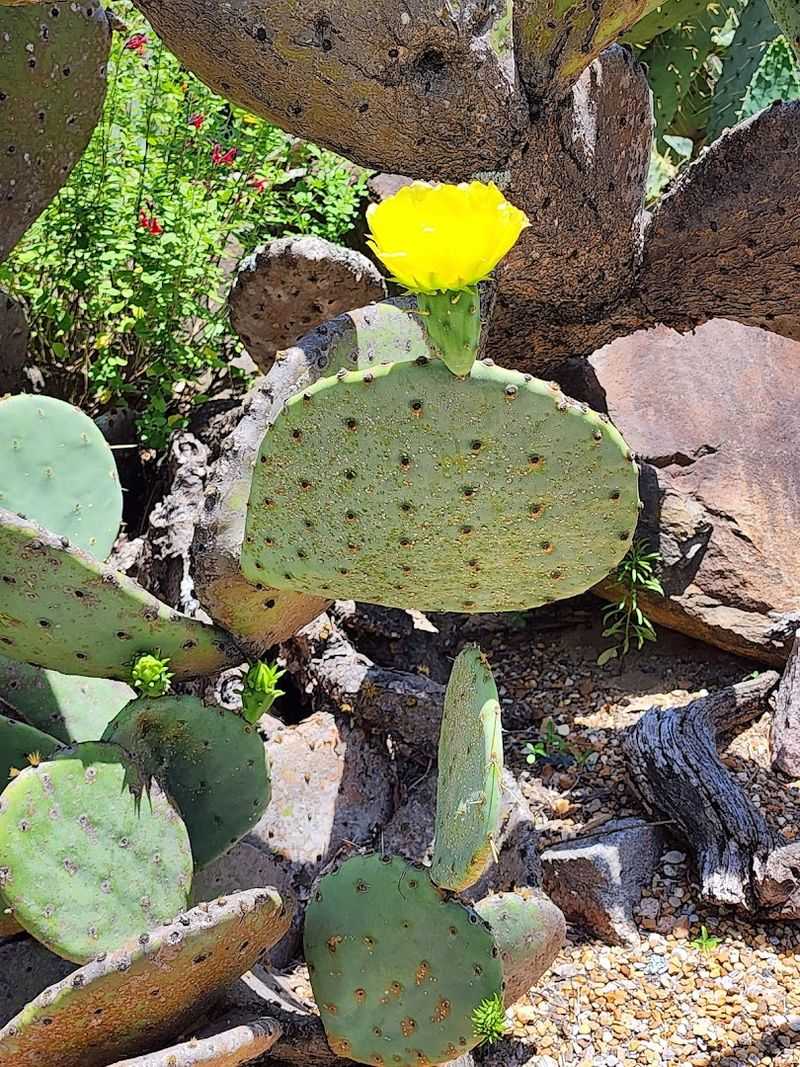
Barrel cacti, prickly pear, ocotillo, and agave grow in arrangements that mimic how they would naturally cluster in the wild. Nothing looks like it was randomly dropped into a pot and shoved under a grow light.
The botanical team clearly spent serious time studying how desert ecosystems actually work.
What surprised me most was how big everything has grown.
These plants have had years to settle in and stretch out, which adds a layer of authenticity that newer exhibits simply cannot fake.
Standing next to a towering saguaro and knowing you are in Asheboro, NC is the kind of cognitive dissonance that makes you laugh out loud.
Fun fact is that some of these cacti can live for over 150 years, meaning the ones you see today may still be here long after all of us have moved on.
Desert Animals Living Their Best Lives Under That Dome

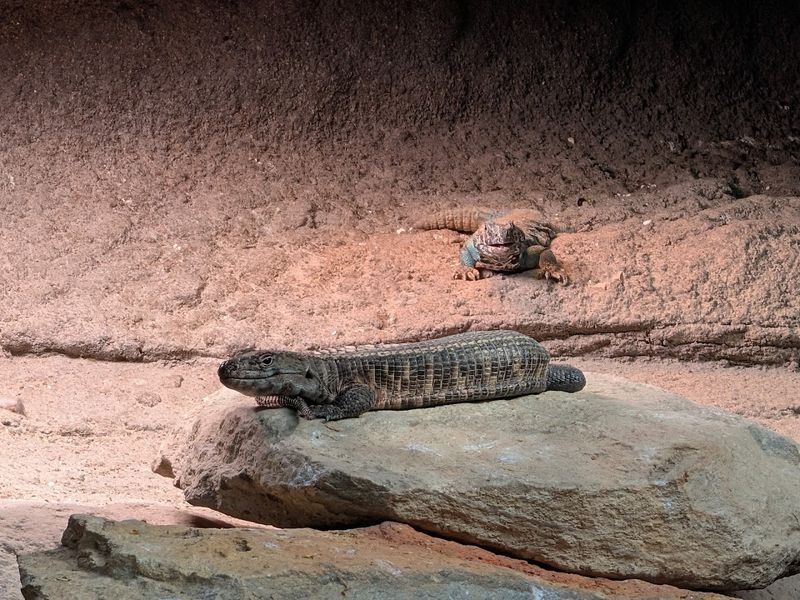
The plants alone would make the Desert Dome worth a visit, but the animals sealed the deal for me. Residents include Gila monsters, desert tortoises, and a rotating cast of reptiles and invertebrates that thrive in this carefully controlled environment.
Seeing a Gila monster up close is genuinely one of those moments that makes you question your life choices about living in a state without them.
What I appreciate most is how natural the animals look in their surroundings. They are not pacing or hiding in corners.
They are doing exactly what desert animals do. That often means sitting very still in a warm patch of light and looking unbothered by the entire universe.
The exhibit gives each species enough space and the right substrate, temperature, and shelter to behave as they would in the wild.
Watching a desert tortoise slowly navigate a rocky outcrop while children pressed their faces to the glass was oddly moving.
These creatures have found a real home inside a dome in the North Carolina Piedmont, and they seem completely fine with that arrangement.
The Lighting Design That Tricks Your Brain Into Believing The Sun Moved

Light is the sneaky secret weapon of the Desert Dome. I did not fully appreciate it until I stopped and actually looked up.
The lighting system mimics the angle and warmth of desert sunlight, casting long golden shadows across the sandy floor in a way that genuinely reads as late afternoon in the Southwest.
There are no harsh fluorescent tubes buzzing overhead. Instead, the light feels directional and warm, the kind that makes everything glow slightly amber and makes you want to find a rock to sit on and watch the sun go down.
It is theatrical without being obvious, which is the highest compliment you can give a zoo exhibit.
The dome structure itself plays a role too, allowing natural light to blend with the artificial setup in a way that shifts subtly throughout the day.
I visited in the early afternoon and the light inside felt completely different from a visit I made closer to closing time. That dynamic quality is what separates a good exhibit from a truly great one.
Someone there clearly cared deeply about getting the light exactly right, and every visitor benefits from that obsession.
Soundscapes That Complete The Illusion You Did Not Know You Needed
Close your eyes for a moment inside the Desert Dome and something remarkable happens. The ambient sound design layers in wind, distant bird calls, and the faint rustle of dry vegetation in a way that your ears immediately accept as real.
I did not even notice it consciously until about ten minutes into my visit, which is exactly how good sound design is supposed to work.
There is no looping pop music or zoo announcement jingle bleeding through the walls. The acoustic environment inside the dome feels genuinely separate from the rest of the park.
That sonic isolation is part of what makes the transportation effect so convincing.
Sound is wildly underrated in zoo exhibit design, and most visitors never consciously register it. But your brain absolutely does, and it uses those audio cues to confirm or contradict what your eyes are seeing.
When the visuals and the soundscape agree with each other this completely, your brain stops questioning and just accepts the reality being offered.
Standing in Asheboro, NC, listening to what sounds like wind sweeping across open desert floor, is one of those quietly extraordinary experiences that the North Carolina Zoo quietly pulls off every single day.
Why Families With Kids Absolutely Cannot Skip This Exhibit
Bring your kids here and watch their faces. That is genuinely all the argument I need to make.
The Desert Dome hits differently for children because they have fewer preconceived notions about what a zoo is supposed to look like, so the immersive environment lands with full force and zero cynicism.
The exhibit is also physically accessible and easy to navigate with strollers or younger children in tow.
The paths wind through the space naturally without any confusing dead ends.
The sightlines are good at multiple heights, meaning even a four-year-old gets a front-row view without being hoisted onto anyone’s shoulders.
Educational signage throughout the dome is written at a level that kids can actually engage with, avoiding the dense scientific jargon that sends young eyes glazing over.
The information is interesting and approachable. It covers everything from how desert animals conserve water to why cacti have spines.
My favorite moment watching families visit was seeing a child explain to their parent why the Gila monster is venomous, clearly having just read the sign with tremendous authority.
That kind of organic learning is exactly what the North Carolina Zoo does better than almost anywhere else in the region.
Planning Your Visit To So You Get The Most Out Of The Dome
The North Carolina Zoo is enormous, covering over 2,600 acres. That makes it one of the largest natural habitat zoos in the world.
Going in without a plan means you might run out of steam before you ever reach the Desert Dome, which would be a genuine tragedy. I recommend heading there early in your visit, before the afternoon heat and tired legs start lobbying for the exit.
Parking is well organized and clearly marked, with the Africa section and America section each having dedicated lots. The Desert Dome sits within the North America region, so follow the signs accordingly once you arrive.
Wear comfortable shoes because the terrain involves some walking on uneven paths and gentle hills.
The zoo is open year-round except for certain holidays, and admission prices are genuinely reasonable for the scale of what you are getting.
Weekday visits tend to be quieter, which means more breathing room inside the dome and better chances of spotting animals in relaxed, natural behavior. Pack water, apply sunscreen before you arrive, and give yourself a full day.
The Desert Dome alone justifies the trip, but the rest of the zoo will make you glad you stayed until closing time.