This Nostalgic Road Trip Will Take You To 17 Beautiful Towns In California In 2026
Great road trips rarely happen on the fastest route. The real magic shows up when the highway slows down and the small towns start appearing.
A turn here. A quiet main street there. Suddenly the trip feels completely different.
These are the kinds of places people usually drive past without noticing. Old storefronts. Hand-painted signs. Cafés where locals still recognize each other. The atmosphere changes the moment you step out of the car.
California is full of small towns that feel like hidden worlds waiting just beyond the highway.
The beauty of this kind of road trip comes from wandering a little. One stop leads to another. A short coffee break turns into an afternoon walk along a creek or a sunset on a quiet bluff.
The towns themselves carry stories that stretch back generations. Some grew during the Gold Rush. Others rose along the coast where fog rolls in slowly over redwood forests and fishing harbors.
That journey might lead through places where historic streets, local shops, and relaxed pacing make it easy to stay longer than planned.
Each stop brings a slightly different version of California. Painted Victorian buildings in one town. Mountain views and river trails in another. A bakery that smells like it has been open for a hundred years.
The miles start to matter less. The towns start to matter more.
Seventeen of them sit along this nostalgic route. Each one feels like a reminder that the most memorable road trips rarely come from rushing the drive. They come from slowing down and letting the towns reveal themselves along the way.
1. Ferndale
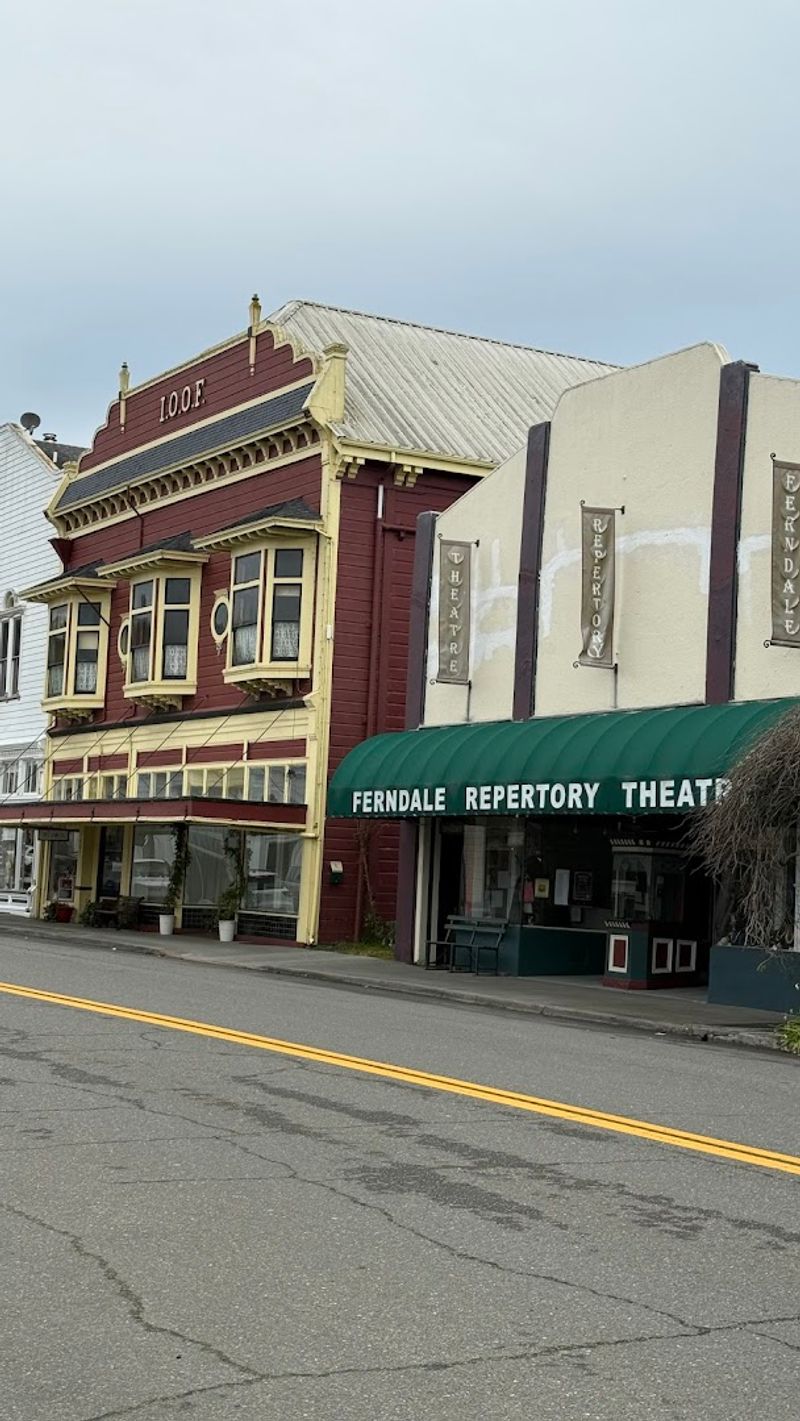
Tucked into the Eel River Valley in Humboldt County, Ferndale feels like a town that time politely agreed to leave alone.
The main street is lined with some of the best-preserved Victorian architecture in California, earning the entire downtown area recognition as a State Historical Landmark.
Storefronts painted in deep greens, warm reds, and soft yellows sit shoulder to shoulder, giving the whole block a lived-in charm that no renovation could fake.
Local shops sell handmade goods, antiques, and artwork, and most are run by people who actually live in the town.
The Kinetic Grand Championship, a quirky annual race of human-powered sculptures through mud and water, starts here each spring and draws visitors from across the state.
Even outside of event season, the streets are calm enough to walk slowly and notice the carved wooden details on buildings that date back to the 1800s.
Ferndale sits about five miles from the coast, making it a natural pairing with a visit to the Lost Coast or Humboldt Bay.
Parking is easy, the pace is unhurried, and the town rewards visitors who take the time to look closely at what has been carefully preserved here over generations.
2. Cayucos
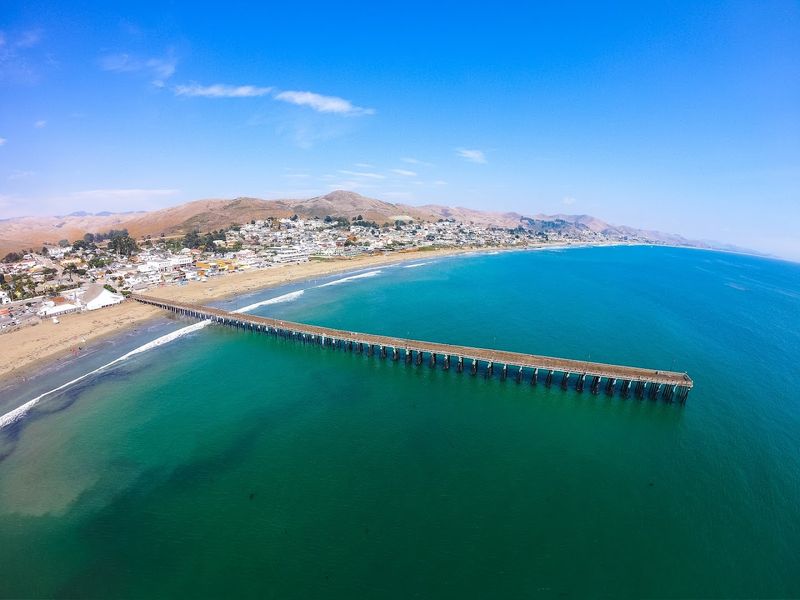
Cayucos sits on the Central Coast between Morro Bay and Cambria, and it carries the kind of unhurried beach town energy that feels increasingly rare.
The old wooden pier stretches out over the Pacific and is one of the oldest on the California coast, originally built in 1875 to serve local ranchers shipping goods by sea.
Walking its length on a quiet morning, with pelicans gliding past and the smell of salt in the air, is one of those simple pleasures that needs no filter.
Ocean Avenue, the main drag, is lined with small shops, a couple of surf spots, and local eateries that have been around long enough to have regulars.
The beach itself is wide and relatively uncrowded compared to larger coastal destinations, which makes it appealing for families and anyone who prefers space over spectacle.
Tide pools near the pier are worth exploring at low tide, and the shallow water close to shore tends to be calmer than other nearby beaches.
Cayucos works well as a half-day stop or an overnight stay, and its small size means everything is walkable from the main parking areas near the pier.
The town has a genuinely local feel that is easy to appreciate.
3. Los Alamos
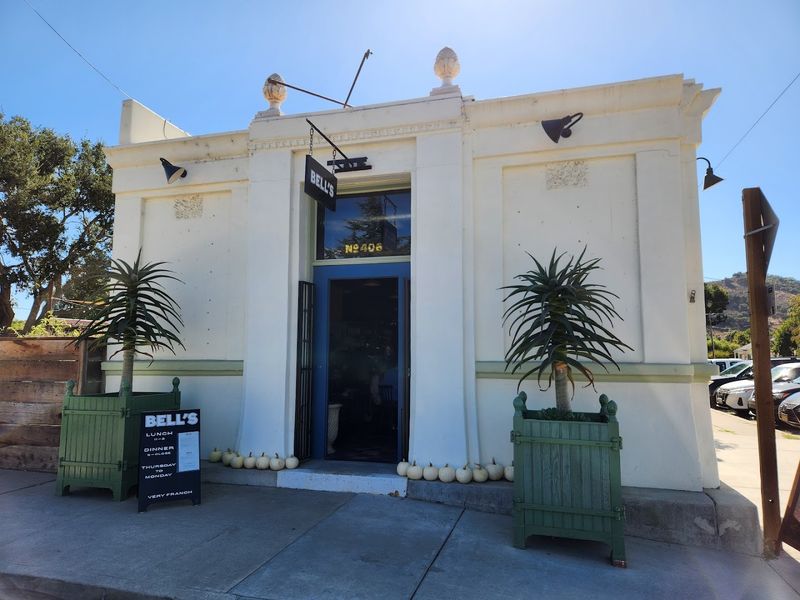
Los Alamos is a blink-and-you-miss-it town along US-101 in Santa Barbara County, but those who stop tend to stay longer than they planned.
The main street has a loose, unhurried Western character, with repurposed old buildings now housing antique shops, small restaurants, and local art spaces.
The town has quietly built a reputation among food and wine enthusiasts, though the atmosphere remains grounded and far from pretentious.
Bell Street Farm is a popular stop for local produce, specialty foods, and pantry goods sourced from nearby farms.
The building at 406 Bell St, Los Alamos, CA 93440 functions as both a market and a gathering spot where locals and travelers tend to cross paths naturally.
The space has a relaxed, barn-like feel with wooden shelves and an emphasis on regional products that reflect the agricultural richness of the Santa Ynez Valley.
Los Alamos rewards slow exploration on foot, since most of what makes it interesting is concentrated within a few short blocks.
Weekdays tend to be quieter than weekends, which can be a better time to browse without crowds.
The town is a solid midpoint stop between Santa Barbara and San Luis Obispo for anyone driving the 101 corridor at a comfortable pace.
4. Sutter Creek
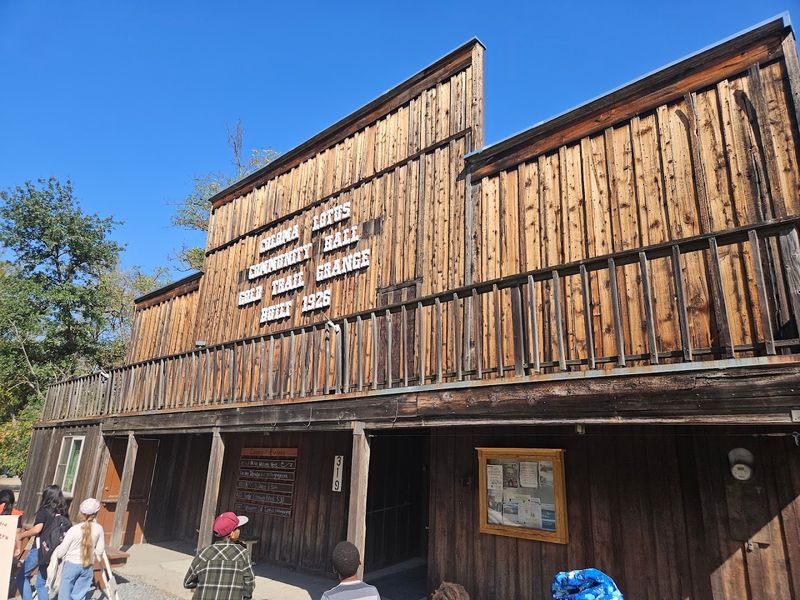
Sutter Creek wears its Gold Rush history with genuine pride rather than theatrical nostalgia.
Located in Amador County along Highway 49, the town sits in the heart of the Mother Lode region, where gold was discovered in the mid-1800s and entire communities sprang up almost overnight.
The historic downtown has held on to much of that era’s architecture, with covered wooden walkways, balconied storefronts, and buildings that have housed everything from saloons to hardware stores over the past century and a half.
Today the main street is lined with antique dealers, art galleries, boutique shops, and small restaurants that lean into the area’s agricultural and culinary identity.
The surrounding Amador County wine region adds another layer of appeal for visitors who want to pair a historic town walk with a visit to nearby family-run vineyards.
The pace here is distinctly slow, and that is very much the point.
Sutter Creek is compact enough to explore on foot in a couple of hours, but the surrounding hills and creeks invite longer stays.
Spring and fall tend to offer the most comfortable weather for walking the streets and exploring the area’s outdoor spaces.
The town has a genuine sense of community that comes through in its locally owned businesses and well-maintained historic buildings.
5. Downieville
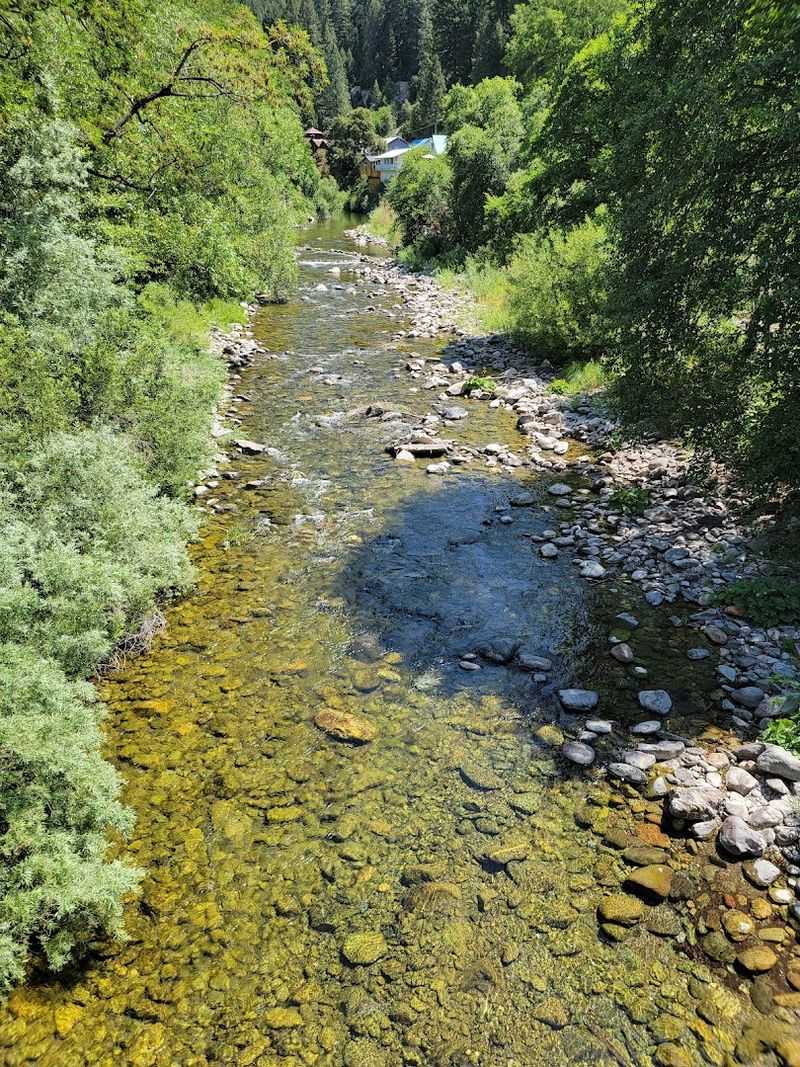
Perched at the confluence of the North Yuba River and Downie River in Sierra County, Downieville is one of the most remote and visually striking small towns in California.
The population hovers around 300 people, making it one of the least populated county seats in the entire state.
Getting there requires navigating a winding mountain road through dense forest, and that sense of arrival makes the destination feel genuinely earned.
The town has a compact historic district with original Gold Rush-era buildings still standing along the main street, including a small museum and a courthouse that dates back to 1928.
Mountain biking has brought a new wave of visitors to Downieville in recent years, with the Downieville Downhill trail considered one of the best singletrack descents in the western United States.
Even for non-cyclists, the surrounding terrain offers excellent hiking and river access throughout the warmer months.
Swimming holes along the Yuba River are popular in summer, and the cool mountain air provides natural relief from valley heat.
Downieville is best visited between late spring and early fall, as the access road can become difficult in winter.
The town’s isolation is part of its appeal, giving visitors a sense of stepping into a quieter and older California.
6. Murphys
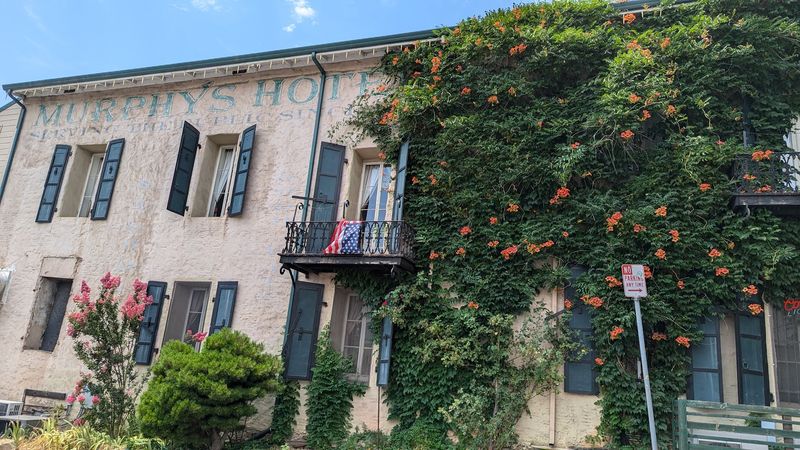
Murphys sits in Calaveras County at about 2,170 feet elevation, giving it a climate that feels noticeably cooler and greener than the surrounding Central Valley.
The town has a well-preserved historic downtown built largely from local limestone, which gives the buildings a distinctive solidity that sets Murphys apart from other Gold Rush towns.
Main Street is walkable and genuinely lively, with local restaurants, tasting rooms for regional wines, and shops that cater to both locals and weekend visitors.
The Murphys Hotel at 457 Main St, Murphys, CA 95247 has been operating since 1856 and has hosted figures including Ulysses S.
Grant and Mark Twain according to historical records.
The building retains much of its original character and remains a functioning hotel and restaurant today.
Staying or dining here connects visitors to a layer of California history that most modern accommodations simply cannot replicate.
Nearby Calaveras Big Trees State Park offers access to giant sequoia groves that are accessible for day hikes without requiring a permit.
Murphys also sits within easy driving distance of several caves open for guided tours, including Mercer Caverns.
The combination of history, natural attractions, and a walkable downtown makes Murphys a strong anchor point for a Gold Country road trip leg.
7. Harmony
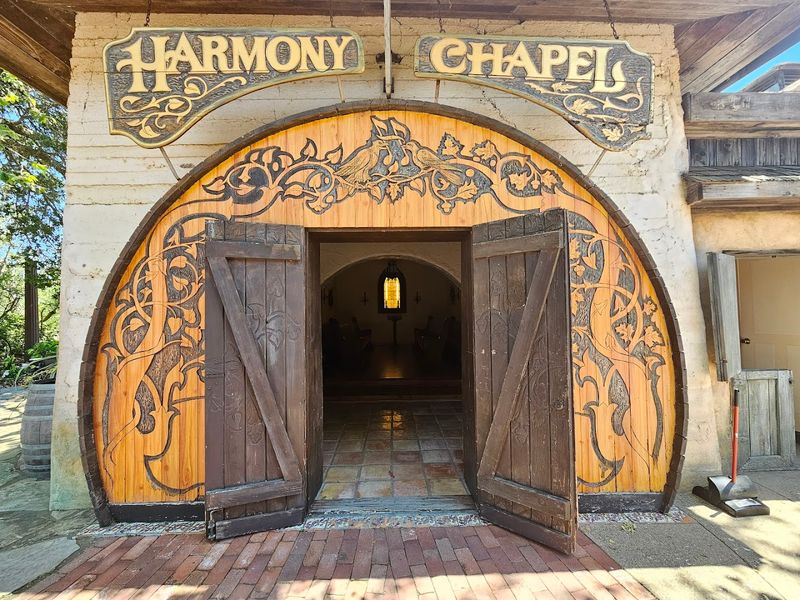
Harmony holds the distinction of being one of the smallest incorporated communities in California, with a population that has historically hovered in the single digits.
The town sits along Highway 1 between Cambria and Cayucos in San Luis Obispo County, and most drivers pass through without realizing they have entered and exited a town in under a minute.
Stopping here feels like finding a hidden footnote in the state’s history.
The old creamery buildings that once served the local dairy industry have been repurposed into small studios and shops, including a glassblowing studio and a pottery workshop where visitors can watch artisans at work.
The grounds have a relaxed, slightly sun-faded character that feels genuinely old rather than artificially rustic.
A small wedding chapel on the property draws couples looking for an intimate and unconventional setting.
Harmony is best treated as a brief but memorable detour rather than a full destination, since its footprint is small enough to explore in about thirty minutes.
The surrounding countryside of rolling golden hills and coastal oak woodland is worth pausing to appreciate on its own terms.
For road trippers moving along Highway 1, Harmony offers a moment of stillness and curiosity that breaks up the drive in a surprisingly satisfying way.
8. Locke
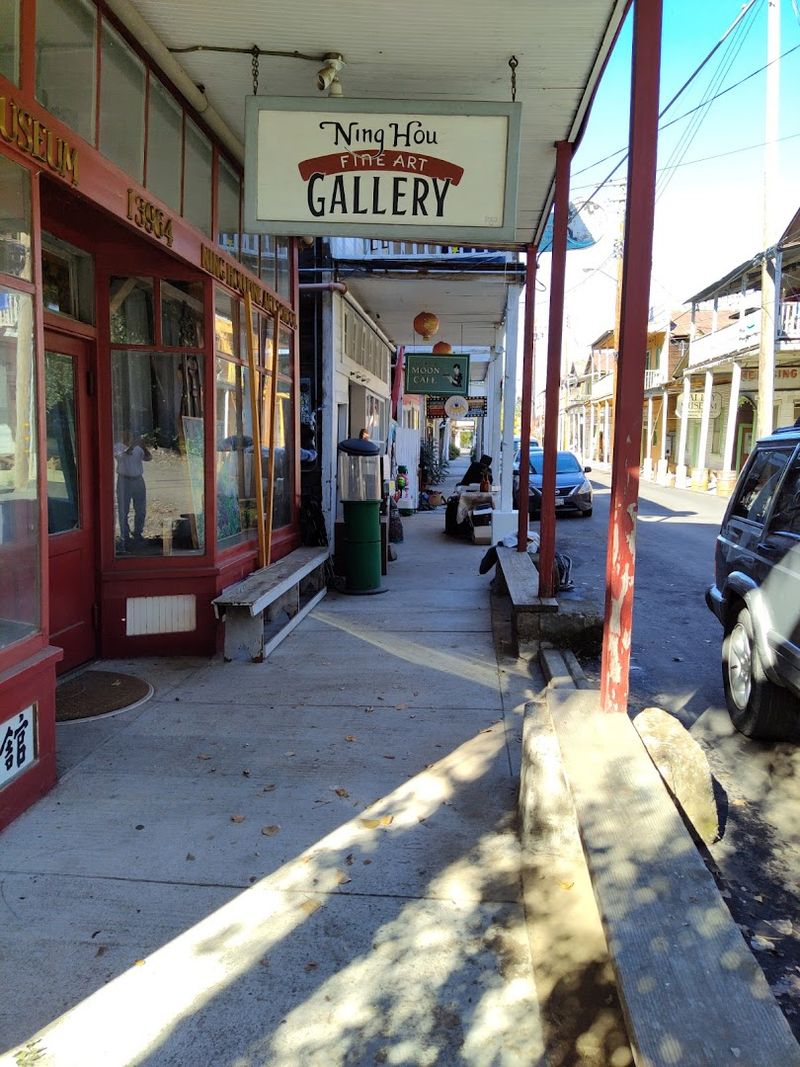
Locke stands as the last remaining rural town in the United States built and inhabited almost exclusively by Chinese immigrants.
Located in the Sacramento-San Joaquin Delta in Sacramento County, the town was constructed in 1915 after a fire destroyed the nearby Chinatown in Walnut Grove.
The wooden buildings, raised boardwalks, and narrow main street have been placed on the National Register of Historic Places, recognizing the town’s irreplaceable cultural significance.
Walking through Locke feels like moving through a preserved moment in California’s complex and often overlooked labor history.
Chinese workers were instrumental in building the levee system that made the Delta farmable, and Locke was one of the few places where they could legally own property and run businesses during that era.
The town is quiet and small, with only a handful of residents and businesses remaining, which makes it feel both fragile and important.
Visiting on a weekday tends to offer a more contemplative experience than weekends.
Locke is located near the town of Walnut Grove and is accessible via River Road, making it a natural stop on a Delta driving loop.
9. Sierra City
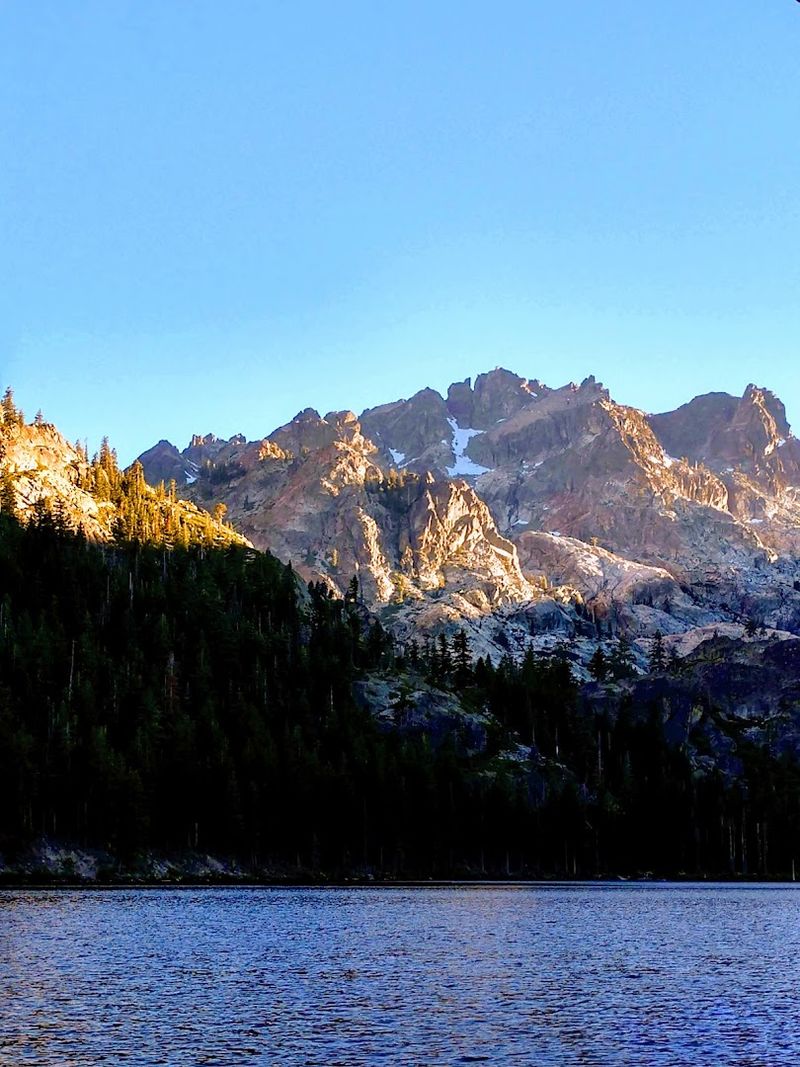
Sierra City sits at around 4,187 feet in the northern Sierra Nevada, tucked into a narrow valley beneath the dramatic rocky spires of the Sierra Buttes.
The town is small enough that a slow drive through takes only a few minutes, but the surrounding landscape commands serious attention.
The Buttes rise sharply above the treeline and are visible from most of the town, creating a backdrop that feels almost theatrical in its scale.
The Wild Plum Campground and several trailheads near town provide access to the Pacific Crest Trail and a network of high-country routes that attract serious hikers throughout the summer.
The Sierra County Historical Park and Kentucky Mine Museum sits just east of town and offers guided tours of a historic gold stamp mill that operated into the 20th century.
The site gives visitors a hands-on sense of what hard-rock gold mining actually looked like in practice.
Sierra City is a genuine mountain community rather than a resort town, which means services are limited and planning ahead matters.
The Yuba River runs nearby and offers swimming and fishing access during warmer months.
Fall color in the surrounding forest can be striking in October, making that season a particularly rewarding time to visit for those who prefer cooler temperatures and lighter crowds.
10. Dunsmuir
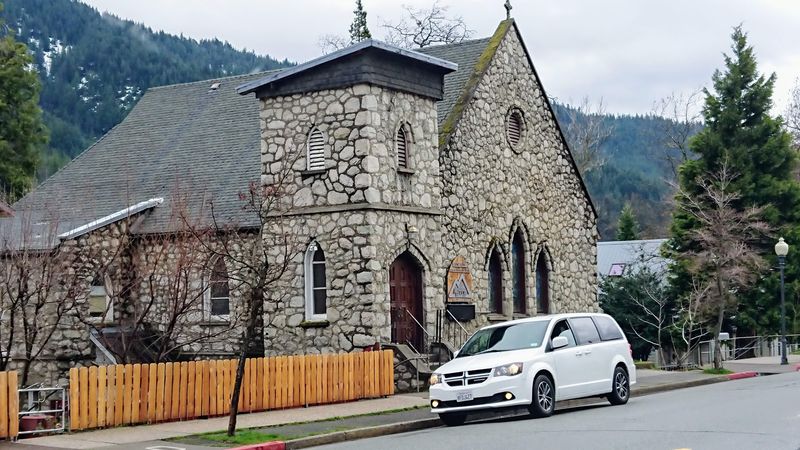
Dunsmuir grew up as a railroad town in the late 1800s, and that heritage is still visible in the depot architecture, the rail yard, and the vintage locomotive on permanent display near the tracks.
Located in Siskiyou County along the Upper Sacramento River, the town sits in a deep forested canyon that keeps it cool and shaded even in summer.
The river running through the area is widely regarded among fly fishing enthusiasts as one of the finest trout streams in California.
The downtown has a compact, honest character with a handful of local restaurants and shops that serve both residents and travelers passing through on Interstate 5.
Cafe Maddalena at 5801 Sacramento Ave, Dunsmuir, CA 96025 is a well-regarded spot known for its Mediterranean-influenced menu and its setting inside a historic building that reflects the town’s railroad-era bones.
The restaurant draws visitors from well outside the area, which speaks to the quality of the food relative to the town’s small size.
Castle Crags State Park is located just south of Dunsmuir and offers hiking trails that lead up toward granite spires rising dramatically above the tree canopy.
The combination of river access, historic architecture, and nearby wilderness makes Dunsmuir a town that offers more depth than its modest size might initially suggest.
11. Shelter Cove
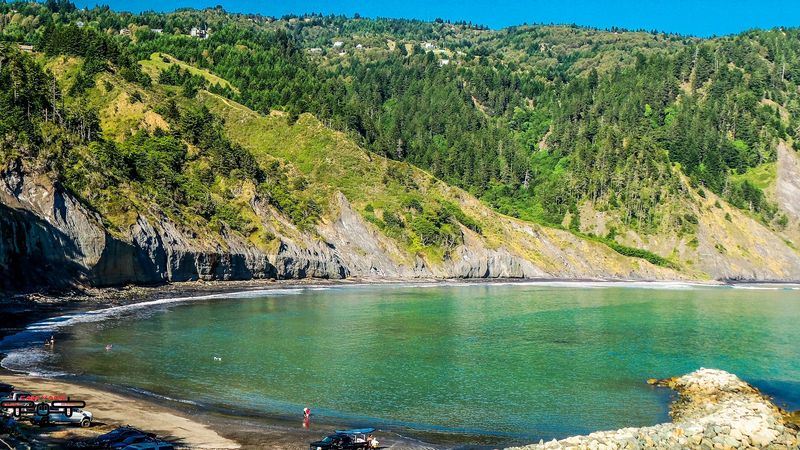
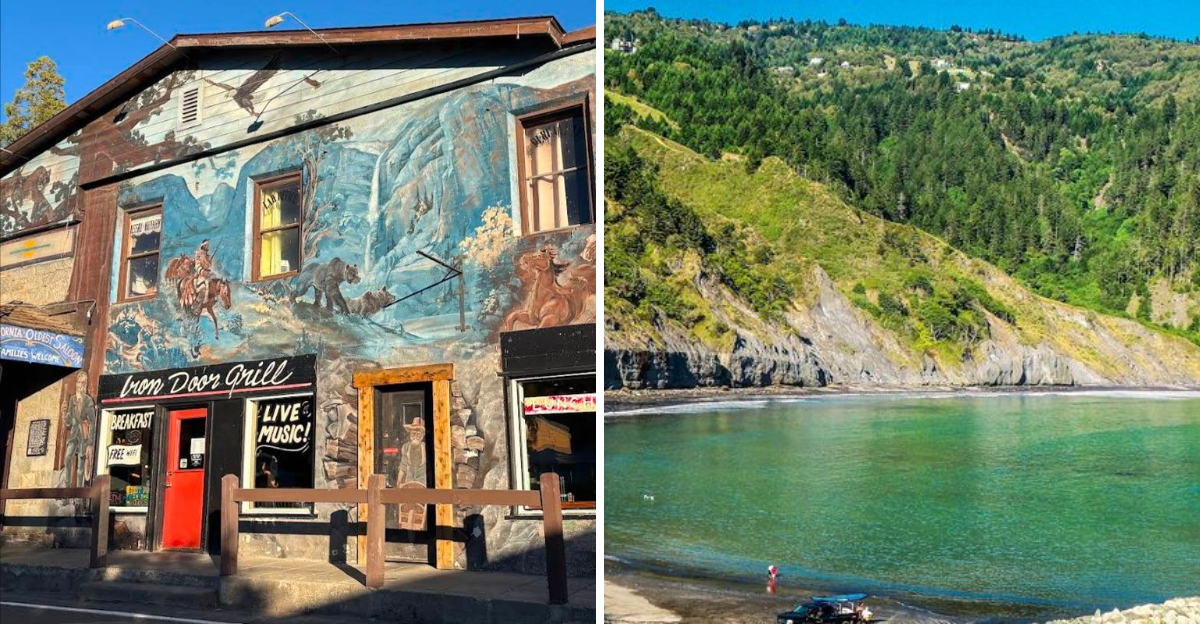
Shelter Cove occupies one of the most remote stretches of the California coast, sitting at the southern end of the Lost Coast where the King Range mountains drop almost directly into the Pacific.
Reaching it requires driving a narrow, winding road through the hills above Humboldt County, and that journey alone filters out most casual visitors.
The reward for making the effort is a small community perched on black sand beaches with virtually no commercial development in sight.
The black sand comes from eroded volcanic and metamorphic rock, and it gives the beaches a texture and color unlike anything found along the rest of the California coast.
Tide pools here are rich with marine life, and gray whale sightings are possible from the bluffs during migration season in winter and spring.
The area is part of the King Range National Conservation Area, which protects the surrounding wilderness from development.
Shelter Cove has a small general store, a few rental properties, and a modest airstrip used by small planes, but services are genuinely limited.
Visitors should arrive with supplies, a full tank of fuel, and realistic expectations about connectivity.
The isolation is the point, and for travelers who appreciate raw coastal scenery without crowds or infrastructure, Shelter Cove delivers something genuinely difficult to find elsewhere in California.
12. Groveland
Groveland sits along Highway 120 in Tuolumne County, about 25 miles from the Big Oak Flat entrance to Yosemite National Park, making it a natural gateway town for park visitors.
Unlike the more crowded entry points, Groveland has retained a quiet, old-fashioned character that makes it worth stopping for its own sake rather than just as a pass-through.
The town center has a handful of historic buildings, local restaurants, and small shops that reflect the area’s Gold Rush and logging heritage.
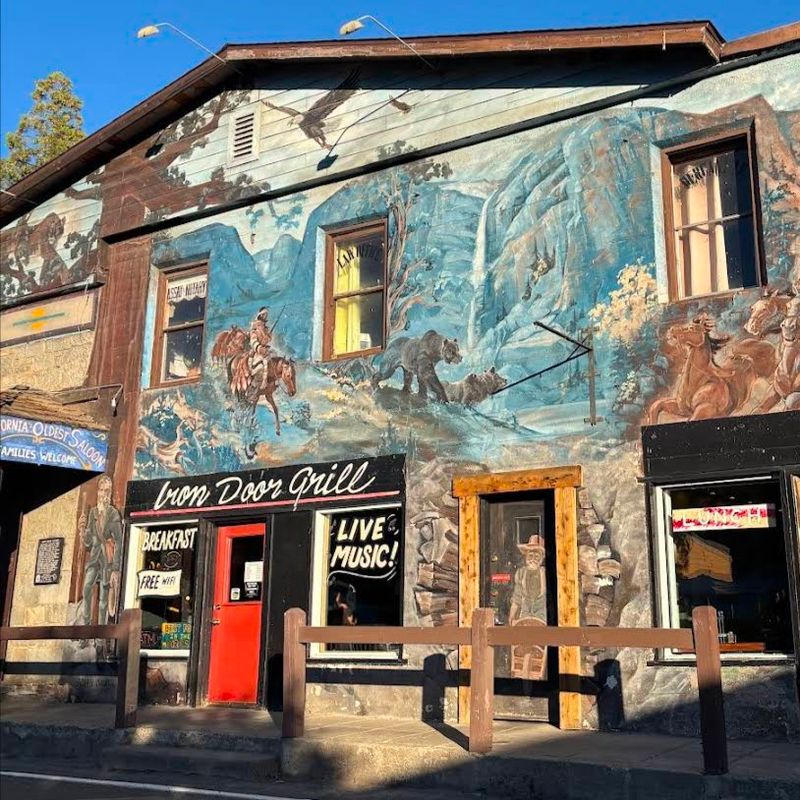
The Iron Door Saloon at 18761 Main St #120, Groveland, CA 95321 claims to be one of the oldest continuously operating saloons in California, with a history stretching back to 1852.
The building itself has adobe walls and iron doors that were originally brought around Cape Horn by ship, and the interior retains a weathered authenticity that feels genuinely old.
The Iron Door serves food as well as drinks, and the atmosphere draws visitors interested in the building’s history as much as the menu.
Groveland is a practical base for Yosemite visits, particularly for travelers who prefer a quieter overnight option outside the park.
The surrounding Stanislaus National Forest offers additional hiking and recreation opportunities that extend the appeal beyond the Yosemite connection alone.
13. Ballard
Ballard is a hamlet in the Santa Ynez Valley of Santa Barbara County, so small that it barely registers on most maps, yet it carries a disproportionate amount of quiet charm.
The community is anchored by the Ballard School, a one-room schoolhouse built in 1882 that is still in active use today, making it one of the oldest continuously operating schools in California.
The red-trimmed white building sits beneath old oak trees and has become something of an unofficial symbol of the valley’s agricultural heritage.
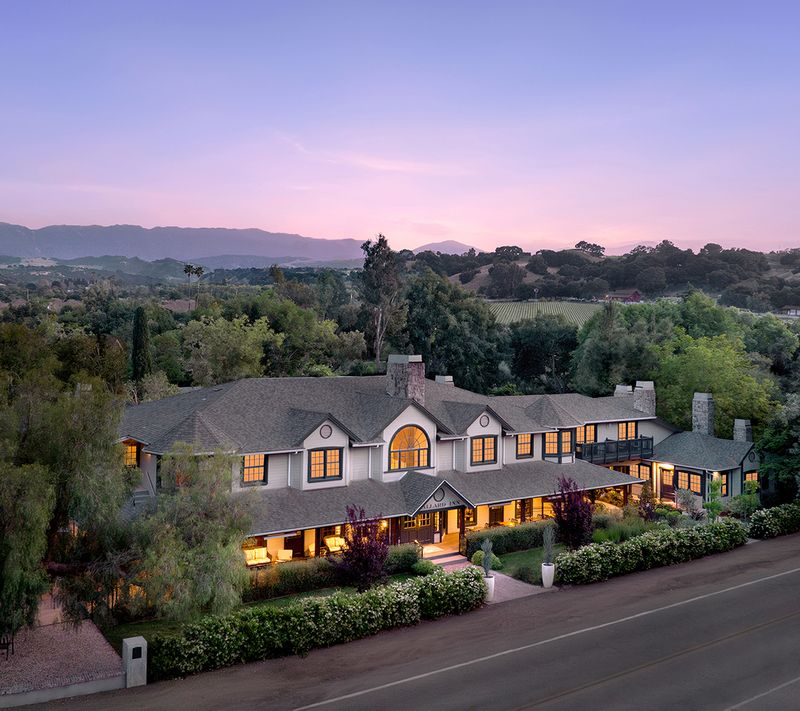
The Ballard Inn at 2436 Baseline Ave, Ballard, CA 93463 is hotel and restaurant that has built a loyal following among visitors looking for lodging in Santa Ynez Valley.
The inn’s restaurant focuses on locally sourced ingredients and reflects the agricultural richness of the surrounding valley.
The setting is quiet enough that guests often comment on the absence of ambient noise, which is its own kind of luxury in a busy travel landscape.
Ballard is surrounded by vineyards and horse properties, and the country roads around the hamlet are pleasant for cycling or slow driving.
The town works best as part of a broader Santa Ynez Valley itinerary that includes nearby Los Olivos and Solvang, both within a short drive.
14. Trinidad
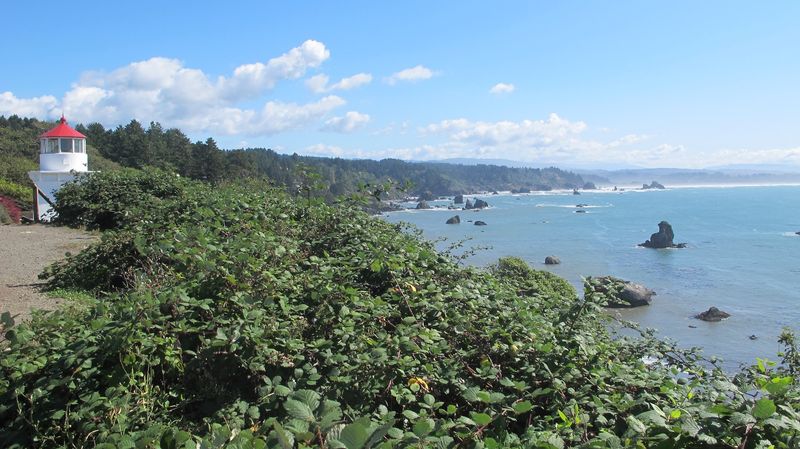
Trinidad is a small coastal town in Humboldt County with a harbor, sea stacks, and forested bluffs that together create one of the most photogenic settings on the Northern California coast.
The town itself has fewer than 400 residents, which keeps the atmosphere calm and genuinely local even during peak summer months.
Trinidad Bay is sheltered enough for small boats and kayaks, and the surrounding waters support an active fishing community that has operated here for generations.
The Trinidad Memorial Lighthouse sits on a bluff above the harbor and serves as a replica of the original 1871 lighthouse that guided ships along this rugged stretch of coast.
Walking the bluff trail near the lighthouse offers views of the sea stacks below and the wide Pacific horizon beyond, with seabird activity visible on the rocks throughout much of the year.
The trail is short and accessible, making it suitable for most visitors.
Humboldt Lagoons State Park and Patrick’s Point State Park are both within a few miles of Trinidad, extending the outdoor options considerably for visitors who want more than a single afternoon in the area.
The town has a small selection of local eateries and lodging options, and the overall pace is slow enough to encourage lingering.
Trinidad rewards travelers who arrive without a strict schedule and are willing to let the scenery set the tempo.
15. Angels Camp
Angels Camp earned its place in American literary history when Mark Twain set his famous short story about a jumping frog contest in the town, drawing on a tale he heard during his time in the Gold Country in the 1860s.
The Calaveras County Fair and Jumping Frog Jubilee, held annually each May, carries that tradition forward with an actual frog jumping competition that draws participants and spectators from across the country.
Bronze frog sculptures placed along the main street serve as a lighthearted nod to the town’s most famous claim to fame.
Beyond the frog lore, Angels Camp has a genuinely well-preserved historic downtown with brick buildings that date to the Gold Rush era.
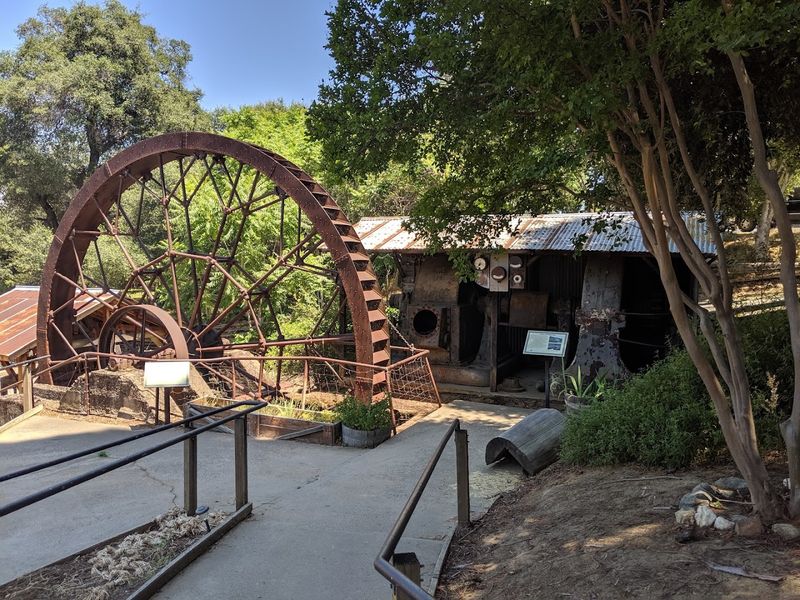
The Angels Camp Museum and Carriage House at 753 S Main St, Angels Camp, CA 95222 holds an extensive collection of mining equipment, horse-drawn vehicles, and artifacts that document the town’s 19th-century history in considerable depth.
The museum grounds include a display of historic mining machinery that gives visitors a tangible sense of the industrial scale of Gold Rush operations.
New Melones Lake is located just a few miles west of town and offers boating, fishing, and swimming during warmer months.
Angels Camp sits at a comfortable elevation that keeps summers warm but manageable, and the surrounding oak woodland takes on warm color in autumn.
16. Mendocino
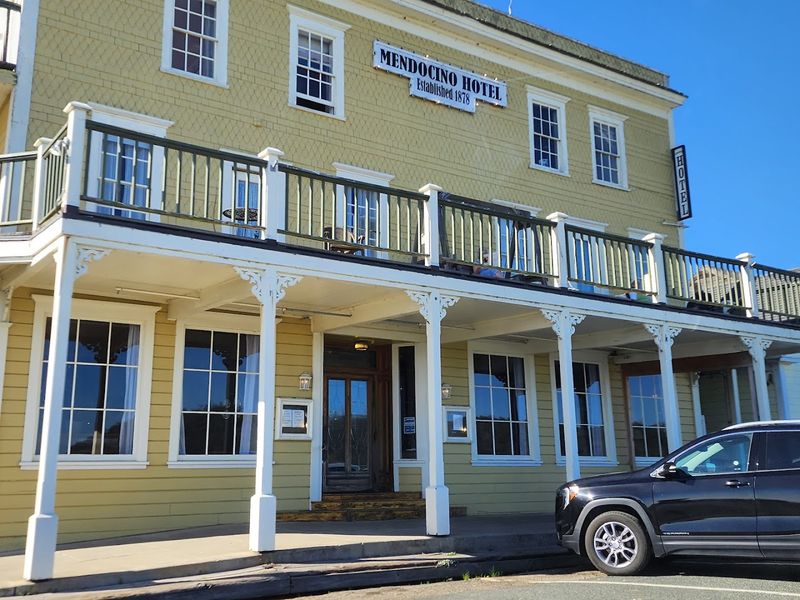
Mendocino sits on a headland jutting into the Pacific in Mendocino County, and its position gives nearly every street in town a view of the ocean or the rugged coastline below.
The town was settled in the 1850s as a lumber port, and many of the New England-style buildings constructed by those early settlers are still standing and in use today.
The entire village is listed on the National Register of Historic Places, which has helped preserve its distinctive architectural character against more recent development pressures.
Art galleries, small inns, and locally owned shops line the streets, and the overall atmosphere leans toward the contemplative rather than the commercial.
Mendocino Headlands State Park wraps around the village on three sides and provides open bluff-top walking with views of wave-carved sea caves and rocky offshore formations.
The park is free to enter and accessible year-round, though coastal fog is common in summer mornings and can roll in quickly at any time of year.
The town works well for a two-night stay, with enough to explore on foot during the day and a selection of restaurants that focus on locally sourced seafood and produce.
Spring tends to bring wildflowers to the headlands, while fall offers clearer skies and a quieter visitor atmosphere.
Mendocino is roughly three hours north of San Francisco via Highway 1 or the faster inland route through Cloverdale.
17. Bridgeport
Bridgeport sits in a wide valley on the eastern side of the Sierra Nevada in Mono County, at an elevation of about 6,450 feet.
The town is the county seat of Mono County and has a quiet, frontier-era character that reflects its history as a ranching and mining community.
The surrounding landscape is expansive and open, with the Sierra peaks rising to the west and the Great Basin desert stretching eastward, creating a setting that feels both remote and dramatically beautiful.
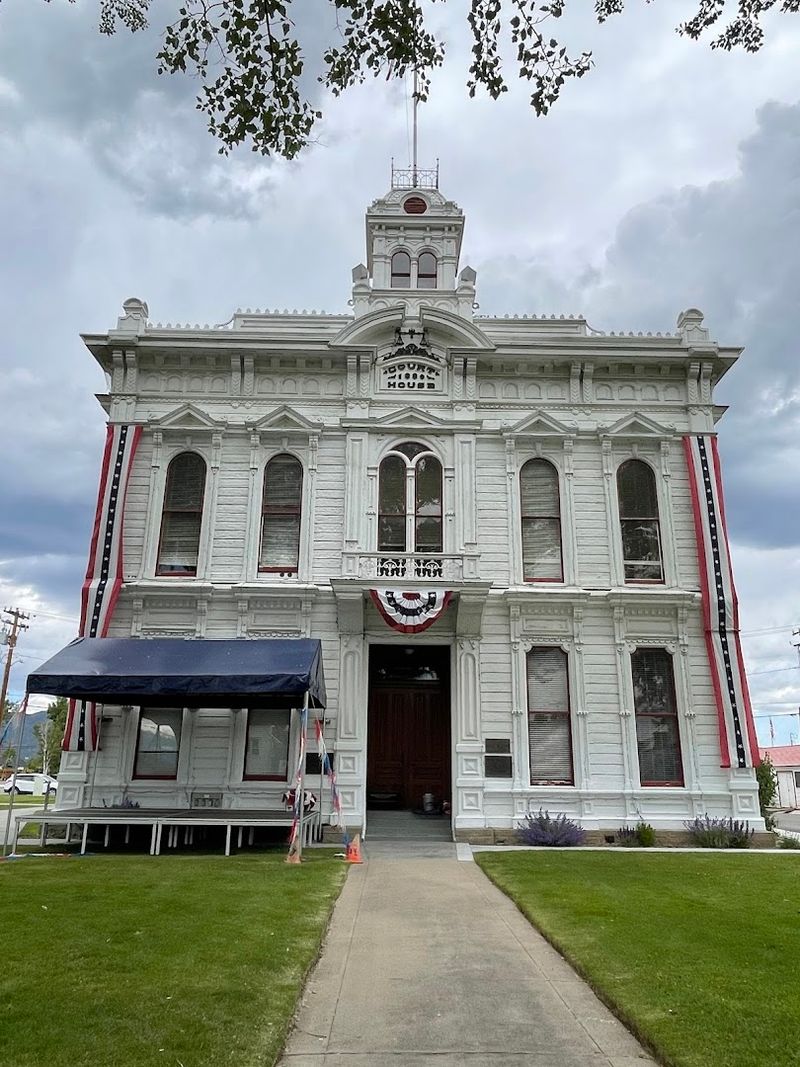
The Mono County Courthouse at 278 Main St, Bridgeport, CA 93517 is one of the finest examples of Italianate architecture in rural California, built in 1880 and still serving as an active courthouse today.
The building’s ornate facade feels unexpectedly grand for a town this size, and it speaks to the ambitions of the region’s early settlers.
The surrounding historic district includes a small jail built in 1880 that is open for self-guided viewing.
Bridgeport Reservoir draws anglers in search of brown and rainbow trout, and the surrounding Eastern Sierra landscape offers hiking, hot springs, and access to Bodie State Historic Park, a well-preserved ghost town located about 13 miles east of town.
Visiting Bridgeport in late spring or early fall tends to offer the most pleasant conditions, as summer afternoons can be warm and winter brings significant snow accumulation at this elevation.