This Berkeley, California Restaurant Updates Its Menu Daily On Local Farm Harvests
A restaurant menu can reveal a lot about how a place thinks about food. Some stay the same for years. Others change with the seasons.
A few change almost every day.
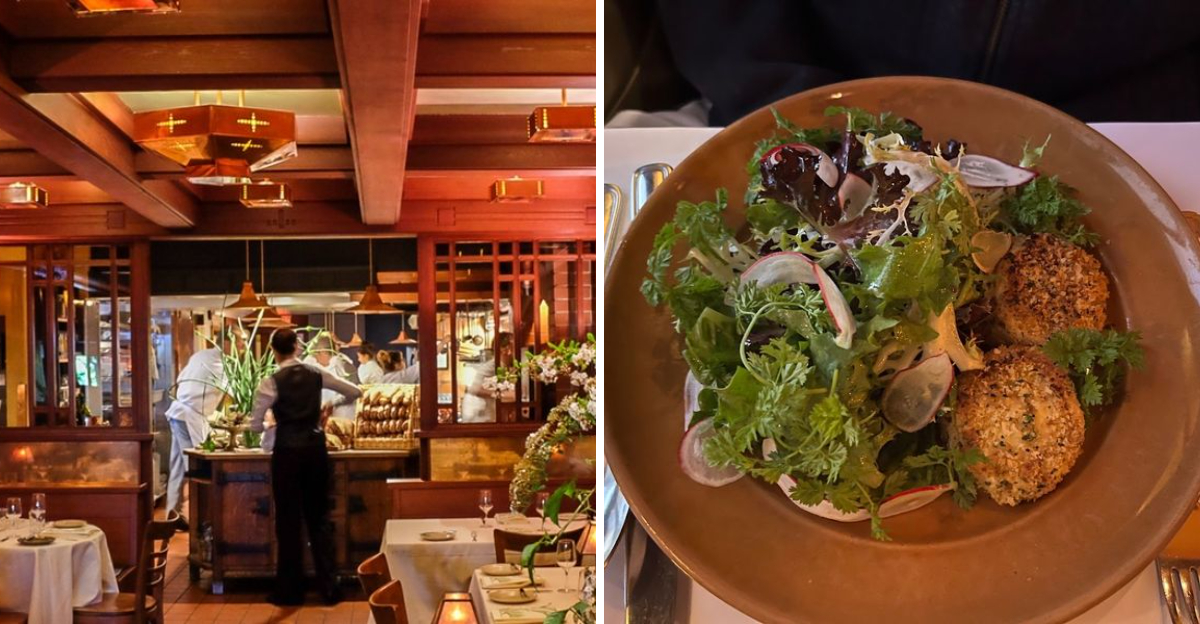
Fresh vegetables arrive from nearby farms. Herbs are picked that same morning. The kitchen builds its menu around whatever looks best at that exact moment.
California has long been the heart of the farm-to-table movement, where the connection between farms and restaurants feels especially alive.
Berkeley became one of the places where that philosophy truly took hold. Local chefs began designing meals around the rhythm of the harvest instead of fixed recipes, letting ingredients lead the way.
That idea helped shape restaurants like Chez Panisse, where daily menus reflect what farmers bring through the door. The result feels personal, seasonal, and deeply tied to the land surrounding the city.
Dining at a place like this is never quite the same twice. Each visit tells a slightly different story about what is growing in Northern California at that moment.
Chez Panisse Started A Food Revolution In Berkeley
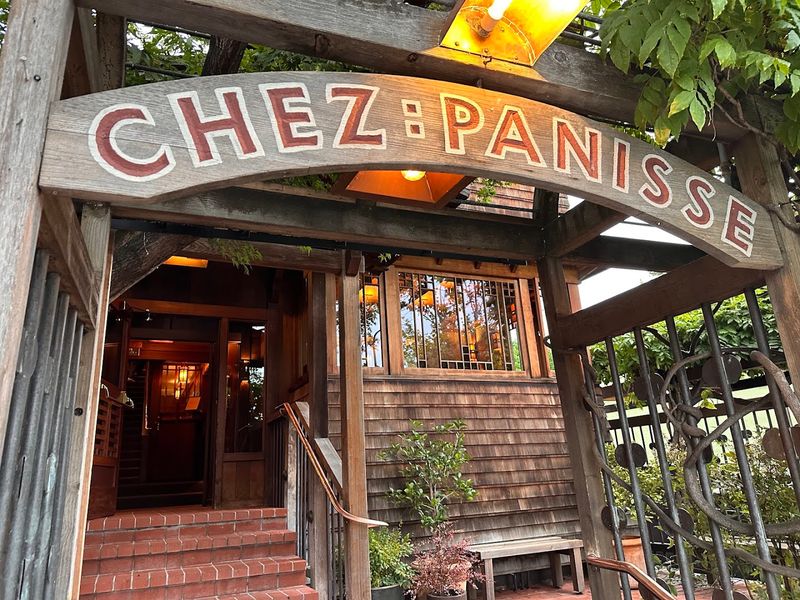
Back in 1971, a chef named Alice Waters opened a small restaurant in Berkeley that would quietly change the way Americans think about food.
Chez Panisse, located at 1517 Shattuck Ave, Berkeley, CA 94709, became the birthplace of what many now call the farm-to-table movement.
The idea was straightforward but radical at the time: build every meal around what local farmers had available that day.
Rather than locking in a fixed menu weeks in advance, the kitchen at Chez Panisse calls local farms each morning to find out what was just harvested.
Seasonal produce, pasture-raised proteins, and freshly picked herbs shape each day’s offerings in a way that no printed menu could predict.
Diners never eat the same meal twice, which keeps both the kitchen and the table genuinely excited.
The restaurant operates as a downstairs prix fixe dining room and an upstairs cafe with a slightly more flexible menu.
Prices reflect the quality and sourcing of ingredients, so planning ahead and making a reservation is strongly recommended.
Chez Panisse has earned a reputation that extends far beyond California and continues to inspire chefs around the world.
Daily Menus Are Built Around Farm Availability
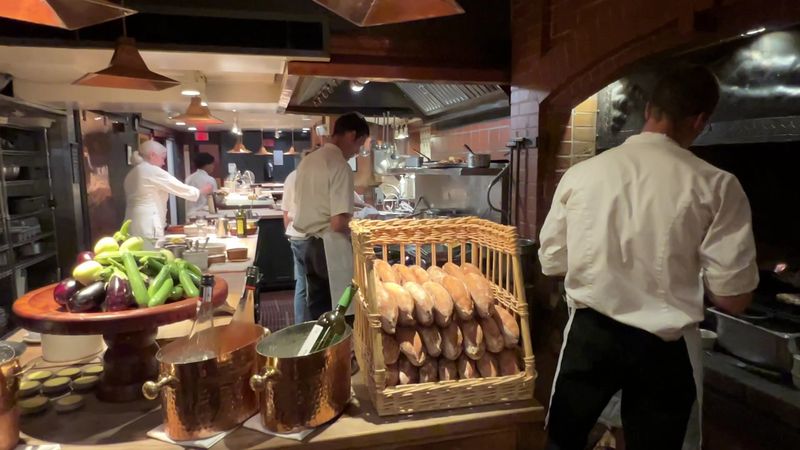
Most restaurants design their menus months in advance and order ingredients based on what is already planned.
Farm-to-table restaurants in Berkeley flip that process entirely, starting with whatever the farm has ready to pick that morning.
The menu is essentially written by the land itself, with chefs adapting their techniques and recipes to match what arrives at the kitchen door.
Farmers who supply places like Chez Panisse often have long-standing relationships with the kitchen team that go back decades.
A phone call or a morning delivery determines whether dinner that evening features sweet corn, early-season squash, or a late crop of heirloom tomatoes.
Chefs then build dishes around those ingredients rather than forcing ingredients to fit a predetermined recipe.
For diners, this approach means trusting the kitchen to make thoughtful decisions on their behalf.
Guests with specific dietary needs are encouraged to communicate those in advance so the kitchen can accommodate them within the day’s available ingredients.
The result tends to feel more like a home-cooked meal crafted with intention than a restaurant order selected from a laminated card.
Local Farms Are The Real Stars Of The Kitchen
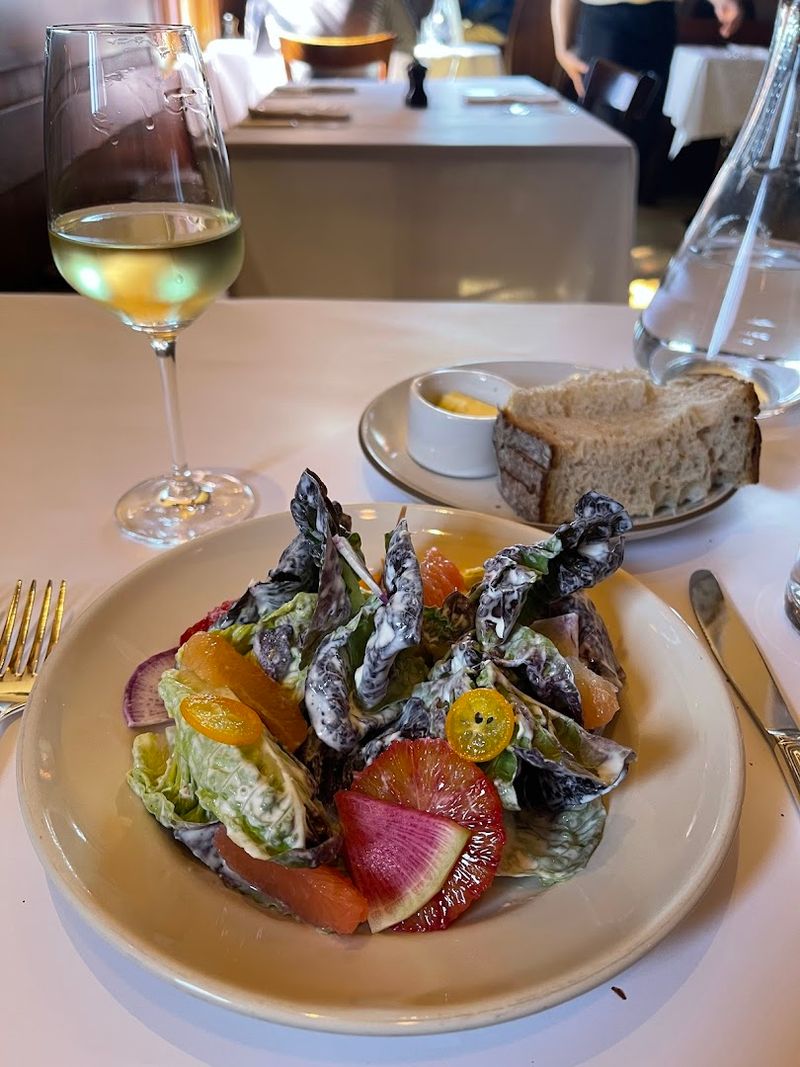
The farms that supply Berkeley’s best restaurants are not anonymous industrial operations.
Many of them are small, family-run operations located within a short drive of the city, and their names often appear directly on the menu as a form of credit and transparency.
Diners at places like Chez Panisse can sometimes read exactly which farm grew the greens sitting on their plate.
Farms like Green String Farm in Petaluma and Star Route Farms in Bolinas have supplied ingredients to Berkeley restaurants for years, building relationships rooted in trust and shared values.
These growers prioritize soil health, crop diversity, and sustainable practices that make their produce stand out in both flavor and quality.
Chefs often visit the farms in person to understand what is growing and to plan ahead for coming weeks.
Supporting these farms creates a loop where restaurants thrive because the produce is exceptional and farmers thrive because they have reliable buyers who value their work.
That relationship shapes the entire dining experience in ways that a supply chain driven purely by cost and convenience simply cannot replicate.
The flavor difference tends to be noticeable from the very first bite.
The Upstairs Cafe At Chez Panisse Offers A More Casual Option
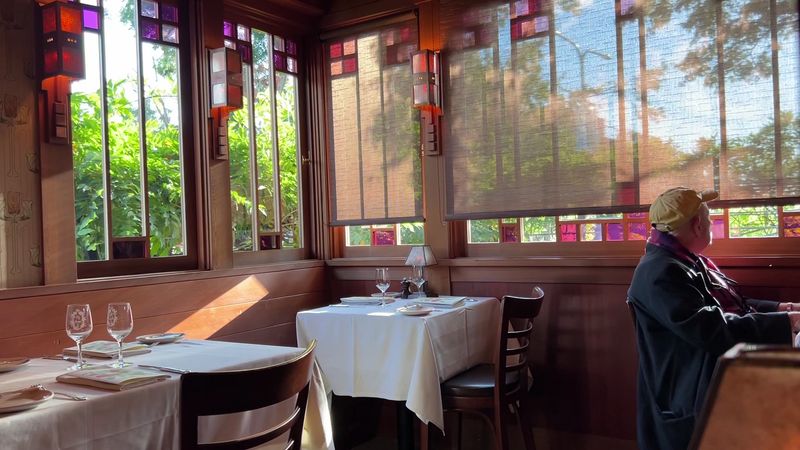
Not every visit to Chez Panisse has to be a full prix fixe commitment.
The upstairs cafe operates with a slightly more relaxed format, offering a la carte options that still change daily based on seasonal availability.
The space has a quieter, more informal feel compared to the downstairs dining room, making it a comfortable choice for a weekday lunch or an early dinner.
the cafe portion tends to be slightly easier to book than the main dining room below.
Both spaces share the same kitchen philosophy and sourcing standards, so the quality of ingredients remains consistent regardless of which level guests choose.
Seating in the cafe feels warm and unhurried, with natural wood surfaces and soft lighting that keeps the mood grounded rather than formal.
Noise levels in the cafe are generally moderate, making conversation easy without needing to raise voices.
The pace of service reflects the kitchen’s commitment to preparing food thoughtfully rather than quickly.
Guests who prefer a more spontaneous visit may find the cafe a better fit since walk-in availability, while not guaranteed, tends to be slightly more accessible than the downstairs reservation experience.
Seasonal Eating Shapes The Entire Dining Experience
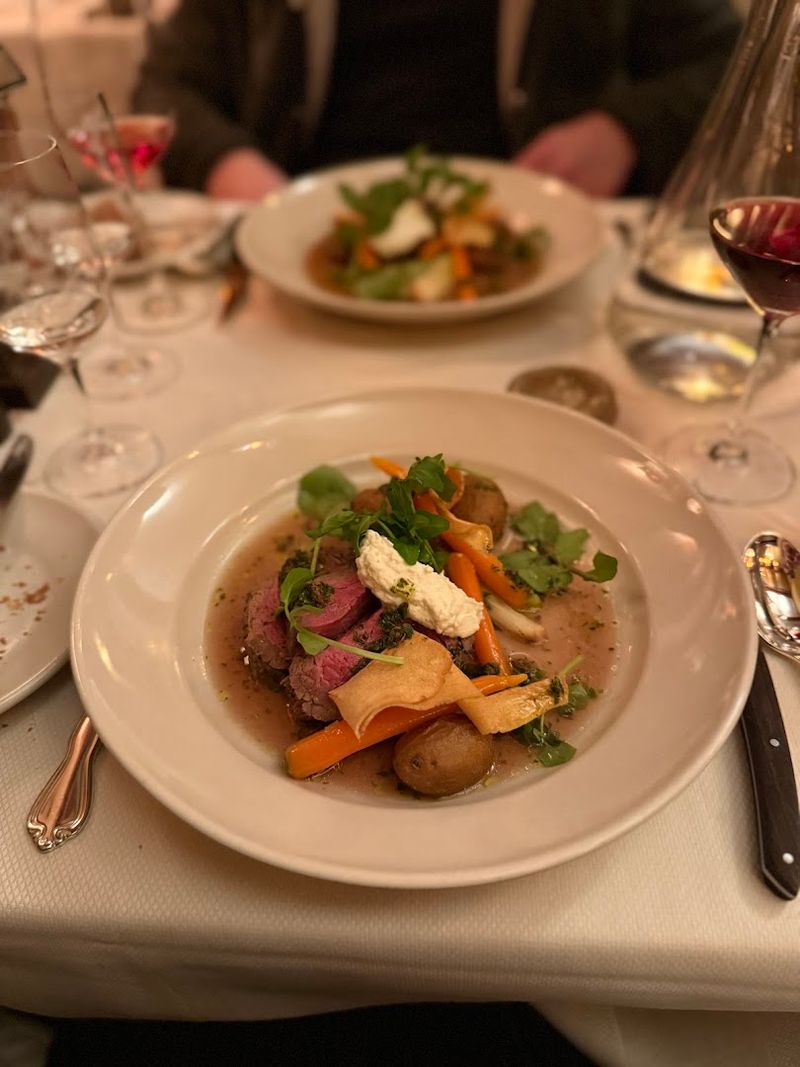
Eating seasonally sounds simple but it fundamentally changes what ends up on the plate depending on the time of year.
In summer, Berkeley menus built on local harvests might feature stone fruits, fresh corn, and sun-ripened tomatoes.
By autumn, the same restaurant could be serving roasted root vegetables, hearty squashes, and earthy mushrooms gathered from nearby hills.
Seasonal eating is not just a trend in California’s Bay Area. It reflects an older and more practical way of cooking that existed long before refrigeration and global shipping made every ingredient available year-round.
Chefs who work within seasonal limits often find that the restrictions actually push them to be more creative rather than less.
For guests, this means that visiting a farm-to-table restaurant in different seasons genuinely feels like visiting a different restaurant.
The atmosphere stays the same but the flavors, colors, and textures on the plate shift in ways that reflect the natural world outside.
Many regular diners plan their visits around specific seasons just to catch a particular ingredient at its peak, which turns a simple dinner into something closer to a culinary tradition.
Farm-To-Table Dining Supports The Local Economy
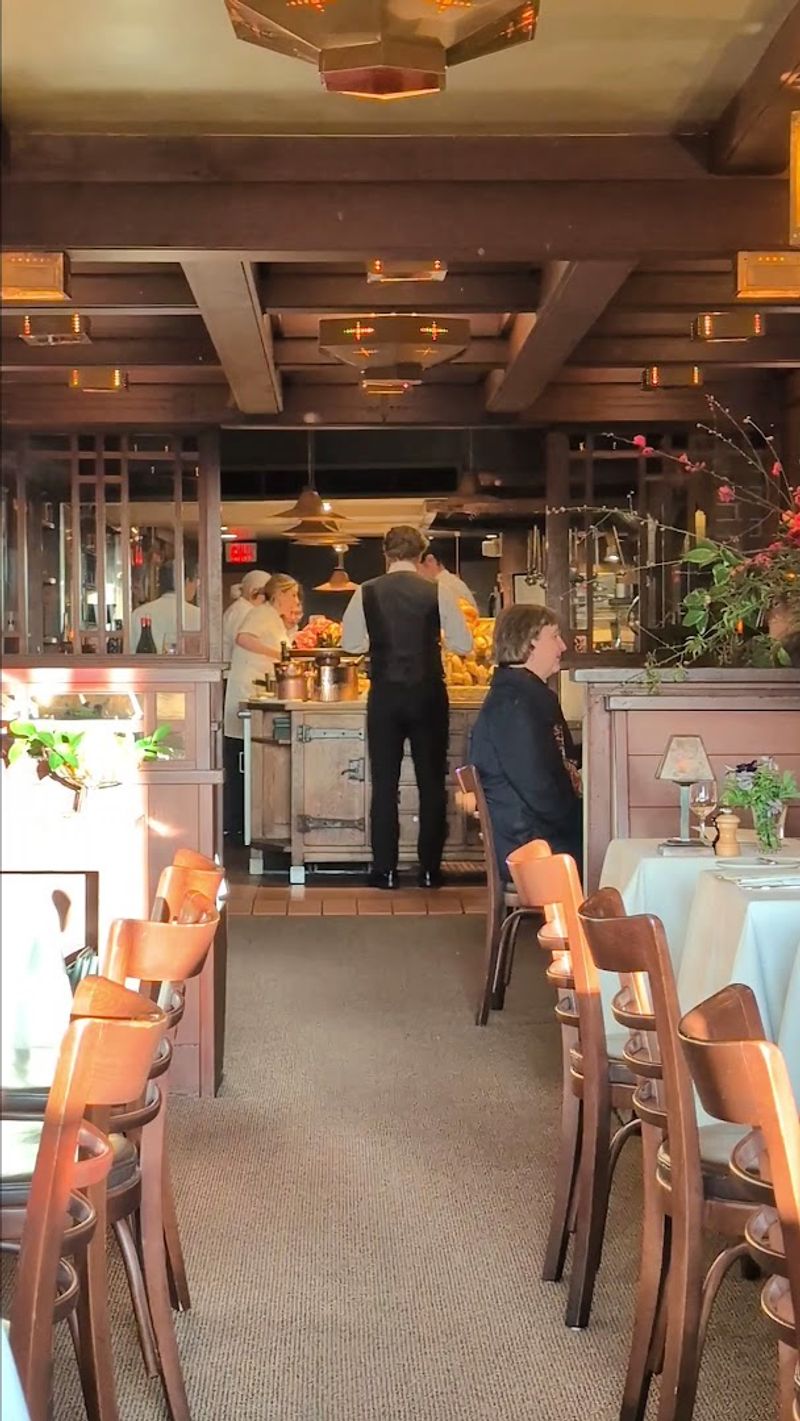
Every dollar spent at a farm-to-table restaurant in Berkeley has a good chance of circulating back into the local agricultural economy in a meaningful way.
When restaurants commit to buying directly from nearby farms, those farms can invest in better soil practices, hire local workers, and expand the variety of crops they grow.
The economic loop created by this kind of sourcing benefits the broader community rather than just the restaurant and its guests.
Berkeley’s proximity to some of California’s most productive growing regions makes this kind of relationship especially practical.
The Bay Area sits within driving distance of farms in Sonoma, Marin, Contra Costa, and the Central Valley, giving chefs access to an enormous range of ingredients without relying on long-distance shipping.
That geographic advantage is one of the reasons Berkeley became such an early leader in farm-to-table dining.
Diners who choose restaurants with transparent sourcing practices are, in a quiet way, participating in a larger conversation about how food systems should work.
Supporting local agriculture through dining choices does not require any special knowledge or effort beyond simply choosing where to spend a meal budget.
The food tends to taste better for it too, which makes the decision feel less like activism and more like good sense.
The Menu At Chez Panisse Changes With The Seasons
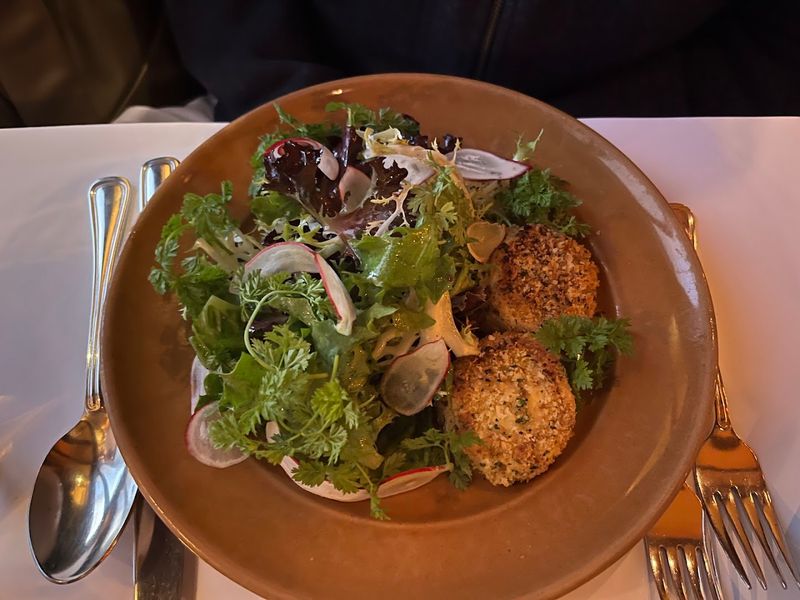
One of the defining features of Chez Panisse is its strong commitment to seasonal cooking.
Rather than relying on a fixed list of dishes year-round, the kitchen builds its menu around ingredients that are currently at their peak.
Spring might bring tender asparagus, fresh peas, and early strawberries, while autumn often features roasted squash, mushrooms, and hearty root vegetables.
This seasonal approach allows the restaurant to highlight ingredients when they taste their best. It also means that returning visitors often encounter entirely different menus depending on the time of year.
The kitchen’s flexibility is a key part of its philosophy. By adapting to what farmers harvest throughout the seasons, the restaurant keeps its dishes closely connected to the agricultural rhythms of Northern California.
For diners, that seasonal rhythm turns each visit into a slightly different culinary experience shaped by the time of year.
What to Expect When Visiting A Daily-Menu Restaurant
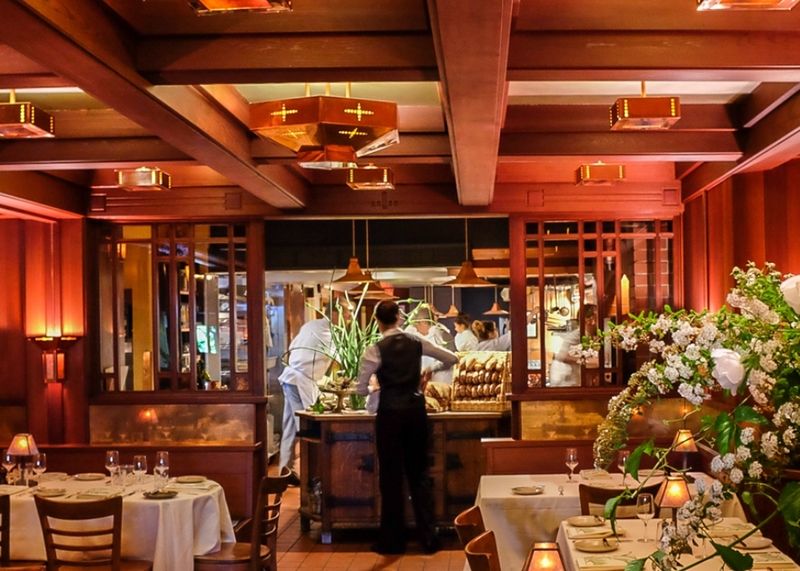
Walking into a restaurant that changes its menu every day requires a slightly different mindset than visiting a place with a fixed lineup of options.
There is no point spending time before arrival deciding what to order because the dishes available today may not exist tomorrow.
The better approach is to arrive with an open mind and a willingness to trust the kitchen’s judgment about what is worth eating right now.
Guests with food allergies or strong dietary preferences should always communicate those clearly when making a reservation rather than waiting until they are seated.
Daily menus are built quickly based on what arrived that morning, and the kitchen appreciates advance notice so adjustments can be made thoughtfully.
Most farm-to-table restaurants in Berkeley are experienced at accommodating a wide range of dietary needs when given enough information ahead of time.
The pacing at these restaurants tends to be deliberate rather than rushed, reflecting the care that goes into each preparation.
Courses may arrive with pauses between them that allow guests to actually taste and appreciate what is on the plate.
Treating the meal as an experience rather than a transaction tends to make the entire visit more satisfying, and it aligns naturally with the philosophy that drives these kitchens every single day.