14 Epic Day Trips To Explore In California This Year
A free weekend opens up. Then the options start stacking.
Mountains come to mind. Then the coast. Then somewhere quieter that wasn’t even part of the plan. At some point, choosing just one starts to feel like the hardest part.
Few places offer this kind of range, and California proves it without trying too hard. Landscapes shift quickly.
Forest turns into coastline. Desert stretches give way to small towns that feel completely different from anything nearby.
The pull is constant. A short drive turns into staying longer. One stop leads to another without much effort. What felt like a simple plan starts to expand on its own.
Some spots are familiar for a reason. Others stay just outside the spotlight but leave a stronger impression. The mix keeps things interesting every time.
Plans don’t need much structure here. A direction is enough. The rest tends to fall into place once the road starts moving.
1. Emerald Bay State Park, Lake Tahoe
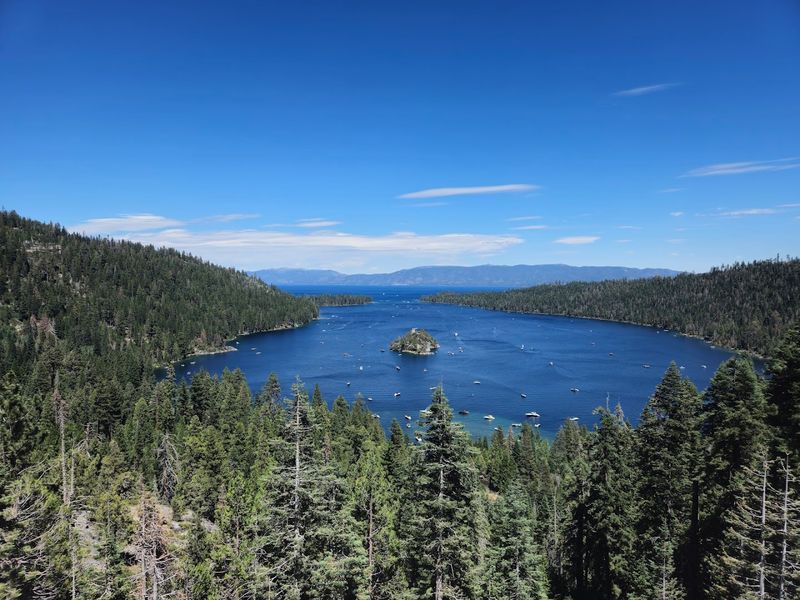
Tucked into the southwestern shore of Lake Tahoe, Emerald Bay State Park is one of the most visually striking spots in all of California.
The water here shifts between shades of deep green and brilliant blue depending on the light, and the surrounding granite peaks give the whole scene a dramatic, almost unreal quality.
Fannette Island, the only island in Lake Tahoe, sits right in the middle of the bay.
Hikers can follow the trail down to Vikingsholm, a Scandinavian-style castle built in 1929 that now serves as a state historic landmark open for tours in the summer months.
Eagle Falls cascades nearby and makes for a rewarding short hike with a big payoff at the top. The area tends to get busy on summer weekends, so arriving early in the morning helps beat the crowd.
Boating and kayaking around the bay offer a completely different perspective of the landscape. The water is cold even in summer, so swimming requires some preparation.
Parking at the main overlook fills up fast, and the hike down to the water involves a steep descent that takes about 20 minutes each way.
2. Muir Woods National Monument
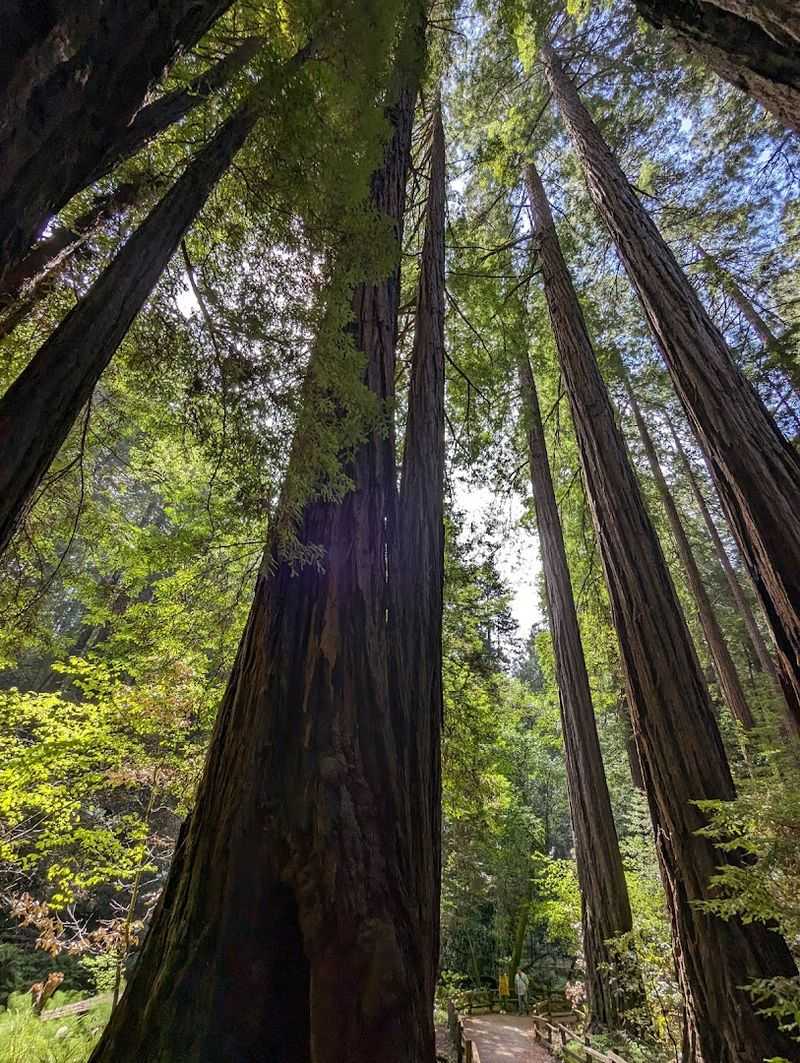
Standing beneath a canopy of old-growth coastal redwoods has a way of making everything feel quieter and slower.
Muir Woods National Monument, located just north of San Francisco in Marin County, protects one of the last remaining groves of these ancient trees, some of which are over a thousand years old.
The tallest trees here reach well above 250 feet.
The main trail system is relatively flat and easy to walk, making it accessible for a wide range of visitors including families with younger children.
Wooden boardwalks wind through the cathedral-like groves, and the sound of Redwood Creek running alongside the path adds a calming rhythm to the walk.
The air tends to feel noticeably cooler and damper inside the forest compared to the surrounding hillsides.
Reservations for both parking and shuttle access are required in advance, so checking the official National Park Service website before visiting is essential.
The monument does not allow pets on the main trails. Weekday visits tend to offer a more peaceful experience, though the park draws visitors year-round.
Bringing a light jacket is a smart move regardless of the season since the forest holds cool air throughout the day.
3. Point Reyes National Seashore
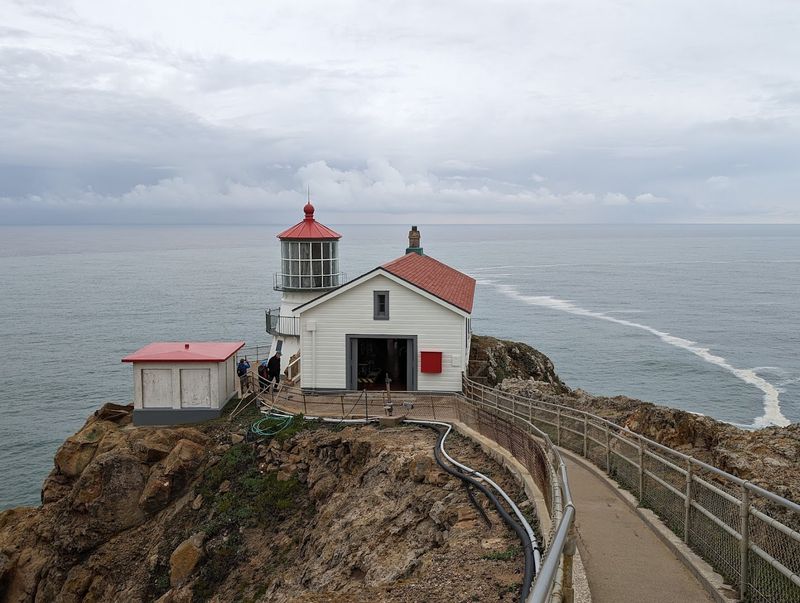
Stretching along the Marin County coastline about an hour northwest of San Francisco, Point Reyes National Seashore covers over 71,000 acres of rugged coastal terrain.
The landscape shifts constantly here, moving from windswept bluffs and open beaches to dense forests and freshwater lagoons.
It is one of the most biologically diverse places in the entire National Park system.
The Point Reyes Lighthouse, perched at the tip of the Point Reyes Peninsula, is one of the most visited spots in the park.
Reaching it involves descending over 300 steps, and the wind at the overlook can be remarkably strong even on clear days.
Gray whale migration viewing from the lighthouse area is popular between December and April. Tule elk roam freely through parts of the park, and harbor seals haul out on beaches near the estero.
Hikers have access to over 150 miles of trails ranging from easy beach walks to more demanding ridge routes.
The park does not charge an entrance fee, which makes it an accessible option for a spontaneous day trip.
Fog is common along the coast, especially in summer mornings, so layering up before heading out is always a practical choice.
4. Big Bear Lake
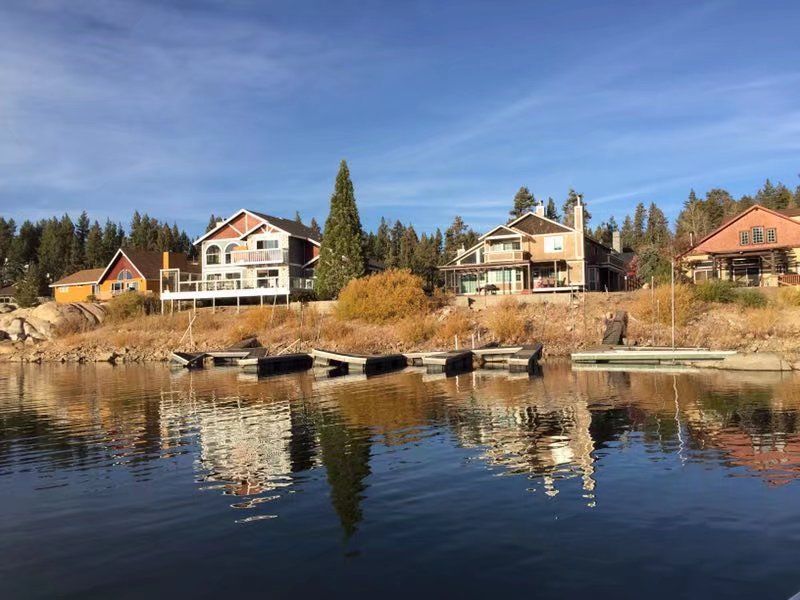
Sitting at an elevation of around 6,750 feet in the San Bernardino Mountains, Big Bear Lake is a year-round destination that draws visitors from across Southern California.
The drive up from Los Angeles takes roughly two to three hours depending on traffic, and the shift in temperature and scenery as the road climbs into the mountains is noticeable almost immediately.
Pine trees replace palm trees, and the air carries a distinct freshness. Summer brings hikers, mountain bikers, paddleboarders, and swimmers to the lake and surrounding trails.
The Big Bear Discovery Center serves as a helpful starting point for learning about the local ecosystem and trail conditions.
Bald eagles winter at the lake and can sometimes be spotted from shore between December and March.
Big Bear Mountain Resort operates ski and snowboard terrain in winter, making it one of the most accessible mountain snow destinations for residents of the Los Angeles area.
The Village area near the lake offers shops, eateries, and a relaxed small-town atmosphere that feels genuinely different from city life.
Parking near the Village can get tight on busy weekends, so arriving before mid-morning tends to make the logistics easier and less stressful.
5. Joshua Tree National Park
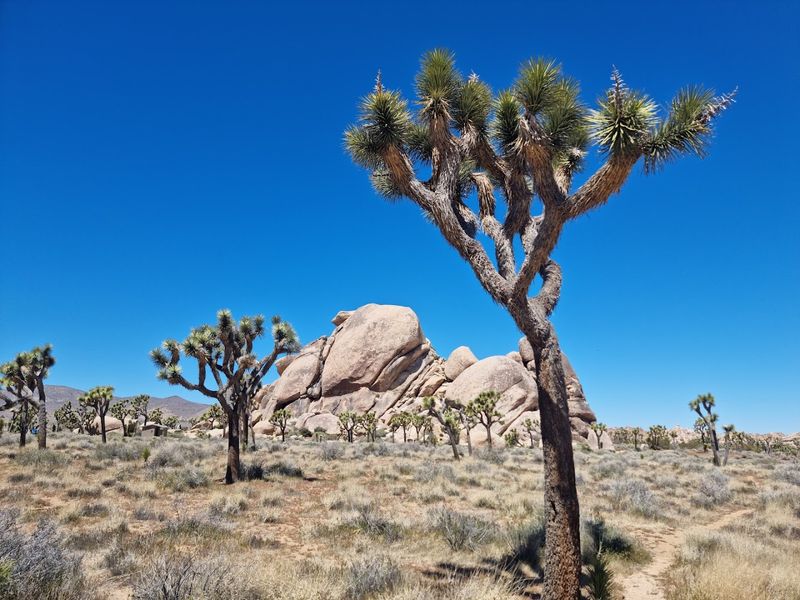
Few landscapes in California feel as otherworldly as the one found inside Joshua Tree National Park.
Located about two and a half hours east of Los Angeles, the park sits at the intersection of two distinct desert ecosystems: the Mojave and the Colorado.
The result is a terrain filled with twisted Joshua trees, enormous boulder piles, and a sky that seems impossibly wide.
Rock climbers come from around the world to tackle the park’s more than 8,000 documented routes, which range from beginner-friendly slabs to technically demanding faces.
Hikers can choose from trails of varying length and difficulty, including the popular Barker Dam loop that leads to a small reservoir often frequented by desert wildlife.
Wildflower blooms in spring can transform entire sections of the park into vivid color.
Stargazing here ranks among the best in Southern California thanks to minimal light pollution, and ranger-led night sky programs are offered periodically throughout the year.
Summer temperatures regularly exceed 100 degrees Fahrenheit, so visiting in fall, winter, or spring is generally more comfortable.
Carrying more water than expected is always a sensible precaution given the dry desert conditions and the distances between trailheads.
6. Carmel-By-The-Sea
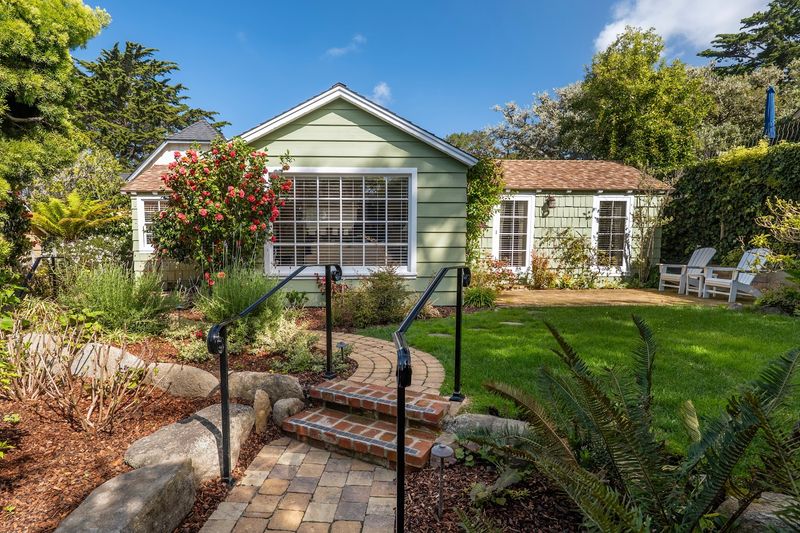
Carmel-by-the-Sea has a personality that is hard to replicate anywhere else on the California coast.
The town is compact enough to explore entirely on foot, with winding streets lined by fairy-tale-style cottages, art galleries, and small independent shops tucked behind garden gates.
Even the beach at the foot of Ocean Avenue has a distinctive feel, with powdery white sand and cypress trees framing the shoreline.
The local art scene is genuinely active, with dozens of galleries showcasing painting, sculpture, and photography from both regional and internationally recognized artists.
Carmel Beach is a popular destination for dog owners since dogs are allowed off-leash on the sand, which gives the beach a lively and social energy on most weekends.
The Carmel Mission Basilica, founded in 1770, stands as one of the most historically significant missions in California.
Parking in the town center can be limited during peak season, and the streets have only started using addresses in 2026.
No-address design was a part of the town’s long-standing charm and unusual character.
Visiting on a weekday allows for a more relaxed pace through the galleries and along the beach path. The coastal weather here tends to be mild and breezy even in summer, so a light layer is worth bringing along.
7. Laguna Beach
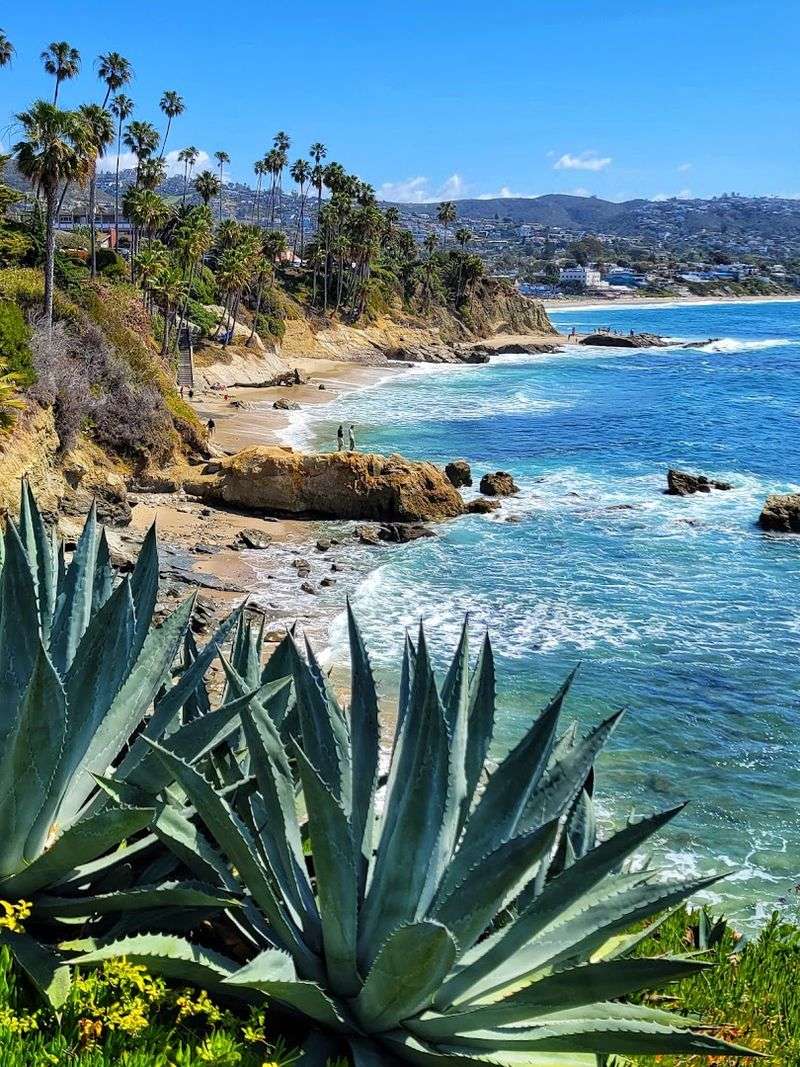
Known for its dramatic cove beaches and a thriving arts culture, Laguna Beach sits about an hour south of Los Angeles along the Pacific Coast Highway.
The town has been an artist colony since the early 1900s, and that creative energy still shapes the character of the place in a way that feels authentic rather than manufactured.
Independent galleries, outdoor sculptures, and murals appear throughout the downtown area.
The beaches here vary significantly in character, from the wide central Main Beach with its boardwalk and volleyball courts to quieter coves like Victoria Beach and Thousand Steps that reward visitors willing to walk a bit further.
Tide pools at places like Crescent Bay Point Park are rich with marine life and are especially accessible during low tide.
Snorkeling around the rocky reefs is popular among those comfortable in cooler Pacific water.
The Laguna Playhouse, located at 606 Laguna Canyon Road, Laguna Beach, CA 92651, has been presenting live theater since 1920 and remains one of the oldest continuously operating community theaters in the country.
Summer brings arts festivals that draw large crowds, so visiting outside of festival weekends offers a calmer experience.
The coastal trail system provides elevated views of the shoreline that are worth the short climb.
8. Solvang
Driving into Solvang feels like a genuine geographic surprise.
Located in the Santa Ynez Valley about three hours north of Los Angeles, the town was founded in 1911 by Danish settlers who wanted to preserve their cultural heritage in California.
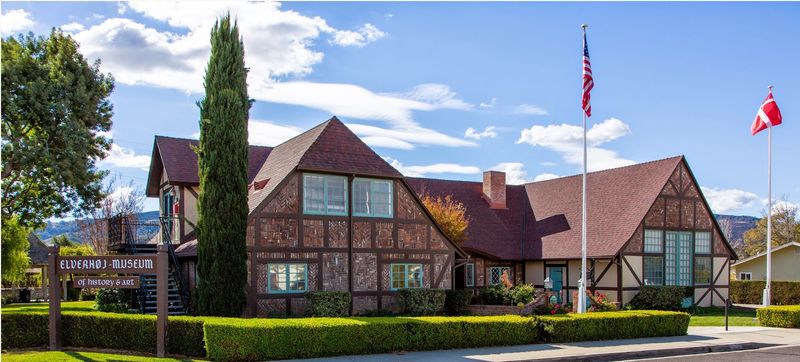
The architecture throughout the downtown area reflects that origin, with half-timbered buildings, working windmills, and hand-painted signs that give the streets a storybook quality.
The Elverhoj Museum of History and Art, located at 1624 Elverhoy Way, Solvang, CA 93463, offers a well-curated look at Danish-American history and the town’s founding story through rotating exhibits and permanent collections.
Bakeries throughout town serve traditional Danish pastries including aebleskiver, which are round pancake puffs typically served with jam and powdered sugar.
Olsen’s Danish Village Bakery has been a local institution for decades.
The Solvang Theaterfest presents outdoor summer performances that draw visitors from across the region, and the Hans Christian Andersen Museum sits above a bookshop on Mission Drive.
The surrounding Santa Ynez Valley is also known for horseback riding, cycling routes, and scenic drives through rolling farmland and vineyards.
Weekday visits allow for a more relaxed stroll through the shops and a better chance of finding seating at the popular eateries without a long wait.
9. La Jolla
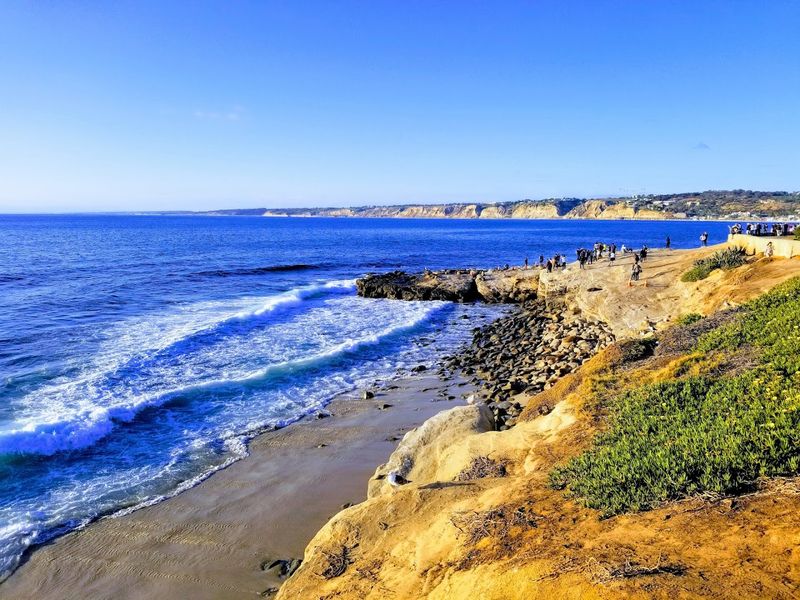
Perched along the coastline just north of San Diego, La Jolla combines natural beauty with a polished small-town atmosphere that makes for an easy and rewarding day trip.
The cliffs above La Jolla Cove offer some of the most photographed ocean views in Southern California, and the cove itself is a protected marine reserve where snorkelers and divers frequently spot garibaldi fish, leopard sharks, and sea turtles.
Sea lions and harbor seals lounge on the rocks near the Children’s Pool most of the year.
The La Jolla Playhouse, located at 2910 La Jolla Village Drive, La Jolla, CA 92093, is a Tony Award-winning theater that has launched numerous Broadway productions and continues to present a strong season of new and classic works.
Prospect Street and Girard Avenue form the commercial heart of the village, lined with galleries, boutiques, and a wide range of dining options.
The Birch Aquarium at Scripps Institution of Oceanography offers engaging exhibits on ocean science and marine life just a short drive from the cove.
Parking near the cove on weekends fills quickly, and the surrounding streets are metered. The coastal path along the cliffs is flat and accessible, making it a comfortable walk for most visitors.
Morning light tends to bring out the best colors in the water at the cove.
10. Balboa Park, San Diego
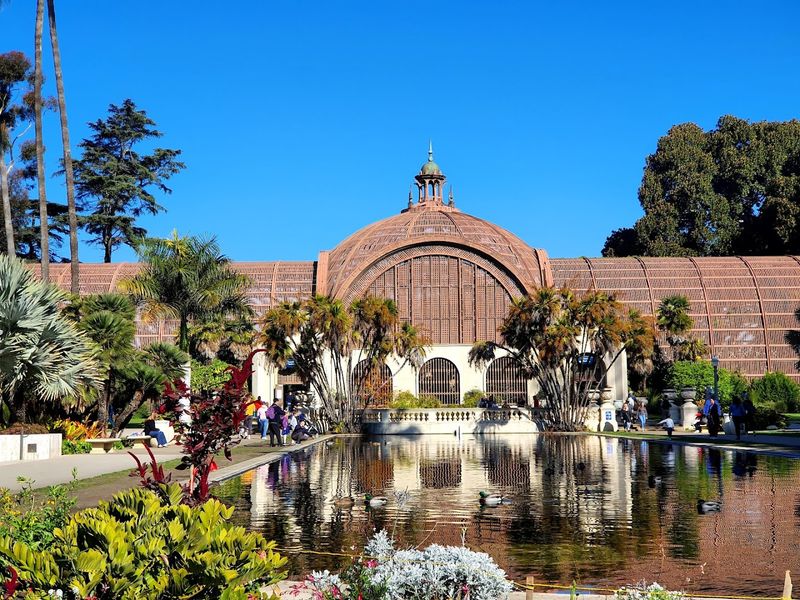
Covering over 1,200 acres in the heart of San Diego, Balboa Park is one of the largest urban cultural parks in the United States.
The grounds include more than a dozen museums, multiple performing arts venues, formal gardens, hiking trails, and the internationally recognized San Diego Zoo.
A single day barely scratches the surface of what the park contains.
The park’s architecture is largely Spanish Colonial Revival in style, with ornate facades and tiled rooftops that create a cohesive visual identity across the grounds.
The Museum of Photographic Arts, the San Diego Museum of Art, and the Fleet Science Center are among the most visited institutions within the park, each offering a distinct experience.
The Botanical Building and its adjacent lily pond provide a quieter, more reflective corner of the park away from the busier museum corridors.
Free organ concerts take place at the Spreckels Organ Pavilion most Sundays at 2 p.m., a tradition that has continued for over a century.
The park is easily walkable, though its size means that choosing a focus area ahead of time helps make the most of a single-day visit.
Trams operate within the park and can be useful for covering more ground without fatigue. Weekday visits generally offer a less crowded experience across most of the park’s venues.
11. Hearst Castle
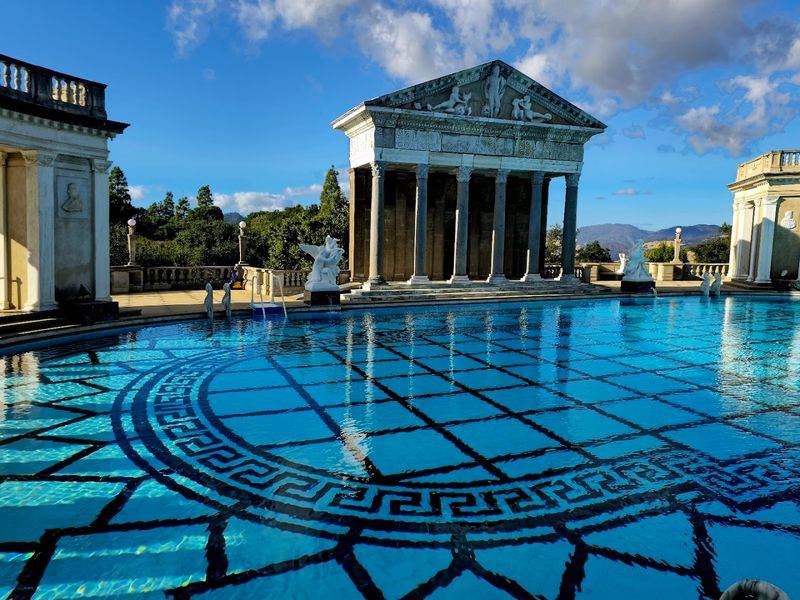
Sitting on a hilltop above the Central Coast town of San Simeon, Hearst Castle is one of the most extraordinary historic estates in the United States.
Built between 1919 and 1947, the main building and surrounding grounds were designed by architect Julia Morgan for newspaper publisher William Randolph Hearst.
The property includes 165 rooms, two swimming pools, gardens, and art collections assembled from around the world.
The Hearst Castle visitor center, located at 750 Hearst Castle Road, San Simeon, CA 93452, serves as the starting point for all tours, which are conducted by California State Parks and require advance reservations.
The Grand Rooms tour is one of the most popular introductions to the estate, covering the main house’s most elaborately decorated spaces.
The Neptune Pool, an outdoor swimming pool framed by classical colonnades and a Roman temple facade, is one of the most visually memorable spaces on the property.
The drive along Highway 1 to reach San Simeon adds to the experience, passing coastal bluffs, elephant seal viewing areas, and dramatic Pacific scenery.
Tours run most days of the year, though availability varies by season. Comfortable walking shoes are recommended since the tour involves a fair amount of stair climbing and uneven surfaces across the grounds.
12. Lassen Volcanic National Park
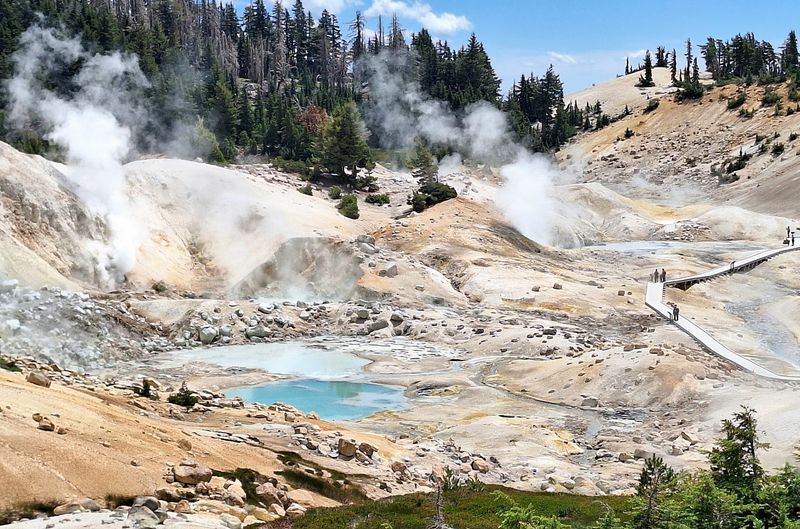
Among California’s national parks, Lassen Volcanic stands apart for its raw geological energy and relatively uncrowded trails.
Located in the northeastern part of the state, the park sits within one of the most volcanically active regions in North America.
Bumpass Hell, the park’s largest hydrothermal area, features boiling mud pots, steaming fumaroles, and vivid mineral deposits spread across a stark and surreal landscape.
Lassen Peak, the largest plug dome volcano in the world, last erupted between 1914 and 1921 and can be summited via a strenuous but non-technical trail that rewards hikers with sweeping views across the volcanic terrain.
Alpine lakes like Manzanita Lake and Lake Helen reflect the surrounding peaks and offer peaceful spots for fishing, kayaking, and photography.
Wildflower meadows along the lower elevation trails tend to peak in July.
The park receives heavy snowfall in winter and the main road through the park typically closes from late October through late May or June depending on conditions.
Summer and early fall offer the best access to the full range of hydrothermal features and high-elevation trails.
The park sees significantly fewer visitors than Yosemite or Sequoia, which means a quieter and more spacious experience for those willing to make the drive to this corner of Northern California.
13. Nevada City
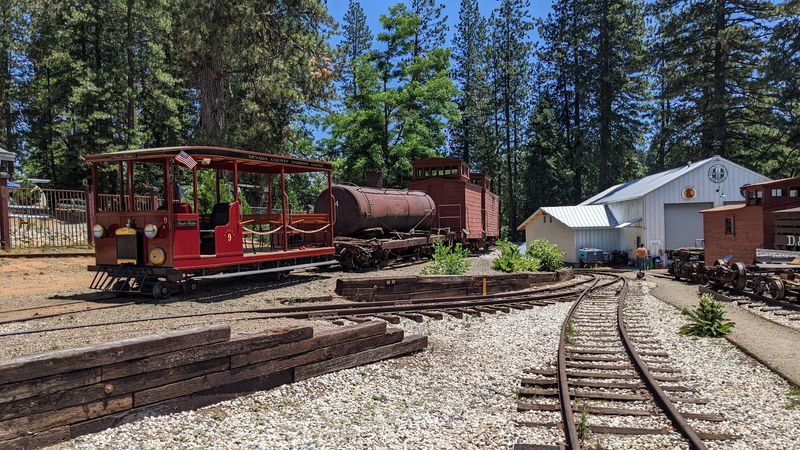
Nestled in the Sierra Nevada foothills at about 2,500 feet elevation, Nevada City is one of the best-preserved Gold Rush-era towns in California.
The downtown district is compact and walkable, with Victorian buildings lining Broad Street and Commercial Street that have remained largely intact since the mid-1800s.
The town earned its place on the National Register of Historic Places, and the architecture reflects that distinction at nearly every corner.
The Nevada County Narrow Gauge Railroad Museum, located at 5 Kidder Court, Nevada City, CA 95959, houses a collection of narrow gauge railroad equipment and historical artifacts that tell the story of how the mountain communities of the region were connected during the mining era.
Antique shops, independent bookstores, and art galleries fill many of the ground-floor storefronts, giving the town a lively and browsable character.
The Nevada Theatre, built in 1865, claims the title of the oldest operating theater building in California.
Hiking trails in the surrounding South Yuba River State Park offer access to swimming holes and gold panning areas that connect directly to the region’s mining history.
The town has a genuine community feel rather than a purely tourist-oriented one, which gives a visit here a more grounded and authentic quality.
Fall foliage in the surrounding hills adds warm color to the landscape between October and early November.
14. Channel Islands National Park
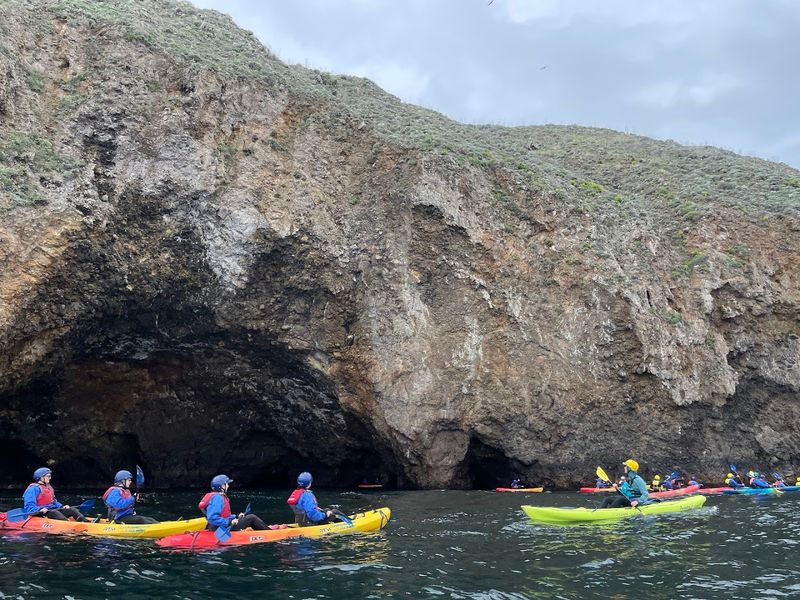
Accessible only by boat or small plane, Channel Islands National Park offers a level of natural isolation that is genuinely rare in Southern California.
The park protects five islands off the Ventura and Santa Barbara coast, each with its own distinct character and ecology.
Often called the Galapagos of North America, the islands support endemic species found nowhere else on earth, including the island fox and the island scrub-jay.
Island Packers, the authorized concessionaire for the park, operates boat transportation to the islands from Ventura Harbor.
Santa Cruz Island is the largest and most visited, offering sea cave kayaking, snorkeling, hiking, and wildlife watching within a single day trip.
The Painted Cave on Santa Cruz is one of the largest known sea caves in the world and can be explored by kayak during calm sea conditions.
Trips to the islands require advance planning since boat schedules are set and weather conditions can occasionally affect departures.
Visitors must bring all food, water, and supplies since there are no stores or restaurants on the islands.
The crossing takes between one and three hours depending on the destination island, and the open-water passage can be rough, so motion sickness medication may be worth considering for sensitive travelers.