This California Lake Town Tops America’s List Of 15 Best

The road climbs higher. Pine trees grow thicker. Then the view suddenly opens to a stretch of water so blue it almost looks unreal.
Moments like that tend to stop people in their tracks. Travelers arrive expecting a beautiful lake and quickly realize the experience feels even bigger.
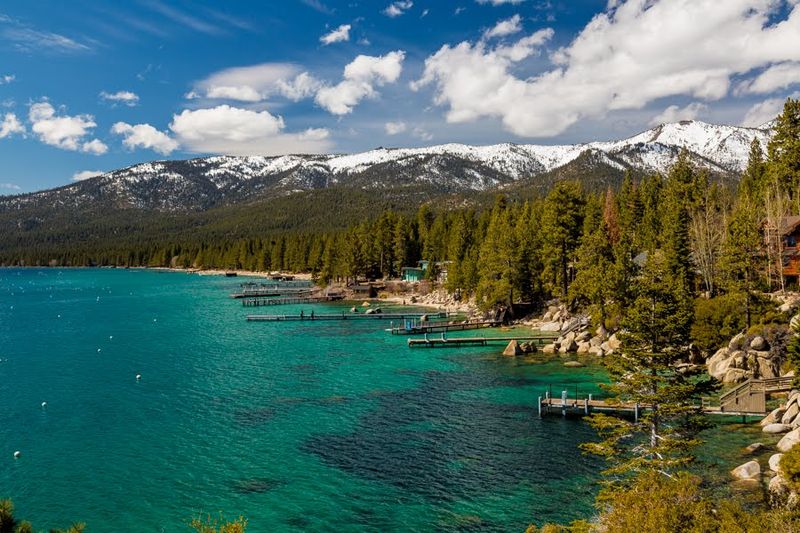
Snowy mountain peaks rise above the shoreline, sandy beaches appear between forested coves, and the water shifts from deep sapphire to clear turquoise depending on the light.
Outdoor adventures unfold in every direction. Ski slopes draw crowds in winter. Kayaks glide across calm morning water in summer. Hiking trails wind through the surrounding forests while cozy cafés and lakeside spots offer places to pause between excursions.
This unforgettable scene surrounds South Lake Tahoe, a lively mountain town resting along the southern edge of Lake Tahoe high in the Sierra Nevada.
Few destinations capture the spirit of outdoor travel in California quite like this one. The lake, the mountains, and the year-round activities combine to create a place where every season brings something new.
Visitors come for the scenery, but the energy of South Lake Tahoe often keeps them exploring far longer than they planned.
1. No.1 On Travel+Leisure’s Best Lake Towns In America List

Recognition from Travel + Leisure placed South Lake Tahoe at the very top of its list of the Best Lake Towns in America, and much of that praise centers on the lively community of South Lake Tahoe on the California side of the shoreline.
The destination stands out for combining striking alpine scenery with a wide range of things to do throughout the entire year.
South Lake Tahoe offers first-class accommodations, from lakeside resorts and boutique hotels to cozy mountain lodges that place visitors close to both the water and the surrounding Sierra Nevada peaks.
Many properties provide direct access to beaches, ski resorts, or hiking trails, allowing guests to move easily between relaxation and adventure.
Entertainment plays a major role in the town’s appeal as well.
Visitors find a steady calendar of live music, festivals, and seasonal events that keep the atmosphere lively even outside the peak travel months.
Nearby casinos just across the Nevada border add another layer of nightlife for those looking to extend their evenings.
The setting itself remains the biggest draw. Deep blue water, forested mountains, and wide open skies frame the town in every direction.
Outdoor activities stretch across all seasons, including skiing, hiking, kayaking, boating, and beachgoing.
2. The Largest Alpine Lake In North America

Few lakes anywhere in the world carry the kind of sheer scale that Lake Tahoe holds so effortlessly.
Covering 193 square miles with a shoreline stretching 72 miles, the lake sits at an elevation of about 6,225 feet above sea level, making it the largest alpine lake on the entire continent.
The size alone is enough to stop first-time visitors in their tracks.
Standing at the shoreline, the opposite side of the lake can seem almost impossibly far away, giving the water an almost ocean-like quality.
The surrounding Sierra Nevada peaks frame the view from every angle, creating a scene that feels both dramatic and calming at the same time.
Many visitors say photos simply do not capture the full sense of scale. Lake Tahoe sits on the border between California and Nevada, so the experience of visiting the lake spans two states at once.
The California side is especially known for its natural parks, open beaches, and forest trails that wrap around the shoreline.
Arriving early in the morning tends to offer the clearest views and the most peaceful atmosphere before crowds begin to build throughout the day.
3. Remarkably Deep And Crystal Clear Water
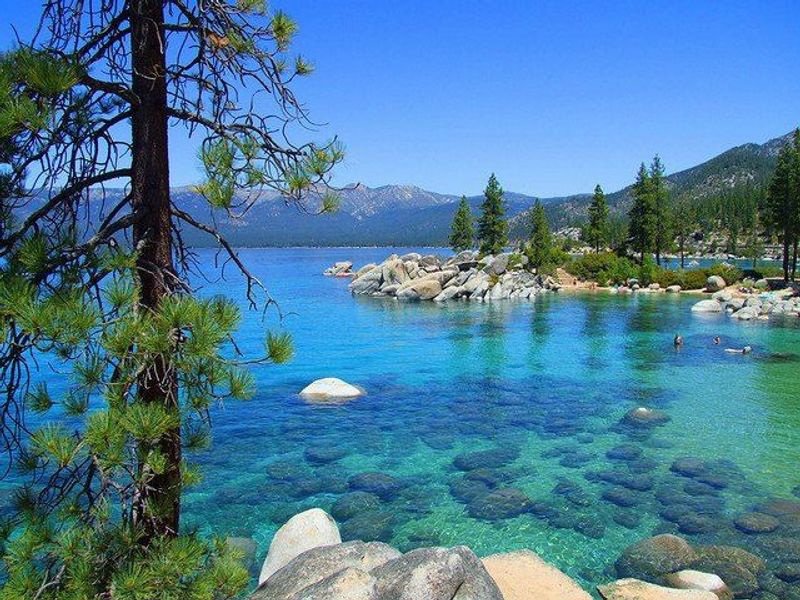
At its deepest point, Lake Tahoe plunges 1,642 feet below the surface, making it the third deepest lake in all of North America.
The average depth across the entire lake sits at around 989 feet, which means the total volume of water held here is genuinely staggering.
Scientists estimate the lake holds enough water to cover the entire state of California to a depth of about 14 inches. Beyond its depth, the clarity of the water is what tends to leave visitors speechless.
Visibility in the lake can reach up to 75 feet on calm, clear days, allowing sunlight to penetrate deep and give the water its signature turquoise and cobalt blue tones.
Standing on a dock or a rocky outcrop, the lake bottom is often clearly visible even from several feet above the surface.
Maintaining that clarity has required serious conservation efforts over the decades, since runoff and development once threatened to cloud the water significantly.
Organizations and local agencies continue to monitor water quality closely each year.
The results of those efforts are visible every time someone looks down from the shore and sees the sandy bottom shimmering beneath the surface.
4. Year-Round Recreation For Every Type Of Visitor

One of the biggest reasons South Lake Tahoe consistently ranks among the best lake towns in America is that the fun never really stops regardless of the season.
Winter brings world-class skiing and snowboarding across more than a dozen resorts clustered around the lake, with Heavenly Mountain Resort and Palisades Tahoe being among the most well-known.
Snowshoeing and sledding are popular for those who prefer staying closer to the ground. When the snow melts and temperatures climb, the lake transforms into a playground for water lovers.
Kayaking, paddleboarding, swimming, and jet skiing are all common sights along the California shoreline during summer months.
Sandy beaches like those at South Lake Tahoe fill up quickly on warm weekends, so arriving earlier in the day tends to make the experience more comfortable.
Fall brings its own quiet magic to the area, with golden aspen trees lining the mountain roads and trails.
Hiking during autumn offers cooler temperatures and fewer crowds compared to the peak summer rush.
Spring can be unpredictable with lingering snow at higher elevations, but it rewards patient visitors with wildflower blooms and rushing waterfalls fed by snowmelt pouring down the Sierra Nevada slopes.
5. Historical Significance Rooted In The American West
The Lake Tahoe region carries a deep layer of American history that stretches back well before the area became a tourist destination.
The surrounding Sierra Nevada mountains played a central role in the westward expansion of the United States during the nineteenth century, serving as both a barrier and a gateway for settlers heading toward California.
Wagon trains and explorers navigated these rugged passes with considerable difficulty.
One of the most well-known historical events connected to the region is the tragic story of the Donner Party in 1846.
The group became stranded in the mountains near what is now called Donner Lake, located just a short distance from Lake Tahoe, during a brutal winter storm. The event became one of the most documented survival stories in American frontier history.
Beyond the Donner Party, the area also has ties to the California Gold Rush and the construction of the transcontinental railroad, both of which brought significant activity through the Sierra Nevada corridor.
Native American tribes including the Washoe people have called the Lake Tahoe basin home for thousands of years before European settlers arrived.
Their cultural connection to the land remains an important part of the region’s deeper identity.
6. Home To Rare And Threatened Wildlife

The ecosystem surrounding Lake Tahoe supports a remarkable range of wildlife, including several species that are rare or difficult to find elsewhere in the world.
The Lahontan cutthroat trout is one of the most notable examples, a fish that is considered threatened and is found in only a small number of locations within the Truckee River watershed.
Conservation programs have worked to protect and restore populations of this native trout over many years.
Black bears are a regular presence in the forests surrounding the lake, and visitors are reminded to store food properly and follow wildlife safety guidelines during their stay.
Mule deer, osprey, bald eagles, and great blue herons are also commonly spotted around the shoreline and in the surrounding national forest lands.
The diversity of habitats around the lake, from deep water to alpine meadow, supports this wide range of animal life.
The Lake Tahoe region falls within the Tahoe National Forest and the Lake Tahoe Basin Management Unit, both of which help regulate land use and protect sensitive habitats.
Staying on designated trails and respecting posted wildlife areas helps preserve the natural balance that makes the ecosystem so special.
Visitors who take the time to move quietly along the shoreline at dawn are often rewarded with some of the best wildlife sightings.
7. A Thriving Arts And Culture Scene

Beyond the outdoor adventures, Lake Tahoe has developed a genuinely vibrant arts and cultural community that gives the destination a lively personality throughout the year.
Galleries, live music venues, and performance spaces are scattered across the towns surrounding the lake, offering visitors a chance to experience creativity alongside the natural scenery.
The arts scene tends to feel relaxed and welcoming rather than formal or exclusive.
The Lake Tahoe Shakespeare Festival is one of the most beloved annual events in the region, held at Sand Harbor on the Nevada side of the lake each summer.
Audiences sit outdoors with the lake shimmering behind the stage as professional actors perform classic plays under the open sky.
Tickets sell out well in advance, so planning ahead is strongly recommended for anyone hoping to attend.
Music festivals, art walks, and cultural events pop up throughout the calendar year on both the California and Nevada sides of the lake.
South Lake Tahoe in particular has a lively town center with local restaurants, shops, and small performance spaces that give the area a community-centered energy.
Spending an evening walking through town and stopping into galleries or live music spots offers a side of Lake Tahoe that purely outdoor visitors sometimes miss entirely.
8. Serious Environmental Conservation Efforts

Lake Tahoe’s famous clarity did not maintain itself automatically over the decades, and the effort required to protect it has been substantial and ongoing.
By the 1960s, scientists began noticing a gradual decrease in water transparency caused by nutrient runoff, erosion, and increased development around the basin.
The findings prompted one of the most comprehensive regional conservation programs in American environmental history.
The Tahoe Regional Planning Agency was established in 1969 through a compact between California and Nevada specifically to manage land use and protect the lake’s natural condition.
Strict regulations govern construction, stormwater management, and land coverage around the basin to reduce the amount of sediment and nutrients entering the water.
These rules have helped slow the rate of clarity loss and supported gradual improvements over time.
Restoration projects targeting stream banks, meadows, and wetlands continue throughout the basin each year, with the goal of reducing erosion and filtering runoff before it reaches the lake.
Volunteer programs, environmental education initiatives, and partnerships with local businesses all contribute to the broader conservation effort.
Visitors can support these efforts simply by staying on designated trails, using proper waste disposal, and following posted guidelines throughout the lake’s shoreline areas.
9. A Major Economic Engine For The Region
The economic footprint of Lake Tahoe is enormous, with the destination drawing millions of visitors every year from across the country and around the world.
Tourism is the backbone of the local economy on both the California and Nevada sides of the lake, supporting thousands of jobs in hospitality, recreation, retail, and transportation.
Small businesses throughout the surrounding communities depend heavily on the steady flow of seasonal and year-round visitors.
South Lake Tahoe on the California side serves as one of the main commercial hubs for the area, with a concentrated stretch of hotels, restaurants, and activity outfitters catering to every budget level.
Rental properties and vacation homes also represent a significant portion of the local economy, with demand remaining strong across all four seasons.
Weekends and holiday periods tend to bring the highest visitor volumes and the most economic activity.
The ski industry alone generates hundreds of millions of dollars in annual revenue across the resorts surrounding the lake, with Heavenly Mountain Resort being one of the largest ski operations in the western United States.
Summer brings comparable economic activity through boating rentals, guided hikes, beach concessions, and music events.
The balance between economic growth and environmental protection remains a central conversation among local leaders and planners throughout the region.
10. A Unique Geography Split Between Two States
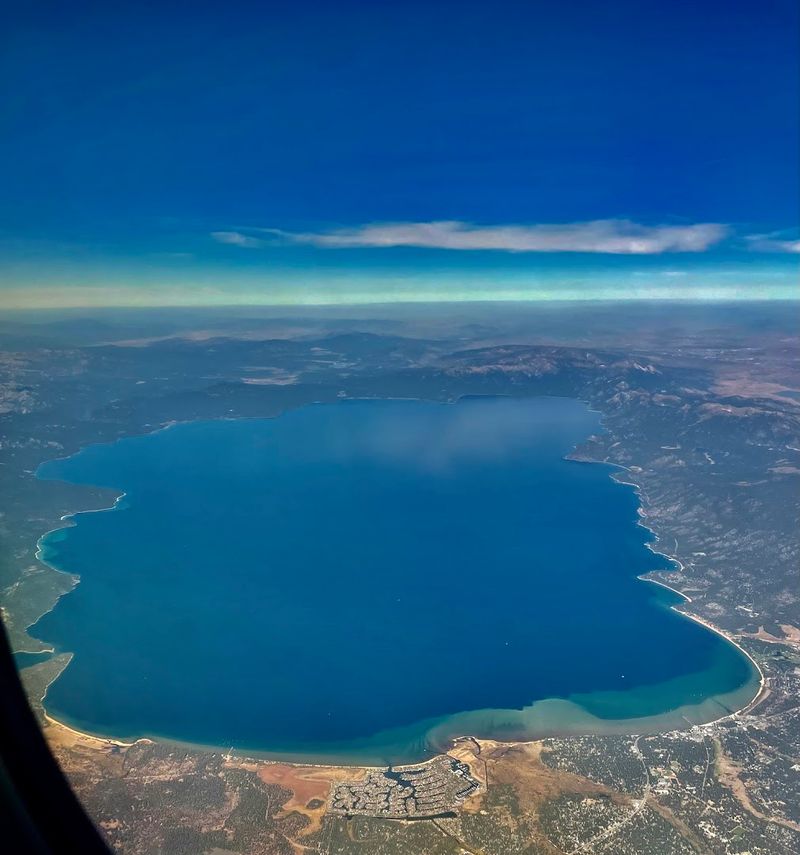
Sitting directly on the border between California and Nevada, Lake Tahoe offers a genuinely unusual geographic experience that few other destinations can match.
The state line cuts right through the middle of the lake, meaning a boat trip across the water technically crosses from one state into another.
The contrast between the two sides of the lake is noticeable almost immediately upon arrival.
The California side is characterized by dense national forest land, state parks, and protected natural areas that keep development relatively limited and the scenery largely undisturbed.
Trails, campgrounds, and beach access points are spread throughout the California shoreline, giving outdoor enthusiasts plenty of room to explore without feeling crowded.
The pace on the California side tends to be quieter and more nature-focused overall.
Crossing into Nevada brings a noticeably different atmosphere, with casino resorts clustered along the south and north shores of the Nevada side.
Stateline, Nevada sits right at the southern end of the lake and features several large casino hotel complexes just steps from the California border.
Visitors can move between the two states freely throughout the day, combining a morning hike on the California side with an evening dinner on the Nevada side without ever traveling far from the water.
11. Community Events That Bring The Lake To Life
Lake Tahoe has built a reputation not just as a scenic destination but as a place where community gatherings and large-scale events give the area a festive, welcoming energy throughout the year.
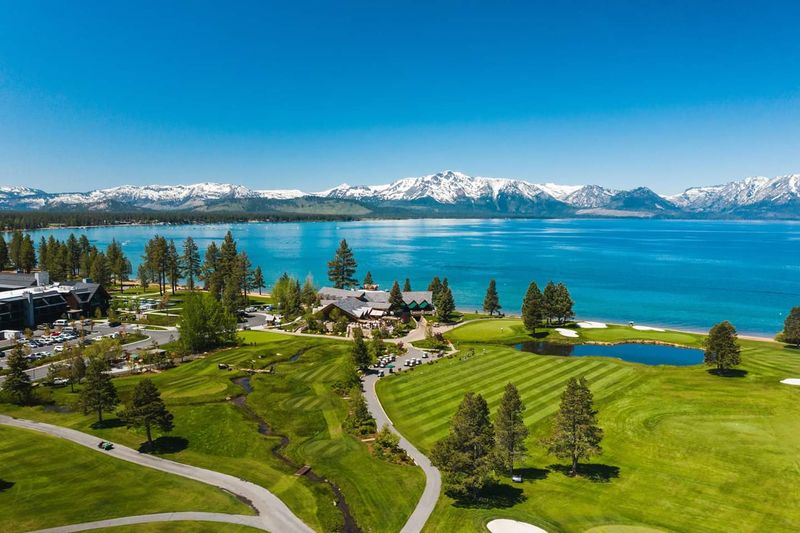
The American Century Championship is one of the most anticipated annual events, a celebrity golf tournament held at Edgewood Tahoe Golf Course in Stateline that draws professional athletes and entertainers from across the country.
The event typically takes place in July and attracts large crowds to the lakeside course.
Edgewood Tahoe Golf Course sits right along the southern shoreline of the lake with views that make it one of the most photographed golf settings in the western United States.
The tournament atmosphere is relaxed and family-friendly, with spectators often lining the fairways just feet from the players. Advance tickets are recommended since the event draws significant attendance each year.
Beyond golf, the area hosts food festivals, outdoor film screenings, holiday celebrations, and running events that bring both locals and visitors together around a shared love of the lake.
The Tahoe Rim Trail Endurance Runs attract serious athletes from around the world each summer.
Events like these help Lake Tahoe feel like a living, breathing community rather than just a scenic backdrop for photographs.