12 Remarkable North Carolina Day Trips To Take Month By Month
North Carolina has a way of surprising you no matter what time of year you show up. I learned that the hard way after assuming January was too cold and boring for a road trip, only to find myself standing on a swinging bridge above the clouds, completely speechless.
Snow-dusted mountain peaks mingle with the energy of coastal festivals, offering a new kind of wonder every month. Chase fiery fall leaves, savor fresh blueberry treats, or marvel at giant gingerbread houses.
These twelve day trips show just how easily North Carolina can capture your heart again and again. And the best part?
Most people only visit during one season and miss the magic hiding in the other eleven. Keep reading, because some of the most unforgettable trips in North Carolina happen when you least expect them.
1. January: Grandfather Mountain
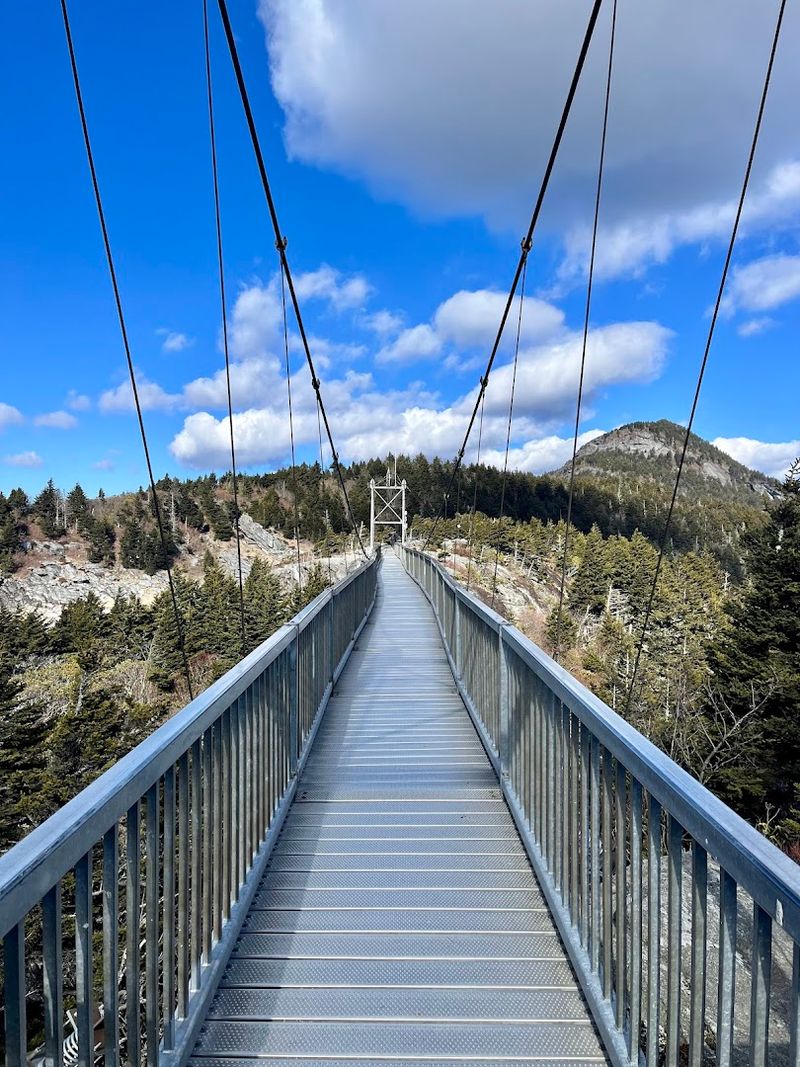
Snow and fog cloak the Mile High Swinging Bridge in January, making every step feel like walking through a living painting.
Grandfather Mountain, nestled in North Carolina’s Blue Ridge Mountains, reaches elevations above 5,200 feet. Winter has a way of making every view feel sharper and more dramatic than usual.
A light dusting of snow on the rocky ridgeline turns the whole place into something almost unreal.
Visiting in January means you get the mountain mostly to yourself. Crowds thin out considerably during the colder months.
Because of that, the wildlife habitats, scenic overlooks, and winding trails feel peaceful and unhurried.
The mountain is located along the Blue Ridge Parkway near Linville, and it holds the distinction of being a UNESCO International Biosphere Reserve.
That alone tells you how special this place is.
The bridge itself sways gently in the wind. Depending on your personality, that is either thrilling or slightly terrifying.
Wear warm, waterproof layers and sturdy boots because winter conditions can change quickly at high elevation.
Pack a thermos of hot cocoa, bring your camera, and give yourself at least half a day to explore.
January at Grandfather Mountain is not a compromise for off-season travel. It is genuinely one of the best ways to experience the mountain in its most raw and breathtaking form.
2. February: Hawksnest Snow Tubing
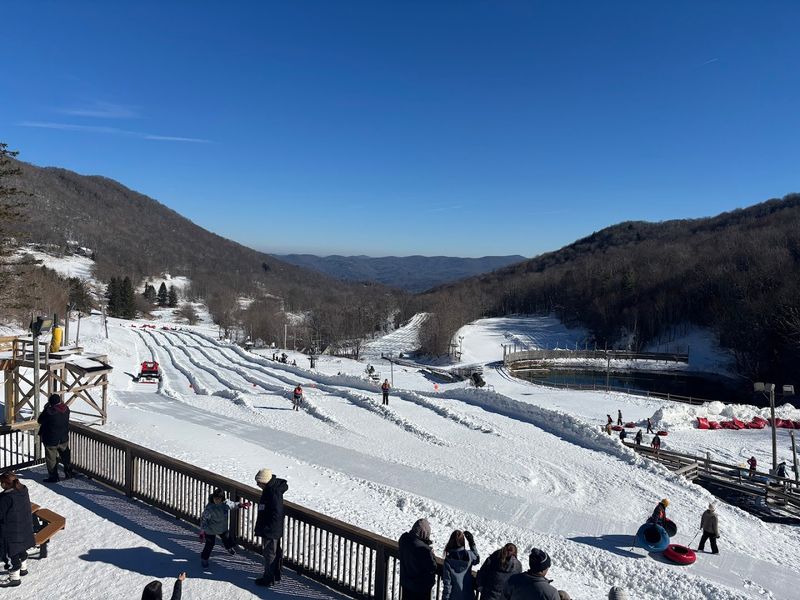
If you have ever tried to convince yourself that February is a throwaway month, Hawksnest Snow Tubing in Seven Devils, North Carolina, is about to change your entire outlook.
Widely recognized as one of the largest snow tubing parks on the East Coast, this place features more than 30 tubing lanes spread across several runs of varying speeds.
You will not run out of things to do here.
The setup is wonderfully simple. Conveyor lifts carry you back to the top after each run.
That means there is no exhausting uphill hike between turns.
Instead, you get more time flying down the mountain and less time catching your breath.
Groups of friends, families with little kids, and solo adventurers all mix together at the top of the lanes. The energy is genuinely contagious.
The surrounding Blue Ridge Mountains frame the whole experience beautifully and give you gorgeous views between runs.
Seven Devils is a small mountain community, so the vibe stays relaxed and friendly even on busy weekend afternoons.
Sessions are typically booked in time blocks, so checking the Hawksnest website ahead of your visit is a smart move.
Dress in waterproof pants and gloves because you will get wet. And you will love every second of it.
February sometimes gets overlooked as a travel month, but this park makes a strong case for embracing the cold and turning it into one of the most fun days of the year.
3. March: Biltmore Estate
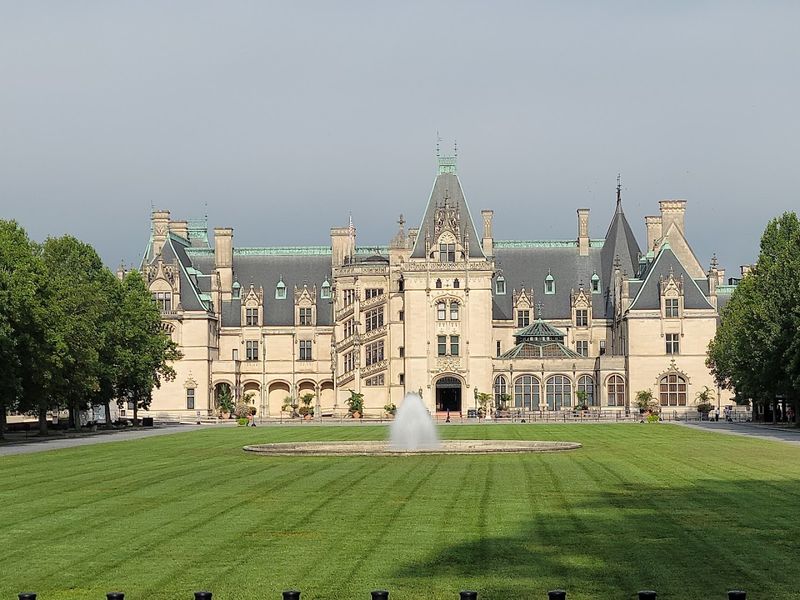
March arrives at Biltmore Estate like someone flipped a switch on the entire landscape.
The historic mansion in Asheville, built by George Vanderbilt in the 1890s, is already jaw-dropping on its own.
But when thousands of daffodils and tulips begin blooming across the formal gardens, the whole property transforms into something that feels borrowed from a fairy tale.
The annual Biltmore Blooms celebration kicks off in March and carries the color throughout spring.
The estate covers more than 8,000 acres, making it the largest privately owned home in the United States.
Walking through the Italian Garden, the Walled Garden, and the Conservatory during early spring gives you a front-row seat to nature waking up after winter.
Every pathway seems to offer a new photo opportunity around each corner.
Inside the mansion, the grand rooms are filled with original art, antique furniture, and intricate architectural details that take hours to fully appreciate.
The Biltmore Winery on the property offers tastings for adults who want to round out the afternoon.
March crowds are lighter than summer, which makes exploring the estate feel more relaxed and personal.
Plan to arrive early and wear comfortable walking shoes because you will easily cover several miles without even noticing.
A visit to Biltmore in March is not just a day trip. It is a genuinely memorable experience that stays with you long after you drive back home.
4. April: North Carolina Azalea Festival
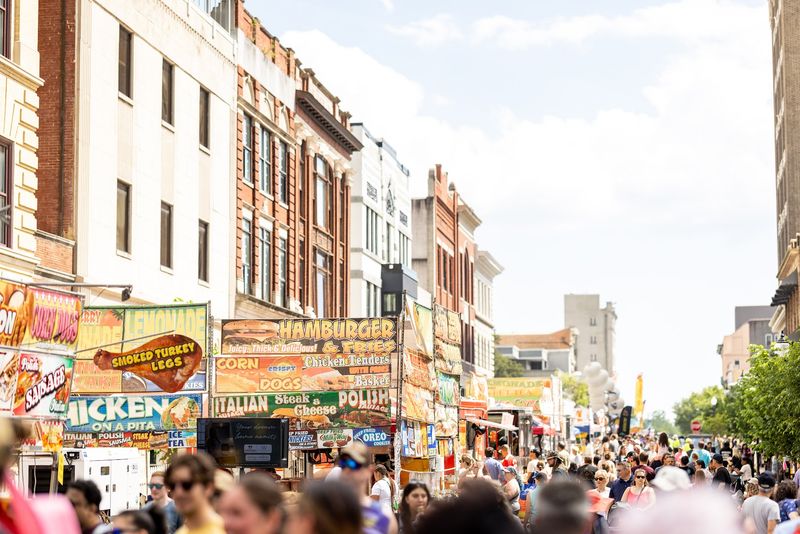
Wilmington in April looks like someone went overboard with a pink and purple paint set. And honestly, nobody is complaining.
The North Carolina Azalea Festival has been running since 1948, making it one of the oldest and most beloved spring celebrations in the entire state.
Streets, parks, and historic garden properties burst into color as azalea blooms reach their peak. The coastal city turns into a photographer’s dream destination.
The festival is not just about pretty flowers, though those are absolutely worth the trip on their own.
Live music performances, art shows, a grand parade, and tours of historic homes fill the weekend schedule with activity.
Local food vendors set up throughout the event, giving you plenty of chances to try regional flavors while wandering the grounds.
Wilmington itself is a wonderful city to explore beyond the festival.
The historic downtown riverfront, nearby beaches, and charming neighborhoods all add extra reasons to linger past the main events.
Parking can get tight during peak festival hours, so arriving early or using public transportation makes the day go much smoother.
Comfortable shoes are a must because you will be walking and exploring for hours.
April is genuinely one of the most visually spectacular months to visit coastal North Carolina, and the Azalea Festival gives you a perfect reason to make the drive.
5. May: Cheerwine Festival
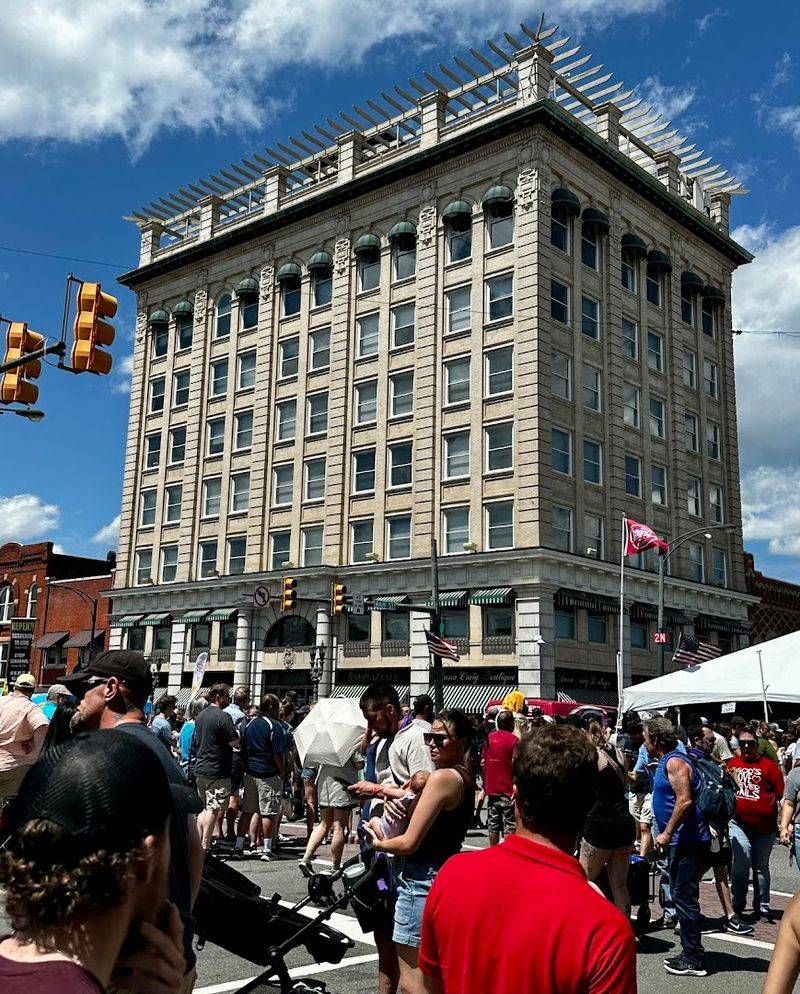
There is something wonderfully quirky about an entire festival built around a regional soda.
Salisbury, North Carolina, pulls it off with serious style every May.
The Cheerwine Festival celebrates the iconic cherry-flavored soft drink that was first created right here in Salisbury back in 1917.
More than a century later, the city still takes enormous pride in being the birthplace of one of the South’s most beloved beverages.
Downtown Salisbury fills with live music performances across multiple stages.
Local food vendors serve creative Cheerwine-inspired treats, while craft booths showcase handmade goods ranging from jewelry to woodwork.
The energy is festive and relaxed at the same time.
Families, couples, and groups of friends all seem equally at home wandering the streets and sampling everything in sight.
Beyond the festival itself, historic downtown Salisbury is worth exploring at a slower pace.
Beautiful architecture, locally owned shops, and colorful murals give the neighborhood a personality that feels genuinely authentic.
Admission to the outdoor festival areas is typically free.
May weather in the North Carolina Piedmont is usually warm and pleasant, making it a nearly perfect setting for a day spent outside celebrating a beloved hometown soda.
6. June: North Carolina Blueberry Festival

June in eastern North Carolina smells faintly sweet, and that is not your imagination.
Blueberry season arrives right on schedule. The small town of Burgaw throws one of the most charming festivals in the state to celebrate it properly.
The North Carolina Blueberry Festival fills the historic downtown with live entertainment, craft vendors, and more blueberry-inspired food options than you ever thought possible in a single afternoon.
Blueberry muffins, blueberry ice cream, blueberry jam, blueberry lemonade, and even blueberry barbecue sauce all appear at vendor stalls throughout the event.
It sounds excessive until you are actually there holding a cup of blueberry soft serve and wondering why you do not eat more blueberries in your daily life.
The festival has a genuinely laid-back, small-town atmosphere. It feels refreshingly unhurried compared to bigger city events.
Burgaw itself is a lovely little town with a historic courthouse and a friendly community vibe that makes visitors feel welcome from the moment they arrive.
The drive through Pender County farmland on the way into town is pretty in its own right. Wide-open fields and tall pines line the roads.
June temperatures in this part of the state can get warm, so bringing sunscreen and a hat is genuinely good advice.
The Blueberry Festival typically runs on a single weekend, so checking the exact dates before planning your trip ensures you do not miss the celebration.
7. July: Cape Hatteras National Seashore
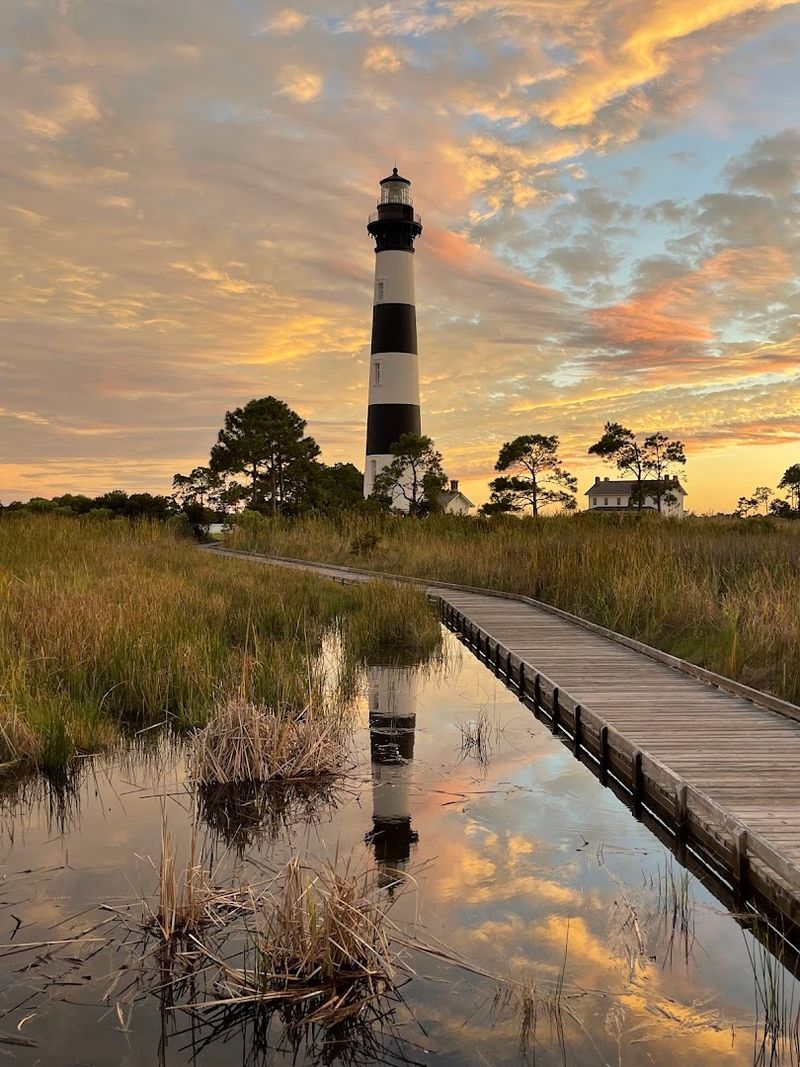
Cape Hatteras National Seashore is the kind of place that makes you forget you had any stress at all.
Stretching roughly 70 miles along North Carolina’s Outer Banks, this protected coastline offers wide, uncrowded beaches that feel worlds away from the packed resort strips you find elsewhere along the East Coast.
July is peak season here. However, the sheer length of the shoreline means you can almost always find a quiet stretch of sand to claim as your own.
The Cape Hatteras Lighthouse stands 198 feet tall. It is the tallest brick lighthouse in the United States and one of the most photographed landmarks on the Atlantic coast.
When the lighthouse is open for climbing, visitors can reach the top and enjoy sweeping views of the ocean and the sound on the opposite side of the barrier island.
Wildlife watching is excellent here as well. Shorebirds, sea turtles, and dolphins regularly appear along the water.
Swimming, surf fishing, kayaking, and windsurfing are all popular summer activities, giving every type of visitor something to enjoy.
The nearby villages of Buxton, Avon, and Hatteras offer locally owned restaurants and small shops that add a charming, unhurried feel to the day.
Sunrise over the Atlantic from Cape Hatteras is something that genuinely stops you in your tracks.
Pack plenty of sunscreen, bring more water than you think you need, and plan to stay from morning until sunset. July here is simply too good to rush.
8. August: Sliding Rock
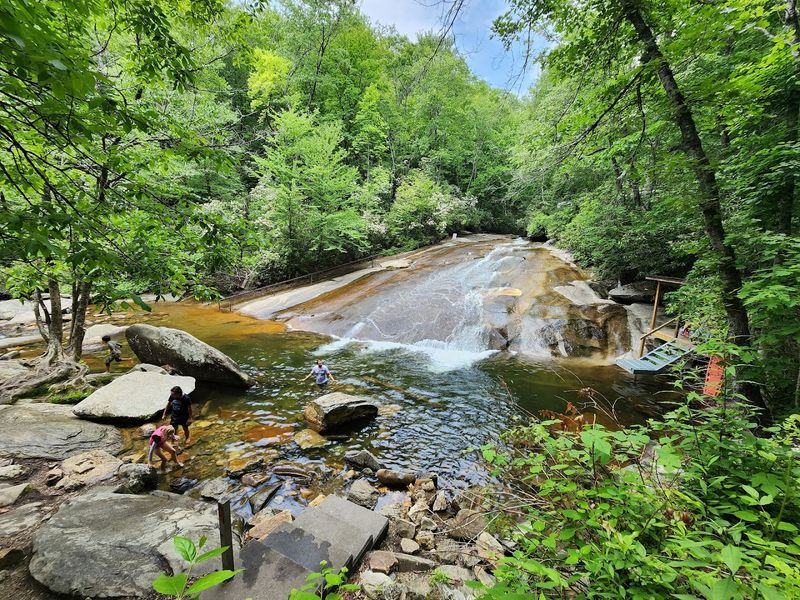
Hot August afternoons in western North Carolina call for exactly one thing.
Sliding Rock in Pisgah National Forest delivers it with spectacular efficiency.
This natural rock formation works as a 60-foot waterslide, sending visitors gliding down smooth granite into a refreshing mountain pool that hovers around 55 degrees Fahrenheit even during the height of summer.
That first splash is absolutely breathtaking in the most literal sense.
The experience itself is wonderfully simple. You sit at the top of the sloping rock, and rushing water carries you downward at a surprisingly quick speed.
A moment later, you land in the pool below with a splash that soaks everyone nearby.
Lifeguards are typically stationed at the site during peak summer hours. That makes the experience feel safe and accessible for families with children of different ages.
The line to slide can get long on busy weekends, but most visitors agree the wait is completely worth it.
Pisgah National Forest surrounds the site with towering trees and cool mountain air.
Even the short walk from the parking area feels like stepping into a nature documentary.
Nearby trails lead to additional waterfalls and overlooks for visitors who want to extend their adventure.
Located along U.S. Highway 276 south of Brevard, Sliding Rock is easy to find and easy to love.
Bring a change of clothes, waterproof sandals, and a towel because you will absolutely get soaked.
And chances are, you will immediately want to go again.
9. September: BugFest At NC Museum Of Natural Sciences

BugFest in downtown Raleigh might sound like your worst nightmare or your absolute dream day out.
Interestingly, it tends to convert skeptics faster than anyone expects.
Organized by the North Carolina Museum of Natural Sciences every September, this event has grown into one of the largest bug-themed festivals in the United States.
Tens of thousands of visitors gather for a single day packed with exhibits, demonstrations, and hands-on activities.
The festival covers everything from the biology of bees to the engineering genius of ant colonies.
Expert entomologists set up interactive stations where visitors can handle live insects, examine specimens under microscopes, and ask all kinds of questions.
Kids tend to absolutely lose their minds with excitement. That makes this one of the best family-friendly events in the state.
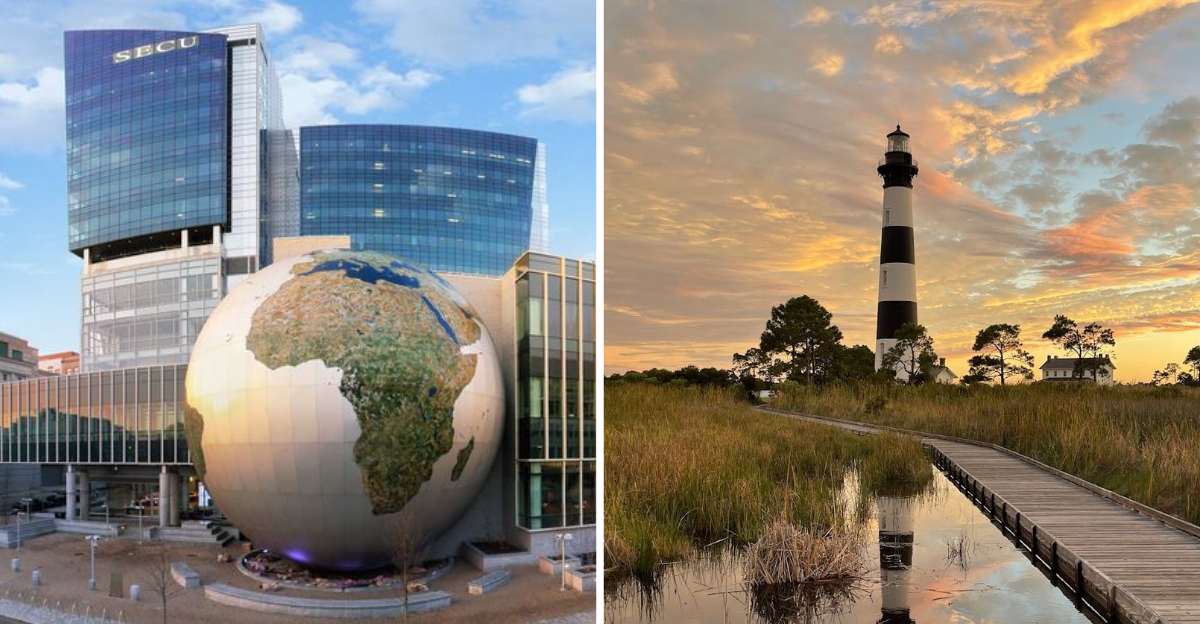
The North Carolina Museum of Natural Sciences itself is located at 11 W. Jones Street in Raleigh and is worth visiting on any regular day.
During BugFest, however, the entire building and surrounding outdoor spaces transform into something festive and energetic.
Food vendors even serve insect-inspired menu items, including actual edible bugs for adventurous visitors.
September in Raleigh usually brings comfortable temperatures and lower humidity compared to summer.
Because of that, the outdoor portions of the festival are genuinely pleasant.
BugFest is free to attend, which makes it one of the best value day trips on this list.
10. October: Blue Ridge Parkway Fall Foliage
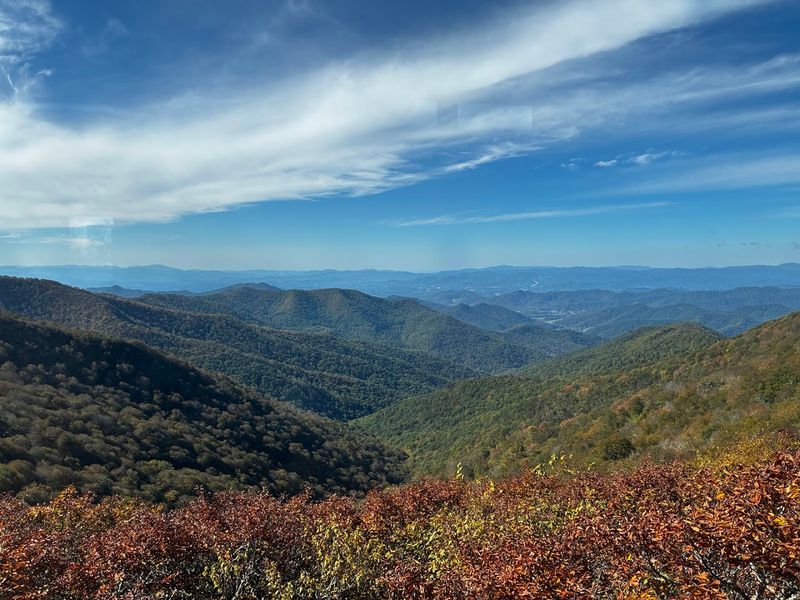
October along the Blue Ridge Parkway is the kind of experience that makes you pull over every few minutes.
The views out the windshield just keep getting better.
This 469-mile scenic highway winds through the Appalachian Mountains. It connects Shenandoah National Park in Virginia with Great Smoky Mountains National Park in North Carolina.
The North Carolina section alone offers dozens of scenic overlooks.
From these viewpoints, forests glow in shades of red, orange, gold, and burgundy that almost look unreal.
Peak color at higher elevations usually arrives in early to mid-October. Lower valleys tend to hold their color later into the month.
This extended window gives visitors plenty of flexibility when planning a trip.
Short hiking trails branch off from many parkway pullouts. These paths lead to waterfalls, rocky outcroppings, and additional viewpoints.
Picnic areas along the route make it easy to slow down and actually sit with the scenery.
One highlight is the Linn Cove Viaduct near Linville.
This graceful roadway curves around the side of Grandfather Mountain and has become one of the most photographed spots on the entire parkway.
Before starting your drive, make sure to fill up with gas because service stations are not located directly on the parkway.
October driving here remains one of the truly great American road trip experiences.
11. November: Carolina Renaissance Festival
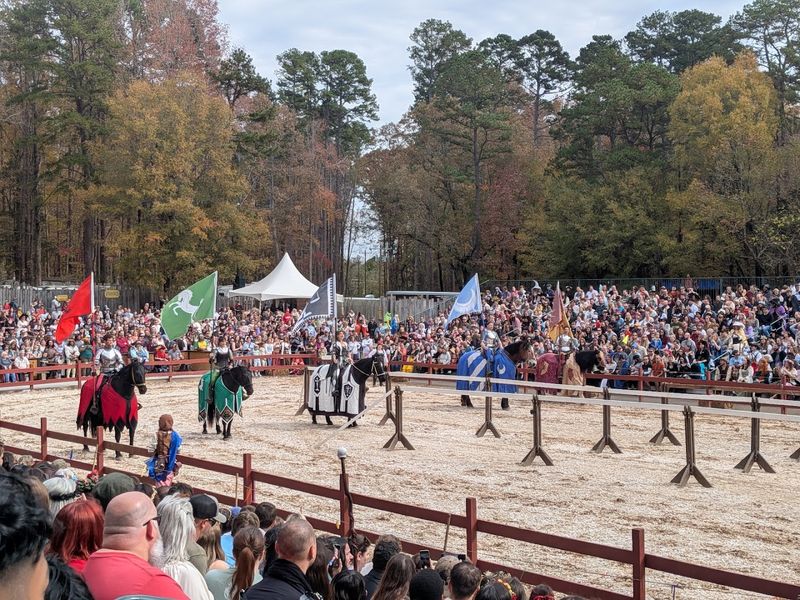
Somewhere in the woods outside Charlotte, North Carolina, the 16th century is alive and extremely enthusiastic about it.
The Carolina Renaissance Festival runs on select weekends in October and November.
During this time, a sprawling wooded property transforms into a lively medieval village.
Costumed performers roam the grounds. Artisan craft stalls line the pathways, and multiple entertainment stages host performances throughout the day.
The moment you walk through the gate, regular life feels very far away.
Jousting tournaments are a genuine highlight.
Armored knights on horseback compete in a full-size arena while the crowd cheers and boos with theatrical enthusiasm.
Street performers wander between shows, juggling, performing magic tricks, and interacting with visitors fully in character.
The entire atmosphere encourages guests to dress up as well.
A surprising number of visitors arrive in full costume, which only adds to the experience.
November weekends bring cooler, crisper air that fits the medieval setting perfectly.
Artisan vendors sell handcrafted goods including leather items, glassware, jewelry, and woodcarvings.
Many of these pieces make excellent holiday gifts.
Food options range from classic festival fare to elaborate feast-style plates served with theatrical flair.
The festival takes place near Huntersville, just north of Charlotte, making it an easy day trip from the city and surrounding areas.
Whether you are a long-time Renaissance fair enthusiast or simply curious, the event tends to win people over quickly.
12. December: Christmas Town USA
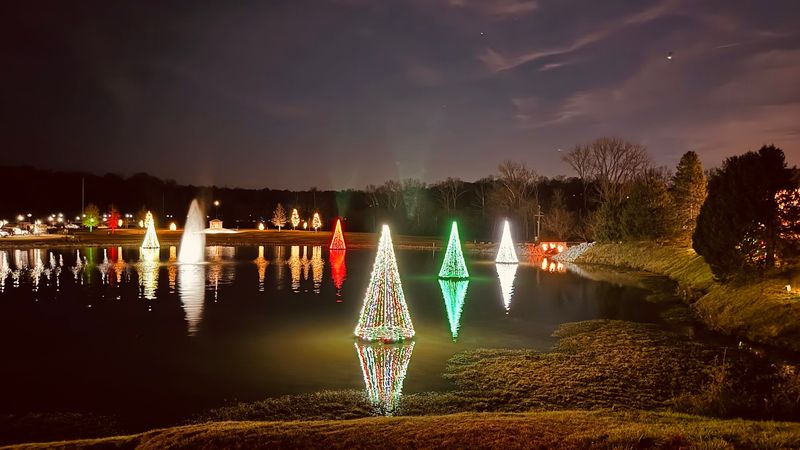
December in North Carolina takes on a completely different kind of magic in the tiny town of McAdenville.
Known across the state as Christmas Town USA, this small community transforms into a glowing holiday village every December.
More than half a million lights decorate homes, trees, and streets throughout the town. The result feels less like a typical light display and more like stepping inside a classic Christmas movie.
Visitors slowly drive or walk through the decorated streets, passing glowing wreaths, twinkling trees, and beautifully lit historic homes. The reflection of the lights along the lake in the center of town makes the whole scene feel especially magical after sunset.
One of the best parts is how authentic it feels. This is not a theme park or commercial attraction.
It is an entire town where residents have been decorating together for decades, creating a tradition that families return to year after year.
Located just outside Charlotte, McAdenville makes an easy evening trip in December.
Arrive a little before dark, grab a hot drink, and take your time wandering through the glowing streets.
It is one of those simple holiday experiences that reminds you why small-town traditions still feel so special.