Experience A Space Shuttle Launch Without Leaving The Ground At This Incredible Center In Columbus Georgia
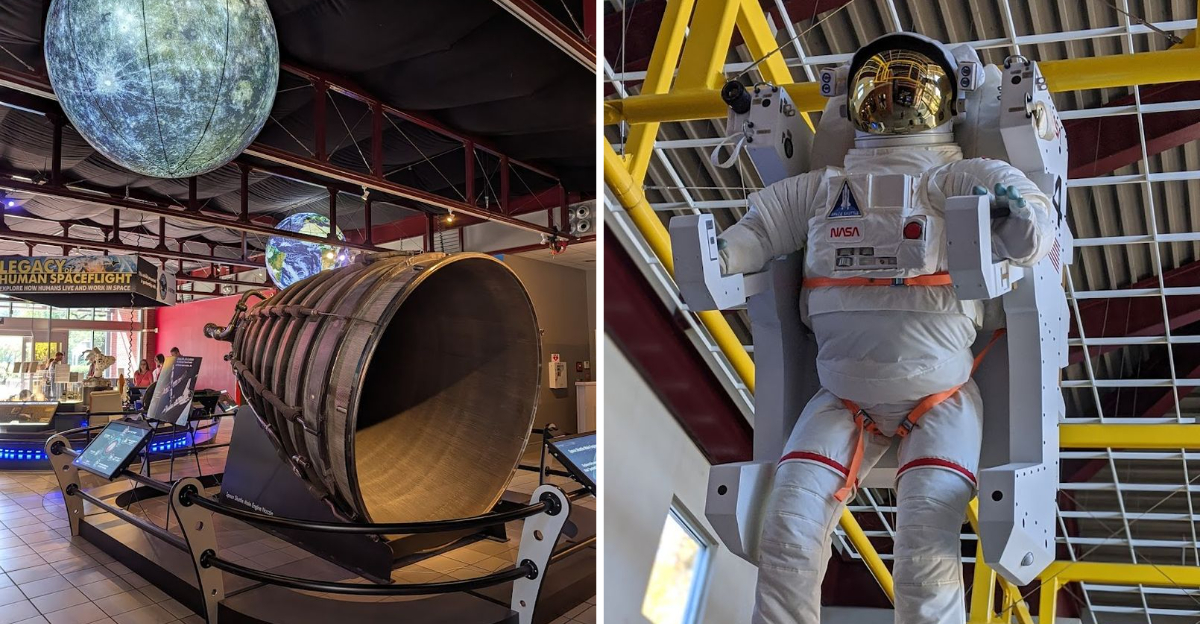
In the city of Columbus, Georgia, one unique attraction invites visitors to explore the wonders of space without ever leaving Earth. The Coca-Cola Space Science Center offers an engaging mix of science, technology, and hands-on discovery that captures the imagination of guests of all ages. Inside the center, interactive exhibits allow visitors to learn about space exploration, satellites, and the science that helps humans travel beyond our planet.
Guests can experience simulated shuttle launches, explore educational displays, and attend programs that bring astronomy to life. The center also hosts special stargazing events that give visitors a chance to observe the night sky through powerful telescopes. Families, students, and curious travelers often leave with a new appreciation for the mysteries of the universe.
For anyone looking for a fun and educational adventure in Columbus, the Coca-Cola Space Science Center offers an experience that is both inspiring and unforgettable.
1. Extensive NASA Artifact Collection
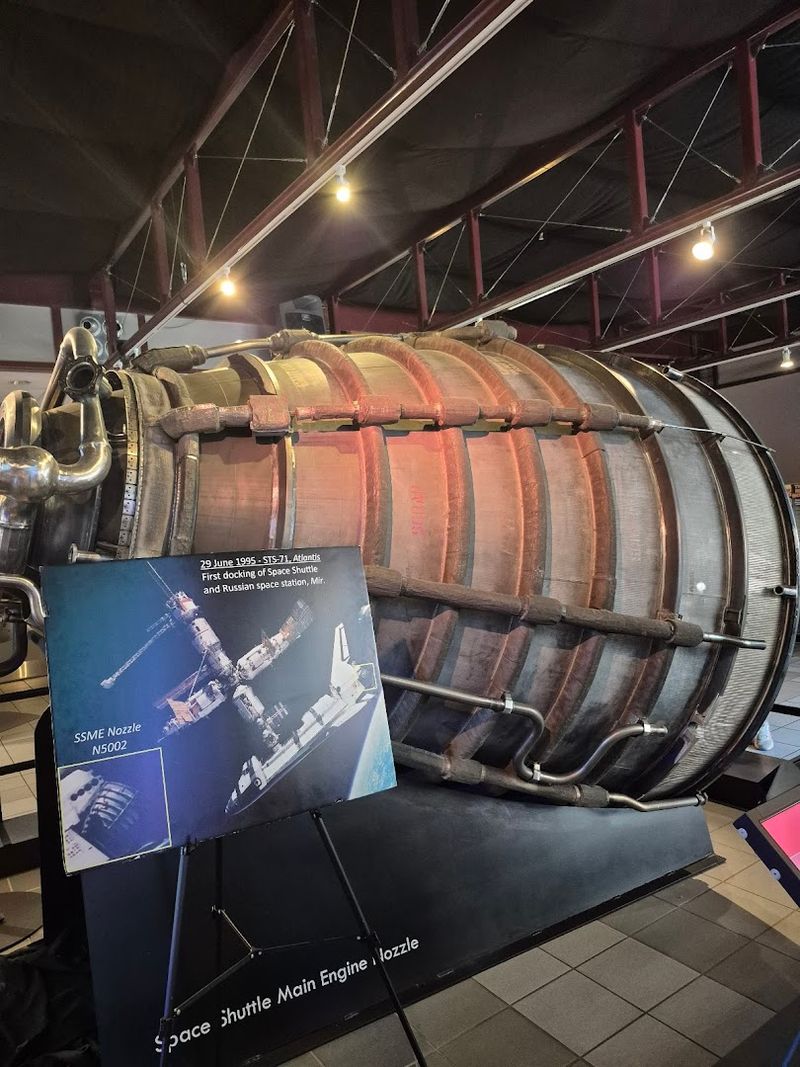
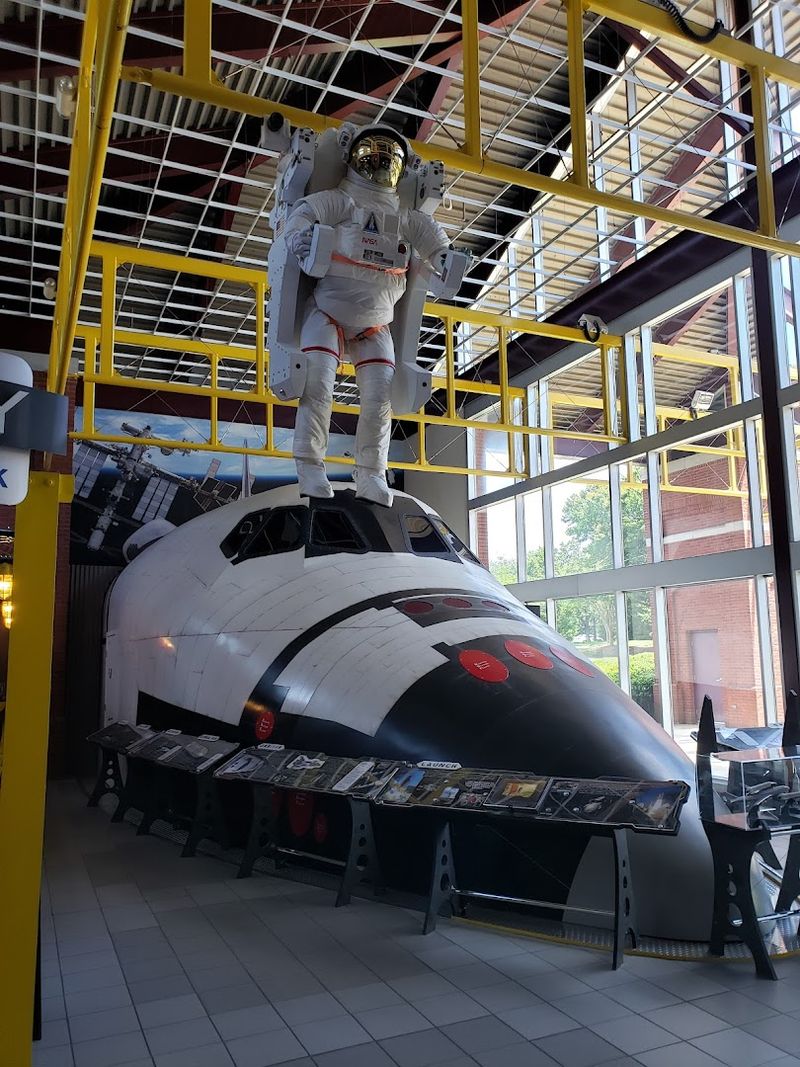
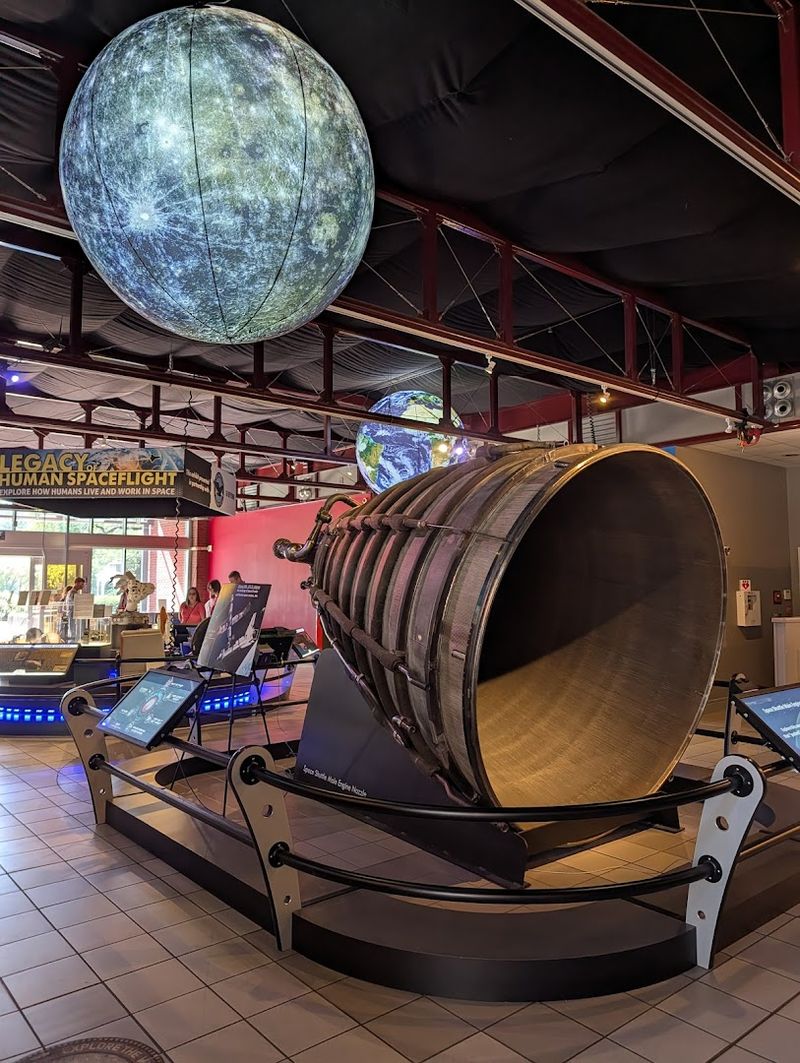
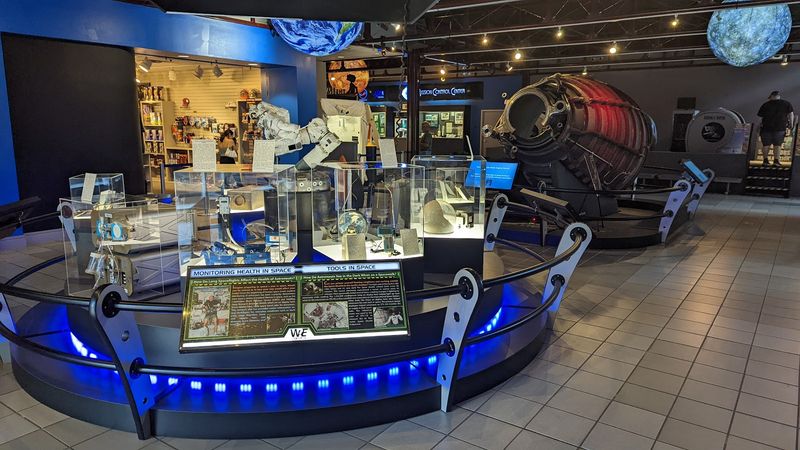
Georgia’s largest collection of NASA Space Shuttle artifacts lives right here in Columbus, and it’s something most visitors don’t expect to find in a mid-sized Southern city. The Coca-Cola Space Science Center, located at 701 Front Ave, Columbus, GA 31901, houses an awe-inspiring assortment of genuine space hardware.
The crown jewel is a Space Shuttle Main Engine Nozzle that actually flew into space nine times. Seeing a real piece of equipment that traveled beyond Earth’s atmosphere puts the scale of human achievement into sharp, tangible focus.
Unlike replicas or photographs, these are real objects with real histories. Standing next to them creates a quiet, almost electric feeling that no textbook can replicate. For students, families, and space enthusiasts alike, this collection alone makes the drive to Columbus completely worthwhile.
Plan to spend extra time here because the details on every artifact are genuinely fascinating.
2. Omnisphere Planetarium Theater

Forget scrolling through space photos on a phone screen. The Omnisphere Planetarium Theater wraps visitors in a full-dome experience that feels like being launched into the universe itself.
Shows transport audiences through swirling galaxies, across glowing nebulae, and onto the rocky surfaces of distant planets. The projection technology is state-of-the-art, meaning colors are vivid, motion is smooth, and the sense of depth is genuinely breathtaking. Younger visitors tend to sit completely still, which says everything.
Programming rotates throughout the year, so even repeat visitors can discover something new on their next trip. Showtimes vary by season, so checking the center’s schedule before arriving is a smart move. Seats fill up quickly on weekends, especially during school breaks, so arriving early helps secure a good spot.
This theater alone is worth building an entire Columbus day trip around.
3. WestRock Observatory

Not every city in Georgia can boast a research-grade public observatory, but Columbus can. The WestRock Observatory at the Coca-Cola Space Science Center is considered one of Georgia’s premier public stargazing facilities, and the telescope housed inside is no beginner’s toy.
Public viewing nights give everyday visitors a chance to peer through a professional-quality instrument at planets, star clusters, and deep-sky objects. The experience of seeing Saturn’s rings or Jupiter’s moons with your own eyes for the first time tends to leave a lasting impression that photos simply cannot match.
Weather and atmospheric conditions affect visibility, so clear nights produce the most spectacular views. Checking the center’s event calendar ahead of time is strongly recommended since public viewing nights are scheduled and space may be limited. Families with older kids especially appreciate how knowledgeable the staff are at explaining exactly what they’re seeing in real time.
4. Challenger Learning Center

Teamwork under pressure takes on a whole new meaning when the mission is simulated space exploration. The Challenger Learning Center at the Coca-Cola Space Science Center puts participants inside a fully realized mission scenario where every role matters and every decision counts.
Groups work through real-feeling challenges that require communication, problem-solving, and critical thinking to succeed. It’s the kind of hands-on learning that sticks with students long after the school year ends. Teachers frequently report that students who struggled to engage in traditional classrooms come alive during these simulations.
The program is designed primarily for school groups but can accommodate various ages and skill levels. Booking in advance is essential since mission slots fill up fast, particularly during the school year. Even adults who tag along as chaperones often find themselves genuinely absorbed in the mission.
It’s one of the most uniquely immersive educational experiences available anywhere in Georgia.
5. Interactive Exhibits Throughout the Center
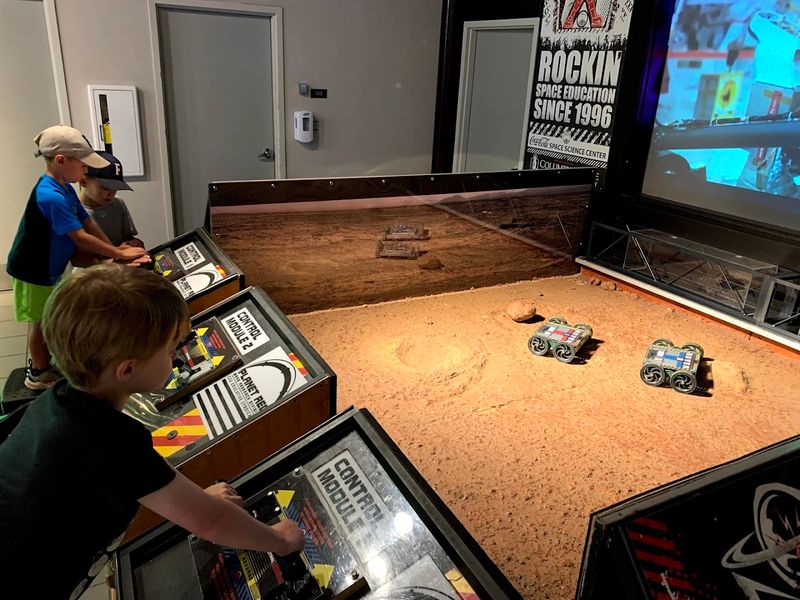
Hands-on learning is at the heart of what makes the Coca-Cola Space Science Center stand apart from a typical museum visit. Rather than simply reading labels on glass cases, visitors get to actually do things.
Pilot a flight simulator, take control of a miniature Mars Rover, and explore displays that turn complex aerospace concepts into something touchable and fun. The exhibits are thoughtfully designed so that younger visitors can engage meaningfully while older kids and adults still find genuine challenge and depth. Nothing feels dumbed down or patronizing.
The interactive nature of the space keeps energy levels high throughout the visit, which parents of restless children will particularly appreciate. Weekday visits tend to be quieter, giving families more uninterrupted time at each station. Comfortable shoes are recommended since there’s quite a bit of ground to cover.
Budget at least two to three hours to experience everything without feeling rushed.
6. Space Shuttle Odyssey Theater

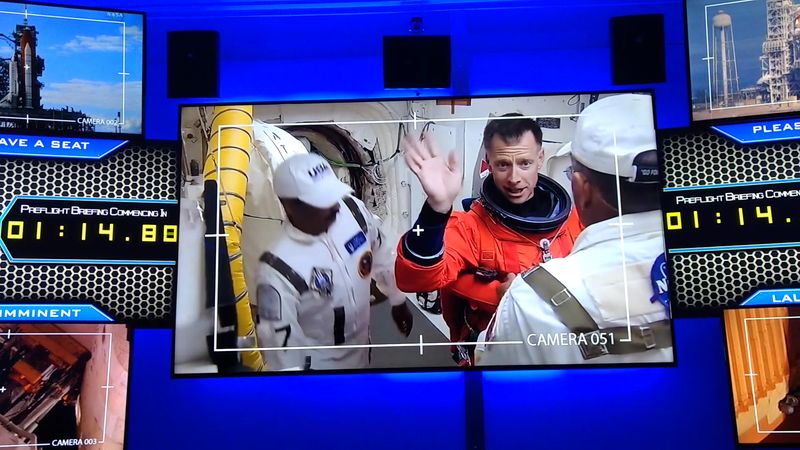
Buckle up, because this is the closest most people will ever get to an actual shuttle launch. The Space Shuttle Odyssey Theater seats 27 guests in specially designed chairs that physically simulate the sensation of blasting off into space.
High-definition displays surround the audience while the seats move in sync with the on-screen action during a 15-minute journey. The combination of visual immersion and physical sensation creates something that genuinely gets the heart rate up. First-timers often emerge looking slightly stunned in the best possible way.
This experience is particularly memorable for visitors who have always wondered what a launch might feel like from the inside. The theater runs on a schedule, so checking show times upon arrival helps plan the rest of the visit around it. Motion-sensitive visitors should note that the seat movement is moderate rather than extreme, but it’s still noticeable and exciting throughout.
7. K-12 Educational Programs and Field Trips
Schools across Georgia have been bringing students to the Coca-Cola Space Science Center for years, and the reasons are easy to understand. The educational programming here goes far beyond what a single classroom period can accomplish, offering curriculum-aligned content that teachers genuinely value.
Field trip packages are structured to complement specific grade levels and learning objectives, making the visit feel purposeful rather than just a fun day out. Summer camps extend the learning into warmer months, giving kids who love science a place to explore their curiosity in depth over multiple days.
Teachers report that the real-world connections made during visits help abstract science concepts click in ways that textbooks alone sometimes cannot achieve. Schools interested in booking should contact the center well in advance since popular dates fill up quickly. The center also works with educators to customize experiences based on current classroom topics, which adds real practical value to every trip.
8. Guzzle Vortex Exhibit
Some exhibits make you think. The Guzzle Vortex exhibit at the Coca-Cola Space Science Center makes you think, wonder, and ask questions you never considered before. Designed specifically to ignite the imaginations of young scientists, this display tackles some of the biggest ideas in modern space exploration.
Visitors explore the principles of flight, learn about planets orbiting distant stars, and wrestle with the genuinely mind-bending possibility of life elsewhere in the universe. The content is presented in an accessible, visually engaging format that doesn’t require a science background to enjoy. Kids who spend time here often leave full of questions, which is exactly the point.
The exhibit reflects a broader philosophy at the center: science should feel exciting, not intimidating. Parents frequently appreciate how naturally the Guzzle Vortex sparks dinner-table conversations that continue long after the drive home. For curious young minds, this is one of the most thought-provoking stops in the entire building.
9. Special Events and Workshops
Beyond its permanent exhibits, the Coca-Cola Space Science Center keeps its calendar packed with special events that give visitors even more reasons to come back. Programs like Columbus Goes to Mars bring NASA educators directly to the center for demonstrations, presentations, and interactive activities that go beyond the everyday experience.
These events tend to draw enthusiastic crowds, so checking the center’s website for upcoming programming before planning a visit is always a smart strategy. Workshops are offered for various age groups, meaning there’s usually something relevant for everyone in the family. The energy during special event days has a distinctly festive quality, with the building buzzing in a way that feels genuinely celebratory.
Seasonal and themed events often align with real-world space milestones, such as rocket launches or planetary events, which adds an extra layer of relevance and excitement. Following the center on social media is probably the easiest way to stay informed about what’s coming up next.
10. Professional Development for Educators
Great science education starts with well-prepared teachers, and the Coca-Cola Space Science Center takes that seriously. Professional development opportunities offered here are designed to strengthen educators’ confidence and skills when teaching STEM subjects, particularly space and physical sciences.
These programs go beyond simple tours, offering structured workshops that provide practical strategies and resources teachers can bring directly back to their classrooms. Participants leave with concrete tools rather than just inspiration, which makes a measurable difference in how science gets taught day to day.
Georgia educators looking to deepen their content knowledge or refresh their approach to science instruction will find the center’s offerings genuinely useful. Sessions are led by knowledgeable staff who understand both the science and the realities of classroom teaching. Schools and districts interested in group professional development should reach out to the center directly to discuss scheduling options.
It’s a resource that benefits not just individual teachers but entire student communities down the line.
11. Mobile Programs That Reach Beyond the Building
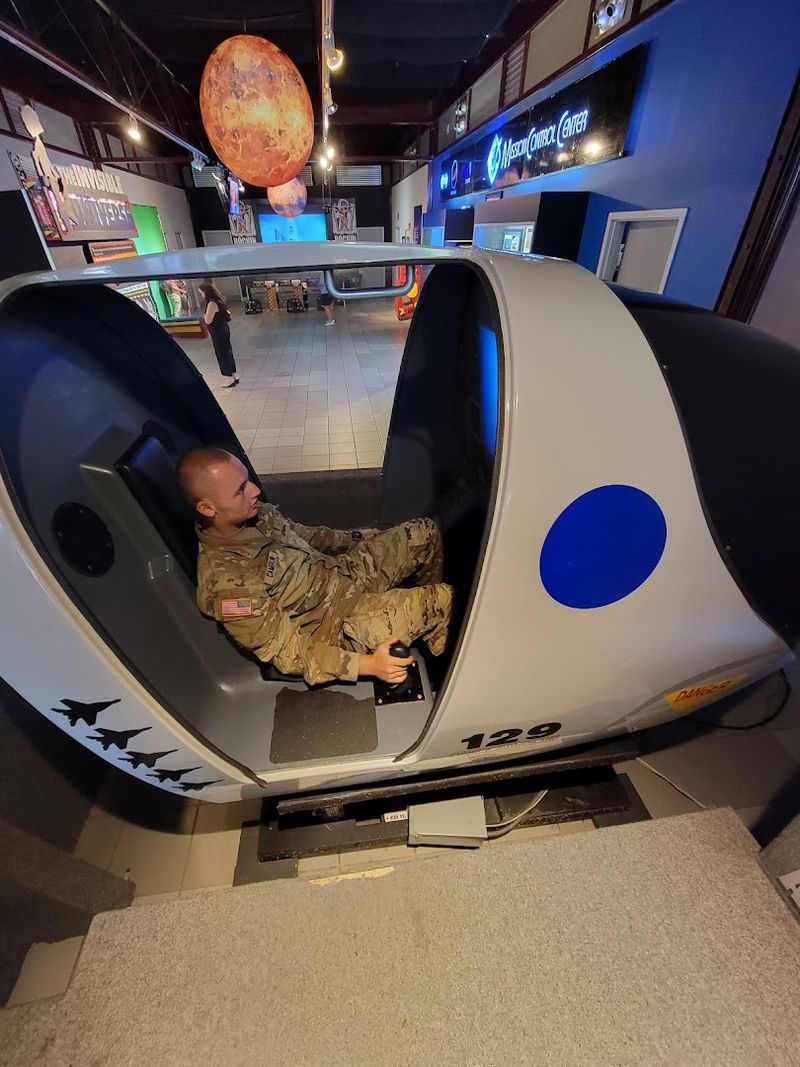
Not every student in Georgia can easily make the trip to Columbus, and the Coca-Cola Space Science Center recognizes that reality. Mobile programs extend the center’s reach by bringing space science education directly to schools and community events throughout the region.
These outreach programs deliver hands-on activities and engaging presentations in settings where students might otherwise never encounter this kind of content. For communities with limited access to science museums or specialized educational resources, a visit from the center’s mobile team can be genuinely transformative.
Schools, libraries, and community organizations interested in hosting a mobile program can contact the center to discuss availability and programming options. The quality of the experience is thoughtfully maintained even outside the main facility, with staff who bring the same enthusiasm and expertise found inside the building. It’s a meaningful way the center serves Georgia beyond its own walls, and a reminder that good science education should be as accessible as possible.
12. Community Engagement and Local Partnerships
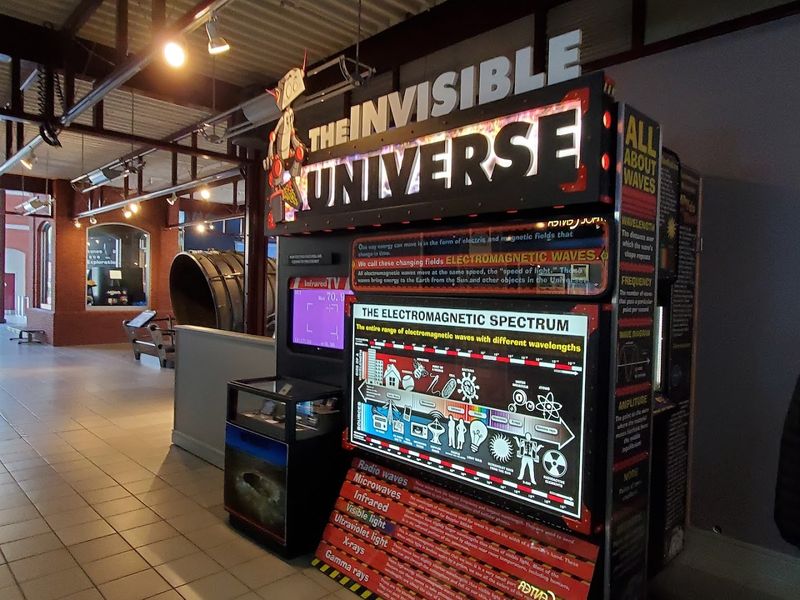
A science center is only as strong as its connection to the community it serves, and the Coca-Cola Space Science Center has built those connections thoughtfully over the years. Partnerships with organizations like the Muscogee County School District mean thousands of local students access quality space science education annually.
These relationships go beyond occasional visits, often involving ongoing collaboration that integrates the center’s resources into the broader educational landscape of Columbus and surrounding areas. For many students, the center represents their most direct and meaningful encounter with NASA-quality science and technology.
Community engagement also means the center actively works to ensure that financial barriers don’t prevent access for students from disadvantaged backgrounds. Grants and partnerships with organizations like the AT&T Foundation have helped fund programs that serve students who might otherwise miss out. This commitment to inclusion gives the center a warmth and purpose that extends well beyond its physical exhibits, making it a genuinely important part of the Columbus, Georgia community.
13. Research Opportunities Tied to Columbus State University
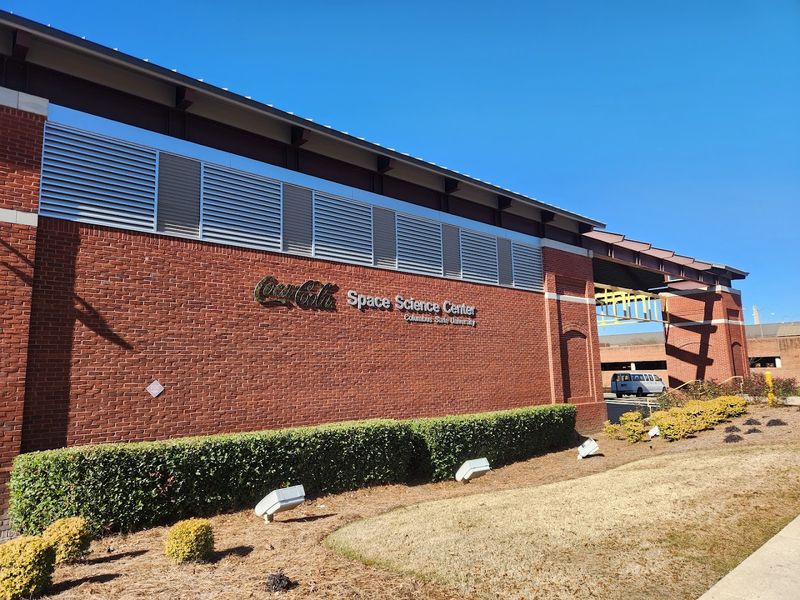
There’s something quietly impressive about a science center that functions as an active research site, not just a museum. The Coca-Cola Space Science Center serves as a working research facility for Columbus State University’s astronomy courses, supporting both student and faculty work in space science.
This academic connection elevates the entire experience for visitors, who are essentially stepping into a space where real scientific inquiry happens. The presence of university-level research activity means the staff and resources at the center tend to reflect a higher level of expertise than many comparable facilities.
For high school students considering careers in science, technology, engineering, or mathematics, seeing this kind of active research environment can be genuinely motivating. It bridges the gap between classroom learning and professional science in a very concrete way. The relationship between the center and Columbus State University also ensures that programming stays current, relevant, and grounded in actual scientific practice rather than outdated content.
14. Family-Friendly Environment for All Ages
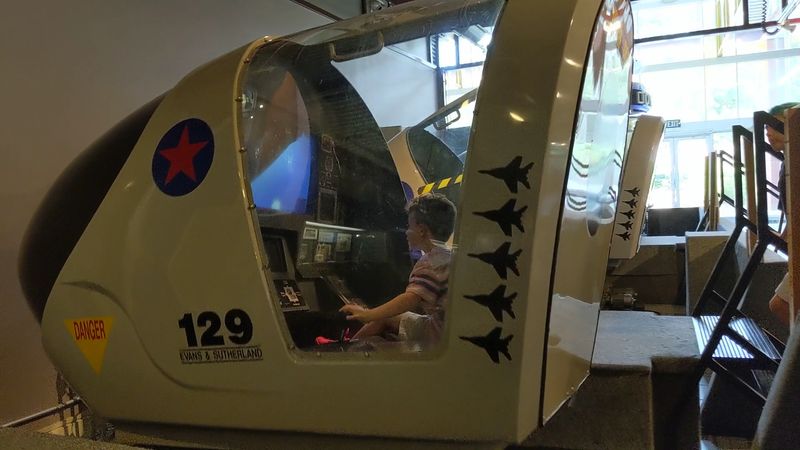
Finding an attraction that genuinely works for toddlers, teenagers, and grandparents simultaneously is rarer than it sounds. The Coca-Cola Space Science Center manages this balance with a layout and programming mix that keeps every age group engaged without anyone feeling left out or bored.
Younger children gravitate toward the hands-on interactive stations, while older kids and adults tend to linger near the NASA artifacts and planetarium experiences. The pacing of the space is relaxed enough that families can move at their own speed without feeling rushed through a rigid itinerary.
Practical amenities like accessible pathways, comfortable common areas, and helpful staff make the logistics of a family visit smooth rather than stressful. Weekdays tend to be quieter than weekends, which families with young children who prefer a calmer environment might find preferable. Admission pricing is reasonable by Georgia museum standards, making it a solid value for a full day of meaningful, screen-free family time.
15. Inspiration for the Next Generation of Scientists

Some places just feel like they believe in what’s possible. The Coca-Cola Space Science Center carries that quality in everything it does, from its NASA artifacts to its mission-based learning programs. The center’s core purpose is to inspire and educate the next generation of scientists, engineers, and science educators.
That mission shows up not just in the exhibits but in the way staff interact with young visitors, taking questions seriously and encouraging curiosity without making anyone feel silly for not already knowing the answers. For a child who has never considered a career in science, a single afternoon here can genuinely shift that perspective.
Georgia has a growing STEM economy, and places like this center play a real role in preparing young people for those opportunities. The combination of accessible programming, authentic NASA hardware, and a welcoming atmosphere creates something that feels less like a field trip destination and more like a launching pad for lifelong curiosity and ambition.