North Carolina Wants You To Go Fishing And These Spots Make It Very Hard To Say No
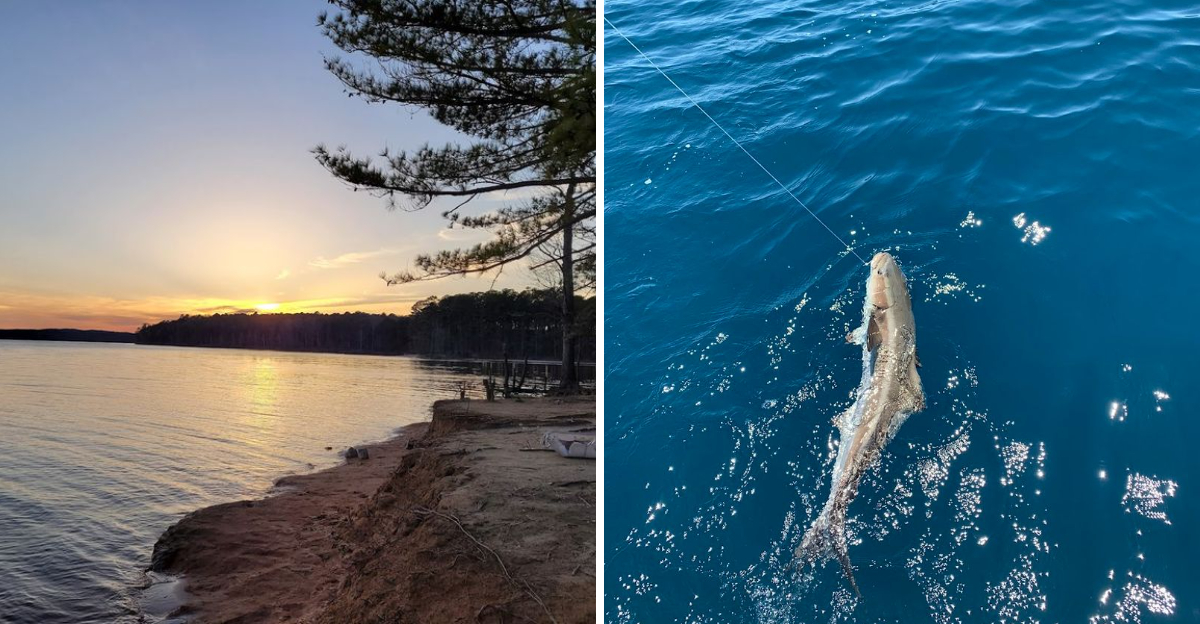
If North Carolina were a person, it would be the one who shows up to every situation completely over-prepared and somehow still manages to look effortless about it.
Mountains that hold wild trout, rivers that run clear and cold, barrier islands and coastal flats packed with more species than you can reasonably target in a single trip.
The variety here is almost offensive. You can wake up chasing brook trout in the highlands and be casting into saltwater by the same afternoon if you feel like it.
That is exactly the kind of flexibility that turns casual anglers into genuinely obsessed ones. Fishing in North Carolina feels less like a hobby and more like a mild personal crisis you are perfectly happy to have.
I have spent more time on the water here than I can easily justify. These spots are exactly why.
1. Hatteras Island
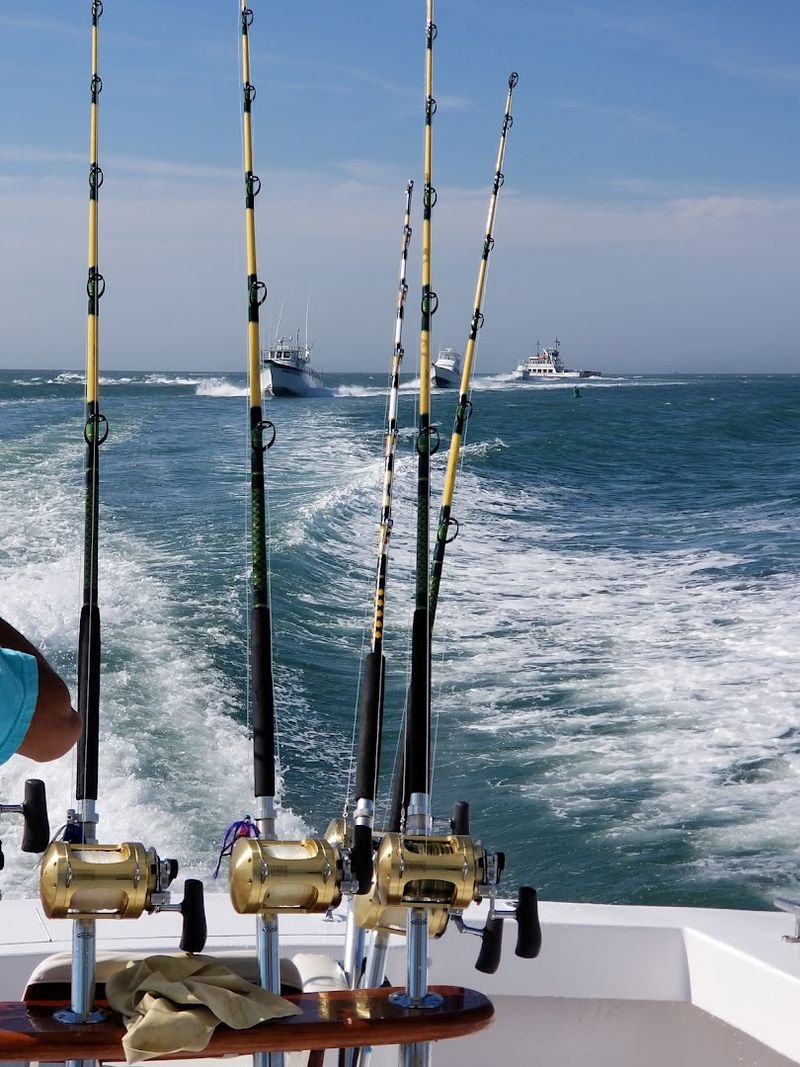
There is something almost mythical about standing on a Hatteras Island beach before sunrise, rod in hand. You wait in silence as the Atlantic slowly wakes up around you.
The Outer Banks has earned a legendary reputation among surf fishers, and Hatteras is the crown jewel.
Red drum, bluefish, and flounder are common catches here, and the sheer size of the fish will make you question every other fishing trip you have ever taken.
The island sits at the meeting point of two major ocean currents, the Labrador and the Gulf Stream, which creates an incredibly rich feeding ground for fish.
That natural geography is why anglers travel from across the country just to cast a line here. Cape Hatteras National Seashore offers miles of open beach access, so you are never fighting crowds for a good spot.
Driving your vehicle onto the beach is allowed in designated areas, which makes hauling gear much easier.
A four-wheel-drive vehicle and a beach driving permit are all you need.
The town of Hatteras, North Carolina serves as a great base with local bait shops ready to point you in the right direction. Honestly, one trip here and you will be hooked for life.
2. Lake Lure
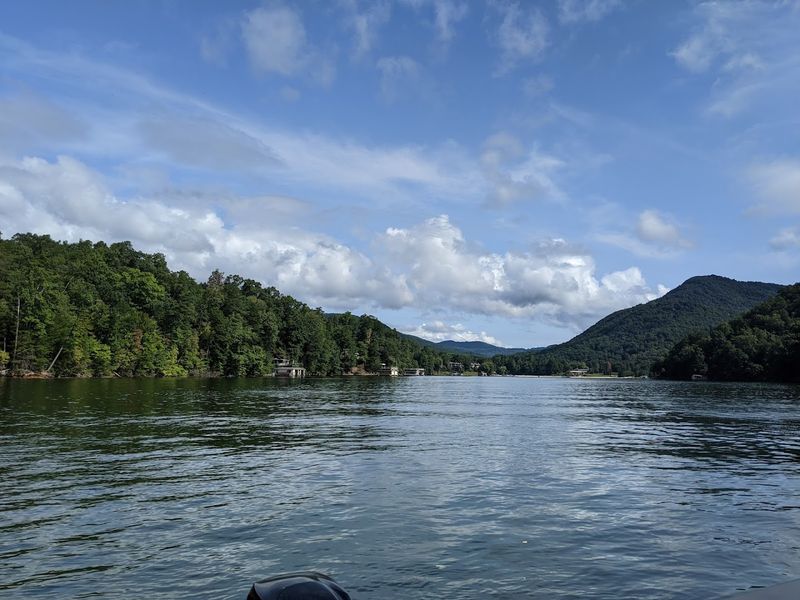
Most people know Lake Lure from old movies, but serious anglers know it for something far better: largemouth bass that fight like they have a personal grudge against you.
Nestled in the Blue Ridge Mountains near Chimney Rock, this reservoir has a dramatic backdrop that makes even a slow fishing day feel like a win. The scenery alone is worth the drive.
The lake covers about 720 acres and has enough coves and structure to keep you exploring for days. Smallmouth bass, crappie, and catfish round out the catch list, giving you plenty of options depending on the season.
Spring is particularly exciting when bass move shallow and become aggressive, making topwater lures almost irresistible to them.
Boat rentals are available at Lake Lure Tours and Marina, located at 2930 Memorial Highway, Lake Lure, NC 28746, which is a convenient option if you are not hauling your own rig.
Bank fishing is also possible at several public access points around the lake.
The mountain air, the cool water, and the near-constant sound of nature make this one of the most pleasant fishing experiences in the entire state. Bring a camera because the views are genuinely stunning.
3. Cape Fear River
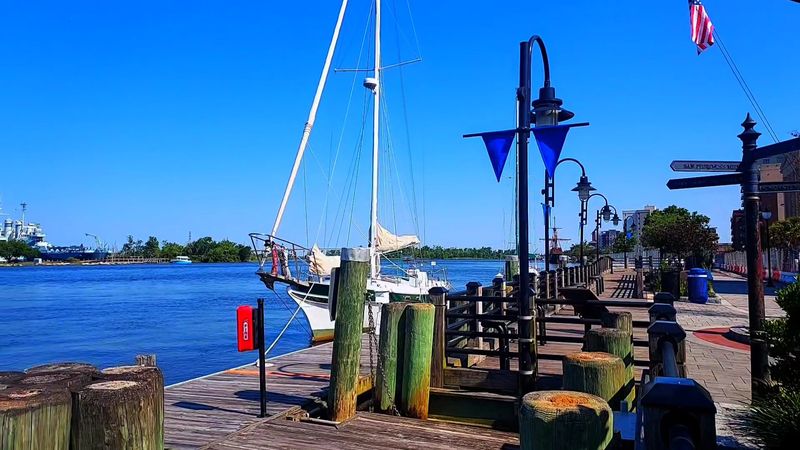
The Cape Fear River has personality. It is moody, wide, and full of surprises, which is exactly why catfish anglers treat it like a personal obsession.
Channel catfish and flathead catfish are the main targets here, and the river produces some genuinely trophy-sized fish that will have you rethinking your personal best records.
This is big-fish water, plain and simple.
Striped bass are another exciting option, especially during spring runs when the fish migrate upriver in impressive numbers.
Targeting stripers on the Cape Fear feels more like an event than a fishing trip. The current is strong in places, so anchoring well and using heavier tackle is a smart move if you are fishing from a boat.
Bank access is available at several public boat ramps along the river, and the stretch near Wilmington tends to produce well year-round.
Masonboro Island Reserve, accessible by boat near Wilmington, North Carolina, adds another dimension if you want to combine fishing with a bit of coastal exploration.
The river has real history too, having been a major trade route for centuries. Fishing it feels like connecting with something much older than any of us.
4. Lake Gaston
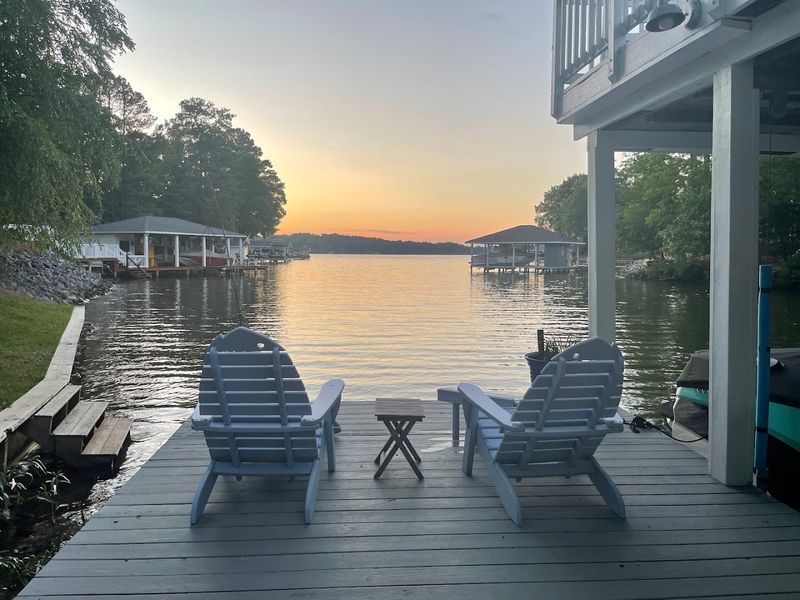
Lake Gaston sits on the border of North Carolina and Virginia, and both states are happy to let you fish it.
Spanning over 20,000 acres, this reservoir is one of the largest in the region and one of the most productive for striped bass fishing in the entire Southeast.
Locals will tell you the stripers here are not just plentiful, they are aggressive.
Largemouth bass tournaments are held here regularly, which speaks to the quality of the fishery.
Crappie fishing is also exceptional, especially around submerged structure and dock pilings during spring. The lake has a good mix of shallow flats and deeper channels, which gives different fishing styles plenty of room to shine.
The lake has a well-developed infrastructure with marinas, boat ramps, and tackle shops scattered along its shores. Eaton Ferry Marina is a popular launch point with helpful staff who know the water well.
Summer evenings here have a certain magic to them, when the heat breaks and the fish start moving again near the surface. Pack a cooler, bring good sunscreen, and plan to stay longer than you originally intended.
5. Fontana Lake
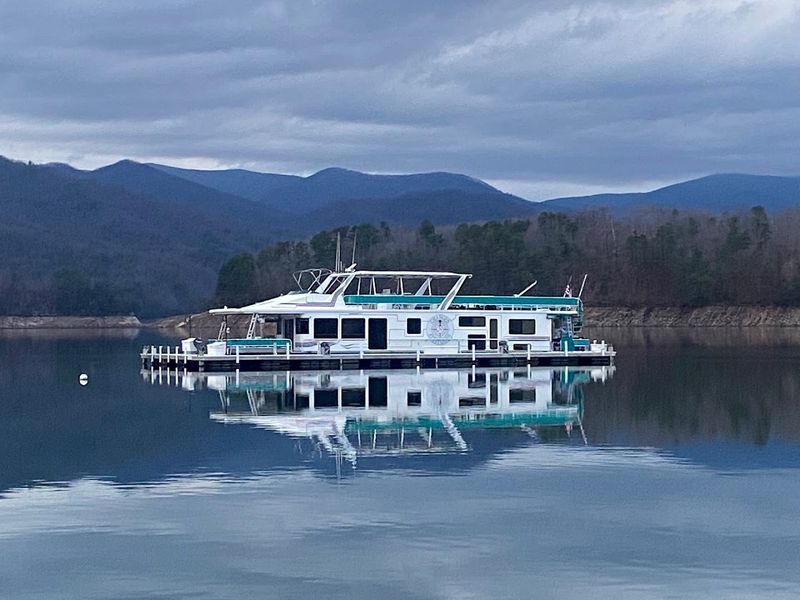
Fontana Lake is the kind of place that makes you feel like you have discovered something the rest of the world forgot about.
Placed against the southern edge of Great Smoky Mountains National Park in Graham County, this deep reservoir offers some of the most remote and rewarding fishing in all of North Carolina.
The water is clean, cold, and full of life.
Smallmouth bass thrive in the rocky, clear conditions here and are considered some of the hardest-fighting fish you will encounter in freshwater.
Muskie have been stocked in Fontana as well, and landing one of those prehistoric-looking creatures is a bucket-list moment for any angler.
Walleye and rainbow trout round out a catch list that reads like a greatest-hits album.
Access to much of the lake requires a boat, which adds to its wild and unspoiled character. Fontana Village Resort offers boat rentals and a marina that makes getting on the water straightforward.
The surrounding mountains create dramatic scenery that changes with every season.
Fall fishing here, when the leaves are turning and the air is sharp, is an experience that is genuinely difficult to describe without sounding like you are exaggerating.
6. Lake Norman
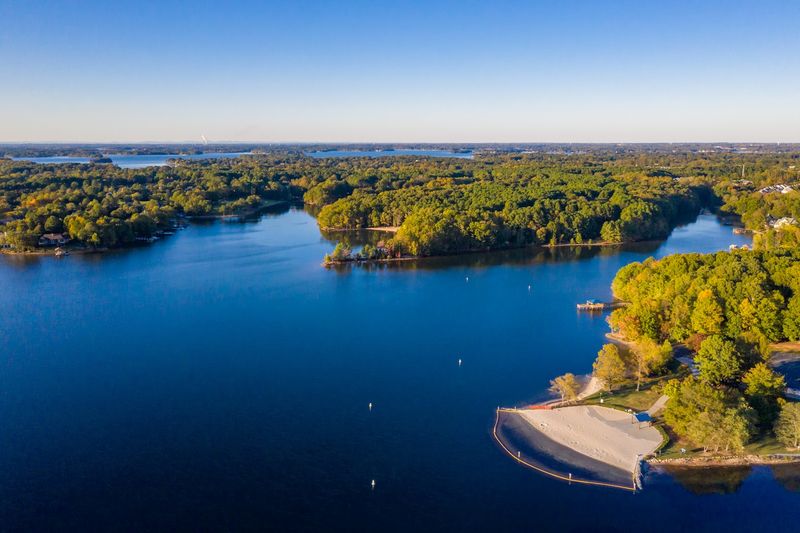
Lake Norman is the largest man-made lake in North Carolina, covering about 32,500 acres, and it has enough water to keep you busy for a very long time.
It sits just north of Charlotte, which makes it incredibly accessible for a huge portion of the state’s population.
The convenience factor is real, but the fishing quality is what actually keeps people coming back.
Largemouth bass are the main attraction, and the lake has produced some impressive tournament catches over the years.
Striped bass and white bass are also popular targets, particularly during spring when they school up near the surface and make for exciting light-tackle fishing.
Crappie fishing around the many docks and submerged structure is consistently good from fall through spring.
The lake has dozens of public boat ramps and access areas. Fishing guides operate on the lake year-round, which is a great option if you want to learn the water quickly.
Even on busy weekends, the sheer size of Lake Norman means you can always find a quiet cove to yourself. It is big-city convenience with a genuinely wild fishing experience hiding just beneath the surface.
7. Emerald Isle
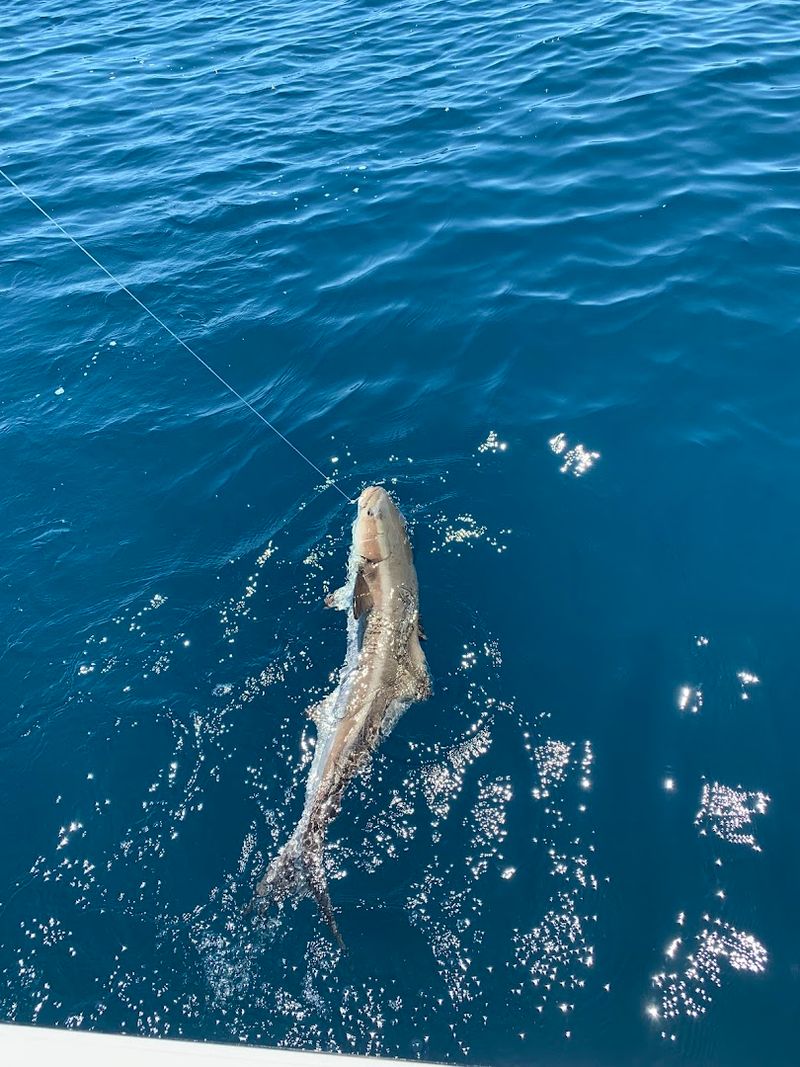
Emerald Isle lives up to its name with water that shimmers green and blue along the Crystal Coast, and the fishing here is as good as the scenery suggests.
This barrier island community sits on Bogue Banks and offers both surf fishing and nearshore boat fishing that can be seriously productive depending on the season.
Spanish mackerel season in summer is practically a local holiday.
Red drum, speckled trout, and flounder are the top inshore targets, and the back-sound waters behind the island are particularly good for trout during cooler months.
The Bogue Sound provides calm, protected water that is ideal for kayak fishing, which has become enormously popular here in recent years.
Crabbing and clamming are also fair game if you want a break from the rod and reel.
The pier regularly produces king mackerel, bluefish, and cobia during peak season. Local bait shops along Emerald Drive are genuinely helpful and will tell you exactly what is running and what is working.
There is a relaxed, unhurried pace to fishing here that makes it feel like a proper vacation rather than just a day trip.
8. Badin Lake
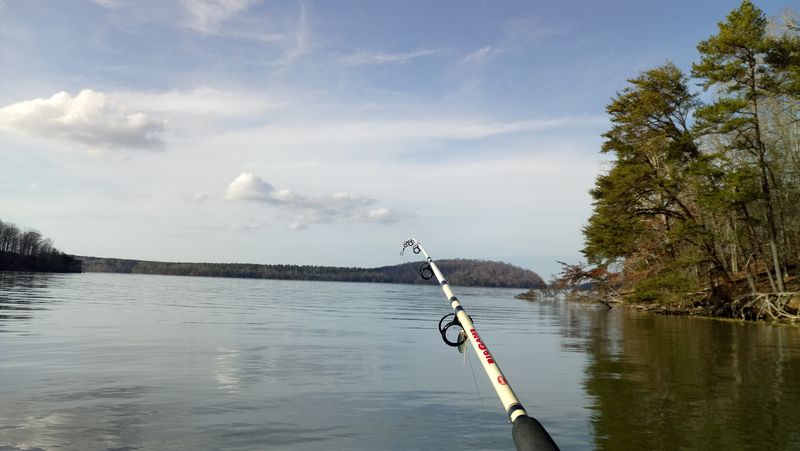
Badin Lake is one of those places that serious anglers tend to keep quiet about, which is understandable once you spend a morning on the water.
Sitting inside the Uwharrie National Forest in the Piedmont region, this reservoir has a raw, undeveloped feel that is increasingly rare in central North Carolina.
The forest comes right down to the water’s edge in most places, and the quiet is remarkable.
Largemouth bass fishing here is strong, particularly in the creek arms and coves where vegetation and structure create ideal ambush points.
Crappie are also abundant, and fishing for them around submerged timber on a calm spring morning is about as peaceful as fishing gets.
Catfish are present in good numbers throughout the lake and are especially active at night during warmer months.
The Uwharrie National Forest manages several boat ramps and primitive camping areas around the lake, making it easy to combine an overnight stay with an early morning fishing session.
The Badin Lake Campground and Recreation Area, accessible via NC Highway 109 near Troy, offers a solid base camp for a full weekend trip.
The lake does not have the name recognition of some others on this list, but it absolutely earns its place among the best fishing destinations in the state.
9. Ocracoke Island
Getting to Ocracoke Island requires a ferry ride, which is exactly the kind of commitment that filters out the casual visitors and leaves behind the people who really mean it.
That barrier keeps the fishing pressure lower than most spots along the coast, and the fish seem to know it. Ocracoke is one of the most genuinely wild fishing destinations on the entire East Coast.
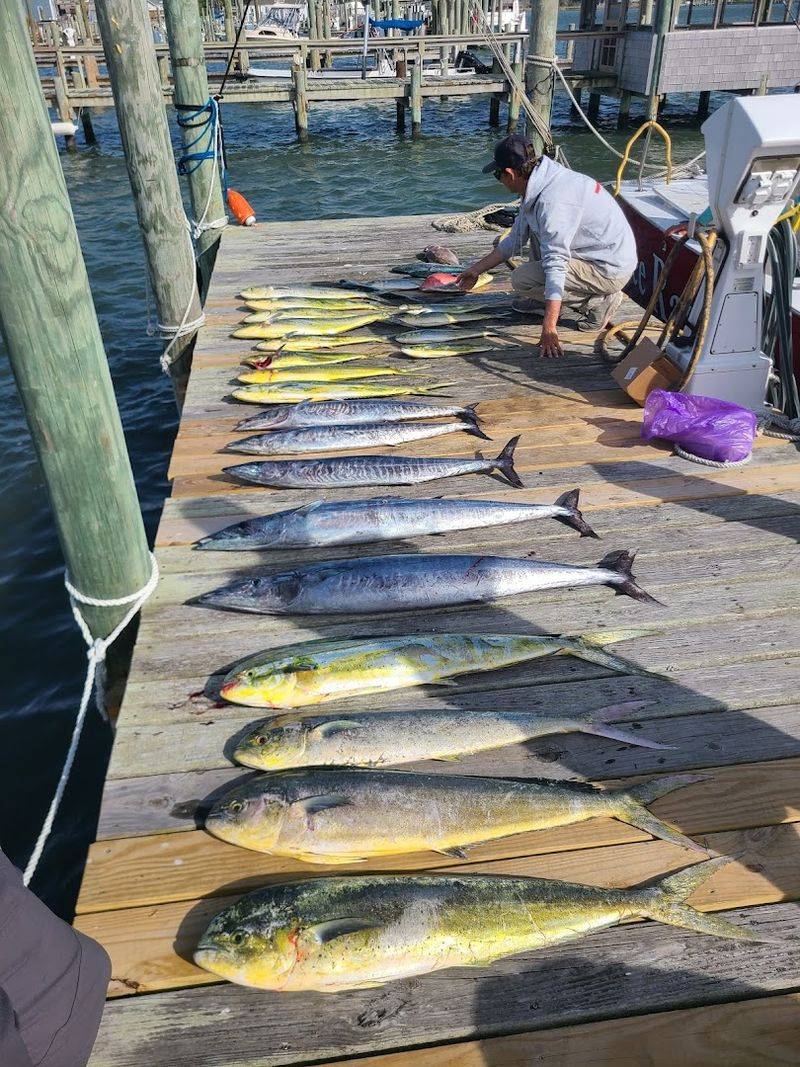
Red drum are the iconic target here, and fall runs can produce fish in the 30 to 50-pound range for anglers who know what they are doing.
Bluefish, gray trout, and pompano are also common catches along the surf, and the variety keeps things interesting even when the big drum are not cooperating.
The inlet at Ocracoke is a particularly productive spot for flounder and speckled trout.
The National Park Service manages the beaches and vehicle access on the island, so a beach driving permit from the Cape Hatteras National Seashore is necessary for driving on the sand.
The village of Ocracoke has a small but well-stocked tackle shop and guides who know the local water in a way that takes decades to develop.
There is no place quite like this on the North Carolina coast, and fishing it even once will change your perspective on what remote really means.
10. Jordan Lake
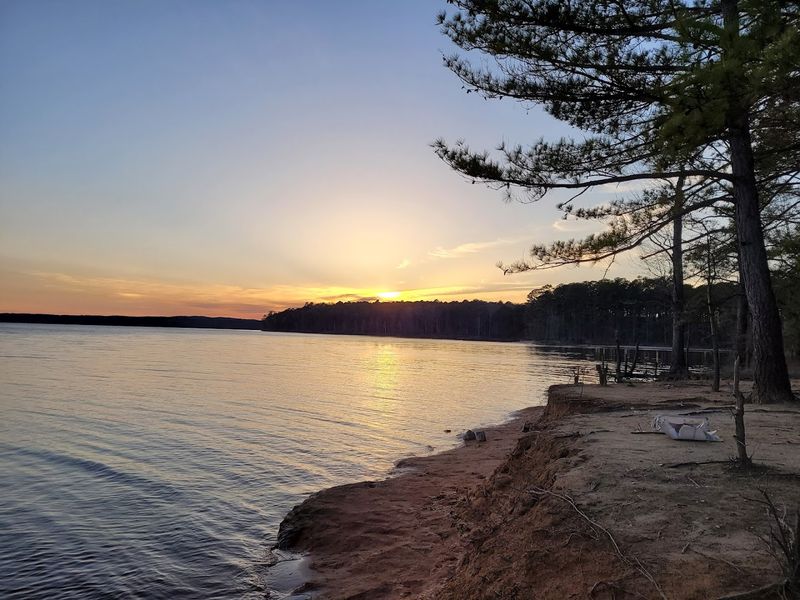
Jordan Lake is the Triangle area’s open secret, sitting just southwest of Raleigh and Chapel Hill and offering fishing that surprises first-timers every single time.
The reservoir covers about 14,000 acres and has a diverse fishery that includes everything from bald eagle sightings to bald-faced trophy bass.
It is the kind of place where you come for a few hours and end up staying until dark.
Striped bass are the headline act here, with some genuinely large fish being caught by anglers who target them in deeper water during summer.
Largemouth bass fishing in the creek arms and shallow coves is also excellent, particularly in spring. Crappie and white perch round out a catch list that gives anglers of every skill level something to get excited about.
Jordan Lake State Recreation Area has multiple boat ramps and fishing access areas spread across the lake. Crosswinds Marina is a convenient launch point with boat rentals available for those who need them.
The proximity to major cities makes this lake busy on weekends, but early mornings midweek are peaceful and incredibly productive.
For anyone living in the central part of the state, Jordan Lake is the answer to the question of where to go fishing this weekend.