Inside The Quirky Arizona Museum That Built A World In Miniature
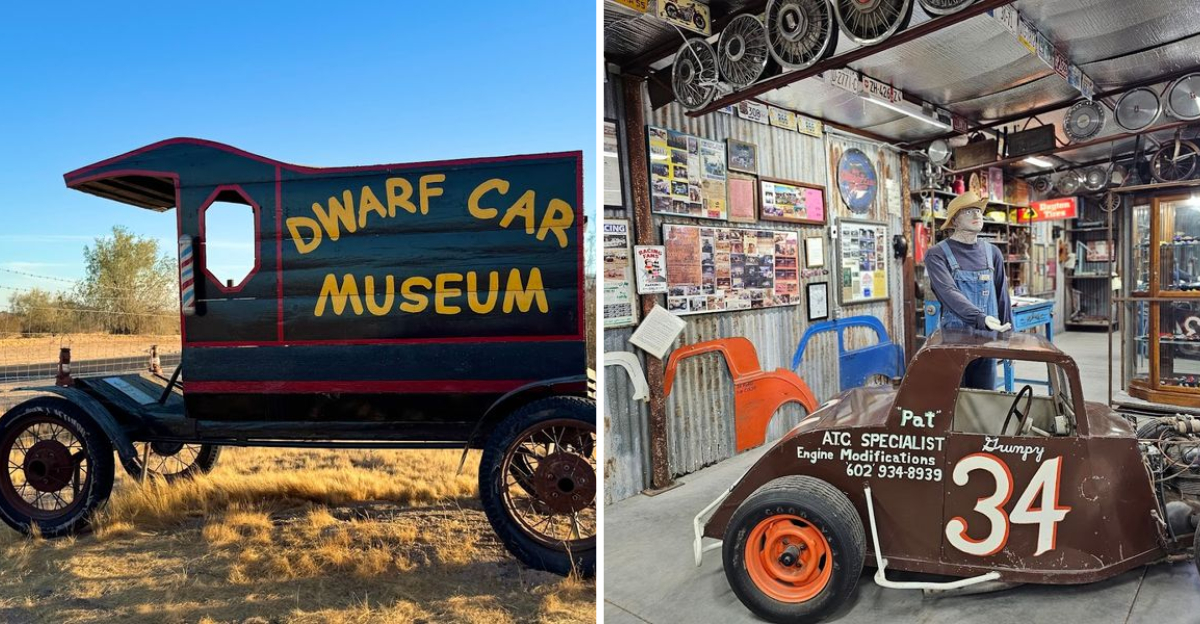
Certain highway journeys lead toward startling discoveries. This unfolded the moment I pivoted toward a modest roadside marker outside Maricopa, Arizona.
I never expected to spend two hours captivated by inventive machinery. These tiny vehicles represent the lifelong dedication of a single visionary creator.
The collection features scaled-down, functional automobiles that defy simple explanation. Witnessing these machines in person is the only way to grasp their complexity.
This Arizona place attracts curious travelers nationwide. It showcases the metalwork of a self-taught artist.
The Man Behind It All
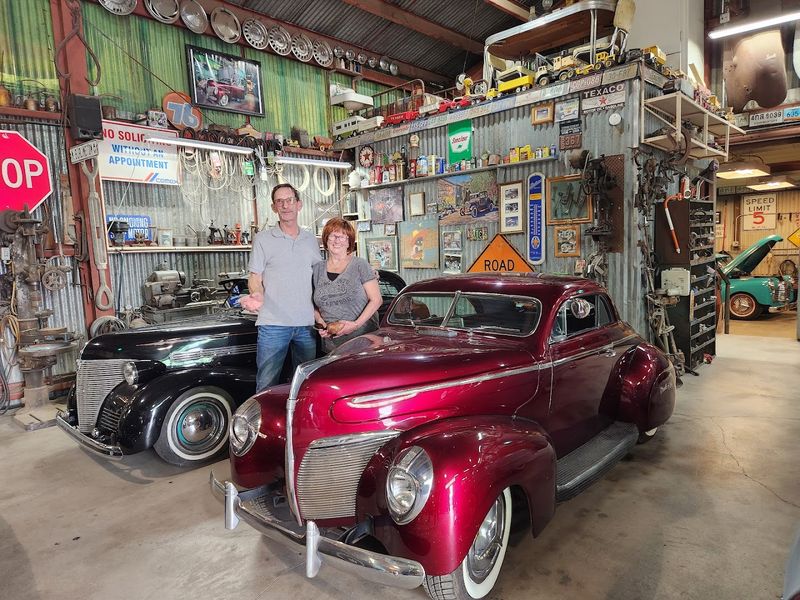
Few individuals dedicate three decades to fabricating small-scale cars within the Arizona wilderness. Ernie Adams stands apart from typical automotive enthusiasts.
Can you imagine spending thirty years perfecting a single hobby in the desert heat?
His journey began long before the facility opened its doors to guests. A deep appreciation for classic American design fueled his initial metalworking experiments.
Formal trade schools or engineering degrees played no part in his education. He mastered his craft through physical labor and persistent trial and error.
Failure acted as a teacher during the most complicated phases of construction. Adams started his fabrication projects during the 1980s as a private hobby.
What began as a quiet interest eventually transformed into a major attraction. Modern visitors frequently enjoy the chance to speak with the builder directly.
He shares stories regarding his racing history and specific construction hurdles. National television programs eventually highlighted his talent, bringing unexpected recognition to the Dwarf Car Museum.
The Car Built From Refrigerators
Imagine converting nine discarded kitchen appliances into a road-legal motor vehicle. Ernie Adams achieved this feat when he constructed his most famous piece.
Known as “Grandpa Dwarf,” this car serves as the centerpiece of the collection. Transforming household scrap into a sleek automotive body seems like a fantasy.
The polished exterior shines under facility lights, showing no signs of its humble origins. Every metal panel was meticulously shaped by hand to fit the frame.
Grandpa Dwarf exemplifies extreme resourcefulness and patience on behalf of the fabricator. Adams utilized flat steel from old refrigerator casings for the bumpers.
The resulting precision is startling because no factory molds were utilized. He hammered and smoothed every curve using basic manual techniques and grit.
Does it seem possible that scrap metal could look this elegant?
The finished product resembles a 1950s showroom model rather than a backyard project. Skeptics often think the story regarding the materials is merely a joke.
Their laughter vanishes once they inspect the seamless bodywork up close. That silence after inspection says more than any written description could.
Travel Logistics
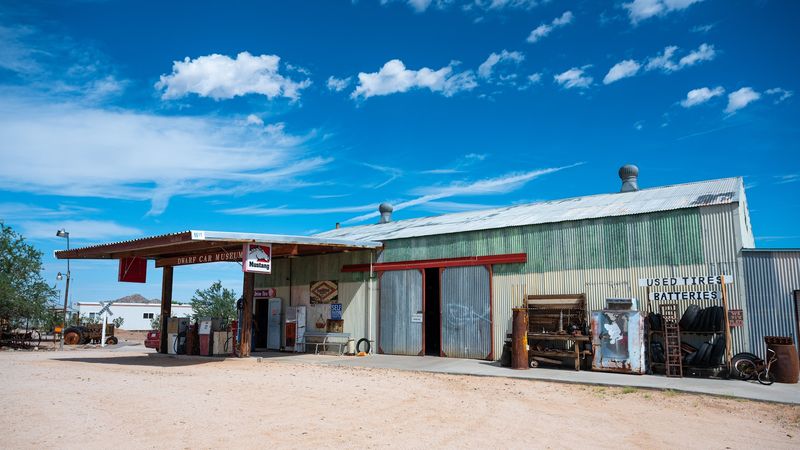
Reaching Maricopa requires a planned trek into the rural landscape. The property sits at 52954 W Halfmoon Rd within the Arizona desert.
Digital navigation generally works well, though the final roads feel quite secluded. Confirming directions before leaving ensures an arrival without unnecessary stress.
The scenery along the route provides a nice backdrop for the adventure. Admission costs five dollars, making this a highly affordable regional excursion.
The doors stay open daily from 9 AM until 4 PM. This schedule allows plenty of time for a thorough look at the displays.
Most people spend roughly two hours exploring the various buildings and models. History fans often stay longer to discuss technical details with the craftsman.
Carry your own water and snacks because local food options are sparse. The desert heat demands preparation, especially during the warmer summer months.
Ample parking exists on the property for vehicles of all sizes.
Engineering Precision
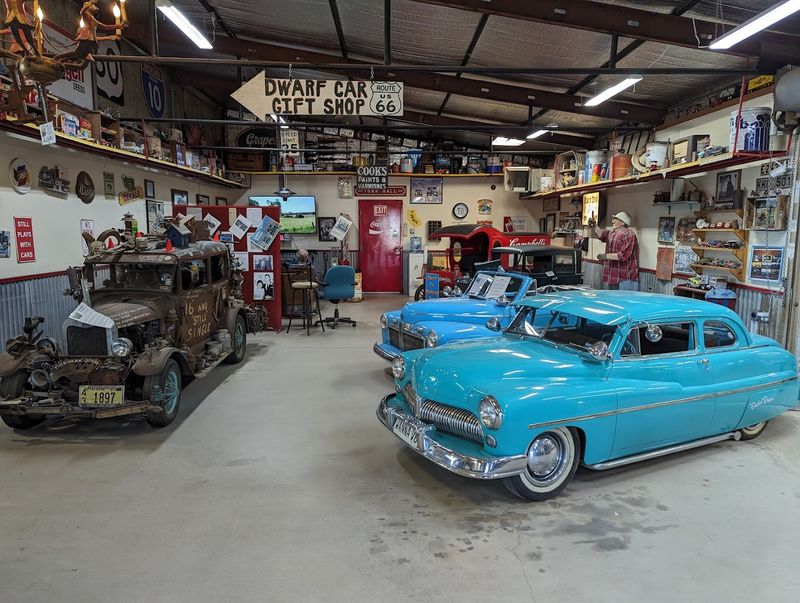
At a distance, these vehicles appear to be standard size. Closer inspection reveals they are smaller than expected, providing a delightful surprise.
Every car follows a consistent 11/16 scale ratio during the assembly process. This means the finished products are roughly two-thirds the size of originals.
Adams selected this specific measurement to maintain visual accuracy and driveability. Smaller dimensions would make the interior cabins impossible for adults to enter.
Working at this unique size introduces significant mechanical obstacles. Standard automotive components do not fit, requiring almost total custom fabrication.
Wheels, handles, and grilles are all manufactured within the on-site workshop. The creator avoids simply cutting down existing parts from full-sized donor cars.
He meticulously measures original vehicles to recreate every element by hand. His toolset includes vintage lathes and welding equipment suited for detailed work.
The visual illusion remains effective even when standing just a few feet away. Photographs frequently trick the eye into seeing a full-sized classic vehicle.
These Cars Actually Drive
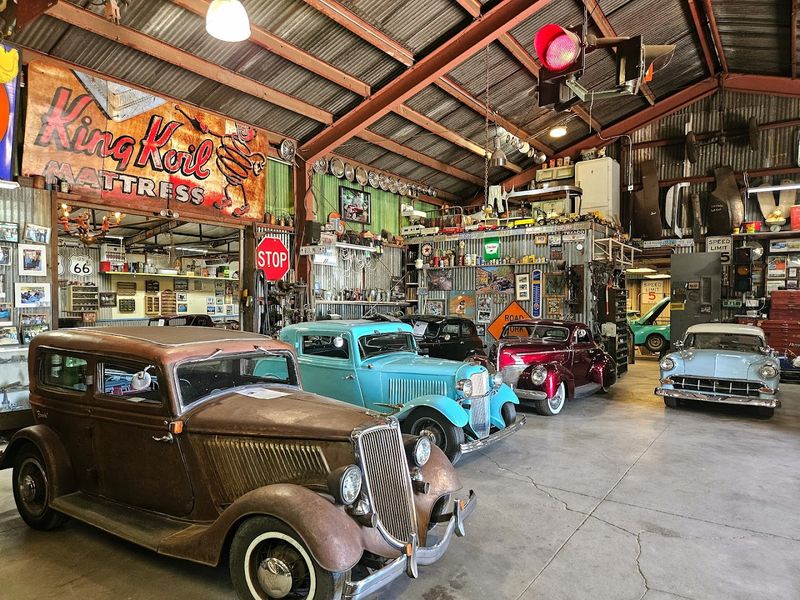
Most gallery pieces remain stationary behind velvet ropes to gather dust. The Maricopa collection takes a much more active approach toward mechanical preservation.
Many of these miniature cruisers are fully legal for use on public roads. They have completed journeys covering thousands of miles of open pavement.
This functional aspect distinguishes the site from typical stationary car exhibits. Reliable performance comes from a specific choice of internal hardware.
Each cruiser utilizes a Toyota Corolla engine for consistent power. This compact motor fits perfectly within the restricted area of the chassis.
Ernie engineered the steering and suspension to handle actual traffic conditions. These machines are built for movement, not just for visual admiration.
Guests sometimes arrive to find a car still warm from a recent trip. This utility adds a layer of realism that static replicas cannot provide.
The vehicles represent working technology wrapped in nostalgic automotive aesthetics. Seeing them operate proves the high quality of the underlying engineering.
Where Metal Meets Magic
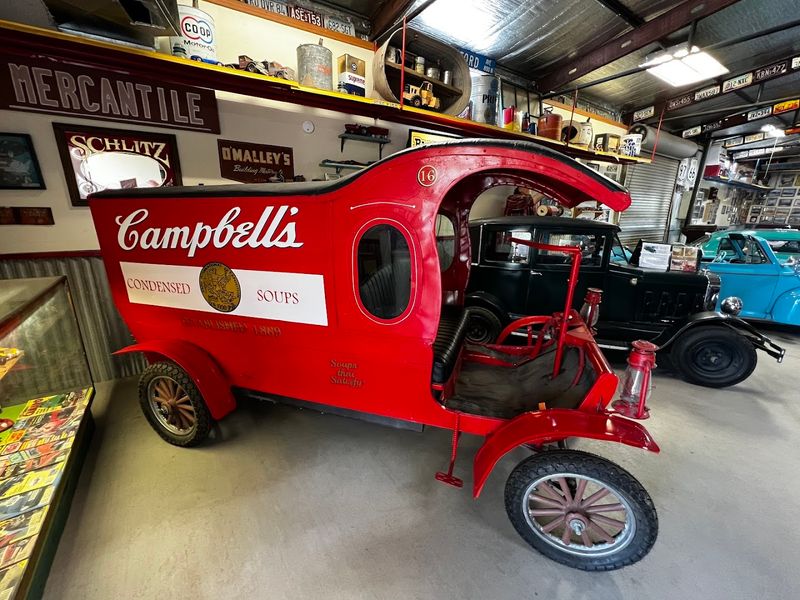
Touring the facility involves more than looking at completed projects. The most intriguing aspect is the workspace where the magic happens.
The shop contains professional grinders, lathes, and various metal-forming stations. Observing these tools helps visitors appreciate the labor behind the finished art.
This environment offers a gritty look at the manufacturing process itself. You can spot various projects in different stages of their development.
Some cars sit as bare frames while others await final paint. Informational signs explain the fabrication steps in clear language for everyone.
Understanding the manual work involved changes how guests view the cars. Admiration grows once you realize no computers assisted in the metal shaping.
Children often find inspiration when they see the physical tools used here. They learn that a person built every component from scratch nearby.
This link between the process and the result is a powerful experience. It makes the craftsmanship feel attainable rather than distant or industrial.
More Than Just Machinery
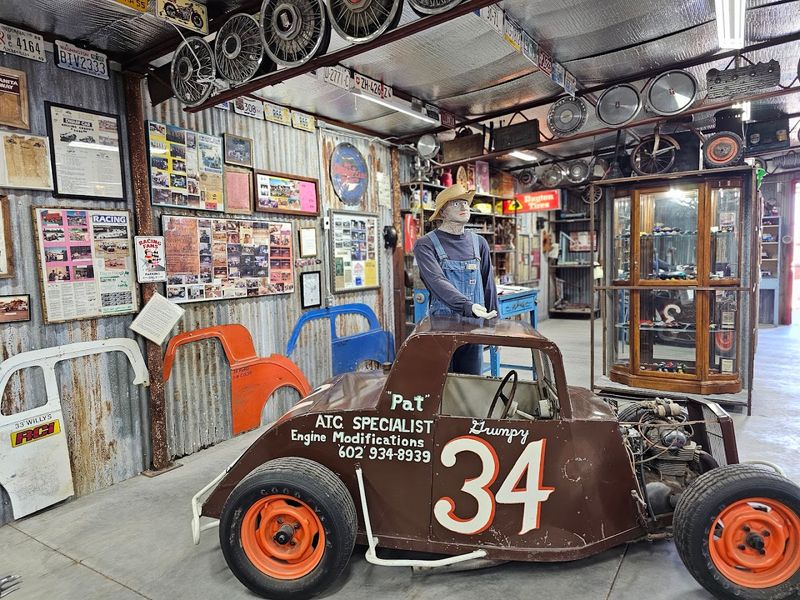
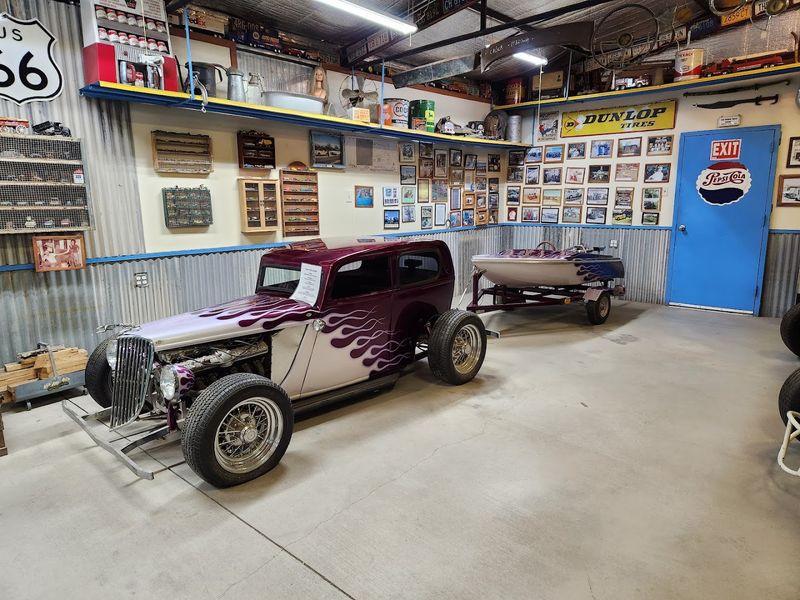
The cars are the primary reason for visiting, but they share a place with artifacts. An impressive assemblage of nostalgia gives the site a rich, layered atmosphere.
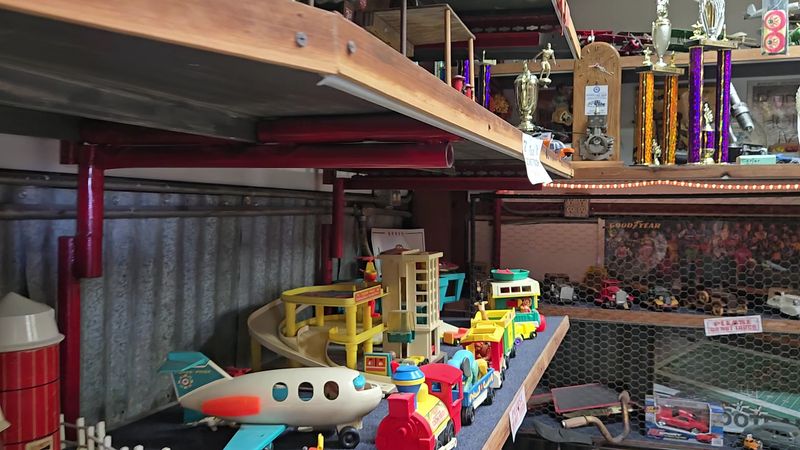
Old signs, antique tools, and classic parts decorate the walls of the buildings. For lovers of classic culture, walking through here feels like browsing a scrapbook.
Many guests discover new details only during their second or third visit. Memorabilia is densely arranged and covers several different decades of history.
Some items are rare finds that experts recognize immediately. Others are everyday objects that spark personal memories for the older generation.
Bringing grandparents along for the visit adds a new dimension to the experience. They can identify items and share stories from their own youth.
The museum serves as a conversation starter between different generations of people. Beyond the machines, this cultural context deepens the entire visit.
It functions as a small time capsule of the American way of life. An old emblem or advertisement can bring back long-forgotten memories.
A Family Tradition
Something is immediately noticeable once you step onto this private property. The entire space carries the warmth of a home opened to the public.
The wife and son of Ernie are actively involved in the daily operations. Their presence provides a soul that massive institutions rarely achieve.
Guests receive a personal greeting and answers to all their technical questions. Nobody here feels like a simple ticket number or a commercial target.
Such dynamics mean the space reflects passion rather than financial calculation. Decisions regarding the displays are made by people who truly care.
The Adams family invested decades of their lives into this specific project. That dedication is visible in every corner of the landscaped grounds.
Reviews frequently mention the names of staff members who made them feel welcome. Such a level of personal connection is extremely rare in tourist attractions.
This hospitality turns a simple visit into a tradition that guests repeat. The family spirit is not just a detail, but the foundation of the organization.
Without that kindness, the cars would be just cold pieces of metal. With it, the entire stay becomes a lasting memory for everyone.
A Near-Perfect Reputation
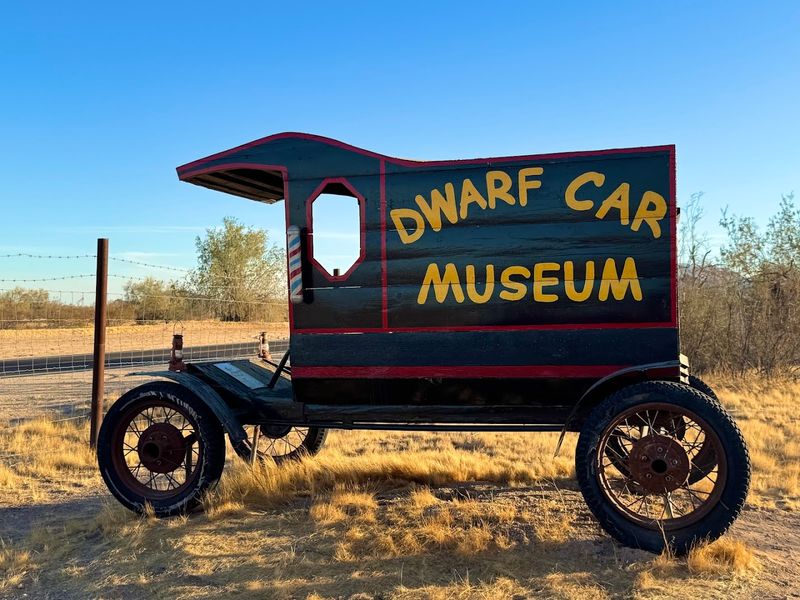
A high rating of 4.9 stars is not the result of simple luck. This museum built its reputation through consistent quality and hospitality.
People who travel from across the country praise this specific location. They describe the visit as one of the most interesting points of their journey.
Reviews mention a factor of surprise regarding the quality of the work. Guests arrive for a novelty and leave impressed by the level of craft.
The difference between expectations and reality encourages people to recommend the site. The facility does not overpromise, but it provides much more than expected.
Affordable pricing and direct contact with the creator make the combination successful. The atmosphere makes every guest feel like a welcome friend.
Travelers passing through Arizona should include this location in their itinerary. Everyone leaves with a feeling of satisfaction and a desire to return.
The experience it offers goes beyond the limits of a typical car show.
So, if you ever find yourself cruising down that dusty stretch of Arizona highway, will you be the one to pull over to see how nine old refrigerators became a masterpiece?