Tenants Are Feeling The Pressure As This California City Froze Rent For All Of 2026 And These Apartment Units Are Affected

Rent rarely stands still in California, especially in coastal cities where demand stays high and prices tend to climb year after year.
That is why the sudden pause in Santa Barbara caught so much attention, shifting the conversation almost overnight from rising costs to temporary stability.
For many renters, the announcement felt like a break they had been waiting for, even if it came with uncertainty.
Relief showed up quickly, but so did confusion. The rules are not as simple as they first sound, and not everyone falls under the same protections.
Some leases are covered. Others are not. The details matter more than ever.
California does not slow rent down like this often, and when it does, people pay attention.
Understanding how this ordinance works, who it applies to, and where the limits are could shape what tenants and landlords experience for the rest of 2026.
1. The Ordinance Officially Took Effect On February 26, 2026
Few policy changes move as quickly as this one did.
The Santa Barbara City Council voted in January 2026 to enact the Temporary Rent Increase Moratorium Ordinance, and it officially became enforceable on February 26, 2026.
That gave landlords and tenants only a short window to understand what the new rules required of them.
The speed of the ordinance reflected the urgency city leaders felt about rising housing costs in the area.
Santa Barbara has long been one of the more expensive places to rent in California, and council members argued that immediate action was needed to prevent further displacement of long-term residents.
The moratorium was designed as a stopgap measure while a more permanent solution could be developed.
For tenants who had already received notice of an upcoming rent increase before the ordinance passed, the new rules created some confusion about whether those increases could still be enforced.
The city clarified that any increase above the rent level recorded on December 16, 2025 would not be permitted during the moratorium period for qualifying units.
Tenants were encouraged to document their current rent carefully and keep records of any communication from their landlords.
2. Rent Is Frozen At The December 16, 2025 Rate

The baseline rent figure used in the ordinance is not arbitrary.
The city chose December 16, 2025 as the reference date because that was when the council first introduced the proposal, making it harder for landlords to rush through last-minute increases before the freeze officially kicked in.
Any rent amount charged above that level after February 26, 2026 would be considered a violation of the moratorium.
Tenants covered by the ordinance are legally entitled to pay no more than what they were being charged as of that December date.
Landlords who had already issued rent increase notices between December 16 and the effective date of the ordinance were expected to rescind those increases for qualifying units.
The city set up resources to help renters understand how to verify whether their current rent complies with the freeze.
Keeping a clear paper trail became especially important for renters in Santa Barbara after the ordinance passed.
Printed copies of leases, bank statements showing past payments, and written correspondence from landlords could all serve as useful documentation if a dispute arose.
Tenants uncertain about their status were advised to contact the city’s housing office for guidance rather than assume they were either protected or excluded.
3. Only Buildings With Certificates Of Occupancy From Before February 1, 1995 Are Covered

Not every rental unit in Santa Barbara falls under the protection of the moratorium, and the construction date of a building plays a major role in determining eligibility.
The ordinance applies only to multi-unit residential rental properties that received their certificates of occupancy on or before February 1, 1995.
Buildings constructed after that date are excluded from the freeze entirely.
That cutoff date is significant because it aligns with California state law, which generally limits local rent control measures to older housing stock.
The reasoning behind this policy is that newer buildings are expected to attract investment and add to the housing supply, and placing rent restrictions on them could discourage developers from building more units.
Older buildings, by contrast, tend to house longer-term residents who are more vulnerable to sudden price increases.
For tenants living in buildings constructed in the mid-1990s or earlier, the first step is to find out when their specific property received its certificate of occupancy.
That information is typically available through city records or by asking a landlord directly.
Some buildings may look older but were renovated or rebuilt after the cutoff, which could affect their eligibility status under the ordinance.
4. Single-Family Homes Are Not Protected By The Freeze
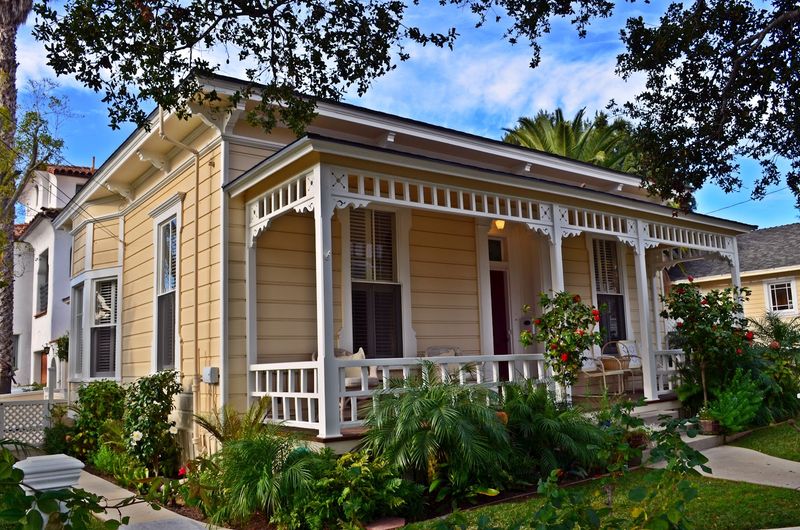
Renters living in standalone houses rather than apartment complexes should be aware that the ordinance does not extend to single-family homes.
The exemption is consistent with state law, which has historically placed single-family rentals in a separate category from multi-unit residential buildings.
Landlords who own and rent out individual houses in Santa Barbara retain the right to increase rent without restriction during the moratorium period.
This distinction matters because a notable portion of Santa Barbara’s rental market consists of detached homes, especially in neighborhoods away from the downtown core.
Families and individuals renting houses may have assumed they were covered by the freeze, only to discover that their situation falls outside the ordinance’s scope.
That gap has left some renters in a frustrating position, particularly those who have lived in the same house for many years and now face potential increases.
The exemption for single-family homes reflects a broader tension in California housing policy between protecting tenants and preserving the rights of smaller property owners.
Many single-family rental landlords own just one or two properties and rely on rental income as a primary or supplemental source of financial support.
Policymakers have generally treated these landlords differently from large apartment operators when designing rent regulation frameworks.
5. Condominiums And Townhomes Are Also Excluded From The Moratorium
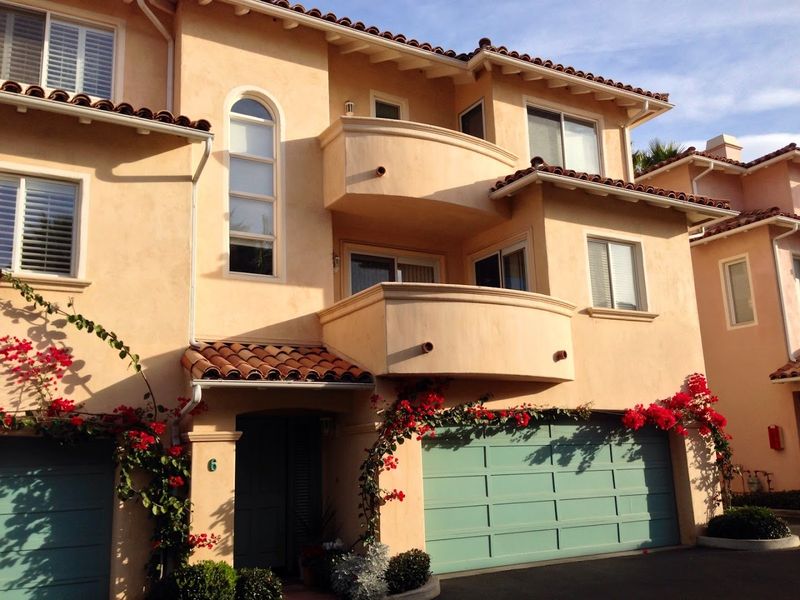
Beyond single-family homes, the ordinance also carves out most condominiums and townhomes from its protections.
Tenants renting individual condo units or townhome-style properties in Santa Barbara should not assume they are covered by the rent freeze without first confirming the specific legal status of their unit.
Most of these property types fall outside the scope of the moratorium regardless of when the building was constructed.
The exclusion of condos and townhomes is rooted in the same legal framework that applies to single-family homes.
State law has long distinguished between large multi-unit apartment buildings and individually owned residential units that happen to be rented out.
Because condos and townhomes are often sold as individual parcels, they are treated differently under rent stabilization policy even when they share walls with neighboring units.
For renters in Santa Barbara who live in condo-style buildings, understanding the ownership structure of their unit is worth the effort.
A building that looks like an apartment complex from the outside could actually be a collection of individually owned condos, each subject to its own landlord and its own rules.
Checking with the city housing office or reviewing the lease carefully could clarify whether a particular unit is subject to the moratorium or exempt from it.
6. New Tenancies Can Still Begin At Any Rent Amount

One of the more nuanced aspects of the ordinance is that it protects existing tenants but does not restrict what landlords can charge when a unit becomes vacant and is rented to a new tenant.
Landlords are free to set the initial rent for a new tenancy at whatever level they choose, even during the moratorium period.
Once that new tenant moves in and establishes a tenancy, the freeze would then apply to any future increases during the moratorium window.
This provision has drawn attention from housing advocates who argue that it creates an incentive for landlords to push out long-term tenants in order to reset rents to a higher market rate.
The concern is that tenants who have lived in the same unit for years and are paying below-market rent could face pressure to leave through non-renewal of leases or other means.
Advocates have called for stronger protections against such displacement tactics.
For people currently searching for apartments in Santa Barbara, the rent freeze does not translate into lower asking prices for available units.
Landlords with vacant apartments can and likely will price them at current market rates, which remain high throughout the city.
The moratorium is specifically designed to protect people who are already housed rather than to make new rentals more affordable for incoming residents.
7. Government-Subsidized Housing Is Exempt From The Ordinance
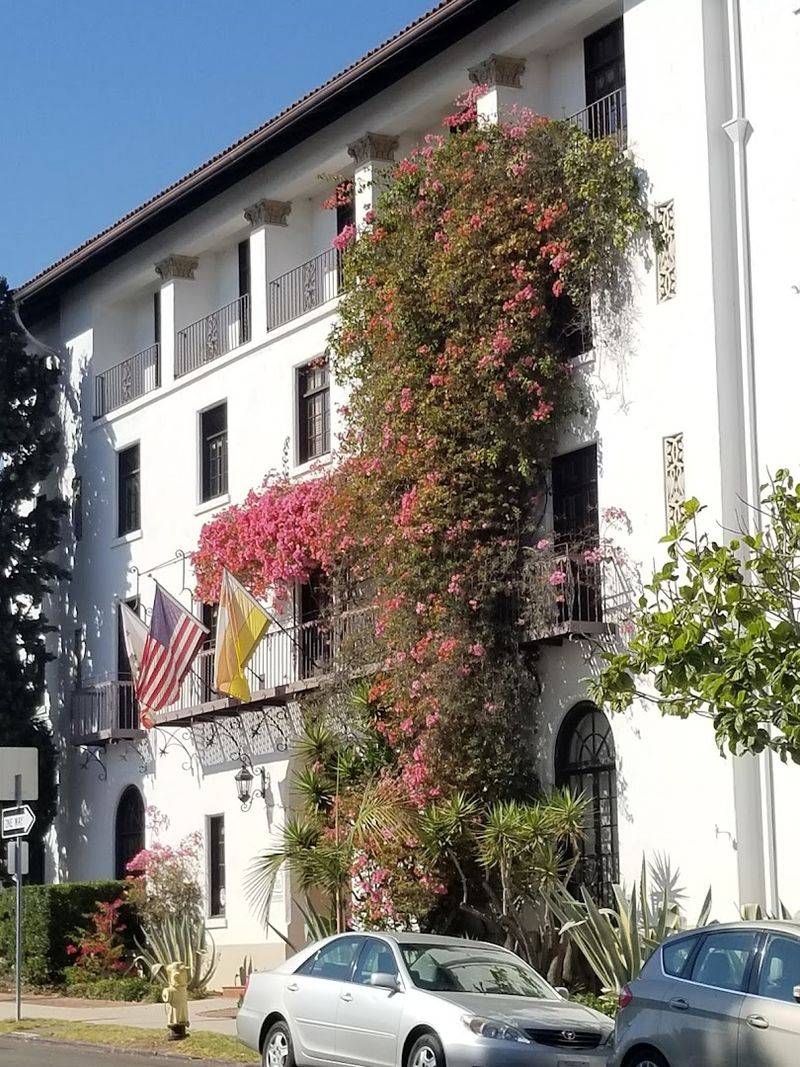
Certain types of housing that already receive government subsidies or operate under federal and state affordability programs are not covered by the Santa Barbara rent freeze.
Properties participating in programs such as Section 8 or other government-assisted housing arrangements fall outside the moratorium because their rents are already regulated through separate agreements with public agencies.
The ordinance was designed to address market-rate housing where tenants have less built-in protection.
For tenants living in subsidized housing, this exemption does not necessarily mean their rents will increase.
The affordability restrictions tied to those programs typically place their own caps on how much can be charged, often tied to a percentage of the area median income.
Those rules remain in place regardless of the moratorium’s scope, so residents in subsidized units are generally not left without any protection.
Understanding which category a rental unit falls into can be surprisingly complicated for tenants who are not familiar with housing policy.
A building might receive some form of public funding while still operating primarily as a market-rate property, or it might have a mix of subsidized and unsubsidized units within the same complex.
Tenants who are unsure about their housing type are encouraged to ask their property manager directly or reach out to a local tenant advocacy organization for clarification.
8. The Freeze Is Set To Last Until December 31, 2026

The moratorium has a defined end date, which gives both landlords and tenants a clear timeline to work with.
Under the current ordinance, the rent freeze is scheduled to remain in effect until December 31, 2026, unless the city adopts a permanent rent stabilization program before that date.
If a permanent program is put in place earlier, the moratorium would end at that point and the new rules would take over.
The temporary nature of the ordinance reflects the city’s intent to use the freeze as a bridge rather than a long-term solution.
City leaders have indicated that they are actively working on a more comprehensive rent stabilization policy that would provide clearer and more durable protections for tenants in eligible units.
The moratorium was meant to prevent landlords from rushing through large increases while that permanent policy was still being developed.
For tenants, the December 31, 2026 deadline creates both reassurance and uncertainty.
Knowing that the freeze is in place for the remainder of the year offers short-term stability, but the transition to whatever comes next remains an open question.
Renters in covered units may want to stay informed about city council meetings and housing policy updates throughout 2026 to understand what their situation could look like heading into 2027.
9. The Santa Barbara Rental Property Association Filed A Legal Challenge

Not everyone in Santa Barbara welcomed the rent freeze with open arms.
Soon after the ordinance took effect, the Santa Barbara Rental Property Association announced plans to challenge the measure in court, signaling that the policy could face legal pushback.
The group indicated that it would contest both the temporary moratorium and any potential long-term rent stabilization efforts, arguing that the rules may overstep legal boundaries and impact property owners’ rights.
At the center of the dispute is a familiar tension in housing policy.
Landlord groups argue that strict rent controls can limit their ability to earn a fair return, while tenant advocates see protections like this as necessary in high-cost markets.
Even without a formal filing yet, the announcement alone introduces uncertainty.
Renters may wonder whether the freeze will remain in place for the full year, while landlords are left navigating decisions around pricing, maintenance, and lease terms without knowing how the situation might unfold.
10. A Permanent Rent Stabilization Program Is Being Developed For Santa Barbara

The rent freeze is not intended to be the final word on housing affordability in Santa Barbara.
City officials have been clear that the moratorium is a temporary measure while a more permanent rent stabilization program is drafted, debated, and potentially adopted.
The development of that program is expected to involve community input, legal review, and significant discussion about which properties should be covered and what limits should apply to annual increases.
Permanent rent stabilization programs in California cities typically set a cap on how much landlords can raise rents each year, often tied to a percentage of the Consumer Price Index or a fixed annual rate.
Santa Barbara’s program would likely follow a similar structure, though the specifics have not yet been finalized.
The outcome of the legal challenge from the Rental Property Association could also influence the shape of any permanent policy that emerges.
For renters in Santa Barbara, the development of a permanent program represents an opportunity to engage with local government and advocate for protections that reflect their needs.
Public comment periods, city council meetings, and community forums are all potential avenues for tenant voices to be heard during the policy development process.
Staying connected to local housing news throughout 2026 could prove valuable for anyone whose housing situation depends on the outcome of these ongoing discussions.