11 North Carolina Restaurants Where History Is Still On The Menu
Nobody puts a restaurant on a historic register because the food is mediocre. North Carolina has been eating well for a long time, and the proof is still open for business.
Places like these don’t survive by accident. The fryers stayed hot and the pitmasters stayed put while everything around them changed.
A few of them have been around so long that the grandchildren of the original owners are now the ones greeting you at the door. Some have been standing since before your grandparents were born.
All of them are still worth the drive.
1. The Mecca Restaurant, Raleigh
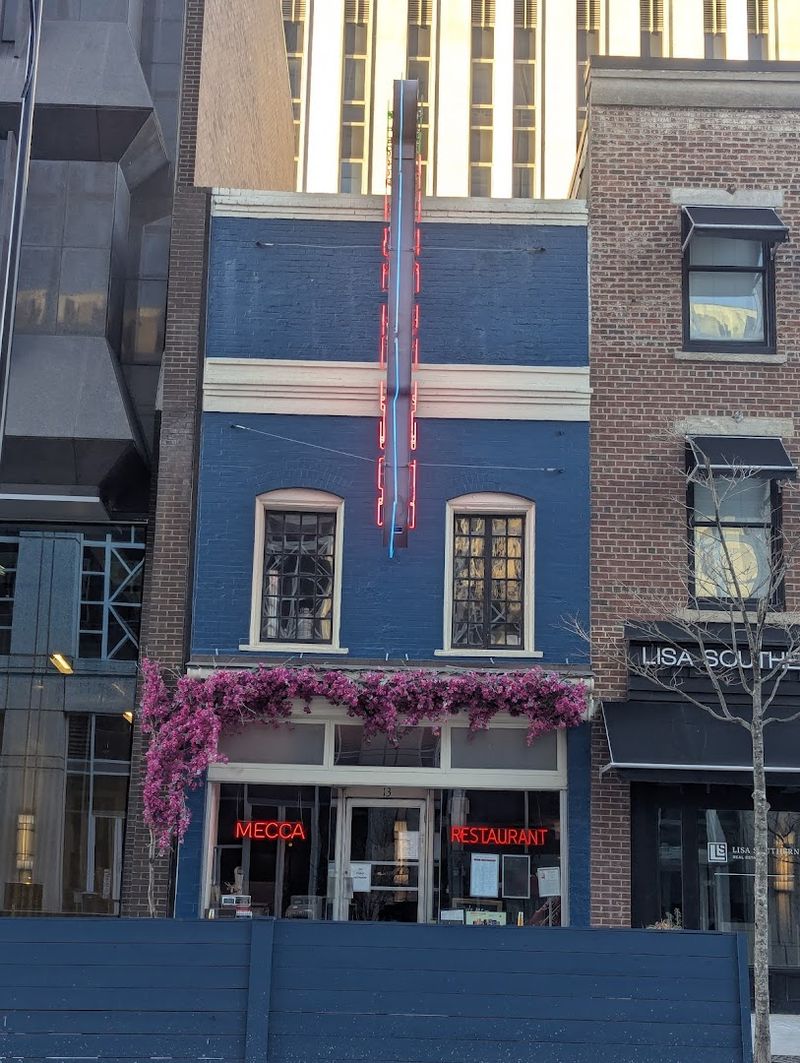
Downtown Raleigh has changed around it a dozen times over. The Mecca just kept serving lunch.
Opened in 1930, this downtown Raleigh landmark has served politicians, lawyers, students, and everyday working folks without missing a beat. It sits right in the heart of the city it helped shape, at 13 E Martin St in Raleigh.
The menu leans hard into Southern comfort food. Meat-and-three plates piled with collard greens, black-eyed peas, and cornbread are the kind of thing you come back for every week.
The fried chicken is crispy on the outside and juicy inside, the way it should be.
What makes The Mecca feel real is the lack of pretense. There are no trendy cocktails or chalkboard specials here.
Just honest food served fast by people who know what they are doing. Plenty of newer restaurants are chasing attention, but The Mecca has never needed to chase anything.
It just keeps cooking, and that says everything.
2. Dick’s Hot Dog Stand, Wilson
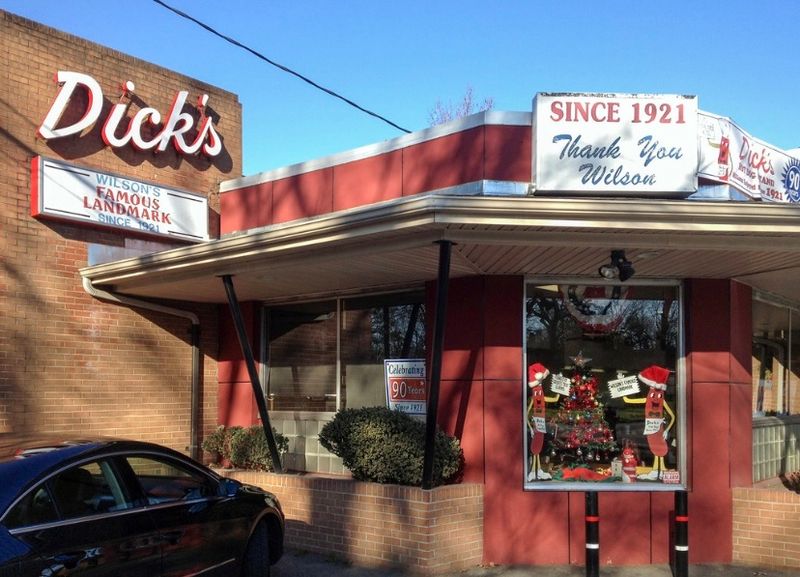
Most restaurants from 1921 are museums now. This one still has a line out the door.
Open since 1921, this tiny spot in Wilson, sitting at 1500 Nash St N in Wilson, has been slinging dogs longer than most buildings in town have been standing.
The menu is refreshingly short. Hot dogs, a few sides, and drinks.
That is basically it. But the chili sauce that goes on top has been made from the same recipe for generations, and one bite tells you exactly why nobody has messed with it.
The space itself is small and no-frills, with just enough room for a handful of regulars to crowd around the counter. It feels more like a neighborhood secret than a restaurant, except everyone in Wilson already knows about it.
Locals bring their kids, who bring their kids years later. That cycle of loyalty is rare and earned.
If you are passing through the eastern part of the state and you skip this place, you will regret it before you hit the next county line.
3. Angus Barn, Raleigh
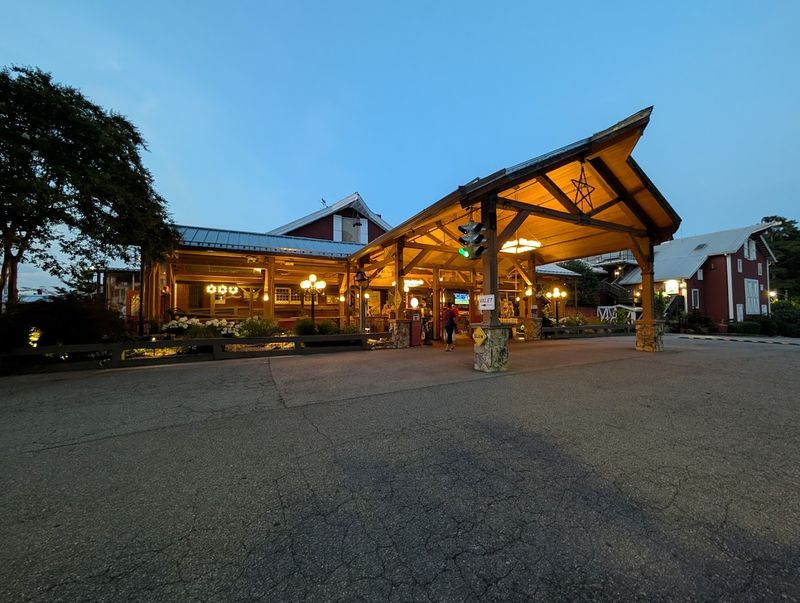
Some restaurants feed you. Angus Barn sits you down, pours you a drink, and makes sure you stay a while.
The experience here is not rushed. Meals tend to stretch a little longer, the kind where conversation matters just as much as what is on the plate.
People in the state have known the difference since 1960. This steakhouse has become a longtime favorite dining destination in the state.
The beef is aged, hand-cut, and cooked with the kind of care that only comes from decades of practice. That same attention shows everywhere.
Founder Thad Eure Jr. built this place with personality and pride, and that spirit still runs through every corner of the building. Antique farm equipment, vintage signs, and rustic wood details give the interior a warmth that feels genuine rather than staged.
Sitting at 9401 Glenwood Ave in Raleigh, Angus Barn is the kind of restaurant that people pass down through generations, bringing their children to celebrate the same milestones they once celebrated here themselves.
4. Shorty’s Famous Hot Dogs, Wake Forest
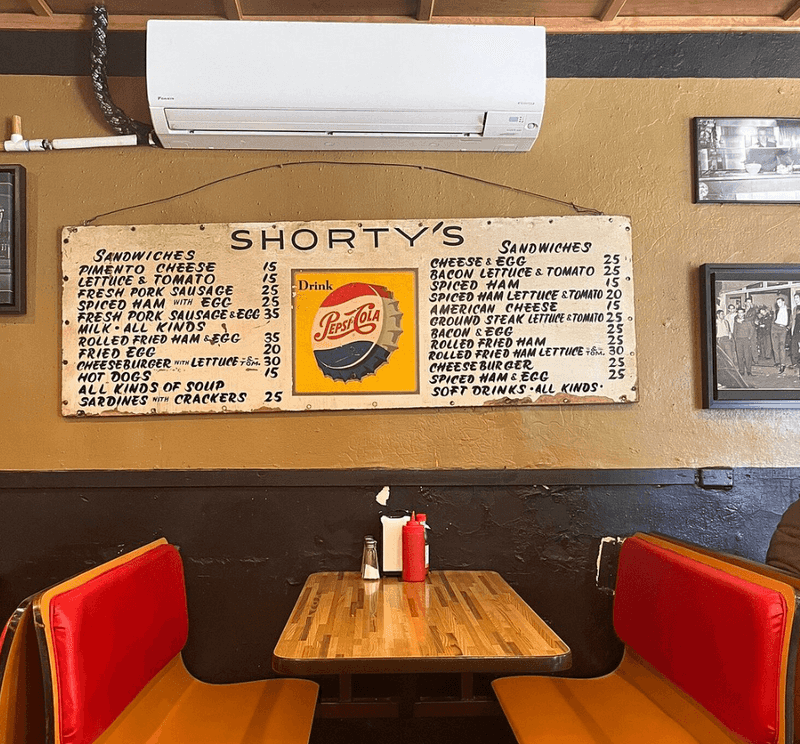
Wake Forest has grown, changed, and reinvented itself plenty of times. Shorty’s menu hasn’t.
Sitting quietly along S White St at number 214 in Wake Forest, it remains on a street that has changed a lot more than what’s on the plate.
The hot dogs come with chili, mustard, and onions in a combination that regular customers will tell you cannot be improved. The chili recipe is old, guarded, and frankly irreplaceable.
Ordering anything different feels almost disrespectful to the tradition.
Shorty’s has the look of a place that has seen everything. The counter, the stools, the worn edges of the menu board all tell a story of continuous use and genuine community attachment.
Wake Forest has grown and changed dramatically over the decades, but this little spot keeps anchoring the town to its roots. First-time visitors often walk out already planning their return trip.
That kind of instant loyalty is not manufactured. It is earned one bite at a time, just like it always has been.
5. The Roast Grill, Raleigh
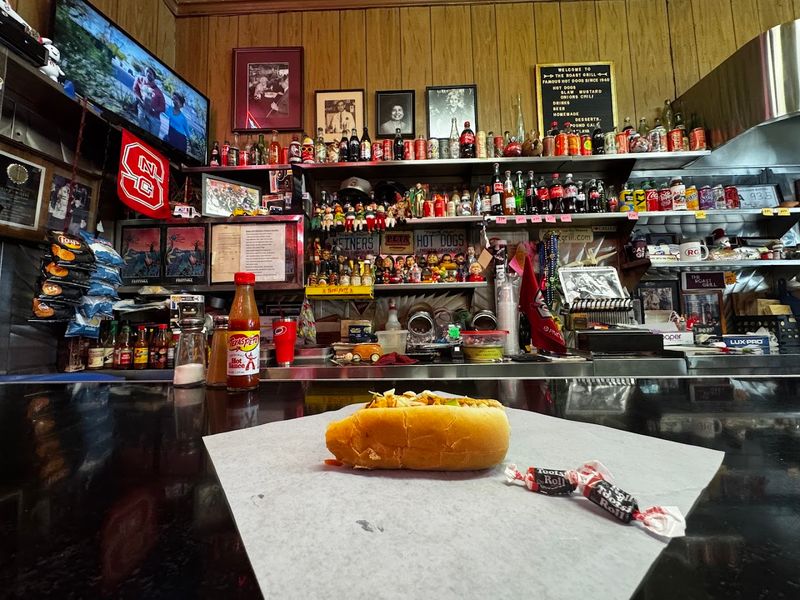
George Poniros opened The Roast Grill in 1940, and the rules have not changed much since then. No ketchup.
No substitutions. Just hot dogs cooked over a charcoal fire the way they were meant to be cooked.
Located at 7 S West St, Raleigh, this narrow little spot is one of the most unapologetic restaurants around.
The walls are covered in old signs, photos, and decades of collected character. Sitting at the counter feels like eating inside a time capsule.
The charcoal smoke gives the dogs a flavor that gas grills simply cannot replicate, and the chili on top has been made from the same recipe for generations.
That level of consistency is rare. Tourists sometimes walk in expecting a quirky novelty experience, but they leave understanding why locals treat this place like sacred ground.
The Roast Grill proves that a tiny room and a charcoal fire can go a long way.
A stubborn commitment to doing one thing perfectly has helped it outlast almost everything the restaurant industry throws at it.
6. Little Pigs BBQ, Asheville
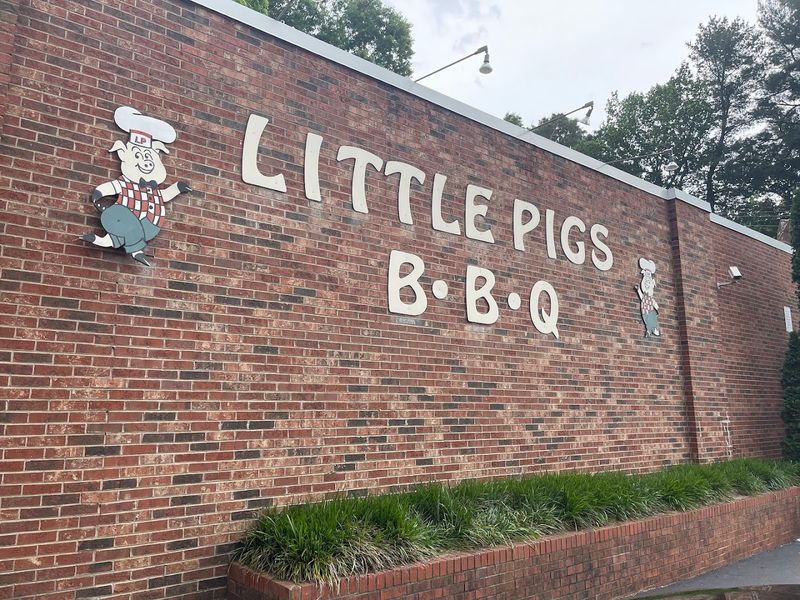
Barbecue in the mountains hits differently. The air is cooler, the pace is slower, and at Little Pigs BbQ in Asheville, the smoke has been rolling since 1951.
This place serves slow-smoked pork to locals and visitors alike, a tradition that has carried on through decades of change in a city that loves reinventing itself.
The pulled pork here has a texture that takes patience to achieve. It pulls apart in long strands, tender without being mushy, with enough smoke flavor to remind you that real barbecue is a process, not a shortcut.
The sauce options let you adjust, but the meat stands on its own just fine.
Asheville has become a destination for foodies chasing the newest thing, and there is nothing wrong with that. But Little Pigs offers something those trendy spots cannot: decades of consistency in a city that rarely sits still, still going strong at 384 McDowell St in Asheville.
Regulars here have been coming since childhood, and the family-style setup makes newcomers feel welcome without any fuss. It is the kind of place that reminds you why this style of barbecue has such a passionate following across the entire country.
7. The Players’ Retreat, Raleigh
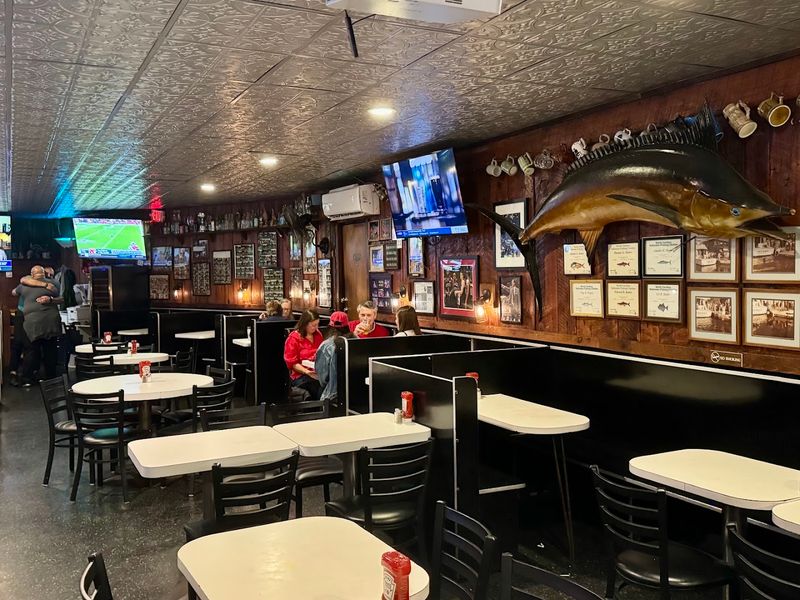
Every college town has a bar where the stories never stop. NC State just happens to have one that’s been collecting them since 1951.
The Players’ Retreat at 105 Oberlin Rd, Raleigh, is the kind of place where generations of students have celebrated wins, mourned losses, and spent long afternoons arguing about sports over good food and longtime traditions.
The walls are covered in NC State memorabilia, signed photos, and years of accumulated history. Every corner has a story.
What separates The Players’ Retreat from a generic sports bar is the genuine community that has formed around it over seven decades. Alumni come back and bring their own kids.
Faculty members who used to drink here as grad students still show up on game days. That kind of multigenerational loyalty cannot be faked or manufactured through marketing.
It grows slowly, built on consistent food, familiar routines, and a room that feels like it belongs to the neighborhood rather than a corporate brand. There is nothing quite like it.
8. Clyde Cooper’s Barbeque, Raleigh
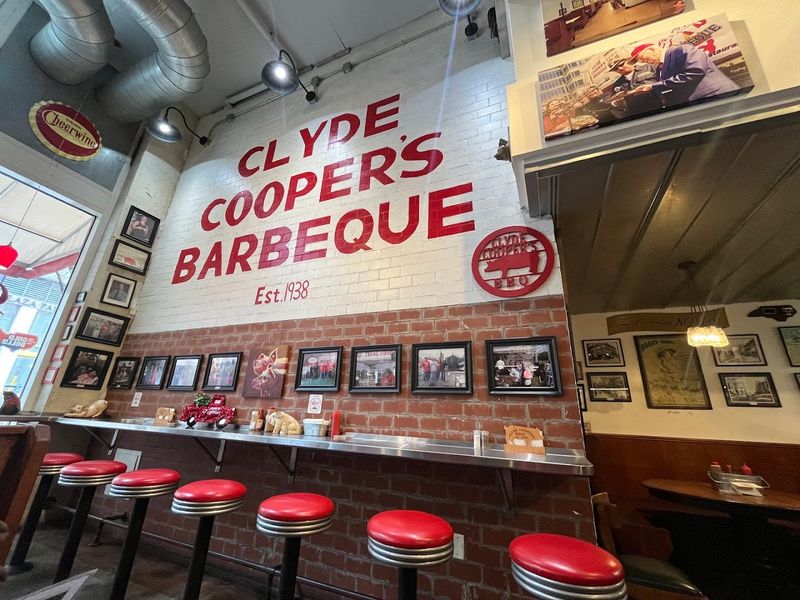
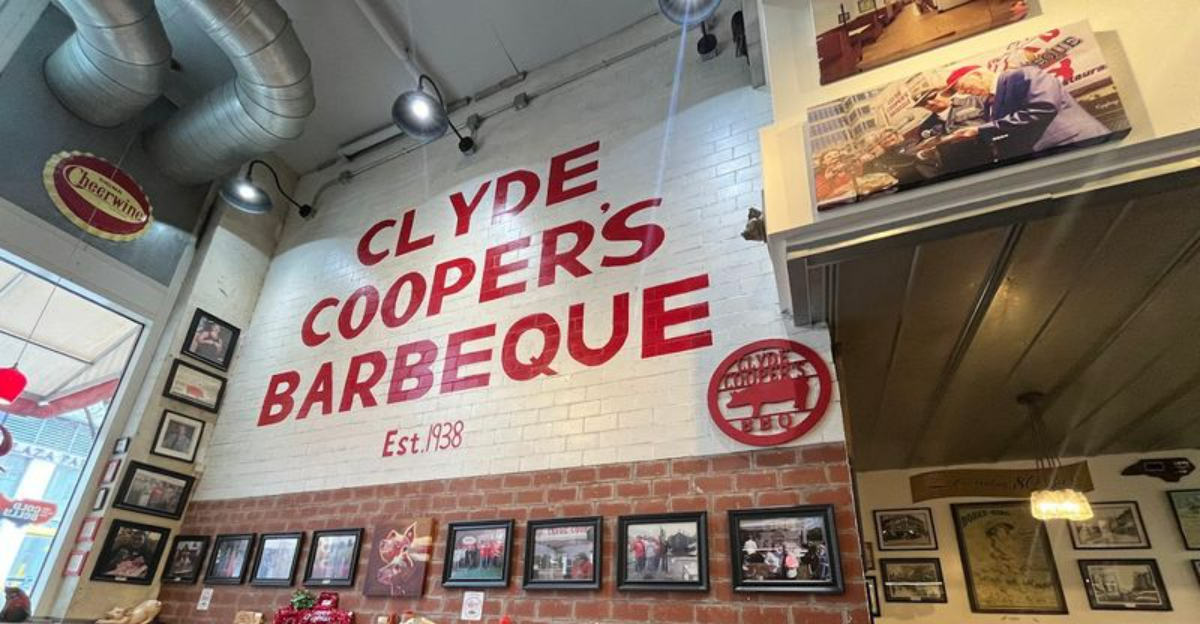
Eastern-style barbecue is a religion, and Clyde Cooper’s Barbeque has stood as one of its most faithful churches since 1938.
This place slow-cooks pork and serves it with a classic vinegar-based sauce, a tradition that goes back long before food tourism was even a concept, now operating at 1326 E Millbrook Rd in Raleigh.
The smoke hits you before you open the door. Inside, the setup is plain and practical: cafeteria-style service, trays, and plastic utensils.
Nobody comes here for ambiance. They come for the pork, the hush puppies, and the kind of coleslaw that actually makes sense next to barbecue.
Clyde Cooper himself opened the restaurant during the Great Depression, which tells you something about the grit behind this place. It survived economic downturns, changing food trends, and decades of competition.
Today it still draws lines at lunch, and the people waiting are a genuine cross-section of Raleigh. It still feels like one of those places that never had to reinvent itself to stay relevant.
9. Sam & Omie’s, Nags Head
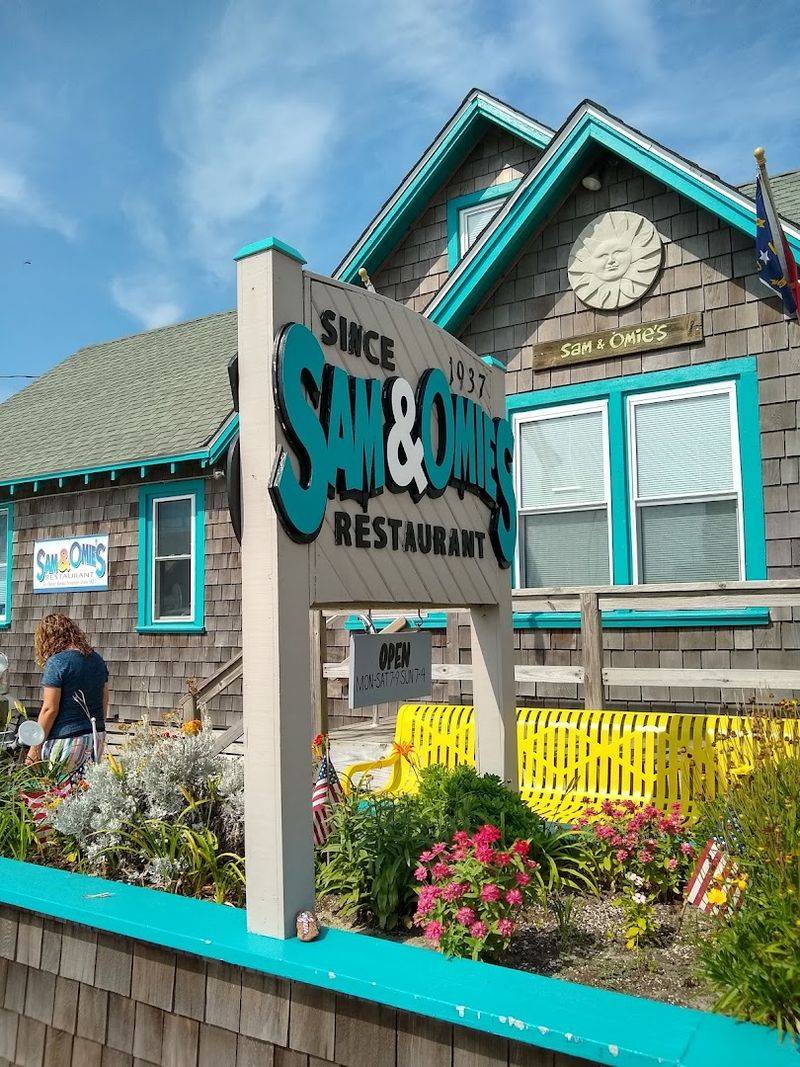
Fishermen needed a place to eat before dawn, and in 1937, Sam and Omie Tillett opened exactly that on the Outer Banks. Sam & Omie’s has been feeding early risers and beach visitors ever since, making it one of the most iconic breakfast spots on the state’s coast.
The menu is built around the sea. Fresh seafood omelets, fried fish platters, and shrimp and grits show up alongside classic diner staples.
Everything feels connected to the water just outside, and the portions are sized for people who have already been working for hours before most of us wake up.
The interior is casual and comfortable, with fishing gear and coastal photos giving the room a personality that feels earned rather than decorated.
Nags Head has changed enormously since 1937, with vacation rentals and beach shops crowding every block, but Sam & Omie’s has held its ground, still welcoming guests at 7228 S Virginia Dare Trail.
Locals and tourists share the same tables here, united by good food and the particular magic of eating breakfast near the ocean. Few places on the East Coast can match that combination of history and setting.
10. Second Empire Restaurant And Tavern, Raleigh
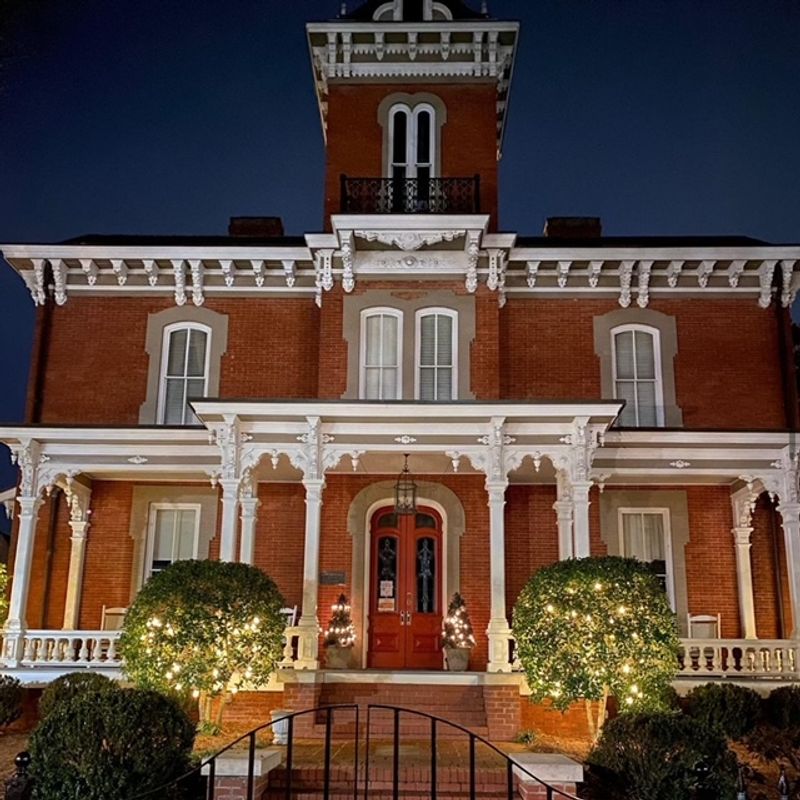
The building went up in 1879. It took over a century to find its best use.
Built as a private home, this stunning Second Empire-style mansion at 330 Hillsborough St, Raleigh, has been one of Raleigh’s premier fine dining destinations since it opened as a restaurant in 1995.
The menu changes with the seasons but always reflects a commitment to refined Southern cuisine made with local ingredients. Eating here feels like a special occasion even on an ordinary night.
The Tavern downstairs offers a slightly more relaxed version of the same quality, making the building accessible for different moods and budgets.
The architectural details throughout the house, from the ornate moldings to the original woodwork, give every room a sense of occasion that newer restaurants spend millions trying to recreate.
Second Empire is proof that the state’s culinary scene has room for both smoky roadside barbecue joints and polished historic mansions, and that both deserve to be celebrated equally.
11. Carolina Coffee Shop, Chapel Hill
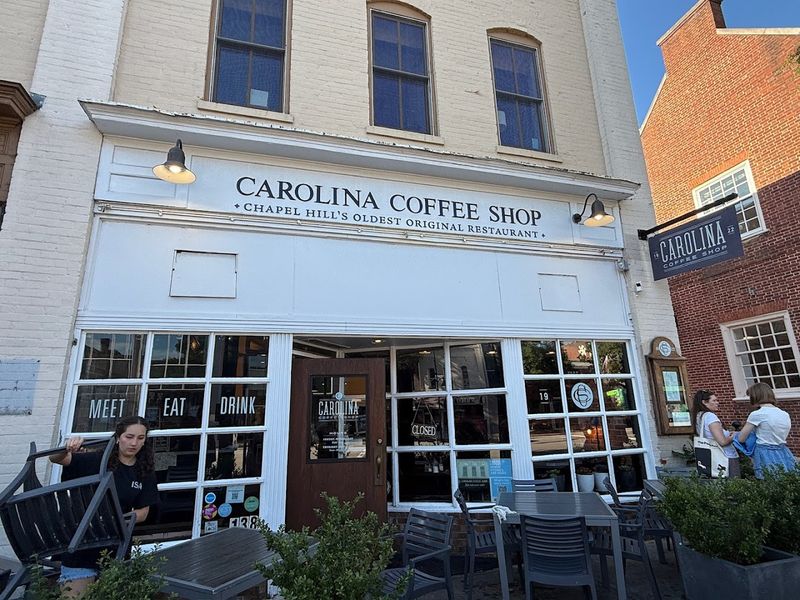
Every restaurant on this list has history. Carolina Coffee Shop has more than most places in the state.
Opened in 1922, it holds the official title of North Carolina’s oldest continuously operating restaurant. That is not a small thing.
At 138 E Franklin St, Chapel Hill, it sits right at the heart of UNC’s campus, and it has watched generations of students walk through its doors carrying the same mix of ambition and exhaustion that college always brings.
The menu blends classic American diner fare with updated Southern touches. Breakfast is the main event, with fluffy omelets, biscuits, and strong coffee that have fueled countless study sessions and late-morning recoveries.
Lunch and dinner hold their own, but mornings here feel particularly special.
A century of operation means this place has survived the Great Depression, multiple wars, cultural revolutions, and the endless cycle of college-town trends. Professors who ate here as undergraduates now bring their own students.
That kind of continuity is extraordinary in an industry where most restaurants close within five years. The Carolina Coffee Shop is not just a restaurant.
It is a living piece of North Carolina history, one cup of coffee and one plate of eggs at a time, still open, still welcoming, still exactly where it has always been.