The 12 Best Small Towns in California Worth Paying A Visit In 2026
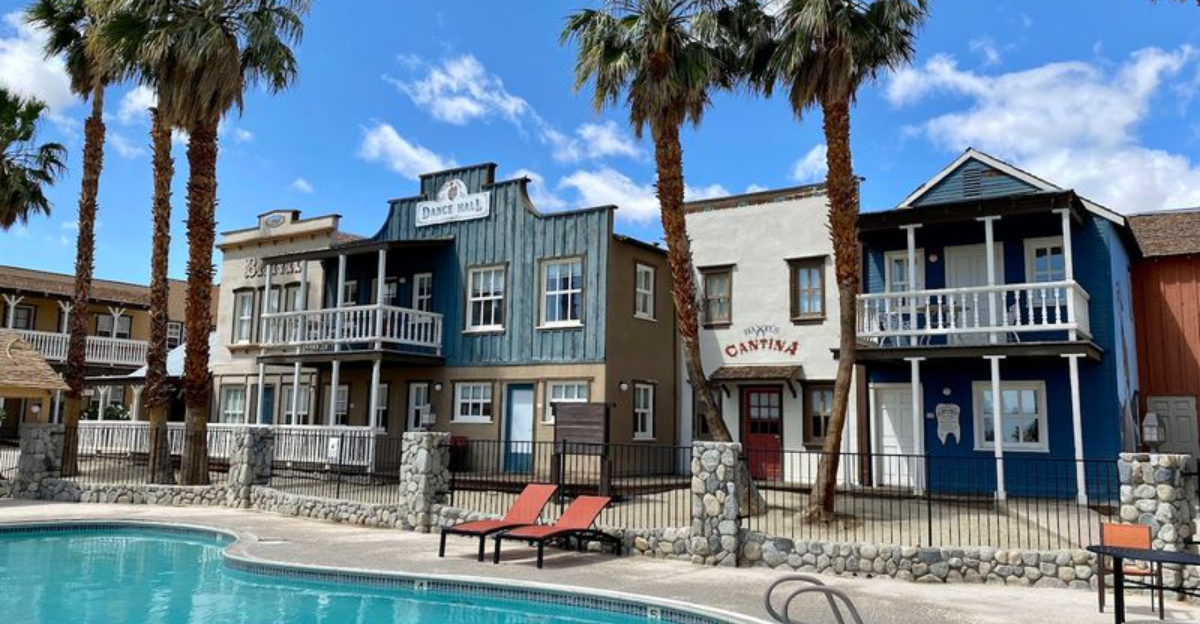
Some places have a way of slowing you down in the best possible way, and California’s small towns do exactly that. You feel it almost immediately.
Tucked between mountain ranges, coastal cliffs, and golden valleys, these communities offer a quieter side of the state that often gets overlooked.
Things move a little differently here.
From historic Gold Rush streets to Danish-style architecture and dramatic ocean views, each town brings something different to the table. No two stops feel the same.
California has no shortage of big-city energy, but these smaller destinations tend to leave a longer-lasting impression on the people who visit them. That is usually what surprises people most.
Whether the goal is a weekend escape or a longer road trip, the towns on this list are genuinely worth adding to travel plans for 2026.
They are easy to come back to.
1. Carmel-By-The-Sea
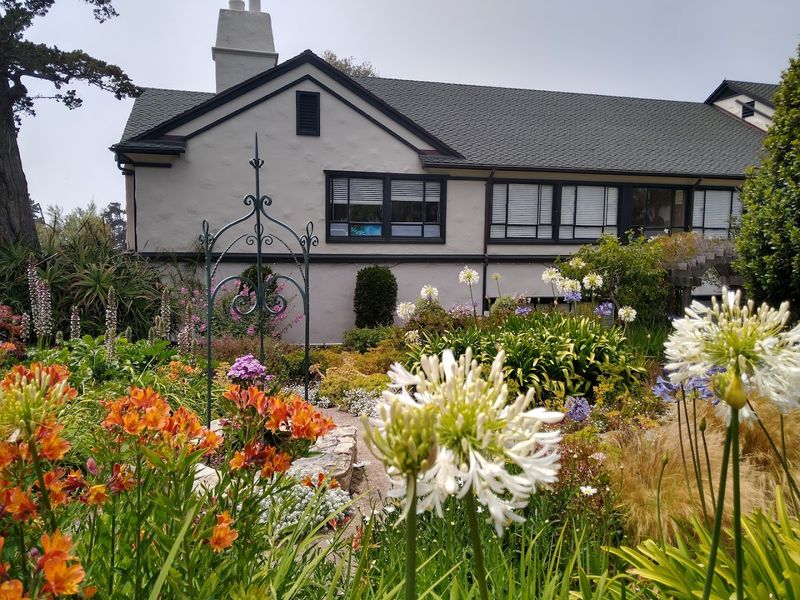
Tucked along the Monterey Peninsula, Carmel-by-the-Sea feels like a storybook town that somehow became real.
The streets are lined with cottage-style homes built from stone and timber, many of which date back to the early 1900s when artists and writers first settled here seeking creative refuge.
Carmel has long been known for doing things differently, including its unusual history with street addresses.
But that is beginning to change in 2026.
Ocean Avenue leads directly down to a white-sand beach where dogs are welcome off-leash, making it a favorite spot for families and pet owners alike.
The town supports a thriving gallery scene with dozens of art spaces spread across just a few walkable blocks.
The annual Carmel Bach Festival draws classical music lovers from across the country each summer, filling the town with live performances in intimate venues.
Parking can be tricky on weekends, so arriving early in the morning tends to make the experience smoother.
The downtown area is compact enough to explore entirely on foot, which keeps the pace relaxed and comfortable.
Boutique shops, bakeries, and small restaurants are all within easy walking distance of each other.
2. Mendocino
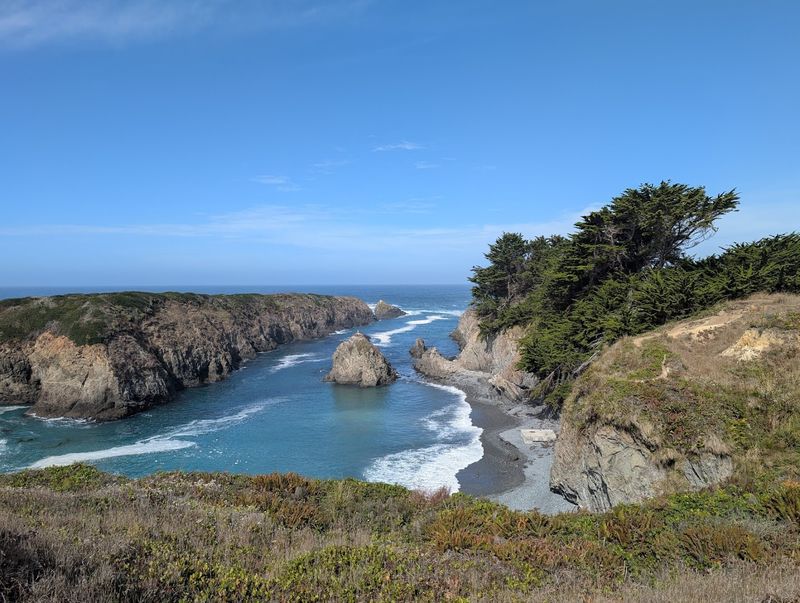
Perched on a dramatic headland above the Pacific Ocean, Mendocino offers one of the most visually striking settings of any small town in California.
The architecture here is distinctly Victorian, with wooden water towers and gabled rooftops that create a silhouette unlike anywhere else on the coast.
The entire historic district is listed on the National Register of Historic Places, which helps explain why the town looks remarkably well-preserved.
Mendocino Headlands State Park wraps around the town on three sides, offering walking paths along the bluffs where visitors can watch waves crash against rocky sea stacks.
The light here in the late afternoon tends to turn everything golden, which has made Mendocino a longtime favorite location for photographers and painters.
Art galleries are scattered throughout the town, and many feature work by local artists inspired directly by the surrounding landscape.
The annual Mendocino Music Festival brings live performances to a tent on the headlands each July, with the ocean visible from the audience seating.
The town is about three hours north of San Francisco, so planning an overnight stay tends to make the trip feel much more worthwhile.
Weekdays are noticeably quieter than weekends here.
3. Healdsburg
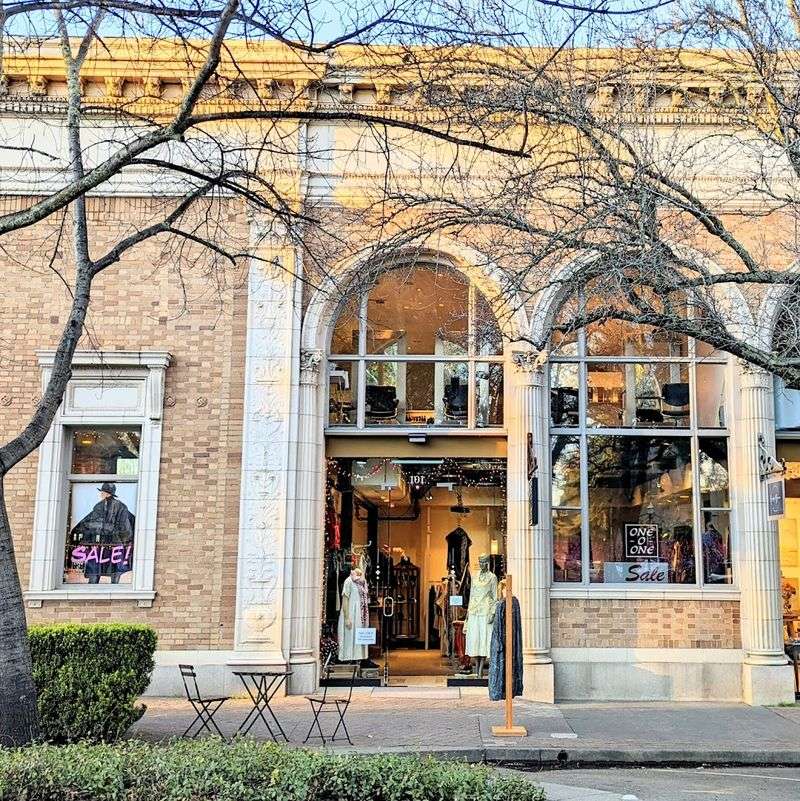
At the center of Healdsburg sits a classic town plaza shaded by mature trees, surrounded by locally owned restaurants, boutique shops, and tasting rooms.
The plaza itself is a natural gathering point, and on warm afternoons it tends to fill with visitors sitting on benches or browsing the nearby storefronts at a leisurely pace.
Healdsburg sits at the convergence of three distinct wine-growing regions in Sonoma County, which gives the area a strong agricultural identity.
The town is small enough to walk end to end without much effort, yet it offers a surprisingly sophisticated dining scene for its size.
Farm-to-table menus are common here, with many restaurants sourcing ingredients from nearby producers in the surrounding valleys.
The Healdsburg Farmers Market, held on Saturdays from May through November, is a good place to pick up local produce, artisan goods, and freshly baked items.
Dry Creek Valley and Alexander Valley are both within a short drive, making Healdsburg a practical base for exploring the broader region.
The Russian River runs nearby, offering kayaking and swimming options during warmer months.
Fall tends to be especially lively in Healdsburg when the harvest season brings extra energy to the local community.
4. Nevada City
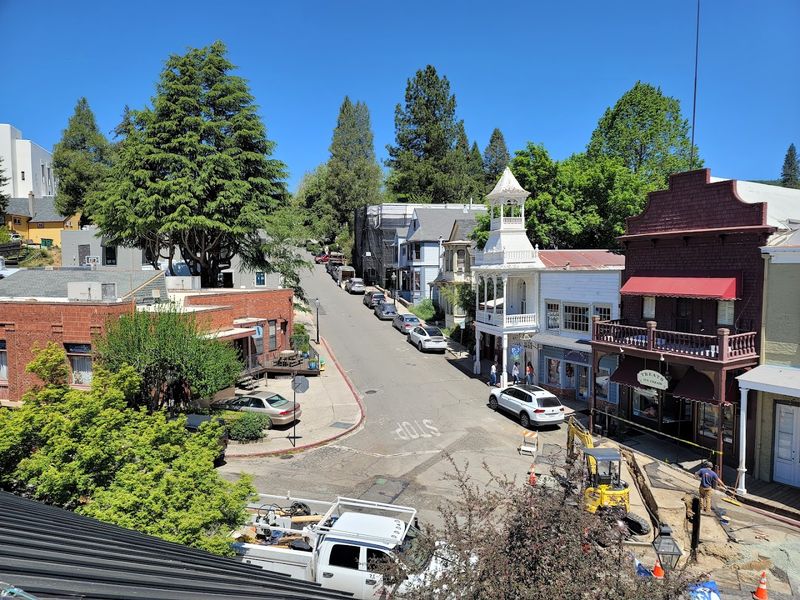
Gold was discovered near Nevada City in 1849, and the town that grew up around that rush never really lost its character.
Broad Street is the main artery, lined with well-preserved Victorian storefronts, independent bookshops, and small cafes that feel genuinely lived-in rather than staged for tourists.
The gas-style lampposts along the sidewalks give the town a warm glow after dark that adds to its historic atmosphere.
Nevada City has quietly become a hub for artists, musicians, and remote workers who are drawn to its creative energy and manageable scale.
The local theater scene is surprisingly active for a town of its size, with the Nevada Theatre being one of the oldest continuously operating theaters in California.
Festivals and community events happen throughout the year, keeping the calendar full and the streets lively.
The surrounding Sierra Nevada foothills offer hiking trails, swimming holes, and seasonal wildflower displays that make outdoor exploration easy to combine with a town visit.
South Yuba River State Park is a short drive away and provides excellent access to the river during summer.
Nevada City tends to feel especially festive during its annual Victorian Christmas celebration held each December.
5. Truckee
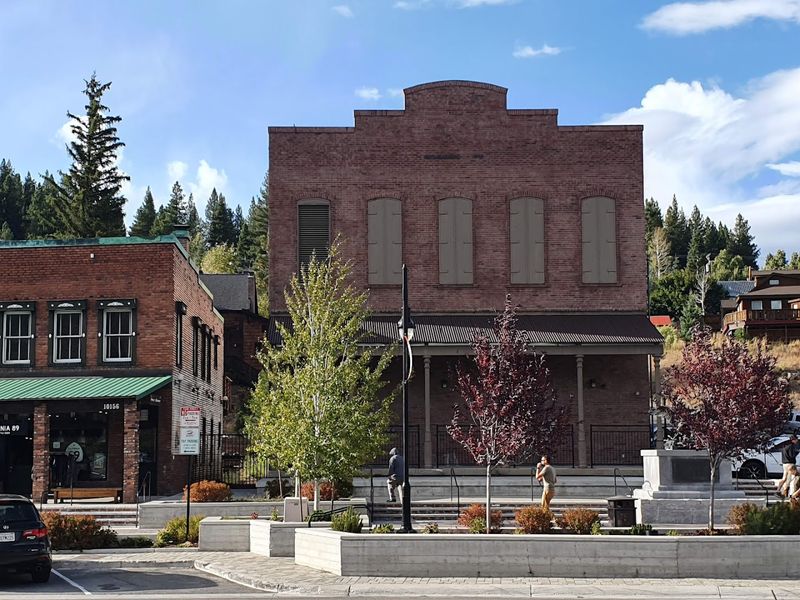
Sitting at nearly 6,000 feet in the Sierra Nevada, Truckee is a mountain town with a genuinely rugged personality.
The historic downtown area along Commercial Row still has the feel of an old railroad and logging town, with wooden storefronts, exposed brick, and a general sense that the place has been through some things.
Truckee was an important stop on the Transcontinental Railroad, and that history is still visible in the architecture and at the Truckee Railroad Museum located in the historic train depot.
Donner Memorial State Park sits just west of town and offers hiking, camping, and a museum that tells the sobering story of the Donner Party’s ordeal in the winter of 1846 to 1847.
Lake Tahoe is only about fifteen minutes away, making Truckee a practical and affordable base for exploring the broader region.
In winter, several major ski resorts including Northstar and Sugar Bowl are easily accessible from town.
Summer brings a different kind of energy, with mountain biking, kayaking, and trail running drawing outdoor enthusiasts from across the state.
The downtown restaurant scene is small but solid, with options ranging from casual burger spots to sit-down dinner restaurants.
Truckee tends to be busy on holiday weekends, so midweek visits often feel more relaxed.
6. Murphys
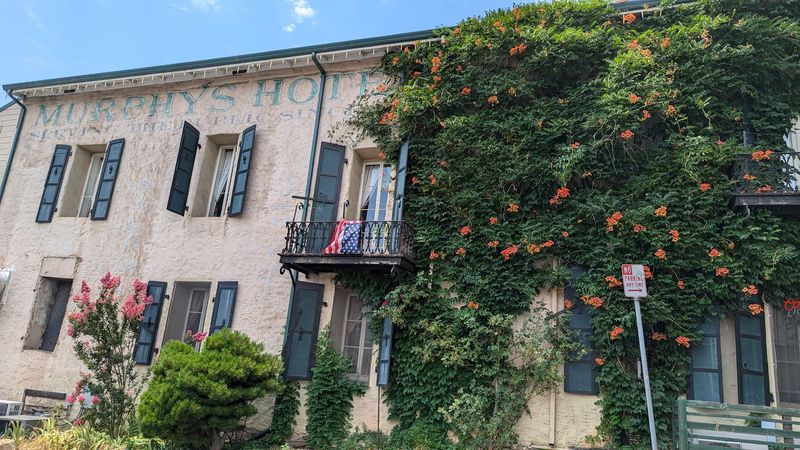
Known informally as the Queen of the Sierra, Murphys carries its Gold Rush roots with a lot of style.
Main Street is anchored by historic stone buildings that date back to the mid-1800s, many of which now house boutique shops, tasting rooms, and small eateries.
The town draws a steady stream of visitors throughout the year, but it manages to hold onto its small-town feel without feeling overwhelmed by tourism.
Murphys is located in Calaveras County, which sits in the heart of California’s Gold Country, and the landscape around town shifts between rolling oak-covered hills and granite outcroppings that feel distinctly Sierra Nevada.
Mercer Caverns, located at 1665 Sheep Ranch Rd, Murphys, CA 95247, has been welcoming visitors since 1885 and offers guided tours through a series of chambers filled with stalactites and stalagmites.
The caverns stay at a cool 55 degrees year-round, making them a refreshing stop during hot summer days.
The annual Grape Stomp Festival is a popular community event that draws crowds each fall and reflects the region’s strong agricultural ties.
Outdoor seating along Main Street is common, and the pace of the town encourages lingering over a meal or a coffee.
Murphys is about two hours from Sacramento and makes for a comfortable day trip or weekend stay.
7. Sonora
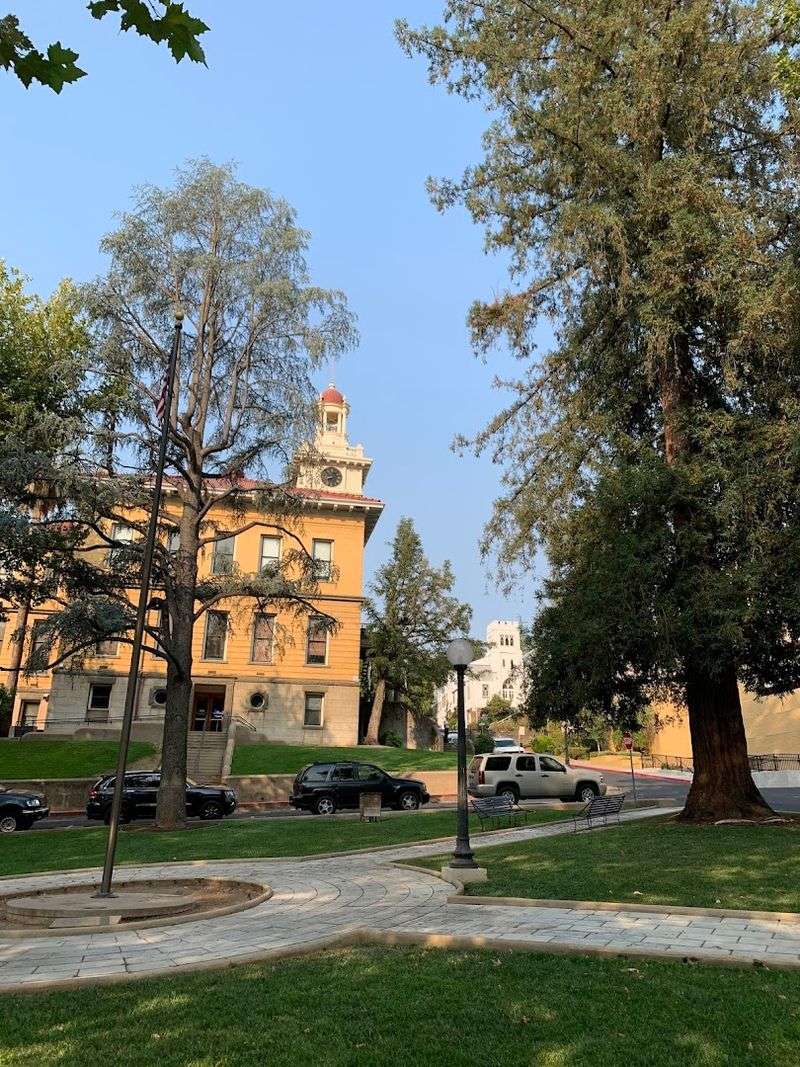
Sonora sits at the heart of Tuolumne County and has been a center of activity in the Sierra Nevada foothills since the Gold Rush era.
Washington Street, the main commercial strip, is lined with colorful historic buildings that house everything from hardware stores to antique shops and family-owned restaurants.
The town has a working, everyday quality that sets it apart from some of the more polished tourist destinations nearby.
The Columbia State Historic Park, located just two miles north of downtown Sonora, preserves an entire Gold Rush-era town where visitors can pan for gold, ride a stagecoach, and walk through buildings that have been maintained to look as they did in the 1850s.
Sonora itself hosts several community events throughout the year, including the Mother Lode Round-Up Parade and Rodeo each May, which has been running for decades.
The surrounding landscape offers excellent access to Stanislaus National Forest, with hiking, fishing, and camping options within a short drive.
The town is roughly two hours from Yosemite National Park’s western entrance, making it a useful stopping point for visitors heading into the park.
Sonora’s downtown restaurants tend to reflect the community’s unpretentious character, with menus that favor hearty, straightforward food.
The elevation here sits around 1,800 feet, keeping summers warm but rarely extreme.
8. Ojai
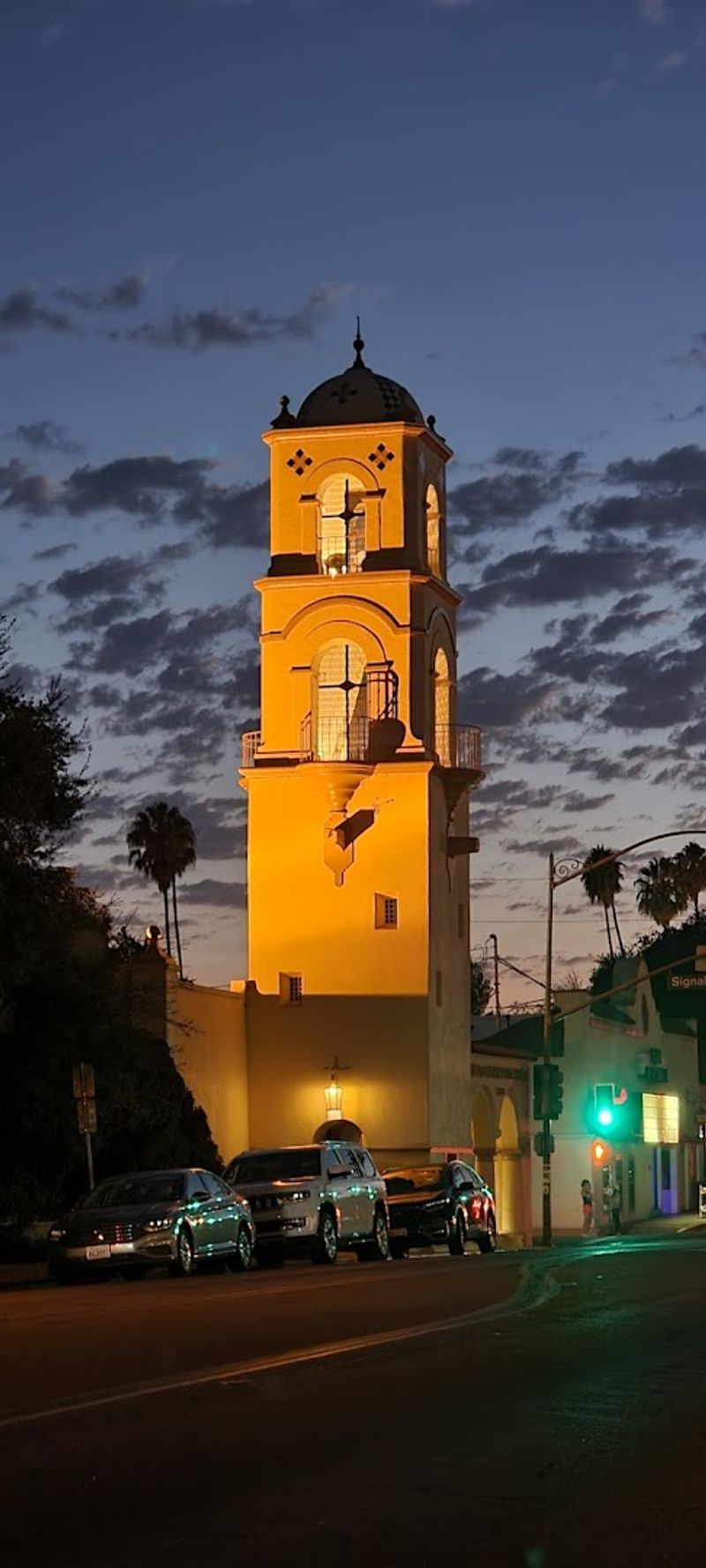
Ojai sits in a narrow east-west valley about 35 miles inland from Ventura, and the geography creates a phenomenon locals call the Pink Moment, when the Topa Topa Mountains glow pink and orange at sunset.
The town has a long history as an arts community, and that creative energy is still evident in the galleries, studios, and independent shops that line Ojai Avenue.
The Ojai Valley has been drawing artists, writers, and seekers of quiet for well over a century.
The downtown arcade, a covered walkway of Spanish Colonial Revival storefronts, gives the town center a distinctive architectural character that feels both historic and livable.
Bart’s Books, located at 302 W Matilija St, Ojai, CA 93023, is one of the most beloved outdoor bookstores in the country, with shelves of used books filling an open-air courtyard and spilling out onto the sidewalk.
The store has been operating since 1964 and remains a genuine local institution.
The Ojai Valley Trail is an 8.5-mile paved path that runs through the valley and connects the town to surrounding areas, making it popular with cyclists and walkers.
The annual Ojai Music Festival draws serious music enthusiasts each June and has featured experimental and classical programming for decades.
Summer heat can be intense here, so morning and evening hours tend to be the most comfortable for walking around town.
9. Solvang
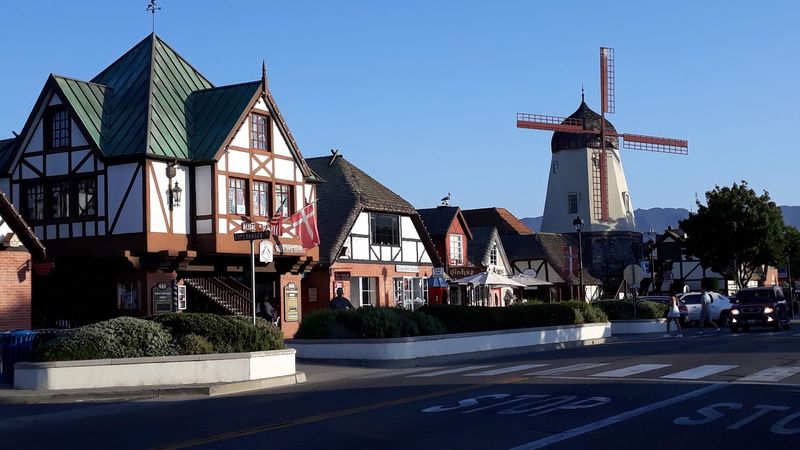
Founded in 1911 by Danish immigrants who wanted to establish a school and community rooted in their culture, Solvang has grown into one of the most distinctive small towns in California.
The architecture here is unmistakably Danish, with half-timbered buildings, copper-topped towers, and working windmills that give the town a storybook quality.
Solvang earned the top spot for Best Small Town in the West in the 2025 USA TODAY 10Best Readers Choice Awards, which reflects the kind of consistent appeal it has built over the years.
The town is home to several Danish bakeries where aebleskivers, a round Danish pancake served with jam and powdered sugar, are a popular item.
Solvang sits in the Santa Ynez Valley, which means the surrounding landscape includes rolling hills, horse ranches, and farms that add to the rural charm.
The Hans Christian Andersen Museum, located at 1680 Mission Dr, Solvang, CA 93463, pays tribute to the Danish author with exhibits featuring first-edition books, original illustrations, and paper-cut artwork.
The town is walkable and compact, making it easy to cover most of the main attractions on foot in a single afternoon.
Solvang is about 35 miles north of Santa Barbara, making it a natural addition to a Central Coast road trip.
The streets tend to be busiest on weekend afternoons, so a weekday visit allows for a more relaxed experience.
10. Julian
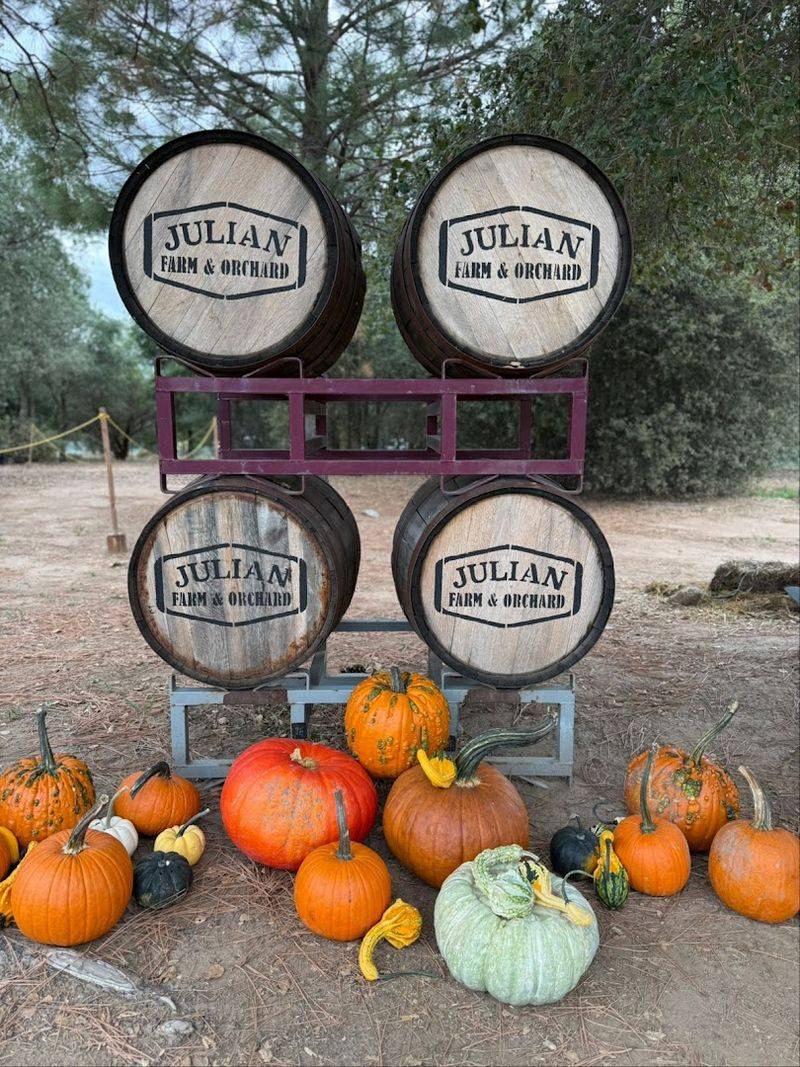
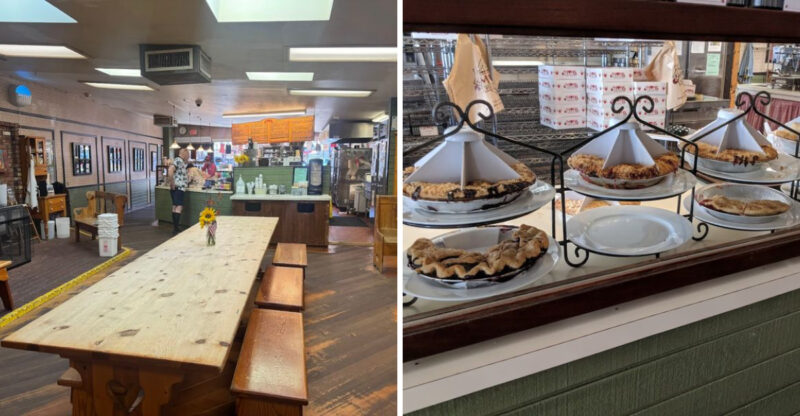
Apple pie put Julian on the map, and the town has been welcoming visitors ever since.
Sitting at about 4,200 feet in the Cuyamaca Mountains east of San Diego, Julian has a cool, crisp climate that supports apple orchards and gives the town a distinctly different feel from the coastal cities nearby.
The fall harvest season, running roughly from September through November, is the most popular time to visit, when apple picking and fresh-baked pies draw crowds from across Southern California.
Julian’s history goes back to a small gold rush in 1870, and the town center still has the character of that era, with wooden storefronts, a one-room schoolhouse, and a historic hotel that has been operating since 1897.
The Julian Pioneer Museum, located at 2811 Washington St, Julian, CA 92036, preserves artifacts from the town’s mining past and offers a grounded look at what life was like here in the late 1800s.
The museum is run by volunteers and reflects genuine community investment in local history.
The surrounding area includes Cuyamaca Rancho State Park and Anza-Borrego Desert State Park, both within a short drive and offering very different landscapes to explore.
Julian is about an hour and a half from downtown San Diego, making it a manageable day trip year-round.
Weekends during apple season can get quite busy, so arriving early in the morning helps avoid the worst of the crowds.
11. Borrego Springs
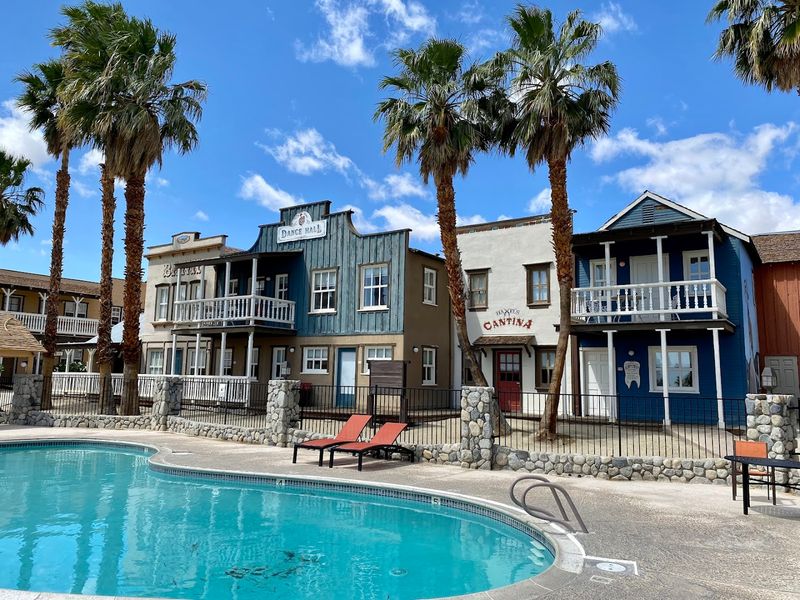
Sitting deep in the Anza-Borrego Desert, Borrego Springs is one of the few remaining dark sky communities in California, which means the night sky here is extraordinary on clear nights.
The town itself is small and unhurried, with a handful of restaurants, shops, and a central park area that serves as a community gathering space.
What draws most visitors is the surrounding desert, which is the largest state park in the contiguous United States at over 600,000 acres.
Scattered across the desert floor near Borrego Springs are more than 130 large metal sculptures created by artist Ricardo Breceda, depicting prehistoric animals, sea creatures, and historical figures.
The sculptures are free to visit and are spread across the desert in a way that encourages exploration by car or on foot.
Wildflower season, which typically occurs between February and April depending on winter rainfall, can transform the desert into a vivid carpet of color that attracts visitors from across the state.
The drive into Borrego Springs from San Diego takes about two hours and passes through dramatic mountain terrain before descending into the desert basin.
Temperatures in summer can exceed 110 degrees Fahrenheit, so spring and fall are the most comfortable seasons for a visit.
The pace of life here is genuinely slow, which is very much the point for most people who make the trip.
12. Los Alamos
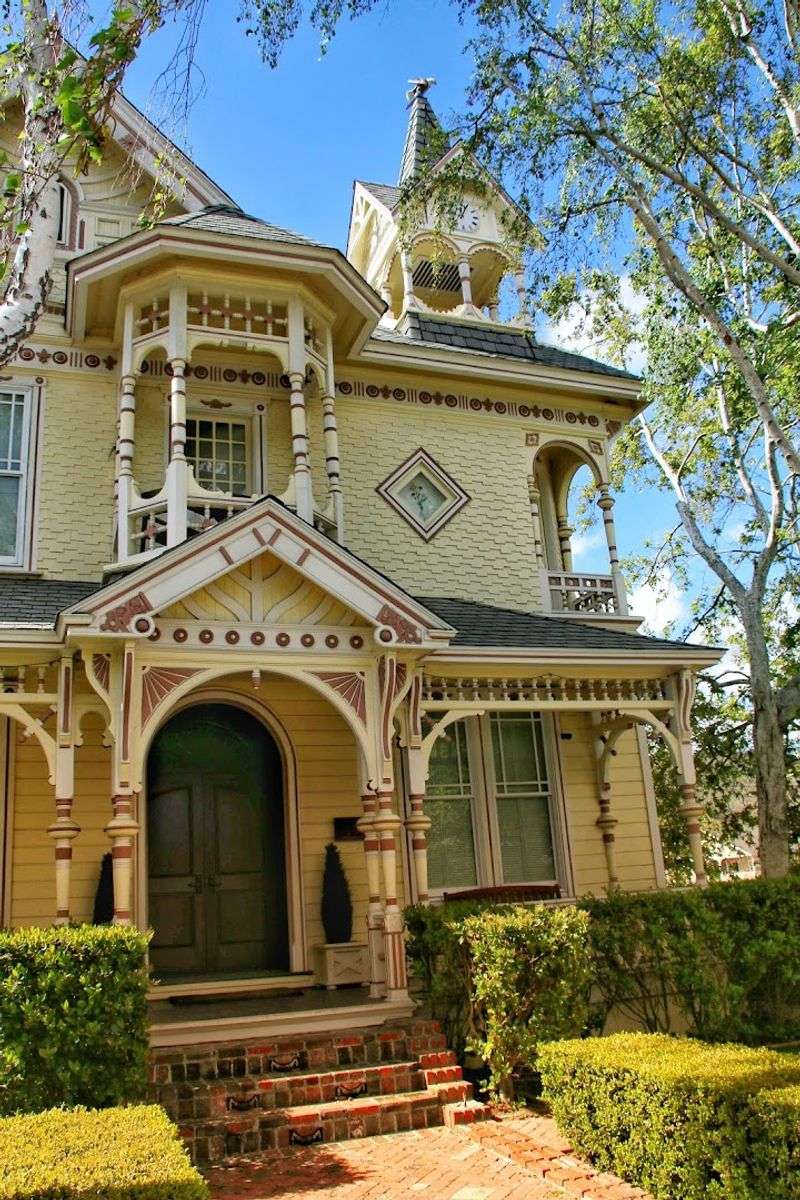
Los Alamos is the kind of town that rewards the traveler who slows down long enough to pay attention.
Located in the Santa Barbara County wine country along US-101, the town has a single main street that is lined with antique shops, small restaurants, and repurposed historic buildings that have been given new life over the past decade.
Bell Street, the main commercial strip, has become something of a quiet destination for food and design enthusiasts who appreciate spaces that feel genuinely curated rather than manufactured.
The town was established in the 1870s as a stagecoach stop, and several of the original adobe and wood-frame structures are still standing along Bell Street today.
Full of Life Flatbread, located at 225 Bell St, Los Alamos, CA 93440, operates out of a converted historic building and has earned consistent positive attention for its wood-fired flatbreads and locally sourced ingredients.
The restaurant operates on limited days and hours, so checking ahead before visiting is a practical step.
Los Alamos sits about 45 minutes north of Santa Barbara and makes a natural stop on a drive between Santa Barbara and San Luis Obispo.
The surrounding Santa Barbara County wine region adds context to the area, with several small producers operating nearby.
The town moves slowly by design, and that unhurried quality is a large part of what makes it worth the detour.