This Small Fishing Town In North Carolina Feels Like A Well-Kept Secret
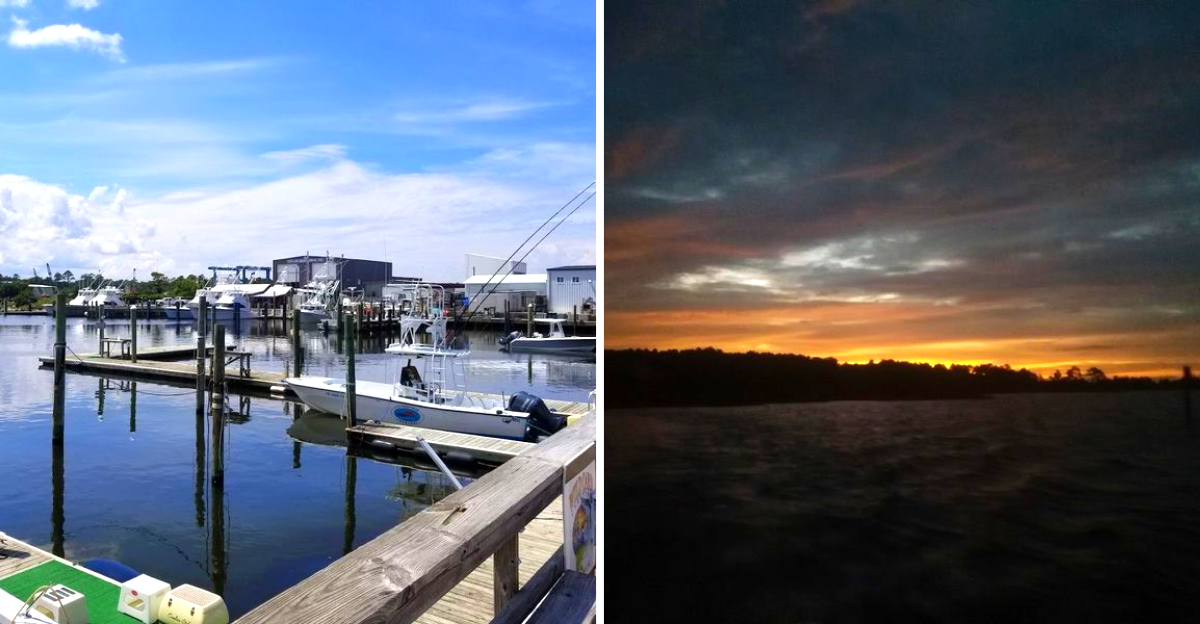
Real places are getting harder to find. The kind where life keeps moving without adjusting for visitors. No staged moments and no crowds waiting for the same photo.
At the southern end of Roanoke Island in North Carolina, Wanchese continues to follow the rhythm of a working harbor.
Fishing boats head out early, and docks stay active throughout the day. The pace feels steady and purposeful, shaped by the demands of the water.
More than a thousand residents call this community home. Daily life still revolves around seafood processing, boatyards, and local fishing operations. That foundation gives the town a sense of continuity that many coastal areas have lost.
The name itself carries weight. It traces back to the last known ruler of the Roanoke Native American tribe, tying the area to centuries of history.
Many coastal destinations shift toward tourism. Wanchese has largely stayed the same. Even compared to coastal towns compared to other coastal towns, the difference stands out.
Spend a little time here, and the appeal becomes clear. Not everything needs to change to be worth noticing.
A Name Rooted In Native American History
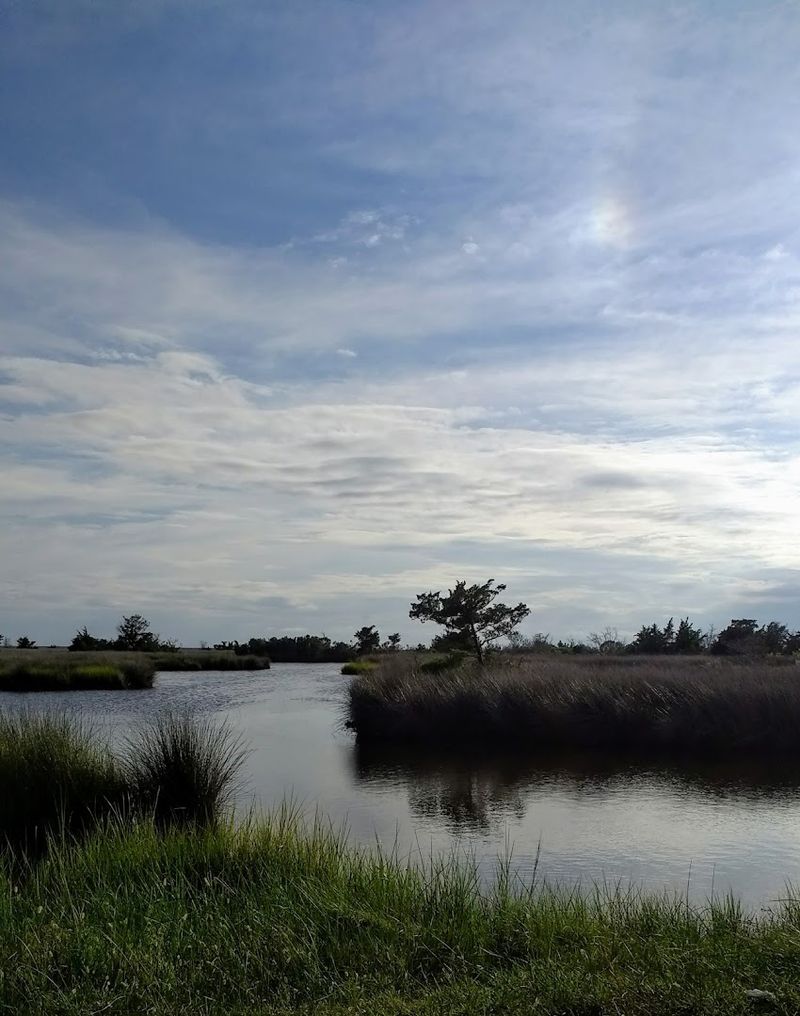
Long before tourists flocked to the Outer Banks, this small corner of North Carolina was already carrying a name tied to centuries of coastal history.
Wanchese was named after the last known ruler of the Roanoke Native American tribe, a man who came into contact with English colonists in the sixteenth century and left a permanent mark on the region’s identity.
The story goes that Wanchese, along with another Roanoke man named Manteo, was brought to England in 1584 by explorers sent by Sir Walter Raleigh.
While Manteo reportedly embraced English culture, Wanchese returned home with a much more cautious view of the colonists, which shaped his leadership and his tribe’s response to the growing European presence.
There is something quietly powerful about a fishing town that still carries that name today. It is a reminder that this land has a layered past stretching far beyond the colonial era.
Visitors who take a moment to learn about the town’s namesake often leave with a much richer appreciation for what this small community on Roanoke Island truly represents.
Life On The Working Waterfront
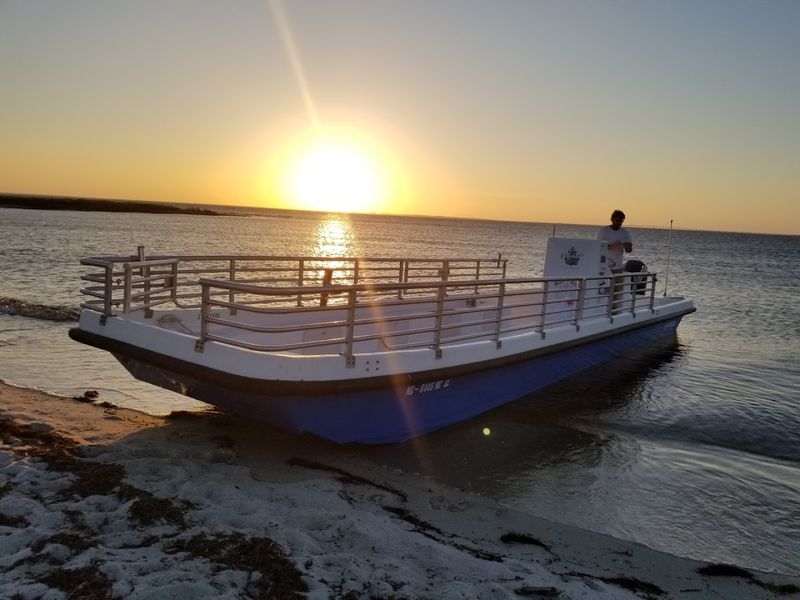
Most coastal towns in North Carolina have traded their fishing docks for souvenir shops, but Wanchese never got that memo.
The waterfront here is the real thing: commercial fishing boats, stacked crab pots, the smell of salt and diesel, and workers who have been doing this for generations.
The Wanchese Seafood Industrial Park, located along the harbor, is one of the most active commercial fishing hubs on the entire East Coast.
It supports a wide range of seafood operations, including crab, shrimp, flounder, and clam processing, making it a vital part of Dare County’s economy. This is not a staged fishing experience for cameras; it is an actual industry that feeds real families.
Early mornings here are something almost meditative, with boats heading out before sunrise and the docks buzzing with quiet, purposeful activity.
For anyone curious about where their seafood actually comes from before it reaches a restaurant plate, watching the Wanchese waterfront in action would be a genuinely eye-opening experience.
Roanoke Island’s Quieter Side
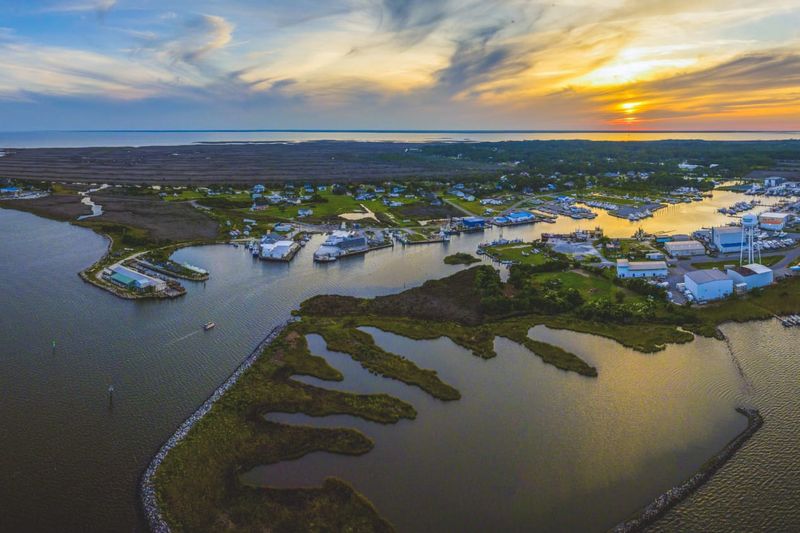
Most people who visit Roanoke Island head straight to Manteo, the island’s more polished and tourist-friendly town. Wanchese sits at the southern tip of the same island and feels like an entirely different world, quieter, slower, and far more local in character.
The two towns share the same island but very little else in terms of atmosphere. While Manteo has its waterfront shops and historic attractions, Wanchese keeps things simple with its neighborhoods, its docks, and its deep connection to the water.
There are no major chain restaurants here, no resort hotels, and no lines of visitors waiting for a table.
For travelers who have already explored the more popular parts of the Outer Banks and are looking for something that feels genuinely off the beaten path, the southern end of Roanoke Island offers a refreshing change of pace.
Driving through Wanchese and feeling that pleasant sense of having stumbled onto something most visitors completely overlook, which, honestly, is one of the best feelings travel can offer.
Fresh Seafood Straight From The Source
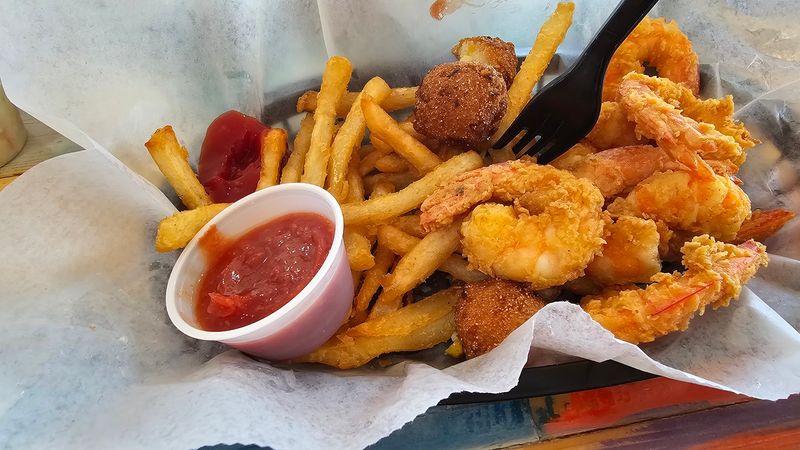
There is something deeply satisfying about eating seafood in a town where you can see the boats that caught it.
Wanchese is one of those rare places where the gap between ocean and table is almost nonexistent, and the freshness of the catch reflects that directly.
Local seafood markets in and around Wanchese sell catches that were often pulled from the water that same morning.
Blue crabs, flounder, shrimp, and clams are among the most common offerings, and the quality is noticeably different from what you would find at a grocery store hundreds of miles inland.
Ohio residents who make the drive to the Outer Banks often mention that the seafood here is unlike anything they can find back home, and that alone makes the trip worthwhile.
For food lovers, visiting a working fishing community like this one adds a layer of context that makes the meal feel more meaningful.
Here you can pick up a portion of fresh-caught seafood and understand, for the first time in life, what truly fresh means.
The Wanchese Seafood Industrial Park
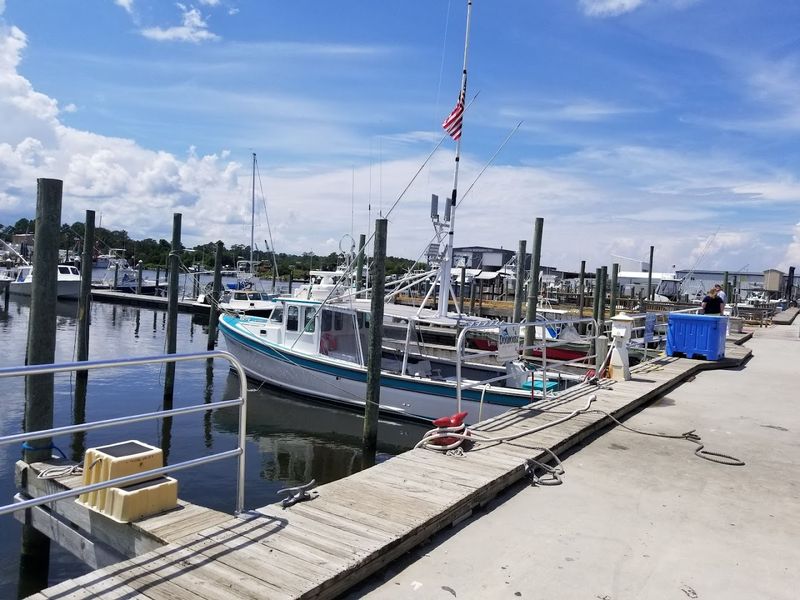
It is not every day that a town this small hosts something as significant as the Wanchese Seafood Industrial Park.
Built to support the Outer Banks commercial fishing industry, the park serves as a hub for processing plants, boat repair yards, and seafood distribution operations that keep the local economy moving.
The park was established with the goal of giving North Carolina’s fishing industry a centralized, modern facility that could compete with larger operations up and down the East Coast.
It has done exactly that, attracting fishing vessels and seafood businesses that might otherwise have relocated to larger ports. For a town that small, that kind of economic infrastructure is genuinely impressive.
Visitors who wander near the industrial park get a behind-the-scenes look at an industry that most people never think about when they order seafood at a restaurant.
The scale of it is surprisingly compelling, the kind of place where the unglamorous, essential work of feeding people happens every single day without fanfare or tourism brochures to celebrate it.
Dare County’s Best-Kept Coastal Secret
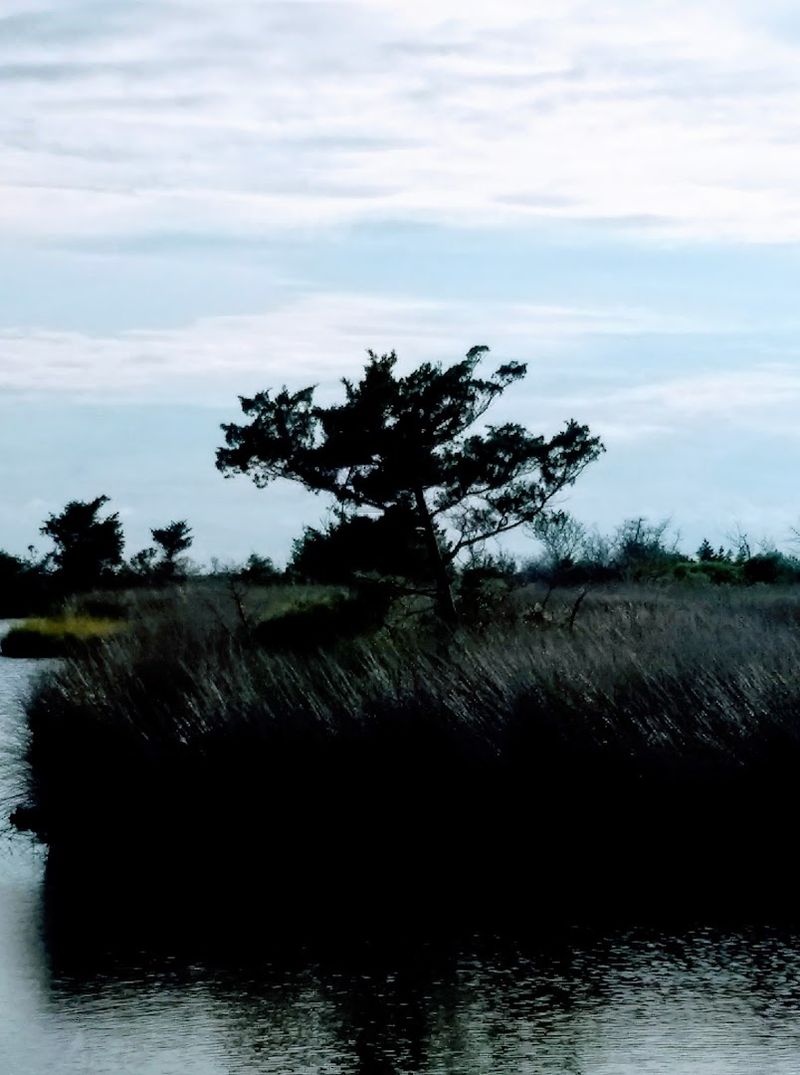
Dare County is home to some of the most visited beaches on the East Coast, including Nags Head, Kill Devil Hills, and the famous Cape Hatteras National Seashore.
Yet somehow, Wanchese manages to exist within this same county while attracting only a fraction of the visitors that flock to its neighbors.
That contrast is part of what makes Wanchese so appealing to a certain kind of traveler. The same county that draws millions of beachgoers each summer also includes this quiet working fishing village.
Travelers from Ohio and other inland states say they stumbled upon Wanchese almost by accident, took a wrong turn off the main road, and ended up staying far longer than planned simply because the atmosphere felt so unexpectedly real.
Dare County is worth exploring beyond its famous beaches, and Wanchese is the most compelling reason to do exactly that. Sometimes the best discoveries happen when you stop following the signs.
A Community With Multigenerational Roots
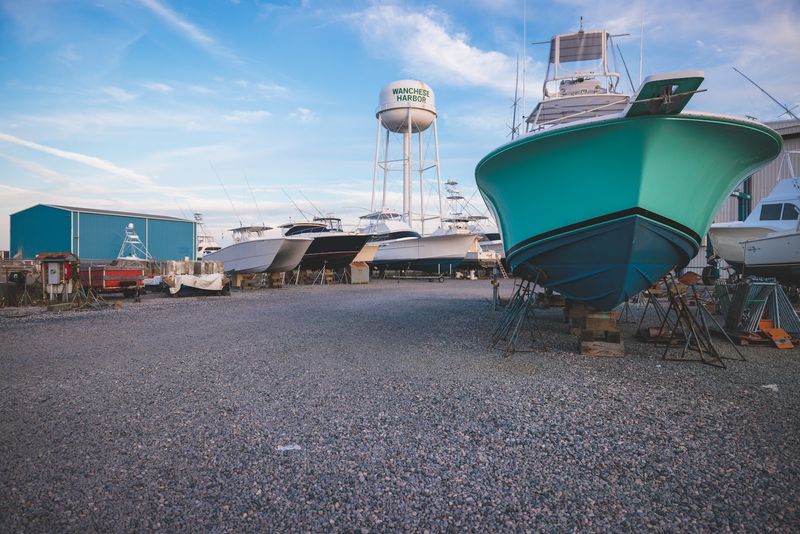
This is not a town built on seasonal tourism or recent transplants; it is a community shaped by people who grew up here, learned to fish here, and chose to stay here.
One of the most striking things about Wanchese is how many of its families have been tied to the water for multiple generations.
That kind of deep-rooted community identity creates a social fabric that is hard to find in more commercialized coastal towns.
Travelers from places like Ohio, where small-town identity is often tied to agriculture or manufacturing, might find an interesting parallel in Wanchese, where the sea plays the same role as the land.
Sitting on a dock here and listening to someone recount how their grandfather fished the same waters, and thinking that this kind of living history is something no museum exhibit could ever fully replicate.
Exploring The Waters Around Roanoke Island
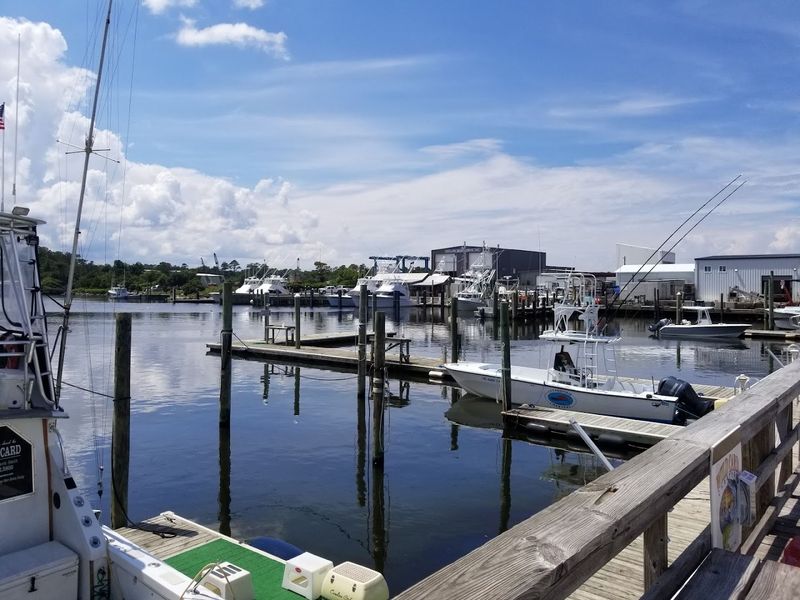
The waters surrounding Roanoke Island are some of the most ecologically rich in North Carolina, and Wanchese sits right at the edge of that abundance.
Roanoke Sound, Croatan Sound, and the nearby Pamlico Sound all converge in this area, creating a diverse aquatic environment that supports both commercial and recreational fishing.
Anglers who visit Wanchese often describe the fishing as exceptional, with flounder, red drum, striped bass, and speckled trout among the most sought-after catches.
The shallow grass flats and deeper channels around the island offer different fishing experiences depending on the season, making it a destination that rewards repeat visits throughout the year.
Beyond fishing, the calm waters around Wanchese are well suited for kayaking and small boat exploration, especially for those who want to get close to the marshes and observe the local wildlife without the noise and crowds of busier launch points nearby.
The Absence Of Tourist Traps
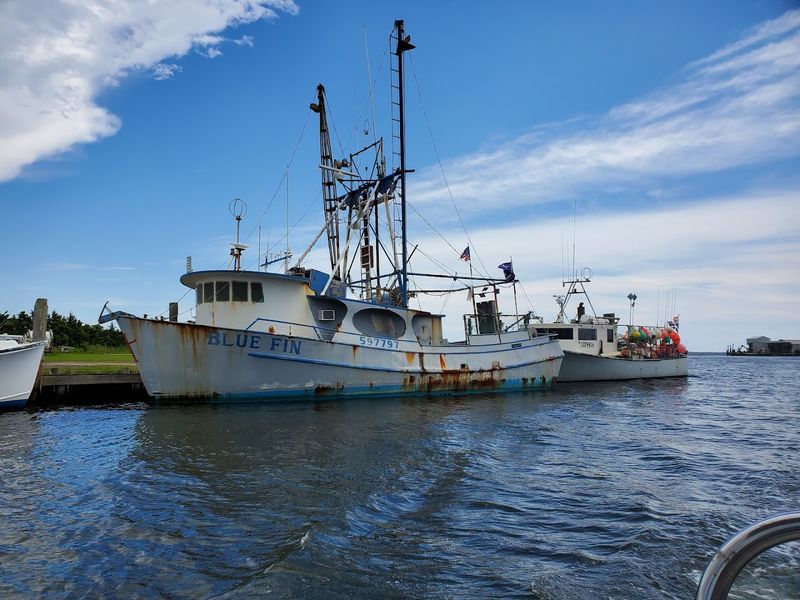
Walk through Wanchese and you will not find a single T-shirt shop, mini-golf course, or overpriced ice cream stand. That absence is not a flaw; it is arguably the town’s greatest feature.
In a region where commercialization has transformed many coastal communities into theme-park versions of themselves, Wanchese simply refuse to play along.
The businesses here exist to serve the people who live here, not to extract money from visitors passing through.
That creates a completely different kind of atmosphere, one that feels honest and unhurried in a way that is increasingly rare along popular coastlines.
Travelers who have grown tired of the manufactured charm of heavily marketed destinations often find Wanchese to be a genuine relief. There is no performance here, no curated experience designed to make you feel like you are having fun.
You either appreciate the place for what it actually is, or you move on. For travelers who prefer quiet back roads over busy highways, Wanchese offers a noticeably different experience from most places on the Outer Banks.
Wildlife And Natural Beauty Nearby
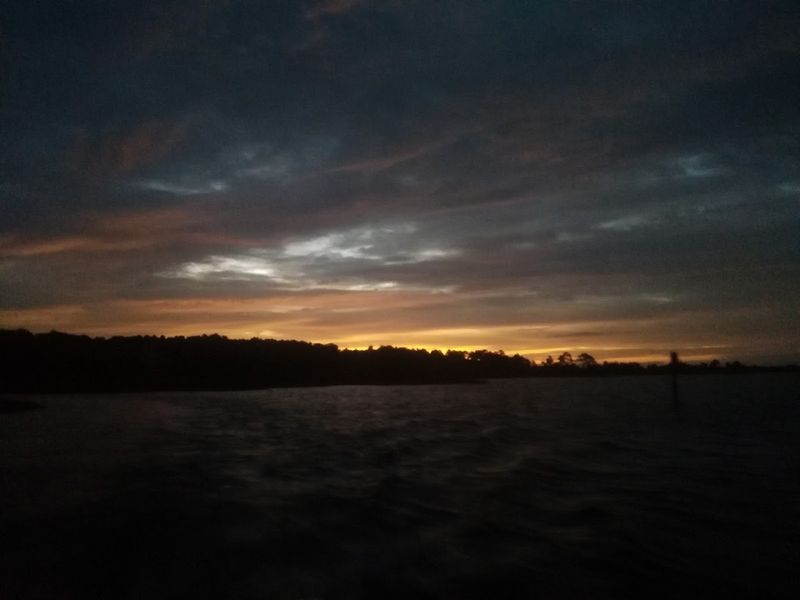
The natural landscape around Wanchese is quietly remarkable. Marshes, tidal flats, and shallow sounds surround the town, creating a rich coastal habitat.
Ospreys circle overhead, great blue herons move through the shallows, and brown pelicans glide along the water. In nearby channels, bottlenose dolphins sometimes surface, adding another reminder that this working harbor sits within a thriving coastal ecosystem.
Roanoke Island itself is bordered by protected natural areas that have helped preserve the ecological character of the region.
The Alligator River National Wildlife Refuge is located just across the sound to the west, and while it requires a separate trip, it speaks to the broader environmental richness of this corner of North Carolina.
For nature lovers who find the crowded beach towns of the Outer Banks a bit overwhelming, the quieter waterways near Wanchese offer a more contemplative outdoor experience.
Best Time To Visit And How To Get There
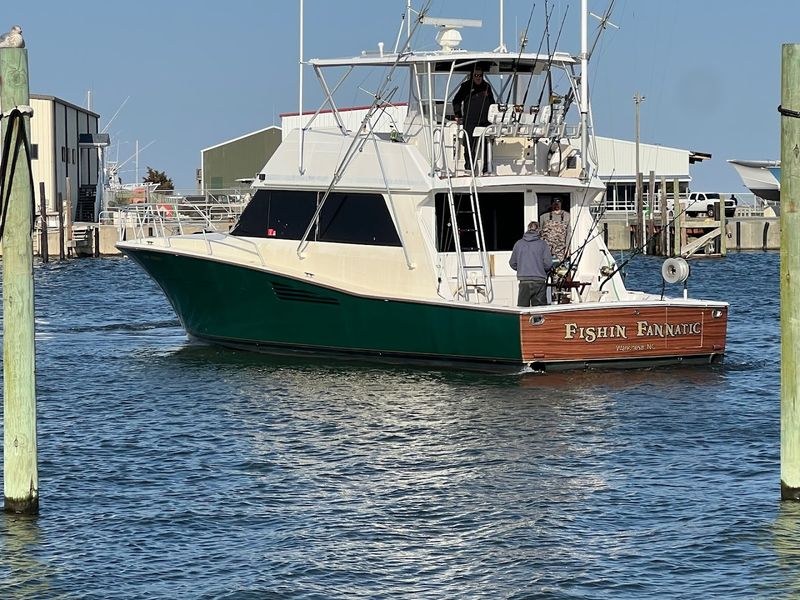
Wanchese sits at the southern end of Roanoke Island and is accessible by road via the US-64 corridor, which connects the island to the mainland and to the Outer Banks.
From the north, travelers coming from Nags Head or Kill Devil Hills can reach Wanchese via Roanoke Island in about fifteen to twenty minutes. From the west, the drive crosses the Croatan Sound and offers some genuinely beautiful water views.
The best time to visit is generally late spring through early fall, when the weather is warm, the waters are active, and the fishing industry is in full swing.
Late September and October are particularly pleasant, as the summer crowds thin out but the coastal weather remains mild and inviting.
Ohio visitors making a road trip to the Outer Banks will find Wanchese easy to add as a day trip or an overnight stop, especially if they are already planning to spend time in Manteo or the surrounding area.
The most rewarding approach is to arrive without a strict agenda and simply let the town reveal itself at its own unhurried pace, which, to be fair, is the only pace Wanchese has ever known.
Why Wanchese Stays Under The Radar
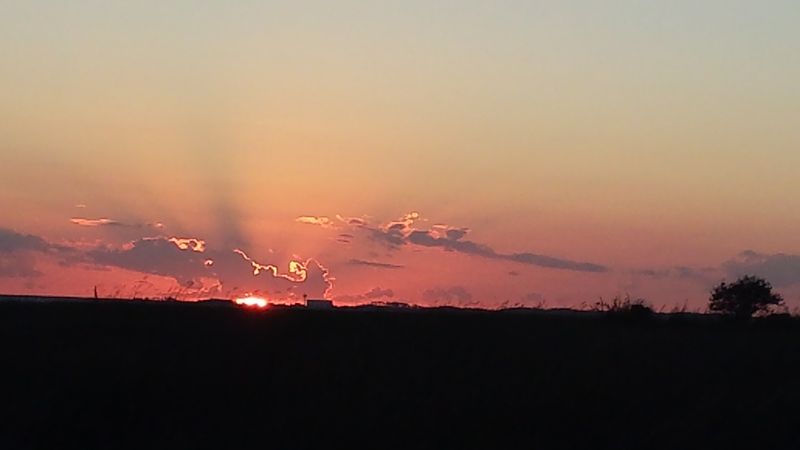
There is a simple reason Wanchese has not become the next trendy coastal destination: the town has never tried to be one.
There are no marketing campaigns, no influencer partnerships, and no boutique hotel developments reshaping its identity.
Wanchese is exactly what it has always been, a working fishing community that happens to sit inside one of the most visited coastal regions in the United States.
That authenticity is both its greatest strength and its best protection. Travelers who seek out Wanchese tend to be the kind of people who value character over convenience.
There is a dignity in that kind of staying power. Wanchese does not need to compete with the flashier parts of Dare County because it is playing an entirely different game.