What Makes This New York Street One Of The Most Famous In The World
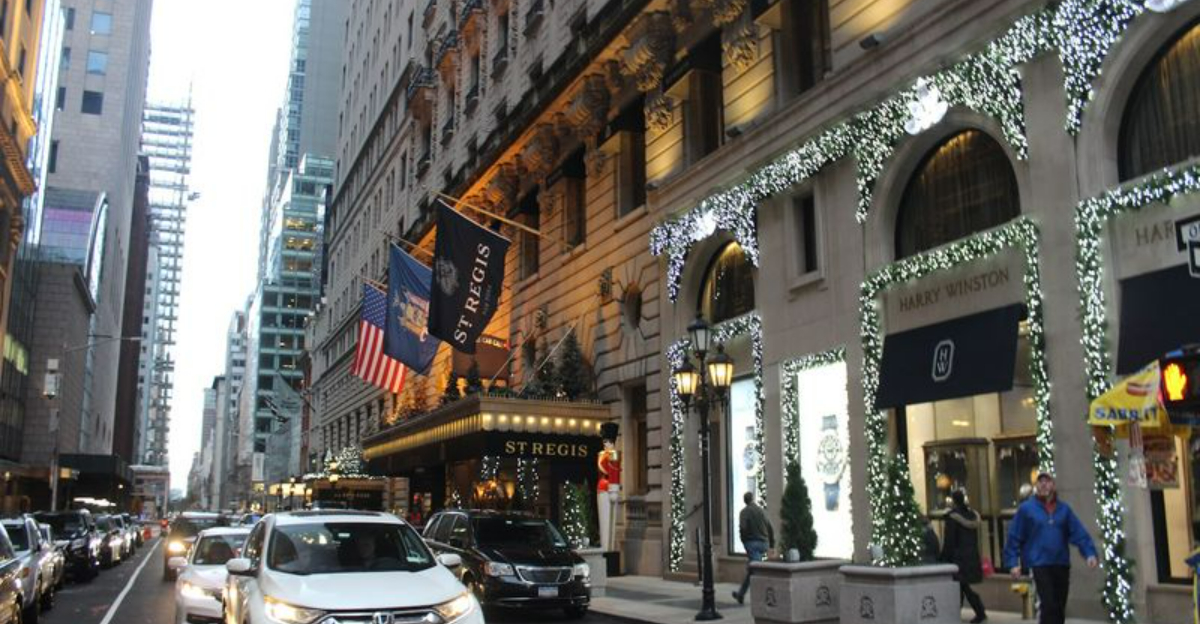
Some streets don’t just exist, they perform. This Manhattan stretch has been photographed and talked about by people who have never even been to New York.
I showed up on a Tuesday, coffee in hand, convinced I already knew what I was walking into. I was wrong.
This avenue is something no photo prepares you for. History, money, ambition, and beauty all collide in one place.
Two blocks in, I stopped counting the number of languages I heard around me. Three blocks in, I stopped walking altogether, just to look up.
This isn’t a street that rewards rushing. New York has no shortage of iconic addresses, but this one stands apart.
It isn’t famous because people say it is. You feel it the moment you arrive.
Where The Street Starts To Feel Iconic
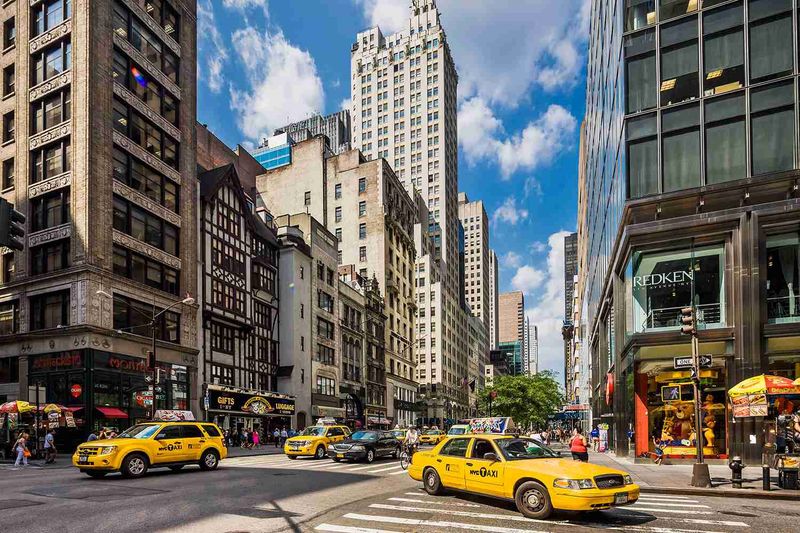
Most streets in Manhattan just connect two places. This one does something different.
Somewhere between Washington Square and Midtown, Fifth Avenue starts to feel different. Once it clicks, you know exactly where you are.
Around 14th Street, residential buildings give way to larger structures. The city quietly shifts around you.
People move differently here than in other parts of the city. There’s purpose mixed with curiosity.
Along the avenue, locals cut through while visitors stop every few steps to take photos. The sidewalks widen in strategic places, almost inviting you to slow down and take inventory of your surroundings.
What struck me most was how the avenue announces itself without fanfare. No sign declares you’ve entered the famous section, yet the shift registers immediately.
Store windows get more polished. Doorways feel heavier.
The atmosphere shifts. This lower stretch of Fifth Avenue sets the tone for everything that follows north.
The Stretch Everyone Thinks They Know
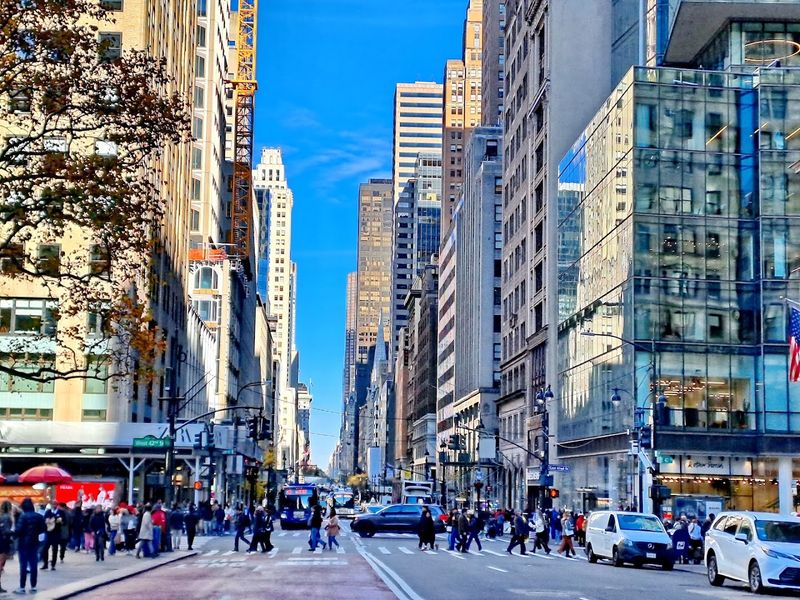
Between 42nd and 59th Streets, Fifth Avenue becomes what most people picture when they hear its name.
This is where postcards come from, where movie scenes get filmed, and where expectations meet reality in ways both predictable and surprising. I spent an afternoon watching people here.
Cameras were up, shopping bags everywhere, and conversations happening in dozens of languages.
The density here feels intentional rather than accidental. Every storefront competes for attention while still feeling cohesive.
Glass facades reflect nearby buildings. The view changes with your angle and the time of day.
Walking north from the library toward Central Park feels like moving through an outdoor museum of architecture and culture.
Yet familiarity breeds assumptions. This stretch has more variation than people expect.
Many details never make it into guidebooks or social media. You notice them only if you slow down.
Luxury That Redefines First Impressions
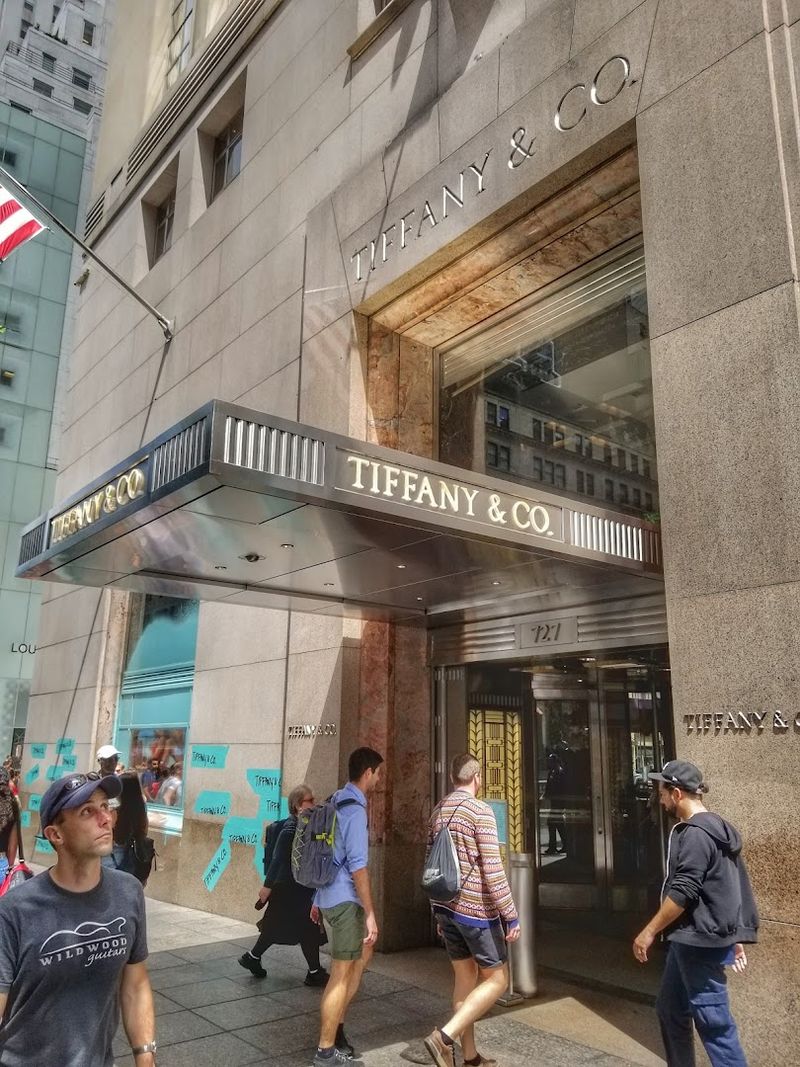
There’s a kind of silence inside these stores that money creates. Not emptiness, but presence.
It makes you stand up straighter without realizing it. The Apple store’s glass cube draws crowds even when people have no intention of buying anything.
Tiffany’s maintains its mystique through restraint rather than excess. Each retailer approaches Fifth Avenue differently.
All contribute to a larger shared identity.
Prices reflect location as much as product quality. A scarf costs more here.
Not just because of rent, but because of where you’re buying it. I watched people debate purchases outside Bergdorf Goodman, weighing desire against budget, experience against practicality.
This isn’t just about wealth. It shapes how people see the entire city.
When people worldwide imagine New York sophistication, they’re often picturing this specific type of retail theater. These storefronts represent a lifestyle most people won’t fully live, but can still experience for a moment.
Landmarks That Stop You Mid-Step
St. Patrick’s Cathedral rises between glass towers like an anchor to different priorities. Its Gothic spires create vertical drama that modern buildings can’t match, regardless of height.
I’ve walked past it dozens of times, but certain angles still make me stop. It resets your sense of scale.
The New York Public Library’s stone lions guard knowledge with patient dignity. Tourists pose with them constantly, but locals use the building’s steps as meeting points, lunch spots, and momentary retreats from sidewalk chaos.
These landmarks don’t just sit there. They change how people move and gather.
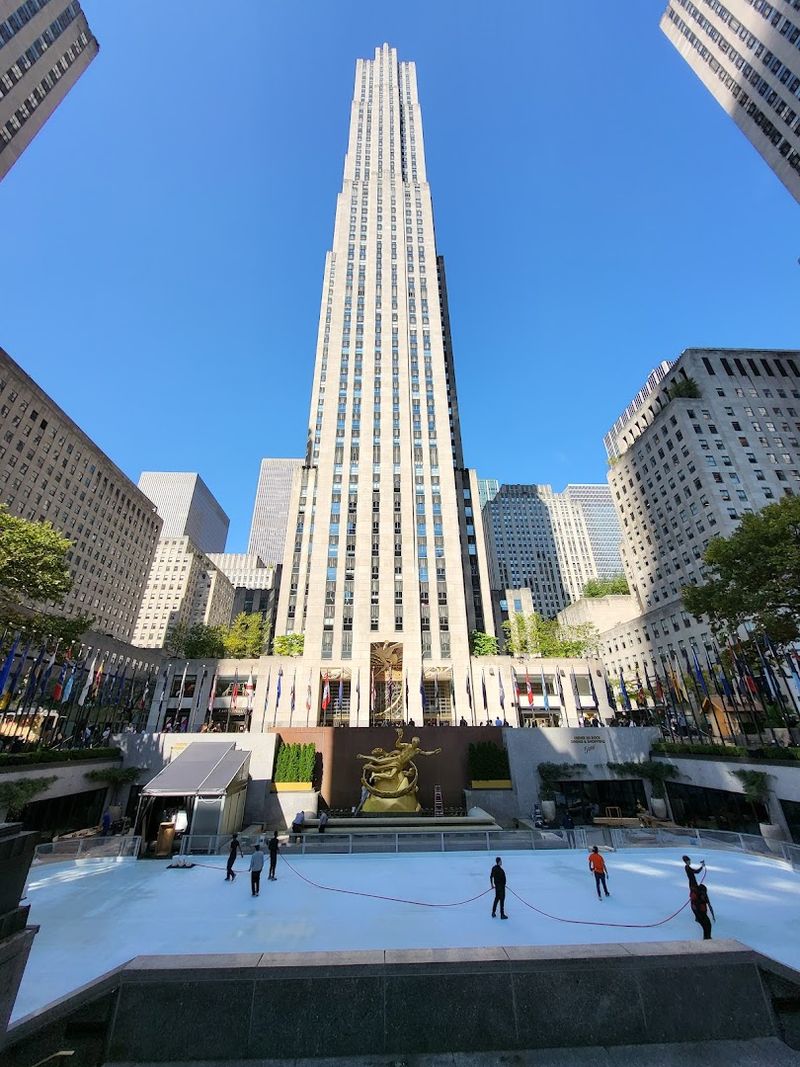
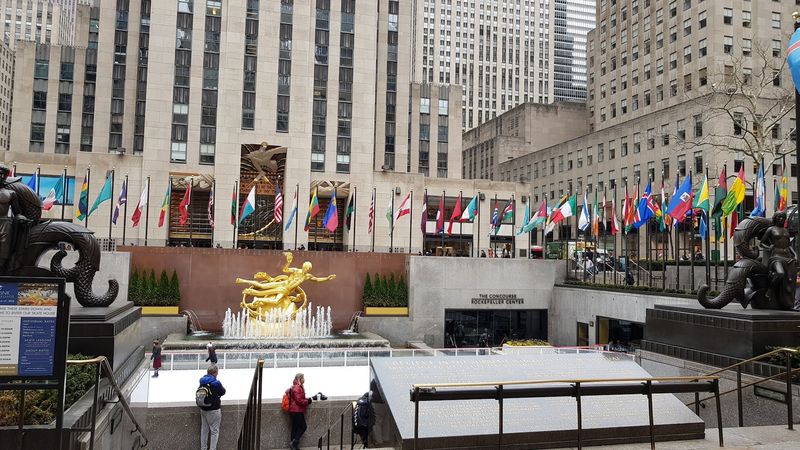
Rockefeller Center sprawls across multiple blocks, blending commerce with public space in ways that feel both corporate and communal. During holidays, the tree and ice rink dominate attention, but the plaza functions year-round as a destination within a destination.
These structures were not placed randomly. They shape how people move and experience the avenue.
The Energy That Never Really Slows Down
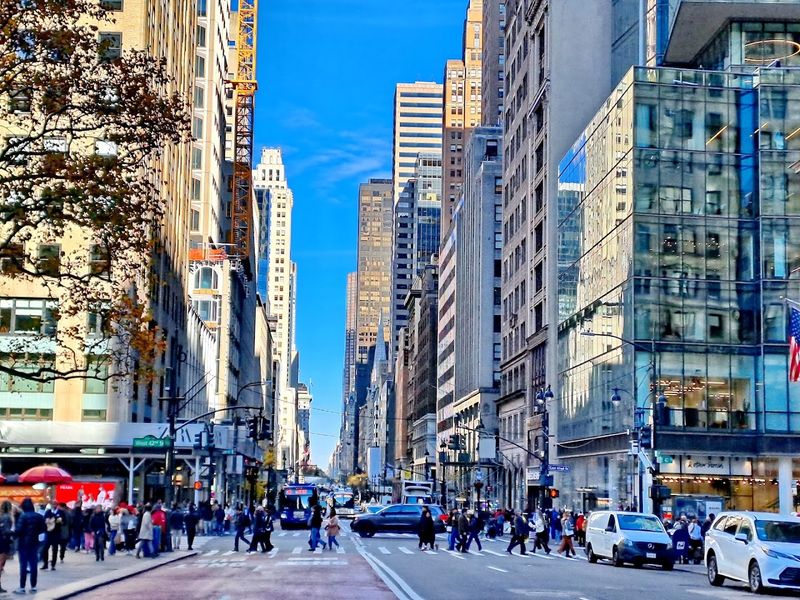
I set an alarm for 5:47am just to catch Fifth Avenue at its quietest. It didn’t work.
Even then, something was already moving. By evening the crowd shifts toward theater-goers and dinner reservations.
Late night brings a different crowd. The rhythm changes, but it never stops.
I tried finding a genuinely quiet moment here and failed repeatedly. Even early Sunday mornings feel busy compared to other places.
Street vendors adjust their offerings based on time and season. Musicians claim acoustic sweet spots where building angles amplify sound.
It never feels overwhelming, but it never slows down either. This energy comes from more than just crowds.
It comes from different intentions. Shoppers, workers, tourists, and locals all move differently on the same sidewalks.
This creates dynamic tension that keeps the avenue feeling alive rather than merely crowded. The energy builds on itself.
Activity attracts more activity.
Storefronts That Feel Like Attractions
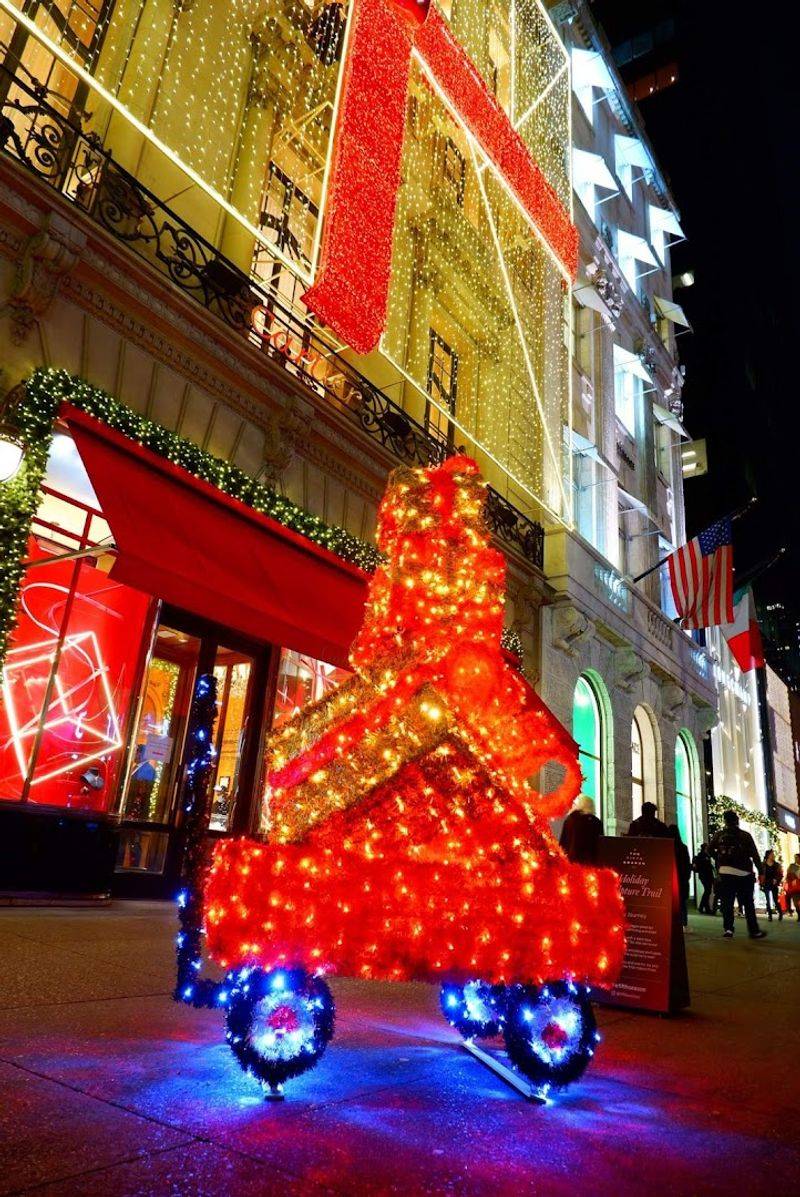
During holidays, design teams transform glass boxes into narrative scenes that draw crowds regardless of shopping interest. I’ve seen people spend fifteen minutes at one window at Saks, taking photos and studying every detail.
The Apple store pioneered a different approach, making the building itself the display through radical transparency and minimalist staging. This architectural confidence influenced how other retailers think about street presence.
Now storefronts compete through design and experience, not just products.
Some stores leverage history, maintaining vintage details that anchor them to earlier eras. Others embrace constant reinvention, changing facades seasonally to maintain novelty.
The best ones balance history with new ideas. They understand that Fifth Avenue demands more.
These storefronts feel like public art. They shape how people imagine shopping in a big city.
A Walk Through Layers Of History
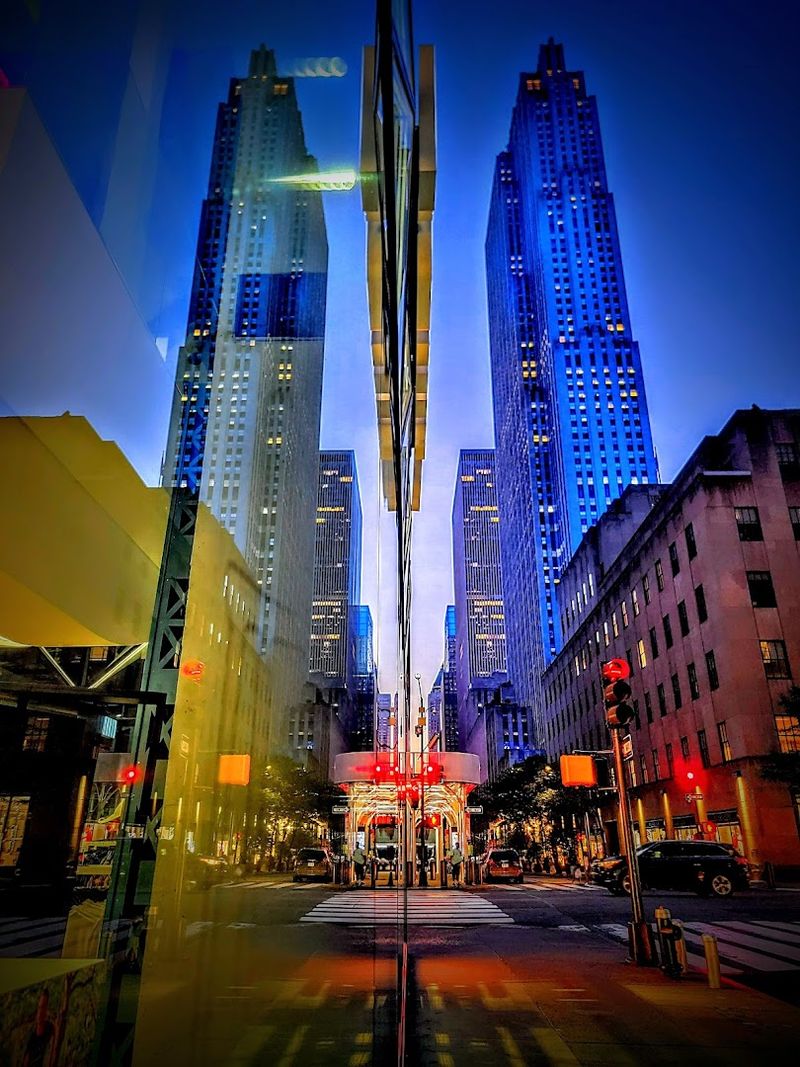
The Vanderbilts built mansions here. Then someone tore them down and built something more profitable.
Then someone did it again. The street remembers all of it, even when the buildings don’t.
Most of those buildings disappeared decades ago. New ones replaced them and built their own history.
Yet traces remain if you know where to look: decorative details on older buildings, plaques marking former sites, architectural transitions that reveal changing priorities across generations.
The avenue has hosted countless parades and public celebrations. Walking here means moving through places where history actually happened.
Each block reflects different periods of the city’s history, layered on top of each other.
I find myself thinking about who walked here before, what they saw, how their version of this street compared to mine. The physical environment transforms constantly, but the corridor itself holds.
That continuity gives the street a depth modern areas can’t match. You notice it one block at a time.
The Side Streets That Change The Pace
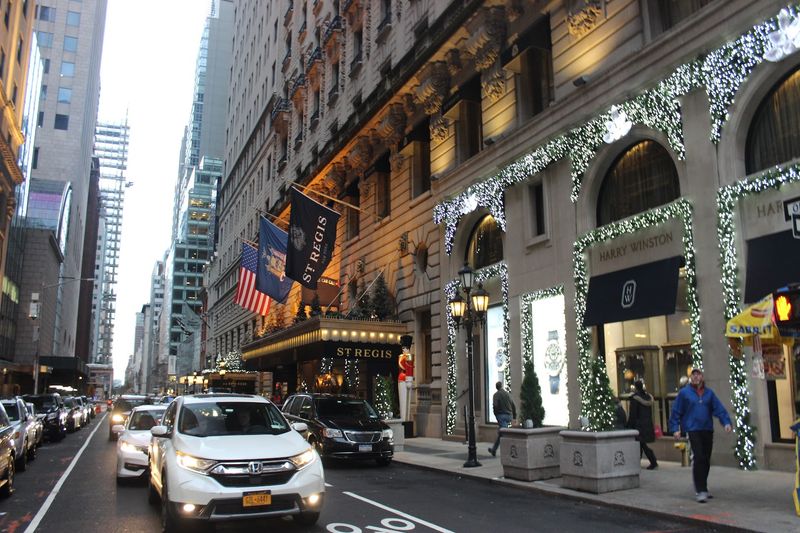
One turn is all it takes. Step thirty feet off the avenue and everything changes.
The noise drops. The crowd thins.
I developed a habit of periodically ducking onto side streets just to reset my sensory baseline before returning to the primary corridor.
Some of these adjacent blocks contain restaurants and shops that sit just off the avenue but still draw from its traffic. Others remain surprisingly residential, creating sharp transitions from busy commercial blocks to quieter residential ones.
The contrast makes the avenue feel busier and the side streets calmer.
These perpendicular options also provide practical advantages: less crowded sidewalks, easier navigation, and opportunities to observe the main street from different angles.
Standing at the corner of 53rd and Madison, looking west, you can watch the human river flow past while remaining slightly outside its current. Standing off to the side helps you see patterns you miss when you’re in the crowd.
Why This Street Never Feels The Same Twice
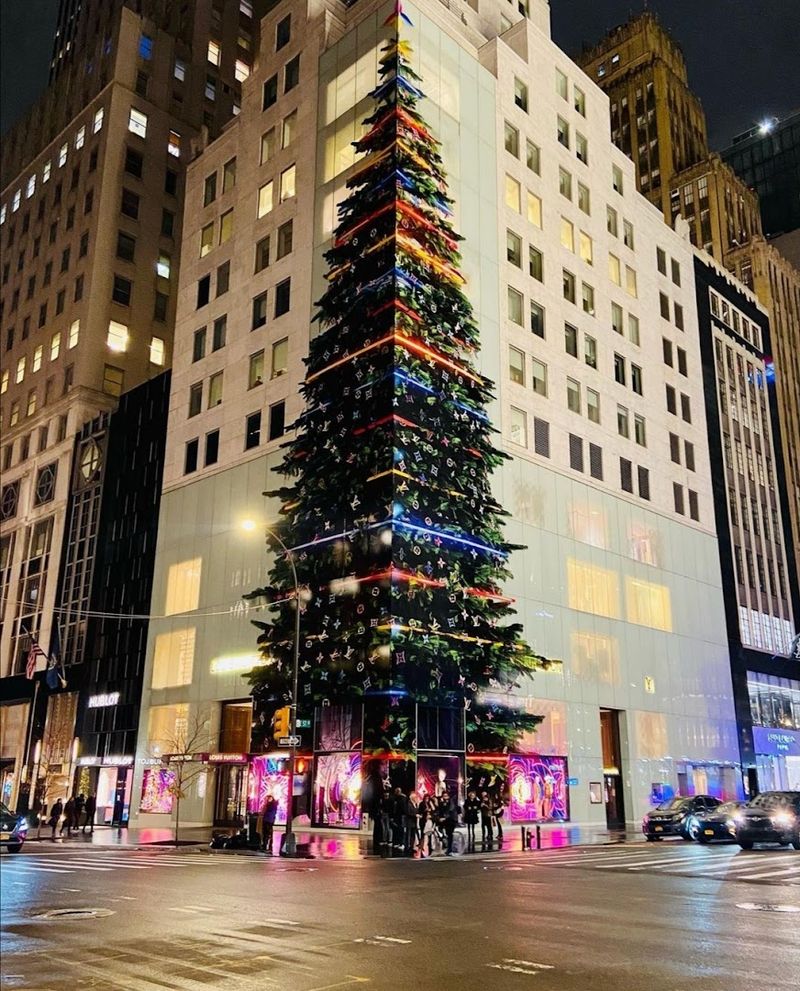
I’ve walked this same stretch in January frost and August heat, at dawn and past midnight. It has never once felt like the same street twice.
December brings holiday decorations that fundamentally alter visual character and crowd behavior. Spring introduces different light angles that change how buildings photograph.
Summer heat affects walking pace and store browsing patterns. Fall delivers that specific October clarity that makes everything feel more defined and purposeful.
Time of day matters enormously. Morning, afternoon, and evening all feel different.
Each brings a different crowd. I’ve walked the same stretch at 7am and 7pm on consecutive days and felt like I visited different streets entirely, despite identical physical infrastructure.
Personal context shapes experience too. First-time visitors see different things than longtime residents.
Shopping with intent creates different awareness than casual strolling. Your mood, energy level, and companions all filter how the avenue registers.
Because of this, the street never feels the same twice. The avenue stretching through Manhattan maintains enough complexity that multiple visits reveal rather than exhaust its character, each walk adding something new.
The View That Makes You Pause Without Warning
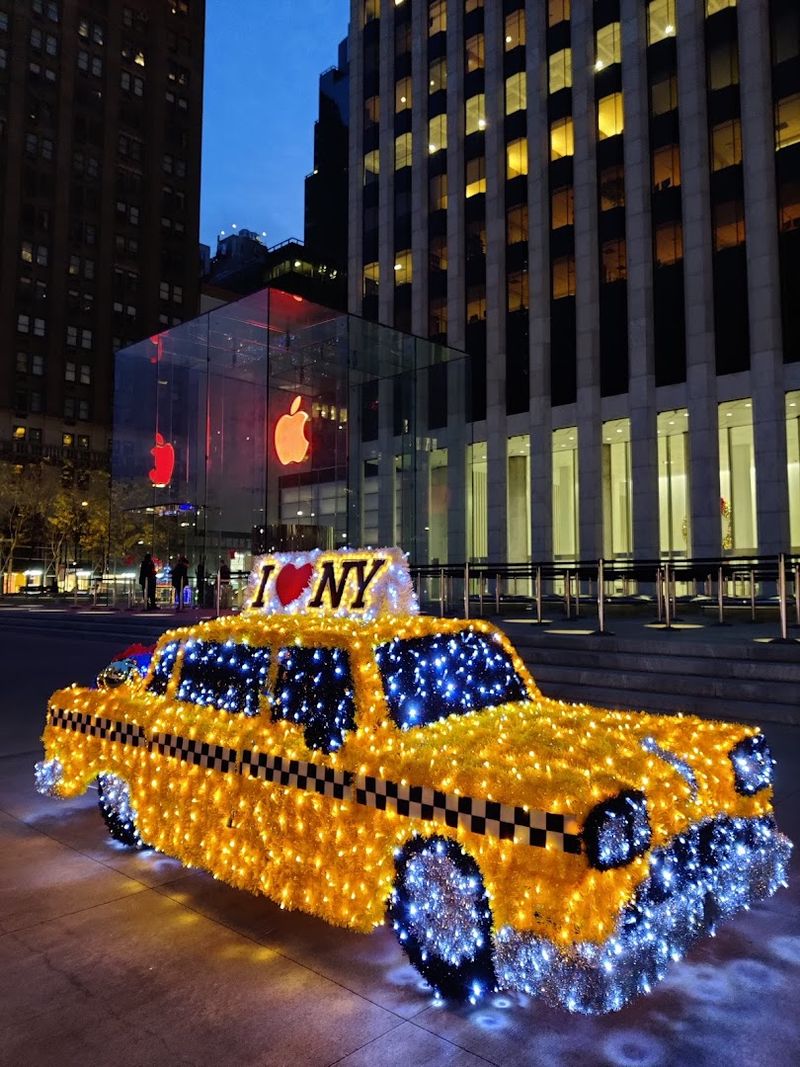
Certain corners offer sightlines that compress distance and stack landmarks into single frames. From the library steps, the view north opens toward Midtown and Central Park.
These moments of visual alignment happen unexpectedly, stopping you mid-stride as spatial relationships suddenly clarify.
Fifth Avenue’s width creates unusual openness for Manhattan, allowing sky visibility that narrower streets deny. This openness changes how you see the buildings and their scale.
I’ve stood at 42nd Street looking upward, trying to trace where glass towers end and sky begins, losing myself in geometric patterns created by intersecting facades.
Evening light hits the buildings at just the right angle. Glass turns golden.
Photographers know these moments and position themselves accordingly, but even casual observers notice when conditions align perfectly. You don’t need anything special to notice this.
You just have to look up.
What People Miss When They Rush Through
Most people leave having seen exactly what they expected. That’s the problem, they never looked up.
Details above street level reward slower walking. Ornamental work, rooftop gardens, and fire escapes are easy to miss.
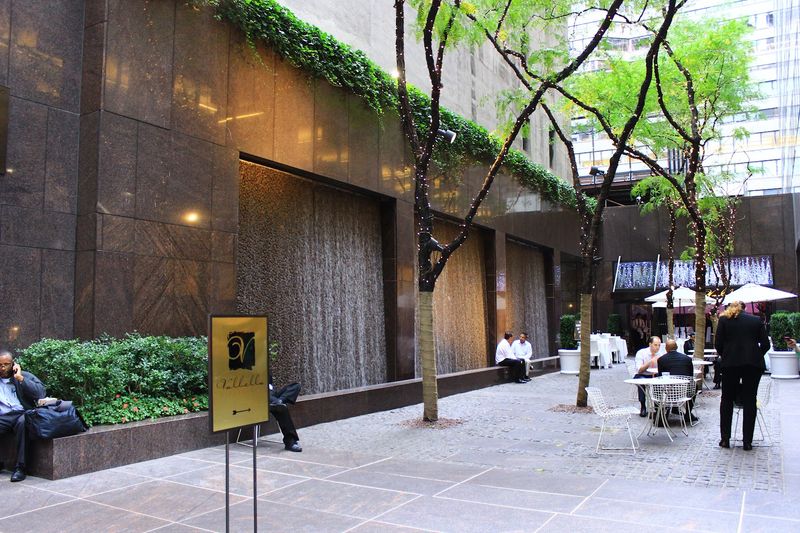
Small museums and cultural institutions occupy spaces between major attractions, often overlooked in favor of blockbuster destinations. The interior courtyards of certain buildings offer public access and unexpected tranquility.
Street-level details like vintage subway entrances, historical markers, and original building numbers tell stories that guidebooks mention briefly if at all.
The best observation point might be a random bench or building ledge where you can sit and watch rather than constantly moving.
I learned more about the avenue’s character through stationary observation than miles of walking, noticing patterns in how people navigate space, where they pause, what catches attention. These details add depth most people miss.
You only see them if you slow down.
The Reason People Keep Coming Back
Familiarity doesn’t breed contempt here; it deepens appreciation. Each visit helps you notice things you missed before.
I’ve watched storefronts change, construction wrap up, and seasons come and go. Each change reveals a little more about how this street works over time.
The avenue feels both stable and dynamic. Its identity stays the same, even as the details keep changing.
That balance makes return visits satisfying. You know what to expect, but it never feels stale.
You can return to favorite spots and still find something new.
There’s also something about having personal history with a place this significant. Your visits build on each other, making the street feel more familiar over time.
That connection, along with the comfort of familiarity, keeps people coming back. Fifth Avenue earns loyalty through substance, not gimmicks.
The more time you spend here, the more it gives back.