This California Museum Is Where Gold Rush History And Pioneer Life Come To Life
History feels more vivid when it is preserved in a place that keeps things close and personal.
Smaller spaces often hold the kinds of stories that would otherwise fade, and they present them in a way that feels direct and easy to connect with. That is part of what makes stepping inside so unexpectedly rewarding.
This local California collection offers a window into the Gold Rush era and the early days of pioneer life.
Everyday objects, tools, and handmade pieces come together to show how people worked, created, and built a life in a completely different time.
The details matter here, and they give the experience a sense of depth that goes beyond a quick visit.
The pace inside stays calm and unhurried, making it easy to move through the space without feeling overwhelmed.
It adds something meaningful to a day spent exploring the surrounding area, turning a simple stop into a more complete and memorable experience.
Hours And Location Make It Easy To Add To Any Visit
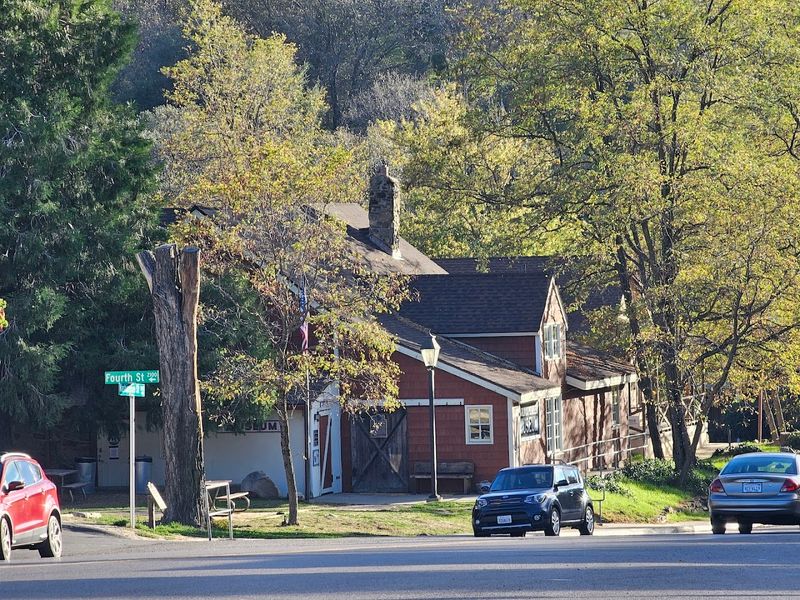
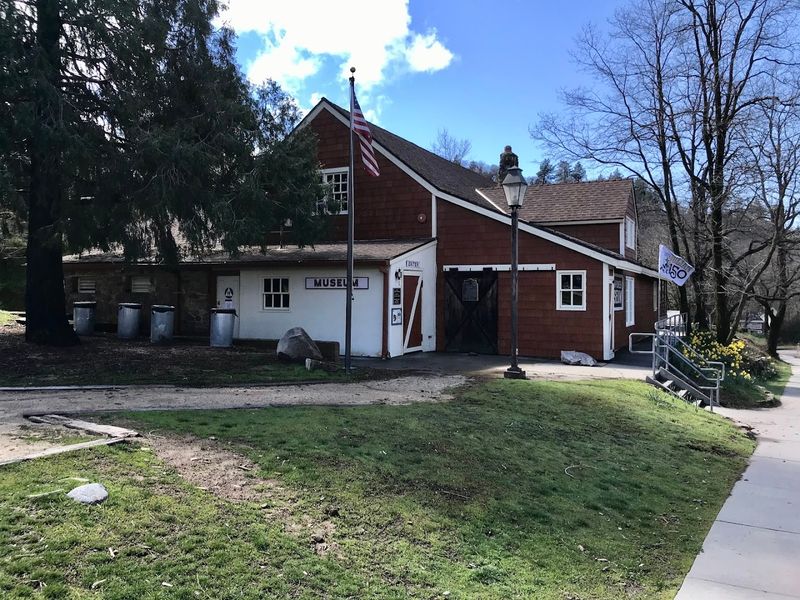
Planning a stop at the museum is straightforward once the schedule is clear. The Julian Pioneer Museum is located at 2811 Washington St, Julian, CA 92036, sitting right along Highway 78 as visitors enter town.
The placement makes it one of the easier attractions to find without needing to navigate side streets or parking lots.
Current operating hours show the museum open on Fridays from 11 AM to 3 PM and on Saturdays and Sundays from 10 AM to 4 PM.
Hours can vary, so calling ahead at (760) 765-0227 before making a special trip is a smart move, especially outside of peak tourist season.
Confirming availability in advance helps avoid the disappointment of arriving on a closed day.
The museum’s weekend-heavy schedule means it fits naturally into a Saturday or Sunday day trip from San Diego or the surrounding inland areas.
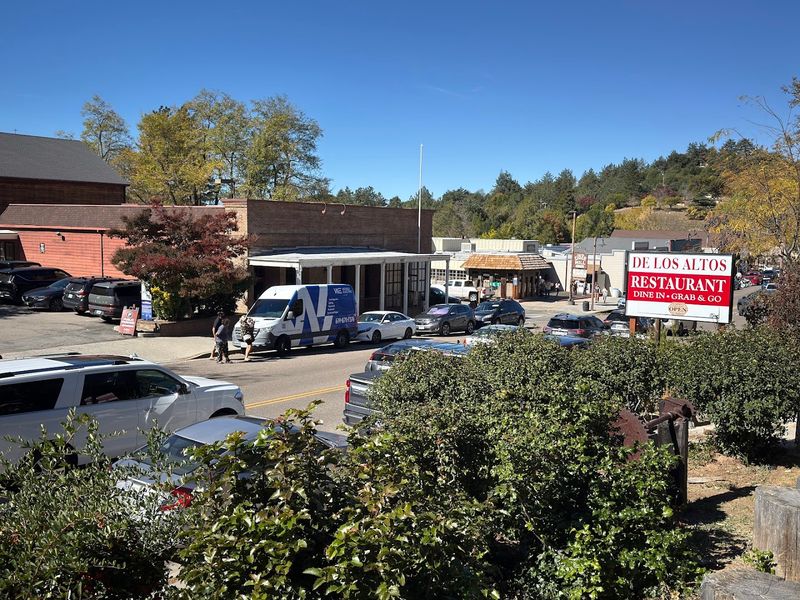
Julian itself is a walkable town with shops, restaurants, and other attractions nearby, so combining a museum visit with a broader afternoon of exploring the area makes for a well-rounded outing.
Arriving earlier in the day on weekends tends to allow for a more relaxed experience before the main street gets busier.
A Building With Its Own Story To Tell
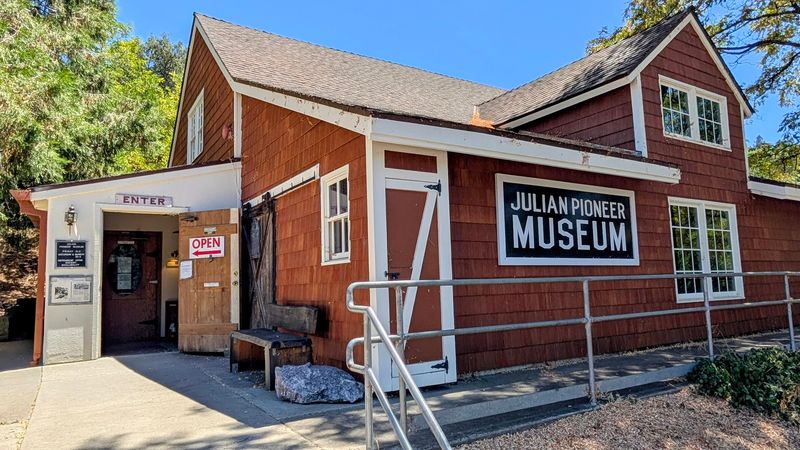
Before a single artifact ever crossed its threshold, the building itself was already living history.
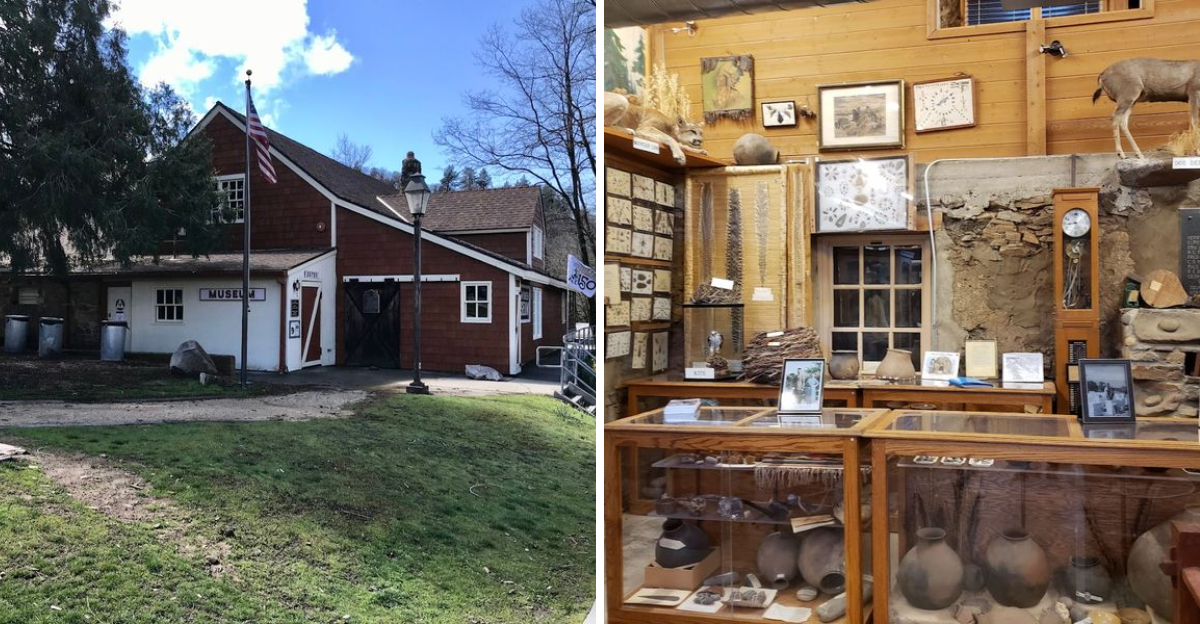
The structure at the heart of the Julian Pioneer Museum dates back to 1888, making it one of the older standing buildings in the area.
Originally built as a blacksmith shop, it later served a stint as a brewery before community members recognized its preservation value.
The Julian Women’s Club and local civic groups led restoration efforts in the late 1940s, working to stabilize and honor the building’s original character.
That kind of grassroots dedication is part of what makes the museum feel genuine rather than manufactured.
Visitors often comment on how the space itself sets the tone before they even look at the first display case.
Walking through the door, there is a sense of entering something that has survived rather than something that was built for show.
The walls carry the weight of multiple chapters, and that layered past gives the museum an atmosphere that newer facilities rarely replicate.
For a small mountain town, having a building with that kind of documented history is a meaningful anchor to the past.
Founded In 1952 By Community Hands
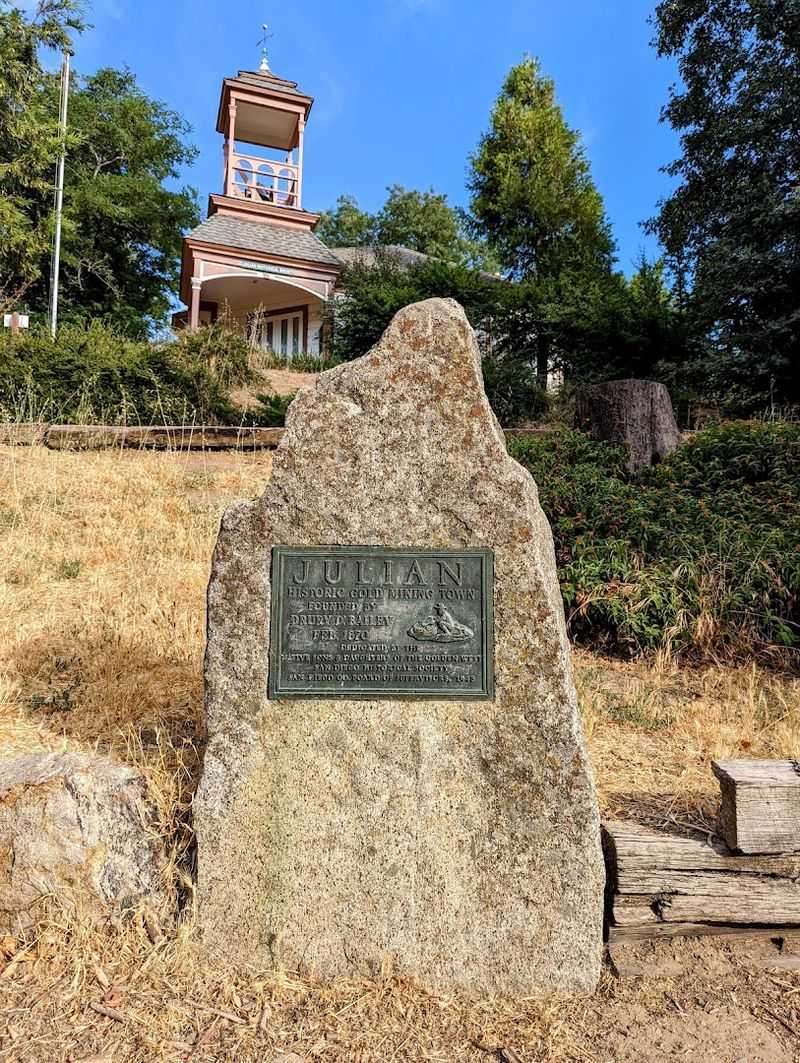
Not every museum starts with a grand institution behind it.
The Julian Pioneer Museum was established in 1952 through the efforts of local residents who wanted to make sure the region’s history did not quietly disappear.
That volunteer spirit has never really left the building, and the museum continues to be run largely by community members today.
There is something different about a museum that grew from the ground up rather than from a top-down organizational structure.
The personal investment shows in the way items are catalogued, labeled, and cared for.
Many of the artifacts were donated by families with direct ties to Julian’s early days, which means the collection carries a kind of emotional authenticity that is hard to replicate.
School groups and tour parties can visit by special appointment, giving the museum a flexible educational role beyond its regular open hours.
Volunteers often share context and stories that go beyond what the labels say, turning a self-guided visit into something closer to a conversation with local history.
For a community of Julian’s size, maintaining a museum for more than seven decades is a real point of pride worth acknowledging.
Over 2,120 Square Feet Of Packed History
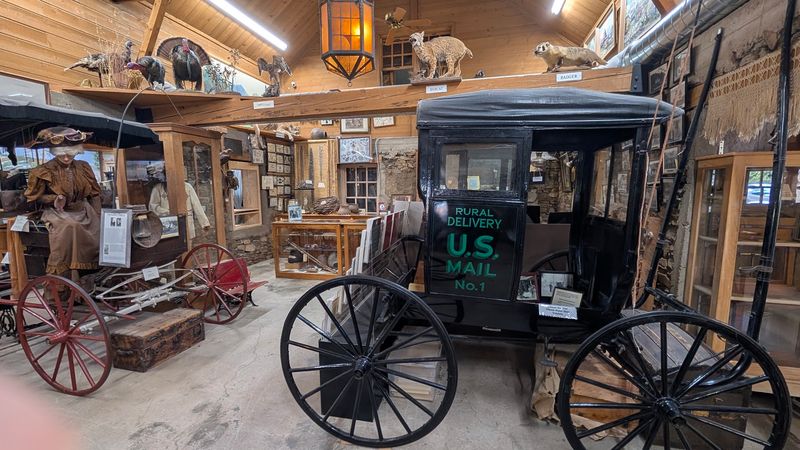
Small does not mean sparse at the Julian Pioneer Museum. The building covers over 2,120 square feet of exhibit space, and nearly every inch of it is put to use.
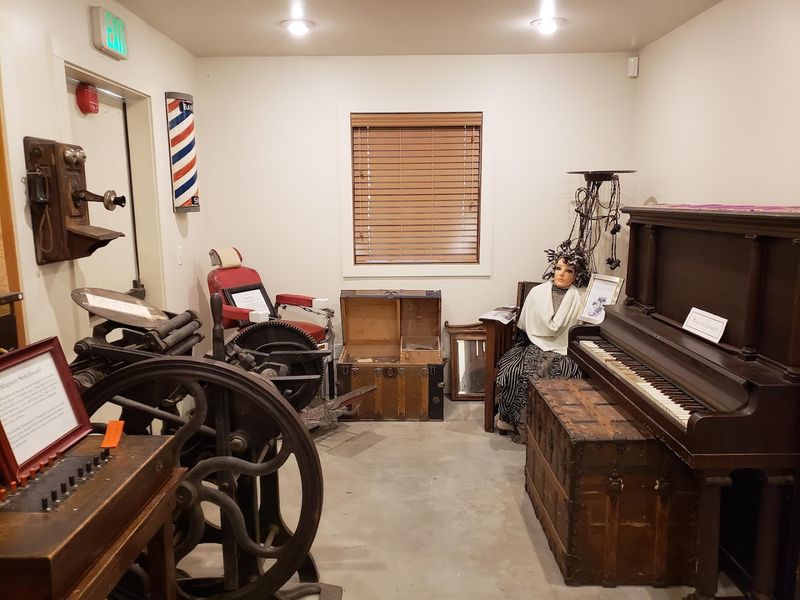
Display cases line the walls, artifacts rest on tables, and photographs hang at eye level, creating a layered visual experience that rewards slow and careful attention.
Visitors who move quickly might feel like they have seen it all in twenty minutes, but those who pause to read the labels and study the objects tend to find themselves spending a full hour or more.
The density of the collection is one of its most talked-about qualities, with items ranging from mining equipment to household furnishings all sharing the same compact space.
There is also a touch table available in the museum, where guests can handle animal hides, skulls, rocks, and other tactile objects.
That hands-on element makes the visit more engaging, especially for younger visitors who benefit from physical interaction with history.
The mix of visual displays and touchable objects creates a layered experience that goes beyond simply reading about the past from behind a glass barrier.
Gold Rush Artifacts That Go Back To 1869
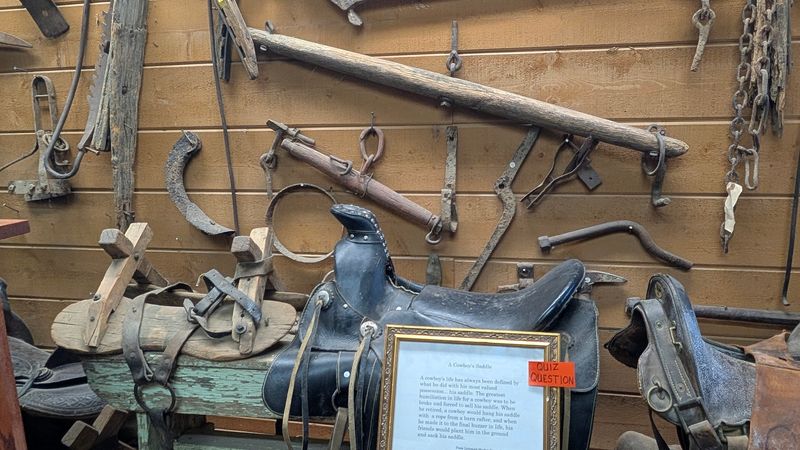
Gold was discovered in Julian in 1869, and that single event reshaped the entire region almost overnight.
The Julian Pioneer Museum dedicates significant exhibit space to that chapter, featuring mining tools, equipment, and objects that speak directly to the challenges and ingenuity of the people who worked those early claims.
Seeing the actual tools up close gives a much more grounded sense of how physically demanding that era was.
The Gold Rush transformed Julian from a quiet mountain area into a destination that drew fortune seekers from across the state and beyond.
Exhibits trace that transformation with artifacts that range from practical mining gear to personal items left behind by the men and women who passed through.
Each piece adds a small but meaningful detail to the larger picture of what daily life looked like during that period.
For anyone who has walked Julian’s main street and wondered what it looked like 150 years ago, the Gold Rush section of the museum provides a compelling visual anchor.
The artifacts are not glamorous, but that is exactly the point. They reflect the gritty, hands-on reality of a mining boom rather than a romanticized version of it.
Pioneer Life Displays That Show The Everyday Details
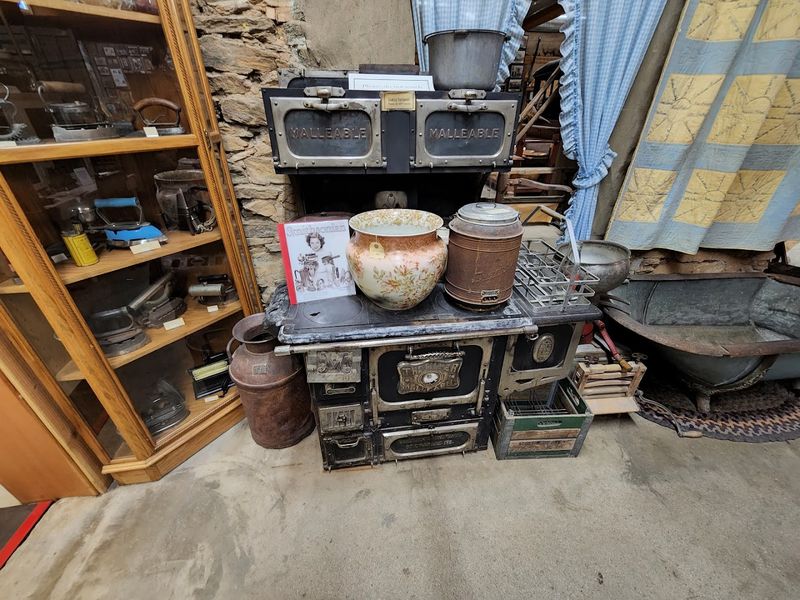
Gold Rush excitement gets a lot of attention, but everyday pioneer life had its own quiet complexity.
The museum’s pioneer life section offers a look at domestic reality through displays of clothing, household furnishings, and tools that date from the late 1800s into the early 1900s.
A well-worn piece of kitchen equipment or a hand-stitched garment can say as much about a time period as any grand historical event.
Clothing from 1896 through 1913 is among the items on display, giving visitors a tangible sense of how people dressed and presented themselves during that stretch of time.
The fabrics, cuts, and construction methods visible in the garments reflect both the practical demands of mountain life and the social values of the era.
Seeing those pieces in person is a different experience from reading about them in a textbook.
Household furnishings fill out the picture further, showing how families organized their living spaces and managed daily routines without modern conveniences.
The cumulative effect of all these objects together is a portrait of resilience and resourcefulness that feels genuinely human.
Visitors often find themselves pausing longer in this section than they expected to, drawn in by the familiar shapes of domestic life made unfamiliar by time.
A Lace Collection Recognized Across California
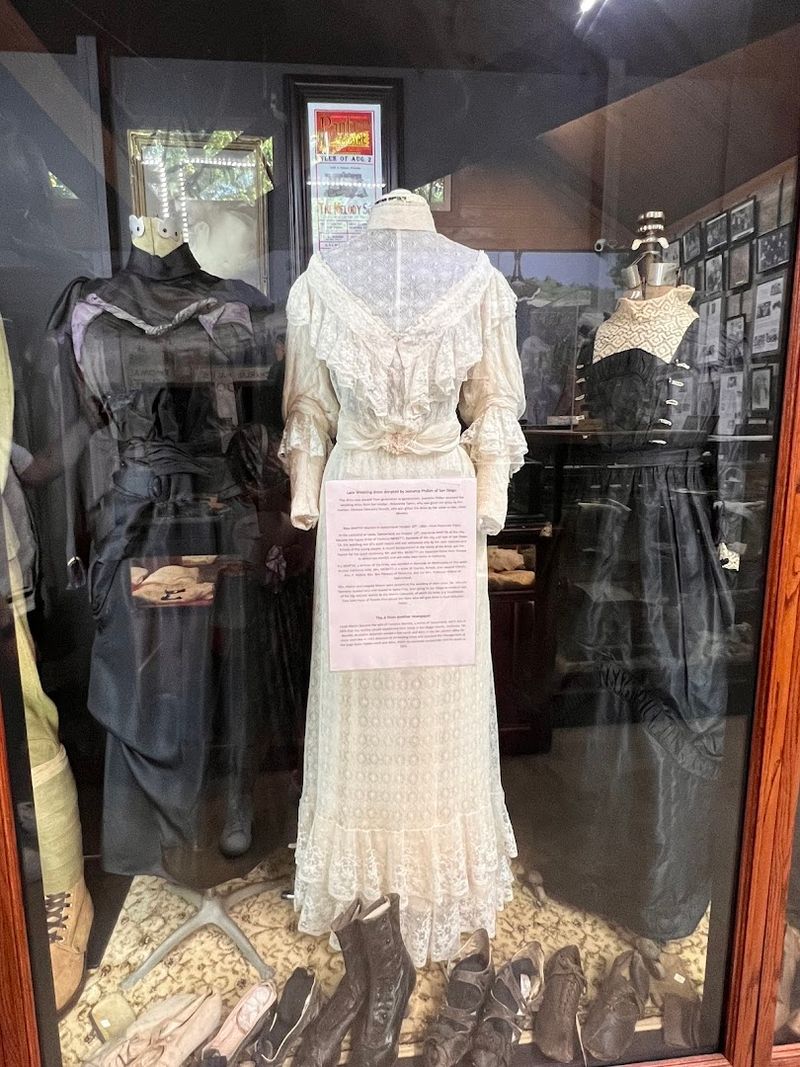
Not every Gold Rush museum has a world-class lace collection, but Julian’s does.
The Julian Pioneer Museum houses a lace collection that has been recognized as one of the finest in California, spanning pieces from 1896 to 1913.
The craftsmanship on display is intricate enough to stop even visitors who came primarily for the mining history.
Handmade lace from that era required extraordinary patience and skill, and the pieces in the collection reflect both.
Each item tells a quiet story about the women who made and owned them, offering a counterpoint to the more rugged, tool-heavy sections of the museum.
That contrast is part of what makes the collection feel so unexpected and memorable.
For anyone interested in textile history, decorative arts, or the social history of women during the pioneer period, the lace collection alone is worth the visit.
The level of detail preserved in each piece is remarkable given how delicate the material is.
Seeing it displayed in the same building as mining pickaxes and taxidermied animals creates an interesting tension that actually captures the full range of life in early Julian more honestly than a single-focus exhibit ever could.
Kumeyaay History Has A Place Here Too
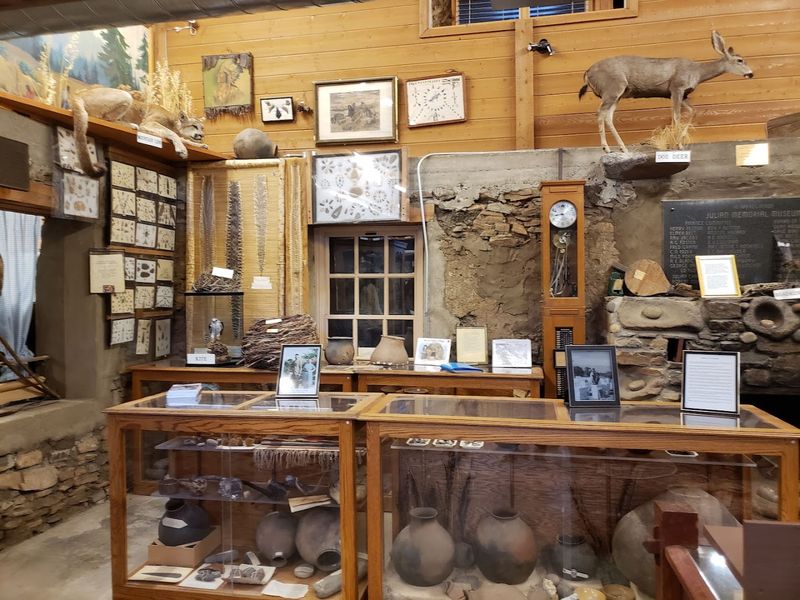
Julian’s history did not begin with the Gold Rush.
The Kumeyaay people have lived in the region for thousands of years, and the Julian Pioneer Museum includes exhibits dedicated to their presence and cultural legacy.
Artifacts from the Kumeyaay tribe are part of the permanent collection, offering visitors a longer view of the land’s human history. Respectful engagement with these exhibits matters.
Signage in the museum asks visitors not to photograph Native American items, a guideline that reflects the cultural sensitivity the museum tries to maintain around indigenous artifacts.
Taking that request seriously is part of being a considerate visitor in any space that holds materials of this nature.
Including Kumeyaay history alongside Gold Rush and pioneer exhibits gives the museum a more complete and honest narrative than it would have without that context.
The presence of these artifacts acknowledges that the land had a rich, complex human story long before European settlers arrived.
For many visitors, that perspective shift is one of the more quietly powerful moments in the entire museum experience, prompting reflection that extends well beyond the walls of the building itself.
Taxidermy And Natural History On The Shelves
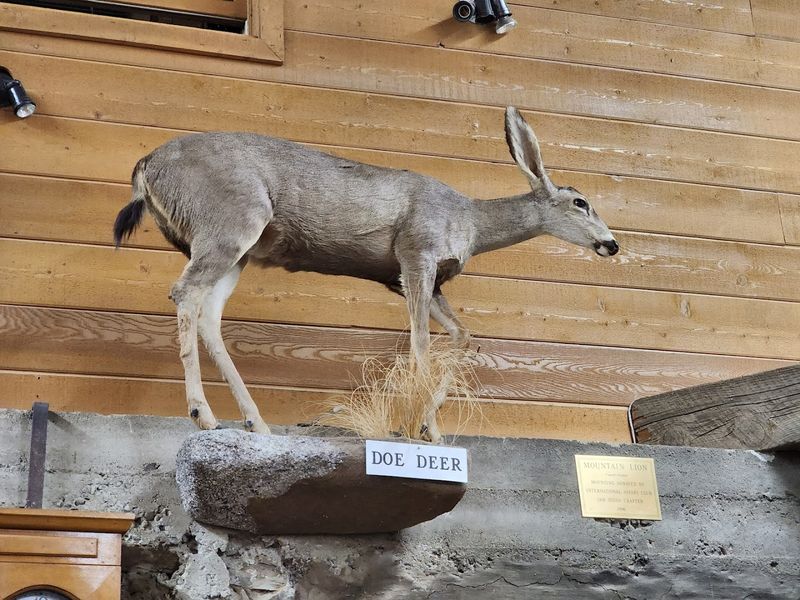
Alongside the human history, the Julian Pioneer Museum also features taxidermied animals and natural history specimens that reflect the wildlife of the surrounding region.
For some visitors, these displays come as a surprise, but they fit naturally into the context of a museum that documents how early settlers lived alongside and depended on the natural world around them.
The quality of the taxidermy varies, and a few of the older pieces show their age in ways that are noticeable.
That kind of honest imperfection is part of what makes a small community museum feel real rather than polished to the point of sterility.
The animals on display were part of the same landscape that the pioneers and Kumeyaay people navigated, so their presence in the collection makes a certain kind of sense.
Minerals and geological specimens are also part of the collection, and some of these can be found at the touch table alongside animal hides and other tactile objects.
For younger visitors especially, having something physical to interact with makes the natural history portion of the museum more engaging.
The combination of taxidermy, minerals, and touchable specimens adds a dimension to the visit that goes beyond reading labels on wall-mounted displays.
Admission Is Affordable And Accessible
Few museums in California offer as much historical content for as little cost as the Julian Pioneer Museum.
A suggested donation of five dollars per adult is requested at the door, and children twelve and under are admitted free of charge.
That pricing structure makes the museum genuinely accessible to families traveling on a budget without cutting corners on what they can experience inside.
The donation model rather than a fixed ticket price also reflects the community-run nature of the museum.
Visitors who feel the collection exceeded their expectations have the flexibility to contribute more, while those on tighter budgets are not turned away.
That kind of welcoming approach fits the spirit of a museum built and maintained by local volunteers rather than a large institution.
For a day trip to Julian that might already include a meal and a stop at one of the famous apple pie shops, the museum adds meaningful historical depth without straining the budget.
Spending an hour inside for a few dollars per person is a genuinely good value by any measure.
The accessibility of the admission structure is one of the reasons the museum continues to draw a steady stream of visitors throughout the year.
Self-Guided At Your Own Comfortable Pace
There are no timed tours or mandatory group walkthroughs at the Julian Pioneer Museum.
The visit is self-guided, which means each person can move at whatever pace suits them best.
Someone who wants to read every label and linger over every display case can do so without feeling rushed, while a visitor with less time can move through the highlights in about thirty to forty-five minutes.
That flexibility is a genuine asset for families with children who have varying attention spans or for couples who explore at different speeds.
Volunteers are typically present near the entrance and are available to answer questions, but they do not follow visitors around or narrate the experience unless asked.
That low-pressure environment makes the museum feel more like a discovery than a lecture.
Most visitors find that an hour is a comfortable amount of time to see the collection thoroughly without feeling fatigued.
The compact layout means there is not a lot of walking involved, which works well for visitors of all ages and mobility levels.
For anyone who enjoys the unhurried rhythm of a small museum where curiosity drives the experience rather than a tour schedule, the Julian Pioneer Museum delivers that kind of visit reliably.
Group Visits And Educational Programs By Appointment
Beyond its regular weekend hours, the Julian Pioneer Museum welcomes school groups and organized tour parties through a special appointment process.
That option makes the museum a viable destination for educators looking to bring local history to life outside the classroom.
Having students stand in front of actual Gold Rush-era tools or pioneer clothing creates a different kind of learning moment than a slideshow ever could.
Volunteers who lead or assist with group visits bring firsthand knowledge of the collection that adds texture to the experience.
The educational programs can be tailored to different age groups and curriculum needs, making the museum adaptable rather than one-size-fits-all.
Groups interested in scheduling a visit should contact the museum directly to arrange timing and confirm availability.
The community-run nature of the museum means that group visits are not just transactions but genuine interactions with people who care about the history being shared.
That personal investment tends to translate into a more memorable experience for students and adult learners alike.
For teachers planning a field trip in the San Diego backcountry region, the Julian Pioneer Museum offers a compact, content-rich destination that connects California history to a real, touchable place rather than an abstract textbook narrative.