Discover California’s Vast Deserts On An Epic Road Trip
The landscape opens up fast. Roads stretch farther than expected, and the silence starts to feel like part of the experience. Desert travel has a different rhythm, one that slows things down and makes every stop feel more intentional.
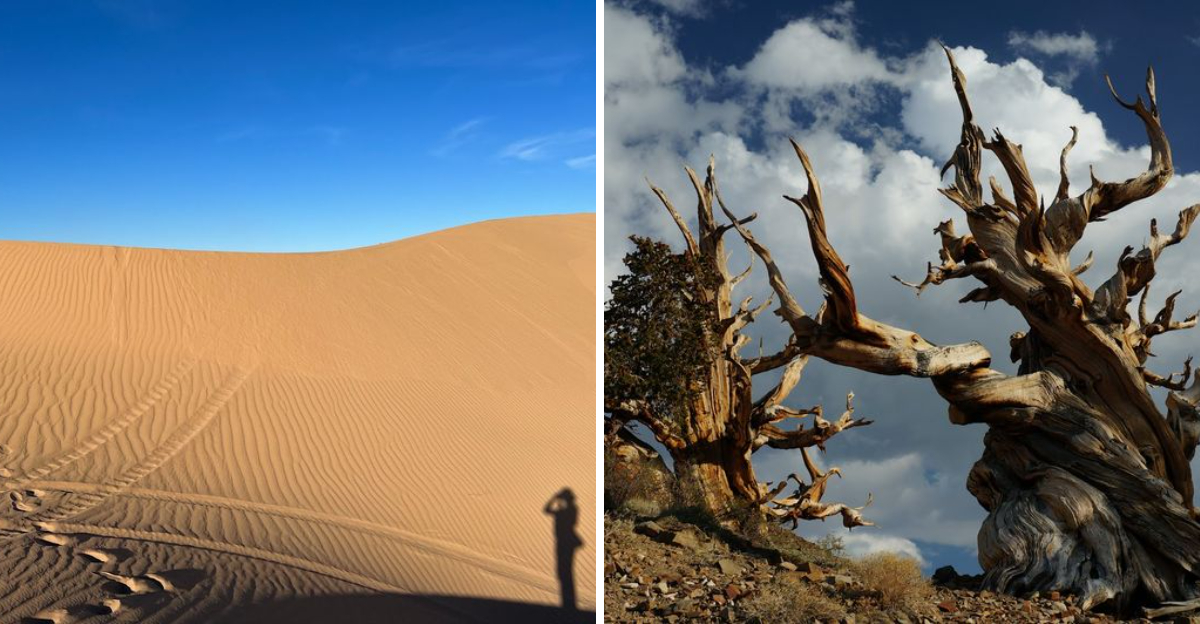
California holds a side of the country that feels wide, raw, and unexpectedly varied. Sand dunes rise and fall in soft waves.
Joshua trees stand scattered across open ground. Hidden oases and volcanic rock formations appear where you least expect them.
Desert road trips in California feel unlike anything else.
The Mojave, Colorado, and Great Basin deserts each bring their own character, shaped by elevation, climate, and terrain.
Some areas feel intense and sunbaked, while others stay cooler and quieter with higher elevation landscapes. The contrast keeps the journey interesting from start to finish.
Driving through these regions means more than covering distance. It brings changing scenery, moments of stillness, and skies that open up in a way few places can match.
Mojave Desert Landscapes That Feel Straight Out Of Another World
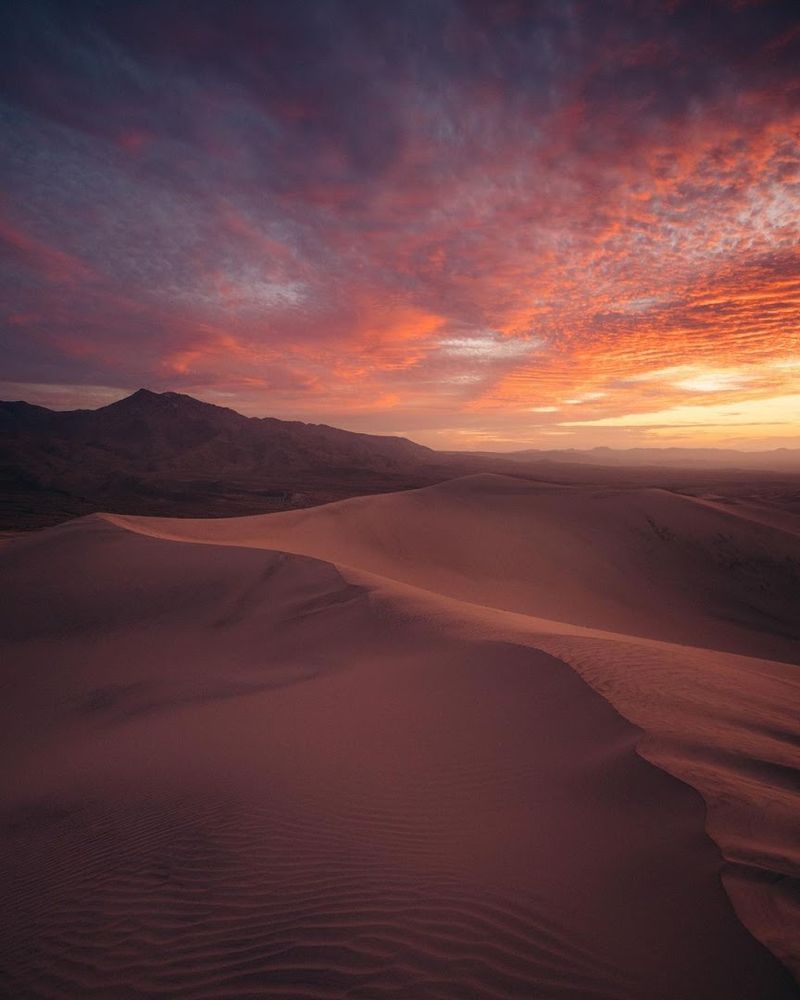
Stretching across southeastern California, the Mojave Desert covers roughly 25,000 square miles and holds some of the most visually striking terrain on the continent.
Twisted Joshua trees rise from pale sandy soil, their spiky silhouettes catching the last golden light of afternoon.
Rock formations carved by wind and time create shapes that look almost sculpted, scattered across valleys that seem to go on forever.
Death Valley National Park sits within the Mojave and holds the record for the hottest air temperature ever reliably recorded on Earth, reaching 134 degrees Fahrenheit in 1913.
Badwater Basin, located at 282 feet below sea level, is the lowest point in North America and covered with a surreal white salt crust that shimmers under the sun.
Visiting in the early morning helps avoid the most intense heat and allows for a quieter, more personal experience of the landscape.
The Mojave also contains the Mojave National Preserve, where Kelso Dunes rise up to 650 feet and occasionally produce a rare booming sound caused by shifting sand.
Spring visits can bring unexpected wildflower blooms that carpet the desert floor in color.
Bringing plenty of water and checking road conditions before heading out are essential steps for any desert adventure here.
Hidden Corners Of The Mojave Desert Most Travelers Miss
Most visitors to the Mojave stick to the well-known spots, but the desert rewards those willing to slow down and look a little closer.
Roy’s Motel and Cafe in Amboy sits along the historic Route 66 corridor and has been a roadside landmark since the 1940s, offering a genuine glimpse into mid-century American travel culture.
The nearby Amboy Crater, a dormant volcanic cinder cone, can be reached by a short trail and provides sweeping views of the surrounding flat desert basin.
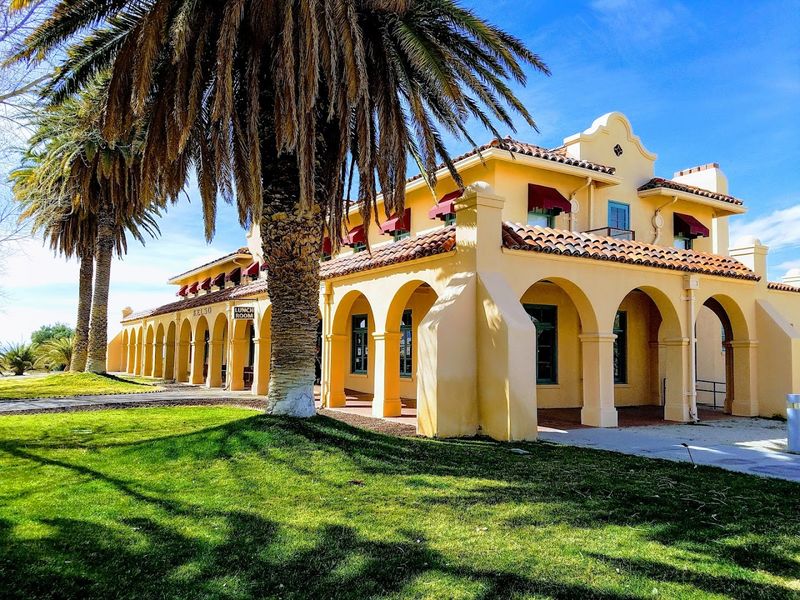
Kelso Depot in the Mojave National Preserve is a beautifully restored 1924 train station that now serves as a visitor center and offers exhibits on the region’s natural and human history.
The building sits in a surprisingly green spot surrounded by dunes and volcanic hills. Stopping there gives context to the landscape that most driving-only visitors tend to miss entirely.
Hole-in-the-Wall, another section of the Mojave National Preserve, features unusual volcanic rock formations with narrow passages that hikers can navigate using metal rings bolted into the stone.
The trail is short but genuinely exciting in a way that feels different from a standard nature walk. Fewer crowds and a raw, unpolished setting make it one of the desert’s most underappreciated stops.
The Best Scenic Drives Through The Mojave Desert
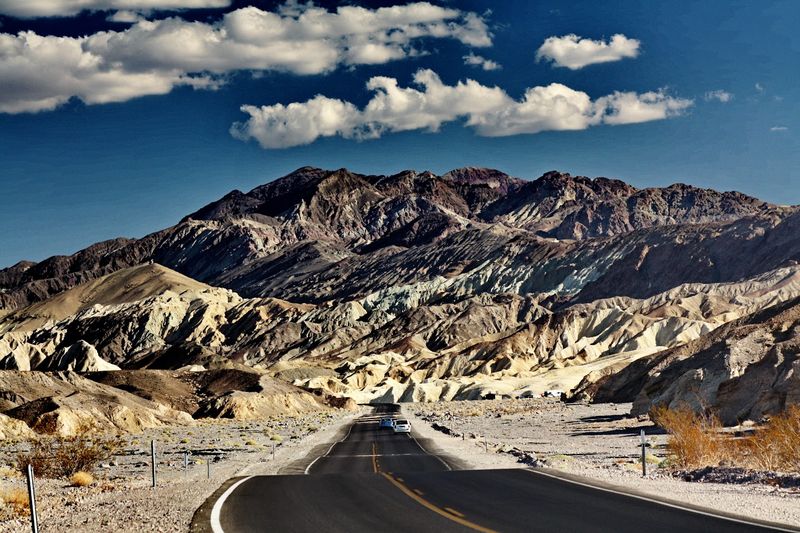
Few drives in the American West match the quiet drama of moving through the Mojave at sunrise, when the light turns everything gold and the air is still cool.
Route 66 through California passes through towns like Needles, Amboy, and Victorville, offering a layered experience of both natural scenery and roadside Americana.
The historic highway runs parallel to Interstate 40 for much of its length but feels like a completely different world once you leave the freeway behind.
The road through Joshua Tree National Park connects the Mojave and Colorado Desert ecosystems in one continuous drive, shifting from boulder-studded highlands to lower, hotter terrain as it descends southward.
Stopping at Skull Rock, Keys View, and the Cholla Cactus Garden along the way adds texture to the journey without requiring major detours.
Early mornings and late afternoons tend to offer the best light and cooler temperatures for both driving and short walks.
Kelbaker Road through the Mojave National Preserve is another excellent option, winding past Kelso Dunes and through volcanic landscapes that feel genuinely remote.
Traffic is light, the road is well-maintained, and the scenery changes constantly.
Carrying a physical map alongside a phone is a smart habit since cell service can be unreliable in stretches of the preserve.
Colorado Desert Spots Where Palm Oases And Sand Dunes Meet
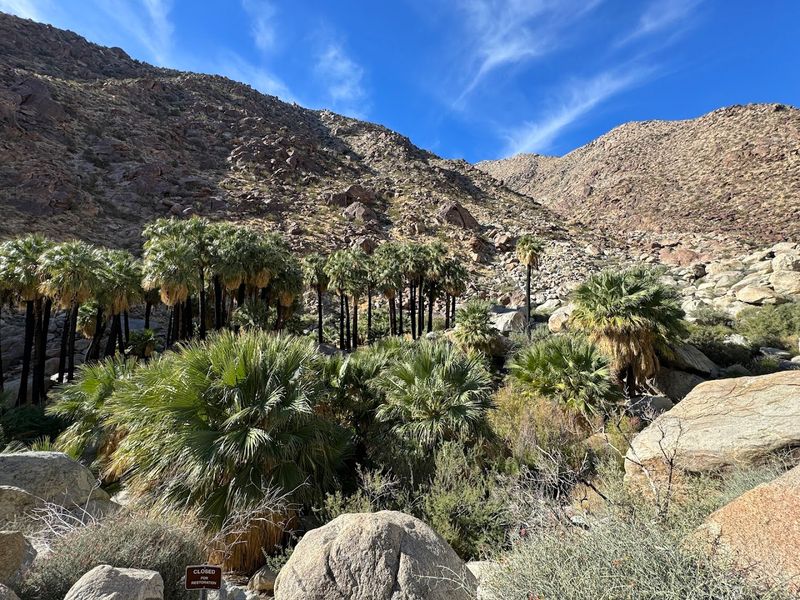
The Colorado Desert occupies the southeastern corner of California and forms part of the larger Sonoran Desert system that extends into Arizona and Mexico.
Unlike the higher and cooler Mojave, the Colorado Desert sits at lower elevations and tends to be hotter and drier for much of the year.
What makes it visually surprising is the contrast between its harsh, sun-baked terrain and the lush palm oases that appear where underground water reaches the surface.
Anza-Borrego Desert State Park is California’s largest state park and sits squarely within the Colorado Desert, covering over 600,000 acres of badlands, canyons, and open desert.
The Borrego Palm Canyon Trail leads to a natural fan palm oasis tucked into a rocky gorge, offering shade, the sound of running water, and sightings of bighorn sheep on the canyon walls above.
Spring wildflower blooms in Anza-Borrego can be spectacular in years with sufficient winter rainfall, drawing visitors from across the state.
The Algodones Dunes near Glamis are among the largest sand dune systems in the United States and stretch for roughly 45 miles along the California-Arizona border.
Their scale is hard to fully appreciate until standing at the base of a dune that rises over 300 feet.
Visiting on a weekday tends to offer a quieter experience compared to busy off-road recreation weekends.
Why The Colorado Desert Feels Like California’s Warmest Escape
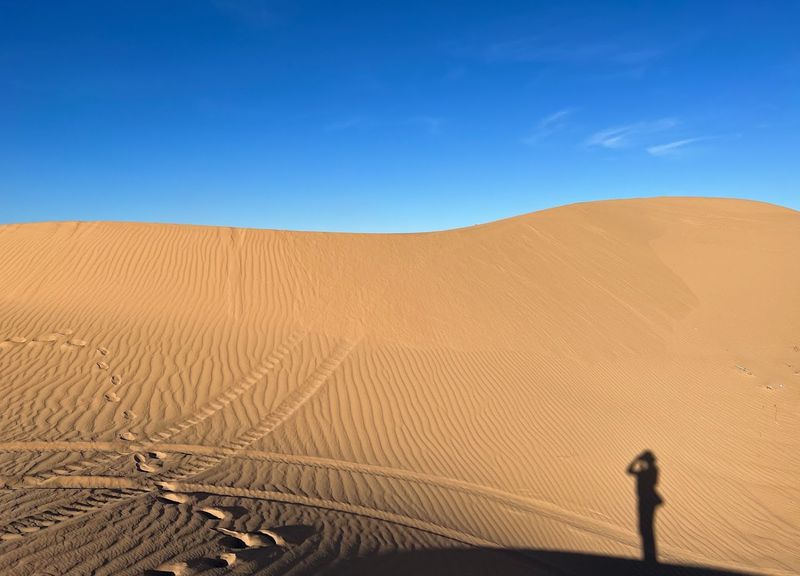
There is something distinctly welcoming about the Colorado Desert in the cooler months, when temperatures drop to a comfortable range and the dry air feels almost refreshing.
Palm Springs sits at the edge of the Colorado Desert and serves as a popular base for exploring the surrounding landscape, with easy access to trails, natural hot springs, and the San Jacinto Mountains rising sharply to the west.
The contrast between the flat desert floor and the steep mountain escarpment makes the area visually dramatic from almost any vantage point.
The Coachella Valley, which runs through the heart of the Colorado Desert, is home to a surprising mix of date palm farms, wildlife refuges, and small desert towns.
The Coachella Valley Preserve protects one of the largest natural fan palm oases in the world and offers hiking trails through stands of California fan palms that have grown here for thousands of years.
Guided tours are available and help explain the ecology of the oasis in an accessible and interesting way.
Wildlife tends to be more active in the early morning and at dusk, making those the best times to spot roadrunners, coyotes, and the occasional desert tortoise crossing a quiet road.
The warmth of the Colorado Desert during winter months makes it a genuinely comfortable destination when other parts of California are cold and wet.
Layering clothing is still wise since nighttime temperatures can drop quickly after sunset.
Unexpected Beauty You’ll Find Across The Colorado Desert
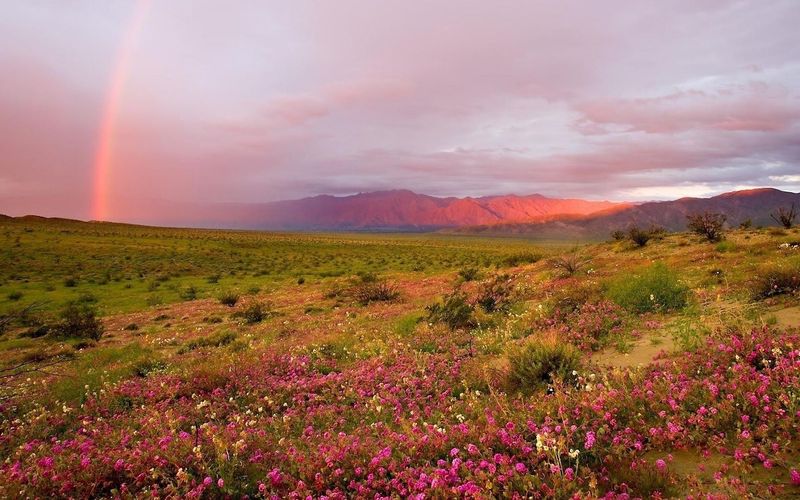
Scattered throughout the desert around Borrego Springs are more than 130 large metal sculptures created by artist Ricardo Breceda, placed across open land and accessible to the public for free.
The figures range from prehistoric creatures like mammoths and sea serpents to more recent animals like horses and eagles, all crafted from welded steel and positioned across the desert landscape in unexpected places.
Stumbling across a 350-foot-long serpent emerging from the sand is exactly the kind of surprise that makes a desert road trip memorable.
The Salton Sea, located in the Imperial Valley, is one of California’s most unusual and complex landscapes.
Created accidentally in 1905 when an irrigation canal broke and flooded the basin for two years, the sea now sits about 226 feet below sea level and covers roughly 343 square miles.
Despite environmental challenges, the area remains an important stopover for migratory birds and supports a surprising variety of species along its shores.
Font’s Point in Anza-Borrego Desert State Park offers one of the most dramatic overlook views in Southern California, with badland formations stretching far into the distance below a wide open sky.
The drive to the viewpoint requires a high-clearance vehicle due to sandy road conditions.
Arriving near sunset transforms the badlands into a warm palette of orange and red that shifts with every passing minute.
Great Basin Desert Views That Show A Different Side Of California
Most people picture sand and heat when they think of California’s deserts, but the Great Basin Desert tells a very different story.
Covering the northeastern corner of the state, the Great Basin sits at higher elevations than the Mojave or Colorado deserts and receives more precipitation, which gives it a cooler, more open character.
Sagebrush stretches across wide valleys between mountain ranges, and the air carries a clean, slightly sharp scent that feels nothing like the dry heat of the south.
Mono Lake, located near the town of Lee Vining on the eastern edge of the Sierra Nevada, is one of the most visually striking features in the region.
Tufa towers, which are calcium carbonate formations that grew underwater, now rise from the lake’s surface and create an eerie, otherworldly shoreline.
The lake has no outlet and is roughly two to three times saltier than the ocean, making it inhospitable to fish but ideal for brine shrimp and the migratory birds that feed on them.
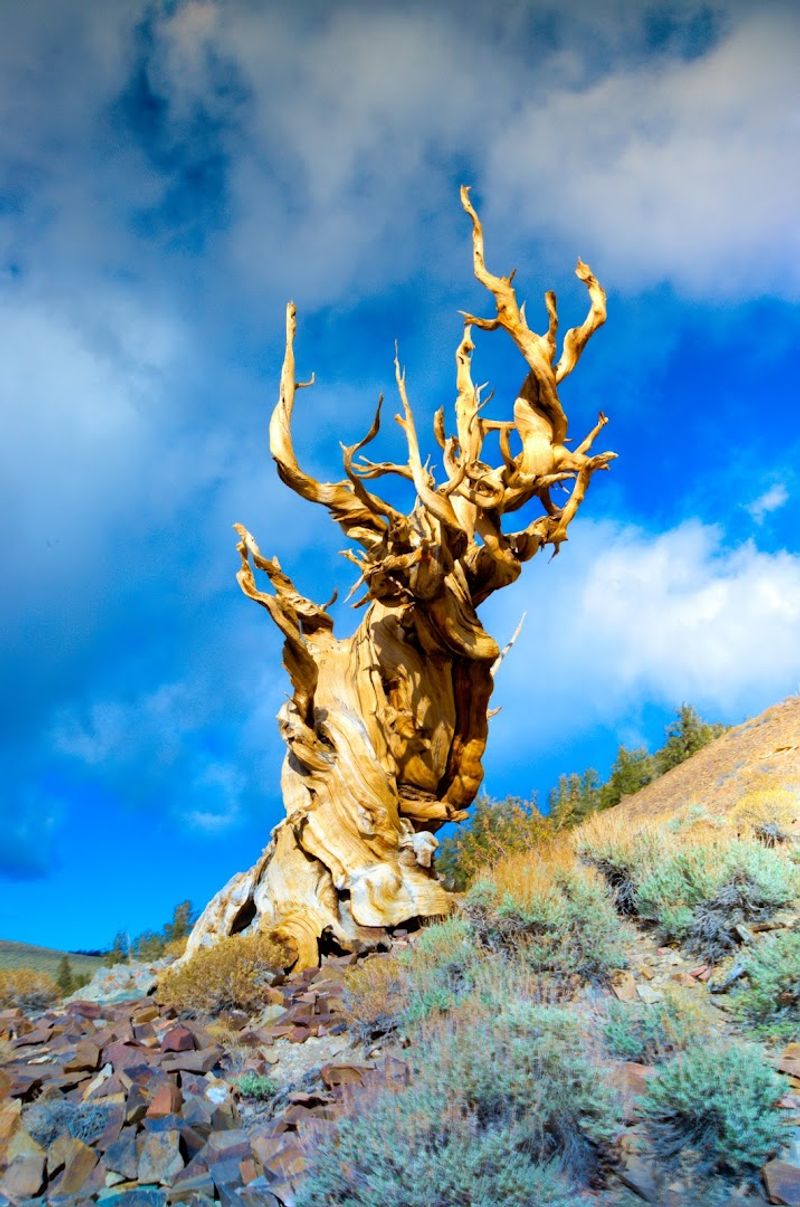
The Ancient Bristlecone Pine Forest in the White Mountains contains some of the oldest living trees on Earth, with individual specimens exceeding 4,000 years of age.
Reaching the forest requires a drive up a winding mountain road to elevations above 10,000 feet.
The trees grow slowly in harsh conditions, and their gnarled, weathered shapes carry a quiet sense of history that is hard to put into words.
Quiet Roads Through The Great Basin Desert Worth The Detour
Highway 395 runs along the eastern edge of the Sierra Nevada and passes through some of the least-visited but most rewarding desert terrain in California.
The road connects small towns like Bridgeport, Bishop, and Lone Pine while offering views of volcanic tablelands, dry lakebeds, and jagged mountain peaks that rise abruptly from the valley floor.
Driving it on a quiet weekday feels like having a private window into a part of California that most tourists skip entirely.
The Owens Valley, which stretches between the Sierra Nevada and the White Mountains, is technically part of the Great Basin system and contains a remarkable concentration of geology, history, and open space.
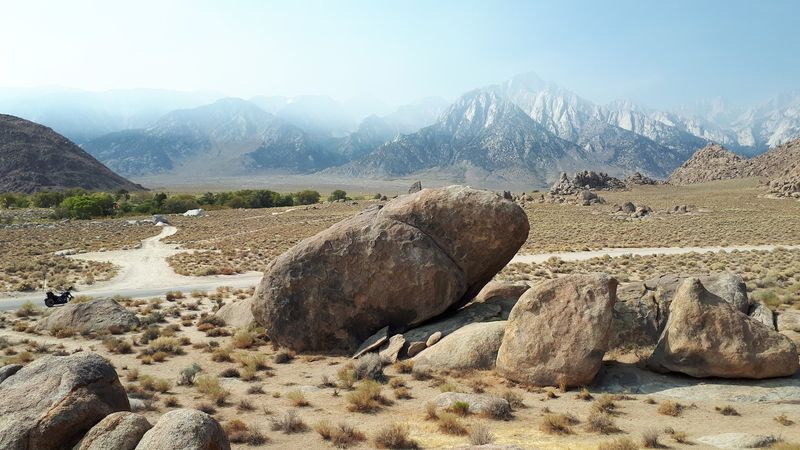
The Alabama Hills near Lone Pine are a series of rounded granite formations that have served as a backdrop for hundreds of Western films and television shows over the decades.
A short drive from the main road leads to arch formations and boulders that frame views of Mount Whitney, the highest peak in the contiguous United States.
Bodie State Historic Park preserves a genuine ghost town from the 1800s gold rush era, frozen in a state of what park managers call arrested decay.
Buildings still contain furniture, tools, and personal belongings left behind when the town was abandoned.
The park sits at 8,375 feet elevation and is accessible by a partially unpaved road that may be closed during winter months.
The Most Underrated Stops In The Great Basin Desert
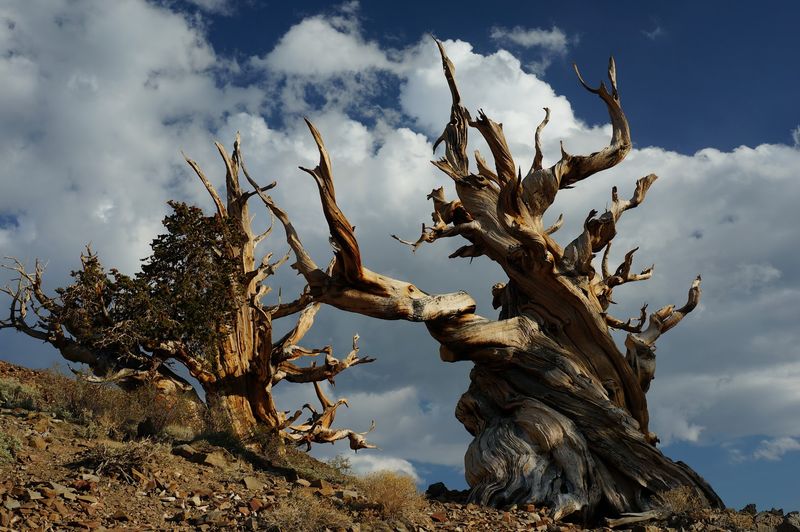
Hidden away in the White Mountains east of Bishop, the Ancient Bristlecone Pine Forest is one of the most extraordinary natural sites in California and receives far fewer visitors than better-known parks nearby.
Schulman Grove, which is the main access point within the forest, sits at around 10,000 feet elevation and offers two well-maintained hiking trails that wind through stands of trees older than most human civilizations.
The visitor center there provides context and background that makes the experience considerably richer.
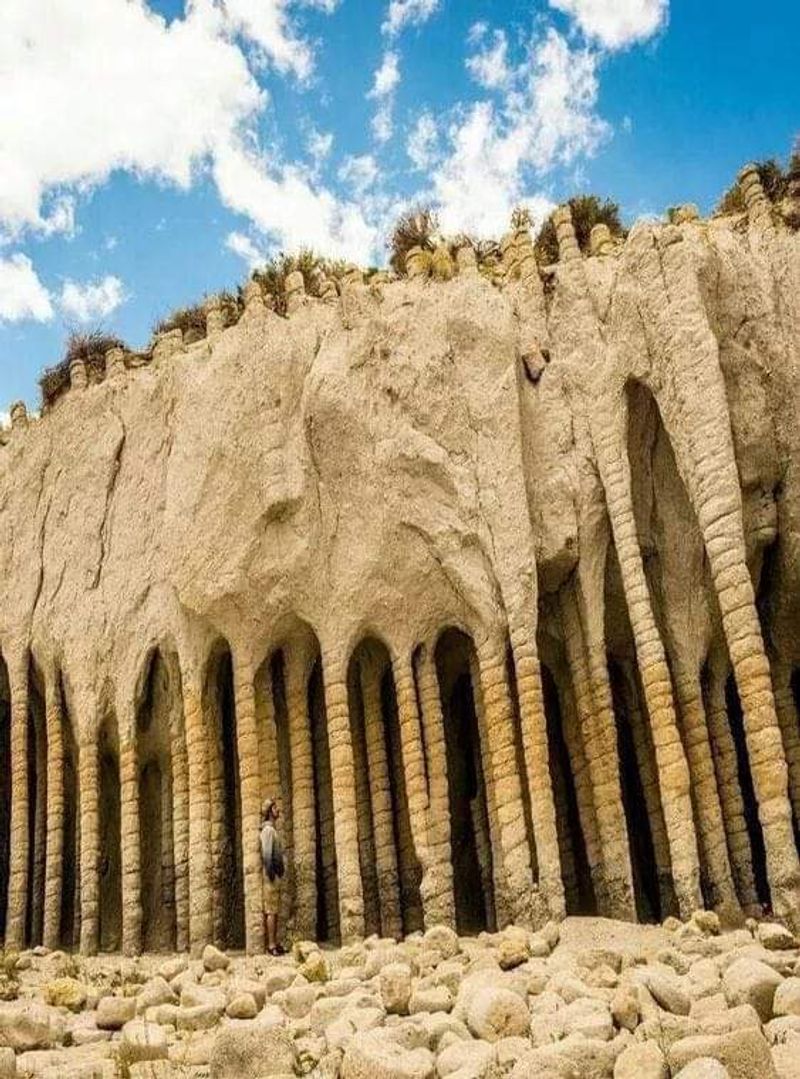
Crowley Lake, located south of Mammoth Lakes in the Mono Basin area, features unusual columnar basalt formations along its shoreline that were only publicly accessible starting in 2019.
The columns form dramatic geometric patterns and rise in clusters from the lake’s edge in a way that draws comparisons to famous basalt formations found in other parts of the world.
Access requires a short hike from the parking area and the terrain can be uneven near the water.
Convict Lake is another stop worth making in the eastern Sierra region, offering a short loop trail around a deep blue lake ringed by steep peaks.
The scenery is striking in all seasons, with snow-capped ridges reflecting in the clear water during spring and early summer.
The area is quieter than Mammoth Lakes proper and tends to offer a more relaxed pace for visitors who prefer less foot traffic.
How To Turn California’s Deserts Into One Epic Road Trip
Connecting all three of California’s deserts into a single road trip requires some planning but results in one of the most geographically diverse drives in the country.
A logical route might begin in the Great Basin near Mono Lake and Bodie, then head south along Highway 395 through the Owens Valley, before cutting west into Death Valley and the broader Mojave Desert.
From there the route can continue south through Joshua Tree National Park and into the Colorado Desert, finishing near Anza-Borrego or Palm Springs.
Each desert region has its own ideal season for visiting. The Great Basin is best in late spring through early fall due to snow at higher elevations.
The Mojave and Colorado deserts are most comfortable from October through April, since summer temperatures can exceed 110 degrees Fahrenheit in low-lying areas like Death Valley and the Salton Sea basin.
Packing essentials for any desert road trip includes carrying at least one gallon of water per person per day, a paper map as backup, a vehicle emergency kit, and sun protection.
Cell service is limited or nonexistent across large stretches of all three desert regions.
Letting someone know the planned route and expected check-in times adds a layer of safety that experienced desert travelers consistently recommend.