This Idaho Mountain Town Is So Affordable, Retirees Are Quietly Moving In
Most people retire to Florida or Arizona. A few end up discovering Idaho and wondering why nobody told them sooner.
Hidden inside the Gem State sits a small northern town that keeps showing up at the top of retirement affordability lists, and once you see the numbers, it is hard to unsee them.
A median home price that would make coastal buyers laugh, winters that actually feel like winters, and a community tight enough that strangers still wave. Idaho does not advertise itself.
It does not need to. Many people who discover this part of the state choose to stay longer than expected, not because they cannot leave, but because they stop wanting to.
Housing Costs That Actually Make Sense
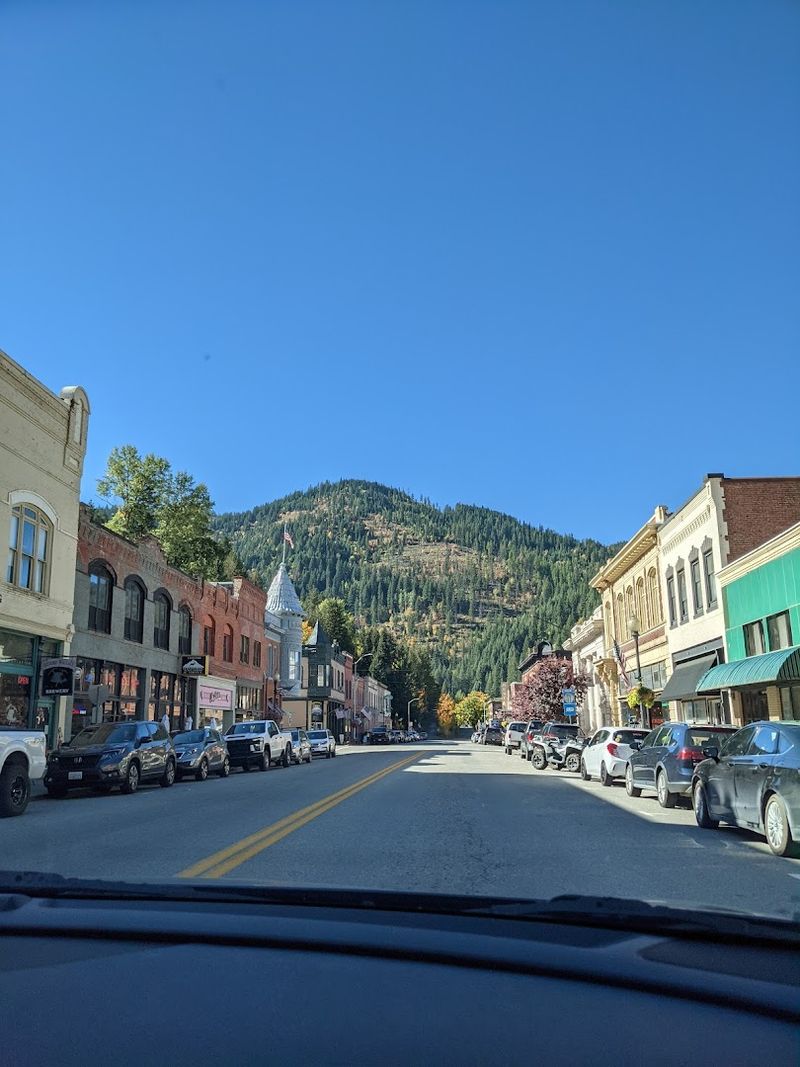
Real estate in Wallace reads like a time machine back to what housing used to cost. The typical home value sits around $243,000, which is significantly lower than the already competitive state average.
For retirees watching every dollar, that gap is not small.
Stretching retirement savings is not just about cutting corners. It is about choosing a place where your money actually buys you something worth having.
A real house, a yard, a view of mountains that does not cost extra. Wallace delivers all three without requiring you to liquidate your entire portfolio.
Property here tends to have character too, historic homes with good bones rather than cookie-cutter builds. Many retirees find they can buy outright or carry a manageable mortgage.
That alone changes the retirement equation. Lower housing costs free up budget for travel, hobbies, and the kind of life you actually planned for.
A History That Gives The Town Its Backbone
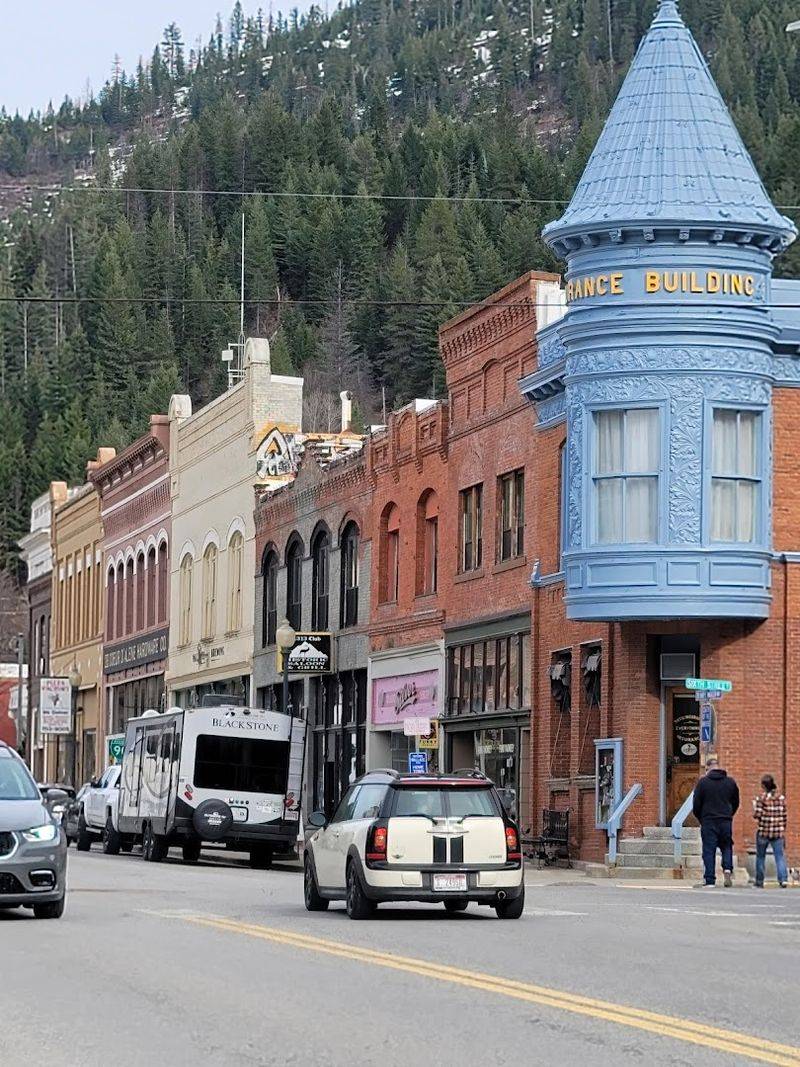
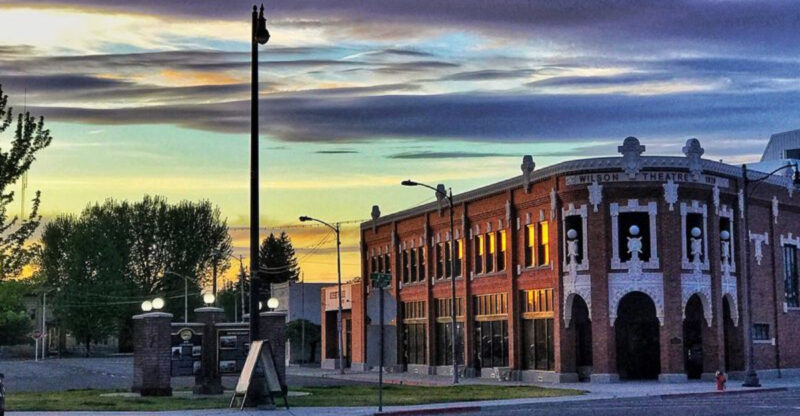
Founded in 1884, Wallace has more stories per square mile than most towns three times its size. It sits in the Silver Valley mining district of the Idaho Panhandle, and that mining heritage shaped everything from the architecture to the attitude of the people who stayed.
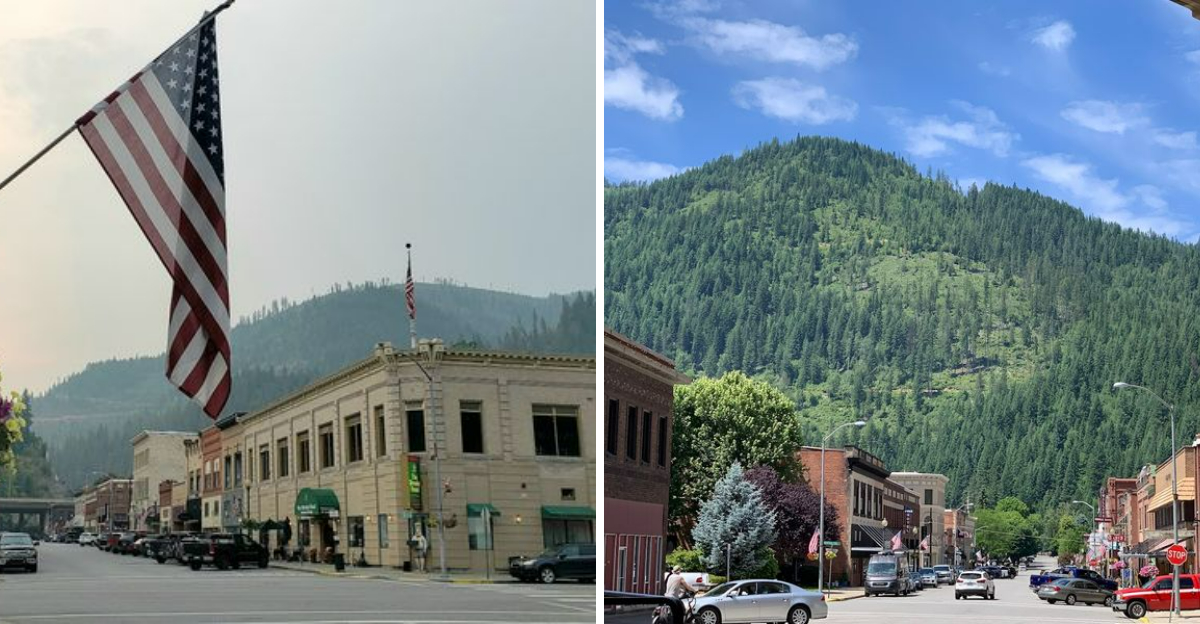
The entire downtown is listed on the National Register of Historic Places, which is not something most small towns can say.
Walking the main street feels genuinely different from a manufactured tourist strip. The buildings are original, the facades are preserved, and the scale is human.
Nothing towers over you, nothing feels fake. That authenticity is hard to find and even harder to replicate.
For retirees who value a sense of place, this matters more than most people admit. Living somewhere with real history gives daily life a kind of texture.
You are not just passing through. You are part of something that has been building since before it was even a state.
That connection is worth something, and in Wallace, it comes standard with your address.
Outdoor Recreation Right Outside The Front Door
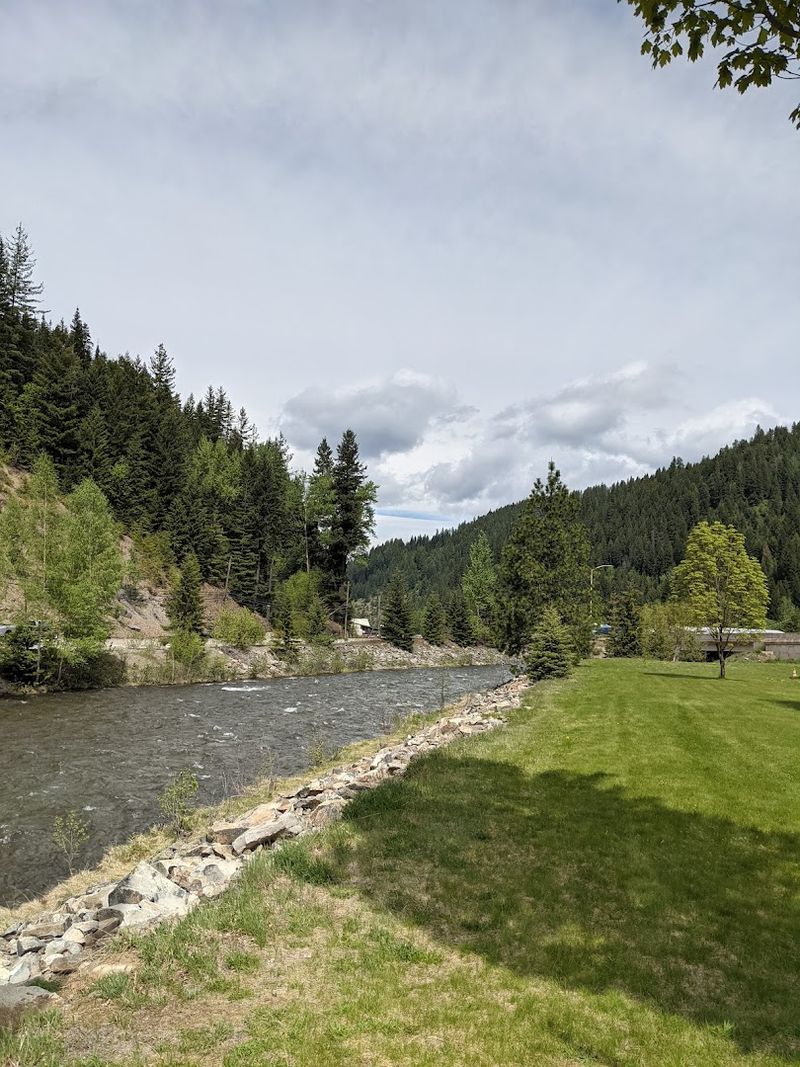
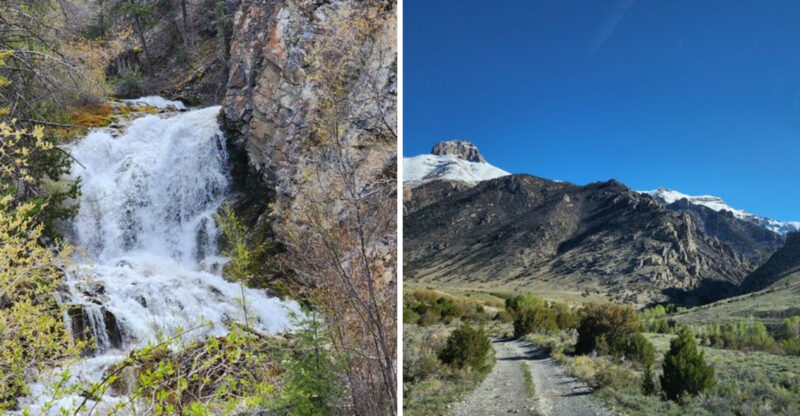
The mountains around Wallace are not decoration. They are the actual backyard, and they are enormous.
Residents have immediate access to hiking trails, fishing spots along the South Fork of the Coeur d’Alene River, and forested landscapes that shift beautifully with every season. You do not need to drive two hours to reach nature here.
Fishing in particular is a serious draw. The Coeur d’Alene River system runs right through the area, offering accessible and rewarding fishing for those who enjoy it.
Hiking trails range from casual walks to more challenging climbs. There is something for every fitness level and mood.
What makes this especially appealing for retirees is the effortless quality of it. Recreation here is not an event you plan weeks in advance.
It is Tuesday morning. It is a spontaneous decision after breakfast.
The kind of outdoor life that keeps people physically active and mentally sharp without requiring a gym membership or a complicated schedule.
Wallace sits at an elevation that makes summers pleasant and winters scenic, and the surrounding mountains of the Silver Valley ensure the views never get old.
A Community Where People Actually Know Each Other
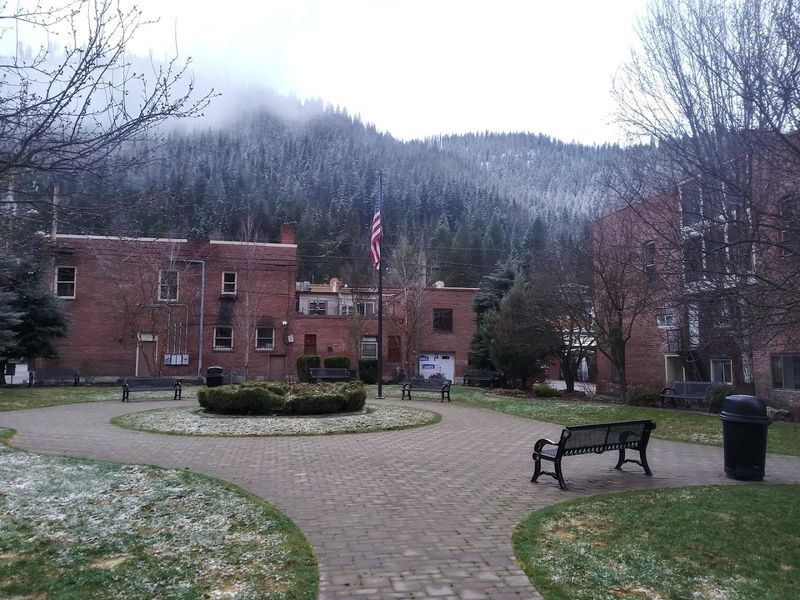
With a population of just 791 recorded in the 2020 census, Wallace is the kind of place where familiar faces are the rule rather than the exception. That might sound limiting if you are used to city anonymity, but for retirees, it often turns out to be exactly what they were missing.
There is a warmth to being recognized at the hardware store, where familiar faces quickly become part of daily life.
Close-knit communities have real practical benefits too. Neighbors notice when something is off.
People check in. There is an informal support network built into the social fabric that no app can replicate.
For anyone retiring solo or far from family, that kind of organic connection can be genuinely life-changing.
Local events and festivals keep the calendar interesting without requiring anyone to travel far. The town punches well above its weight when it comes to community programming, which keeps residents engaged and socially active.
New arrivals consistently find that fitting in happens faster than expected. The town has a long history of welcoming people who chose Wallace on purpose, and that intentionality shows in how residents treat newcomers.
The Silver Valley Mining Legacy Worth Knowing
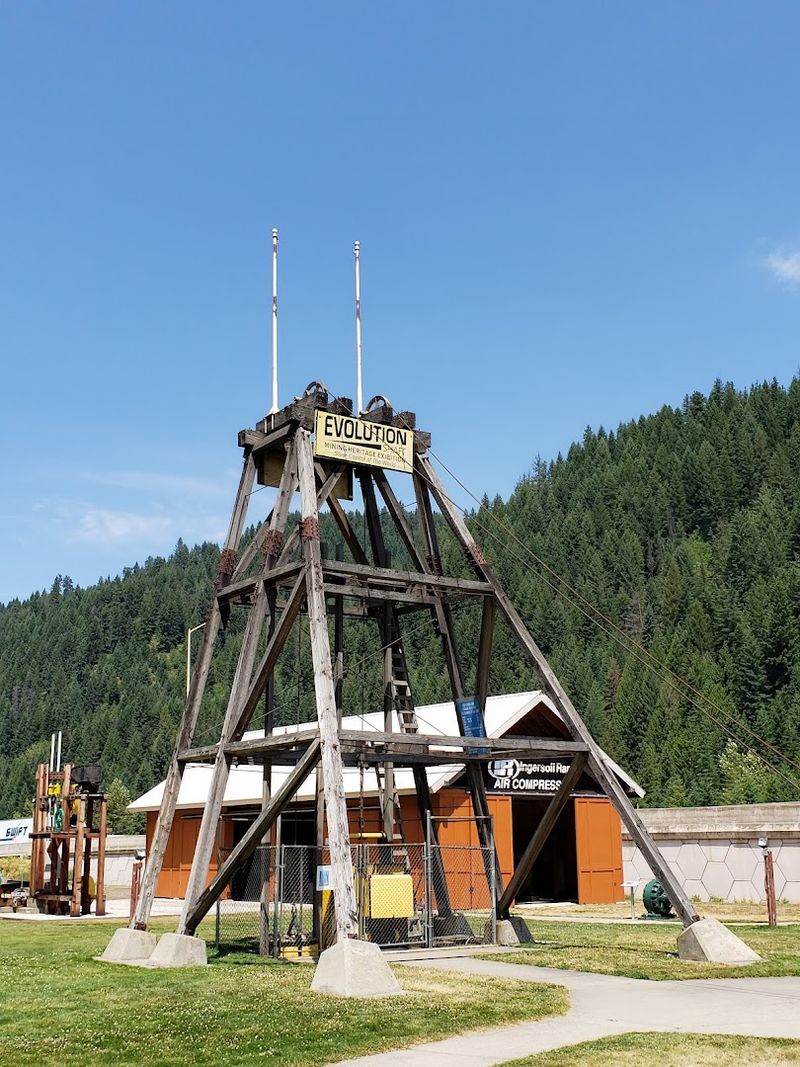
Not many towns can claim to sit at the center of one of the most historically significant mining districts in American history.
Wallace is the county seat of Shoshone County, and the Silver Valley surrounding it produced enormous quantities of silver, lead, and zinc over more than a century of operation. That industrial past shaped the region’s identity in ways that are still visible and celebrated today.
The Bunker Hill Mine, the Sierra Silver Mine, and other operations in the area turned this region into an economic powerhouse during the late 1800s and early 1900s.
Museums and historic sites throughout the region tell that story without sugarcoating it, which gives the history real depth and credibility.
For retirees with an interest in American industrial history, this is genuinely fascinating territory. The Wallace District Mining Museum offers a solid introduction, and guided mine tours are available nearby for those who want to go deeper.
Understanding the town’s roots makes living there feel more meaningful. You are not just enjoying the scenery.
You are living in a place that helped build a piece of this country.
Four Seasons Without The Four-Season Price Tag
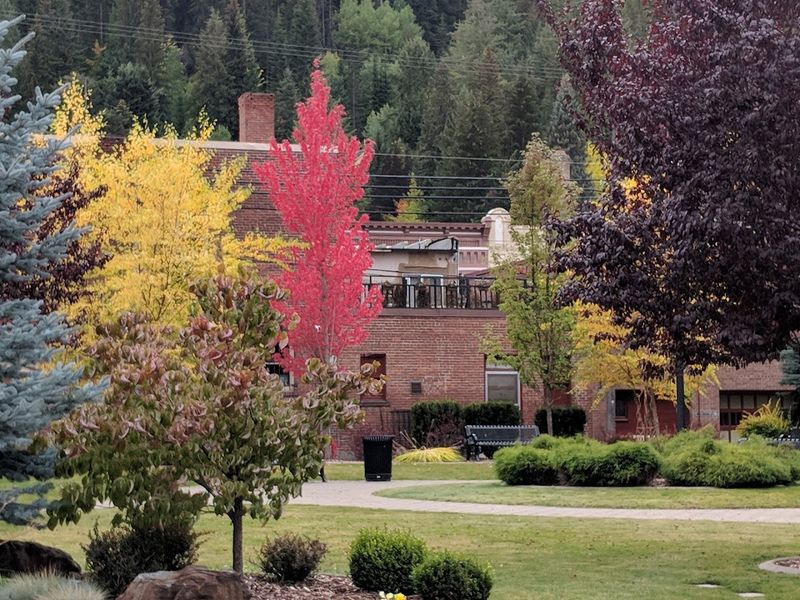
One of the underrated perks of living at this elevation in northern part of the state is the genuine four-season experience. Summers in Wallace are mild and green, with temperatures that rarely push into uncomfortable territory.
Fall brings dramatic foliage across the surrounding mountains of the Silver Valley, the kind of color that people drive hours to see from other states.
Winters bring snow, which is either exciting or manageable depending on your perspective. The proximity to Lookout Pass Ski Area, located just east of town along Interstate 90, means winter recreation is a real option rather than just an endurance event.
Spring arrives with wildflowers and the return of trail season, which happens earlier here than at higher elevations.
None of this seasonal variety comes with a premium cost of living attached. That combination is genuinely rare.
Most places with this kind of natural beauty and climate have been discovered, priced accordingly, and overrun. Wallace remains accessible, and the cost of enjoying all four seasons here is essentially just the price of good boots.
That is a deal worth taking seriously, especially if you spent decades dreaming about this exact kind of life.
Getting There And Getting Around Is Easier Than You Think
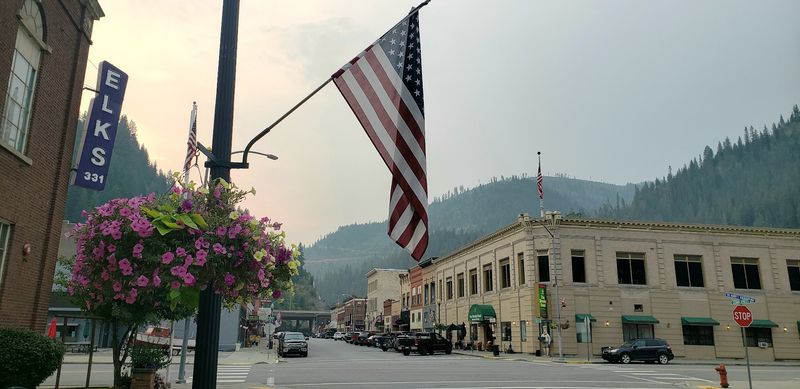
Location matters more than people admit when choosing a retirement town. Wallace sits right along Interstate 90.
Coeur d’Alene is about 60 miles west, and Missoula roughly 100 miles east. That means regional cities, airports, and medical centers are genuinely accessible without requiring a full day of travel.
Wallace sits along Interstate 90, and larger regional airports are accessible within a reasonable drive. For major medical needs, Coeur d’Alene has well-established healthcare facilities that serve the broader region.
Living in a small town does not have to mean being stranded when you need specialized care or want a weekend in a larger city.
The interstate also makes it easy for family and friends to visit, which matters more than most retirees expect when they are making their decision. A town that feels isolated can become isolating.
Wallace avoids that trap by being genuinely connected to the regional network while still feeling like its own world once you exit the highway.
The address, Idaho 83873, is easier to reach than the mountain setting might suggest, and that accessibility is a real quality-of-life factor worth weighing seriously.
Low Cost Of Living Beyond Just The Mortgage
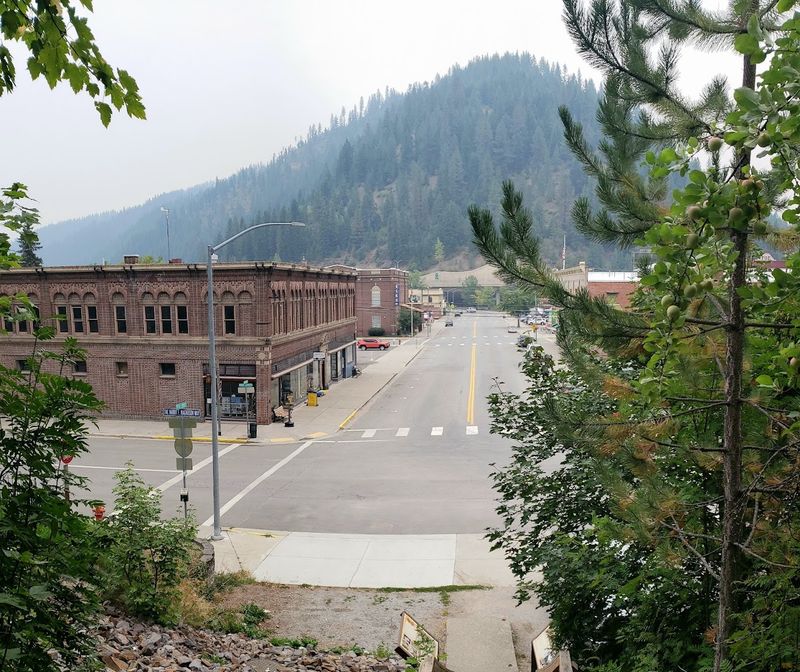
Housing is the headline number, but the full cost of living picture in Wallace tells an equally compelling story. Groceries, utilities, and local services in smaller towns tend to run noticeably lower than national averages.
When you add those savings to an already affordable mortgage or rent, the monthly math starts looking very different from life in a major metro.
Idaho has no estate tax, and some retirees may qualify for limited retirement-related tax benefits depending on their income. That is not nothing.
Over a ten or fifteen year retirement, those structural financial advantages compound into real money that stays in your account rather than disappearing into state coffers.
Property taxes in Shoshone County, where Wallace serves as the county seat, are generally modest compared to coastal or urban markets. Retirees coming from California, Washington, or the Northeast frequently report a significant financial relief within the first year of living here.
The lifestyle does not feel like a downgrade. It feels like a correction, a return to proportions that actually make sense.
Living well for less is not a compromise in Wallace. It is just the local standard.
Why Retirees Keep Choosing Wallace Over Flashier Options
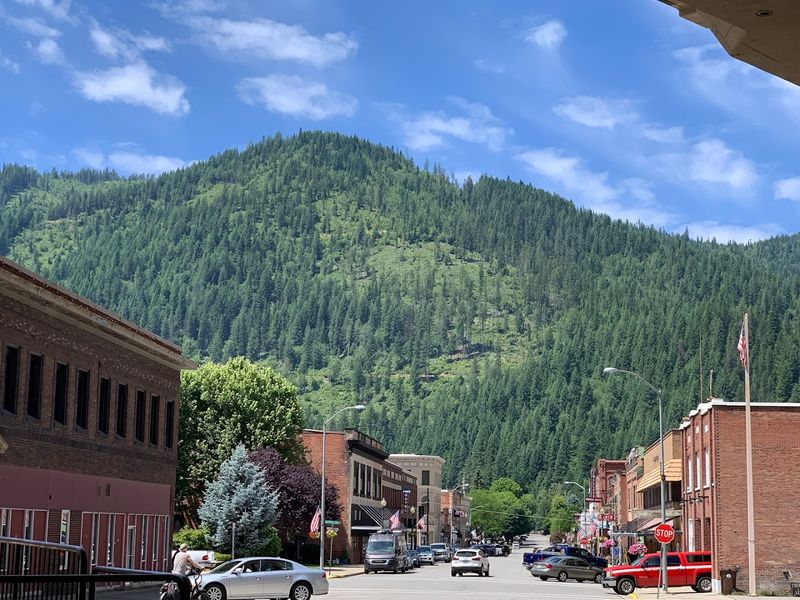
There is something worth examining about why a town of under 800 people is often mentioned as an affordable option for retirees alongside places ten times its size. Wallace is not trying to compete with resort towns or trendy mountain destinations.
It is simply itself, and that consistency is part of the appeal.
Retirees who choose Wallace tend to be people who have thought carefully about what they actually want from their next chapter. They want nature without crowds.
History without a theme park version of it. Community without the performance of community.
Wallace delivers on all three in a way that feels earned rather than packaged.
The town has been a real place since 1884, and it still feels that way. The South Fork of the Coeur d’Alene River still runs through it.
The mountains still frame the skyline. The downtown still has original buildings that have survived more than a century.
For retirees tired of places that feel manufactured, Wallace offers something increasingly rare: a town that grew organically and stayed honest. That might be the best reason of all to give it a serious look before the rest of the country catches on.