These Iconic Idaho Day Trips Give Every Month Its Own Adventure
Calendar pages flip, and Idaho immediately starts acting like it planned the whole year behind your back. January gets mountain-town drama, spring shows up with waterfalls trying to be famous, and summer basically dares the car to stay in the driveway.
By fall, even a normal snack stop can turn into a scenic detour with suspiciously good lighting. Every month brings a new excuse to hit the road, which means the real problem is not finding an Idaho day trip.
It is convincing everyone that “just one more stop” is a totally reasonable travel strategy.
1. January – McCall Winter Carnival
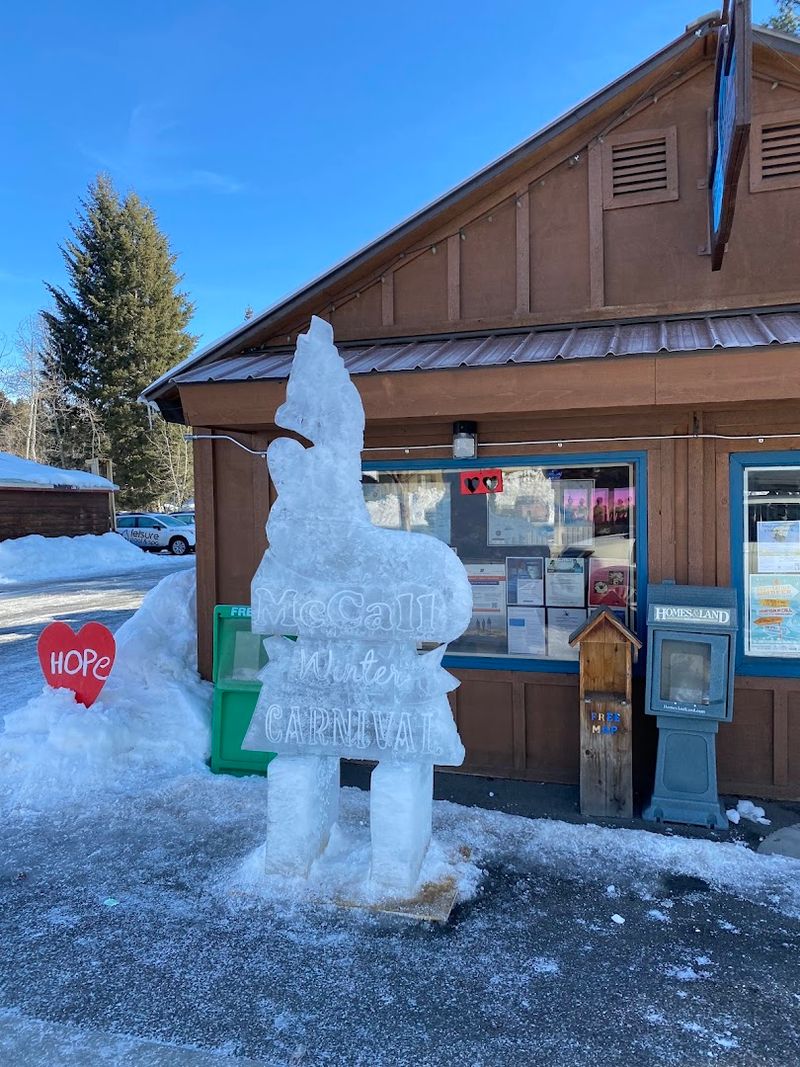
Snow season finds its loudest celebration in McCall during Winter Carnival, when the town turns deep winter into something bright, busy, and worth bundling up for. For 2026, the carnival ran January 30 through February 8, while current official event information is already pointing ahead to the 2027 celebration from January 28 through February 6.
Payette Lake gives the whole scene a dramatic frozen backdrop, and downtown fills with snow sculptures, local art, live music, food vendors, and community events. Legacy Park makes an easy gathering point, but the carnival spills into the broader town with enough activity to fill more than a quick afternoon.
Families can wander between sculptures, grab warm food, and watch how much personality locals carve into winter itself. McCall also works well as a January day trip because the snow feels like part of the attraction instead of an obstacle.
Dress in layers, check road conditions before leaving, and expect mountain-town crowds during peak carnival moments. Cold air, lake views, and snow-art spectacle make this one of Idaho’s signature winter outings, especially for travelers who need proof that January can still feel festive.
2. February – Lava Hot Springs
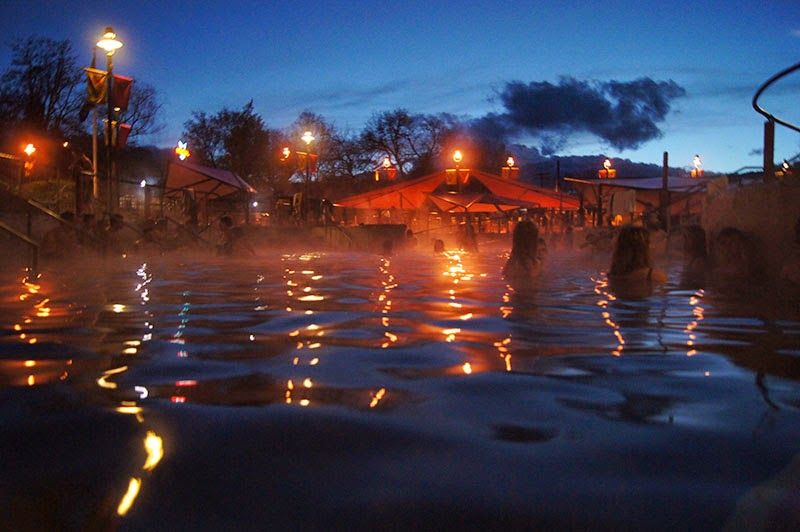
Warm mineral water makes Lava Hot Springs feel especially satisfying when February keeps the rest of Idaho chilly. The state-owned hot pools sit at 430 E Main St, Lava Hot Springs, ID 83246, right in the center of a compact town built around soaking, river scenery, and easy walking between small businesses.
February also lines up with the community’s Fire and Ice Winterfest, traditionally held during the first full weekend of the month, which gives the trip a livelier winter edge. Steam rising off the pools can make even a gray cold day feel cozy, and the Portneuf River adds movement to the valley scenery.
Keep expectations realistic and check current hours or event details before leaving, since winter operations and festival schedules can shift. Still, the basic appeal stays steady: soak, stroll, eat something comforting, then soak again before heading home.
Lava Hot Springs works because it does not need a complicated itinerary. A few hours can feel restorative, while a full day gives enough time to enjoy the town at an unhurried pace.
For February, few Idaho outings offer such a simple reward with such a strong seasonal payoff.
3. March – Thousand Springs State Park
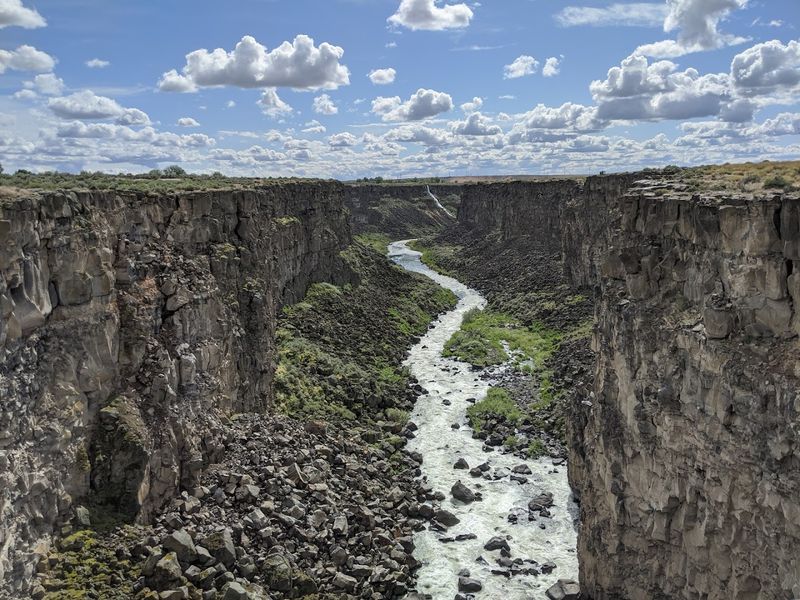
Early spring gives Thousand Springs State Park a quiet, watery drama that fits March beautifully. The Thousand Springs Visitor Center at 17970 US Highway 30 in Hagerman serves both Thousand Springs State Park and Hagerman Fossil Beds National Monument, making it a practical first stop for maps, exhibits, restrooms, and local orientation.
Idaho Parks and National Park Service information lists spring visitor-center hours beginning in March, with the center open five days per week and closed Tuesday and Wednesday during that season. Water is the star across the park’s units, where springs pour from canyon walls, river views widen, and wetland areas begin feeling more active as winter loosens.
March can still bring unpredictable weather, so sturdy shoes and layers make the day easier. Crowds usually stay lighter than summer, which helps visitors slow down at overlooks and trails without rushing for space.
Geological history also gives the trip more depth, since volcanic landscapes and Snake River scenery shape the whole experience. Thousand Springs rewards people who like quieter transitions between seasons.
Instead of shouting for attention, it lets rushing water, canyon walls, and soft early-spring light do the work.
4. April – Shoshone Falls
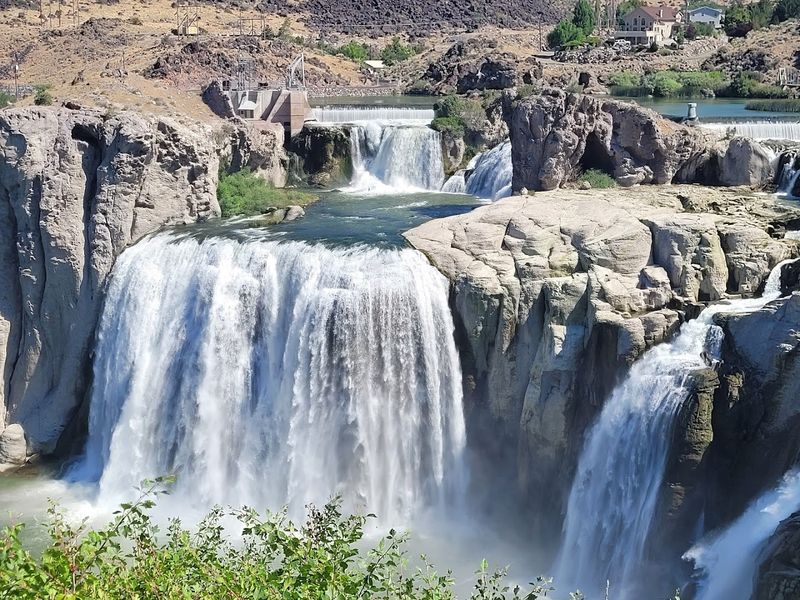
Spring flow gives Shoshone Falls its most dramatic personality, and April often lands right in the heart of that spectacle. The falls sit inside Shoshone Falls Park at 4155 Shoshone Falls Grade Road in Twin Falls, where viewing platforms look out over a wide basalt ledge and the Snake River canyon below.
City information for 2026 said the ticket booth reopened April 1, with a $5 vehicle admission fee charged during posted booth hours, while the city’s park page notes the vehicle fee season runs from March into fall. Such details matter because this is a popular stop once water levels and warmer days bring more visitors.
Mist, canyon walls, and the sheer width of the falls make the view feel bigger than expected, especially after snowmelt and spring runoff boost the flow. April weather can turn quickly, so a jacket and shoes with good traction are smarter than a purely sunny-day outfit.
Photographers, families, and casual road-trippers all get an easy payoff here. Shoshone Falls works as an April pick because the season adds force, sound, and movement to one of Idaho’s most famous natural landmarks.
5. May – Bruneau Dunes State Park
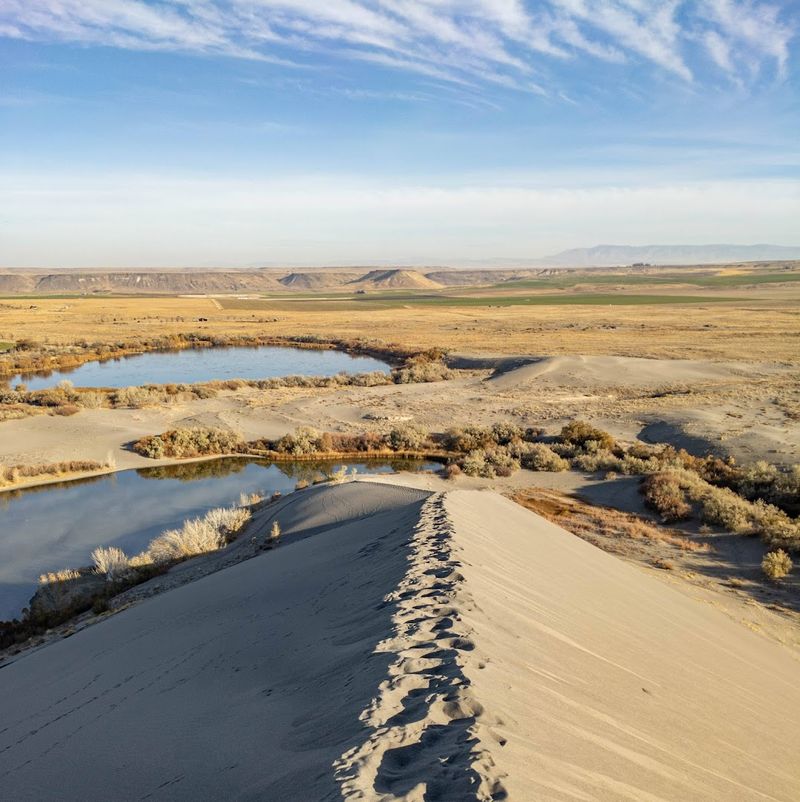
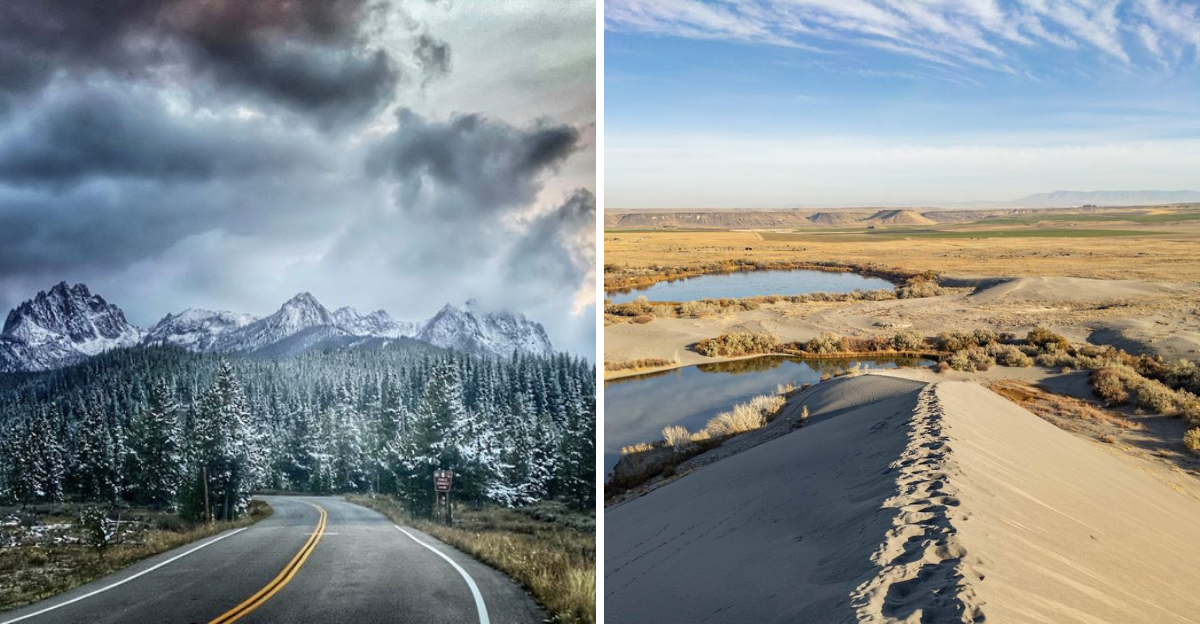
High-desert warmth arrives just in time for Bruneau Dunes State Park to become a May standout. Idaho Parks and Recreation describes the park as home to the tallest single-structured sand dune in North America, rising 470 feet above the surrounding desert floor, which gives the destination a claim that feels as fun as it is photogenic.
The park sits at 27608 Sand Dunes Road, Bruneau, ID 83604, with dunes, lakes, trails, camping, and sandboard rentals helping visitors build a flexible day. May works especially well because the desert is usually more comfortable before the harsher heat of midsummer settles in.
Climbing the dune can feel tougher than it looks, so water, sunscreen, and realistic pacing matter. Sandboarding adds playful energy for travelers who want more than a scenic walk, while the lake views soften the desert landscape.
Evening can bring another reason to linger, since Bruneau Dunes is also known for night-sky viewing and observatory programming when available. This stop shows how varied Idaho can be.
One month after waterfall season takes the spotlight, a rolling basin of sand can make the state feel entirely different.
6. June – City Of Rocks National Reserve
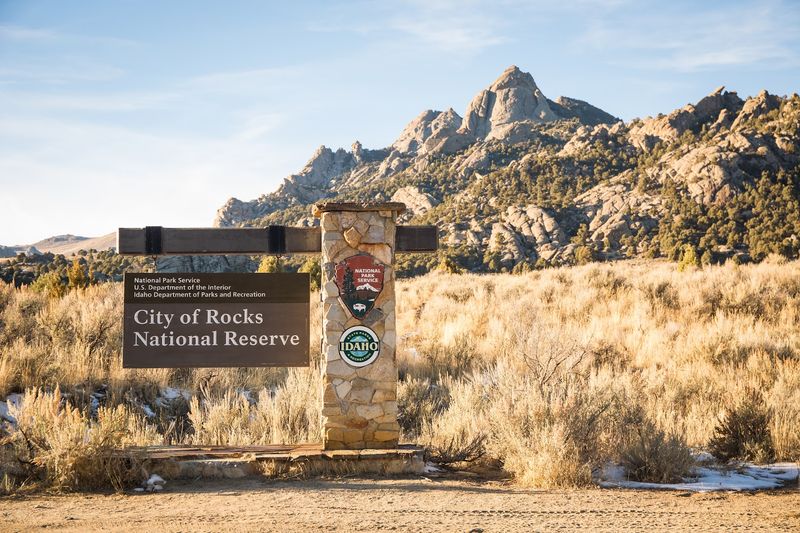
Long daylight makes June a strong month for exploring City of Rocks National Reserve near Almo. Granite spires, domes, and weathered formations rise across the high desert in shapes that can make a simple drive feel like a slow reveal.
Idaho Parks and Recreation lists 2026 summer visitor-center hours from mid-April through late October, open daily from 8 a.m. to 4:30 p.m., and notes that the paved northern access through Almo is the recommended route over rougher dirt-road approaches. Those practical details help a day trip go smoothly.
Hikers, climbers, history lovers, and casual sightseers all find a reason to linger, since the reserve combines dramatic geology with California Trail history. Some emigrant names remain visible on the rocks, giving the landscape a human thread beneath all that stone.
June temperatures can still be manageable compared with later summer heat, but exposed trails make water and sun protection essential. Raptors, mule deer, and desert plants add life between the formations.
City of Rocks earns its June spot because it offers adventure without needing a single centerpiece. Every bend seems to reveal another strange shape, another overlook, or another reason to stop.
7. July – Ponderosa State Park
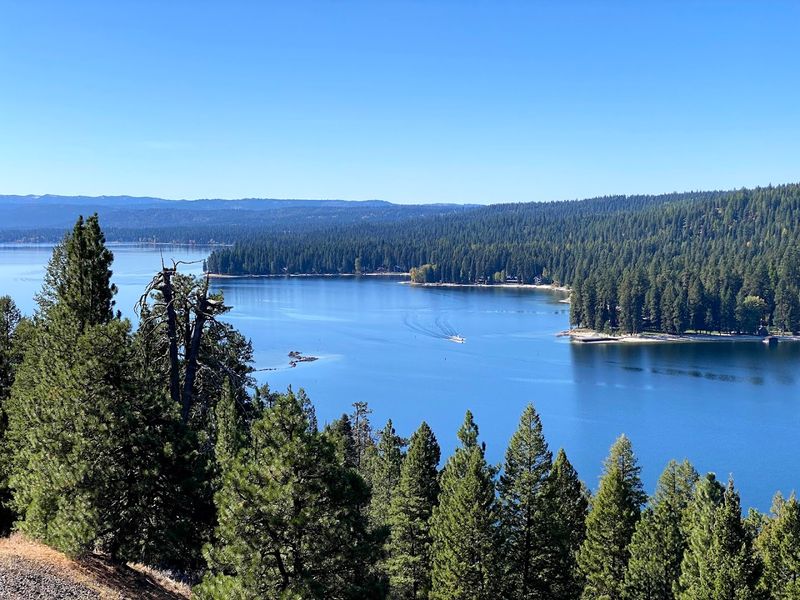
Lake days feel especially complete at Ponderosa State Park in July. The park sits on a peninsula extending into Payette Lake in McCall, with Idaho tourism highlighting camping, extensive hiking and biking trails, guided walks, evening campfire programs, wildlife viewing, and winter recreation once snow returns.
Summer gives the peninsula its easiest rhythm. Families can swim or paddle, hikers can slip into shaded forest, and photographers can aim for Osprey Point, a basalt promontory near the tip of the peninsula with a high view over Payette Lake.
Park access at 1920 N Davis Ave keeps the outing close to McCall’s restaurants and shops, so the day can move naturally between lake time and town time. July afternoons can get busy, especially around popular beach areas, so arriving earlier helps with parking and cooler temperatures.
Tall ponderosa pines add shade and scent, while lake breezes keep the setting from feeling too heavy. Ponderosa works as a midsummer pick because it offers several kinds of Idaho fun in one compact place.
Water, forest, viewpoints, and town convenience combine into a day trip that feels easy to enjoy without overplanning.
8. August – Craters Of The Moon
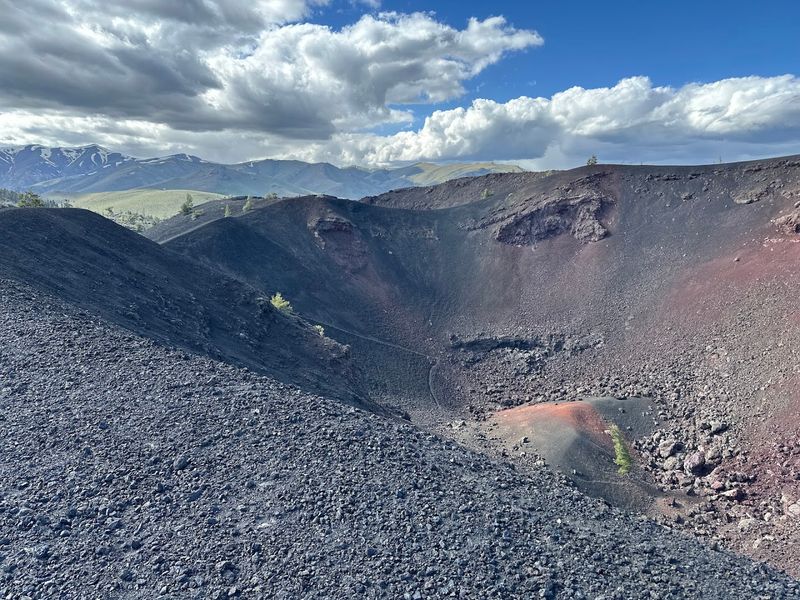
Black lava fields make Craters of the Moon National Monument and Preserve feel unlike almost anywhere else in Idaho. August brings long operating days and broad access, but it also calls for smart timing because exposed volcanic rock can feel intense under summer sun.
The Robert Limbert Visitor Center at 1266 Craters Loop Road near Arco is the best starting point for learning the volcanic story before heading onto the loop road. Cinder cones, spatter cones, lava flows, and caves turn the landscape into a rugged outdoor classroom.
Cave access requires awareness of current rules, and National Park Service information notes that free cave permits are required to enter the lava tube caves, and free wilderness permits are required for overnight backcountry use, with permits available through the visitor center during business hours. Craters of the Moon is also recognized as an International Dark Sky Park, which makes a late-day visit especially tempting when clear skies are forecast.
Bring real walking shoes, plenty of water, sun protection, and a headlamp if caves are part of the plan. August suits this trip because everything feels fully open and otherworldly.
Stay past golden hour and the same lava landscape that looked harsh at noon can turn strangely beautiful under stars.
9. September – Hagerman Fossil Beds
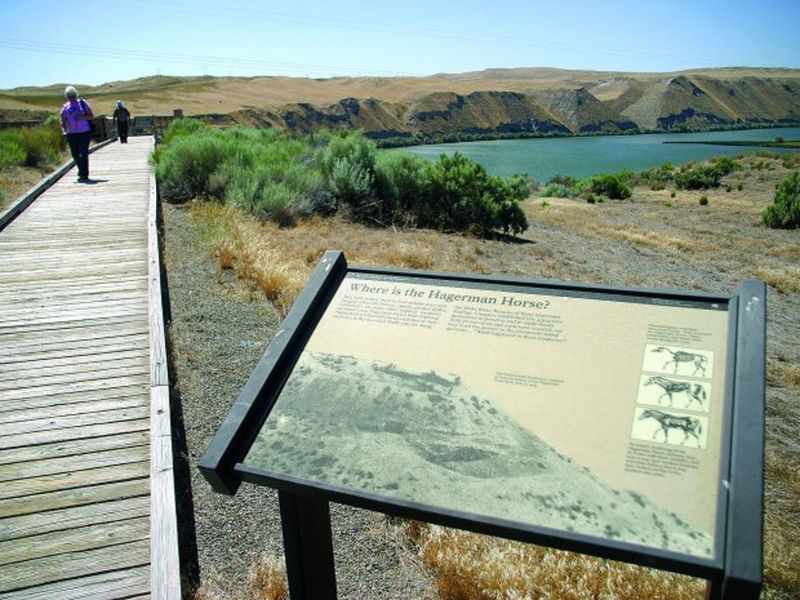
Cooler air gives Hagerman Fossil Beds National Monument a calmer, more comfortable rhythm in September. The Thousand Springs Visitor Center at 17970 US Highway 30 in Hagerman is the only place to see fossils from the monument, according to National Park Service visitor-center information, and it also serves as the shared hub for Thousand Springs State Park.
Fossil exhibits, ranger information, maps, restrooms, and passport stamps make the center a useful start before exploring scenic overlooks. Hagerman protects fossils from a landscape that dates back roughly three to four million years, with the Hagerman Horse among its most famous discoveries.
September works well because summer heat begins easing, canyon views feel softer, and the pace suits a slower science-and-scenery day. This is not a destination built around handling fossils in the field, so the visitor center matters more than some travelers expect.
Outside, Snake River overlooks and high-desert views help connect the exhibits to the landscape. Bring curiosity rather than a rushed checklist.
Hagerman’s appeal sneaks up quietly, turning ancient horses, old river systems, and golden canyon light into a day trip that feels thoughtful, unusual, and deeply tied to Idaho’s prehistoric story.
10. October – Stanley And The Sawtooth Scenic Byway
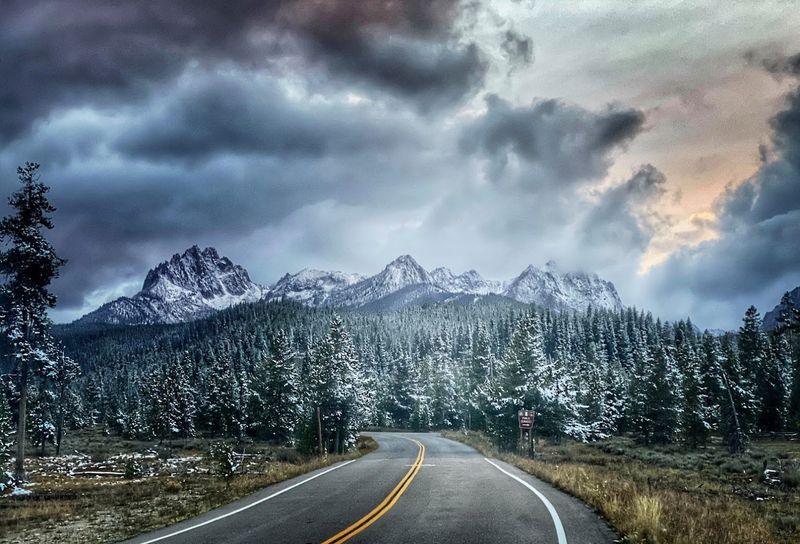
Autumn color gives the Sawtooth Scenic Byway a sharper kind of beauty in October. Visit Idaho describes the route as cutting through the Boulder Mountains and delivering travelers to the base of the iconic Sawtooth Range, with recreation opportunities and wildlife viewing along the way.
Fall travel tips from the state also highlight the byway as a strong foliage route between Shoshone and Stanley. October timing can vary by elevation and weather, so travelers should treat peak color as a moving target rather than a guarantee.
Still, golden aspens, river bends, cold morning air, and early snow on jagged peaks can make the drive feel unforgettable. Stanley works as a natural pause or turnaround point, with mountain views, local food, and access to the Salmon River adding texture to the trip.
Road conditions deserve attention as the month goes on because weather can change quickly in higher country. Photographers should aim for morning or late-day light, when the peaks and trees feel most dramatic.
This October route succeeds because the drive itself becomes the destination, turning every pullout into a possible favorite stop.
11. November – Sun Valley And Ketchum
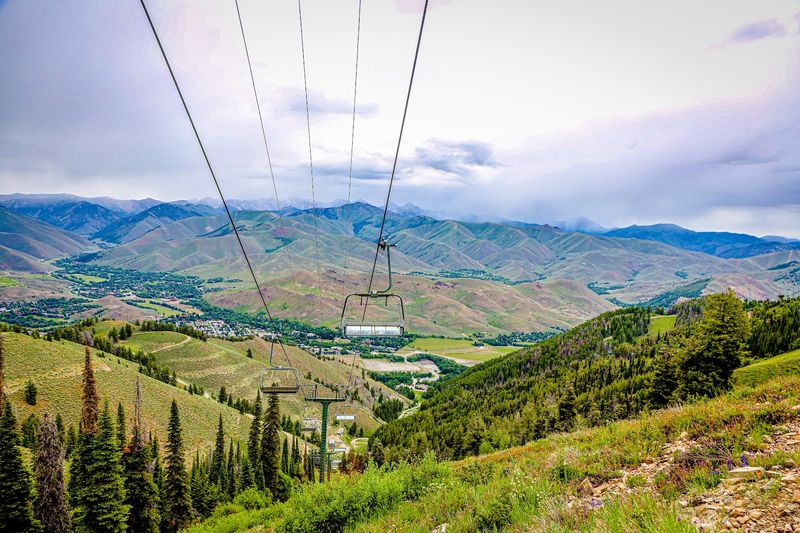
Shoulder-season calm gives Sun Valley and Ketchum a different kind of charm in November. Visit Sun Valley lists the Visitor Center at 491 Sun Valley Road in Ketchum, with daily hours shown as 9 a.m. to 5 p.m., making it a reliable first stop for current maps and local guidance.
November can sit between peak fall color and full ski-season bustle, which means travelers should check trail, road, and resort conditions before building the day around a specific activity. Even with that seasonal uncertainty, Ketchum’s walkable downtown, galleries, independent shops, restaurants, mountain views, and literary history make the area rewarding without needing a perfect powder day.
Ernest Hemingway’s connection to Ketchum adds a reflective layer, especially for visitors who enjoy cultural stops alongside scenery. Early snow may frame the mountains, while milder days can still leave room for a walk along the Big Wood River or a browse through town.
This month suits travelers who like atmosphere more than crowds. Sun Valley and Ketchum in November feel quieter, moodier, and more local, giving the day trip a polished mountain feel without the full intensity of holiday-season traffic.
12. December – Wallace Historic District
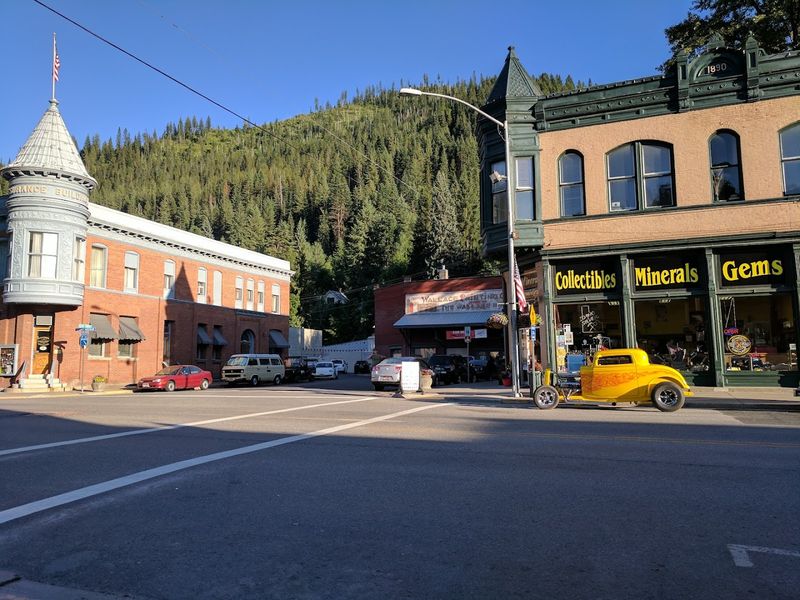
Holiday lights look especially good against Wallace’s preserved mining-era streets. Visit Idaho notes that every downtown building is on the National Register of Historic Places, which gives the town an unusually complete historic-district feel before seasonal decorations even appear.
December adds a festive layer through Christmas in Wallace and Home for the Holidays programming, with recent official and regional listings placing events around 600 Bank Street in the heart of town. Exact dates change by year, so checking the Wallace events calendar before driving is the safest move.
Still, the general December appeal is easy to understand: brick storefronts, mountain surroundings, local shops, historic museums, and winter decorations all working together. Mining history keeps the setting from feeling generic, while holiday events bring music, shopping, lights, and small-town gathering energy.
Snow can make the Silver Valley roads more dramatic, so road checks matter as much as event checks. Wallace belongs in December because it already feels like a preserved scene, and the season simply turns up the glow.
For travelers who want a winter day trip with history, character, and festive atmosphere, this town closes the Idaho year with real storybook charm.