13 Historic Plantations In Georgia That’ll Transport You To Another Time
Georgia’s past shows up in powerful ways, and its historic estates offer some of the most thought-provoking glimpses into that history. Scattered from the coastal lowlands near Savannah to the countryside of middle Georgia, these sites reflect a mix of architectural beauty and deeply complex stories.
Walking the grounds, visitors encounter grand homes, centuries-old trees, and carefully preserved landscapes, but also the realities of the lives that shaped them.Many of these places now focus on sharing a more complete history, highlighting not only design and lifestyle but also the experiences of the enslaved people who lived and worked there.
The result is a visit that can feel both visually striking and emotionally impactful. For anyone interested in understanding the American South more fully, these Georgia plantations offer experiences that are as meaningful as they are memorable.
1. Stately Oaks Plantation
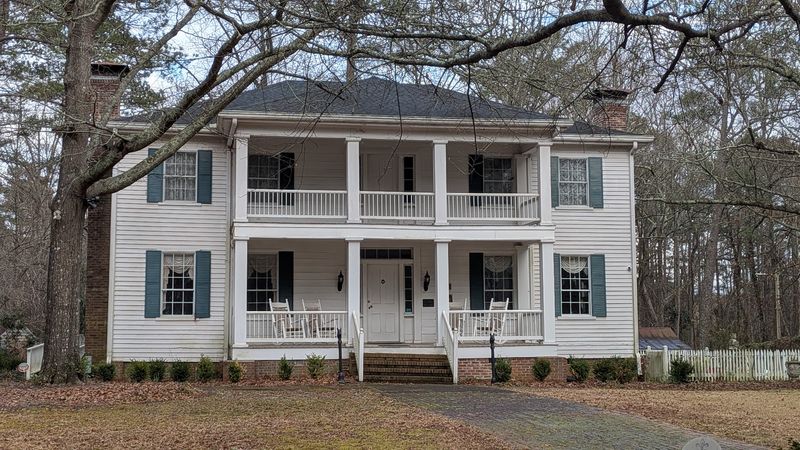
Step onto the grounds of Stately Oaks Plantation and the antebellum South comes rushing back with surprising clarity. Situated at 100 Carriage Lane, Jonesboro, Georgia 30236, this stunning 1839 Greek Revival mansion is one of the best-preserved examples of plantation architecture in the state. The property also inspired the setting for Margaret Mitchell’s famous novel, adding a literary layer to its already rich history.
Original outbuildings still standing on the property include a cookhouse, a one-room schoolhouse, and a country store, each offering a glimpse into daily life during the 1800s. Guided tours are available and led by knowledgeable docents who bring the stories of both the plantation owners and the enslaved people who worked there to life.
The Historic Jonesboro/Clayton County organization maintains the site, and special events are held throughout the year. Arriving early on weekends is recommended since tour groups can fill up quickly. Children tend to find the hands-on demonstrations especially engaging.
2. Pebble Hill Plantation
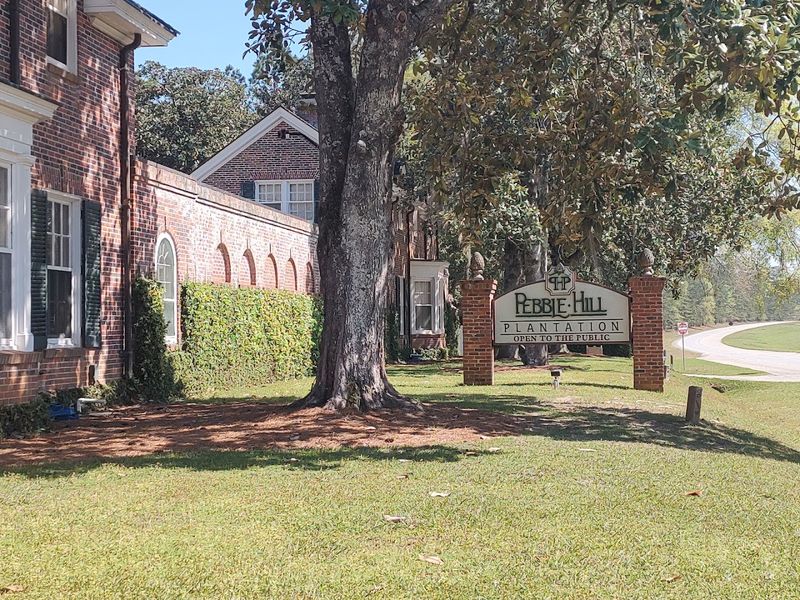
Pebble Hill Plantation in Thomasville has a glamour that sets it apart from most historic sites in Georgia. Located at 1251 US Highway 319 South, Thomasville, Georgia 31792, this estate features a stunning Colonial Revival mansion completed in 1936 after a fire destroyed the original structure. The property was once owned by the Hanna family of Ohio, who used it as a winter retreat and hunting estate.
The grounds include a carriage house, a dog hospital, a fire station, and a collection of fine art and antiques that remain remarkably intact. Guided tours of the main house offer fascinating details about the lifestyle of wealthy Southern landowners during the early 20th century. The manicured gardens are beautiful year-round but especially lovely in spring.
Pebble Hill is open Tuesday through Sunday, and photography on the grounds is permitted in most areas. Visitors are encouraged to wear comfortable shoes since the estate covers considerable acreage. The gift shop carries thoughtful souvenirs and local books.
3. Jarrell Plantation State Historic Site
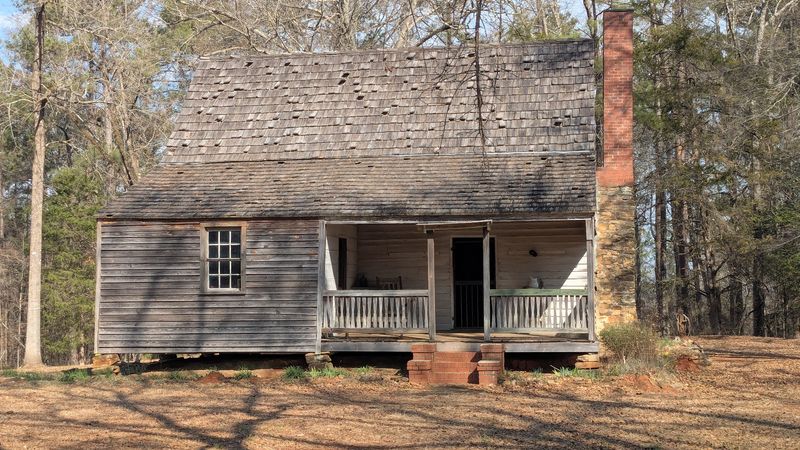
Unlike the grand mansions on this list, Jarrell Plantation tells the story of an ordinary Georgia farming family across three generations, and that ordinariness is exactly what makes it extraordinary. Nestled at 711 Jarrell Plantation Road, Juliette, Georgia 31052, this state historic site preserves a working farmstead that dates back to the 1840s. Original structures including a sawmill, cotton gin, and gristmill are still standing and remarkably well preserved.
The site offers a ground-level look at rural agricultural life that most plantation tours skip entirely. Seasonal demonstrations of traditional crafts like syrup-making and blacksmithing are held throughout the year and are especially popular with school groups and families. The landscape itself, with its tall pines and quiet fields, feels like stepping into a 19th-century painting.
Parking is easy and free, and the trails are flat enough for most visitors. Weekends in fall tend to draw larger crowds due to harvest-themed events. Bringing water and snacks is a good idea since there are no food vendors on site.
4. Bulloch Hall
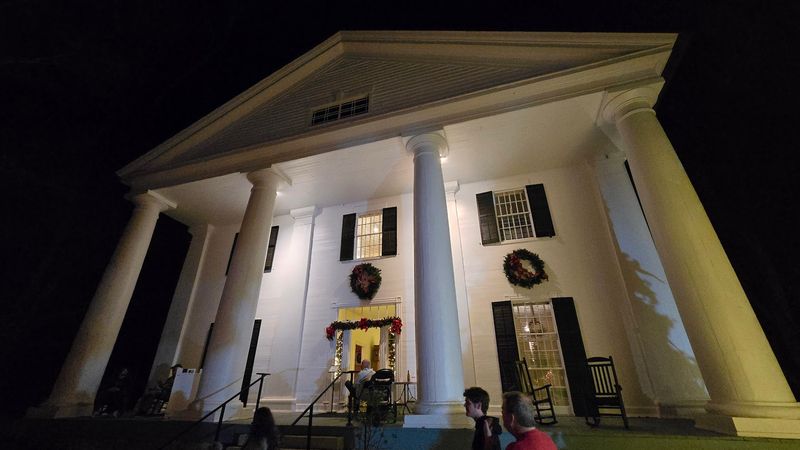
Bulloch Hall carries a unique claim to fame: it was the childhood home of Mittie Bulloch, the mother of President Theodore Roosevelt, and the site of her wedding in 1853. Standing at 180 Bulloch Avenue, Roswell, Georgia 30075, this beautifully restored Greek Revival mansion was built in 1840 and remains one of the finest examples of antebellum architecture in north Georgia. The connection to the Roosevelt family adds an unexpected presidential thread to its history.
Guided tours walk visitors through period-furnished rooms while explaining the lives of both the Bulloch family and the enslaved people who maintained the estate. The house is managed by the City of Roswell and hosts a range of special events including living history programs and holiday celebrations. The surrounding grounds are shaded and pleasant for a short stroll.
The site is located near downtown Roswell, making it easy to combine with a meal or a visit to nearby Roswell Mill. Weekday tours are usually available with minimal wait times.
5. Hay House
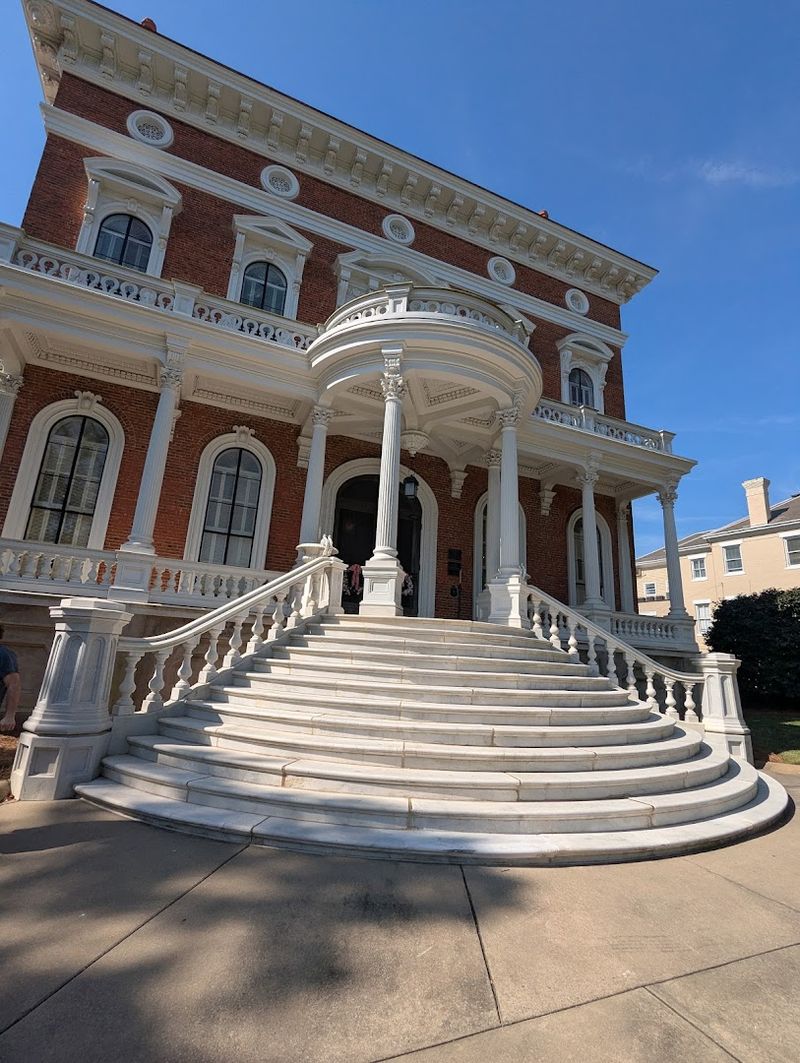
Calling Hay House a plantation house might feel like an understatement since this Macon landmark is more like a palace. Located at 934 Georgia Avenue, Macon, Georgia 31201, this extraordinary Italianate mansion was built between 1855 and 1859 and features 18,000 square feet of meticulously designed space. It was considered one of the most technologically advanced homes in the South at the time of its construction, complete with indoor plumbing and a speaking tube system.
The National Historic Landmark is now managed by the Georgia Trust for Historic Preservation and offers regular guided tours that highlight the architectural ingenuity and the complicated human history of the estate. The ornate plasterwork, original furnishings, and hidden rooms make every tour feel like a genuine discovery. Visitors often describe the experience as genuinely surprising.
Tours run Tuesday through Saturday, and reservations are recommended during peak tourist seasons. The surrounding Georgia Avenue neighborhood is also worth a short walk. Parking is available on the street and nearby lots.
6. Kolb Farm at Kennesaw Mountain
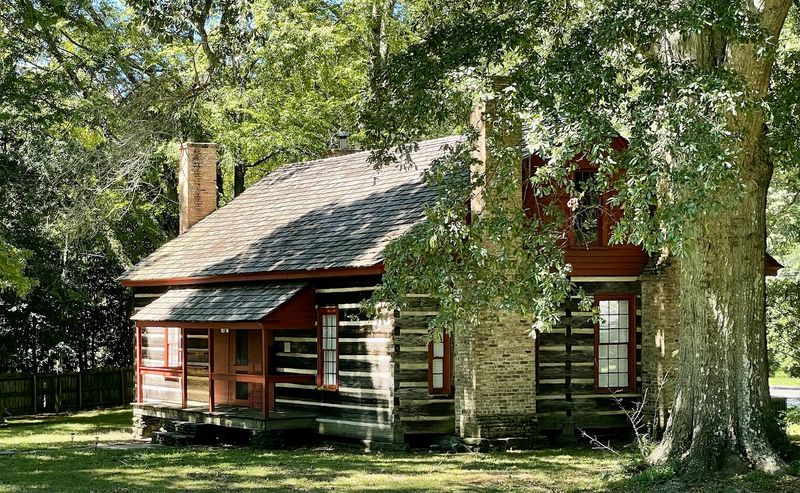
History here is not just about grand ballrooms and columned porches. The Kolb Farm, located within Kennesaw Mountain National Battlefield Park at 1581 Powder Springs Rd SW, Marietta, GA 30064, United States is a humble yet historically significant farmstead that witnessed the Battle of Kolb’s Farm during the Atlanta Campaign of 1864. The original farmhouse still stands on the property and serves as a quiet reminder of the Civil War’s reach into everyday civilian life.
The farm is accessible as part of a visit to the larger Kennesaw Mountain park, which offers miles of trails and stunning views of the surrounding landscape. Rangers and interpretive signage help explain the military significance of the site and the experience of the Kolb family during the fighting. The juxtaposition of peaceful farmland and battlefield history makes the visit deeply thought-provoking.
The park is open daily and admission is free. Trail conditions vary by season, so checking ahead during winter months is wise. Comfortable footwear is essential for the hillier portions of the park.
7. Liberty Hall at the Alexander H. Stephens Historic Site
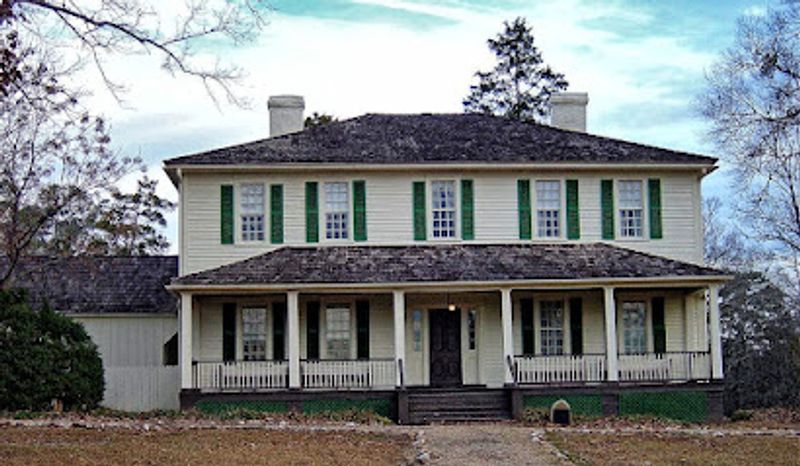
Liberty Hall is one of those places where American political history and Southern plantation life intersect in a genuinely compelling way. Situated at 120 Memorial St, Crawfordville, GA 30631, United States this was the home of Alexander H. Stephens, Vice President of the Confederacy, and it offers a complex and honest look at one of the most controversial figures in Georgia history.
The house itself is a charming Victorian-era structure surrounded by well-tended grounds.
The site is a Georgia State Historic Site and includes a museum with exhibits on Stephens’ life, political career, and the Civil War era in Georgia. Guided tours are offered regularly and cover both the architectural history of the home and the broader political context of the Confederacy. The experience is thought-provoking rather than celebratory, which gives it real educational value.
The site is open Wednesday through Sunday. Crawfordville is a small town, so planning ahead for lunch or fuel is a practical tip. The museum gift shop carries books and educational materials related to Georgia Civil War history.
8. Wormsloe Historic Site
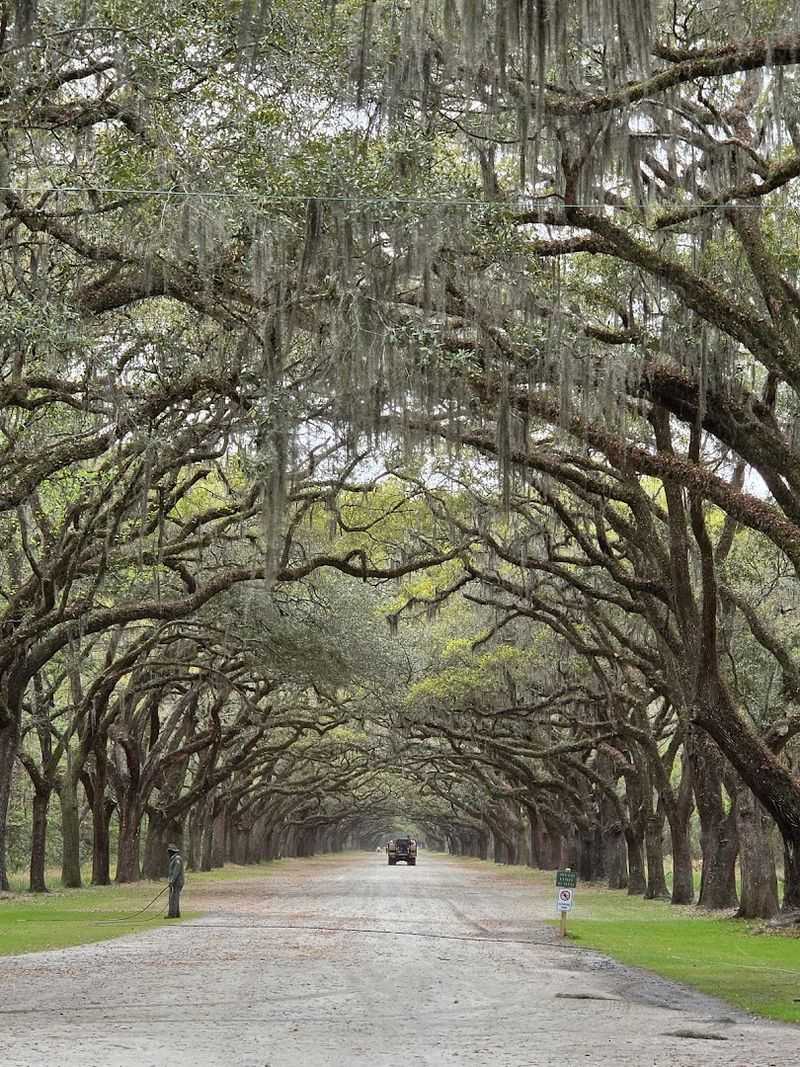
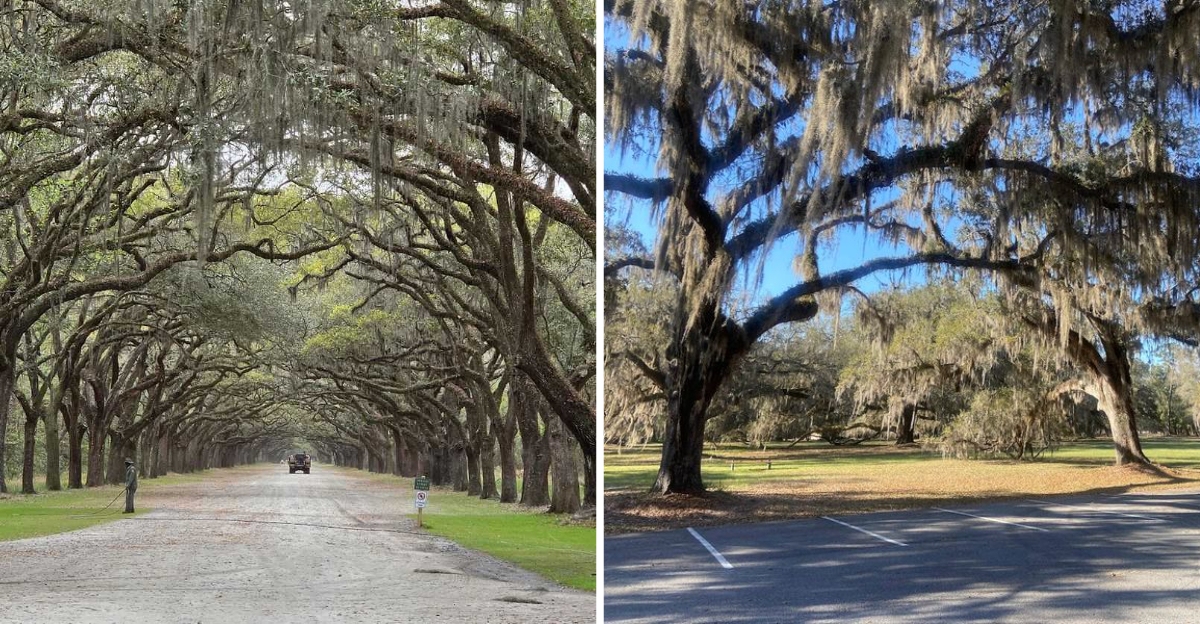
Few entrances in the American South are as jaw-dropping as the 1.5-mile oak-lined avenue at Wormsloe Historic Site. Located at 7601 Skidaway Road, Savannah, Georgia 31406, this site features the tabby ruins of a colonial fortified house built in the 1730s by Noble Jones, one of Georgia’s earliest settlers. The Spanish moss hanging from the ancient trees gives the whole place a dreamy, almost otherworldly atmosphere.
Visitors can walk the nature trail, explore the ruins, and visit the on-site museum that explains colonial coastal life in detail. The site is managed by Georgia State Parks and is open most days of the week. Weekday mornings tend to be quieter, which makes for a more peaceful experience.
Photography enthusiasts particularly love the avenue shot at golden hour. Comfortable walking shoes are a smart choice since the trails cover uneven ground. Admission is affordable, making it a great stop for families and solo travelers alike.
9. Hofwyl-Broadfield Plantation
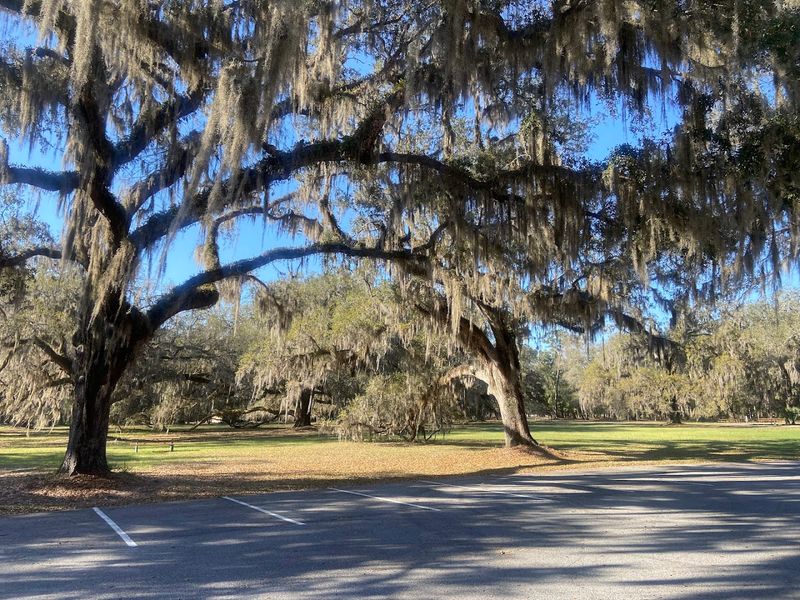
Rice was once king along Georgia’s coast, and Hofwyl-Broadfield Plantation tells that story better than almost anywhere else. Found at 5556 US Highway 17 North, Brunswick, Georgia 31525, this coastal estate operated as a rice plantation from around 1800 until 1915, making it one of the longest-running in the region. The main house, built in the 1850s, still stands amid remnants of old rice fields and slave quarters.
The site is now a Georgia State Historic Site and includes a small but informative museum with original family furnishings and artifacts. Walking the grounds gives visitors a real sense of the scale of rice production that once took place here. The surrounding marshland adds a hauntingly beautiful backdrop to the experience.
Birdwatchers will appreciate the rich wildlife along the trails. The site is generally less crowded than other Georgia plantations, which means a more unhurried visit. Weekday afternoons are particularly calm and ideal for thoughtful exploration.
10. Retreat Plantation on St. Simons Island
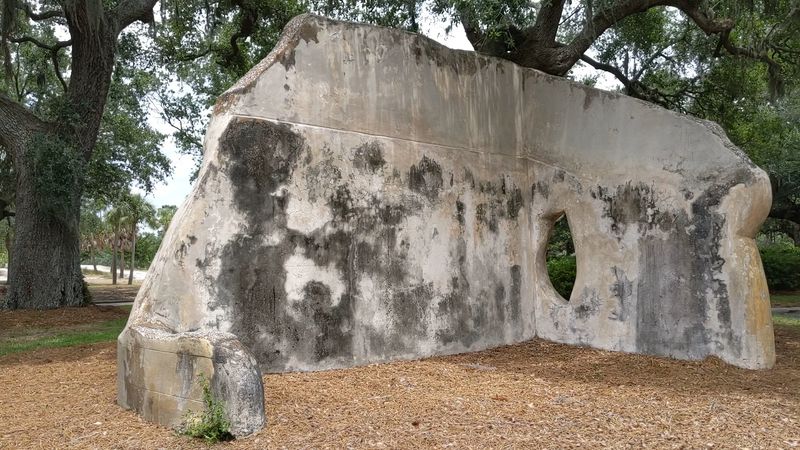
St. Simons Island holds one of Georgia’s most atmospheric plantation remnants at the site of the old Retreat Plantation. The plantation’s historic tabby ruins and the famous Avenue of Oaks are located near the Sea Island Golf Club at 100 Retreat Avenue, St. Simons Island, Georgia 31522, where the original plantation road still exists as a breathtaking canopy of ancient live oaks. The plantation was once one of the most productive Sea Island cotton estates in the region.
While the main plantation house no longer stands, the oak avenue and surrounding landscape convey the scale and beauty of the original estate with remarkable power. The area is accessible to visitors exploring the southern end of St. Simons Island, and the natural setting alone makes the stop worthwhile. Interpretive markers along the avenue explain the plantation’s history and the lives of the enslaved workers who cultivated the cotton.
The island itself is walkable and bike-friendly, making it easy to combine this stop with other St. Simons attractions. Morning visits offer softer light and cooler temperatures, especially in summer.
11. Traveler’s Rest State Historic Site
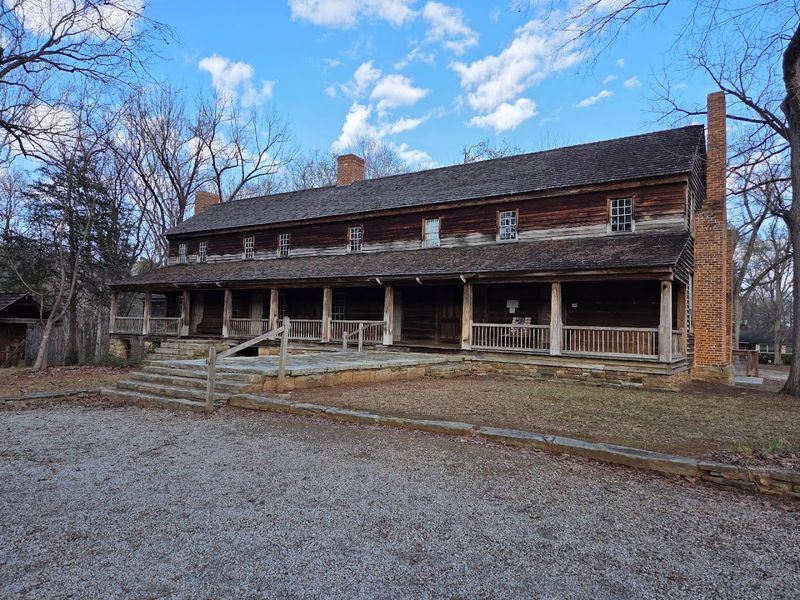
Traveler’s Rest earned its name honestly. Built around 1815 and expanded over the following decades, this plantation served as both a private home and a stagecoach inn for travelers crossing the Georgia frontier. Located at 4339 Riverdale Rd, Toccoa, GA 30577, United States the property is one of the oldest and most intact plantation structures in the Georgia Piedmont region.
Its long, wide porches and simple wooden construction give it a distinctly rugged frontier character.
The site is managed as a Georgia State Historic Site and offers guided tours that cover the history of the Jarrett family, who owned the property, and the broader story of early 19th-century travel and trade in upcountry Georgia. Original furnishings and artifacts are displayed throughout the house, giving tours a tangible sense of everyday frontier life. The surrounding landscape along the Tugaloo River is quietly scenic.
The site is open Thursday through Saturday, so planning your visit around those days is essential. The northeast Georgia mountains are nearby, making Traveler’s Rest a natural addition to a regional road trip itinerary.
12. Callaway Plantation
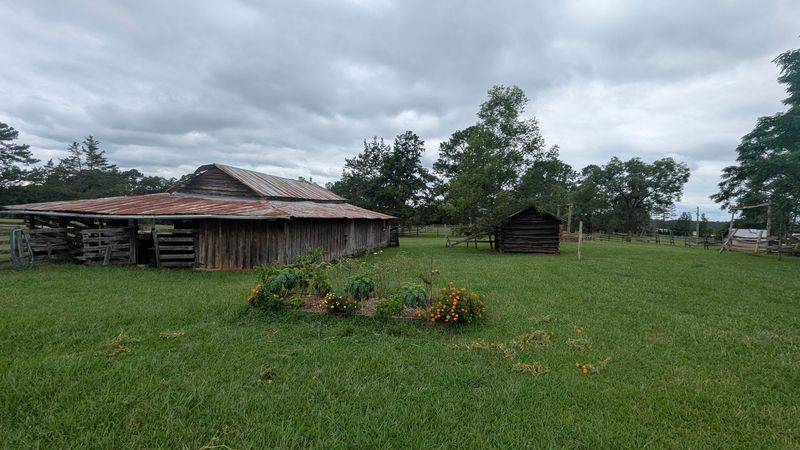
Washington, Georgia is a town that takes its history seriously, and Callaway Plantation is one of its crown jewels. Found at 2160 Lexington Road, Washington, Georgia 30673, this working plantation complex includes a Federal-style manor house, a plain-style house, a brick kitchen, and several original outbuildings spread across a working farm that still cultivates crops today. The site spans three distinct eras of plantation life, from the late 18th century through the late 19th century.
What makes Callaway unique is the way it presents the full arc of a plantation’s development, rather than focusing on a single frozen moment in time. Guided tours are offered by the Wilkes County Historical Society and cover the architectural evolution of the buildings as well as the agricultural and social history of the property. The working farm aspect gives the visit an earthy, grounded quality.
Admission is modest and tours are offered on a regular schedule. Washington’s charming historic district is just a short drive away and worth exploring for additional antebellum architecture and local dining.
13. Oakland Island Wildlife Center and Historic Site
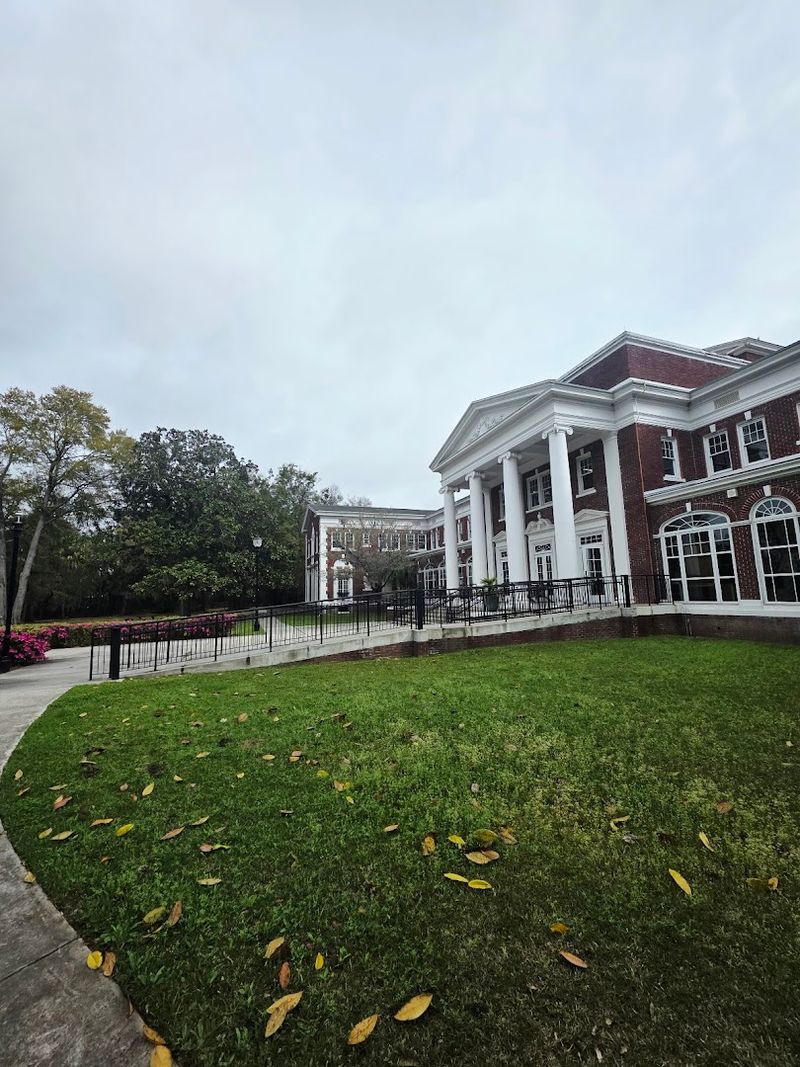
Oakland Island Wildlife Center offers something genuinely rare: a historic plantation setting combined with a living wildlife experience. Located at 711 Sandtown Road, Savannah, Georgia 31410, this coastal site includes a historic farmstead with original 19th-century structures alongside native Georgia wildlife exhibits featuring animals like bison, red wolves, and white-tailed deer. The combination makes it an unusually layered destination for visitors of all ages.
The historic buildings on the property reflect the agricultural heritage of the coastal Georgia islands, and interpretive signage connects the landscape’s past to its present ecological role. Walking the trails feels both educational and genuinely relaxing, with the natural canopy of live oaks and pines providing shade even on warm days. The site is managed by the Savannah-Chatham County Public School System and serves both educational and public visitor purposes.
The center is open daily and admission is very affordable. Families with young children tend to love the wildlife portion of the visit. Mornings are cooler and the animals tend to be more active earlier in the day.