These 10 Tranquil Florida Spots Are Still Under The Radar
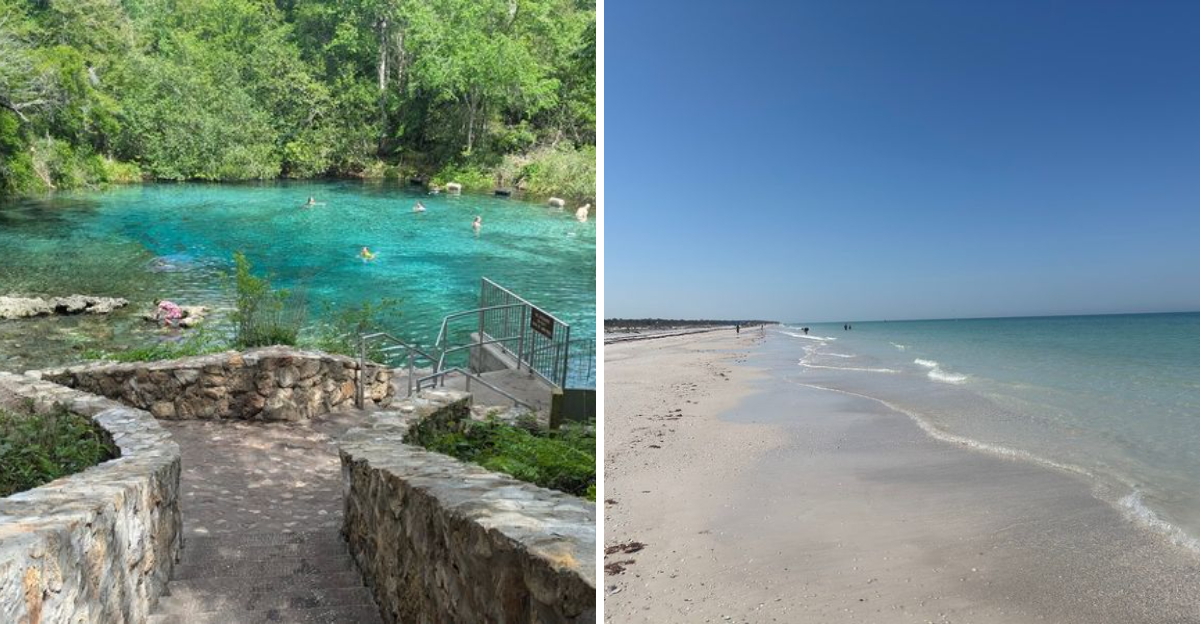
Most people experience Florida through a windshield at sixty miles per hour, chasing a theme park or a hotel with a pool bar, and honestly that version of the state is fine.
It is perfectly fine. It is just not the interesting one.
The interesting Florida is the one that does not advertise.
It is a spring so clear it looks digitally enhanced, and a one-road fishing village where the whole population knows your rental car is not from around here.
It is also a botanical island you can only reach by kayak, one that smells like something from a nature documentary and makes you wonder how a place this untouched exists in the same state as Orlando.
I found these places by taking wrong turns, following tips from strangers at bait shops, and once by simply driving until the pavement ran out.
Every single one of them delivered something the brochure version of Florida could not, which is the feeling that you actually found something real. These ten spots are the ones I keep telling people about.
1. Cedar Key, Levy County
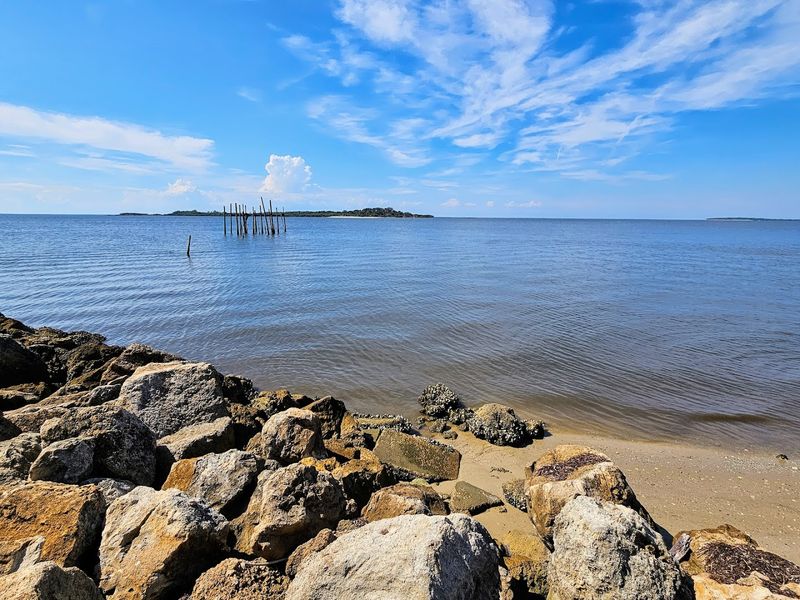
Nobody warned me that Cedar Key would feel like stepping into a painting someone forgot to finish. The colors are too good, the pace too slow, and the whole place smells like salt and possibility.
Cedar Key sits about 50 miles southwest of Gainesville on a cluster of small islands connected by a single road. There are no chain restaurants here, no resort towers blocking the sunset.
Just weathered docks, local seafood shacks, and the sound of water slapping against old pilings.
The town has been around since the 1800s and once served as a major port city. Now it draws artists, birders, and anyone who just needs to breathe.
The nearby Cedar Keys National Wildlife Refuge protects thousands of acres of coastal habitat, making it a birding destination unlike any other on the Gulf.
Kayaking around the islands at low tide is something you will not forget quickly. The water turns glassy and shallow, and you can spot rays gliding beneath your boat.
Cedar Key, Florida is easy to find but hard to leave. Plan for at least two days, because one is never enough.
2. Fakahatchee Strand Preserve State Park, Collier County
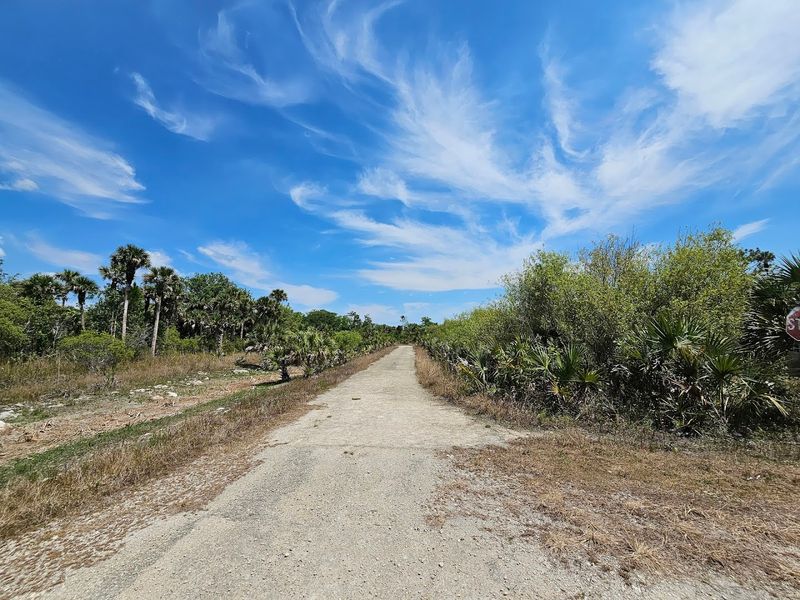
Florida has swamps, and then it has Fakahatchee Strand, which is basically what swamps dream of becoming. This place is surreal, ancient, and slightly unnerving in the best possible way.
Located along Janes Scenic Drive in Collier County, Fakahatchee Strand Preserve State Park protects the largest strand swamp in North America.
It is home to the largest concentration of native orchids in the country, including the elusive ghost orchid made famous by the book and film Adaptation.
The boardwalk trail winds through bald cypress trees that have been growing for centuries.
Spanish moss drips from every branch, and the light filters down in thin green beams that make you feel like you are inside a cathedral built by the earth itself.
Wildlife here is serious business. Florida panthers, black bears, and dozens of wading bird species call this place home.
Guided swamp walks are available and involve wading through knee-deep water, which sounds unpleasant until you are actually doing it and realize it is one of the coolest things you have ever done.
The park entrance is at 137 Coastline Dr, Copeland. Wear closed-toe shoes you do not mind soaking.
3. Paynes Prairie Preserve State Park, Alachua County
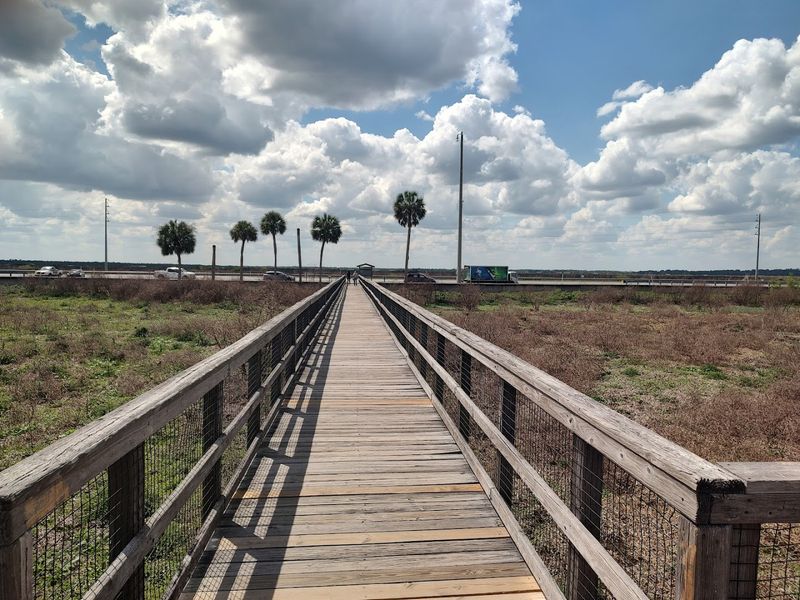
Wild horses roaming a Florida prairie sounds like something you made up after a long day, but Paynes Prairie is absolutely real and completely jaw-dropping.
I stood on the observation tower at dusk and watched a herd move across the basin like a slow-motion dream.
Paynes Prairie Preserve State Park covers over 21,000 acres just south of Gainesville at 100 Savannah Blvd, Micanopy, Florida.
The landscape shifts from wet marsh to open grassland depending on the season, and the wildlife variety is staggering. American bison, sandhill cranes, alligators, and dozens of bird species share this massive open basin.
The park has a fascinating history. In the early 1800s, the prairie flooded so deeply that boats crossed it regularly.
When the water receded, it left behind this extraordinary flat landscape that feels nothing like the rest of Florida.
Hiking here is genuinely rewarding, especially along the La Chua Trail, which takes you right to the edge of a gator-filled pond that feels almost prehistoric.
Birders come from across the country for the sandhill crane migration in winter. Bring binoculars, good shoes, and a lot of patience.
The prairie rewards those who slow down.
4. Homosassa Springs Wildlife State Park, Citrus County
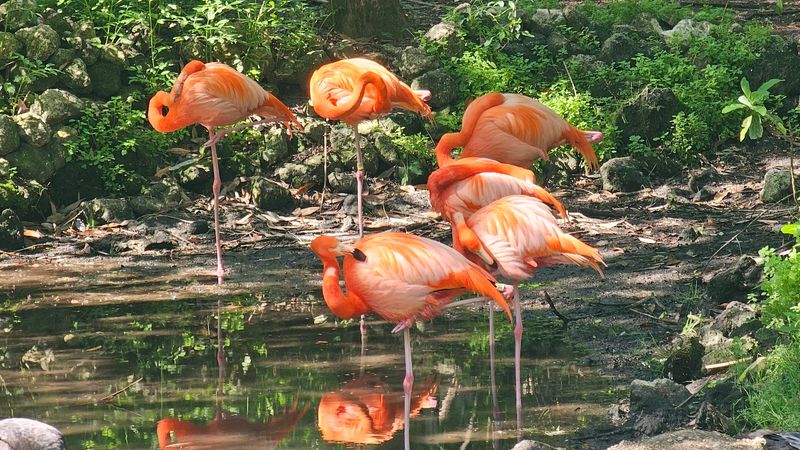
There is an underwater observatory at Homosassa Springs where you descend a set of stairs and suddenly find yourself face to face with a manatee the size of a couch. It is one of those moments where your brain completely stops working.
Homosassa Springs Wildlife State Park at 4150 S Suncoast Blvd, Homosassa, sits along one of Florida’s most famous natural springs.
The water stays a constant 72 degrees year-round, which is exactly why manatees flock here every winter. The park serves as a rehabilitation facility for injured manatees before they are released back into the wild.
Beyond the manatees, the park houses Florida wildlife that cannot be released back into the wild for various reasons.
A boat ride takes you from the main entrance up the river to the wildlife park, which immediately sets a relaxed, slightly magical tone.
The whole experience feels more like a nature documentary than a typical day out. Children are absolutely fascinated, and honestly, so are most adults who visit.
Budget two to three hours minimum to enjoy everything properly.
5. Wakulla Springs State Park, Wakulla County
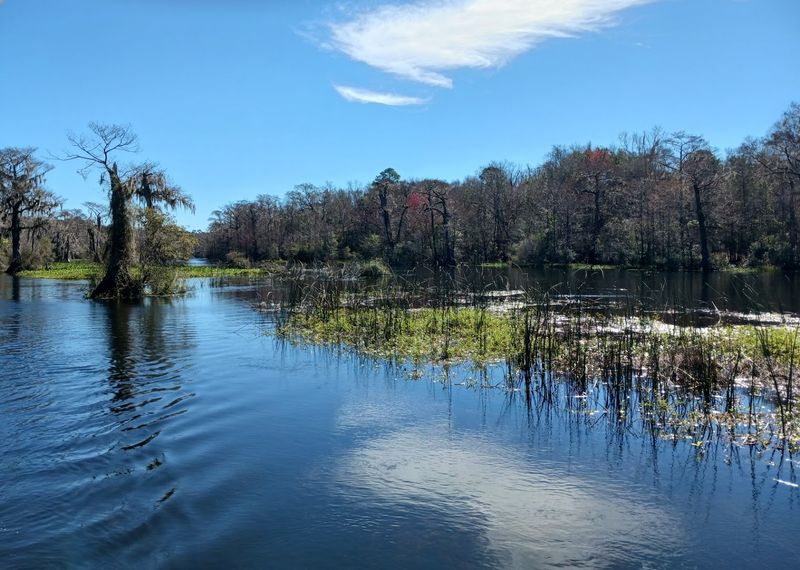
Wakulla Springs holds the title of one of the largest and deepest freshwater springs in the world, and yet somehow it remains one of Florida’s best-kept secrets.
The water is so clear you can see the bottom from the surface, which is both beautiful and slightly dizzying.
Edward Ball Wakulla Springs State Park at 465 Wakulla Park Dr, Wakulla Springs, offers swimming, glass-bottom boat tours, and one of the most scenic jungle boat rides in the entire state.
The boat glides through a river lined with cypress trees while a guide points out alligators, anhingas, and the occasional limpkin wading in the shallows.
The springs have a cinematic past worth knowing about. Tarzan films and the original Creature from the Black Lagoon were filmed right here in the 1950s.
Mastodon bones have been found at the bottom of the spring, which means this place has been significant for a very, very long time.
The old Spanish-style lodge on the property is a landmark in itself.
Even if you do not stay overnight, stop in to see the hand-painted ceilings and the marble soda fountain that has been serving guests since the 1930s.
Wakulla Springs is the kind of place that makes you feel like you found something genuinely rare.
6. Ichetucknee Springs State Park, Columbia County
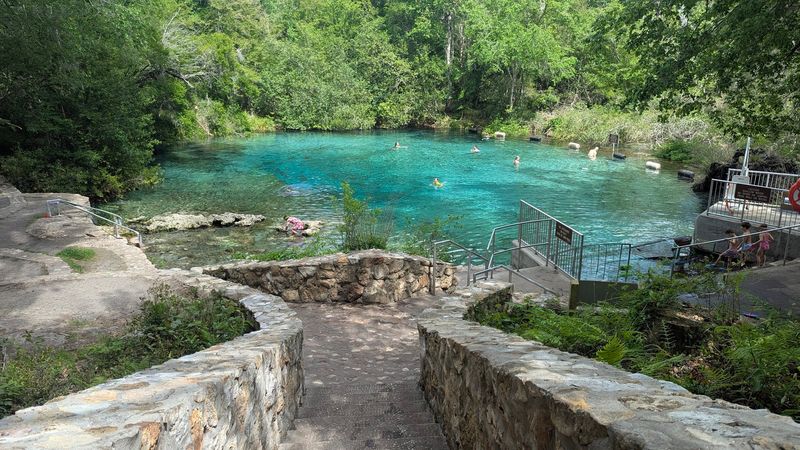
Floating down the Ichetucknee River on a tube is one of those experiences that sounds too simple to be special, and then you are actually doing it and realize you have never felt more at peace in your entire life.
The water is 68 degrees and clear as glass.
Ichetucknee Springs State Park is located at 12087 SW US-27, Fort White, in Columbia County.
Nine separate springs feed the Ichetucknee River, creating a constant flow of cold, pristine water that runs for about six miles before emptying into the Santa Fe River. The ecosystem here is extraordinary.
Tubing is the main draw, but the park also offers snorkeling, kayaking, and some excellent nature trails. Underwater, you will see turtles, bass, and freshwater eels moving through the crystal current.
The riverbanks are thick with ferns and ancient trees that block out most of the sun, keeping the whole experience cool and dreamlike.
The park limits the number of visitors per day to protect the springs, so arriving early is essential, especially on summer weekends.
Tubes are available for rent near the park, and the shuttle system between entry and exit points is well organized. This is genuinely one of the most refreshing outdoor experiences Florida has to offer, full stop.
7. Apalachicola, Franklin County
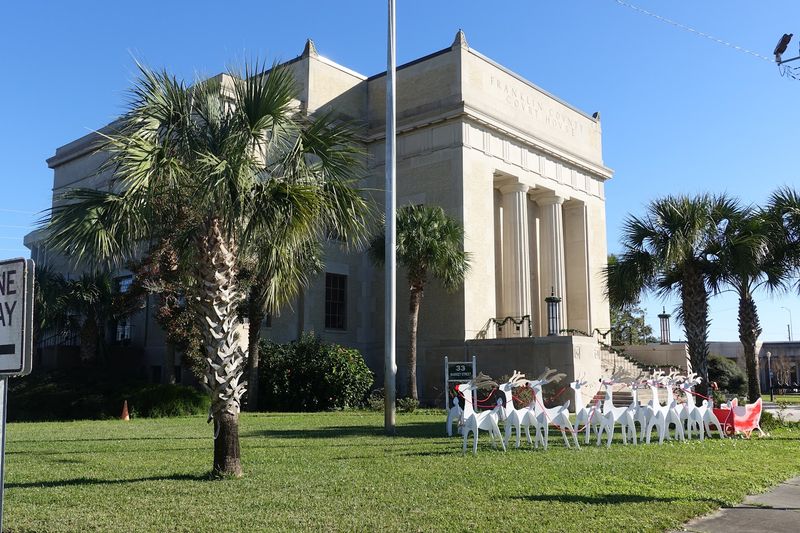
Apalachicola is the kind of town that makes you want to quit your job and open a bookshop. It is small, historic, and almost suspiciously charming, the sort of place that does not need to try hard because it has always been exactly this good.
Situated on the Apalachicola River in Franklin County, the town is best known for its oysters, which were once considered among the finest in the country.
The surrounding Apalachicola Bay is a designated estuary of national significance, supporting one of Florida’s most productive fisheries. The town itself is listed on the National Register of Historic Places.
Walking the downtown streets at 1 Ave D, Apalachicola, you pass 19th-century brick buildings that house independent shops, local restaurants, and a surprisingly good art scene.
The Apalachicola National Estuarine Research Reserve offers trails and paddling routes through some of the most pristine coastal habitat in the Southeast.
The pace here is slow in a way that feels intentional rather than lazy. Locals wave from porches.
Cats sleep on windowsills. The river at sunset turns shades of orange and gold that no filter could improve.
Apalachicola is not trying to be the next big thing. That is exactly why it still feels like a discovery.
8. Caladesi Island State Park, Dunedin
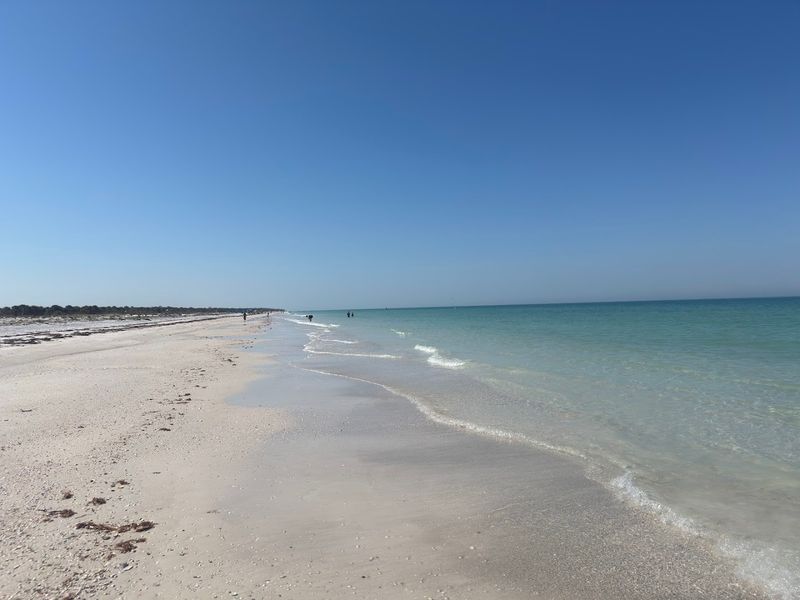
Caladesi Island has been ranked among the best beaches in the entire United States more than once, and yet you can still find stretches of it completely empty on a weekday.
That fact alone should tell you everything you need to know.
Getting there requires a ferry from Honeymoon Island State Park or a personal boat, which naturally keeps the crowds thinner than most Gulf Coast beaches.
The island is undeveloped and protected as a state park, meaning the only things here are beach, trail, mangrove forest, and the occasional dolphin cruising just offshore.
The three-mile nature trail through the interior of the island is worth every sandy step. You move through scrub, pine flatwoods, and mangrove habitat while spotting ospreys and herons overhead.
The kayak trail through the mangrove tunnels is one of the most peaceful paddling experiences on Florida’s west coast.
The ferry departs from 1 Causeway Blvd, Dunedin, and runs on a set schedule, so check times before heading out. Facilities on the island include a small marina, restrooms, and a concession stand.
Bring sunscreen, snacks, and a book you have been meaning to finish. Caladesi rewards people who come prepared to stay a while and do absolutely nothing in particular.
9. Manatee Springs State Park, Chiefland
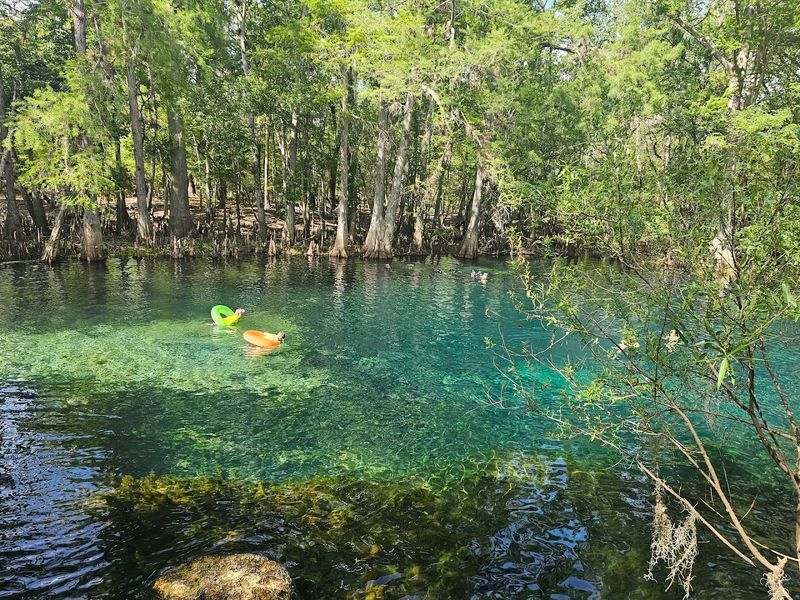
The name alone should be enough to get you in the car. Manatee Springs delivers exactly what it promises.
A stunning first-magnitude spring where manatees seek warm water during the cooler months and the scenery is the kind that makes you reach for your camera every thirty seconds.
Manatee Springs State Park at 11650 NW 115th St, Chiefland, sits along the Suwannee River in Levy County.
The spring boils up from the earth at 72 degrees year-round and flows through a short run into the Suwannee, creating an ecosystem rich with fish, turtles, and the occasional otter doing something adorable.
A long boardwalk extends through a cypress swamp and out to the river, giving you views that feel completely untouched.
Scuba diving and snorkeling in the spring are both permitted, and the visibility underwater is remarkable on most days.
Swimmers share the water with mullet and sunfish, which is somehow not alarming once you get used to it.
Camping is available on-site, and waking up to the sound of the Suwannee moving through the trees is an experience that city life simply cannot replicate.
Manatee Springs is the kind of park that locals visit repeatedly and somehow still discover something new each time. Go in winter for the best chance of spotting manatees up close.
10. Lignumvitae Key Botanical State Park, Monroe County
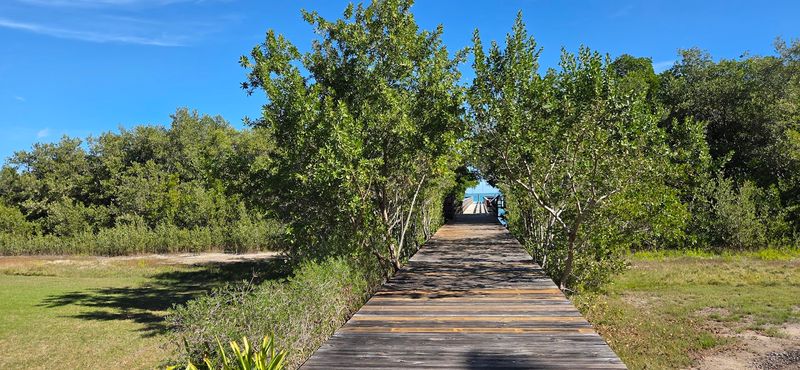
Most people visiting the Florida Keys are looking at the water. Lignumvitae Key asks you to look up, into a forest so old and so dense that it feels genuinely prehistoric.
This is what the Keys looked like before humans arrived and started changing everything.
Lignumvitae Key Botanical State Park is a small island in Monroe County accessible only by boat or kayak from Indian Key Fill at MM 78.5 on the Overseas Highway.
The island protects one of the last remaining virgin tropical hardwood hammock forests in Florida. The lignumvitae tree, for which the island is named, produces wood so dense it actually sinks in water.
Ranger-led tours take you through trails shaded by gumbo limbo, mahogany, and poisonwood trees that have been growing for centuries.
The Matheson House, a historic structure built in the 1920s, still stands on the island and offers a fascinating glimpse into early Keys life.
The surrounding waters are part of the Florida Keys National Marine Sanctuary, making the snorkeling around the island exceptional.
Guided tours depart from Robbie’s Marina at 77522 Overseas Hwy, Islamorada.
Visitor numbers are intentionally kept low, which means your experience here feels genuinely exclusive without costing anything extraordinary. Lignumvitae Key is strange, beautiful, and completely worth the paddle.