10 Scenic Virginia Road Trips That Make The Journey The Best Part
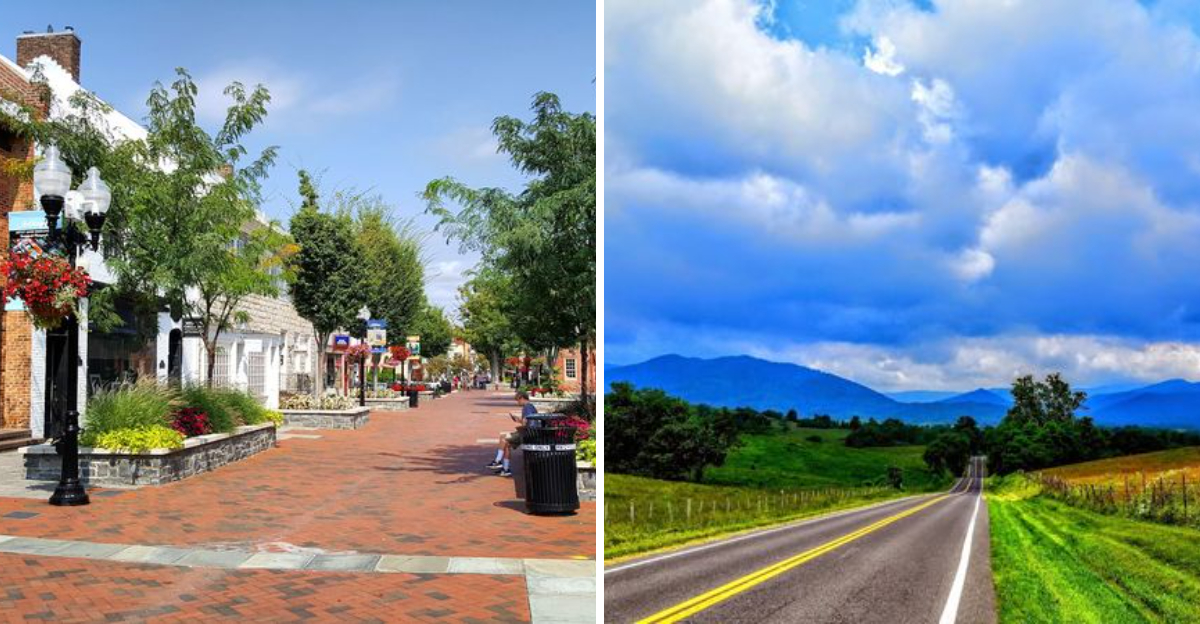
Some of the best road trip moments sneak up on you when you are not even looking for them. In Virginia, the drive steals the spotlight before you ever reach your destination.
One minute you are cruising along, and the next you are pulling over for a view you did not expect or a small town that feels worth exploring. It is the kind of place where the journey quietly becomes the main event.
Virginia makes it easy to slow down and actually enjoy the ride. The scenery shifts from rolling farmland to mountain overlooks to breezy coastal stretches without ever feeling rushed.
Along the way, you will find roadside stops, hidden viewpoints, and towns that invite you to linger a little longer than planned.
By the time you reach where you thought you were going, you might realize the best part was everything you passed along the way.
1. Staunton
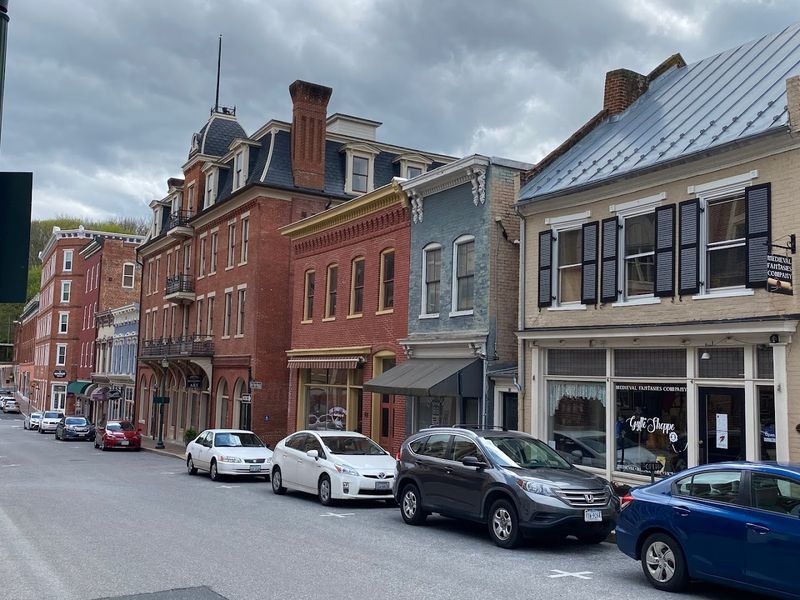
Few towns earn your attention before you even park the car, but Staunton manages it effortlessly. The drive in along Route 250 drops you through rolling Shenandoah Valley farmland with the Blue Ridge framing every turn.
It feels cinematic in the most honest, unscripted way.
Staunton sits at about 1,700 feet elevation, which means the air has that crisp quality that makes everything feel sharper.
The historic downtown is one of the best-preserved Victorian commercial districts in the entire country. Walking those brick streets feels like someone pressed pause on the 1880s.
The Woodrow Wilson Presidential Library is here, and it is genuinely fascinating even if history class was not your favorite subject.
The American Shakespeare Center at the Blackfriars Playhouse performs in a replica of Shakespeare’s original indoor theater.
Plan to stay longer than you think you need to, because Staunton has a way of quietly filling up your afternoon without any effort at all.
2. Lexington
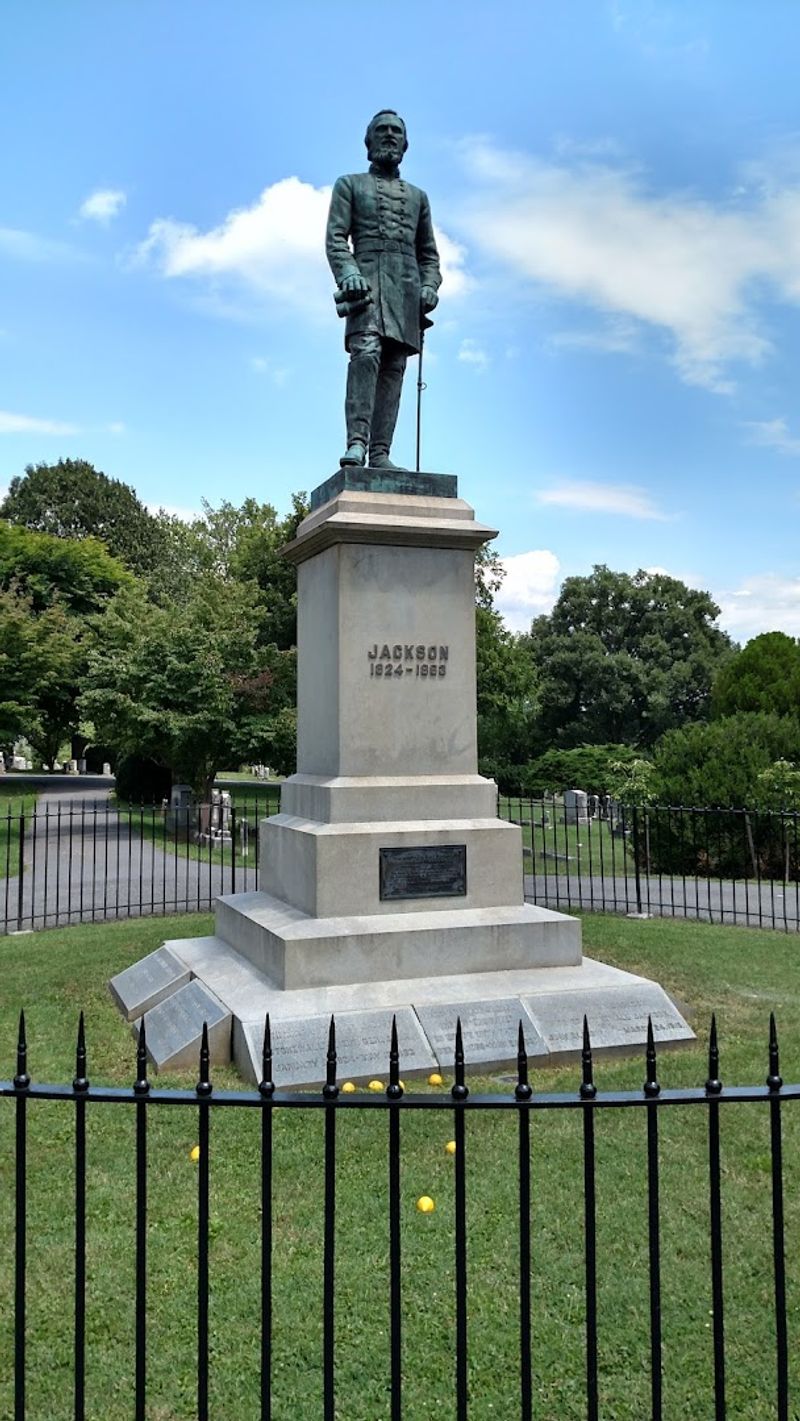
There is something quietly powerful about a town where two American legends are buried within walking distance of each other.
Lexington is home to both Stonewall Jackson’s grave and the Lee Chapel at Washington and Lee University. History does not get more layered than that.
The drive into Lexington on Route 11 through the Shenandoah Valley is one of those stretches of road that makes you slow down on purpose.
Farmhouses, fences, and fields roll past like a painting someone forgot to finish. You keep expecting it to peak and it just keeps going.
Virginia Military Institute, or VMI, adds a sharp, ceremonial energy to the town. Cadets march in formation on the parade ground and the whole scene feels like something out of a different century.
The Natural Bridge State Park is just a short drive away and features a 215-foot natural limestone arch that genuinely stops you in your tracks. Lexington punches well above its weight for a town of roughly 7,000 people.
3. Abingdon
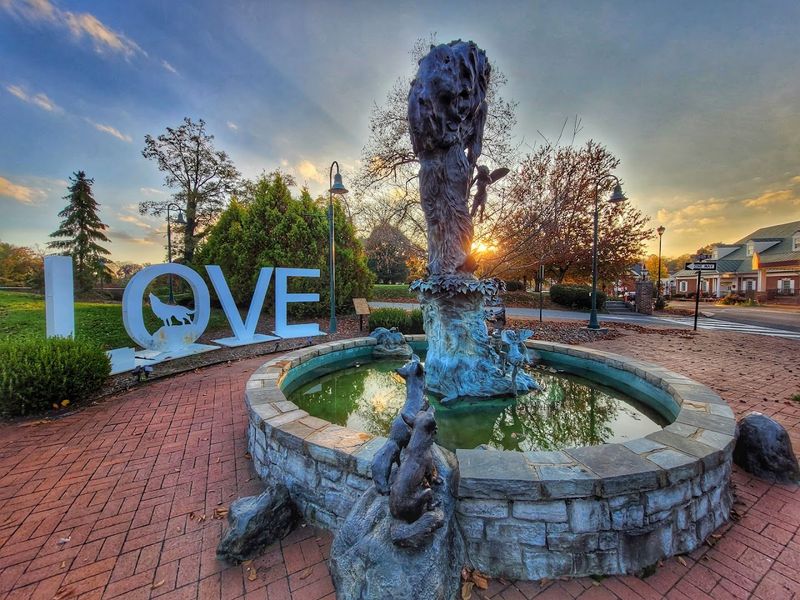
This town sits in the far southwestern corner of Virginia, which means most people never make it there, and that is genuinely their loss. The drive down Route 58 through the Appalachian Highlands is one of the most underrated stretches of road in the entire state.
You pass through valleys so green they look filtered.
The Barter Theatre has been running continuously since 1933, making it one of the oldest professional theaters in the country. It started during the Great Depression when people paid for admission with farm produce.
That origin story alone makes it worth a visit.
The Virginia Creeper Trail starts just outside of town and draws cyclists and hikers from across the region.
It follows an old railroad bed through forests and over wooden trestles with views that reward every pedal stroke.
Downtown Abingdon itself is compact and walkable, with independent shops and historic buildings that feel genuinely lived-in rather than staged for tourists.
The whole place has an authentic, unhurried energy that is increasingly rare and surprisingly refreshing to experience in person.
4. Luray
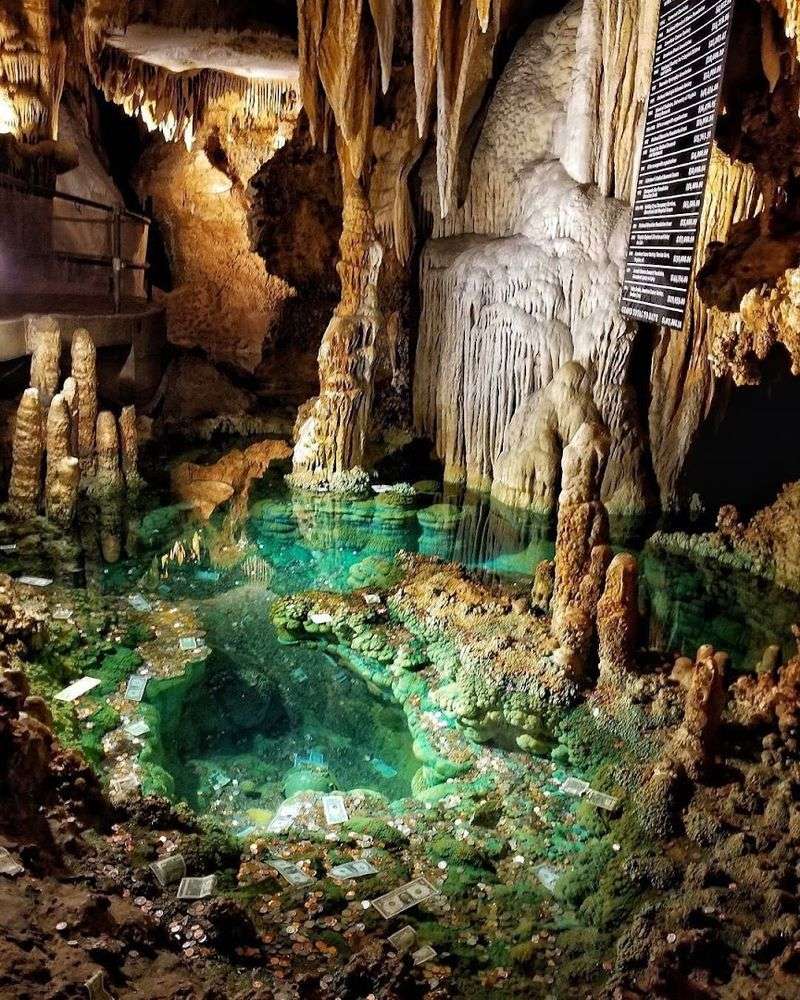
This place sounds ordinary until you go underground. Luray Caverns, discovered in 1878, is the largest cavern system in the eastern United States, and nothing prepares you for the scale of it.
The ceiling in some chambers rises nearly ten stories above your head.
The drive to Luray along Skyline Drive through Shenandoah National Park is the real road trip moment here. That 105-mile ridge-top road offers overlooks every few miles with views that stretch into West Virginia on clear days.
Pull over as many times as you want because each one is genuinely different.
Back in town, Luray is small but charming, with a main street that has resisted the urge to become a tourist trap. The Luray Valley Museum gives solid context about the region’s history and geology.
If you time your visit for fall, the foliage along Skyline Drive turns the whole landscape into something almost unreasonably beautiful. This is the kind of road trip that earns its reputation every single mile, not just at the destination.
5. Middleburg
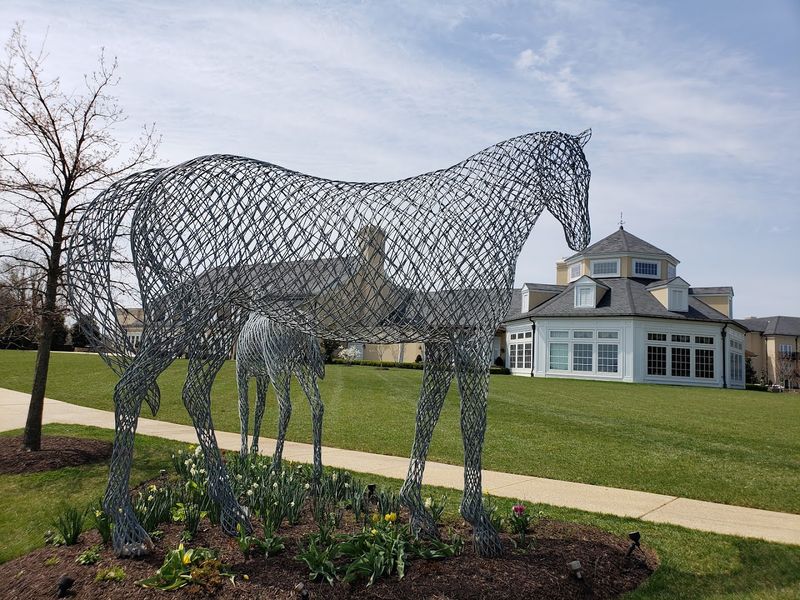
Middleburg operates at a different frequency than most Virginia towns.
It is the heart of Virginia’s horse country, and the landscape around it looks like someone designed it specifically to make you feel underdressed.
Stone walls line the roads, fox hunt clubs are a real thing here, and the fields go on forever.
The drive out on Route 50 from the DC suburbs peels away the noise of the city within about twenty minutes. By the time you reach Middleburg, you have crossed into a landscape that moves slower and looks better.
The town itself is just one main street, but it earns every inch of it.
The Red Fox Inn, operating since 1728, is one of the oldest continuously operating inns in America. You do not need to stay there to appreciate what it represents
The National Sporting Library and Museum nearby is a surprisingly compelling institution focused on equestrian and field sports culture.
Every October, the Middleburg Classic Horse Show draws competitors from across the country. The whole area around Middleburg is best explored by taking the smaller back roads where the scenery rewards every detour.
6. Chincoteague
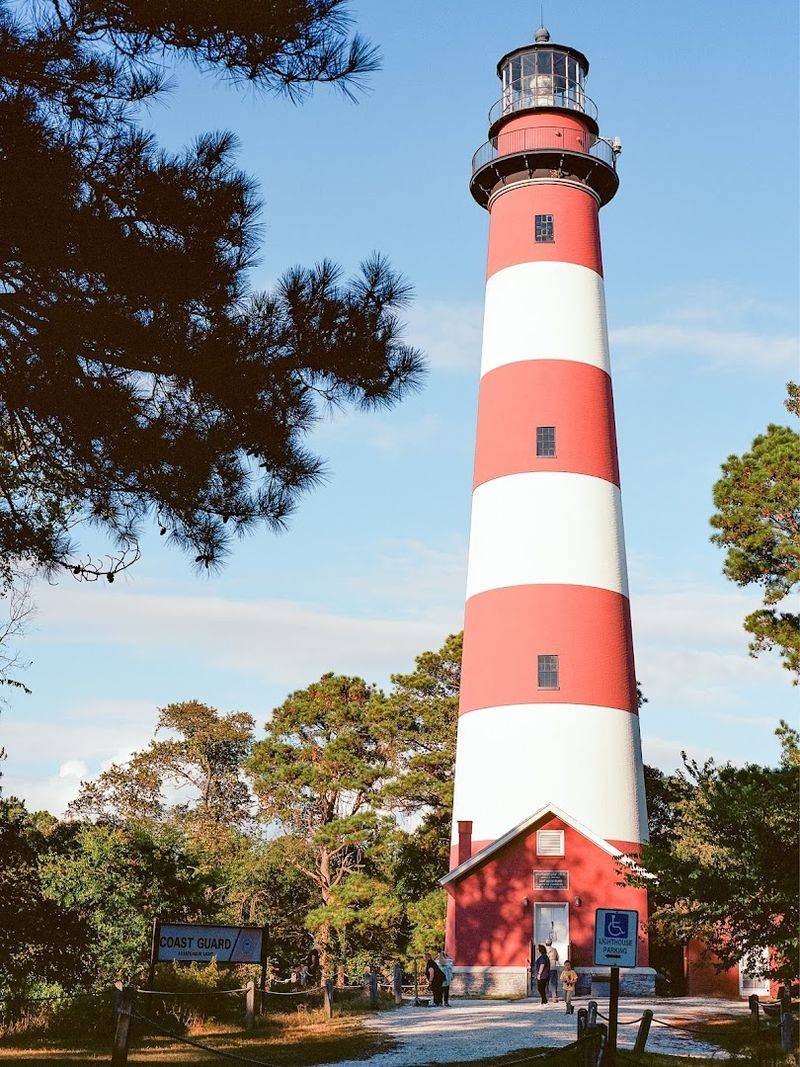
Getting to Chincoteague is half the experience. The causeway crossing from the mainland drops you into a flat, wide-open landscape of marshes, water, and sky that feels nothing like the rest of Virginia.
The light here is different, softer somehow, especially in the late afternoon when everything turns gold.
Chincoteague is a small island town off the Eastern Shore, and it is the gateway to Assateague Island National Seashore.
The wild ponies of Assateague are genuinely wild, having lived on the island for centuries. Spotting them grazing near the dunes is the kind of moment that makes you put your phone away and just watch.
The town itself has a working waterfront feel that is increasingly rare on the East Coast. Seafood shacks, small motels, and family-run shops line the main drag without any corporate chain interrupting the vibe.
The Chincoteague National Wildlife Refuge protects thousands of acres of pristine habitat. Birdwatching here is exceptional, with over 300 species recorded throughout the year.
Plan to spend at least two nights because one is never enough once you see what this place actually delivers.
7. Floyd
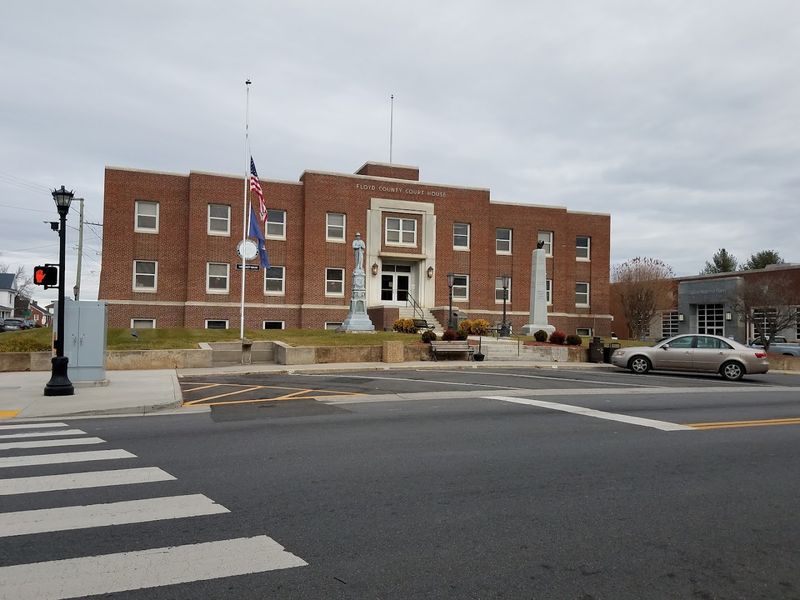
Floyd is genuinely unlike anywhere else in Virginia, and that is not hyperbole. Every Friday night, the Floyd Country Store hosts a flatfoot dancing and bluegrass jam that has been going strong for decades.
Locals and visitors mix on the wooden dance floor in a way that feels completely unforced.
The drive to Floyd along the Blue Ridge Parkway is one of the most celebrated scenic drives in the entire country.
The parkway runs along the crest of the Blue Ridge Mountains with no commercial traffic, no billboards, and speed limits that encourage you to actually look around.
Pull off at Mabry Mill for a photograph that has appeared on more postcards than almost any other image in Virginia.
Floyd County itself has a long tradition of arts, crafts, and sustainable living that gives the whole area an eclectic, creative energy.
Local potters, painters, and woodworkers have studios scattered throughout the county. The town square is tiny but full of personality, with an independent bookstore and a cooperative that sells locally made goods.
Floyd rewards slow exploration more than almost any other town on this list.
8. Winchester
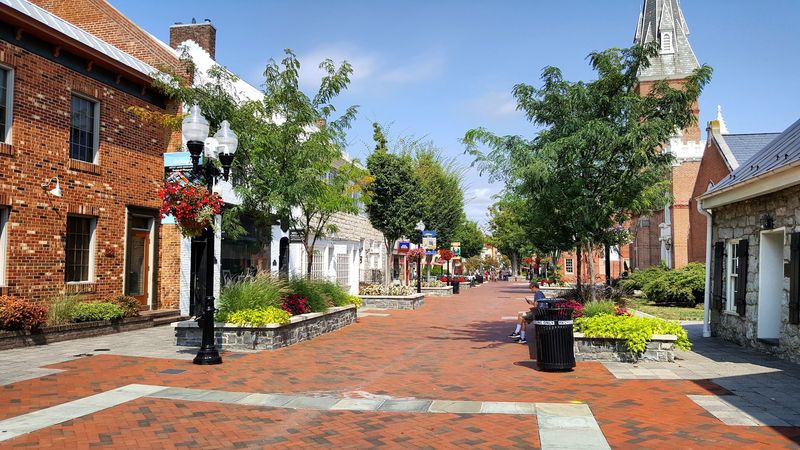
The drive west from Northern Virginia on Route 7 transitions from suburbs to farmland with satisfying speed. By the time the Blue Ridge appears in the rearview mirror, you already feel like you went somewhere.
Stonewall Jackson’s Headquarters Museum sits right in the middle of town and tells that complicated story with genuine depth. History feels accessible here rather than stuffy.
Winchester is also the apple capital of Virginia, and the surrounding orchards are spectacular in spring when everything blooms at once.
The Shenandoah Apple Blossom Festival, held every May, is one of the largest festivals in the state with a history going back to 1924.
The pedestrian walking mall in Old Town is one of the better urban spaces in the region, lined with restaurants, shops, and live music venues that keep things lively year-round.
Patsy Cline, one of country music’s most iconic voices, grew up in Winchester and the museum dedicated to her is a must-visit.
9. Cape Charles
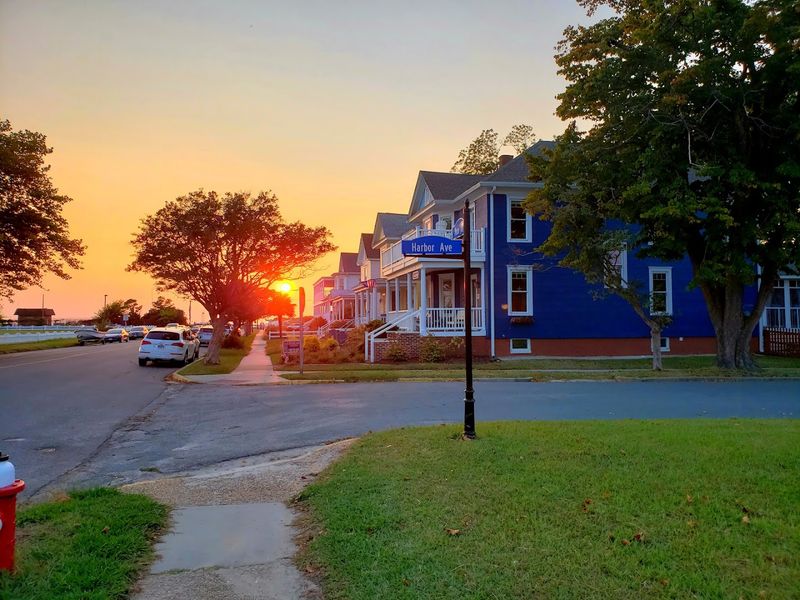
At the southern tip of Virginia’s Eastern Shore sits Cape Charles. It is placed right before the Chesapeake Bay Bridge-Tunnel swallows you up and spits you out in Virginia Beach.
Most people drive straight through without stopping, which means the town stays refreshingly quiet for those who do pull over.
The drive down the Delmarva Peninsula on Route 13 is flat and fast, but the side roads leading toward the bay have a moody, marshland beauty that rewards anyone willing to slow down.
The light shifts constantly over the water, and the sky feels enormous out here in a way that landlocked Virginia never quite matches.
Cape Charles has a beautifully preserved historic district with Victorian and Colonial Revival homes that line the quiet streets.
The town beach on the Chesapeake Bay is calm and shallow, making it ideal for a spontaneous swim without the Atlantic Ocean’s aggressive surf.
The small downtown has seen a genuine revival over the past decade with galleries, boutiques, and a renovated movie theater.
Sunsets over the bay from the town pier are the kind of thing that makes you text people back home just to say you wish they were there.
10. Sperryville
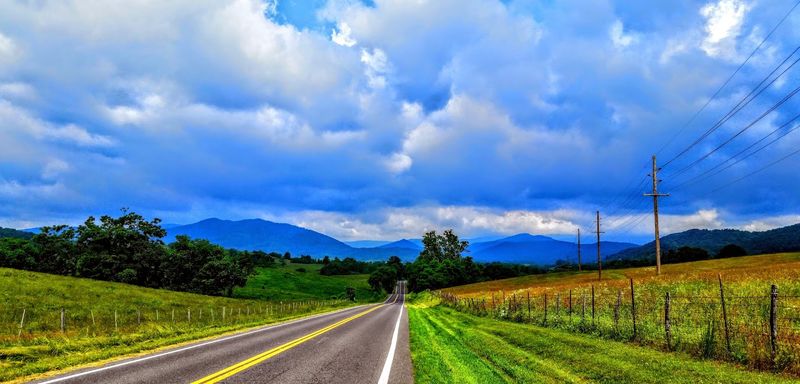
Sperryville is the kind of place you stumble onto and immediately wonder why no one told you about it sooner.
Sitting at the foot of the Blue Ridge on the eastern side of Shenandoah National Park, it serves as the unofficial gateway to Thornton Gap and Skyline Drive. The approach alone, with mountains rising directly ahead of you, is worth the drive.
The town is tiny, with just a few hundred residents, but it has developed a surprisingly robust arts and culinary scene.
The Thornton River runs right through the village and gives the whole place a cool, green, unhurried atmosphere.
On weekends, the small cluster of shops and studios draws visitors from DC who need exactly this kind of reset.
Route 211 through Sperryville and up into the park is one of the most dramatic mountain approaches in northern Virginia.
The road climbs steeply through hardwood forest with the valley spreading out behind you in the rearview mirror.
Local apple orchards surround the area and sell fresh cider and fruit in season. Sperryville rewards the kind of traveler who is happy to wander without an agenda and discover something genuinely good without having planned it.