13 Idaho Road Trips That Turn The Drive Into The Experience
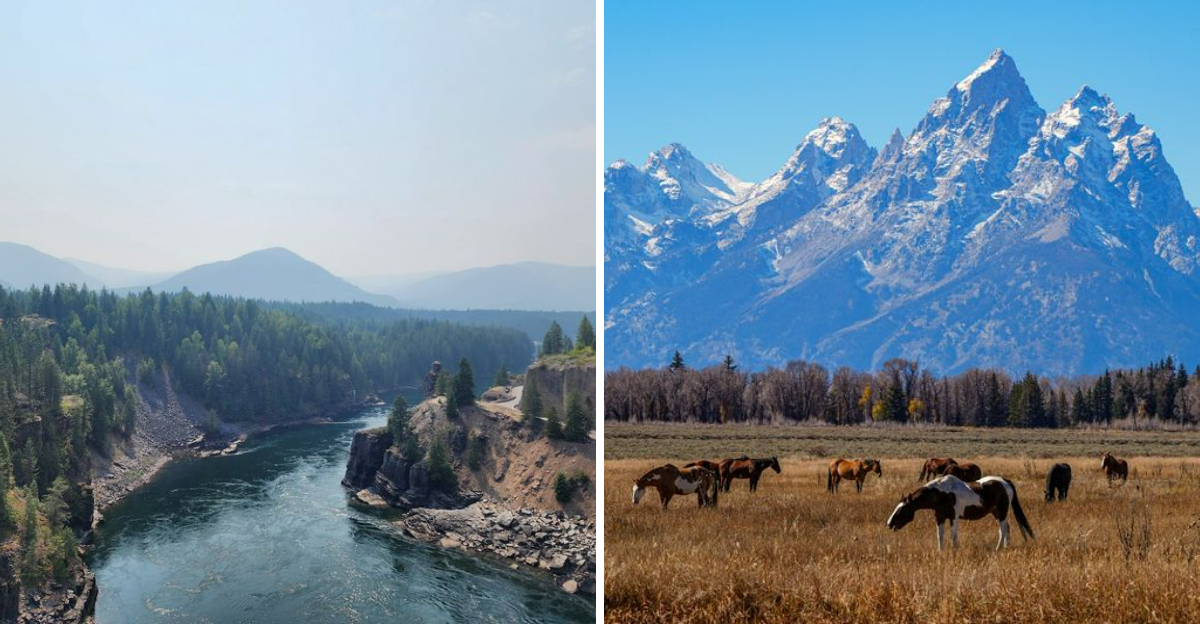
My first Idaho drive nearly made me miss my destination entirely. I kept pulling over.
Couldn’t help it. Something about this state turns a simple drive into a full-blown obsession, one where the GPS becomes irrelevant and the detour becomes the plan.
It doesn’t ease you in. It hits hard: volcanic craters, mountain passes that steal your breath, rivers that look painted.
Most people fly over without a second thought. That’s their loss.
Every road trip on this list exists for one reason: the drive itself. Idaho rewards the people who slow down, roll the windows down, and let the road decide what happens next.
Pack the car. The state is waiting and it has absolutely zero interest in being rushed.
1. Peaks To Craters Scenic Byway
Few drives earn the word “epic” without overselling it. This one does.
Standing at Willow Creek Summit, 7,161 feet up, the Lost River Mountains stretch across the horizon and Mount Borah punches the sky at 12,662 feet. The air is thin, the silence is thick, and the view ranks among the most expansive in the entire state.
Highways 93 and 26 run from Challis down to Craters of the Moon National Monument, packing in a remarkable range of scenery along the way. The Land of the Yankee Fork, the dramatic cut of Grand View Canyon, and the Lost River Fault Scarp all deserve a full stop.
Arco, the world’s first city powered by atomic energy, sits right along the route.
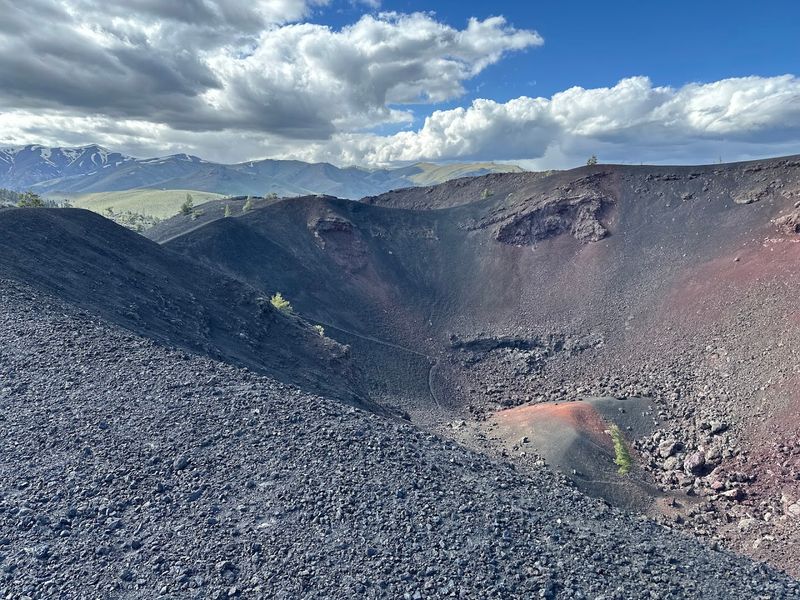
Craters of the Moon is the grand finale. The lava fields look like another planet, black and sharp and completely alien against the sky.
Plan a full day here.
2. Northwest Passage Scenic Byway
Lewis and Clark took 202 miles to cross north-central Idaho in 1805. You’ll want even more time.
Starting in Lewiston and following US-12 through the Clearwater River Canyon, this byway traces their exact path and somehow feels just as wild today as it must have back then.
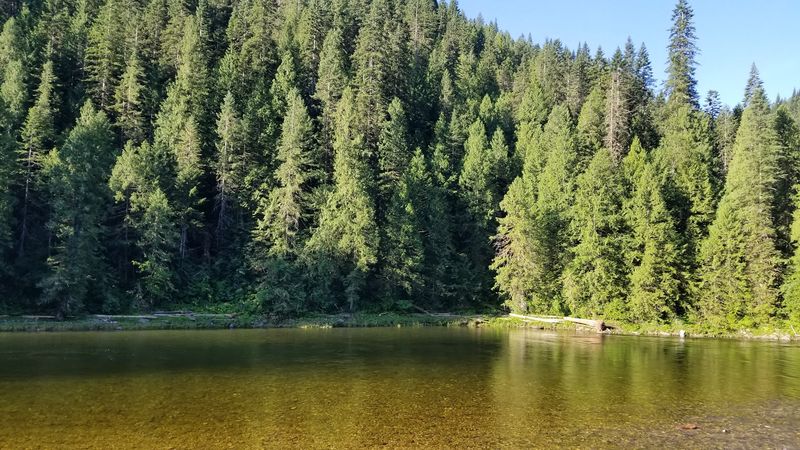
The Lochsa River corridor is the stretch that stays with you. The water runs clear and fast beside the highway, hemmed in by canyon walls thick with Douglas fir and cedar.
No towns, no traffic lights, no distractions. Just river, road, and forest for miles.
Selway-Bitterroot Wilderness views appear between ridgelines when you least expect them.
Lolo Pass marks the crossing into Montana, but this portion of the drive is the real star. Nez Perce cultural sites and interpretive stops add depth to an already stunning route.
Pack snacks, download your podcasts, and don’t expect a cell signal until you’re nearly at the state line. Honestly, that’s the best part.
3. International Selkirk Loop
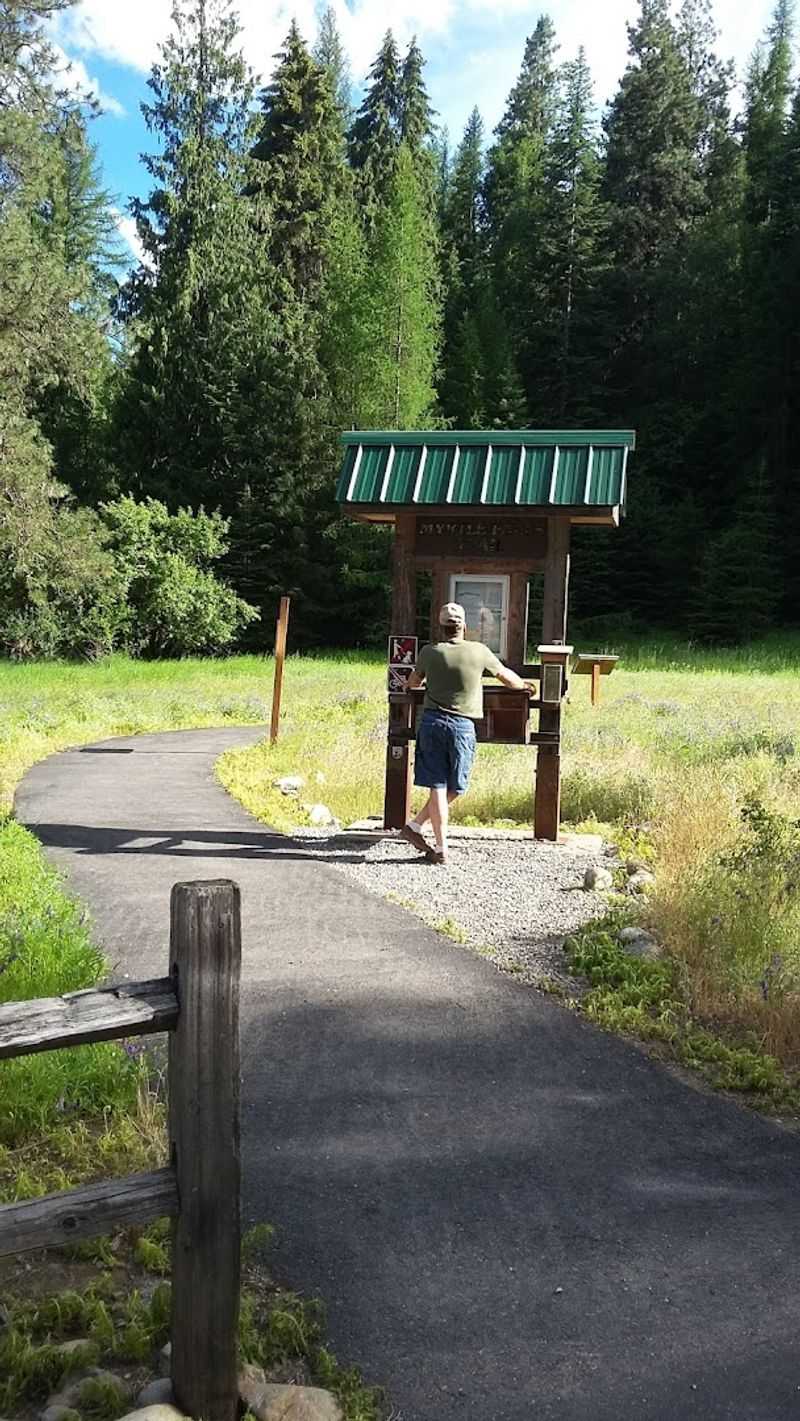
Lake Pend Oreille is not your average lake. It stretches 43 miles long, plunges 1,158 feet deep.
The International Selkirk Loop skirts its shores before looping north through British Columbia and Washington, making this one of the few road trips that requires a passport and rewards you handsomely for bringing it.
Sandpoint is the natural launch point, and the Panida Theater there is worth a peek before you head north. Bonners Ferry and the Kootenai National Wildlife Refuge add wildlife-watching opportunities to a route already rich with cross-border panoramas.
The Selkirk Mountains don’t care which country they’re in, and the views prove it.
Priest Lake appears on the return leg, quiet and clear and surrounded by old-growth forest that feels genuinely untouched.
The combination of international border crossings, massive glacier-carved lakes, and mountain ridgelines makes this loop feel less like a road trip and more like three trips stitched into one.
Budget at least two days if you want to stop anywhere worth stopping, which is basically everywhere along this route.
4. Lake Pend Oreille Scenic Byway
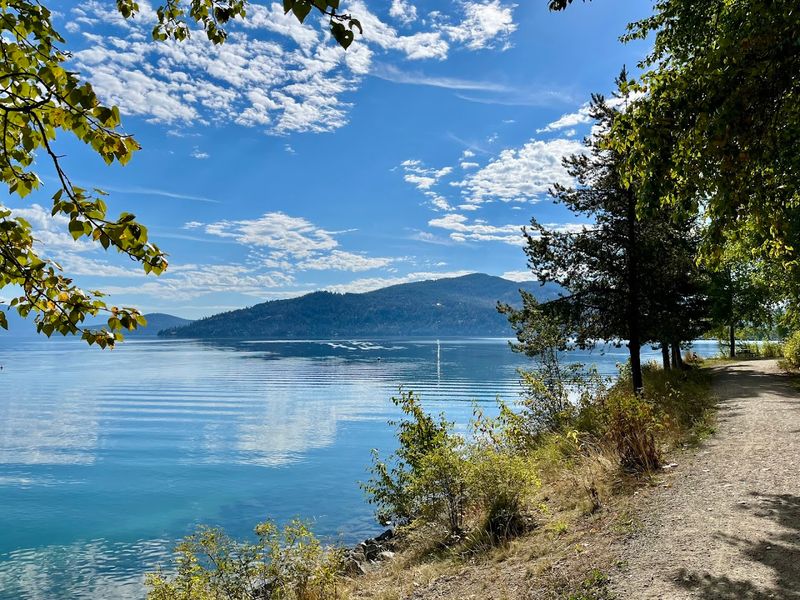
Few drives reward the slow approach quite like this one. Running along the northern shore of Lake Pend Oreille from Sandpoint, the byway delivers alpine vistas, dense forest, and water views so clear they look digitally enhanced.
On calm mornings, the Cabinet Mountains reflect in the lake surface in a way that makes you question which direction is actually up.
Hope Peninsula viewpoints offer some of the best lake-and-mountain compositions on the route. The Clark Fork delta fans out before entering the lake, creating a wetland landscape that draws birds and photographers in equal numbers.
Cabinet Gorge Dam overlook is worth a short detour.
What sets this byway apart is the sense of scale. Lake Pend Oreille is so large that the far shore feels like a distant mountain range.
The road hugs close enough to the water that you feel it throughout the entire drive. Sandpoint sits at the western end and makes a great base for exploring both this byway and the International Selkirk Loop nearby.
5. St. Joe River Scenic Byway
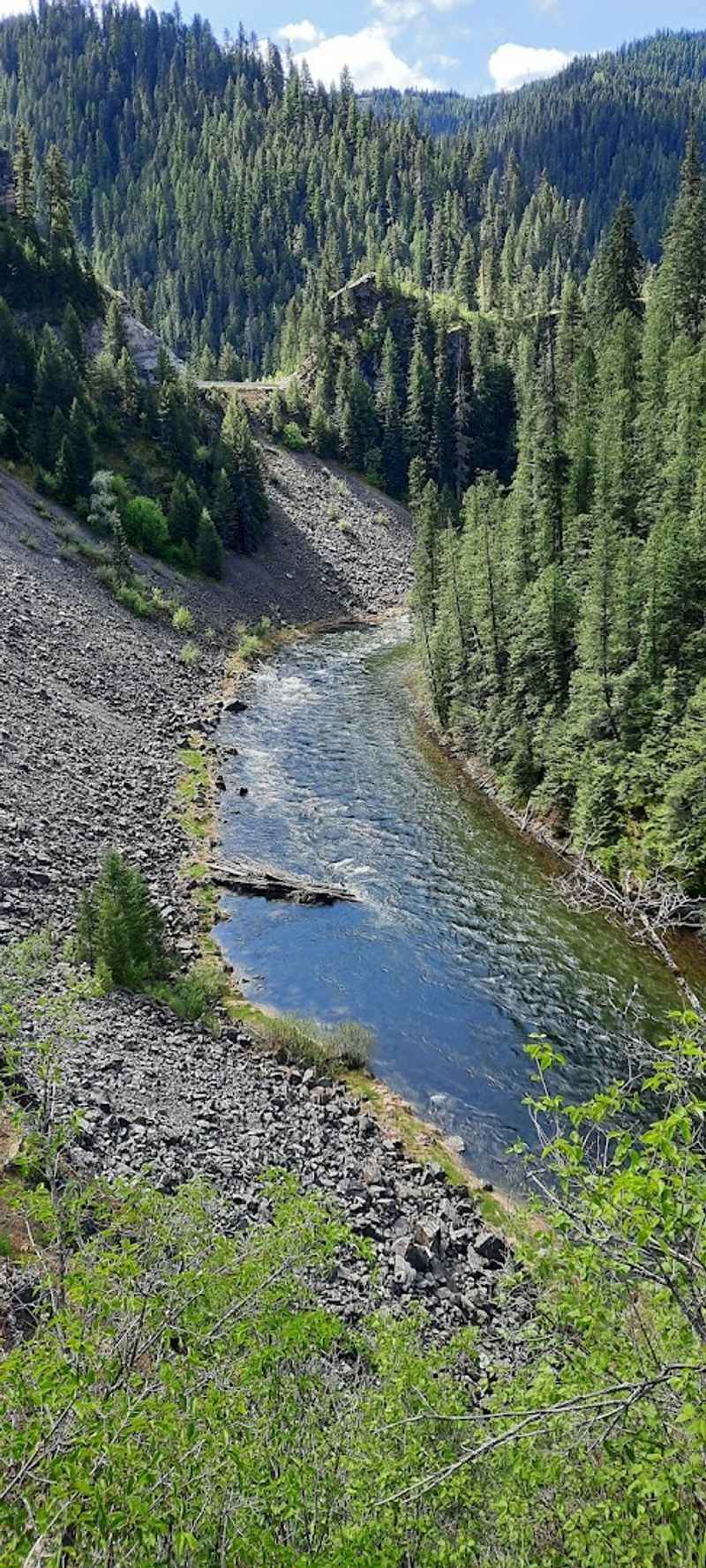
The St. Joe River moves slowly enough in stretches that it perfectly mirrors the pine-blanketed ridges above it. Driving east from St. Maries along Highway 50, you follow that reflection for miles.
The canyon deepens, the forest thickens, and the destination starts to feel beside the point.
Cedar groves appear in stands old enough to make you feel small in a good way. The Huckleberry Mountains rise to the south, adding a layered backdrop that shifts color with the season.
Fall is spectacular here. The mix of evergreen and deciduous trees creates a patchwork that photographs well from almost any pull-off.
Avery sits at the far end, remote and quiet, with a railroad history that speaks to how isolated this corridor once was. It was a key stop on the Milwaukee Road rail line.
The remnants of that era give Avery a character that feels earned rather than curated. The drive back west looks completely different because the light hits the canyon from the opposite angle.
That alone makes the round trip worth it.
6. Owyhee Uplands Backcountry Byway
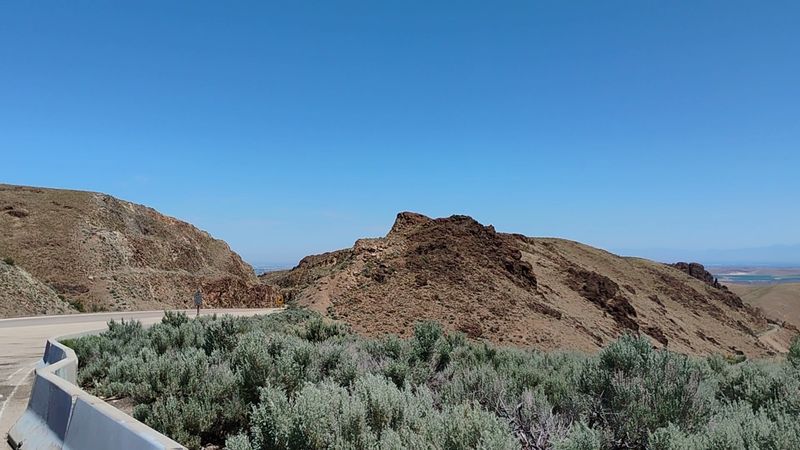
Over 100 miles of high desert between Grand View and Jordan Valley, Oregon sounds like a long way to go for sagebrush. The Owyhee Uplands Backcountry Byway earns every mile.
Volcanic rock formations, canyon overlooks, and a sense of solitude that’s genuinely hard to find anywhere else in the American West make the distance feel short.
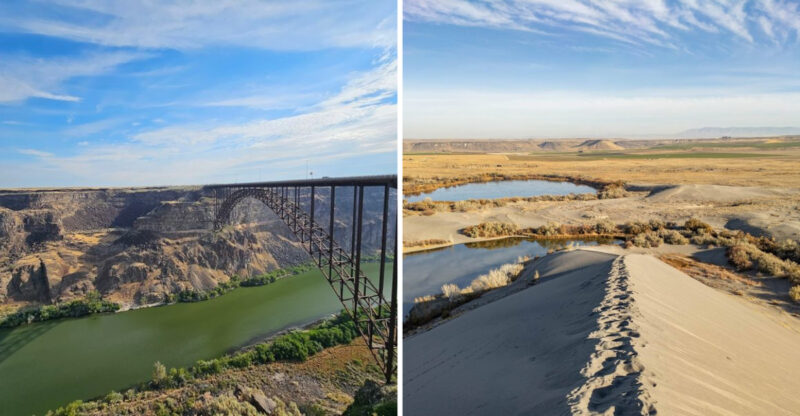
Bruneau Dunes State Park sits nearby and deserves a stop. The dunes are the tallest single-structured sand dunes in North America, rising 470 feet above the desert floor.
The contrast between those sandy mounds and the surrounding lava-rock plateau is completely unexpected.
Owyhee Canyon overlooks appear at several points where the plateau simply drops into dramatic gorges carved over millennia. The sagebrush-steppe ecosystem supports pronghorn, raptors, and a surprising variety of wildflowers in spring.
The geology out here runs 8 to 12 million years old, and it shows.
This byway runs on unpaved roads, so a high-clearance vehicle is strongly recommended. Check conditions before heading out.
The clay-based soil on Mud Flat Road turns slick very quickly after rain.
7. Western Heritage Historic Byway
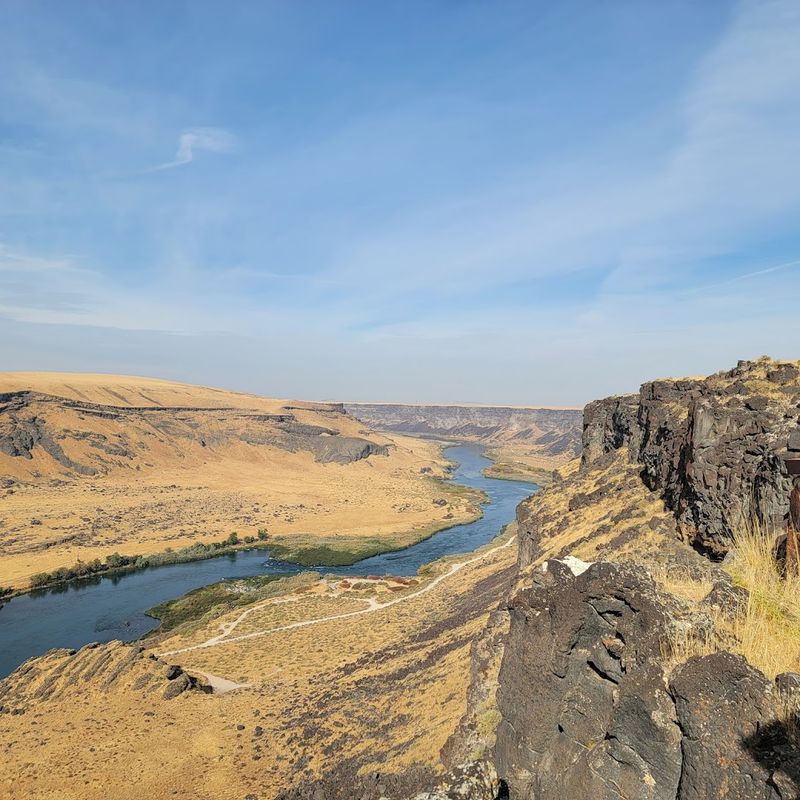
Raptors rule this road trip. The Morley Nelson Snake River Birds of Prey National Conservation Area protects the largest concentration of nesting raptors in North America.
Driving south from Meridian through Kuna toward Swan Falls Dam puts you right in the middle of it. Prairie falcons, golden eagles, ferruginous hawks, and several owl species all nest in the basalt canyon walls above the Snake River.
Celebration Park adds a different layer. This archeological site preserves petroglyphs carved into basalt by ancient peoples.
Walking among them gives the byway a historical weight that the landscape already hints at.
Swan Falls Dam sits at the southern end of the route. Built in 1901, it was the first hydroelectric facility in the state and still operates today.
The canyon views from there are worth the drive on their own. The Owyhee Mountains form the backdrop to the west, turning shades of purple and gold in late afternoon light.
This byway covers a surprising amount of history in a short stretch of road.
8. Panhandle Drive From Coeur D’Alene To Priest Lake
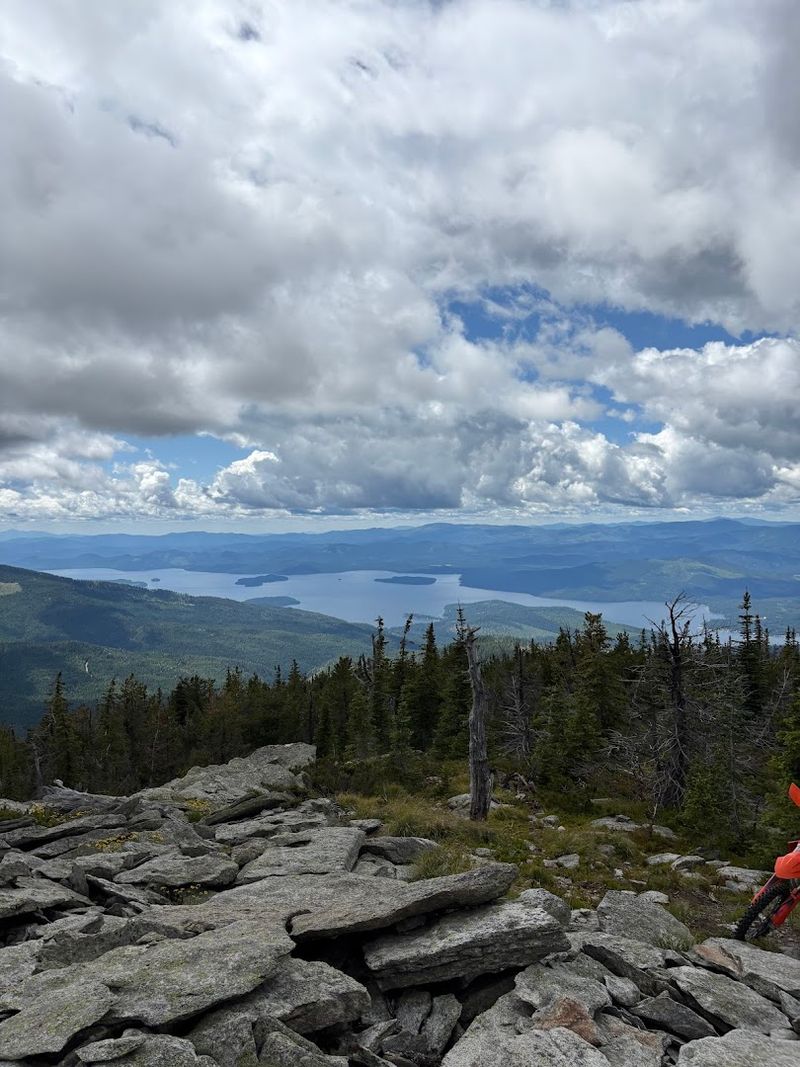
Northern Idaho’s lake country operates on a different scale than most people expect. Lake Coeur d’Alene alone covers 50 square miles.
The drive north toward Priest Lake keeps the scenery dialed up the entire way. Forested ridgelines, glacier-carved valleys, and overlooks that demand a full stop make this one of the most visually dramatic drives in the Pacific Northwest.
Farragut State Park appears early in the route, sitting on the southern shore of Lake Pend Oreille with trails and shoreline access worth a long stop. Schweitzer Mountain rises to the north, its ridgeline sharp against the sky.
The Selkirk crest becomes visible further north, adding a wild, remote quality to the landscape.
Upper and Lower Priest Lake are the reward at the end. Upper Priest Lake is accessible only by boat or trail, which keeps it in a state of near-perfect quiet.
The connecting channel between the two lakes runs through old-growth forest that feels like a different century.
Plan an overnight in the Priest Lake area if you can. One day isn’t enough.
9. Pioneer Historic Byway
The state’s oldest city is also one of its least-visited, which makes Franklin the perfect starting point for a byway that rewards curiosity.
Founded in 1860, it sits near the Utah border in a valley that transitions from tidy farmland to mineral-stained terrain as you head north toward Soda Springs. The shift is gradual but striking.
Lava Hot Springs appears partway along the route, a small town built around naturally heated mineral pools that have drawn visitors for over a century. The Bear River winds alongside much of the drive, offering a green ribbon of riparian habitat through otherwise open country.
Chesterfield, a largely intact historic town, sits just off the main corridor and gives a quiet look at what southeastern life looked like in the late 1800s.
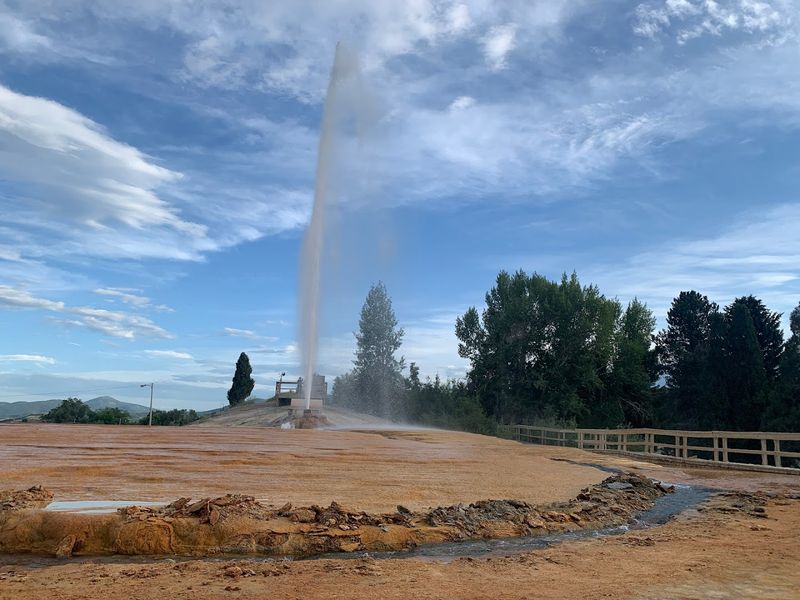
Soda Springs is the finale, and it delivers something genuinely unusual: the world’s only captive geyser. Discovered accidentally during a 1934 drilling operation, it now erupts on a timer every hour.
The mineral-rich water has stained the surrounding ground in shades of orange and cream that look almost painted. The phosphate mining plateau above town adds an industrial counterpoint to the natural scenery below.
10. Lewis And Clark Backcountry Byway
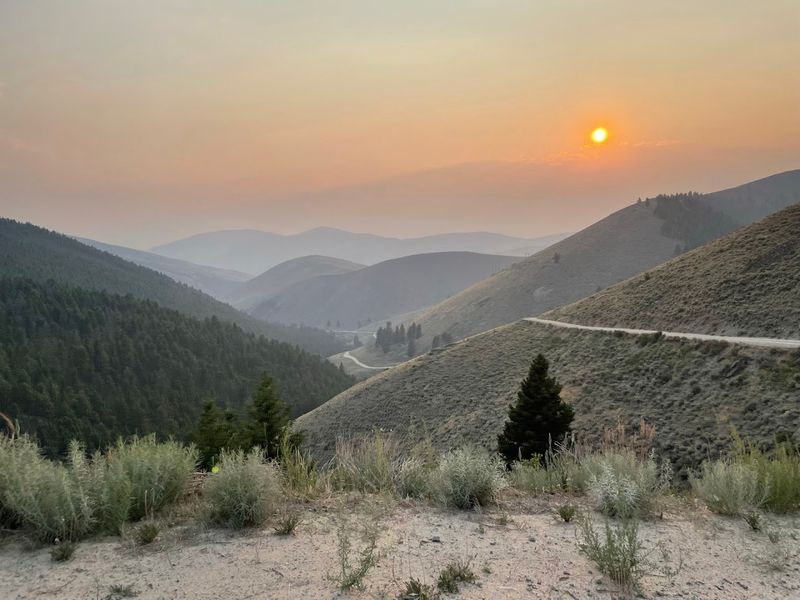
This 36-mile loop from Salmon to Lemhi Pass covers ground that looks remarkably similar to how it appeared when the Lewis and Clark Expedition crossed here in August of 1805.
Mountains, evergreen forests, high desert canyons, and grassy foothills have changed very little in the intervening two-plus centuries. That continuity is part of what makes the drive feel significant rather than just scenic.
Lemhi Pass sits on the Continental Divide at the Montana border, and standing there you can see why the expedition considered it a major milestone. The view down into the Lemhi Valley is sweeping and clear, with the surrounding ranges stretching in every direction.
This was also Sacajawea’s homeland, and interpretive markers along the route connect the landscape to that history in a way that adds real meaning to the views.
The byway is mostly unpaved and requires a capable vehicle, particularly on the upper sections near the pass. Early summer through early fall is the best window for driving the full loop.
The Salmon River valley below provides a dramatic contrast to the high-elevation terrain near the pass, shifting from canyon bottom to alpine ridge in a relatively short distance. It’s a compact drive with an outsized sense of place.
11. Pend Oreille Scenic Byway
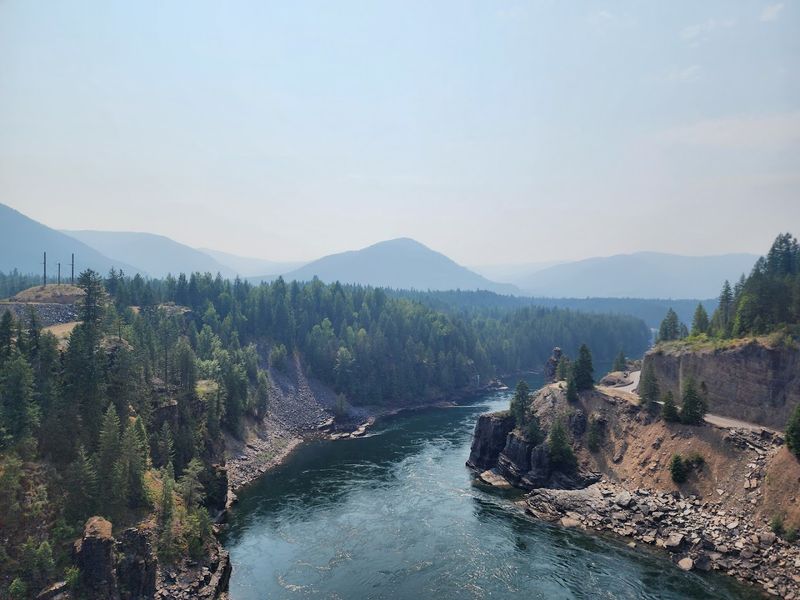
Sandpoint sends you east on one of the most serene lake and mountain drives in the region, and the scenery builds steadily as you follow the Clark Fork River toward the Montana state line.
The Green Monarchs mountain range appears to the south, its forested slopes dropping straight to the water’s edge. Morning light here is particularly worth setting an alarm for.
Hope Peninsula juts into Lake Pend Oreille partway along the route, offering overlook points that put the full scale of the lake into perspective.
The Pack River delta wildlife area draws waterfowl and wading birds in numbers that make binoculars a worthwhile addition to the glove compartment. Cabinet Mountains rise dramatically on both sides of the Clark Fork valley, their rocky upper ridges contrasting with the dense forest below.
The Montana state line arrives sooner than you’d like given how good the scenery is. Lake views stay with you for most of the drive rather than just at designated pull-offs.
Combining this byway with the Lake Pend Oreille Scenic Byway creates a full loop around the lake that covers two of the region’s finest drives in a single extended day.
12. Teton Valley To Island Park Big Loop
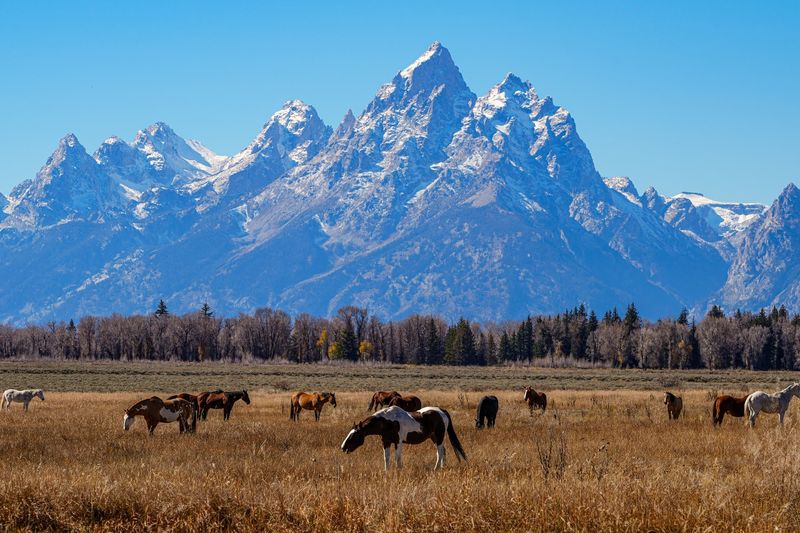
Most people see the Tetons from the Wyoming side. Most people are missing the better view.
From Tetonia the west-facing panorama of the Grand Teton peaks is wider, more dramatic, and far less crowded than anything inside Grand Teton National Park.
The loop runs from Victor through Tetonia to Island Park and down to Ashton via Highways 33 and 20. Henry’s Fork of the Snake River winds through broad meadows in the Island Park area, flanked by Harriman State Park and some of the best fly-fishing habitat in the American West.
Mesa Falls appears near Ashton, with both Upper and Lower falls reachable by short trails.
Island Park Caldera is one of the largest calderas on the continent. Driving across its rim gives a subtle but real sense of the volcanic scale beneath the landscape.
McCrea Bridge offers a photogenic crossing of Henry’s Fork with mountain views in both directions.
The full loop covers roughly 100 miles. It works as a day trip from Victor or Ashton, with enough stops to fill a longer weekend.
13. Pierce To Elk City Mountain Drive
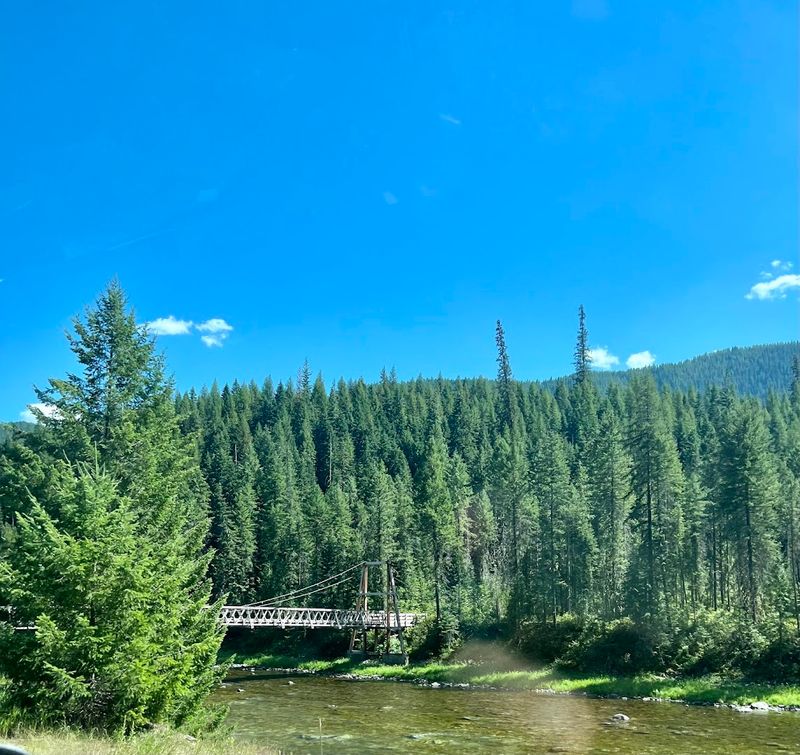
Gold was discovered near Pierce in 1860, and the region has never quite been the same since. That first strike in the Clearwater Mountains set off a rush that shaped the territory’s population, politics, and infrastructure almost overnight.
Driving from Pierce east to Elk City, you trace the route thousands of prospectors scrambled along in the years that followed.
Weippe Prairie carries a different kind of history. This is where the Corps of Discovery emerged from the Bitterroot Mountains in September 1805, exhausted and nearly out of food.
The Nez Perce people met them here, fed them, and effectively saved the expedition. The same broad meadows look largely unchanged today.
The stop carries a quiet, almost reverential quality because of it.
Elk City sits at the eastern end, surrounded by Selway-Bitterroot Wilderness in a setting that feels genuinely remote. Clearwater National Forest vistas open up at several points along the highway.
The road between Pierce and Elk City is paved but narrow in stretches. Take your time.
This byway rewards patience, and rushing it means missing the very thing that makes it worth driving.