11 Nevada Towns That Show A Different Side Of The State
Nevada has two faces and most visitors never see the second one. Everyone knows the first: the blinding lights, the crowded floors, the sensory overload of Las Vegas Boulevard.
But I have logged thousands of miles across this state chasing something quieter, stranger, and far more memorable. Forgotten mining towns frozen in 1880.
Opera houses that somehow survived the silver bust. Desert skies so dark you can see galaxies with your naked eye.
The Nevada that locals actually love looks nothing like the brochures. Each stop on this list cracked the state wide open for me and once you see this side of it, Las Vegas starts feeling like just one small part of a much bigger story.
1. Virginia City
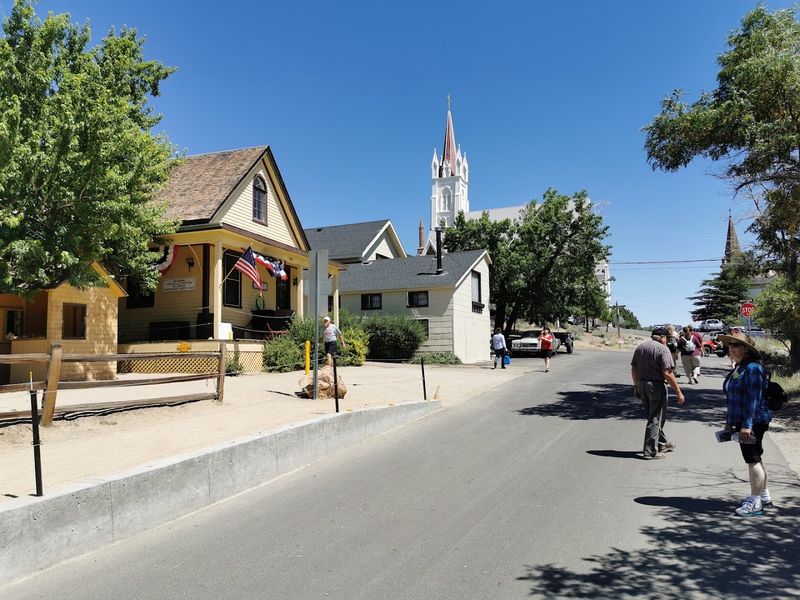
Some places feel like movie sets, but Virginia City is the real thing. Perched high in the mountains of Storey County, this town boomed in the 1860s when the Comstock Lode silver rush turned it into one of the wealthiest places in North America.
The money built ornate Victorian buildings that still stand today.
Walking along C Street feels genuinely different from anywhere else in Nevada. The wooden boardwalks creak underfoot, the storefronts look almost unchanged, and the old mine shafts run beneath the streets.
The Historic Fourth Ward School Museum gives a fascinating look at what education looked like during the boomtown era.
Mark Twain worked as a reporter here for the Territorial Enterprise newspaper, and that history adds a literary layer to the whole experience. Virginia City sits at 6,220 feet elevation, so summers are cool and comfortable.
The views down into the Comstock Valley are spectacular. If you want to understand how the American West actually developed, this town is one of the most honest, well-preserved places to start.
2. Genoa
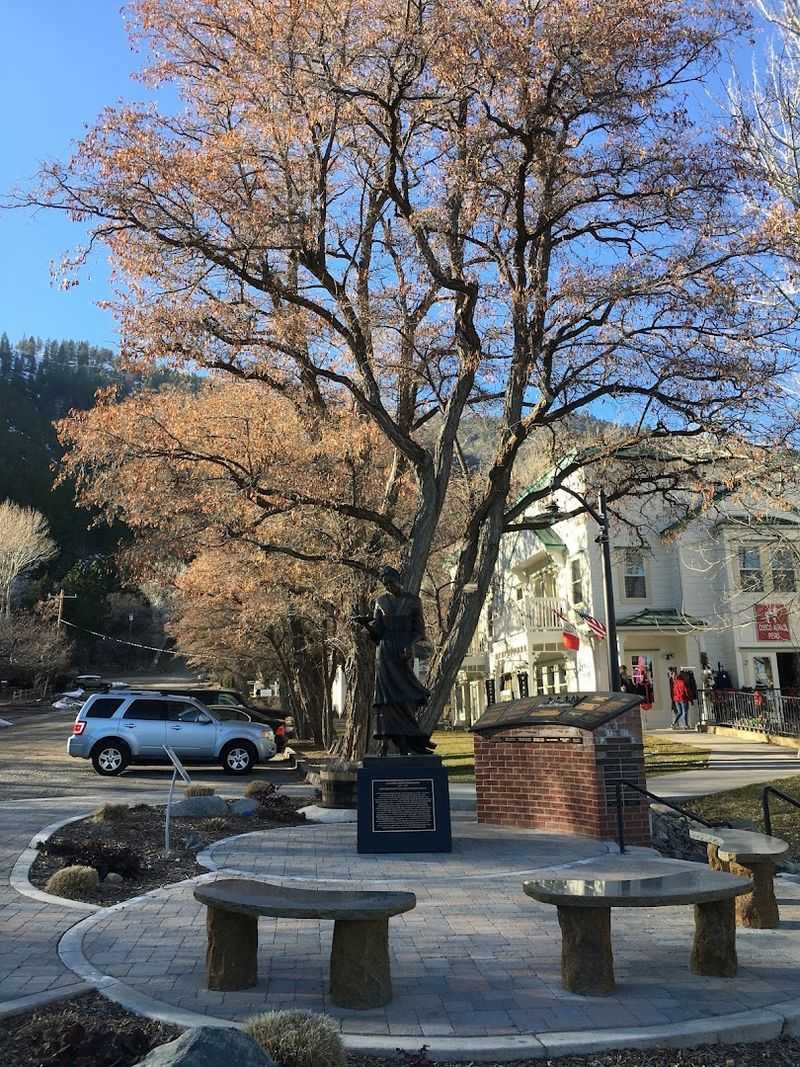
The oldest settlement in the state does not look like it belongs in the same state as Las Vegas. That contrast is exactly what makes it worth the drive.
Genoa was established in 1851 as a trading post along the Carson Valley. The mountains rising behind it create a backdrop that feels almost impossibly beautiful.
The town is walkable in the best possible way. Main Street is lined with historic buildings and tall cottonwood trees.
Calm, timeless, unhurried.
Ranch country surrounds the town on all sides. Cattle graze in green meadows fed by snowmelt from the Sierra.
In autumn, the cottonwoods turn gold and the whole valley glows. Genoa hosts an annual Candy Dance festival each September that draws visitors from across the region.
The kind of small town that makes you want to stay longer than you planned. Then come back the following season just to see how it changes.
3. Eureka
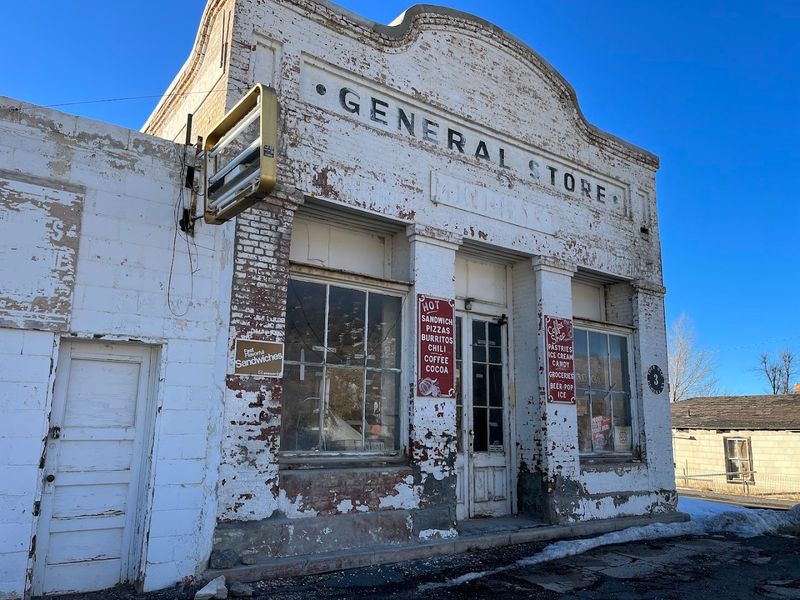
There is a stretch of US Highway 50 across the middle of the state so empty it earned the nickname “The Loneliest Road in America.” Right in the middle of it sits Eureka, a town that leans into that identity with surprising confidence and charm.
The crown jewel is the Eureka Opera House at 31 S Main St. A beautifully restored historic building that still hosts performances today. Standing inside, you get a real sense of how ambitious this community once was during the silver and lead mining boom of the 1870s and 1880s.
Genuinely gorgeous.
The Eureka Sentinel Museum, housed in the original 1879 newspaper office, documents the town’s history through original printing equipment and archived editions. Diamond Mountains and the Roberts Creek range frame the surrounding valley beautifully.
Driving into Eureka after miles of open desert feels like discovering a secret most road-trippers miss entirely. It rewards the curious traveler who does not mind a long stretch of highway to earn the destination.
4. Pioche
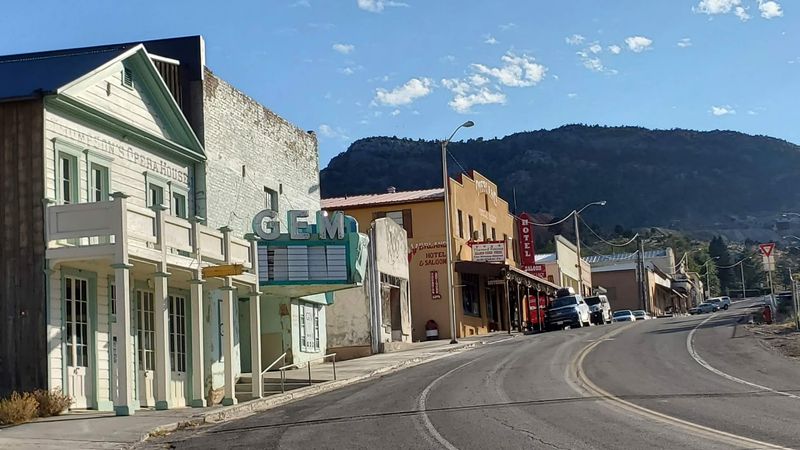
Pioche has a reputation it earned honestly. This Lincoln County silver camp had more than its share of frontier lawlessness during the 1870s mining rush.
The Boot Hill Cemetery tells those stories without sugarcoating anything. Standing up there on the hillside looking down at the town, history feels very close.
The Million Dollar Courthouse at 69 Main St is a story all on its own. The original 1872 building cost around $26,000 to construct.
Through refinancing, interest, and mismanagement, the county ended up paying over $1 million before the debt was cleared. It was condemned before it was ever fully paid off.
That tells you everything about frontier-era finances.
Today Pioche is quiet and genuinely charming in a rugged sort of way. The views from the surrounding hills are spectacular, with the Highland Range visible to the west.
Echo Canyon State Park is just a short drive away, offering hiking and a reservoir in a dramatic red rock setting. Not polished for tourists.
Just real, and proud of its complicated past.
5. Tonopah
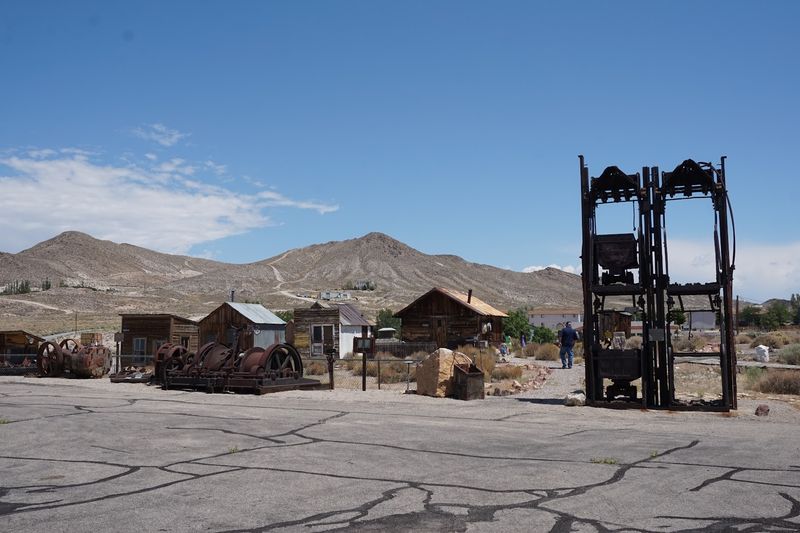
On a clear night in Tonopah, the sky does something most people have never actually seen. The Milky Way stretches from one horizon to the other in a thick, glowing band.
Stars so dense they look almost unreal. This high desert town sits at 6,030 feet with almost no light pollution, making it one of the top stargazing destinations in the entire country.
Tonopah runs along US-95 in Nye County and carries a fascinating mining history dating to 1900. A prospector named Jim Butler discovered silver here and sparked a major rush.
The Central Nevada Museum at 1900 Logan Field Rd covers that story with genuine depth, including military artifacts and local lore.
The Mizpah Hotel, a beautifully restored 1907 building, adds serious character to an overnight stay. Tonopah also sits near a major military testing range, which gives the surrounding area an extra layer of mysterious appeal.
Come for the stars. Stay for everything else.
6. Ely
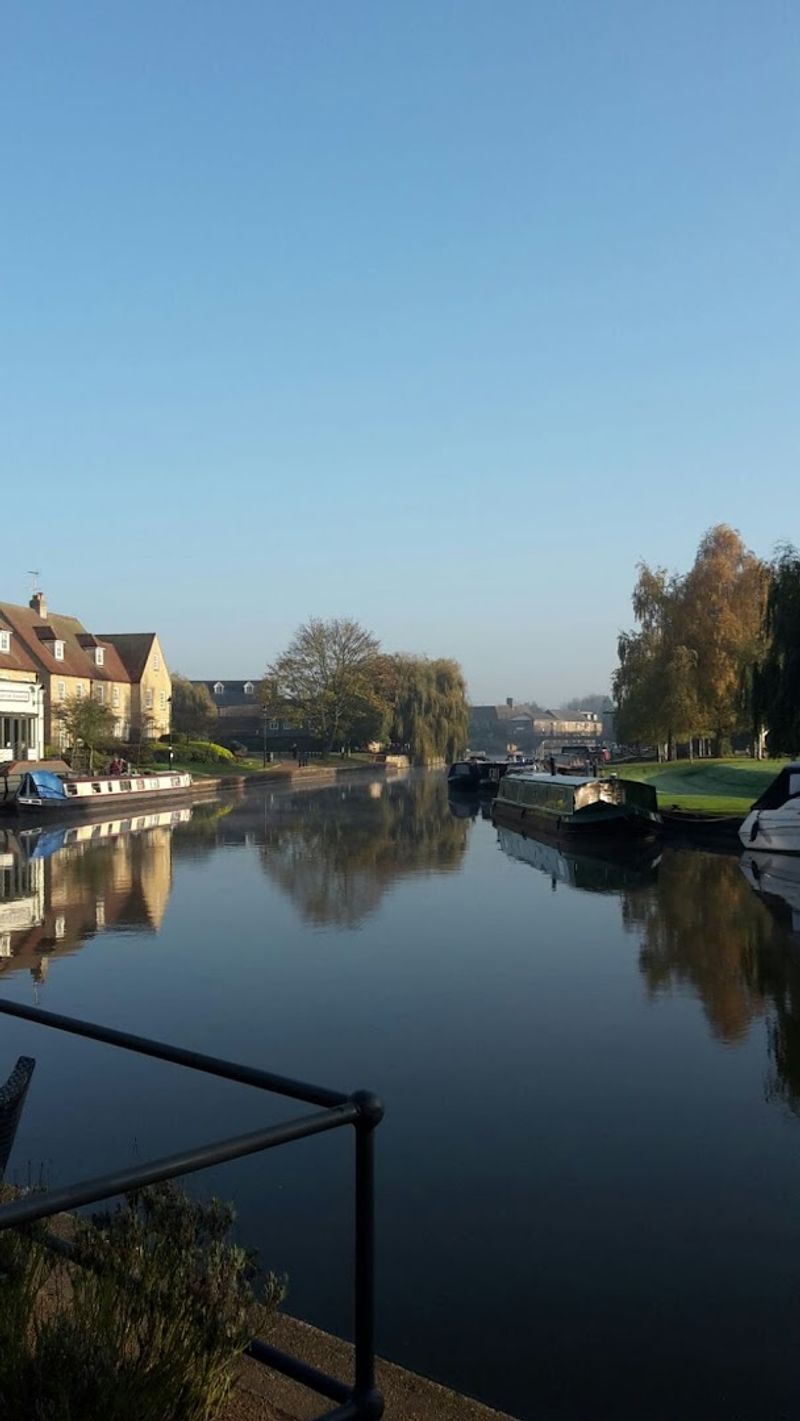
Forget everything you think you know about Ely. It will rewrite the whole story.
Sitting in White Pine County, roughly 320 miles from Las Vegas, this copper mining town is one of the most isolated small cities in the entire country. That isolation is actually its superpower.
The Nevada Northern Railway Museum at 1100 Ave A is the real showstopper. It preserves one of the most complete early 20th-century railroad systems in the United States.
Original locomotives, depots, and equipment still intact. You can even ride a vintage steam train through the high desert.
Genuinely surreal.
The surrounding Great Basin landscape is jaw-dropping. Rolling sagebrush valleys stretch toward mountain ranges that seem to go on forever.
Ely sits at about 6,400 feet elevation, so the air is crisp and the skies are enormous. Wildlife is everywhere.
Pronghorn antelope. Golden eagles.
The kind of place that makes you slow down, look around, and wonder why you never came sooner.
7. Fallon
Green fields in the state sound like a contradiction. Fallon makes it work beautifully.
Sitting in the Churchill Valley about 60 miles east of Reno, this agricultural town is surrounded by alfalfa farms, dairy operations, and wetlands fed by the Truckee-Carson Irrigation District. It looks nothing like what most visitors imagine.
Stillwater National Wildlife Refuge, located east of town, is the real surprise. This vast wetland system attracts hundreds of thousands of migratory birds each year.
Tundra swans, canvasback ducks, white pelicans. Watching a flock of pelicans rise off a desert marsh is one of those experiences that genuinely stops you in your tracks.
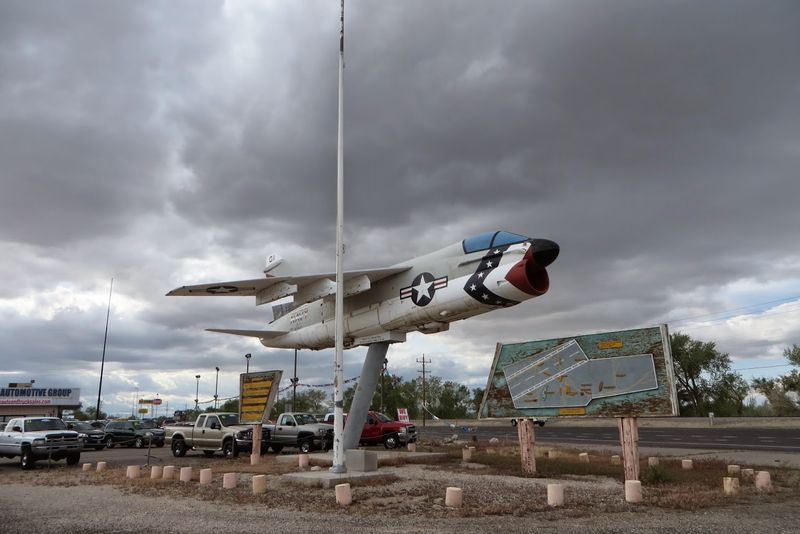
Fallon also carries a strong military presence through Naval Air Station Fallon, the Navy’s premier tactical air warfare training center. The Churchill County Museum at 1050 S Maine St covers the area’s deep agricultural and Native American history with care and detail.
Local cantaloupe is something of a regional legend. Sweet and fragrant in a way that store-bought produce never quite matches.
Fallon rewards visitors who appreciate the quieter, more grounded side of life out here.
8. Caliente
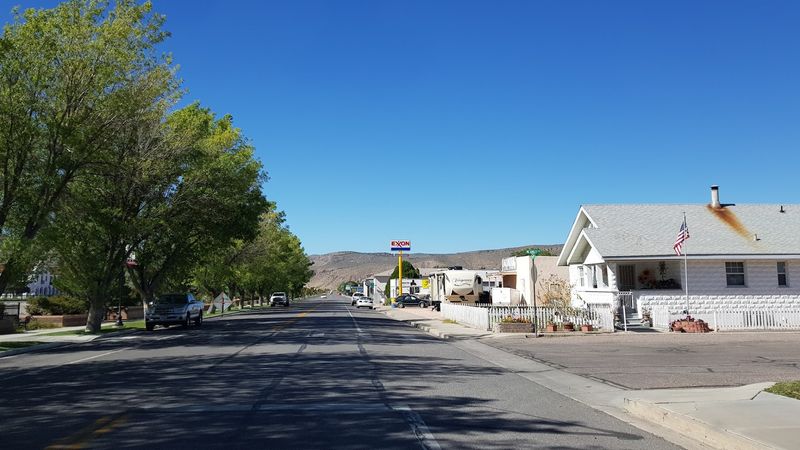
Red rock canyon walls rise sharply on both sides of the road as you approach Caliente, and the effect is dramatic enough to make you slow down and stare. This small Lincoln County town sits in a canyon carved by the Meadow Valley Wash, and the landscape alone makes the drive worthwhile.
The Caliente Railroad Depot is the town’s most striking landmark. Built in 1923 in a Spanish Mission Revival style, the building is beautifully restored and sits at 100 Depot Ave, Caliente, NV 89008.
It currently houses city offices, a library, and an art gallery, which is a genuinely lovely use of a historic space that could easily have been forgotten.
Rainbow Canyon stretches south of town and offers some of the most colorful rock formations in southern Nevada, with layers of red, orange, and purple visible in the canyon walls.
Kershaw-Ryan State Park is just two miles from downtown and features a lush spring-fed oasis with hiking trails winding through the canyon.
Caliente is small, with a population of only around 1,000 people, but it punches well above its weight in terms of scenery and historical character. It is a town worth knowing about.
9. Hawthorne
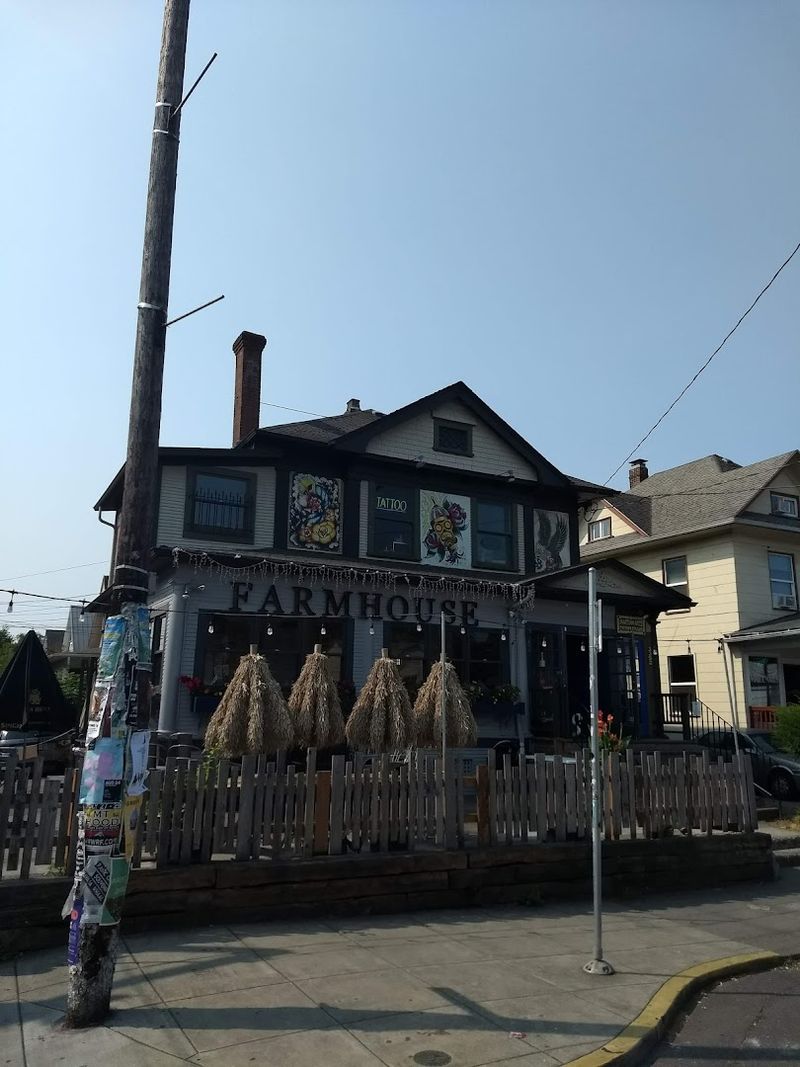
Hawthorne holds a distinction that most small towns could never claim. It is home to the Hawthorne Army Depot, one of the largest conventional ammunition storage facilities in the world, with hundreds of bunkers spread across the desert floor visible from the highway.
It gives the town an unusual, quietly surreal quality.
Walker Lake sits just north of town along US-95 in Mineral County, and it is genuinely beautiful in a melancholy way. This ancient inland sea has been shrinking for decades due to upstream water diversions, but it remains a striking body of water surrounded by bare desert mountains.
Fishing for cutthroat trout is still popular here.
The Mineral County Museum at 400 10th St, Hawthorne, NV 89415 tells the story of the town’s mining past and its long military connection with genuine local pride.
Hawthorne has a patriotic character that feels completely organic rather than performed, with flags and military monuments throughout the small downtown.
The annual Hawthorne Armed Forces Day celebration is one of the oldest continuous Armed Forces Day events in the country. For a town of about 3,000 people, Hawthorne carries a remarkable amount of history and personality.
10. Wells
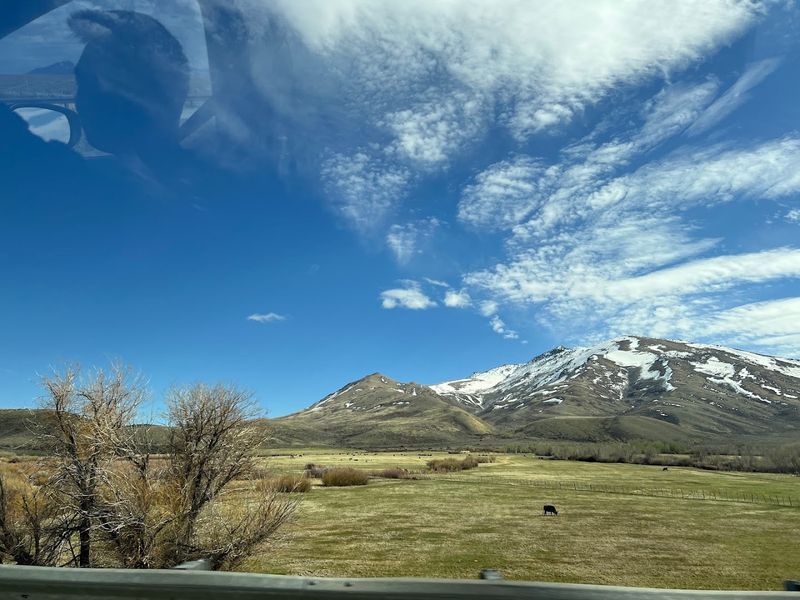
At the junction of Interstate 80 and US-93 in Elko County, Wells is the kind of town most drivers pass through without stopping. That is a genuine mistake.
Just to the south, the Ruby Mountains rise to over 11,000 feet and offer some of the most spectacular alpine scenery in the entire Great Basin.
Called the Alps of the state, the Ruby Mountains feature granite peaks, glacially carved valleys, and clear mountain lakes that feel completely out of place in a region most people associate with flat desert.
The Lamoille Canyon Scenic Byway is one of the most accessible entry points into the high country.
Hiking trails wind through Ruby Valley and up into the peaks from there.
Fly fishing in the Ruby Valley is excellent. Lamoille Creek and the nearby Thomas Canyon offer productive water in a stunning setting.
In winter, Ruby Mountains Heli-Ski draws backcountry enthusiasts from across the country. Wells works as a quiet base for all of it.
The mountains do all the talking, and they say plenty.
11. Beatty
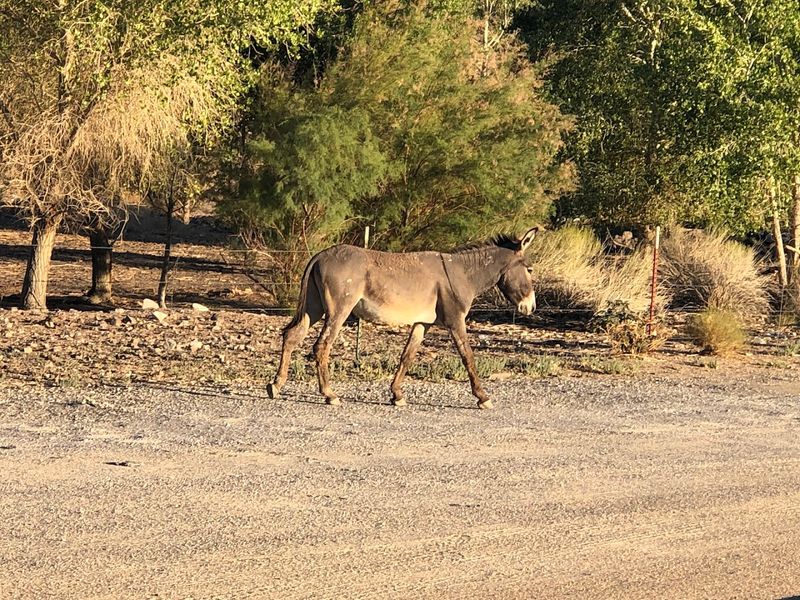
Standing on the edge of the Amargosa Desert near Beatty, the landscape looks like another planet. Volcanic craters, Joshua tree forests, and pale alkali flats stretch in every direction.
The silence is so complete it almost has a sound of its own. This Nye County town is the gateway to Death Valley National Park.
Rhyolite is just four miles west of Beatty off State Route 374. One of the most photogenic abandoned mining towns in the American West.
The ruins of the three-story Cook Bank building and the famous Bottle House, constructed from glass bottles in 1906, are fascinating to explore. Goldwell Open Air Museum sits right next door, with large-scale sculptures set against the open desert.
Crater Flat and the Amargosa Valley offer volcanic geology that rewards a slow drive and a curious eye. Beatty itself has a funky, frontier energy that feels refreshingly unpolished.
Scrappy, interesting, and completely unlike anywhere else in the state.