These 10 Iconic New York Meals Are Still Going Strong
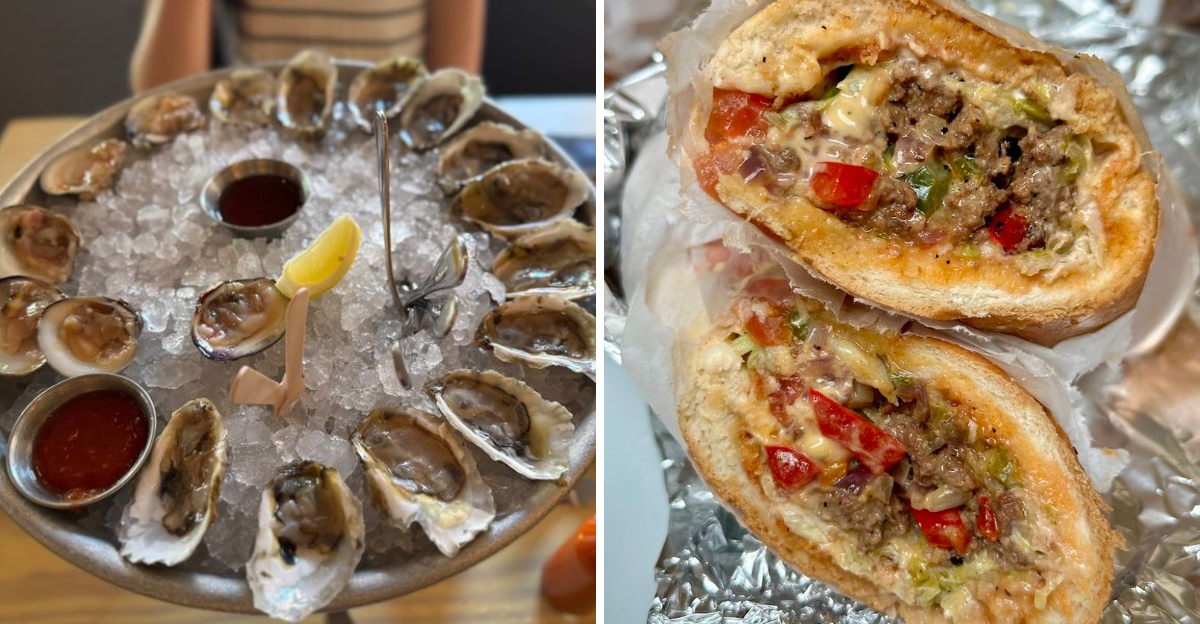
New York will humble you through food before it does anything else.
You think you have had a good bagel, and then someone hands you one still warm from a Lower East Side bakery and quietly ruins every other bagel for the rest of your life.
That is just how this city operates. It does not announce its greatness.
It just hands it to you on a paper plate with a plastic fork and lets you figure it out.
I have been eating my way through New York for years, and the meals that stick with me are never the fancy ones with the lengthy tasting menus and the hushed dining rooms.
They are the pastrami sandwich that required two hands and zero dignity, the slice folded in half over a trash can on a Tuesday and the cheesecake that made me genuinely reconsider everything.
This city has been perfecting these dishes for generations, and this list is long overdue.
1. Pastrami On Rye From A Jewish Deli
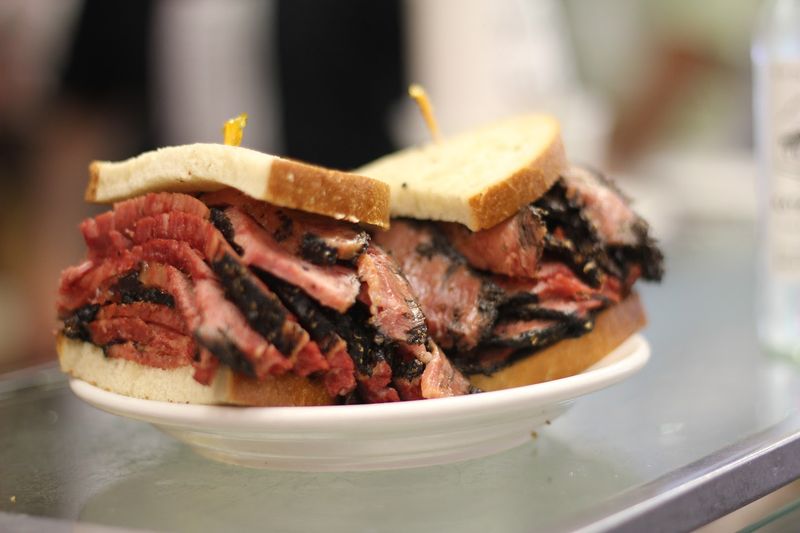
There is a moment when the waiter sets down a pastrami on rye and you realize the sandwich is taller than your hand. That is not a mistake.
That is the whole point.
New York Jewish delis have been stacking pastrami like this for over a century. The meat is cured, seasoned with black pepper and coriander, then slow-steamed until it practically melts.
It lands on seeded rye bread with a swipe of spicy brown mustard, and that is all it needs.
The first bite is smoky, peppery, and impossibly tender. No lettuce.
No tomato. No distractions.
Just meat and bread doing exactly what they were born to do.
Ordering one of these feels like a small event. The deli counter is loud, the portions are absurd, and the pickles arrive without being asked.
That is the tradition.
Pastrami on rye is one of those rare foods that has never needed an upgrade. It arrived fully formed and stayed that way.
If you have never eaten one while standing over a deli counter in New York, you have a very good reason to visit soon.
2. New York Style Bagel With Lox And Cream Cheese
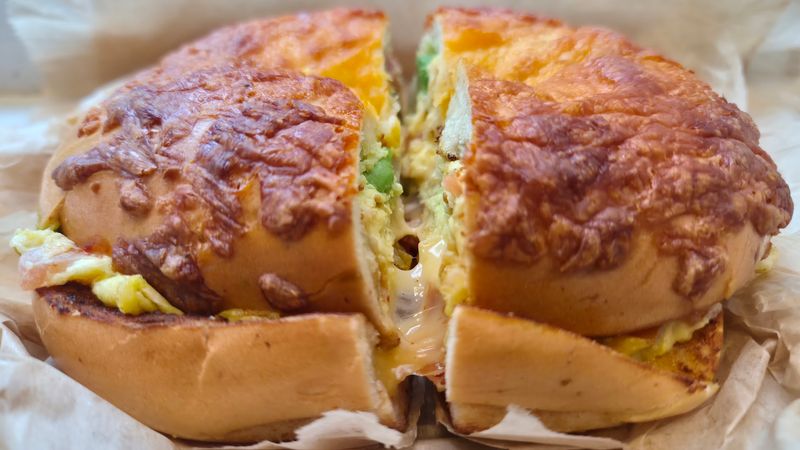
Nobody outside New York fully understands what a bagel is supposed to taste like until they eat one here. The crust has a slight chew.
The inside is dense and chewy in the best way. It is boiled before it is baked, and that step changes everything.
Add lox, which is thinly sliced cured salmon, along with a generous layer of cream cheese, and you have one of the great breakfast combinations on earth.
Capers, red onion, and a slice of tomato round it out. Some people add a squeeze of lemon.
That part is personal.
New York bagels have been a Sunday morning ritual for generations of families across the city. Bakeries open early, lines form fast, and the everything bagel smell hits you from half a block away.
I once had one on a park bench in early spring and genuinely considered canceling all my plans for the day. It was that satisfying.
The combination of salty fish, cool cream cheese, and chewy bread is simple in theory and borderline perfect in practice. This is not fast food.
This is a whole mood delivered in one round piece of bread.
3. Dollar Slice Of Cheese Pizza
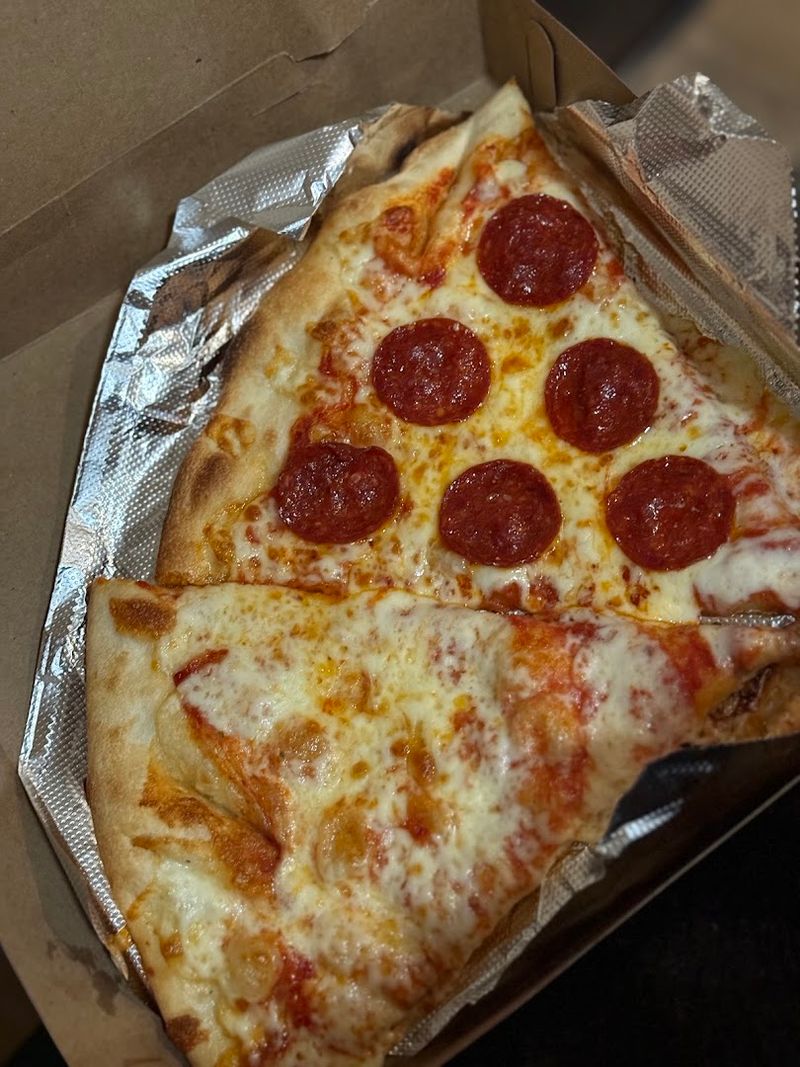
Folding a pizza slice in half down the middle is not optional in New York. It is physics.
The slice is wide, the crust is thin, and gravity is not your friend unless you commit to the fold.
The dollar slice is one of the great urban inventions. A few dollars gets you one or two slices of cheese pizza that were sitting under a heat lamp exactly long enough to stay perfect.
The sauce is tangy.
The cheese is stretchy. The crust has a crunch at the bottom and a soft chew inside.
New York pizza gets its distinct texture partly from the water used to make the dough, and partly from the high-temperature deck ovens that have been standard in city pizzerias for decades.
The result is a slice that looks casual but is actually the product of serious craft.
You eat it standing at a counter or walking down the street. There is no wrong answer.
The experience is as much about the city around you as the food itself.
A dollar slice has fed broke students, busy workers, and tourists equally well for years. It is democratic, delicious, and completely unapologetic about being exactly what it is.
4. New York Cheesecake
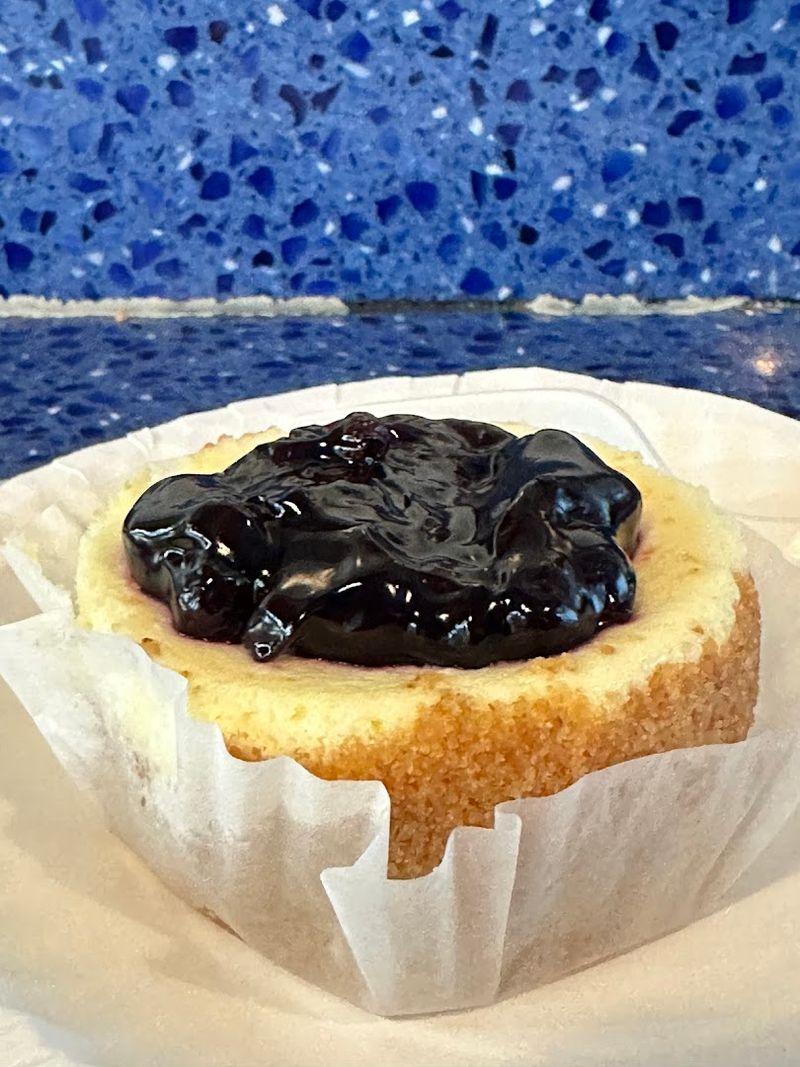
New York cheesecake does not wobble. It does not need fruit topping or chocolate drizzle or any kind of distraction.
It stands completely on its own, and it is fully aware of that fact.
The texture is what separates it from every other version. Dense, smooth, and rich without being heavy in a way that slows you down.
The filling is made with cream cheese, eggs, and sugar, baked slowly until it sets into something almost silky. The graham cracker crust underneath adds just enough crunch to keep things interesting.
New York style cheesecake became popular in the early 20th century, largely because cream cheese itself was developed in New York in the 1870s.
The two things found each other and never looked back.
I have had cheesecake in other cities. I have never once thought, this is better.
That is not bias. That is just the truth.
A proper slice is thick enough that you need a fork and full attention. It is not a side dessert.
It is the main event.
Order it plain, maybe with a little strawberry on the side if you must, and give it the respect it has clearly earned over the last hundred years.
5. Eggs Benedict
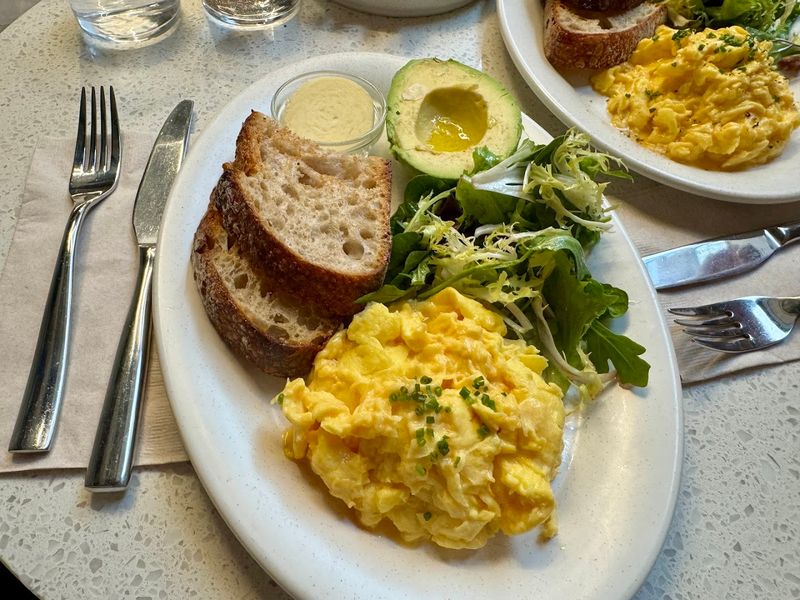
Eggs Benedict has one of the best origin stories in American food.
It was supposedly created in the 1890s at the Waldorf Hotel in New York after a regular guest named Lemuel Benedict ordered it to cure a hangover. The kitchen liked it so much they put it on the menu.
That is a very New York story.
The dish is a study in balance. A toasted English muffin holds a slice of Canadian bacon, then a perfectly poached egg, then a river of hollandaise sauce that is buttery, lemony, and just slightly sharp.
Every layer matters.
Getting the poached egg right is the part that separates a great Eggs Benedict from a mediocre one. The white should be set and tender, the yolk still runny.When you cut into it, everything on the plate comes together at once.
New York brunch culture built itself largely around this dish. Weekend mornings across the city mean long waits, good coffee, and Eggs Benedict appearing at nearly every table.
It is rich without being reckless, classic without being boring. Decades after that first order at the Waldorf, it remains one of the most satisfying plates you can sit down to on a slow Saturday morning.
6. Dry-Aged Porterhouse Steak
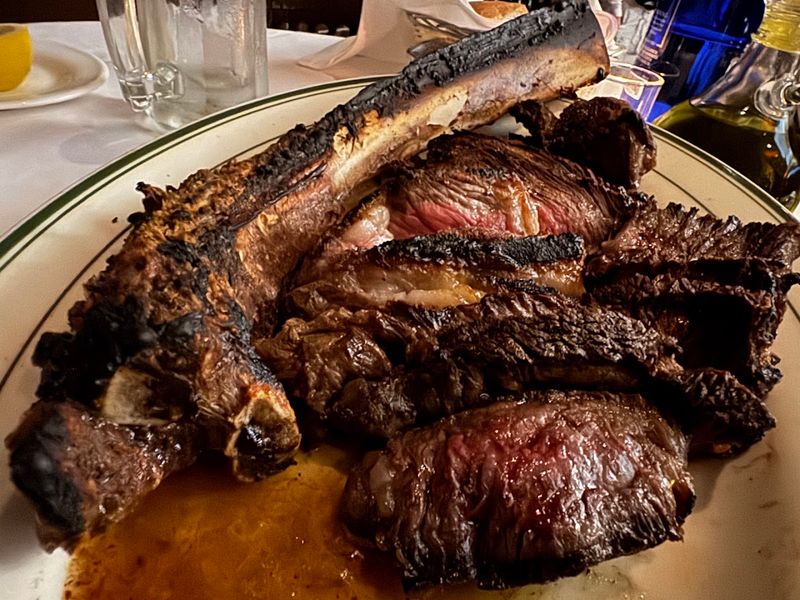
A dry-aged porterhouse is not a weeknight dinner. It is a decision.
You sit down, you clear your schedule, and you commit to the experience fully.
Dry aging means the beef is stored in a temperature-controlled environment for several weeks, sometimes longer.
During that time, moisture evaporates and natural enzymes break down the muscle fibers. The result is a steak that is more concentrated in flavor, more tender in texture, and noticeably more serious than anything that comes from a standard cut.
The porterhouse itself is two steaks in one. One side is the strip, firm and beefy.
The other is the tenderloin, soft and buttery. The bone runs down the middle, adding flavor during the cook.
It is the most efficient use of a single piece of beef ever designed.
New York steakhouses have been perfecting this for generations. The atmosphere is usually old school, the portions are enormous, and the sides arrive in separate bowls meant for sharing.
I have eaten one at a corner table while the city moved outside the window, and I can confirm that very few meals feel as complete. Order it medium-rare.
Argue with anyone who tells you otherwise.
7. Oysters On The Half Shell
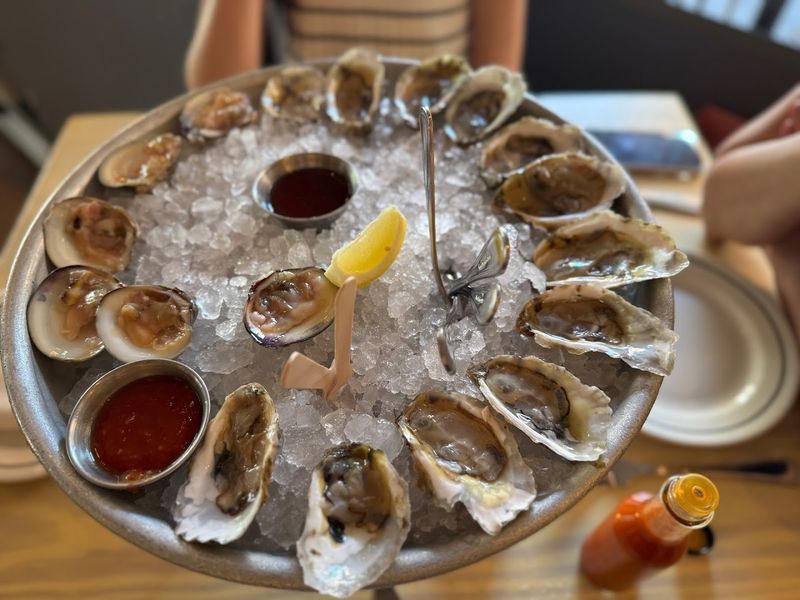
Oysters in New York have a history that most people do not know about. In the 1800s, New York Harbor was home to nearly half of the world’s oyster supply.
Street vendors sold them for pennies.
They were working-class food before they ever became a restaurant experience.
Today, ordering oysters on the half shell in New York still carries that same energy. You point at what you want, someone shucks them in front of you, and they arrive on a bed of crushed ice within minutes.
Cold, briny, and tasting faintly of the ocean they came from.
The mignonette sauce that comes alongside is a simple mix of vinegar and shallots, and a few drops are genuinely all you need.
A squeeze of lemon works too. Some people prefer nothing at all, and that is a perfectly reasonable position.
Each oyster variety tastes slightly different depending on where it was farmed. East Coast oysters tend to be saltier and smaller.
West Coast ones are creamier and larger.
Trying a few of each is the only way to form an opinion worth sharing.
Eating oysters in this city feels like participating in something much older than yourself. That connection to history makes every single one taste a little better.
8. Black And White Cookie
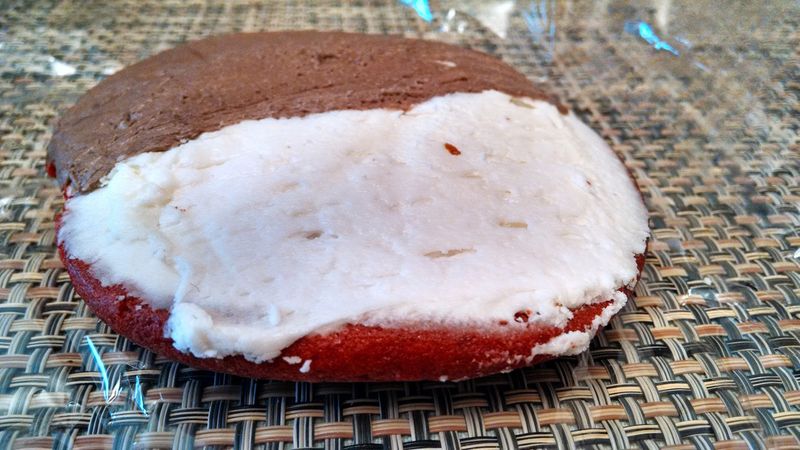
The black and white cookie is not actually a cookie. It is a soft, cakey round with two kinds of fondant icing, one half vanilla, one half chocolate.
Nobody calls it a small cake though, so cookie it is.
It became a New York staple through the city’s Jewish bakeries in the early 20th century, and it has stayed in those same bakery cases ever since. The base is lemon-scented and tender.
The icing is smooth and sweet without being aggressively sugary. The combination works in a way that is quietly satisfying.
Jerry Seinfeld once called it a symbol of racial harmony on his show, which is a very specific kind of fame for a baked good to achieve. The joke landed because the cookie is genuinely beloved and genuinely New York.
You eat it starting from the middle where the two halves meet, or you pick a side and commit. Both approaches have their defenders.
I start in the middle. That is my final answer.
Finding a good one outside New York is surprisingly difficult. Something about the recipe, the texture, or maybe just the setting makes it taste different everywhere else.
It is one of those foods that belongs to this city in a way that is hard to explain but easy to taste.
9. Chopped Cheese Sandwich
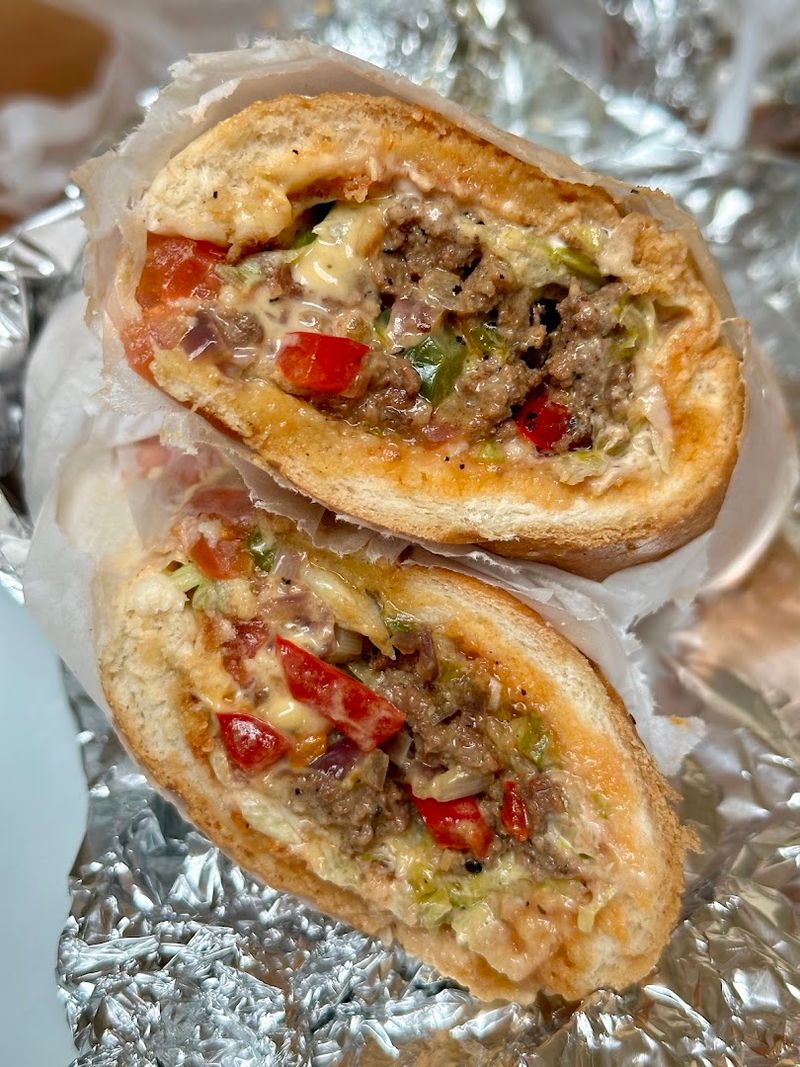
The chopped cheese is a Bronx and Harlem original, and it has been feeding the city from behind bodega counters for decades. It is not a burger.
It is not a cheesesteak.It is its own thing, and it is better than both in the right context.
Ground beef gets pressed and chopped on a flat griddle until it is cooked through and slightly crispy at the edges. American cheese goes on top and melts into the meat.
Everything lands inside a hero roll with lettuce, tomato, onion, ketchup, and mayonnaise. The whole thing costs a few dollars and takes about four minutes to make.
Food writers started covering it around 2016 and suddenly the whole city realized what Harlem and the Bronx had known all along. Fancy versions appeared in restaurants.
Most of them missed the point entirely.
The real version lives at the bodega. The grill is well-seasoned, the roll is slightly soft, and the cheese is fully melted.
That combination cannot be replicated with better ingredients or a fancier setting.
Eating one for the first time is a small revelation. It is messy, satisfying, and completely unpretentious.
In a city full of expensive plates, the chopped cheese stands as proof that the best food does not always come with a reservation.
10. Chicken Lo Mein From A Chinatown Restaurant
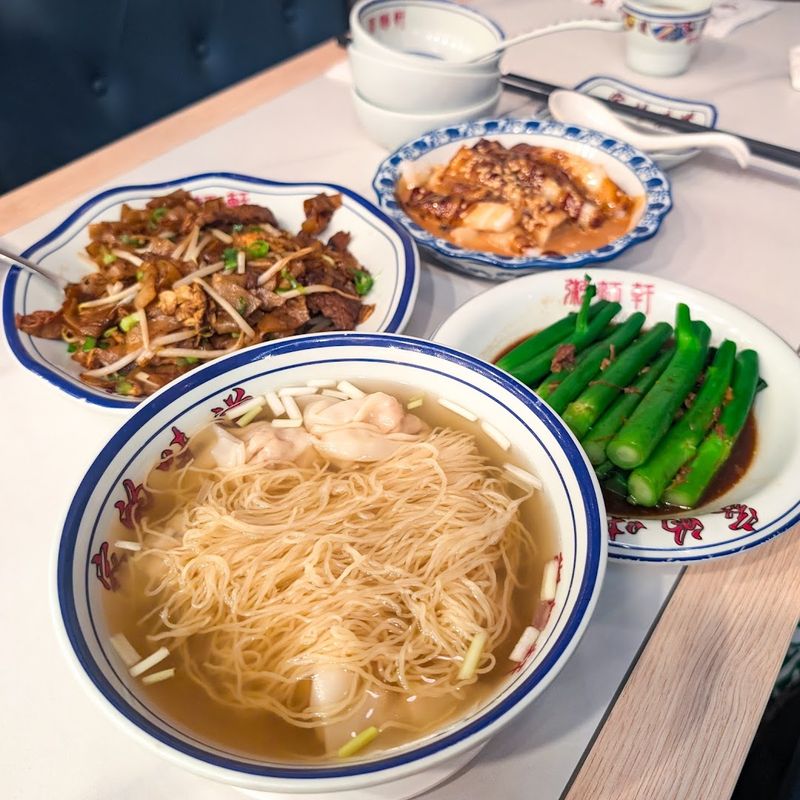
Manhattan’s Chinatown is one of the oldest and largest in the country, and it has been serving some of the most consistent Chinese-American food in the world for well over a century.
Chicken lo mein is one of the dishes that has anchored that reputation from the beginning.
Thick egg noodles get tossed in a wok with sliced chicken, vegetables, and a savory sauce made from soy, sesame oil, and oyster sauce.
The wok heat creates a slight char on the noodles that you cannot fake on a home stove. That char is the whole secret.
The portions are generous, the prices are reasonable, and the dining rooms are usually loud and bright in a way that feels completely right. Nobody is pretending this is fine dining.
It is just very, very good food served fast.
Lo mein as a dish traces back to Chinese culinary tradition, but the version that exists in New York Chinatown has been shaped by decades of local adaptation.
It is its own thing now, and it is worth celebrating on those terms.
I have ordered it on cold nights when I needed something warming and filling, and it has never once let me down.
That kind of reliability is its own form of greatness. Some plates earn their place through consistency alone.