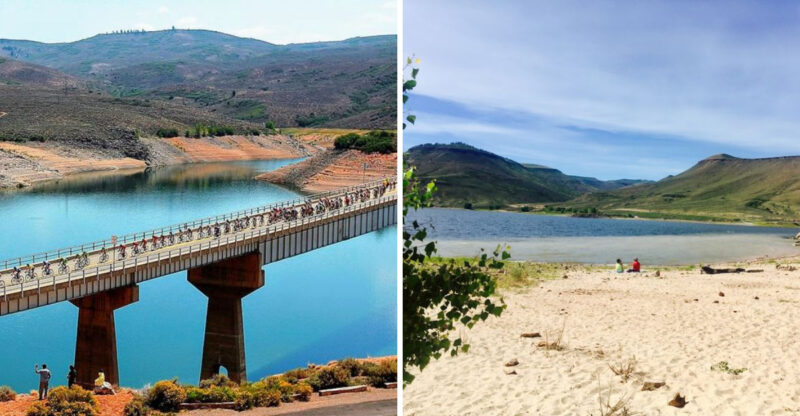
15 Colorado Small Towns That Deserve The Spotlight
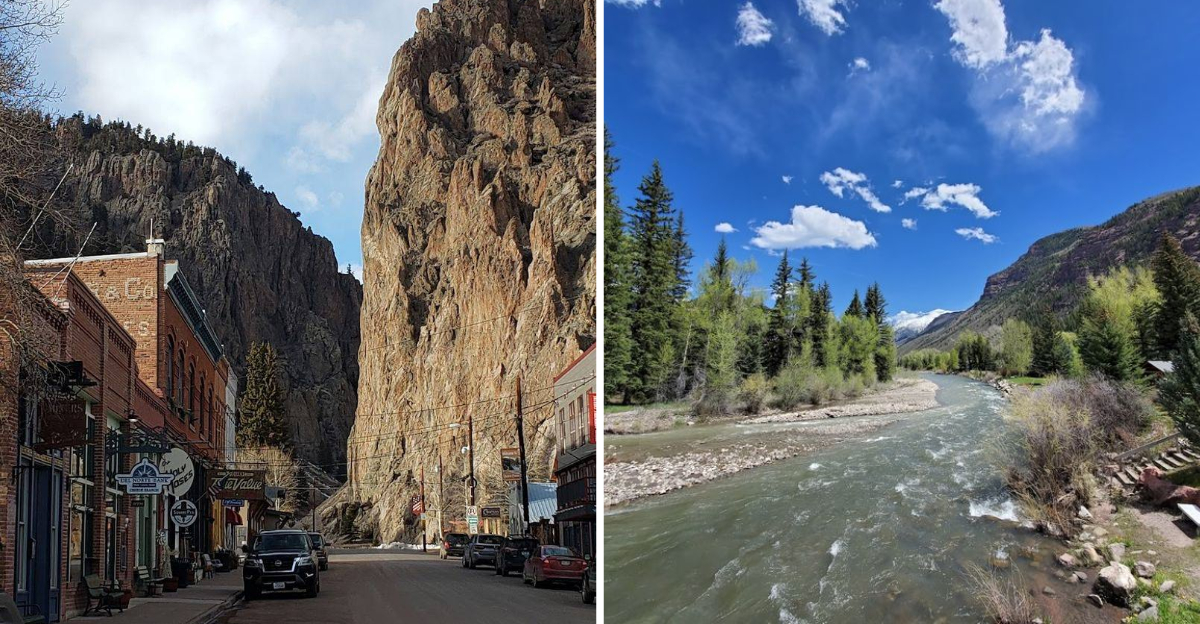
Colorado is full of big-name destinations. The real magic often hides in its small towns.
Between towering peaks, alpine lakes, and winding mountain roads, these places feel like something out of a postcard.
Each one has its own character. Some built on mining history, others shaped by ski culture or quiet mountain living.
What they all share is incredible scenery and a slower, more grounded way of life.
In many cases, they’re just a short drive from famous resorts, yet they feel a world away from the crowds.
These small towns prove that sometimes the most unforgettable places are often the ones you almost miss.
1. Ouray
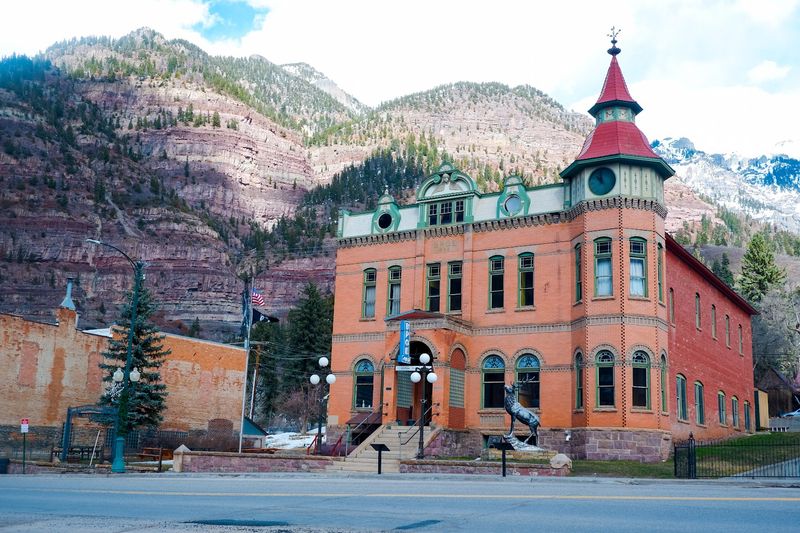
Surrounded on nearly three sides by sheer canyon walls, Ouray is like a secret tucked into the San Juan Mountains of southwestern Colorado. Speaking of secrets, I almost didn’t want to reveal this one to you.
The town earned its nickname “The Switzerland of America” long before social media made mountain towns famous, and the scenery absolutely backs up that claim.
Natural hot springs feed a public pool right in the heart of town, so after a long hike, you can soak under open sky while staring up at 13,000-foot peaks.
Ouray is also widely known as the ice climbing capital of North America. The Ouray Ice Park, a free-to-use ice climbing area carved into a canyon, is one of the most unique outdoor recreational facilities anywhere in the country.
Historic Victorian architecture lines Main Street, giving the whole town a time-capsule quality that seems earned rather than manufactured.
Late September brings golden aspen leaves cascading down the surrounding peaks, creating a color show that rivals anything you’ll find in New England.
My advice is that you should plan at least two full days here because one is never enough.
2. Silverton
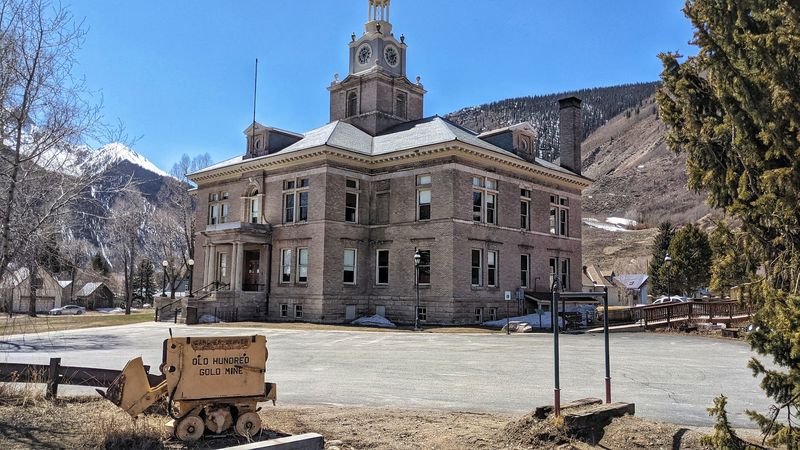
I must admit that riding the Durango and Silverton Narrow Gauge Railroad into town is one of the most cinematic arrivals.
Silverton sits at 9,318 feet above sea level in a high alpine basin, making it one of the higher-elevation incorporated towns in Colorado. I didn’t expect much at first, but I’m more than thrilled that my mind was changed.
The surrounding San Juan Mountains create a natural amphitheater of jagged peaks that turns every glance skyward into a postcard moment.
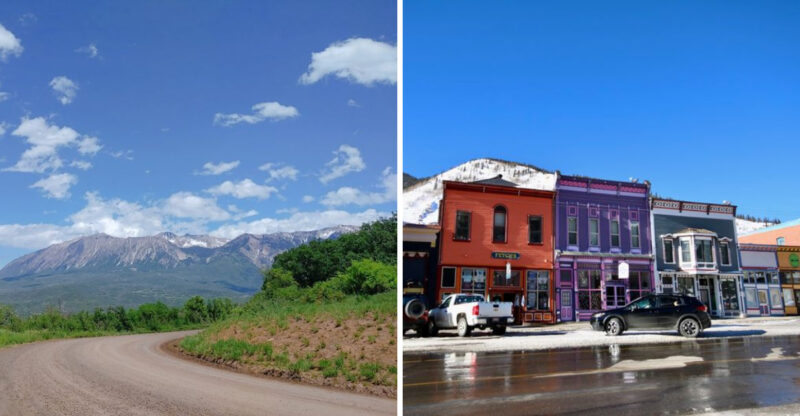
Mining history runs deep here, and the old storefronts along Greene Street have barely changed since silver was king in the late 1800s.
Silverton Mountain, just outside of town, is a ski area famous for expert-only terrain and some of the deepest snowpack in Colorado. Summer brings a completely different energy, with jeep tours heading up into the high country on four-wheel-drive roads.
The population hovers around just 600 residents year-round, which means you’re likely to strike up a real conversation with a local at the coffee shop.
3. Crested Butte
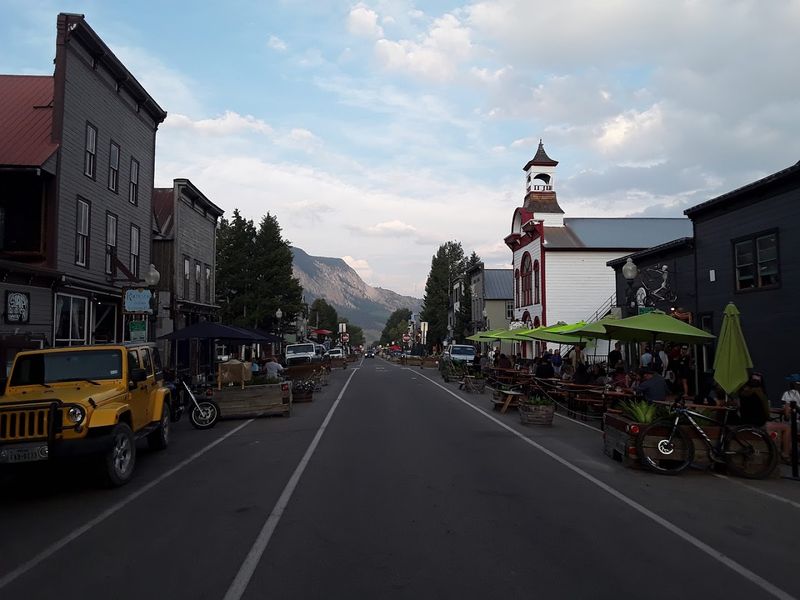
You won’t find this on the front page of every travel guide, which is exactly why you’re going to love it so much.
Known as the wildflower capital of Colorado, Crested Butte earns that title every July when the surrounding valleys explode in waves of columbine, sunflowers, and Indian paintbrush.
The town’s bright, candy-colored buildings along Elk Avenue give it a personality that is entirely its own.
Crested Butte is somewhat isolated, located in Gunnison County in western Colorado, which has helped it preserve a genuinely independent, non-commercialized character.
In winter, Crested Butte Mountain Resort draws skiers who love steep terrain and a no-frills, locals-first attitude that bigger resorts have long since abandoned.
The annual Crested Butte Wildflower Festival in July draws botanists, hikers, and photographers from across the country for guided walks and educational programs.
Mountain biking culture is enormous here, and I would say that the trails surrounding the valley are among the best in the Rocky Mountain region.
Restaurants on Elk Avenue range from casual burger joints to surprisingly sophisticated farm-to-table menus, all within easy walking distance of each other. The magic of this town is that it still feels like it belongs to the people who actually live there.
4. Ridgway
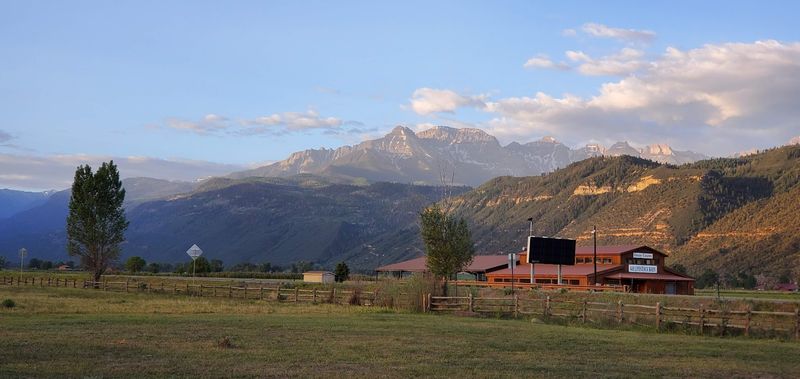
True Grit was filmed here in 1969, and the dramatic landscape that brought the production to Ridgway is still largely intact today.
Between the San Juan and Cimarron mountain ranges in Ouray County, Ridgway delivers some of the most jaw-dropping mountain scenery in the entire state without the tourist crowds of its famous neighbors.
If I could pick only one spot in Colorado to disappear for a month, this would be it, no questions asked.
The Ridgway State Park and Reservoir just north of town is a fantastic resource for paddleboarding, fishing, and camping with panoramic mountain views as your constant backdrop.
A small but thriving arts community has taken root here over the past two decades, with galleries and studios scattered throughout the compact downtown. Ridgway is also a popular base camp for exploring the surrounding mountains by horseback.
Farmers markets and community events keep the downtown cheerful through summer, giving the town an authenticity that is refreshingly hard to find. Coming here feels like stumbling onto a movie set where real life kept going after the cameras stopped rolling.
5. Paonia
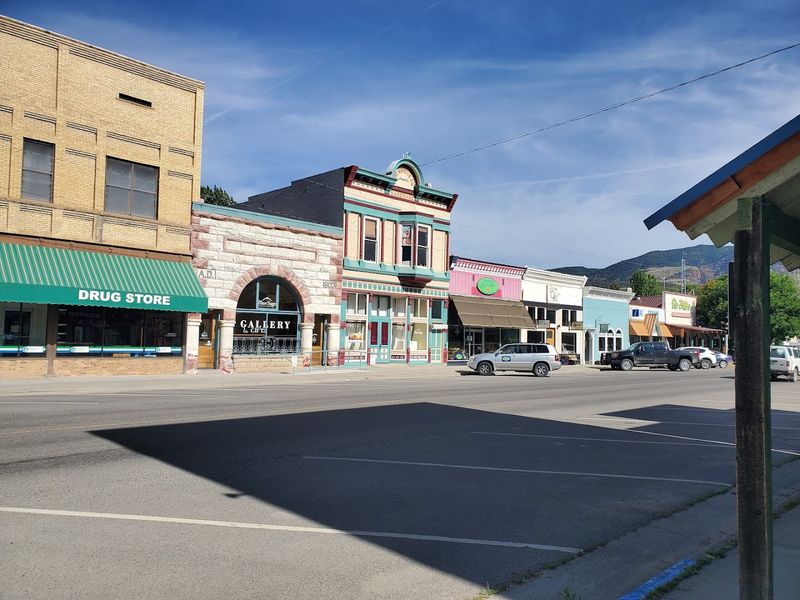
This valley’s beauty is subtle, but I promise you, it grows on you like a good book you can’t put down.
Paonia is in the North Fork Valley of Delta County, a surprisingly lush agricultural pocket between the West Elk Mountains and the Grand Mesa.
The town is surrounded by organic farms, cherry orchards, and small vineyards that have quietly earned Colorado’s North Fork Valley a reputation as one of the state’s top agricultural regions.
Every summer, the Paonia Cherry Days festival celebrates the harvest with live music, a parade, and enough cherry pie to keep you happy for a very long time.
The creative community here is unusually strong for a town of about 1,500 people, with an arts scene anchored by galleries, music venues, and community theater.
High Country News was long based in Paonia before relocating to Colorado’s Front Range. That gives the town an intellectual edge.
The surrounding trails and the nearby West Elk Wilderness offer excellent hiking through terrain that most Colorado visitors never discover.
6. Westcliffe
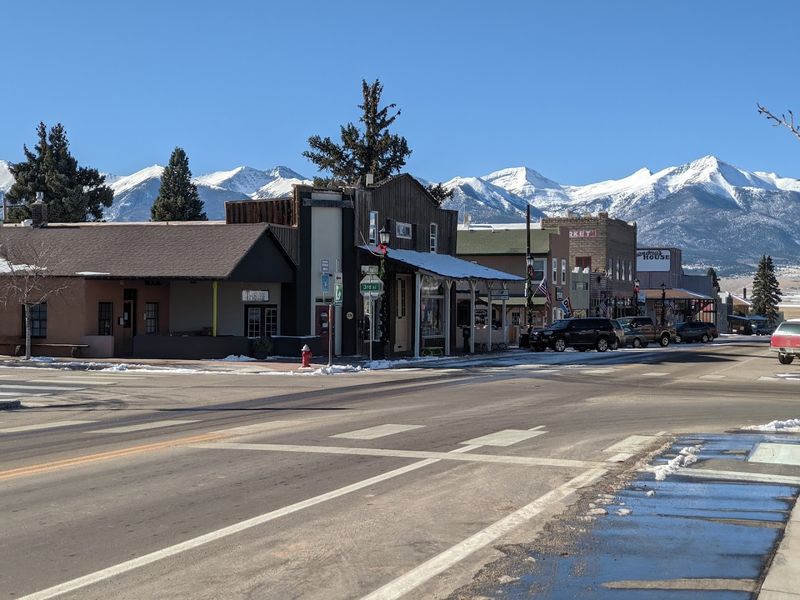
If you’re anything like me and you crave authenticity over tourist traps, you’re going to absolutely flip for this spot.
Westcliffe holds one of the most remarkable titles of any small towns: it was one of Colorado’s first International Dark Sky Communities.
The town is in the Wet Mountain Valley directly across from the stunning Sangre de Cristo Range, which provides a dramatic western horizon at all hours. The stargazing here is genuinely extraordinary.
On a clear night, the Milky Way stretches across the sky in a way that most city-dwellers have never experienced firsthand.
During the day, the Sangre de Cristo peaks serve as a constant visual companion, if you’re hiking, horseback riding, or simply sitting on a porch.
The town itself is small, quiet, and deeply community-oriented, with a charming Main Street that hosts a summer concert series and a popular farmers market.
Elk, mule deer, and golden eagles are regular sights in the surrounding valley. That makes Westcliffe a low-key paradise for wildlife enthusiasts.
7. Lake City
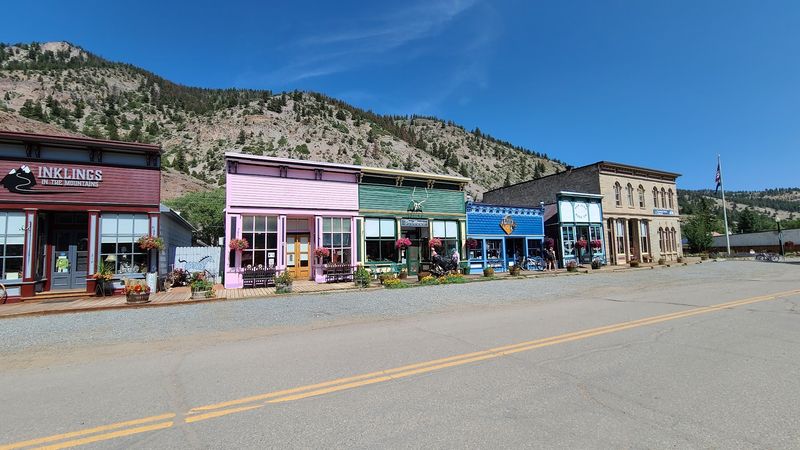
Don’t make the same mistake I did by only planning a morning here. You’re going to want at least a full weekend once you feel the vibe.
Lake City has the distinction of being one of the most extensive historic districts in Colorado. It’s a remarkable achievement for a town with fewer than 500 year-round residents.
This remote city, sitting at the southern end of the Alpine Loop Scenic Byway in Hinsdale County, is surrounded by some of the highest peaks in the entire state. That includes several that top 14,000 feet.
The Lake Fork of the Gunnison River runs right through town, offering excellent fly fishing in waters that have not been crowded out by mass tourism. Hinsdale County is actually the least populated county in Colorado.
Victorian-era storefronts, a historic courthouse, and charming bed-and-breakfast inns give Lake City a preserved quality that is like stepping back into the 1880s without the inconvenience.
The Alpine Loop, accessible by four-wheel-drive vehicles, connects Lake City to Silverton and Ouray through breathtaking high-alpine terrain above treeline.
Summer is the most popular season, but early fall brings aspen color that frames the entire valley in shimmering gold. Lake City rewards patience, and those who seek it out rarely leave disappointed.
8. Creede
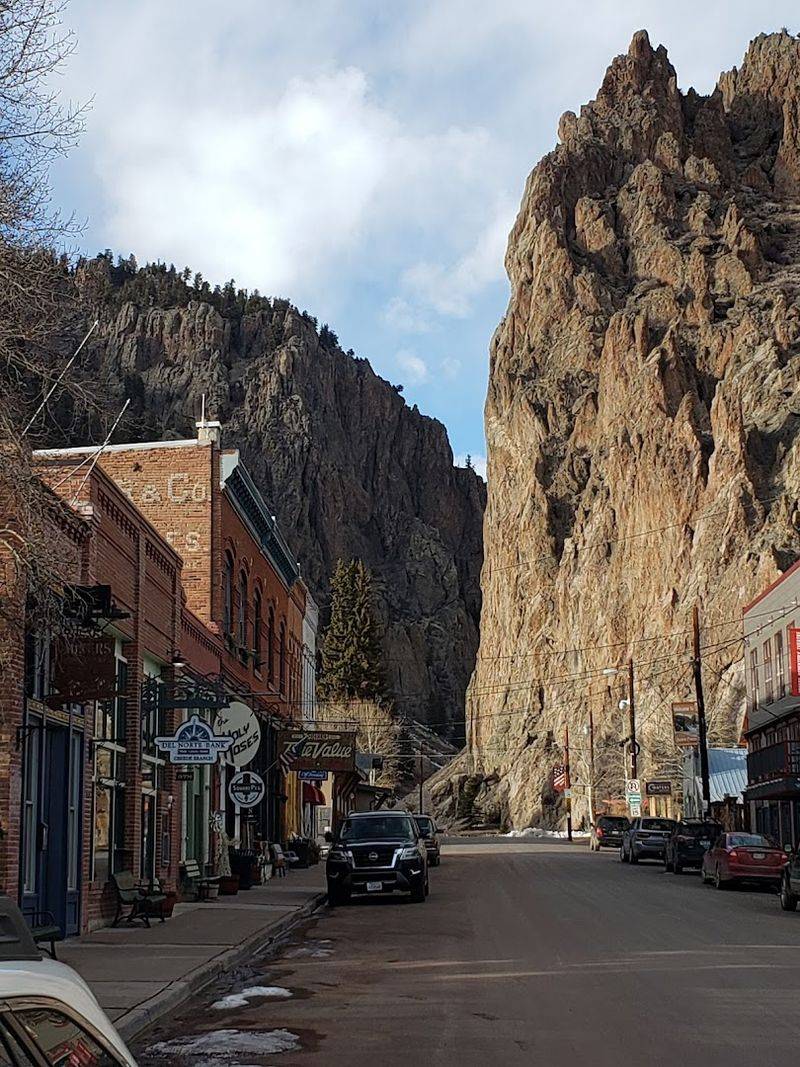
I promise you, no matter how many photos you see, nothing compares to the moment you actually step out of your car and hear the silence of this destination. Not many towns can claim both a world-class theater and a canyon as their front yard.
Creede is squeezed into a narrow volcanic canyon in Mineral County. The cliffs rising directly above the main street give the town a theatrical quality that no set designer could improve upon.
During the silver boom of the 1890s, Creede was one of the most rowdy and prosperous mining camps in the entire West. Today, the Creede Repertory Theatre is the town’s crown jewel.
It draws performers and audiences from across the country for a summer season of professionally staged productions.
The underground Creede Mining Museum, literally carved into the canyon wall, gives visitors an up-close look at the geology and history that built this remarkable town.
Fishing on the Rio Grande River, which flows through the valley just south of town, is world-class, particularly for brown and rainbow trout.
The Bachelor Historic Tour, a self-guided driving loop above town, passes old mine sites and offers sweeping views of the surrounding San Juan Mountains. Creede’s population drops to around 300 in winter.
That gives it a wonderfully hushed, end-of-the-road quality that serious adventurers love.
9. Fairplay
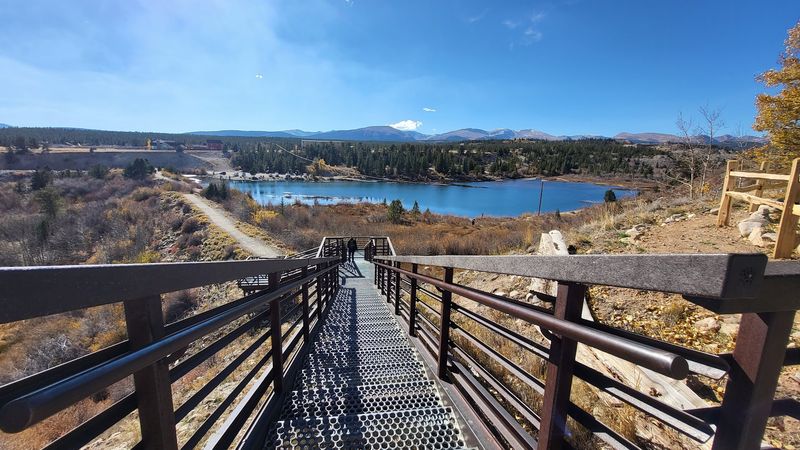
If you’re looking for a sign to finally take that road trip, consider this town your official invitation.
Fairplay is one of those towns where the sky seems bigger than anywhere else in Colorado. It’s at 9,953 feet in the wide-open expanse of South Park.
The South Park City Museum here is a genuine treasure, a reconstructed 1880s mining town with over 40 original buildings and more than 60,000 artifacts spread across a walkable outdoor campus.
Fairplay is the county seat of Park County. Its location near the headwaters of the South Platte River makes it a popular base for fly fishing in high-altitude streams.
The town allegedly gained a new generation of fans as the real-life inspiration for the fictional South Park of the famous animated television series.
Burro Days, held every summer, is one of Colorado’s most beloved and entertainingly offbeat festivals, featuring pack-burro racing up nearby mountain trails. The wide valley surrounding Fairplay hosts pronghorn antelope, elk, and bald eagles.
That makes casual wildlife watching almost inevitable during a morning drive.
10. Minturn
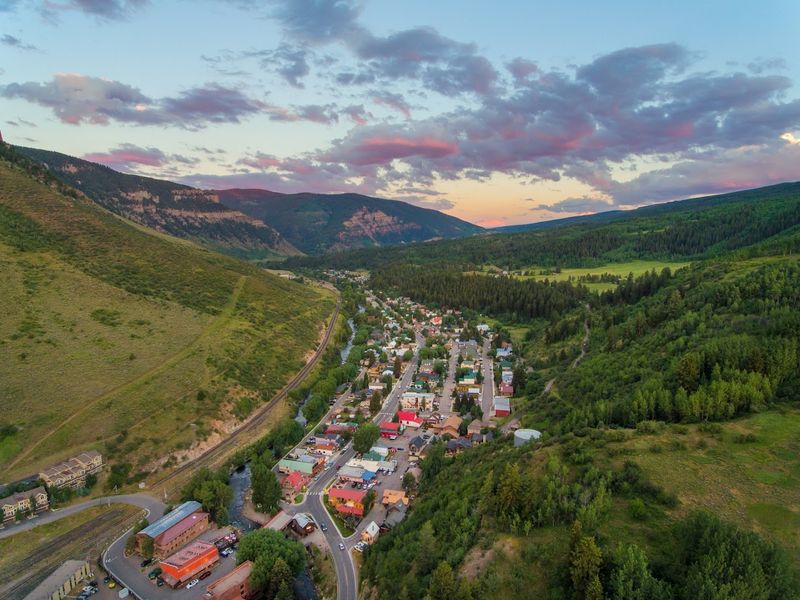
Just five miles from Vail but worlds away in atmosphere, Minturn sits in a narrow canyon along the Eagle River in Eagle County, and it has stubbornly refused to become a resort clone.
The town has a working-class, unpretentious history rooted in the railroad and mining industries, and that character still shows in its architecture and community pride.
The Eagle River running through Minturn is one of the best Gold Medal fishing streams in Colorado, drawing serious fly fishers who prefer quiet water over crowded resort amenities.
Minturn’s small downtown has a handful of excellent restaurants and a local feel that skiers and snowboarders discover when they want a break from Vail’s polished scene.
The Minturn Mile, an off-piste ski route that drops from Vail Mountain directly into town, is legendary among backcountry enthusiasts for its steep, ungroomed terrain.
Summer transforms the canyon into a hiking and mountain biking corridor, with trails connecting to the vast Holy Cross Wilderness just to the south.
The town hosts a popular farmers market and community events that draw residents together in a way that genuinely reflects small-town Colorado values.
Minturn is proof that the best Colorado experiences are often hiding in someone else’s shadow.
11. Redstone
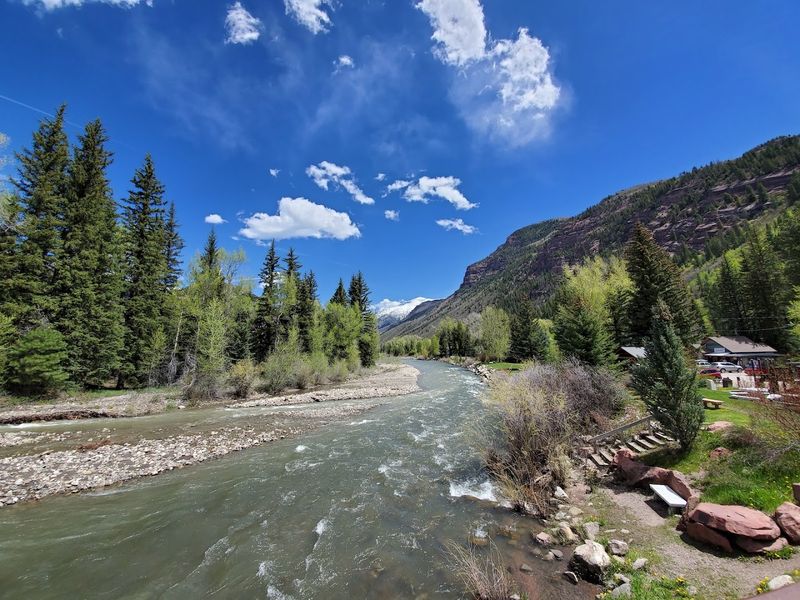
You know that feeling when you finally find a place where you can just breathe? That’s exactly what’s waiting for you here.
Red sandstone cliffs rise dramatically behind the village of Redstone. That gives this tiny Crystal River community in Pitkin County its name and its unmistakable visual identity.
Coal baron John Cleveland Osgood built Redstone at the turn of the 20th century as a model company town, constructing Tudor-style cottages for workers and the stunning Redstone Castle for himself.
The Redstone Castle, a 42-room mansion now operating as a bed and breakfast, is one of the most architecturally remarkable historic properties in the entire state of Colorado.
The Crystal River runs cold and clear right alongside the main road, and provides the fishing, kayaking, and picnicking opportunities along its banks.
Redstone is also a gateway to the Maroon Bells-Snowmass Wilderness, and the road up the Crystal River Valley is one of the most scenic drives in all of western Colorado. The village has a handful of art galleries, a small inn, and a general store.
It keeps the commercial footprint minimal and the peaceful atmosphere fully intact.
12. Marble
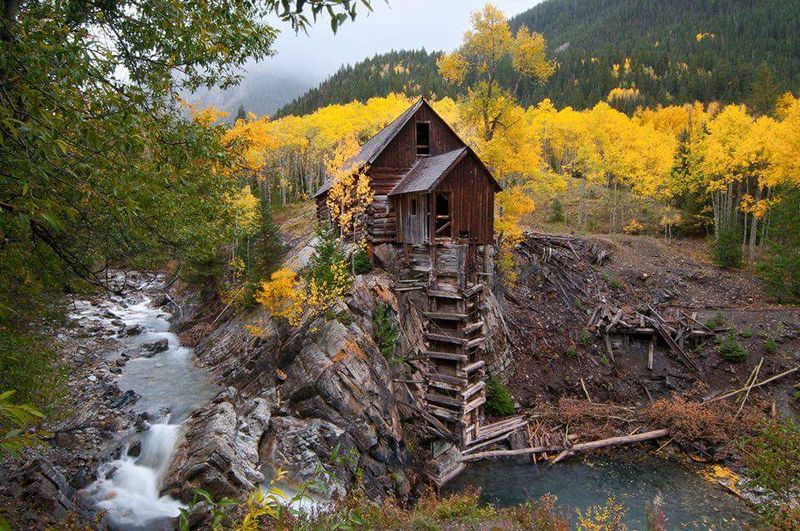
Few towns carry this much history in such a small, quietly breathtaking package, you might think your eyes are playing tricks on you.
Marble sits at nearly 8,000 feet and has a population of fewer than 150 people. That makes it one of the most remote and least-visited historic towns in Colorado.
The Colorado Yule Marble Quarry, still active today, is one of the only operating marble quarries in the United States, and tours are available during summer months.
Huge blocks of raw white marble scattered around the old mill site create a surreal, almost sculptural landscape.
The road to Marble passes through Redstone and follows the Crystal River through increasingly dramatic canyon scenery that rewards every mile of the drive.
Crystal Mill, an 1892 wooden powerhouse is on a rocky outcrop above the Crystal River just outside town. It’s one of the most photographed historic structures in all of Colorado.
Hiking and four-wheel-drive roads fan out from Marble into some of the most rugged and beautiful terrain in the Elk Mountains.
13. Collbran
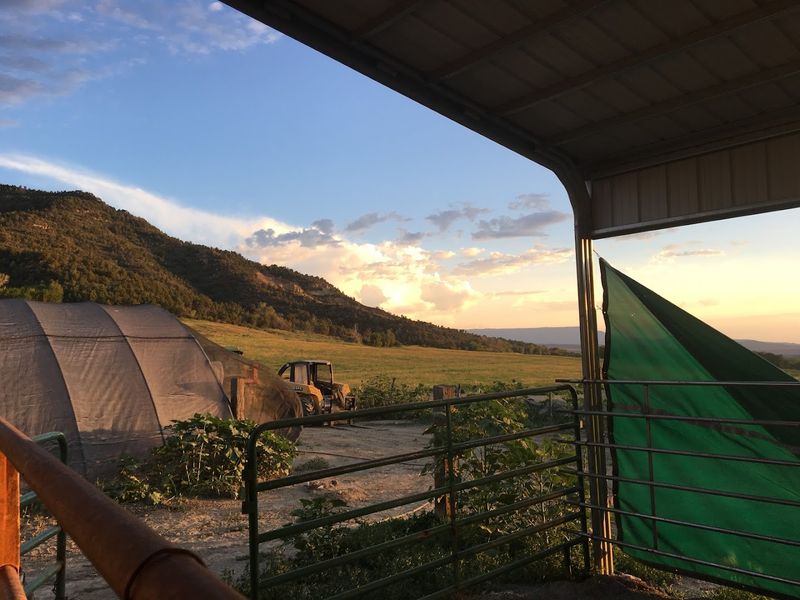
Most Colorado travelers have never heard of Collbran. That is precisely what makes it so refreshing to discover.
I was almost hesitant to tell you about this place because I wanted to keep its peace and quiet all for myself.
This small agricultural community of around 600 people, sitting at the base of the Grand Mesa in Mesa County, is one of the quietest gateways to one of the most fascinating landforms in the American West.
The Grand Mesa, rising just above town, is the world’s largest flat-topped mountain. It covers nearly 500 square miles and with more than 300 lakes and reservoirs across its surface.
Fishing, camping, and hiking on the Grand Mesa draw outdoor enthusiasts who want to escape the crowds.
Collbran itself has a working agricultural character, with cattle ranches, orchards, and a community that has operated on its own rhythms for generations without much outside interference.
The Leon Creek area near town offers excellent hunting and backcountry recreation. A small local museum preserves the ranching and farming history of the Plateau Valley.
Collbran is not trying to impress anyone. Somehow that makes it more impressive than almost anywhere else on this list.
14. San Luis
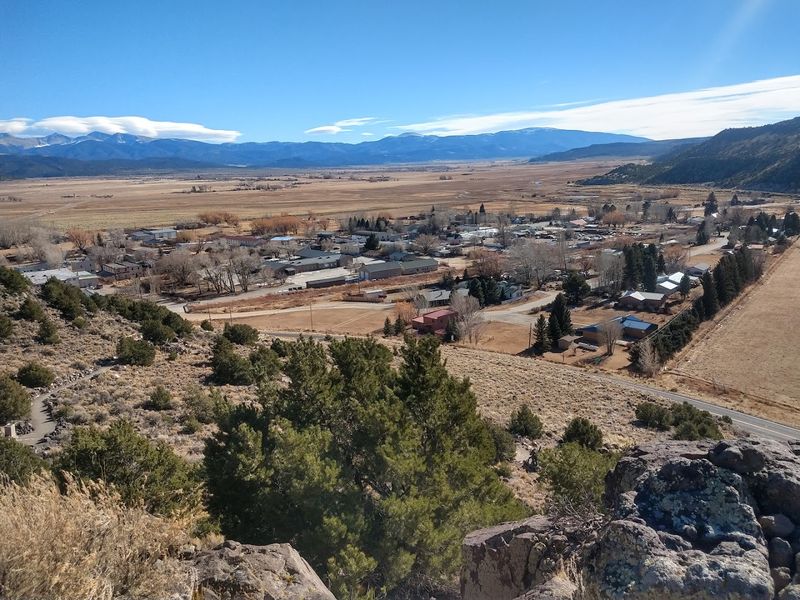
San Luis holds a distinction that no other Colorado town can claim. It was established in 1851, and it’s the oldest continuously inhabited European-settled community in the entire state.
The town, located in Costilla County in the southern San Luis Valley, carries a deep and layered Hispanic cultural heritage. It stretches back centuries before Colorado was even a territory.
It’s wild to me that thousands of people drive past this turnoff every year, completely unaware of the magic waiting for them.
The Stations of the Cross Shrine, a dramatic hilltop installation of bronze sculptures by artist Huberto Maestas. That draws visitors from across the country and offers sweeping views of the surrounding valley.
The San Luis Museum and Cultural Center is one of the finest small-town museums in Colorado, with permanent exhibits dedicated to the region’s Spanish colonial, indigenous, and ranching histories.
The town’s acequia system, a network of traditional community irrigation ditches still maintained today. It’s a living piece of agricultural heritage that dates back to the original settlers.
Flat-topped mesas, wide sky, and the distant silhouette of the Sangre de Cristo Mountains frame every view from town in a way that is both ancient and immediate. The surrounding Sangre de Cristo range offers hiking, fishing, and wildlife watching.
15. Antonito
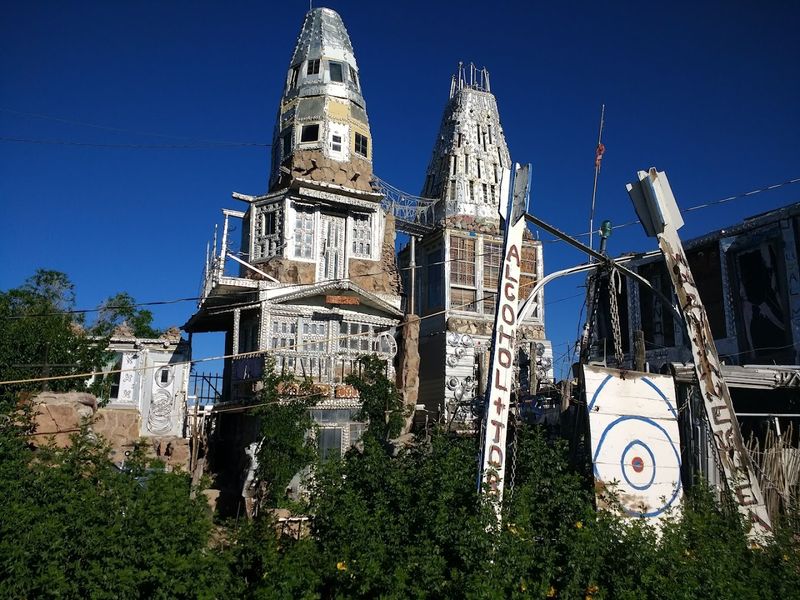
I’ll be honest: I expected a quick pit stop, but I ended up staying three days just to soak in the vibe of this place.
A narrow-gauge steam train still departs from Antonito several times a week. Boarding it is one of the most genuinely thrilling old-fashioned travel experiences left in the American West.
The Cumbres and Toltec Scenic Railroad is a National Historic Landmark that runs 64 miles from Antonito, Colorado to Chama, New Mexico. It winds through aspen forests and climbs over the 10,015-foot Cumbres Pass.
Antonito is in the southern San Luis Valley, surrounded by the high desert landscape and wide skies that define this corner of Colorado.
The town has a small but proud Hispanic community with deep roots in the region. Local festivals throughout the year celebrate that cultural continuity with food, music, and tradition.
The Conejos River, running nearby, is a designated Gold Medal fishery. It attracts serious anglers who know exactly where the best trout water in Colorado tends to hide.
The surrounding countryside is dotted with historic churches and old adobe structures. They tell the story of settlement in the San Luis Valley across several centuries.