These Chilling Stories Surround A Mysterious Cemetery In Georgia
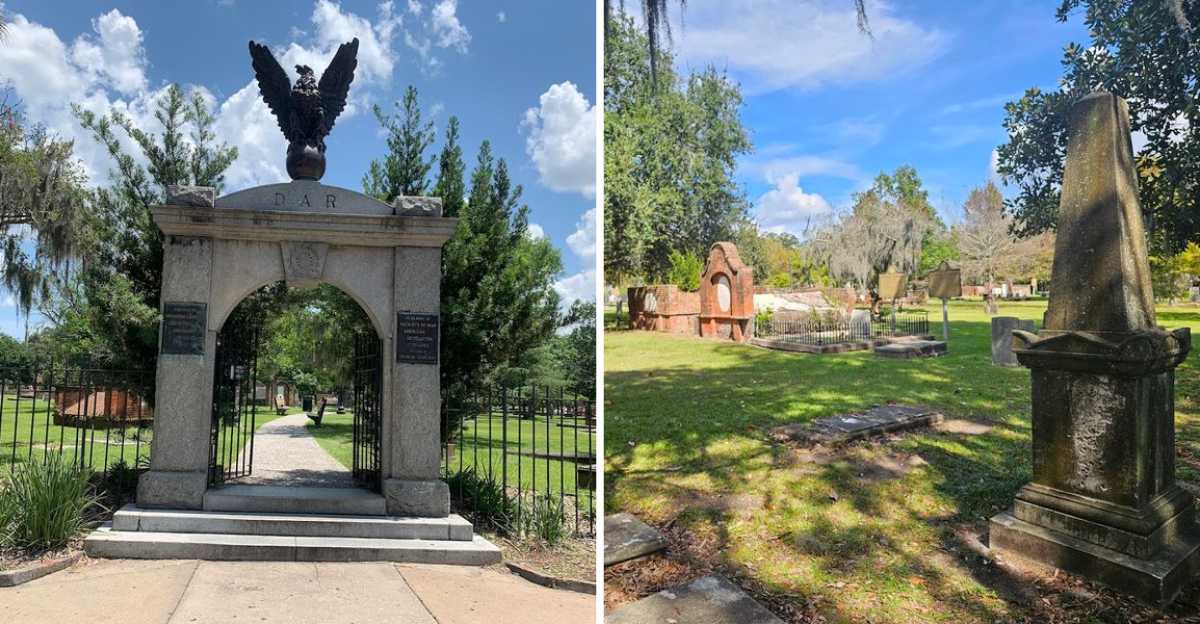
The moment you step through the gates, the noise of the city seems to fade just a little. Colonial Park Cemetery in Savannah, Georgia carries a quiet presence that feels both peaceful and deeply layered with history. Dating back to 1750, this six-acre space holds stories that stretch across centuries, each one adding to the atmosphere that makes it so compelling.
Walking the grounds, you notice the details. Weathered headstones, moss-draped trees, and pathways that invite you to slow down and take it all in. Some markers tell clear stories, while others feel more mysterious, leaving room for imagination to fill in the gaps.
The history here is as fascinating as it is somber. From victims of the yellow fever epidemic to tales of duels and local legends, the cemetery reflects a side of Savannah that is both real and quietly haunting. It is not about being frightening, but about feeling connected to the past in a way that stays with you.
For anyone exploring Savannah’s Historic District, Colonial Park Cemetery offers an experience that feels reflective, intriguing, and genuinely unforgettable.
1. Historical Significance That Runs Deep
Some places carry the weight of centuries in every cracked stone and faded inscription, and Colonial Park Cemetery is exactly that kind of place. Established in 1750, it holds the distinction of being Savannah’s oldest intact municipal cemetery, serving as the city’s main burial ground for over a century. Located at 200 Abercorn Street, Savannah, GA 31401, the cemetery sits comfortably within the Historic District, making it easy to reach on foot from most downtown hotels.
Walking through its iron gates feels like stepping into a living history textbook. More than 9,000 individuals are believed to be interred here, though only a fraction of the graves are marked. The sheer scale of that number puts Savannah’s early growth into sharp perspective.
Weekday mornings tend to be quieter, giving visitors more personal time to read inscriptions and absorb the atmosphere without the weekend crowds pressing in around them.
2. Button Gwinnett’s Resting Place
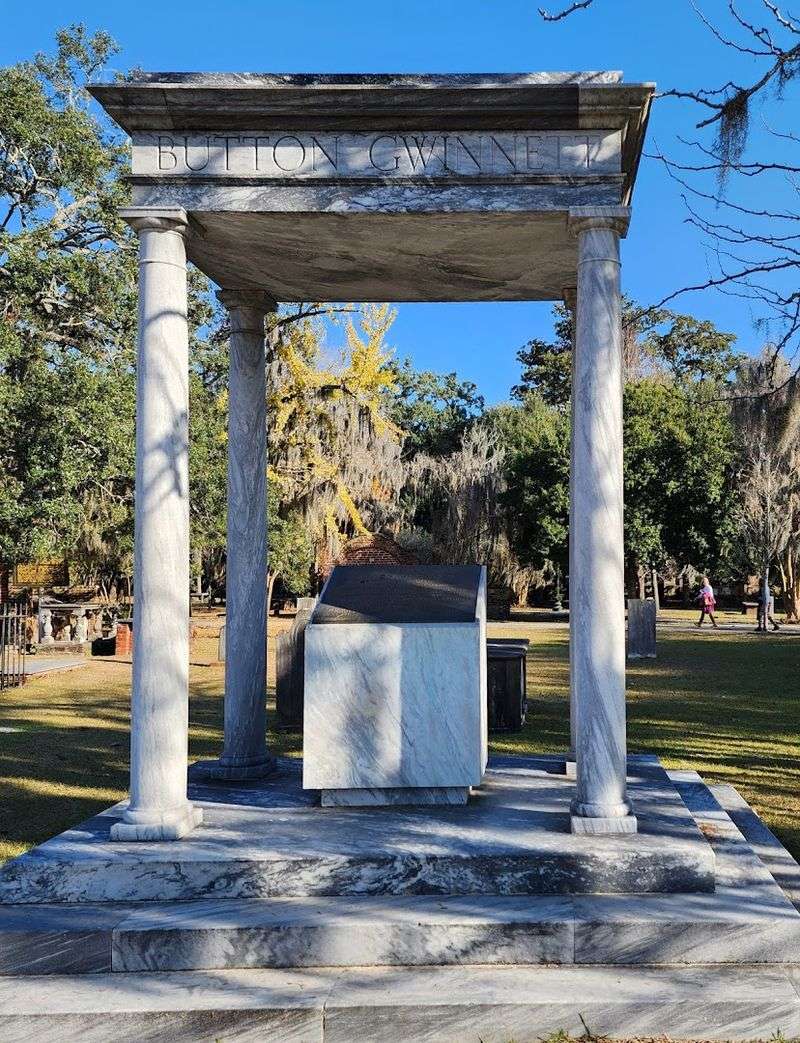
Not many cemeteries can claim a signer of the Declaration of Independence among their permanent residents, but Colonial Park can. Button Gwinnett, one of Georgia’s three signers of that world-changing document, is memorialized here, and his connection to this ground adds a genuine layer of patriotic weight to any visit.
Gwinnett’s story is also tinged with tragedy. He died in 1777 from wounds sustained in a duel, just a year after signing the Declaration. His autograph is considered one of the rarest in American history, making even his grave marker feel like a piece of priceless heritage.
History enthusiasts visiting Savannah often make this stop a priority, and rightfully so. Standing near his memorial, it becomes easy to picture the turbulent, high-stakes world these early Americans navigated daily. Bring a notebook if genealogy or Revolutionary War history is a personal interest, because this spot tends to spark real curiosity.
3. Architectural Wonders Among the Gravestones
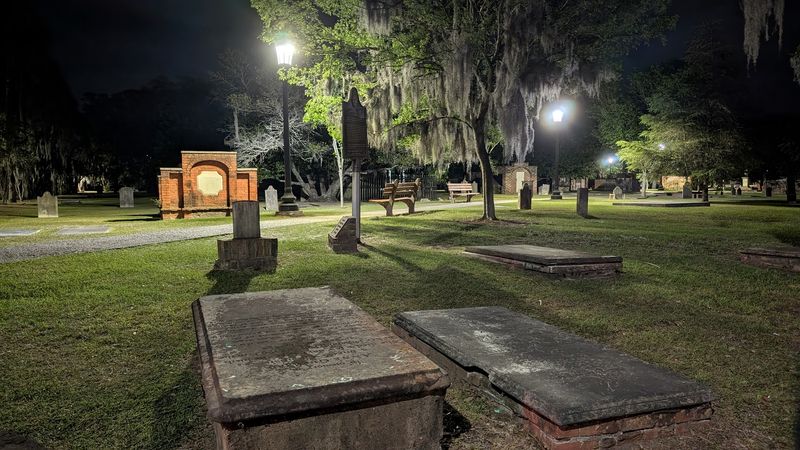
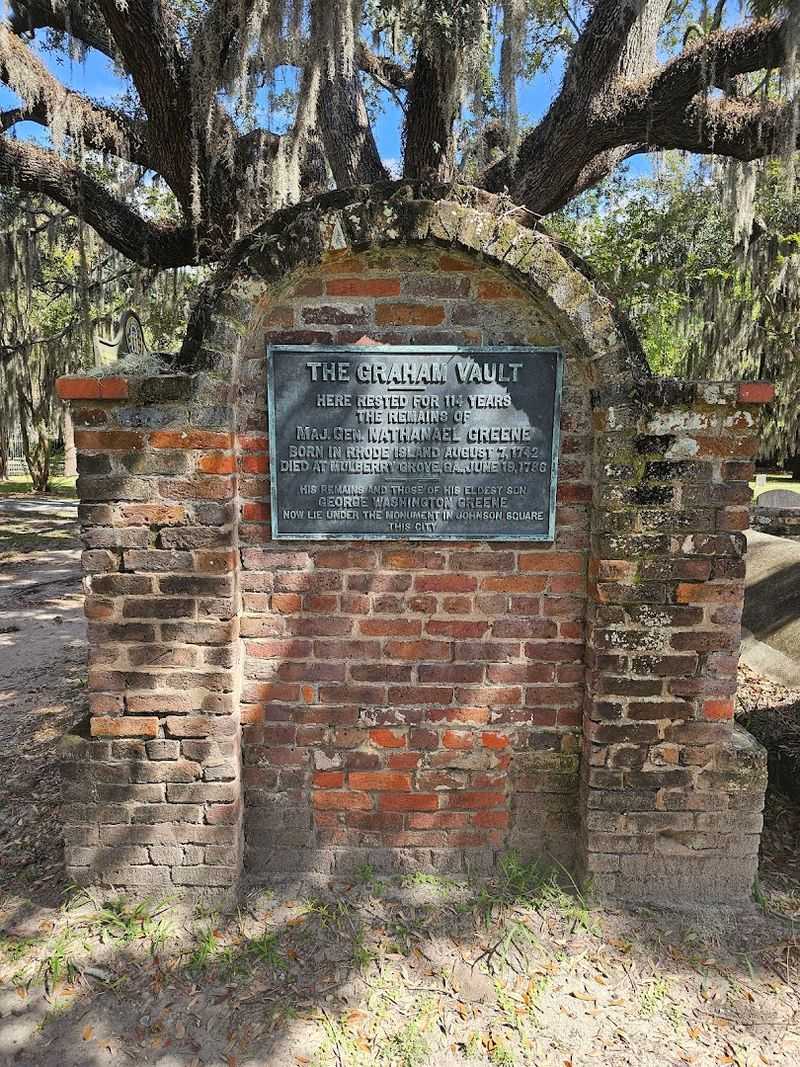
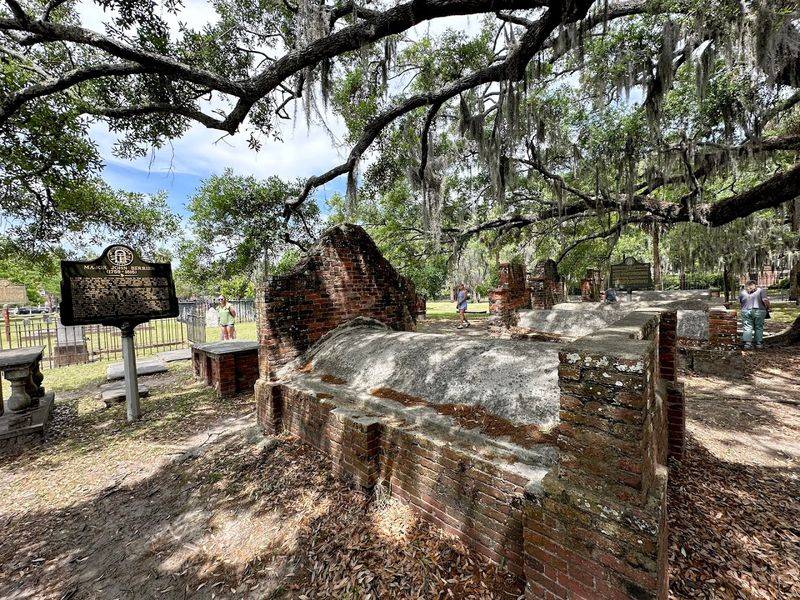
Beyond the names on the stones, the physical structures scattered throughout Colonial Park Cemetery tell their own quiet story about craftsmanship and culture. Brick vaults and mausoleums rise from the earth in styles that reflect 18th and 19th-century funerary design, some elegant and carefully maintained, others beautifully crumbled by time.
Several of these structures were altered during the Civil War when Union soldiers occupied Savannah in 1864. Troops reportedly used the brick vaults for shelter and storage, leaving behind physical evidence of that occupation that can still be observed today. It adds an unexpected Civil War layer to what is already a richly layered site.
Architecture lovers and photographers alike tend to linger here longer than planned. The interplay of aged brick, iron gates, and overhanging moss creates compositions that practically frame themselves. Arriving in the late afternoon, when the sun casts long golden shadows across the monuments, gives the whole place a particularly cinematic quality.
4. The Haunting Yellow Fever Memorial
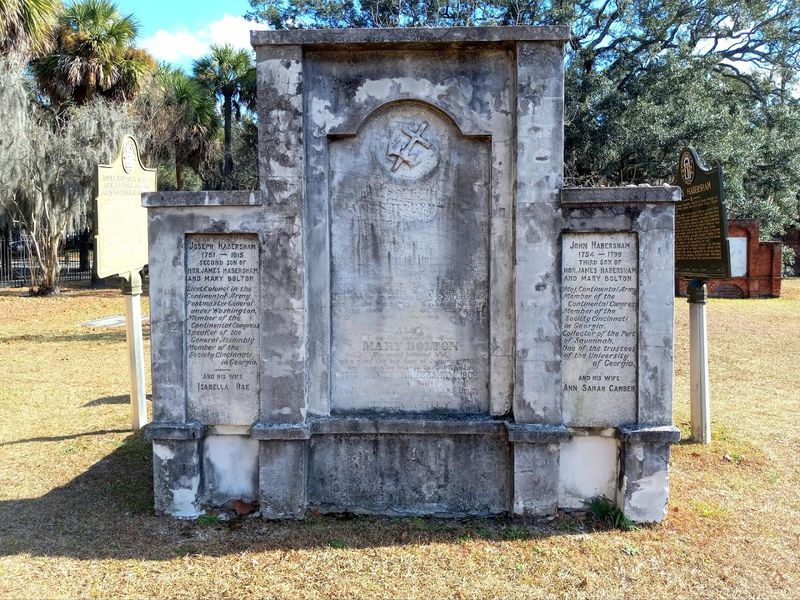
Few markers in any American cemetery carry the quiet devastation of the yellow fever memorial at Colonial Park. In 1820, a brutal epidemic swept through Savannah, claiming nearly 700 lives in a matter of months. Those victims were laid to rest in a mass grave on these grounds, and a memorial marker now stands in their honor.
Yellow fever was terrifying in its speed and its reach, cutting through families and neighborhoods without warning. Reading the memorial today, it is hard not to feel the human cost behind those numbers. The epidemic reshaped Savannah’s population and its public health practices in ways that echoed for generations.
This spot tends to draw a quieter, more reflective crowd compared to the ghost tour groups that pass through at night. Visiting during the day allows for a more thoughtful experience, where the memorial can be read carefully and the gravity of the history can really settle in without distraction.
5. Civil War Occupation Stories
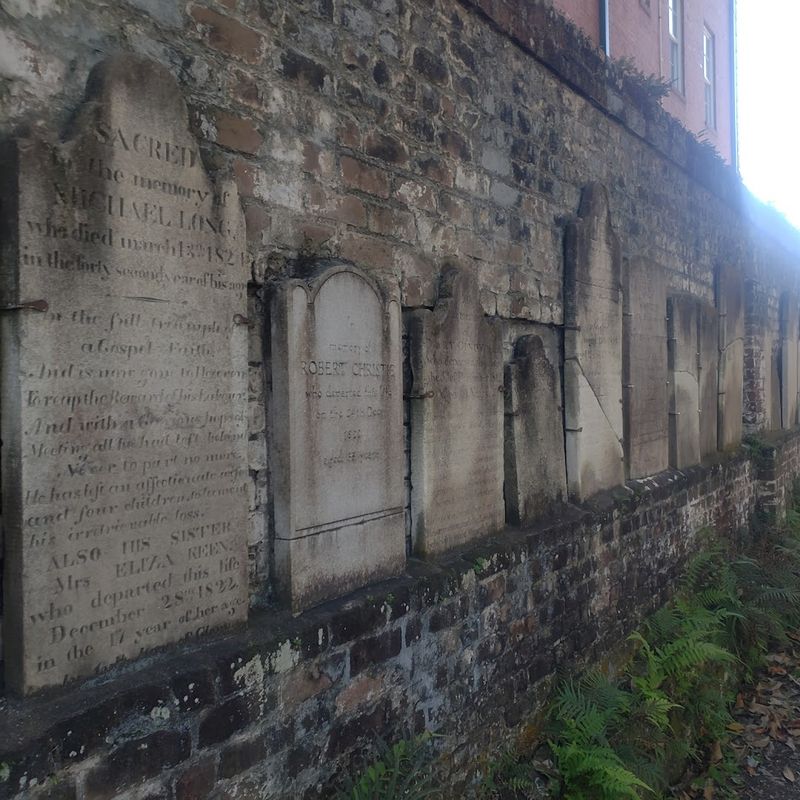
When General Sherman’s Union forces marched into Savannah in December 1864, they did not just occupy the city’s streets and buildings. Colonial Park Cemetery became a campground for soldiers, a decision that left lasting marks on the site that visitors can still observe today.
Union troops reportedly tampered with headstones, altering dates and names in ways that created confusion for genealogists and historians for generations afterward. Some inscriptions were scratched out entirely, while others were changed seemingly as acts of mischief or boredom. These alterations are a sobering reminder that even sacred spaces are not immune to the chaos of war.
Rangers and tour guides at the cemetery are usually happy to point out specific examples of altered stones, making the Civil War chapter of this site feel vivid and tangible. Combining a visit here with a stop at nearby Forsyth Park, just a short walk away, creates a nicely rounded afternoon in Savannah’s Historic District.
6. The Dueling Legacy of Early Savannah
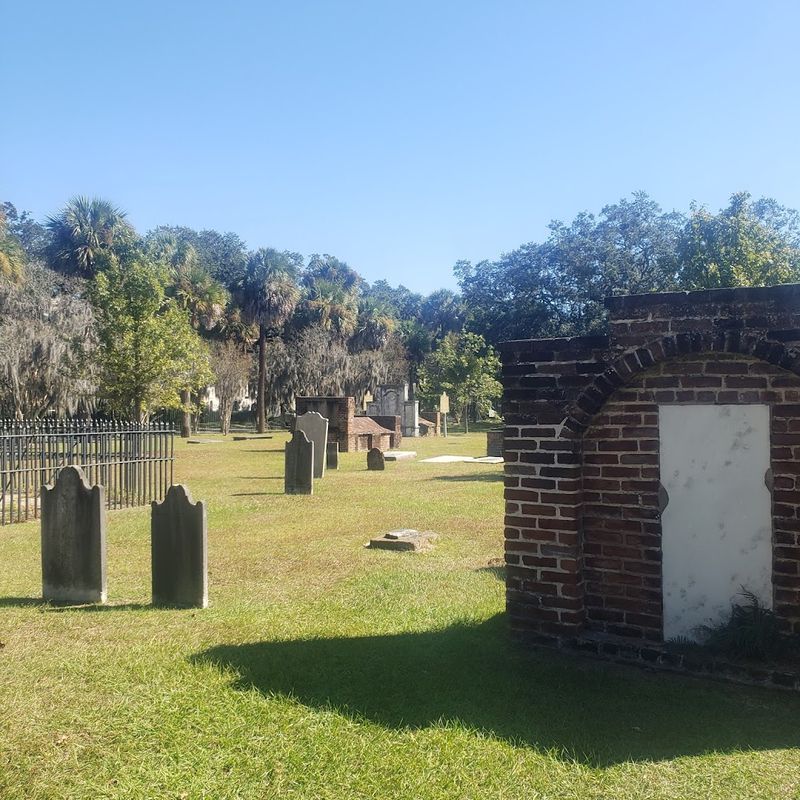
Dueling was once considered a perfectly acceptable way to settle matters of honor among Savannah’s elite, and Colonial Park Cemetery holds the proof in its soil. Several of those interred here died as a result of duels, including Button Gwinnett himself, whose fatal encounter happened just a year after he helped birth a nation.
The practice was widespread in the American South during the 18th and early 19th centuries, and Savannah was no exception. Disputes over land, reputation, and political standing could all escalate to a formal challenge. Reading about these stories against the backdrop of the actual burial ground where the participants ended up adds a sobering dimension that no textbook can quite replicate.
Several guided tours of Colonial Park specifically highlight the dueling graves, weaving the personal stories of those involved into the broader social history of the era. It is genuinely gripping material, especially for visitors who enjoy history with a dramatic edge and real human stakes.
7. Ghost Tours That Will Keep You Up at Night
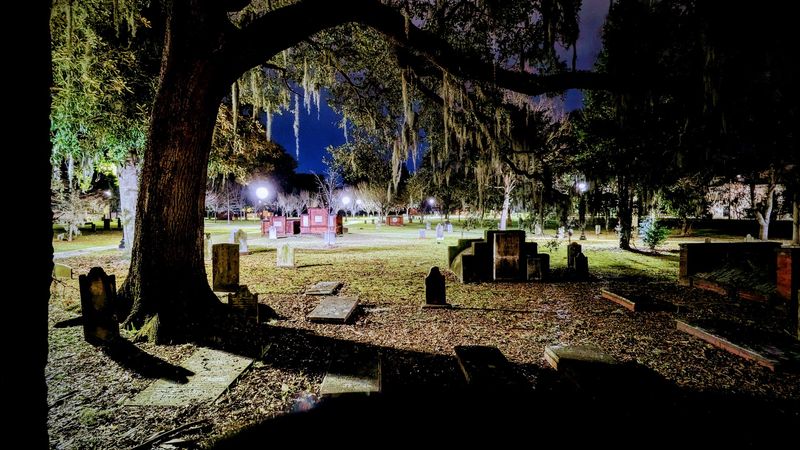
Savannah consistently ranks among the most haunted cities in the United States, and Colonial Park Cemetery sits comfortably at the center of that reputation. Ghost tours pass through its gates almost every evening, guided by storytellers who blend documented history with chilling local legend in ways that are hard to shake off afterward.
Reports of apparitions, unexplained cold spots, and strange photographic anomalies have followed this cemetery for decades. One of the most frequently told stories involves the ghost of Rene Asche Rondolier, allegedly a murderer hanged near the cemetery in the early 1800s, whose figure is said to still wander among the graves after dark.
Multiple tour companies in Savannah include Colonial Park on their routes, with evening departures typically starting around dusk. Hearse Ghost Tours, for example, operates out of the downtown area and regularly features the cemetery. Comfortable shoes and a light jacket are practical recommendations, as Savannah evenings can shift quickly.
8. Scenic Beauty That Stops You Mid-Step
There is a particular kind of beauty that only old places carry, and Colonial Park Cemetery has it in abundance. Enormous live oaks stretch their limbs overhead, trailing curtains of Spanish moss that filter the sunlight into something soft and almost otherworldly. The contrast between the green canopy and the pale, weathered stone below creates a visual atmosphere unlike anything a manicured park can offer.
Seasonal changes shift the mood noticeably. Spring brings a lush brightness to the grounds, while autumn drapes everything in warm amber tones that make even a casual stroll feel cinematic. Summer mornings, though humid, carry a quiet before the tour groups arrive that feels genuinely peaceful.
Photographers visiting Savannah frequently list Colonial Park as one of their top shooting locations in the city. The combination of natural and architectural elements, along with the unpredictable play of light through the tree canopy, means no two visits ever look quite the same. Early morning golden hour is particularly rewarding.
9. A Classroom Without Walls for Funerary Art
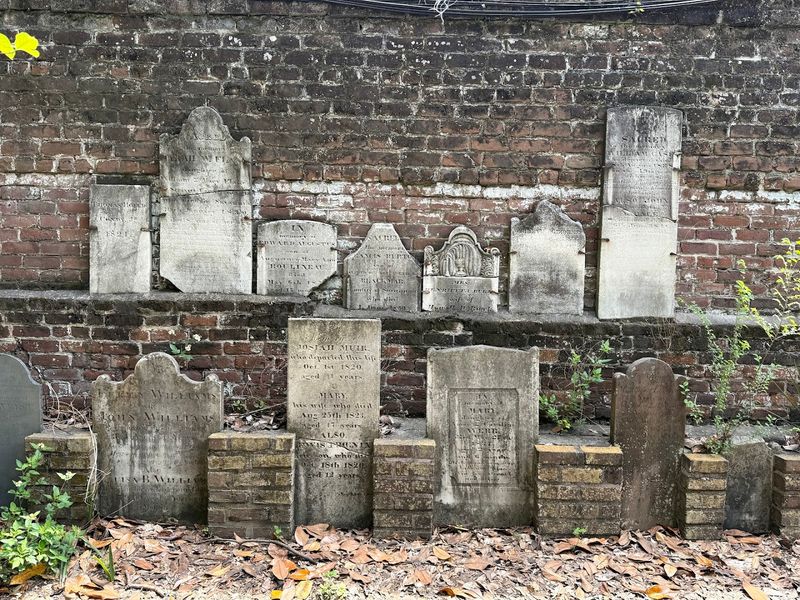
Funerary art is one of those subjects that sounds dry until you are actually standing in front of a 250-year-old gravestone carved with winged skulls and hourglasses, and suddenly it becomes completely fascinating. Colonial Park Cemetery is essentially an open-air museum of burial art traditions spanning roughly two centuries.
Early American gravestones frequently featured symbols meant to communicate beliefs about death and the afterlife. Skulls with wings represented the soul’s flight, weeping willows signaled mourning, and hands pointing skyward suggested divine reunion. Tracing these symbols across different eras within a single cemetery shows how attitudes toward death shifted over time in tangible, carved-in-stone ways.
Teachers and homeschooling families occasionally use Colonial Park as an educational stop during Savannah visits, and it is easy to see why. The cemetery offers a hands-on way to connect art history, American history, and social studies in one genuinely engaging outdoor setting. Children tend to find the skull carvings particularly memorable, for obvious reasons.
10. Genealogical Research Goldmine
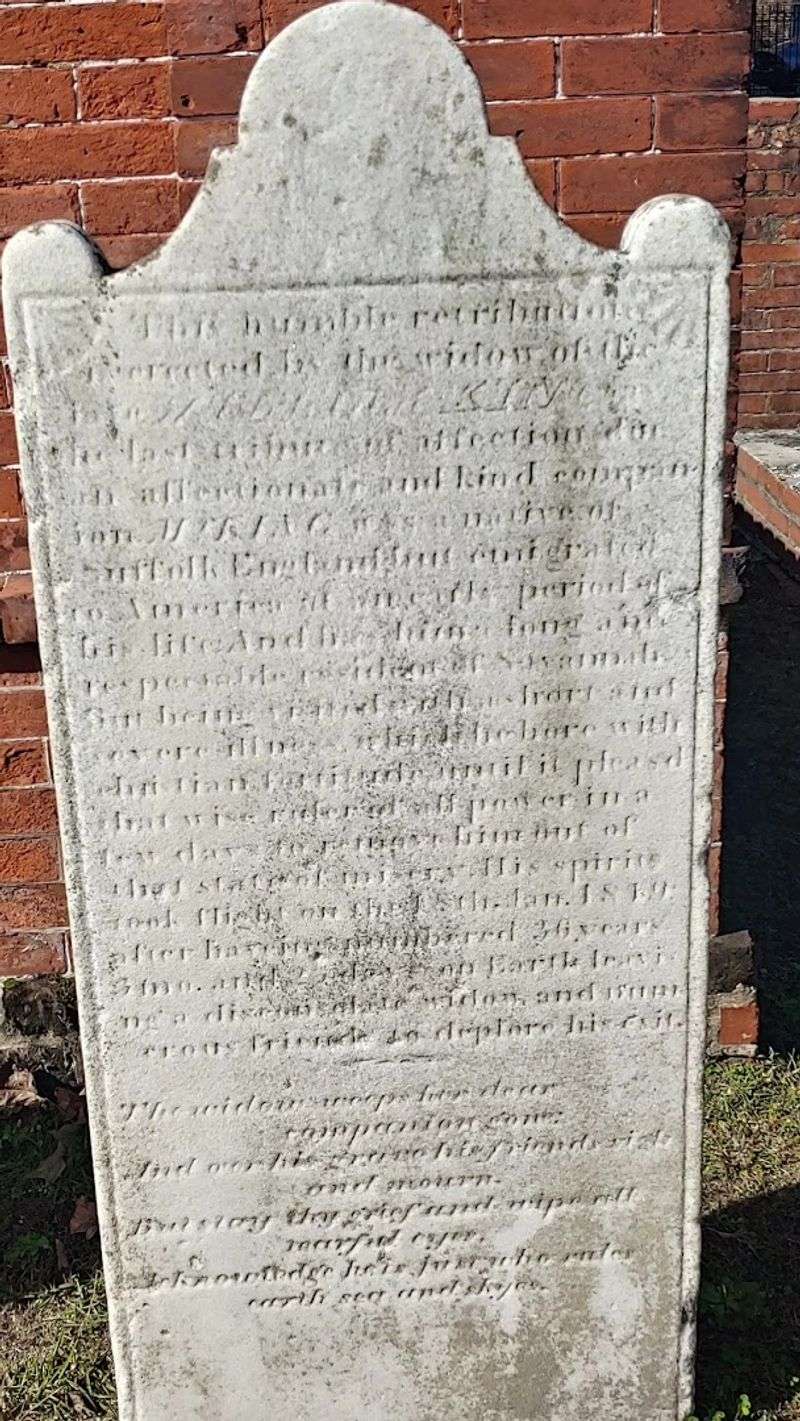
For anyone tracing roots through Georgia’s colonial and antebellum past, Colonial Park Cemetery is a resource that deserves serious attention. Thousands of inscriptions, even the partial and weathered ones, offer fragments of family history that can connect modern researchers to ancestors who built Savannah from the ground up.
The cemetery’s records, combined with the physical markers still standing on the grounds, provide a starting point for tracing surnames common to the Savannah area from the mid-1700s onward. The Savannah Area Genealogical Association is a helpful local resource for visitors who want to combine a cemetery visit with deeper archival research nearby.
Practical tip for genealogy-focused visitors: photograph every legible inscription, even ones that do not seem immediately relevant. Context discovered later in library or online records can suddenly make a previously overlooked name highly significant. Morning visits are ideal for photography, as the lower-angle sunlight helps bring faded text on old stones into sharper visual relief.
11. Photography Opportunities Around Every Corner
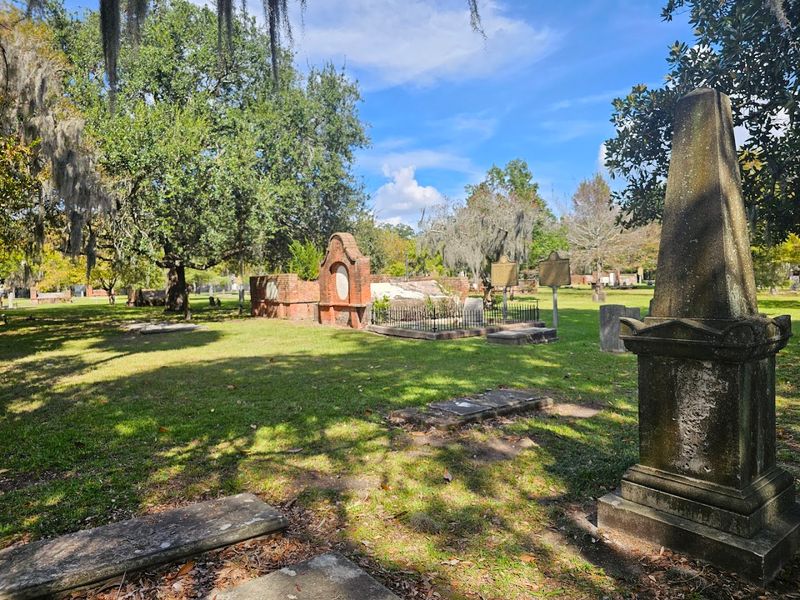
Photographers do not need to search hard for a compelling shot at Colonial Park Cemetery. The whole place is essentially a curated collection of textures, light effects, and compositional gifts waiting to be captured. Weathered limestone, iron fencing, moss-heavy branches, and centuries-old carvings all compete for the lens in the best possible way.
Portrait photographers sometimes use the cemetery as a moody backdrop for editorial shoots, while documentary photographers come specifically to record the gradual erosion of historical markers. The cemetery’s management has been generally welcoming of respectful photography, though visitors are expected to stay on paths and treat the grounds with care.
Golden hour, both morning and evening, transforms the cemetery into something that looks genuinely cinematic. Fog on cool mornings adds another dimension entirely, turning the space into something that feels borrowed from a Gothic novel. A wide-angle lens captures the sweeping canopy, while a macro lens reveals the intricate details carved into individual stones up close.
12. A Cultural Window Into Early Savannah Life
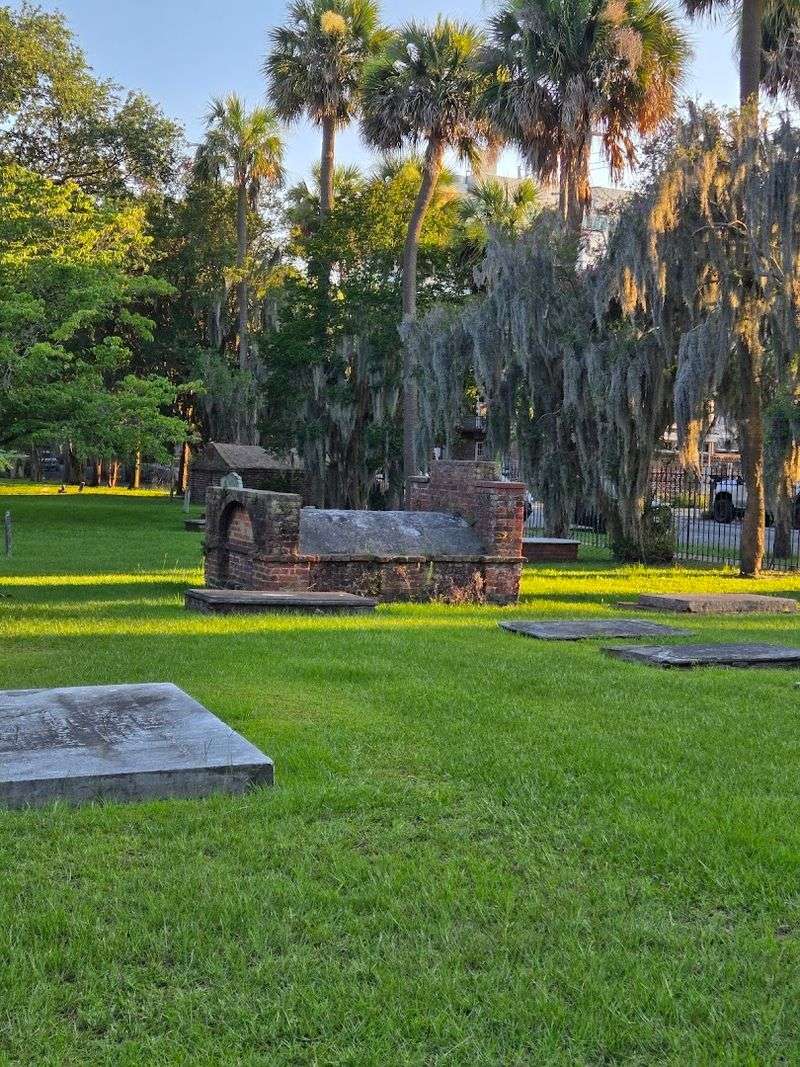
Reading a cemetery is, in many ways, reading a city’s biography. Colonial Park’s occupants represent the full social spectrum of early Savannah, from colonial officials and Revolutionary War officers to merchants, tradespeople, and ordinary families who built their lives in a city that was still figuring out what it wanted to be.
The ethnic and social diversity reflected in the burial records, however incomplete, hints at the layered community Savannah was even in its earliest decades. Names from English, Irish, Scottish, and other European backgrounds appear alongside markers that reflect the complex, often painful realities of the era’s social structure.
Contextualizing a visit with some background reading beforehand, even just a quick review of Savannah’s founding history under General James Oglethorpe in 1733, makes the cemetery visit significantly richer. Several bookshops in Savannah’s Historic District carry accessible local histories that pair beautifully with a self-guided cemetery walk the following morning.
13. Ongoing Restoration Efforts Worth Celebrating
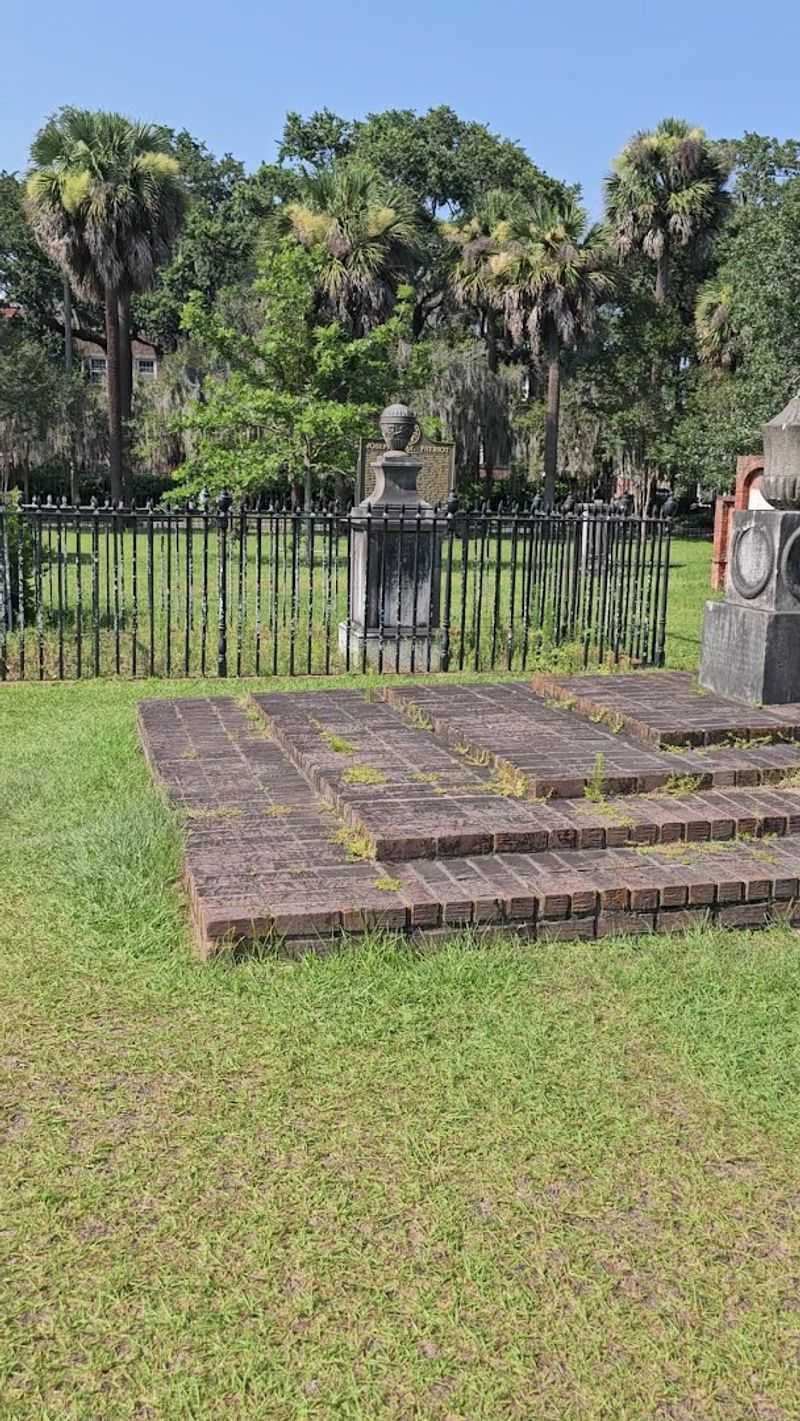
Keeping a 275-year-old cemetery intact and accessible is not a passive job, and the preservation work happening at Colonial Park Cemetery deserves genuine recognition. The City of Savannah has invested in ongoing restoration projects aimed at stabilizing crumbling markers, cleaning weathered surfaces, and ensuring that the structural integrity of vaults and monuments is maintained for future generations.
Some of the most fragile stones have been carefully documented and, in certain cases, relocated to protected positions to prevent further deterioration from weather and foot traffic. Interpretive signage installed in recent years helps visitors understand what they are looking at and why specific restoration choices were made.
Visitors who care about historic preservation will find these efforts genuinely encouraging. Supporting local organizations like the Historic Savannah Foundation, which works on citywide preservation initiatives, is one way to contribute beyond the visit itself.
14. Community Events That Bring History to Life
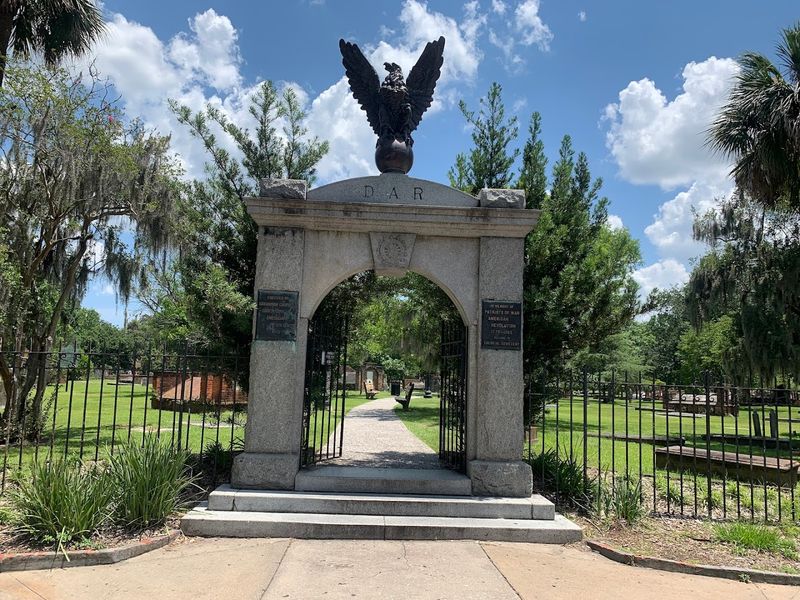
Colonial Park Cemetery is not just a quiet place to wander alone. Throughout the year, the site becomes a venue for community events, historical reenactments, and themed tours that transform the cemetery into an active cultural gathering space. These events draw both locals and visitors, creating a shared experience around Savannah’s layered past.
October is particularly active, with Halloween-season ghost tours, candlelight events, and historical storytelling evenings filling the cemetery’s calendar. Some events feature costumed interpreters who portray historical figures buried on the grounds, bringing a theatrical dimension to the educational content that resonates especially well with younger visitors.
Checking the City of Savannah’s official events calendar before a trip helps ensure visitors do not miss anything scheduled during their stay. The cemetery’s proximity to other Historic District landmarks like the Owens-Thomas House makes it easy to build a full day of culturally rich activity without needing a car.
15. Accessibility and Visitor-Friendly Hours
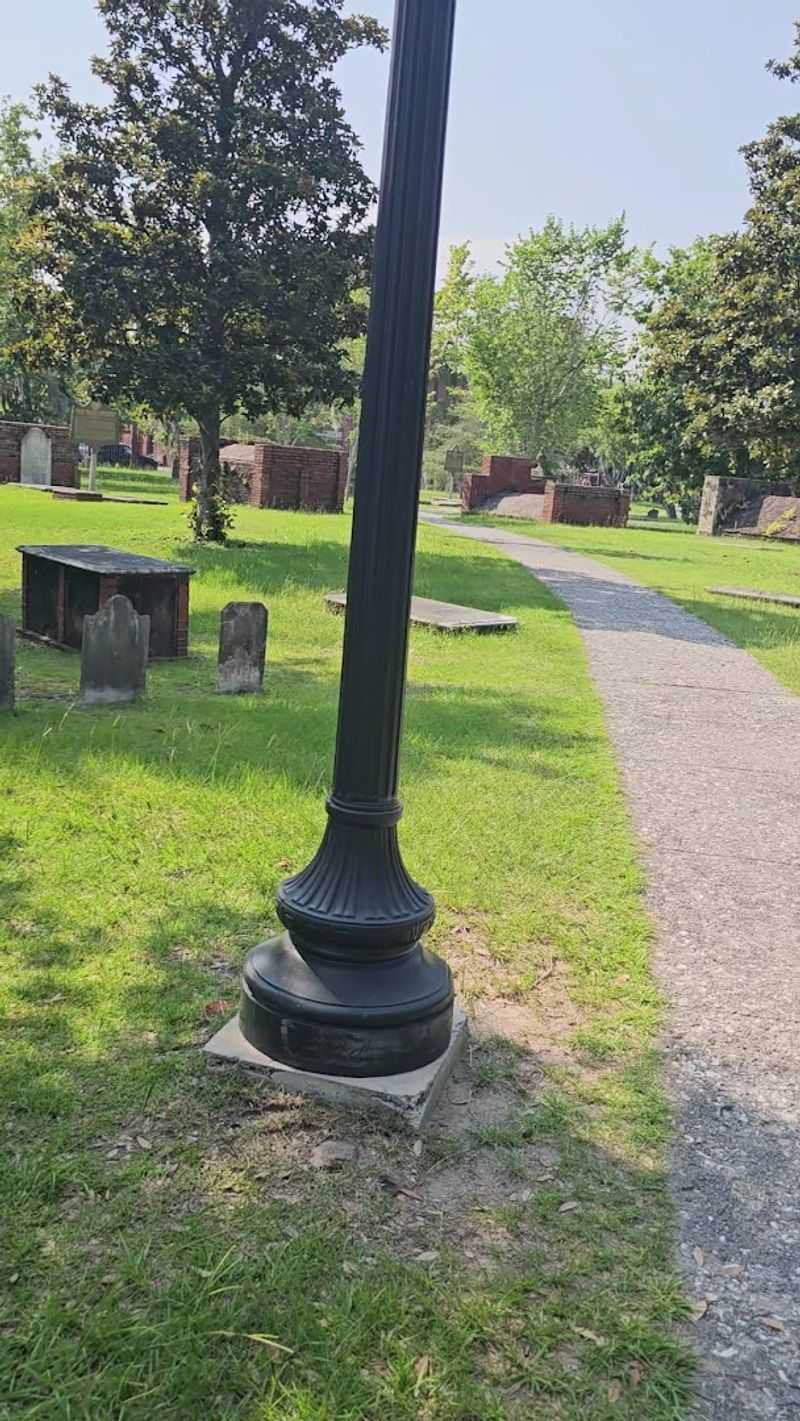
One of the genuinely practical things about Colonial Park Cemetery is how easy it is to fit into a Savannah itinerary. The grounds are open daily, with hours running from 8:00 a.m. to 5:00 p.m. between March and November, and extended hours from 8:00 a.m. to 8:00 p.m. during the November through March period, giving evening visitors more time to explore as the days grow shorter.
The pathways through the cemetery are relatively flat, which makes the grounds reasonably manageable for visitors using mobility aids, though some uneven ground near older sections may require care. Restrooms are available in nearby facilities within the Historic District, and several benches throughout the grounds offer rest spots for those who want to slow down and simply sit with the surroundings.
Parking along Abercorn Street and the surrounding blocks is available, though weekends can see heavier turnover. Arriving on foot from a downtown hotel remains the simplest option, and the walk through the Historic District is pleasant in its own right.
16. Free Admission Makes It Even Better
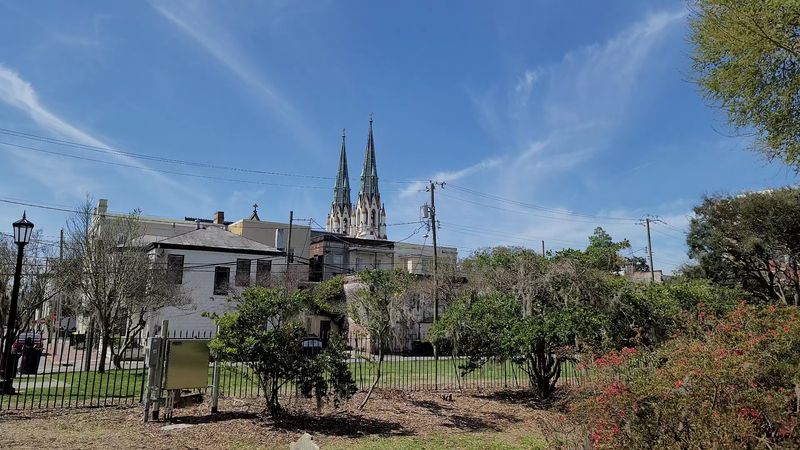
In a city where many attractions come with a ticket price, Colonial Park Cemetery stands out as a completely free destination. There is no admission fee, no reservation required, and no timed entry slot to book in advance. The gates open each morning and welcome anyone curious enough to walk through them.
That accessibility matters more than it might initially seem. Free entry means families, students, solo travelers on a budget, and anyone passing through Savannah on a whim can experience one of the city’s most historically significant sites without any financial barrier. It also makes repeat visits easy, which is genuinely worthwhile given how much detail the cemetery rewards on second and third looks.
Pairing a free visit to Colonial Park with a stroll down nearby Jones Street, widely considered one of the most beautiful streets in America, creates a full morning of Savannah atmosphere at essentially zero cost. That kind of accessible, rewarding experience is increasingly rare in popular tourist cities.