This California Beach With A Sea Arch Offers Much More Than Just A Pretty View
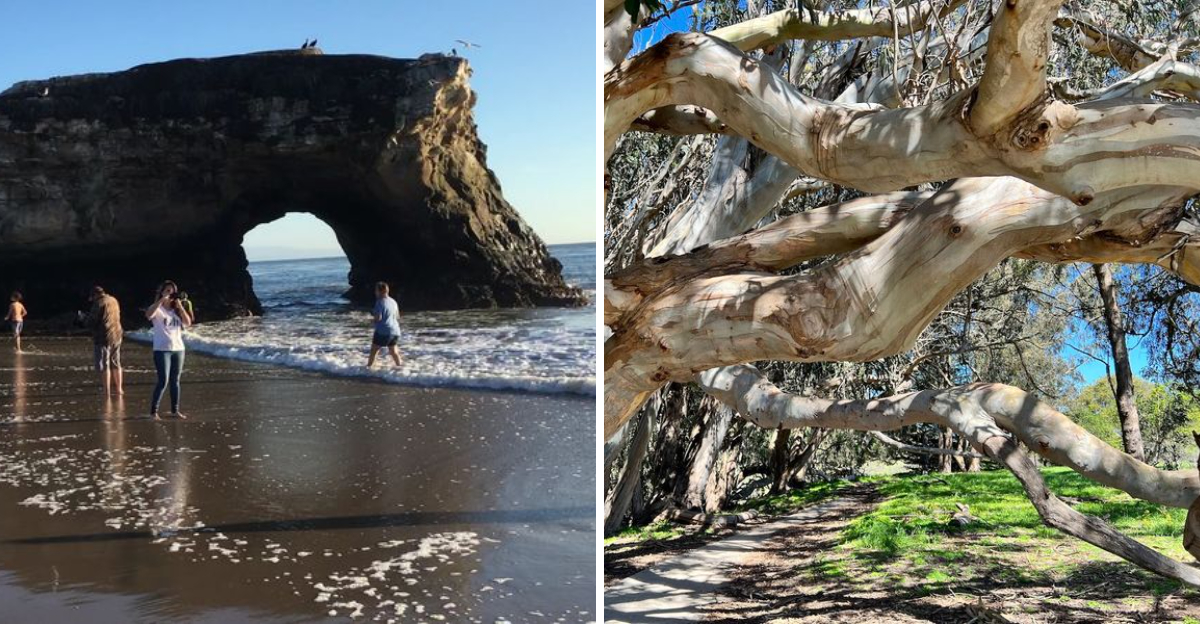
Some coastal places win people over at first glance, then keep revealing new reasons to stay a little longer.
One California beach pairs a striking sea arch with the kind of atmosphere that lingers long after the view sinks in.
Natural beauty may be what draws people in, yet the deeper appeal comes from the feeling this place leaves behind once your feet hit the sand.
Light moves differently here. Ocean sounds seem fuller. Even a short visit can take on that rare sense of pause that is hard to find and even harder to forget.
Plenty of beaches photograph well, but only a few feel this memorable in person.
That is what gives this California spot its pull. The scenery is beautiful, but the experience reaches well past that first impression.
The Sea Arch Is the Star, but It Is Also the Last One Standing
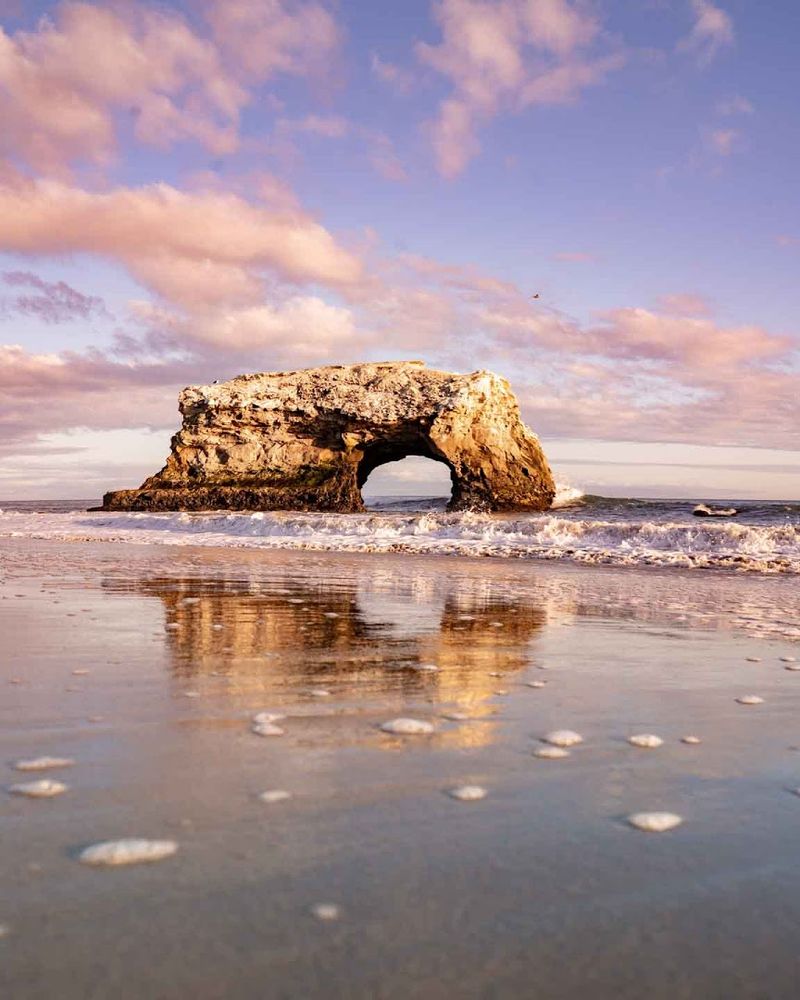
Three natural arches once rose from the water at this beach, and only one is left today.
California State Parks history notes that the outer arch collapsed in the early 20th century, and the inner arch fell during a storm in 1980, leaving the middle arch as the sole survivor of what was once a trio of dramatic coastal formations.
Standing at the shoreline and looking out at the remaining arch, it is easy to understand why this spot became so well known.
The rock has been shaped over time by wave action, and the opening in the stone frames the Pacific Ocean behind it in a way that feels almost deliberate.
The arch sits close enough to the beach that visitors can view it clearly without needing to hike or climb.
Morning light tends to hit the arch at an angle that brings out the texture of the rock, making it a popular time for photography.
The arch is not accessible by foot, so the view from the sand or the nearby overlook is the standard way to take it in. Visiting at low tide gives the clearest sightlines and the most dramatic sense of scale.
California’s Only State Monarch Butterfly Preserve Is Right Here
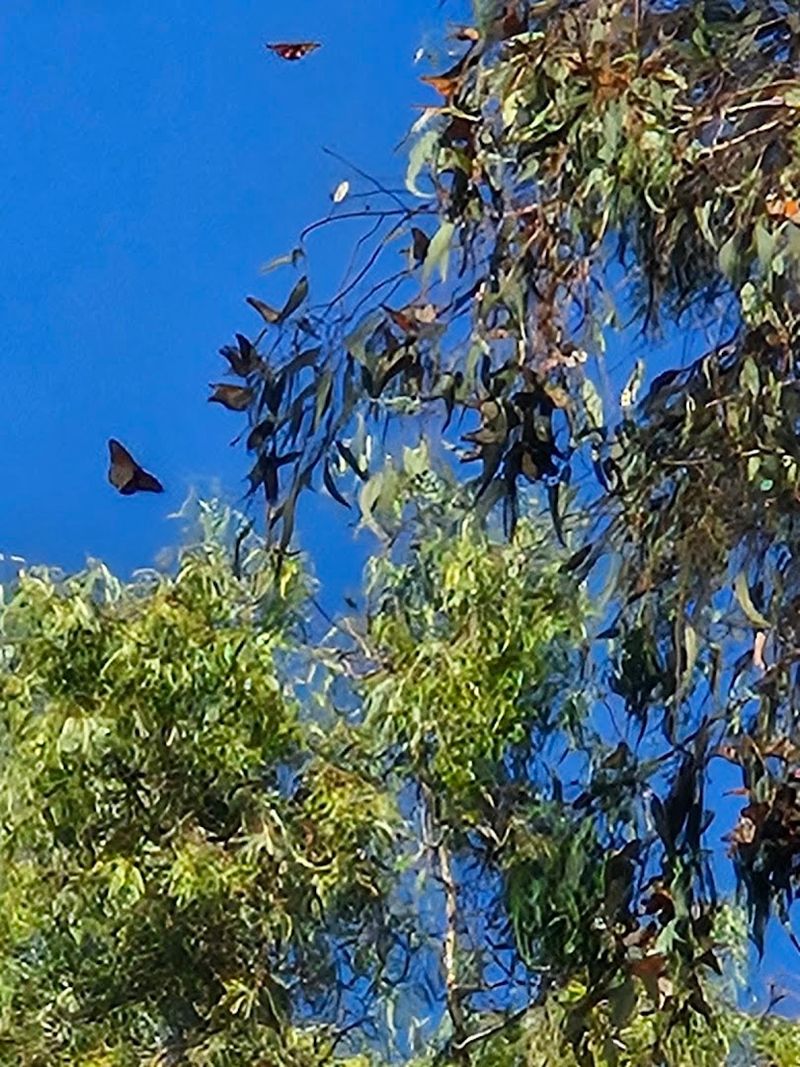
Most people do not expect a butterfly preserve when they show up to a beach, but Natural Bridges holds a distinction that no other California state beach can claim.
The eucalyptus grove within the park is the only State Monarch Preserve in California, and it draws thousands of monarch butterflies each year as they migrate through the region from roughly October into January.
During peak season, the trees in the grove can be so densely covered with clustered monarchs that the branches appear to be draped in orange and black.
When the morning sun warms the grove, many butterflies begin to open their wings and take flight, creating a slow-moving cloud of color above the path.
A wheelchair and stroller-accessible boardwalk leads to an observation deck within the grove, making the experience reachable for a wide range of visitors.
Guided tours of the butterfly preserve run on weekends during the fall and winter months.
Docents and volunteers stationed in the grove tend to be knowledgeable and enthusiastic, offering details about the monarch migration that add real depth to the visit.
Even outside peak butterfly season, the eucalyptus grove has a quiet, shaded quality that makes it a pleasant place to walk.
One of the Most Recognizable Coastal Sights Along the California Shore
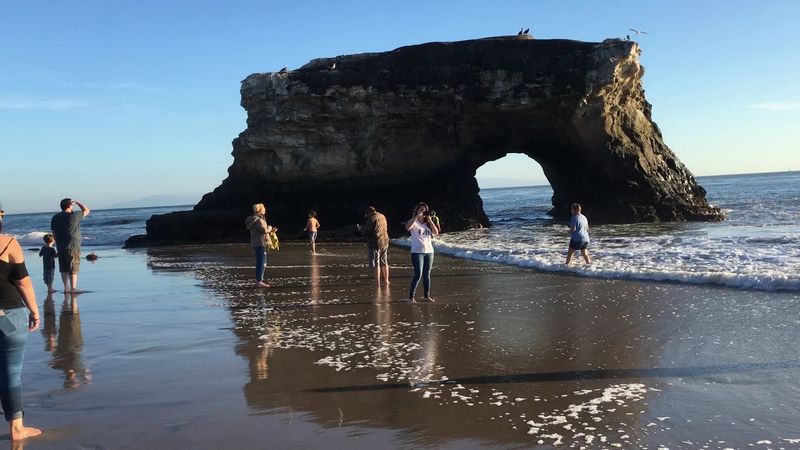
Not every beach earns a reputation that stretches beyond its zip code, but Natural Bridges has managed to become one of the more widely recognized shoreline features in the state.
Outside travel guides and coastal destination lists regularly place the arch among California’s most photographed natural landmarks, and the beach’s visual appeal holds up across seasons and weather conditions.
Part of what makes the setting so striking is the contrast between the sandy beach and the rugged rock formations rising out of the water.
Even on overcast days, the muted tones of the rock and water create a moody and compelling scene.
The overlook near the parking area offers a broad view of the arch and the surrounding coastline without requiring any significant walking.
For those who want a closer perspective, the beach itself provides a different angle at ground level. Both viewpoints are worth trying, since the arch reads differently depending on distance and elevation.
Tide Pools That Turn Low Tide Into a Discovery Session
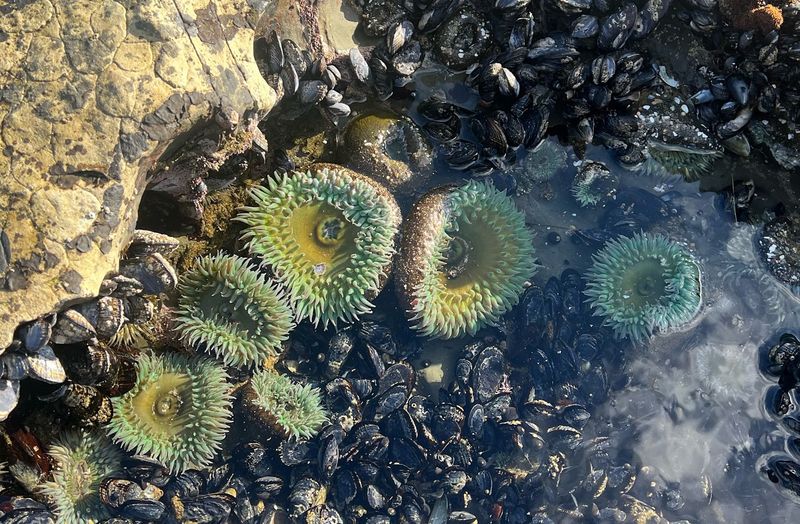
Low tide at Natural Bridges reveals a whole other world tucked into the rocky shoreline.
Official Santa Cruz tourism materials confirm that the tide pools here can expose sea stars, shore crabs, sea anemones, urchins, and other marine life that most people only see in aquariums.
The pools are part of the Natural Bridges State Marine Reserve, a protected zone that helps keep the ecosystem intact for future visitors.
The best time to visit the tide pools is during a minus tide, which pulls the water back far enough to expose the widest range of marine habitats.
Checking a tide chart before heading out makes a real difference in what is visible.
Guided tide pool tours are offered year-round through the park, which can be especially helpful for families with younger kids who want context for what they are seeing.
Visitors are asked to look without touching, since even well-meaning handling can stress or injure the animals living in the pools.
Wearing sturdy shoes with grip is a practical choice, since the rocks can be slippery when wet. The pools are located a short walk from the main beach area and are accessible from the sandy shoreline.
Wildlife Shows Up Year-Round, Not Just During Butterfly Season
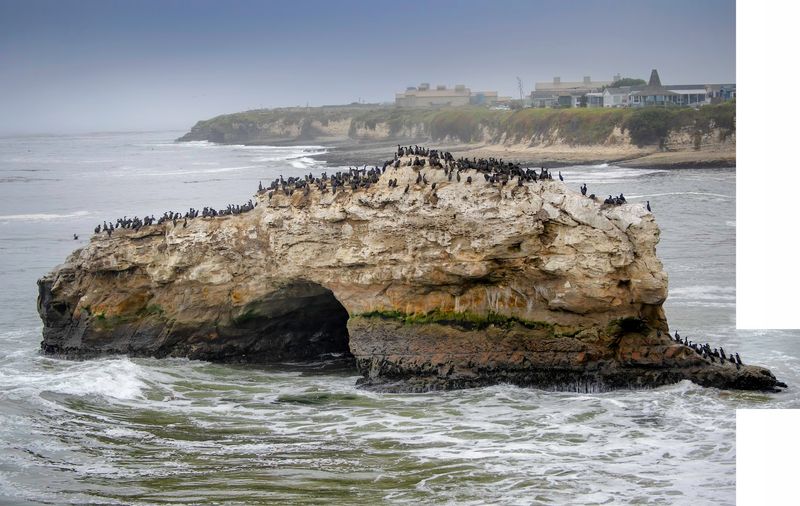
The butterflies get the seasonal spotlight, but wildlife at Natural Bridges does not disappear when January ends.
Official visitor materials from California State Parks highlight the area as a productive spot for watching shorebirds, seals, and sea otters along the coast.
During migration season, gray whales can sometimes be spotted offshore, making the beach a reasonable stop for anyone interested in marine mammals.
The varied habitat within the park contributes to this year-round activity.
The beach itself, the rocky outcroppings, the Moore Creek estuary, and the coastal scrub areas each attract different species depending on the time of year.
Egrets, pelicans, and various shorebird species are commonly seen along the water’s edge and on the rocks near the arch.
Bringing binoculars adds a lot to the experience, especially for watching seals or scanning the water for whales during the right months.
The park does not require any special permits or equipment for wildlife watching, and the open layout of the beach makes it easy to observe animals without getting too close.
Patience tends to be rewarded here, since the coastline stays active throughout the day across all seasons.
A State Beach With Deep Roots and a Long History
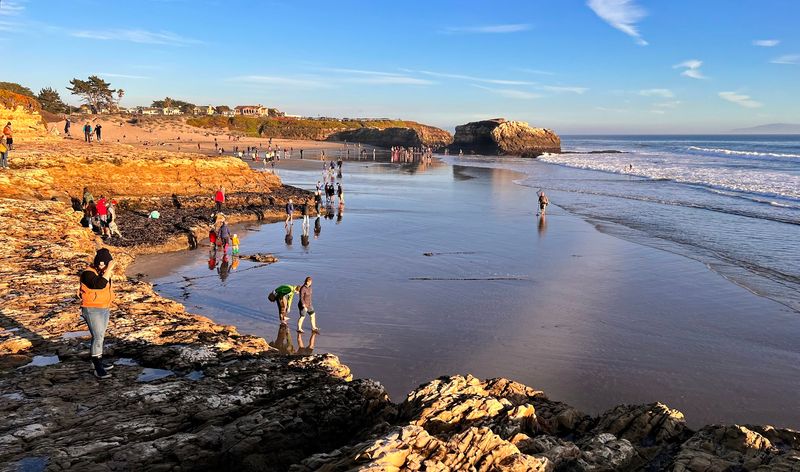
Natural Bridges State Beach was established in 1933, giving it a history that stretches back nearly a century.
Long before the park was created, Indigenous people lived in and around the area, a fact noted in official park history materials that adds meaningful context to the land beneath the beach.
The site was not simply discovered by modern visitors but has been a significant place for people across many generations.
The park sits at 2531 W Cliff Dr, Santa Cruz, CA 95060, and is open daily from 8 AM to sunset with a day-use vehicle fee of ten dollars.
The visitor center operates on a seasonal schedule, staying open daily from October through January and then Friday through Monday from February through September.
Guided tours, educational programs, and weekend docent activities have been part of the park’s identity for decades.
Understanding the park’s background changes how a visit feels, shifting it from a simple beach outing to something more grounded in the landscape’s actual story.
The combination of Indigenous history, early 20th-century park establishment, and ongoing conservation work gives Natural Bridges a sense of depth that purely scenic destinations sometimes lack.
Sixty-Five Acres of Park That Go Well Beyond the Famous Rock
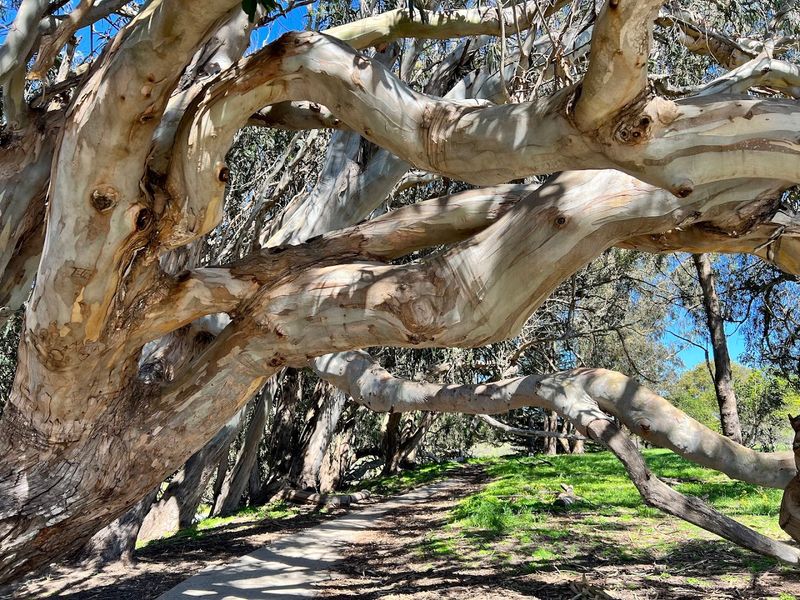
The arch is what most people come for, but the park that surrounds it covers about 65 acres of varied terrain.
That footprint includes the sandy beach, rocky shoreline, the monarch butterfly grove, coastal scrub and grassland habitat, and hiking trails that pass through the Moore Creek estuary.
The result is a park that rewards exploration rather than a single glance from the parking lot.
Trails within the park are generally manageable for most fitness levels, and the paths through the estuary and butterfly grove add a quieter, more immersive side to the visit.
Spring brings wildflowers to the grassland areas, giving the landscape a completely different look compared to the golden tones of late summer.
The contrast between the open beach and the shaded eucalyptus grove alone creates a sense of moving through different environments within the same small park.
Picnic tables are available near the parking area, making it practical to spend a full afternoon without needing to leave the park for a meal break.
The beach section is small and somewhat sheltered, which tends to keep wave conditions calmer than at more exposed Santa Cruz beaches.
The Varied Setting Is a Big Part of Why This Beach Feels Richer Than Most
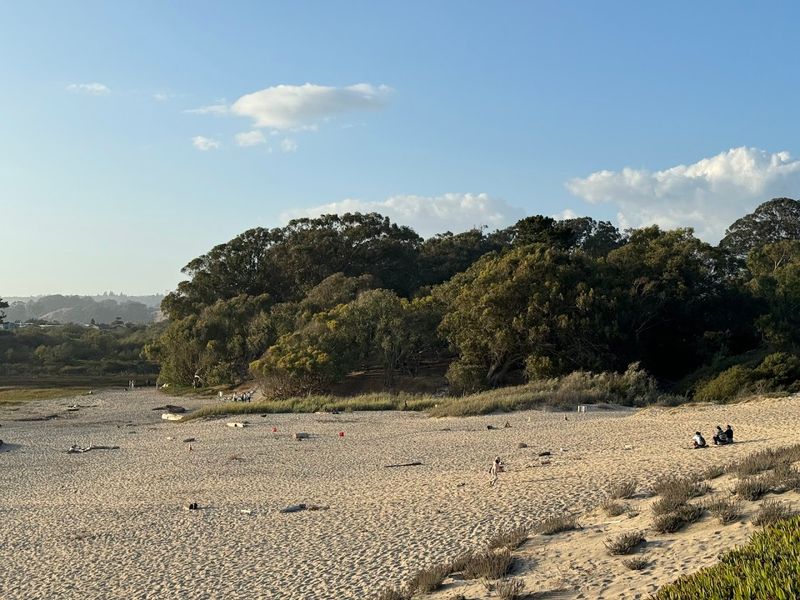
A lot of California beaches offer sand and water and not much else in between.
Natural Bridges layers in enough contrasting environments that the experience shifts depending on where a visitor chooses to spend their time.
State and local tourism sources describe a combination of family-friendly beach, coastal scrub, grasslands, tide pools, the monarch grove, and an estuary, all within the same 65-acre park.
That range means different types of visitors can find something that fits their pace.
Families with young children tend to gravitate toward the sheltered beach and tide pools. Hikers and nature enthusiasts often spend more time on the trails through the estuary and the butterfly grove.
Photography visitors move between the arch, the tide pools, and the grove depending on the light and the season.
Spring wildflowers add color to the grassland sections of the park, and afternoon winds along the coast create conditions that attract kite flying and occasional windsurfing on the beach.
The sensory variety across the park, from the smell of eucalyptus in the grove to the sound of waves against the arch, gives Natural Bridges a texture that stays interesting across multiple visits.