10 Louisiana Restaurants With Deep Family Roots And Generations Of History
My grandfather used to say that the best meal you’ll ever eat is the one someone’s grandmother has been making for 50 years. In Louisiana, that’s not a metaphor.
It’s Tuesday lunch. This state holds onto its food traditions like nowhere else in America, where recipes get passed down with more care than property deeds, and some dining room walls have watched four generations grow up behind the same stove.
These aren’t restaurants chasing trends. They are the trend, the original, the blueprint that everyone else has been borrowing from.
Louisiana is full of places where the person taking your order shares a last name with the person who opened the doors before your parents were born. If that doesn’t make you want to eat, nothing will.
1. Tujague’s Restaurant
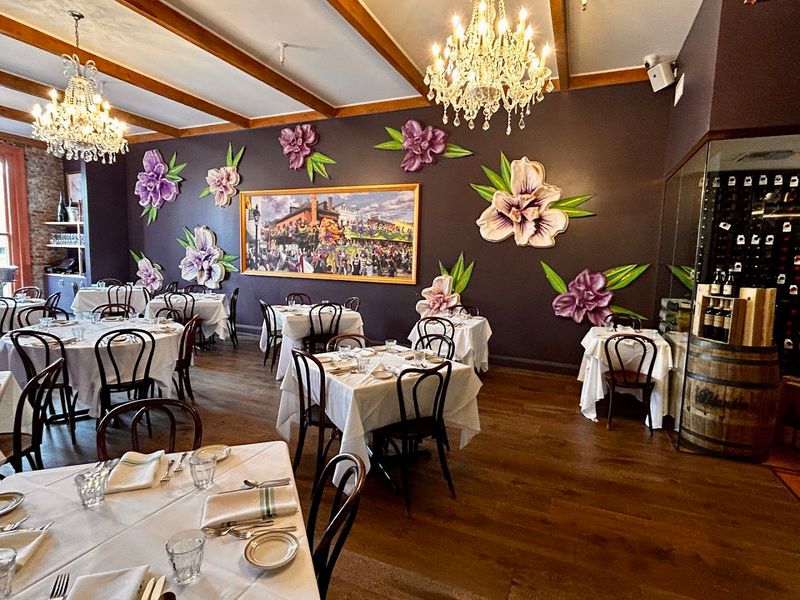
Standing since 1856, Tujague’s holds the title of the second oldest restaurant in New Orleans. That is not a small thing in a city that takes its food history very seriously.
The location at 429 Decatur St, New Orleans, LA 70130, puts it right in the heart of the French Quarter, close enough to the Mississippi River that you can practically feel the history in the walls. The original cypress bar inside is over 150 years old and was shipped from Paris.
Tujague’s is known for its fixed prix-fixe menu tradition, a format that dates back to its earliest days feeding dock workers and merchants. The meal comes in courses, the way it always has, and there is something deeply satisfying about eating the way New Orleans ate over a century ago.
Shrimp remoulade and beef brisket are signature dishes that have anchored the menu for generations. Neither one needs improvement.
Both have been perfected through years of repetition.
The atmosphere inside is warm, dark-wooded, and genuinely old. Nothing about Tujague’s feels staged or performed for tourists.
It simply exists as it always has, serving great food without making a fuss about it.
2. Dooky Chase’s Restaurant
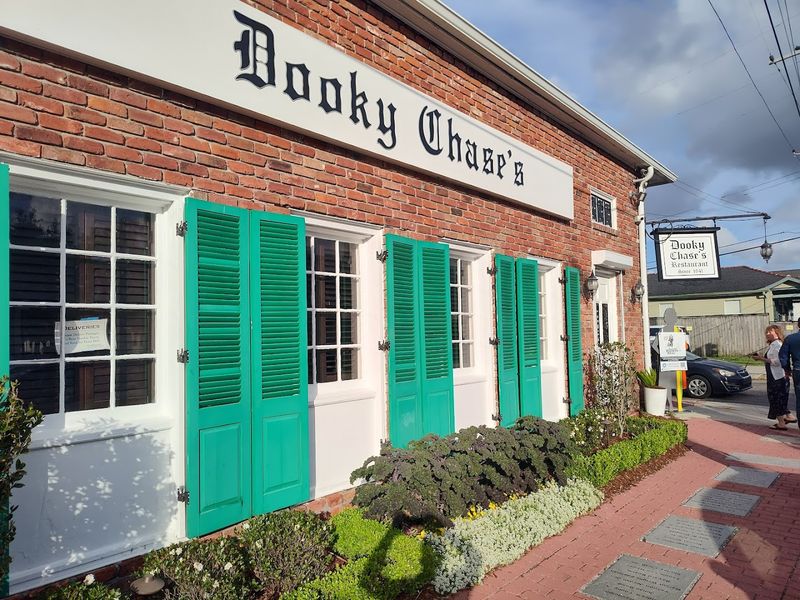
Few restaurants in America carry the cultural and historical weight that Dooky Chase’s carries in New Orleans. This is a place where food and civil rights history share the same dining room.
Founded in 1941 by the Chase family, the restaurant at 2301 Orleans Ave, New Orleans, LA 70119 became a gathering place for civil rights leaders, artists, and musicians during the segregation era.
It was one of the few fine dining establishments where Black Americans could eat with dignity in the South.
The collection of African American artwork displayed throughout the dining room is extraordinary. Pieces by prominent artists line the walls, making every meal feel like a visit to a cultural institution as much as a restaurant.
Creole soul food is the heart of the menu. Fried chicken, red beans and rice, and gumbo z’herbes are prepared with generations of knowledge behind every pot.
The cooking feels rooted in something deeper than just flavor.
Now in its fourth generation of Chase family ownership, the restaurant continues to honor its legacy while feeding a new generation of guests. The warmth you feel when you sit down here is real.
It comes from decades of people being genuinely welcomed and genuinely fed. That does not fade with time.
3. Mandina’s Restaurant
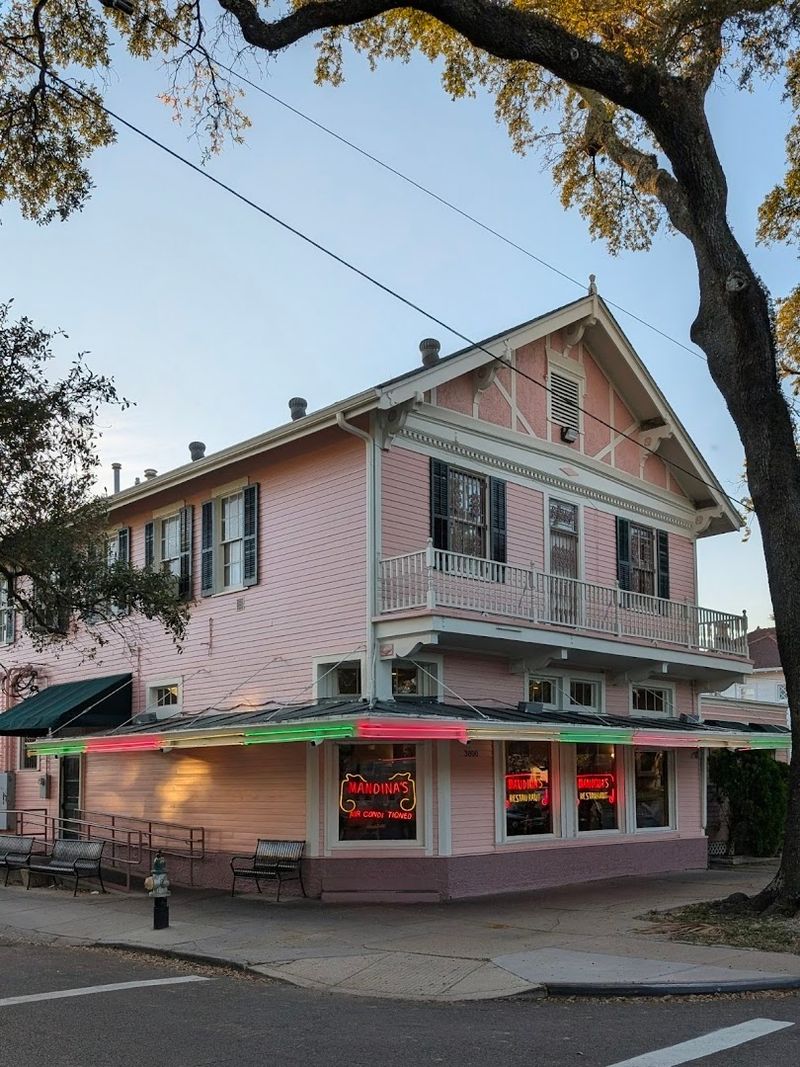
Canal Street in New Orleans has changed a lot over the decades, but Mandina’s has not moved an inch. Since 1932, this neighborhood staple has been feeding locals with the kind of unpretentious Creole Italian cooking that never goes out of style.
The Mandina family built something genuinely rare here: a restaurant that feels equally comfortable for a first date, a family birthday, and a Tuesday lunch when you just need something good. That range is hard to pull off and harder to sustain across generations.
Located at 3800 Canal St, New Orleans, LA 70119, Mandina’s draws a crowd that spans every age group and neighborhood in the city. The dining room has a casual, lived-in energy that puts you at ease immediately.
Turtle soup, trout with crabmeat, and Italian sausage dishes are among the items that regulars swear by. The portions are generous and the prices remain reasonable, which is a combination that earns serious loyalty in any city.
After Hurricane Katrina, the restaurant faced significant damage and many wondered if it would reopen. It did, and the city responded with enormous relief.
Some places matter so much to a community that losing them feels personal. Mandina’s is absolutely one of those places.
The comeback felt like a small but meaningful victory for New Orleans.
4. Casamento’s Restaurant
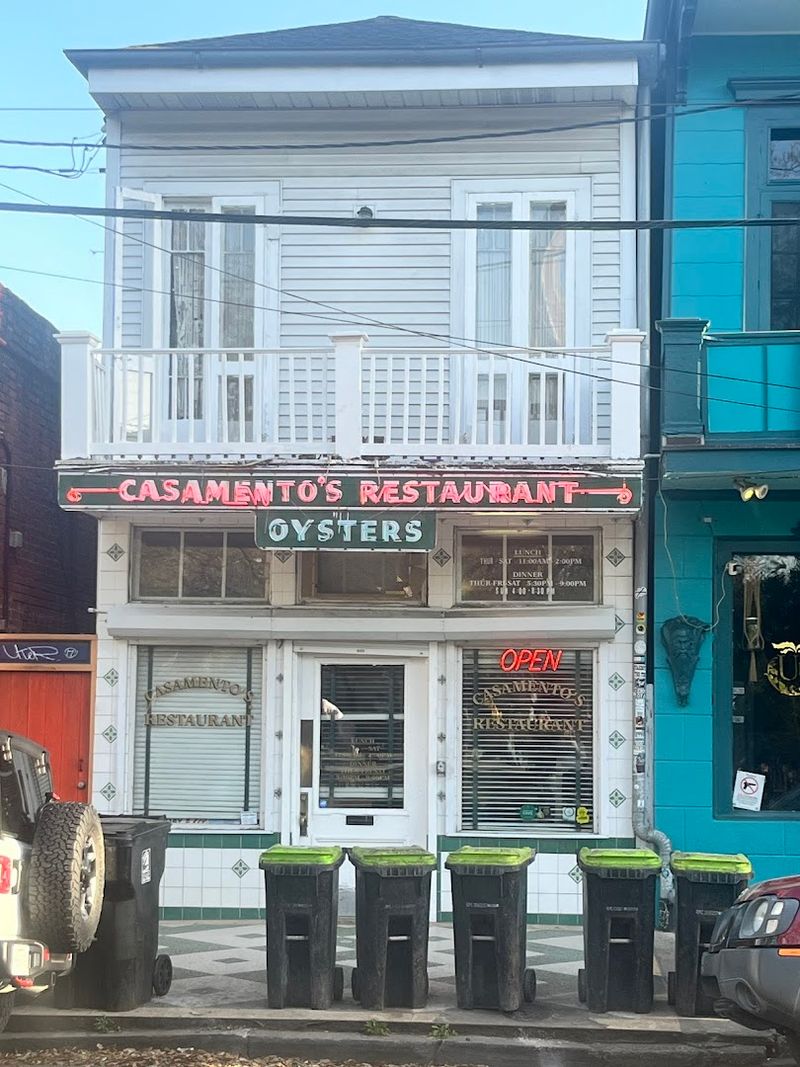
Oyster lovers in New Orleans have strong opinions, and a remarkable number of them point directly to Casamento’s when asked where to go. This place has been serving oysters since 1919, and the approach has not changed much since then.
The interior is covered entirely in white ceramic tiles, floor to ceiling, giving it a clean, almost clinical look that somehow makes the seafood feel even fresher. It is one of the most distinctive dining rooms in the entire city.
You will find Casamento’s at 4330 Magazine St, New Orleans, LA 70115, on one of the most interesting commercial streets in Uptown New Orleans. The surrounding neighborhood is full of local shops and cafes, but this building has its own unmistakable identity.
Oyster loaves are the signature item, thick slices of pan bread stuffed with fried oysters and dressed with lettuce and tomato. They are messy, rich, and completely worth every napkin you use.
The restaurant closes during the summer months when oyster quality naturally dips, which tells you something important about their priorities. They would rather close than serve an inferior product.
That kind of standard, held firmly across more than a hundred years of family ownership, is exactly why the regulars keep coming back with such fierce devotion every single season.
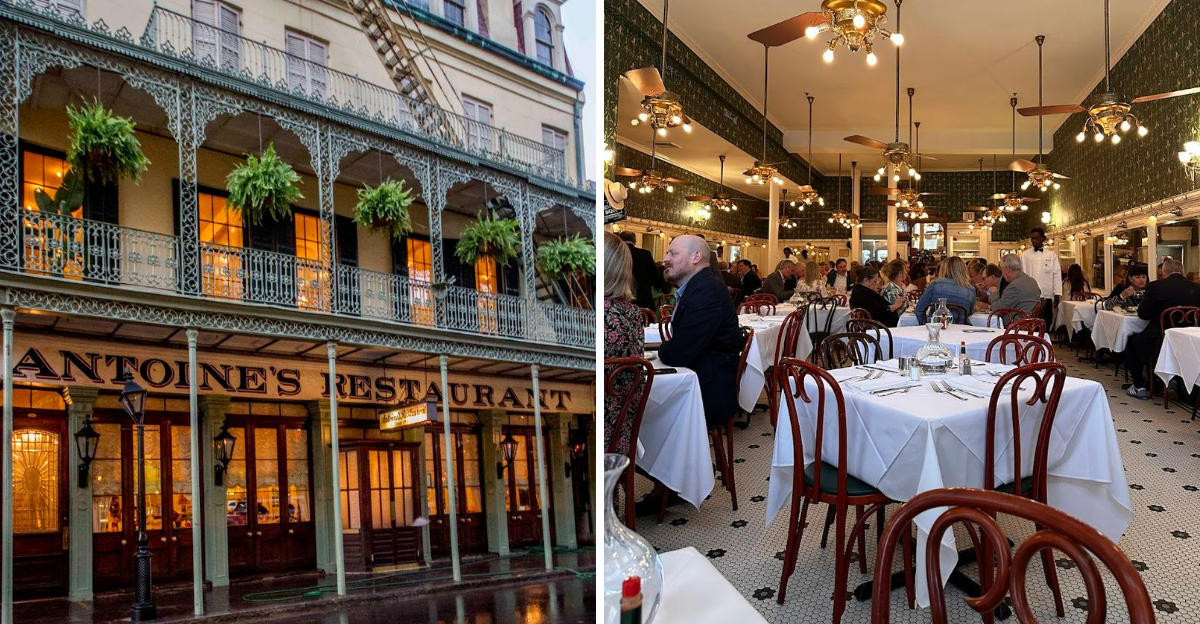
5. Antoine’s Restaurant
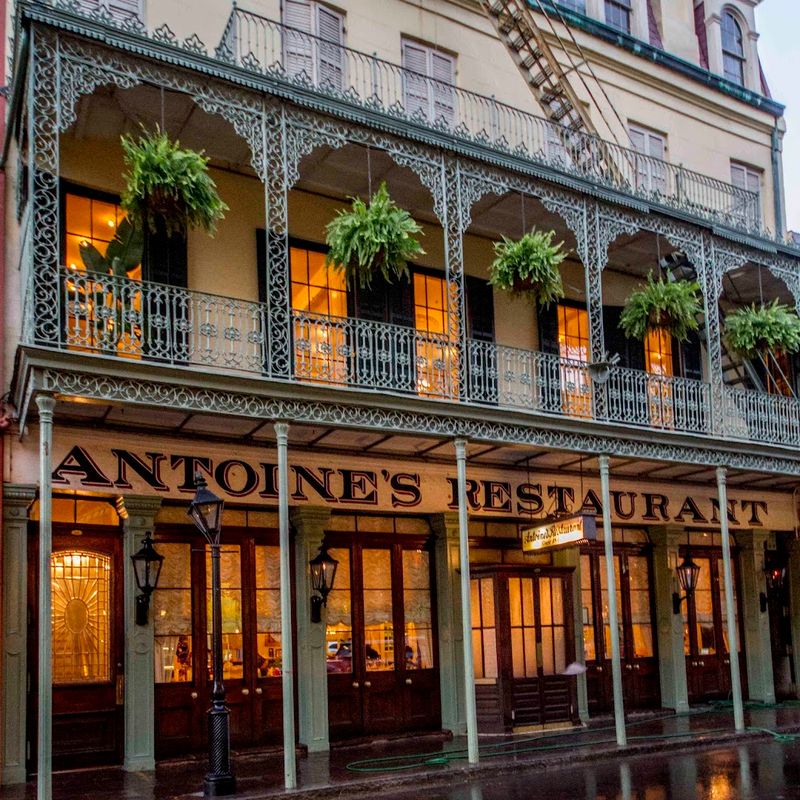
The oldest continuously family-owned restaurant in the United States is not in New York or Paris. It is in New Orleans, and it has been run by the same family since 1840.
Antoine’s, at 713 St. Louis St, New Orleans, LA 70130, has been passed down through five generations over nearly two centuries. That kind of staying power does not happen by accident.
It happens because the food is genuinely extraordinary.
The menu leans into classic Creole cuisine with dishes that Antoine’s actually invented, including Oysters Rockefeller, created here in 1899. The recipe has never been published.
Nobody outside the family knows exactly what goes into it.
Fifteen private dining rooms fill the building, each with its own personality and history. Some rooms have hosted U.S. presidents.
Others feel like a 19th-century French supper club preserved in amber.
Pommes de Terre Souffles, Eggs Sardou, and Pompano en Papillote are all worth ordering. First-timers often feel slightly overwhelmed by the menu, which is part of the charm.
Ask your server for guidance and they will steer you right every single time.
6. Middendorf’s Restaurant
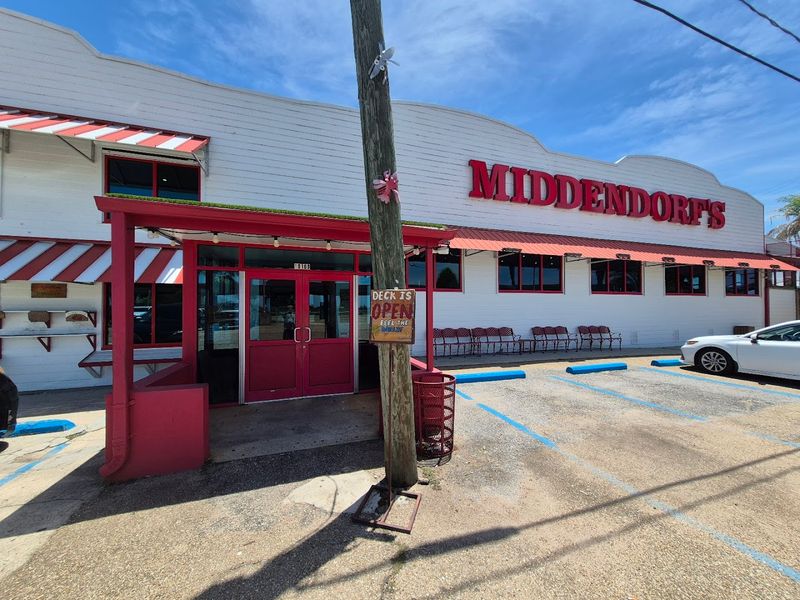
Catfish cooked paper-thin and fried until it shatters like a cracker is not something most people have experienced. At Middendorf’s, it is the entire reason to make the drive out to Manchac.
Since 1934, this family-owned spot has been pulling in seafood lovers willing to travel well outside city limits for the real thing.
The location at 30160 Hwy 51 S, Akers, LA 70421 sits right along the water near Lake Maurepas, surrounded by swamp and cypress trees that make the whole experience feel properly Louisiana.
The thin-fried catfish is the dish that built this restaurant’s reputation. It is crispy across every inch, light despite being fried, and genuinely addictive in a way that is difficult to explain until you have tried it.
Thick-fried catfish is also on the menu for those who prefer a heartier bite. Fried shrimp, soft-shell crab, and seafood platters round out a menu that stays true to its Gulf South roots without any unnecessary additions.
The dining room has a casual, waterfront ease to it that matches the food perfectly. Nothing here is trying to impress you.
Everything here is just trying to feed you well, the same way it has been doing for nearly ninety years. The family behind it clearly understands that consistency is its own kind of excellence.
7. Mosca’s Restaurant
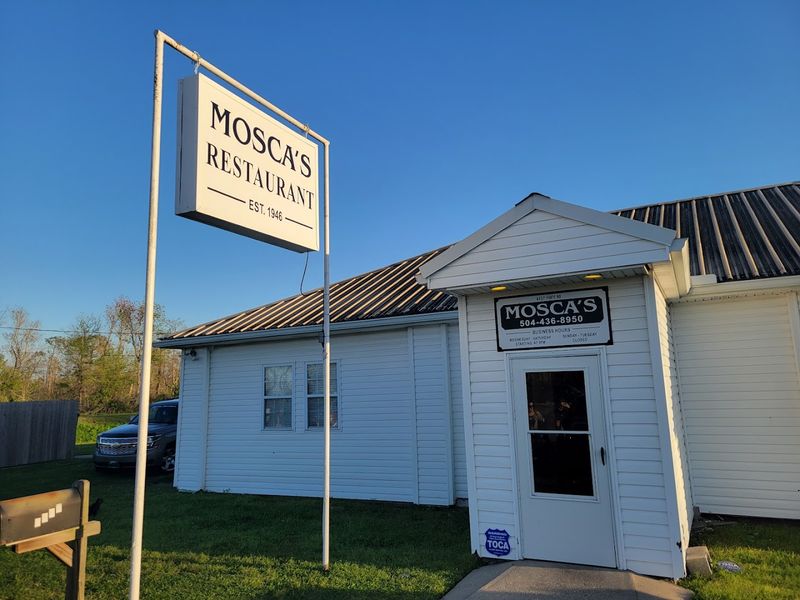
Finding Mosca’s for the first time feels like discovering something you were not supposed to know about. The building sits along a stretch of highway outside New Orleans with almost no indication of what waits inside.
Opened in 1946 by the Mosca family, this third-generation restaurant at 4137 US-90 West, Westwego, LA 70094 serves a style of cooking that belongs entirely to Louisiana.
Creole Italian is the category, but the dishes themselves are unlike anything you will find in Italy or in a standard Italian-American restaurant.
Oysters Mosca is the dish that people talk about most. Baked in a cast iron pan with olive oil, garlic, herbs, and breadcrumbs, they are deeply savory and wildly fragrant.
The pan arrives at the table still sizzling.
Chicken a la Grande, Italian sausage with potatoes, and shrimp dishes round out a menu that rewards sharing. The portions are built for the table, not the individual plate, which makes every meal feel communal and generous.
Reservations are strongly recommended because the restaurant fills quickly and does not rush anyone out. The pace is slow, the food is rich, and the experience is meant to last a few hours.
That philosophy has not changed across three generations of the same family running the same kitchen on the same highway.
8. Galatoire’s Restaurant
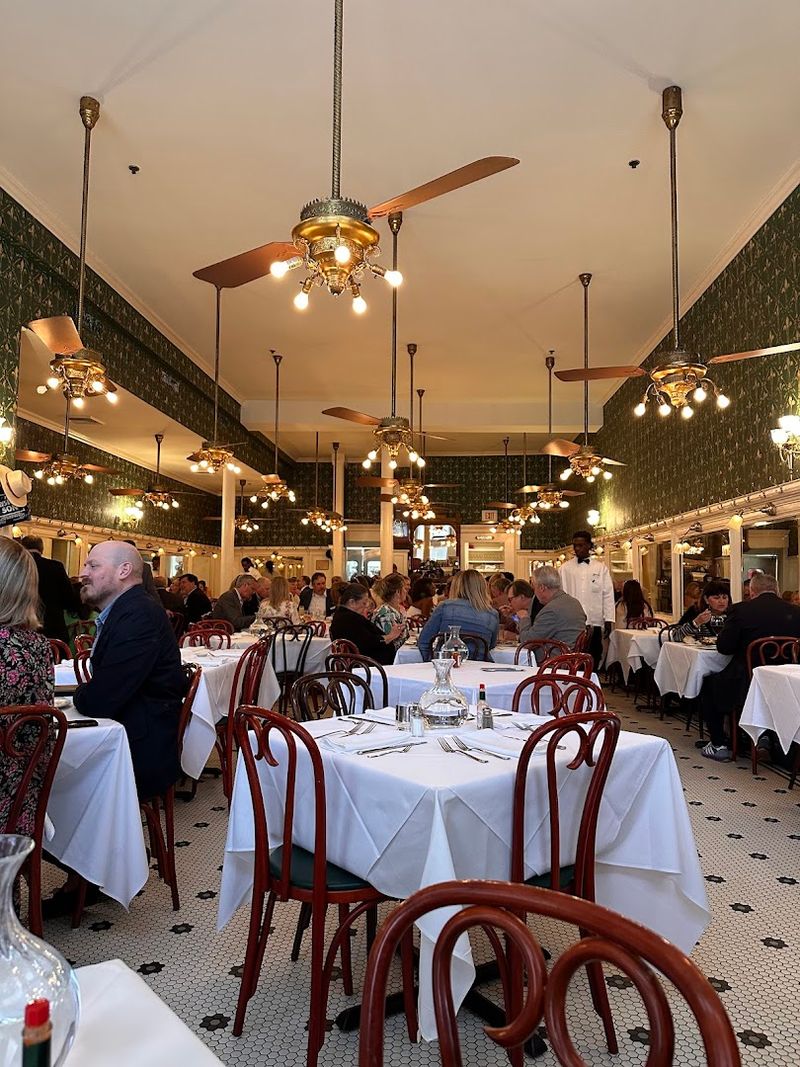
Friday lunch at Galatoire’s is a New Orleans institution so beloved that people wait in line for hours to secure a table. No reservations are accepted for the main downstairs dining room on Fridays.
You simply show up and wait, which tells you everything about how much this city loves this place.
Open since 1905, Galatoire’s has kept things remarkably consistent across more than a century of service. The mirrored walls, the ceiling fans, the white tablecloths, and the tuxedoed waiters have not changed, and neither have the dishes that made this restaurant famous.
Galatoire’s sits at 209 Bourbon St, right in the heart of the French Quarter. The contrast between the chaos of Bourbon Street outside and the composed elegance inside is genuinely striking every time.
Trout Meuniere Amandine and Shrimp Clemenceau are among the dishes that regulars order without even opening the menu. Some waiters have worked here for decades and remember exactly what their longtime guests prefer.
The food is rooted in French Creole tradition, precise in technique and generous in flavor. Nothing is overly complicated.
Everything is executed with the kind of confidence that only comes from doing the same thing very well for over a hundred years.
9. Brennan’s Restaurant
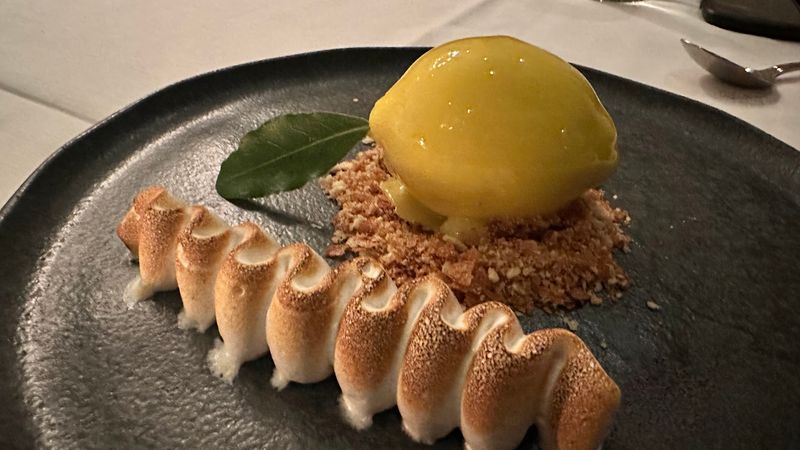
Breakfast at Brennan’s is not just a meal. It is a New Orleans tradition that the Brennan family essentially invented, and the city has been celebrating it ever since 1946.
The restaurant at 417 Royal St, New Orleans, LA 70130 occupies a stunning pink building in the French Quarter that has become one of the most photographed facades in the entire city.
The interior courtyard is equally impressive, full of lush greenery and the kind of atmosphere that makes you want to linger over every course.
Bananas Foster was created at Brennan’s in 1951, and watching it prepared tableside is still one of the great small theatrical moments in New Orleans dining. Flambeed bananas over vanilla ice cream, made right in front of you, never gets old regardless of how many times you have seen it done.
Eggs Benedict, Eggs Hussarde, and a full range of Creole brunch dishes anchor the morning menu. Dinner service features classic preparations of Gulf seafood and beef that match the elegance of the surroundings without feeling stiff or formal.
The multi-generational Brennan family has shaped New Orleans dining culture more broadly than almost any other family in the city.
Their influence extends beyond this single address, but Brennan’s on Royal Street remains the original, and that still means something very significant in this food-obsessed city.