10 Hidden Minnesota Boundary Waters Towns Where Your Walleye Goes From Lake To Plate In Record Time
Some of the best meals I have ever eaten came with no menu, no reservation, and absolutely no warning. That is not an accident.
That is Minnesota doing what it does best, which is quietly outperforming your expectations in a flannel shirt while everyone else is busy making noise about it.
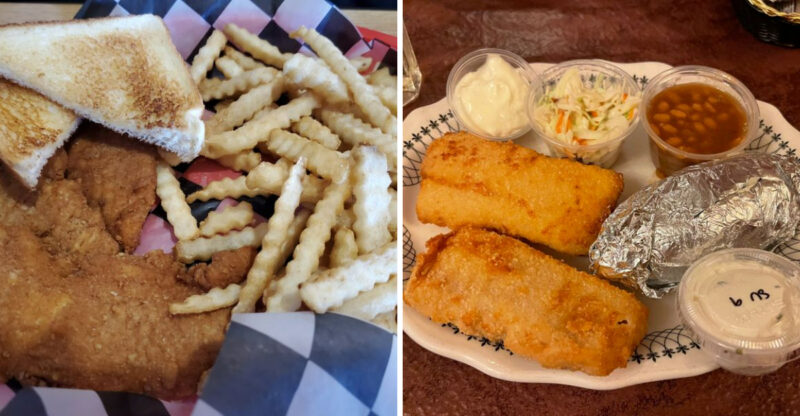
I was somewhere north of everything, chasing walleye through lake country, when a small-town diner stopped me cold with a plate of fish so fresh it felt almost impolite to eat it.
No fancy plating, no origin story on the menu, just walleye that had been swimming in a cold Minnesota lake a very short time before it landed in front of me.
That is the particular genius of the Boundary Waters region. The towns up here do not waste energy on marketing because they do not need to.
The walleye travels from the water to your fork faster than most restaurants can get you a bread basket, and honestly it shows.
1. Ely
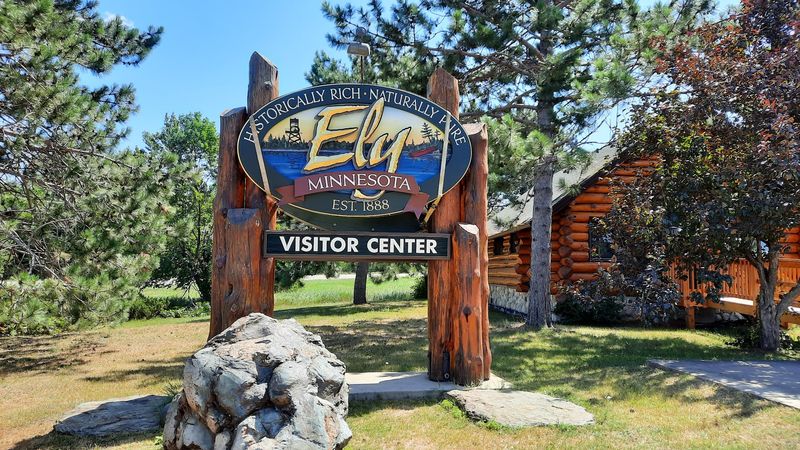
Ely smells like pine resin and ambition. Sitting at the edge of the Boundary Waters Canoe Area Wilderness, this town of roughly 3,400 people has built a serious reputation around fresh walleye, and it earns every bit of it.
Anglers pull fish from Shagawa Lake and the surrounding chain of waters almost daily, and local cooks treat each fillet like a small miracle worth respecting.
The walleye here gets pan-fried with a light cornmeal crust, served alongside wild rice that was likely harvested not far from where your fish was caught.
That kind of local sourcing is not a marketing slogan here. It is just how things work.
Ely sits at 1507 E Sheridan Street territory, surrounded by outfitters and canoe shops that double as community hubs.
What makes Ely genuinely different is the culture around fishing itself. Locals talk about their catch the way other people talk about sports scores.
You can walk into a bait shop, mention walleye, and leave twenty minutes later with three restaurant recommendations and a hand-drawn map. The food tastes better when the whole town is invested in it.
2. Grand Marais
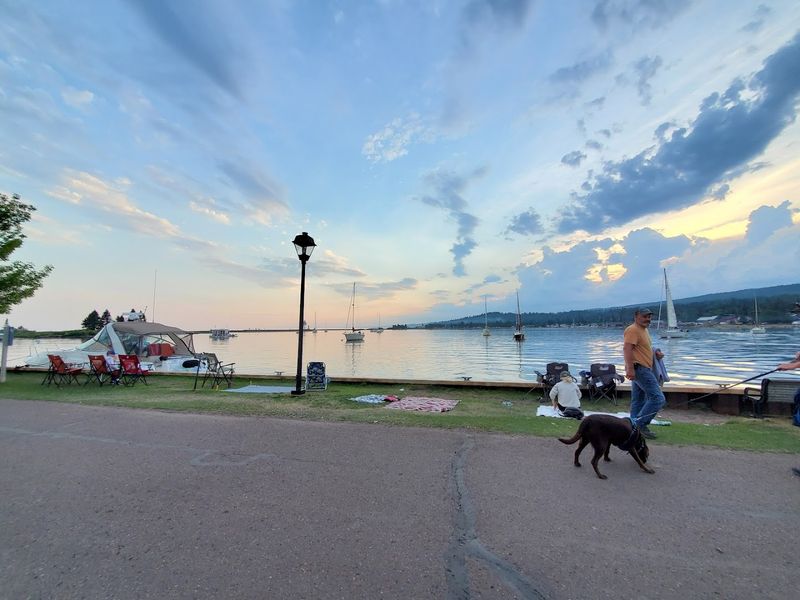
This town pulls off something most small towns cannot manage. It feels both rugged and refined at the same time.
Perched on the North Shore of Lake Superior, this artsy little harbor town of around 1,300 people attracts painters, paddlers, and people who take their fish very seriously.
The walleye here benefits from proximity to some of the cleanest freshwater systems in North America.
Local restaurants source directly from nearby inland lakes, and the difference on the plate is obvious. The flesh is firm, sweet, and clean-tasting in a way that frozen fish simply cannot replicate.
Walk down Wisconsin Street toward the harbor and you will find spots where the lunch menu changes based on what came in that morning. That kind of flexibility is a good sign.
Grand Marais also hosts the Fisherman’s Picnic festival each summer, a tradition going back to 1928, which tells you everything about how central fishing culture is here.
The town is small enough that chefs know their suppliers by first name. That personal connection shows up in every bite.
Grab a table near the window and watch the harbor while your walleye arrives piping hot.
3. Baudette
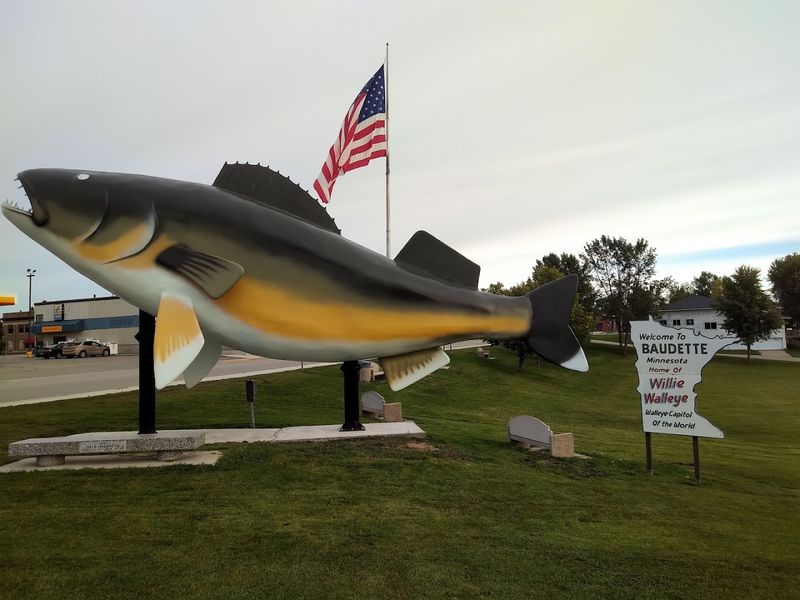
Baudette calls itself the Walleye Capital of the World, and honestly, it is hard to argue. Sitting right on the Rainy River along the Canadian border, this town of about 1,000 people has built its entire identity around one fish.
The Rainy River and nearby Lake of the Woods produce walleye in numbers that feel almost unfair to other fishing destinations.
Restaurants in Baudette operate on a simple philosophy. Fresh fish, minimal fuss, maximum flavor.
You will find walleye on nearly every menu in town, prepared every way imaginable, from classic deep-fried shore lunch style to lighter broiled versions with lemon butter.
The town sits at the junction of Highway 11 and Highway 72, making it a natural stopping point for anglers heading in or out of Lake of the Woods country.
One thing that surprises first-time visitors is how affordable the meals are. This is not a tourist-priced fish dinner.
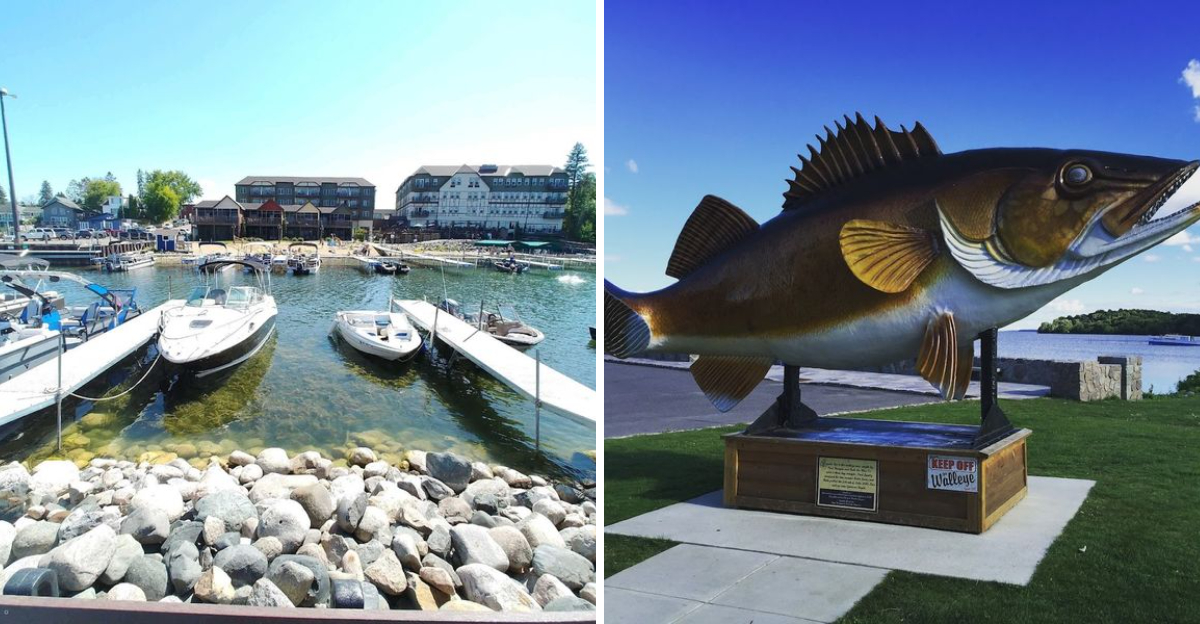
Baudette feeds working anglers and local families, which keeps the quality high and the prices reasonable. There is a giant walleye statue in town named Willie that has been greeting visitors since 1959.
Once you see Willie, you know you are in the right place.
4. Tower
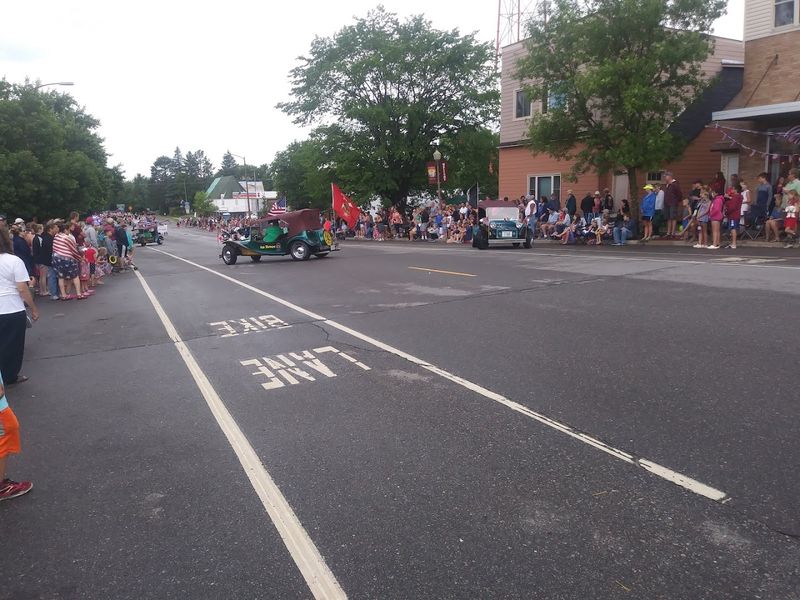
This Minnesota town sits on the western shore of Lake Vermilion, one of the most beautiful and fish-rich lakes in the entire state.
The town itself has a population of just over 500 people, but Lake Vermilion spans more than 40,000 acres and contains 365 islands. That is a lot of walleye territory, and the fish know it.
Dining in Tower feels genuinely local. You are not eating at a chain restaurant designed for tourists.
You are sitting in a room where the person who caught your fish might be two tables over, comparing notes on which bay was productive that morning.
That kind of authenticity is increasingly rare and completely worth seeking out.
Tower is also home to the Soudan Underground Mine State Park, which means the town draws curious visitors year-round, not just during fishing season.
Local restaurants have adapted to serve a crowd that is always hungry after a day of outdoor adventure. The walleye preparations tend to be straightforward and generous in portion size.
Find your way to the waterfront area and look for the spots with the hand-painted signs. Those are usually the best ones.
5. Deer River
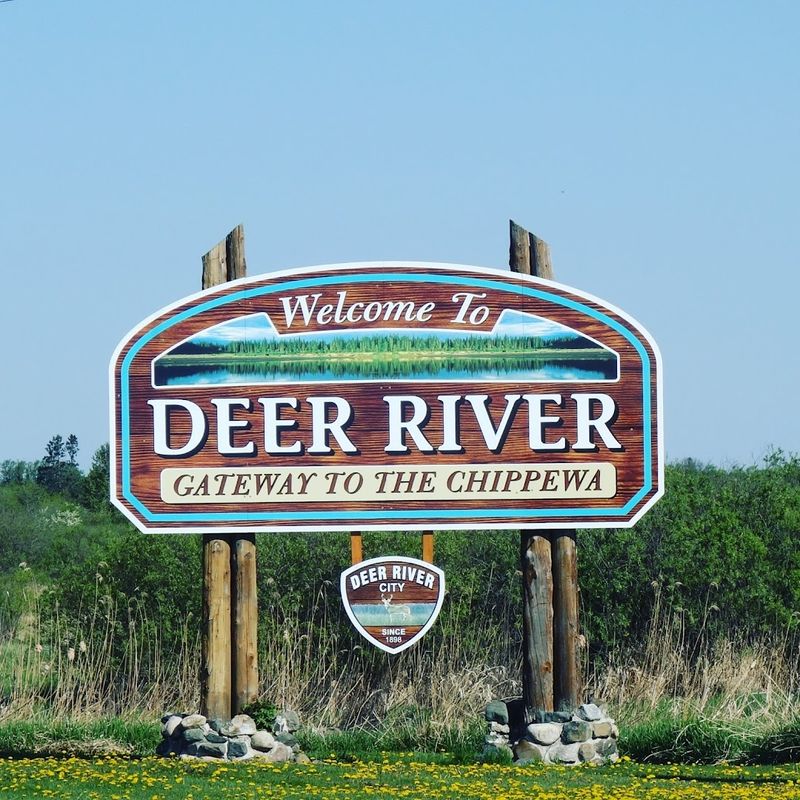
Deer River sits in the heart of Minnesota lake country, surrounded by the Chippewa National Forest and more than a thousand lakes within a short drive.
The town itself is quiet and unpretentious, with a population hovering around 900. What it lacks in size it more than compensates for in walleye access.
Cut Foot Sioux Lake and Leech Lake are both nearby, and both are legendary walleye producers.
The food culture here is rooted in practicality and freshness. Locals do not overthink the walleye.
They clean it fast, cook it hot, and serve it without drama.
That approach consistently produces some of the most satisfying fish dinners I have encountered anywhere in Minnesota. A simple beer batter fry with tartar sauce and a side of beans is a complete meal in every sense.
Deer River also has deep connections to the Leech Lake Band of Ojibwe, and that cultural history adds meaning to the wild rice and fish that appear on local menus.
The traditional Ojibwe method of harvesting wild rice from nearby lakes gives every plate a sense of place. Stop at the local gas stations and diners along Highway 2 for the most honest recommendations about where to eat.
6. Garrison
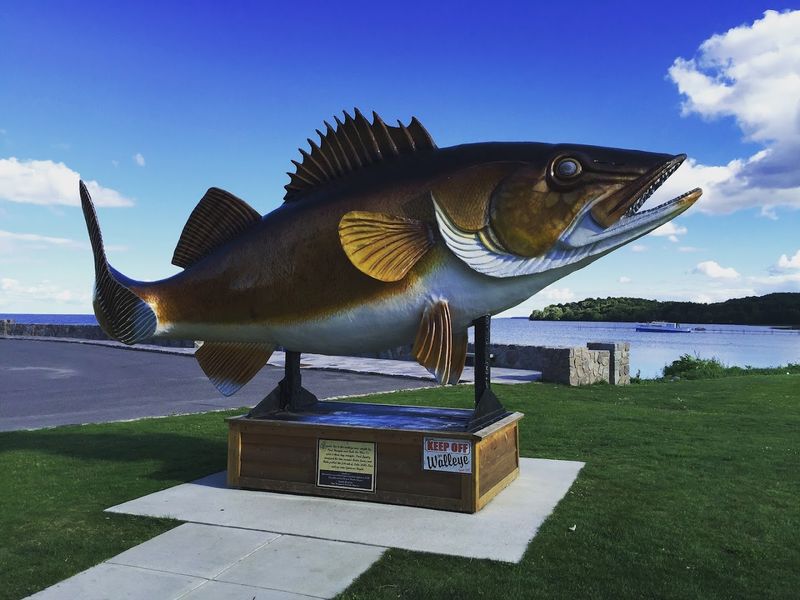
On the southwestern shore of Mille Lacs Lake, sits Garrison,which is one of Minnesota’s most celebrated walleye fisheries.
The lake covers over 130,000 acres and has been a top walleye destination for generations of Minnesota anglers.
Garrison, with its small-town character and big-lake access, captures everything good about freshwater fishing culture.
Eating walleye in Garrison feels like a civic duty. The town has oriented itself almost entirely around Mille Lacs Lake, and the restaurants reflect that commitment.
You can find walleye prepared as fish fry dinners on Friday nights, served as shore lunch at waterfront spots, and offered in sandwiches at bait shops that also happen to have surprisingly good kitchens.
The address most locals point you toward is along Garrison’s main strip near Highway 18.
Mille Lacs Lake walleye is known for its particularly clean flavor, attributed to the lake’s sandy bottom and clear water. Chefs in Garrison do not need to work hard to make the fish taste good.
They just need to not mess it up, and most of them have that part figured out. Arrive hungry and plan to sit by the water.
The view makes everything taste better.
7. Walker
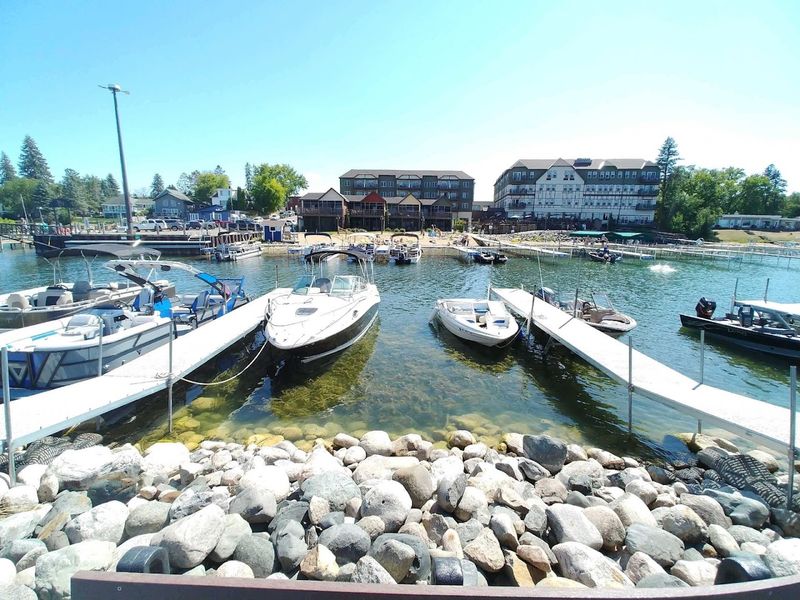
Walker sits on the eastern shore of Leech Lake, Minnesota’s third-largest lake and one of the most productive walleye fisheries in the Midwest.
The town has about 1,000 residents and carries a laid-back energy that feels earned rather than performed. Leech Lake walleye is well-known among serious anglers, and Walker is the town that benefits most from that reputation.
The local dining scene is small but sincere. Restaurants here source their walleye from local guides and commercial fishers who work the lake regularly.
The result is fish that arrives at the kitchen the same day it left the water.
Pan-fried walleye with a butter and herb finish is a popular preparation, and it works because the fish itself is exceptional enough to carry the dish with minimal support.
Walker also hosts the International Eelpout Festival each February, a quirky winter fishing celebration that draws thousands of visitors to Leech Lake.
That event shows how seriously this community takes its relationship with the water. During the regular season, the waterfront area near Minnesota Avenue is your best starting point for finding fresh walleye.
Ask the dock workers which restaurants bought fish that morning. They always know.
8. Grand Rapids
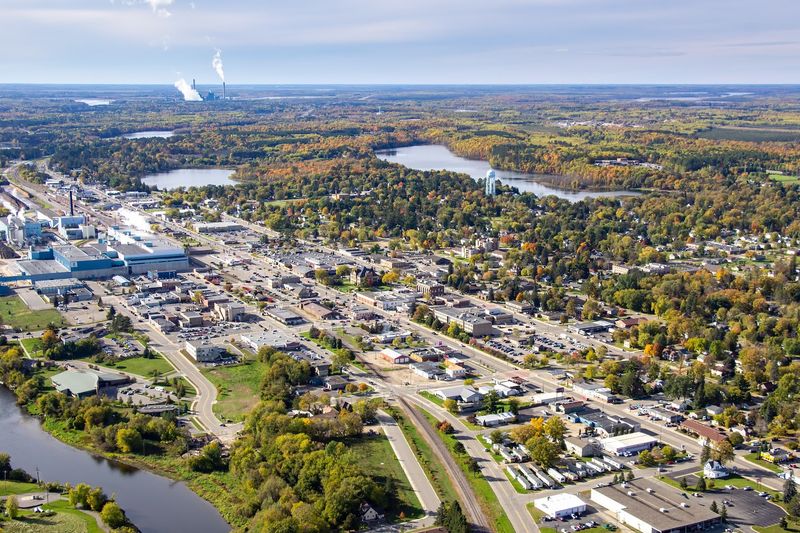
The largest town on this list is Grand Rapids, with a population of around 11,000, but it earns its spot because of its central location in Minnesota’s lake district and its genuine commitment to local walleye.
Sitting at the headwaters of the Mississippi River, surrounded by hundreds of lakes, Grand Rapids has the infrastructure of a real town with the fishing culture of a much smaller one.
The walleye here comes from nearby lakes like Pokegama and the surrounding Itasca County waters, which are managed carefully for sustainable harvest.
Local restaurants have built relationships with fishing guides who supply fresh fish regularly throughout the season.
That supply chain keeps the quality consistent in a way that smaller towns sometimes struggle to maintain.
Grand Rapids is also the birthplace of Judy Garland, which has nothing to do with walleye but is the kind of quirky fact that makes a town feel real.
The dining options are more varied here than in the smaller stops on this list, which means you can find walleye prepared in creative ways alongside the classic shore lunch style.
The downtown area along NW Fourth Street has several solid options worth exploring on foot.
9. Orr
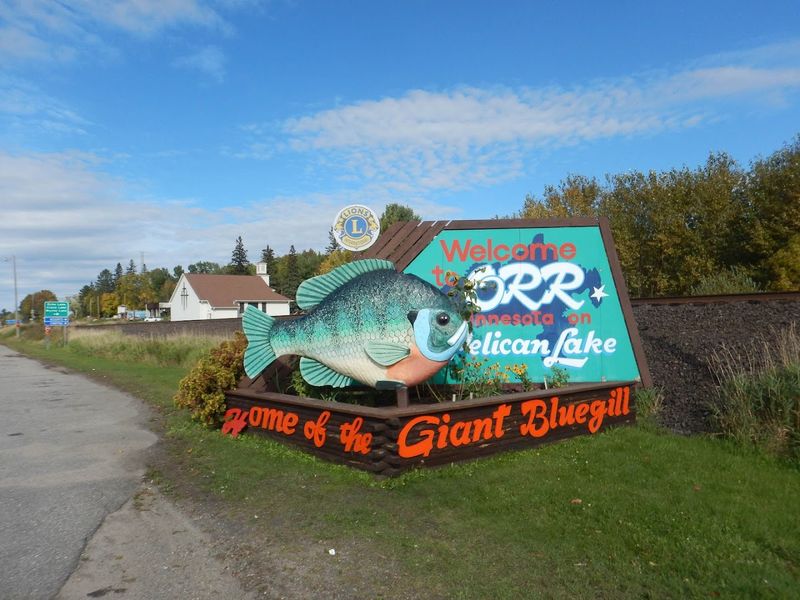
Orr is the kind of place that people who know Minnesota lake country mention in hushed, reverent tones.
Located on the edge of Voyageurs National Park territory, this tiny community of around 250 people serves as a gateway to some of the most pristine walleye water in the entire state.
Pelican Lake and Crane Lake are both close, and both deliver fish with impressive regularity.
The food situation in Orr is refreshingly no-nonsense. There are not a dozen restaurants competing for your attention.
There are a few spots, and they are good because they have to be.
When your town is small and your customers are tired, hungry anglers who have been on the water all day, you learn quickly to make the walleye count. And they do.
Orr sits along US Highway 53, which is the main artery running north toward the Canadian border. The drive up is gorgeous, especially in early fall when the maples turn red against the dark spruce forest.
Stop at local outfitters near Pelican Lake Road for genuine advice on where to eat. The walleye preparation here tends toward simplicity, which is exactly what you want after a long day on the water.
Nothing fancy, just fresh and honest.
10. Crane Lake
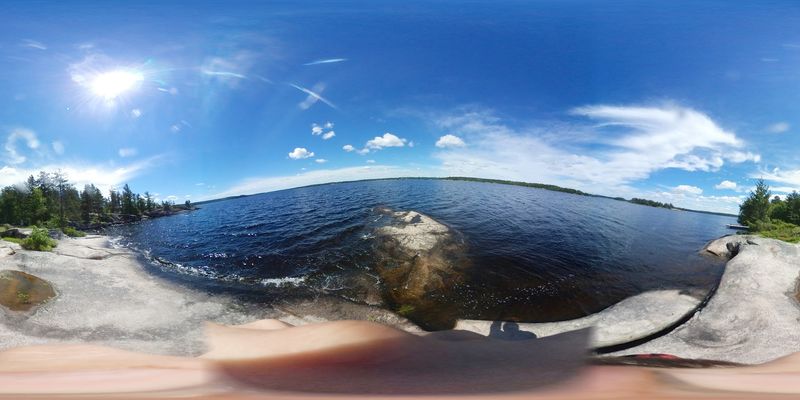
Crane Lake sits at the edge of Voyageurs National Park territory, and the combination of that location and its position on the Border Lakes Chain makes it one of the most quietly impressive walleye towns in northern Minnesota.
The community is small and completely unbothered by that fact. What it has is a cluster of waterfront restaurants and lodge dining rooms that treat fresh walleye as the default setting rather than a specialty item.
Deep fried walleye, blackened walleye, walleye sandwiches, the fish shows up in every form here and it consistently delivers.
The water that surrounds this town produces fish with the kind of clean, cold-lake flavor that makes simple preparations taste extraordinary.
Crane Lake also serves as a gateway for anglers heading into the Kabetogama and Namakan lakes of Voyageurs.
That means the restaurants here are accustomed to feeding people who have been on the water all day and have very specific opinions about how their fish should taste.
The waterfront area is your starting point. Arrive hungry, sit near the water, and let someone else worry about where the next fillet is coming from.