This Maryland Canal Town Was Abandoned By Boats And Somehow Became More Beautiful Because Of It
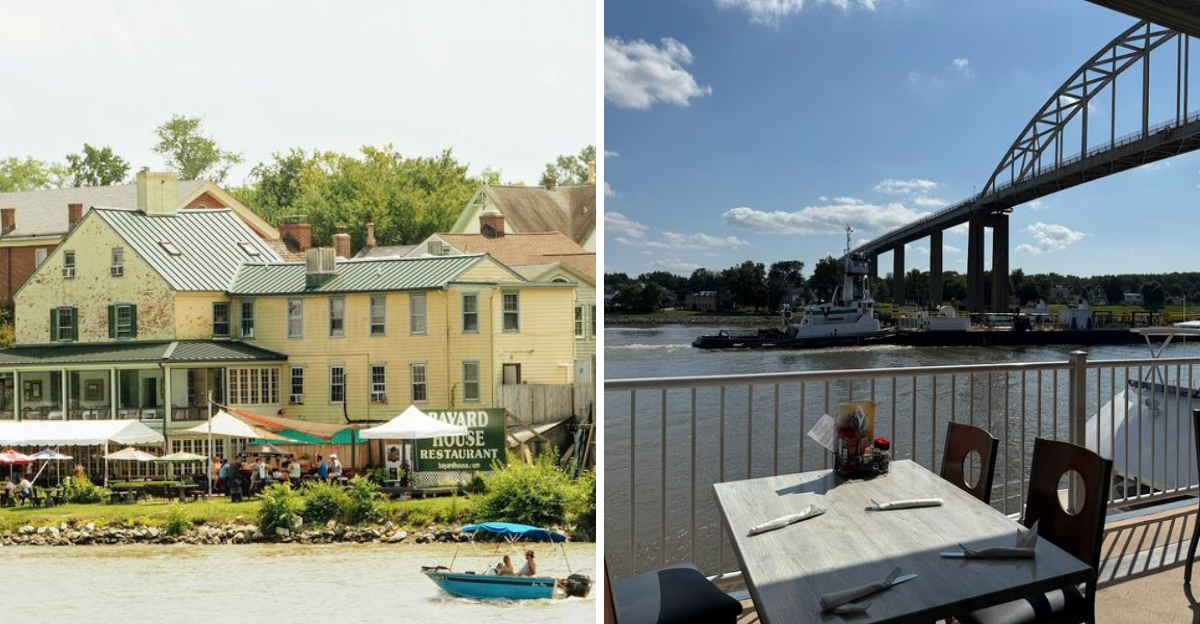
Some places get better with age, and then there are places that somehow turned economic abandonment into their entire personality, and pulled it off beautifully.
This town in Maryland is firmly in that second category, and it might be the most quietly charming town on the East Coast that nobody warned you about.
The ships stopped needing it back in 1927 when the canal was deepened and the locks became obsolete.
The town’s economic reason for existing essentially sailed away overnight, and it did something unexpected with that situation.
It just stayed exactly as it was, preserved itself like a very attractive time capsule, and waited for people to figure out it was there.
Colorful Victorian storefronts, a working waterfront, canal views that belong on a postcard, and the kind of unhurried pace that makes a Tuesday afternoon feel like a vacation.
Maryland has been holding out on you with this one, and frankly it has gone on long enough.
Museum Built Around A Canal
Nobody builds a museum around a canal unless that canal really earned it.
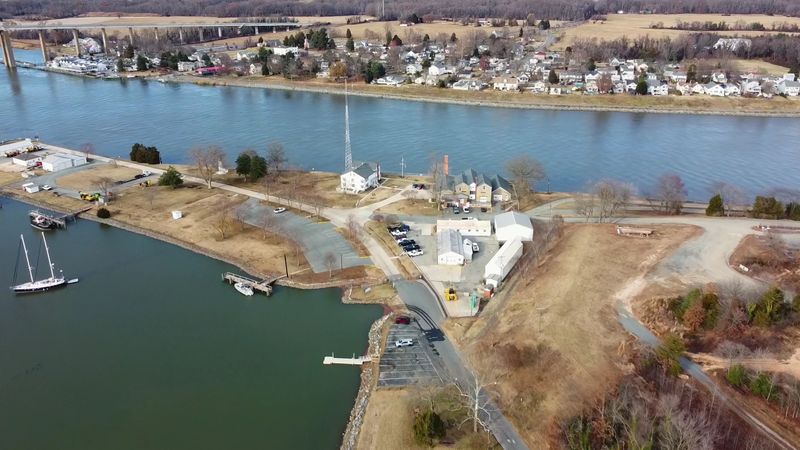
The Chesapeake & Delaware Canal Museum in Chesapeake City tells the full story of how this town became the heartbeat of American inland waterway commerce.
The museum is free to enter, which is already a great start. It sits right on the waterfront at 815 Bethel Road.
Inside, you will find a massive restored water wheel that once powered the canal’s pumping station.
It is genuinely impressive and oddly beautiful. The exhibits walk you through the canal’s construction in the early 1800s, the engineering challenges, and the people who made it all work.
What makes this place stick with you is how personal it feels. These are not sterile displays behind thick glass.
The artifacts feel real and close. Old maps, tools, and photographs bring the working waterway era to life in a way that even kids get excited about.
Plan at least an hour here before you explore the rest of town.
The South Side Waterfront Promenade
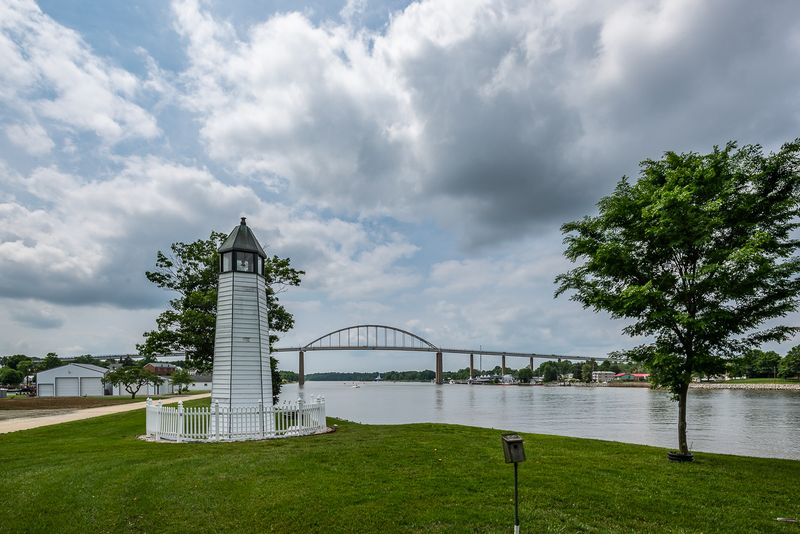
The moment you cross the free vehicular ferry or walk the bridge into the south side of town, the scenery hits you all at once.
The waterfront promenade in Chesapeake City stretches along the canal with views that feel almost too good to be real.
There are benches, open green space, and a constant parade of massive cargo ships gliding past at surprisingly close range.
Watching a 700-foot container ship ease silently through a narrow canal while you sit on a bench eating an ice cream cone is one of the stranger and more satisfying experiences Maryland has to offer.
The scale is absurd in the best way possible. The ships are so close you could almost read the crew’s name tags.
The promenade connects naturally to the town’s restaurants, shops, and historic district, making it easy to spend a whole afternoon just wandering.
Photographers love the golden hour light here. Families bring picnics.
Couples walk slowly and take too many photos. It is one of those rare public spaces that actually delivers on its promise of being relaxing and visually stunning at the same time.
The Historic Architecture Of Bohemia Avenue
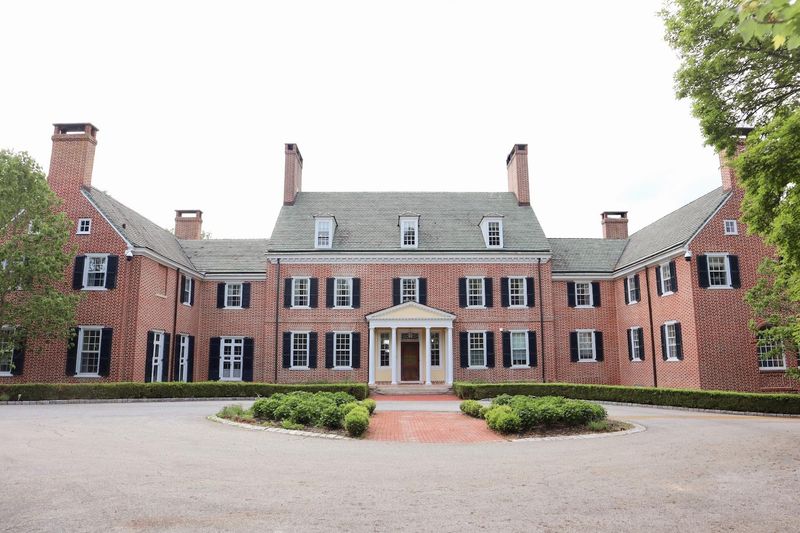
Bohemia Avenue is the kind of street that makes you slow your pace without even realizing it.
The main commercial and residential corridor of Chesapeake City is lined with buildings that date back to the 1800s, most of them beautifully preserved and painted in colors that look like they came straight from a period film set.
The whole street is on the National Register of Historic Places.
Federal-style rowhouses sit next to Victorian storefronts, and almost none of it feels forced or over-restored.
People actually live and work in these buildings, which gives the street a lived-in warmth that staged historic districts often lack. You get the sense that the town just never let things fall apart.
Architecture nerds will want to bring a notebook. The variety of styles packed into a few walkable blocks is genuinely impressive.
Decorative cornices, original wood shutters, and transom windows appear around every corner.
Even if you know nothing about architectural history, you will feel the difference between this street and a modern strip mall. Bohemia Avenue is what happens when a community decides its history is worth keeping.
The Pell Gardens And Public Green Space
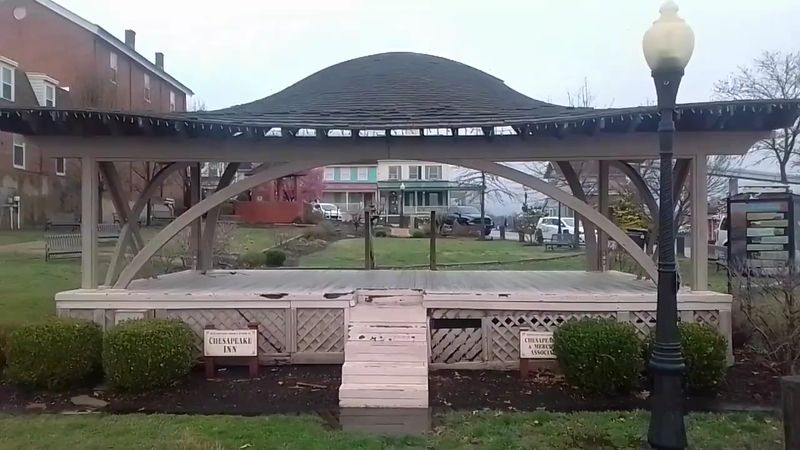
Not every great thing about Chesapeake City involves a museum ticket or a restaurant reservation.
The Pell Gardens area near the waterfront is one of those quietly excellent public spaces that locals know and visitors stumble into by happy accident.
It is a well-maintained green patch right along the canal, perfect for doing absolutely nothing productive.
Flowering plants, shade trees, and a relaxed atmosphere make this a natural stopping point during any walking tour of town. Kids run around on the grass while adults stare out at the water.
It is simple, uncomplicated, and genuinely pleasant. Sometimes that is exactly what you need from a travel destination.
The garden connects to the broader waterfront area, so you can move easily between the open green space and the promenade without retracing your steps. Bring a book or a snack.
Sit for longer than you planned. The pace of Chesapeake City has a way of resetting your internal clock, and the Pell Gardens area is where that reset tends to kick in most effectively.
It is free, it is beautiful, and it requires zero planning.
The Free Canal Ferry Crossing
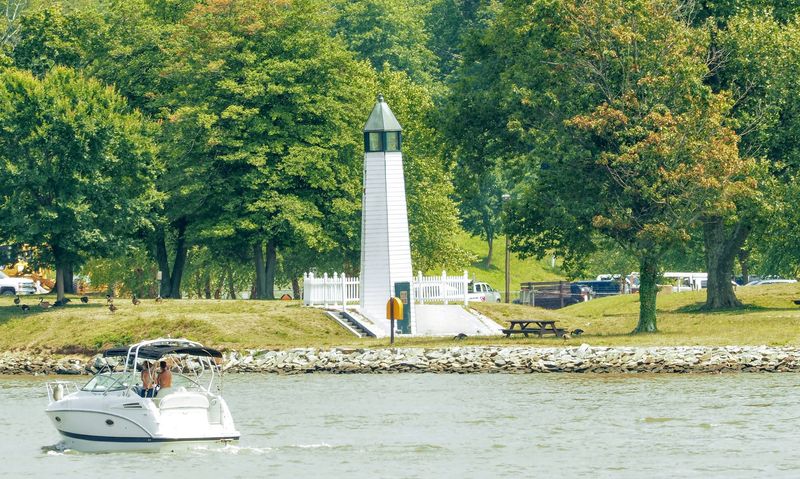
There are not many places in America where you can board a free government-operated ferry just to cross a canal, but Chesapeake City is one of them.
The small vehicular ferry that connects the north and south sides of town runs during warmer months and takes just a few minutes to cross. It is completely free, which feels almost suspicious until you are actually on it.
The ride itself is short but memorable. Standing on the deck while the ferry inches across the canal gives you a perspective on the waterway that you simply cannot get from a bridge.
You are at water level, surrounded by the canal’s history, watching the town from the middle of the water. It is a small thrill that somehow feels significant.
The ferry has been part of Chesapeake City life for generations. Locals use it casually, like a crosswalk.
Visitors treat it like an attraction, which it kind of is. Either way, it works.
If you are visiting in the warmer months, make the crossing at least once. The two-minute ride gives you a completely different angle on the town and the canal that no walking path can replicate.
The Thriving Local Restaurant Scene
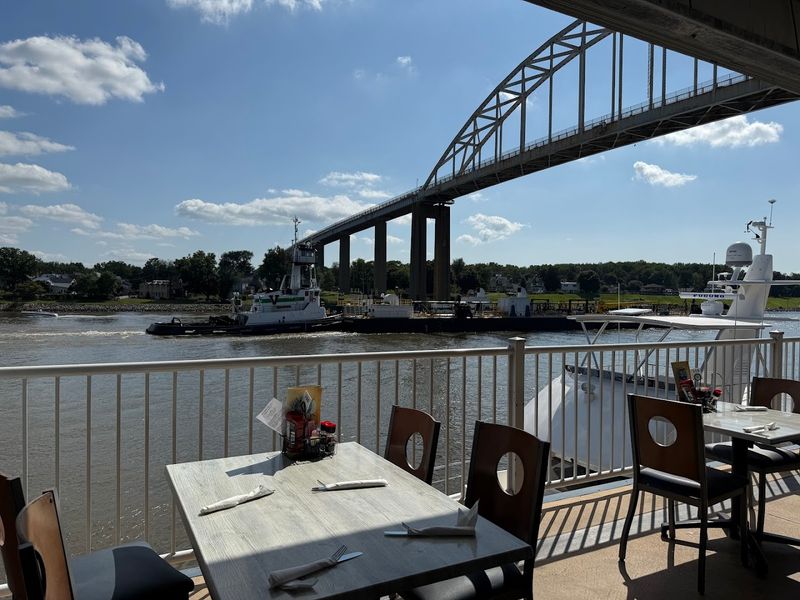
A town that lost its primary commercial identity had two choices: fade quietly or reinvent itself around something people actually want to show up for. Chesapeake City chose food, and it chose wisely.
The restaurant scene here is small in number but genuinely high in quality, with several spots earning loyal regional followings for their waterfront settings and well-executed menus.
Seafood is the obvious star, given the location. Fresh crab, rockfish, and oysters appear on menus throughout town, and the proximity to the Chesapeake Bay means the sourcing tends to be serious.
You are not getting frozen seafood dressed up with fancy plating. You are getting the real thing, cooked simply and served with good views.
What surprises most first-time visitors is how relaxed the dining experience feels. There is no rush, no pretension, and no pressure to order the expensive thing.
Tables fill up on weekends, especially during summer, so arriving early or making a reservation is smart. But even when it is busy, the energy stays easy.
Chesapeake City restaurants feel like they exist for the pleasure of eating, not for the performance of it. That distinction matters more than people realize.
The Antique And Specialty Shops Along The Main Street
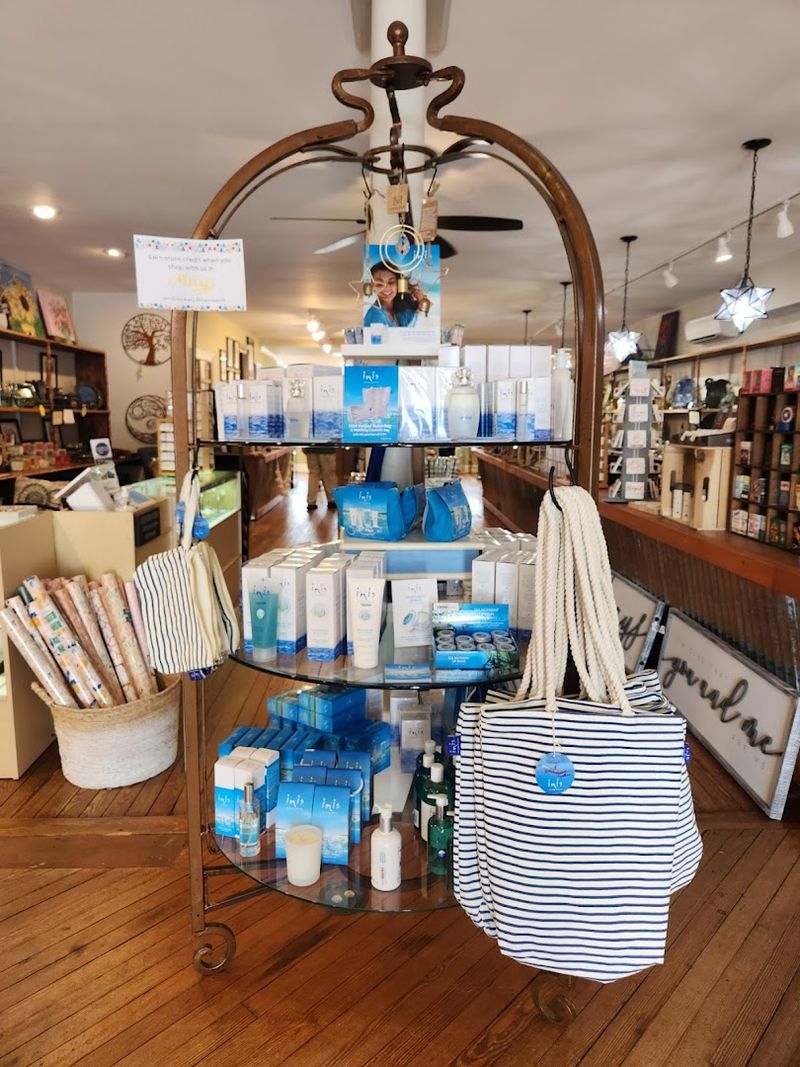
Shopping in Chesapeake City is not about big brands or outlet deals.
The small collection of shops along the main street leans hard into antiques, local art, and specialty items that you genuinely cannot find anywhere else.
That is either charming or inconvenient depending on what you came for, but for most visitors it turns into an unexpected highlight.
Antique hunters will want to budget extra time. The selection rotates regularly, and the quality tends to be better than what you find at generic roadside antique malls.
Furniture, glassware, vintage maps, and nautical items show up frequently, which makes sense given the town’s maritime history. Finding a canal-related artifact here feels like completing a small scavenger hunt.
The shop owners are almost uniformly friendly and knowledgeable. Ask about a piece and you will usually get a full story rather than a price tag.
That kind of interaction is increasingly rare in retail, and it makes the browsing feel more like a conversation than a transaction.
Even if you leave empty-handed, the experience of walking through these shops adds texture to the visit. Chesapeake City rewards the curious browser with patience and a loose schedule.
The Seasonal Festivals And Community Events
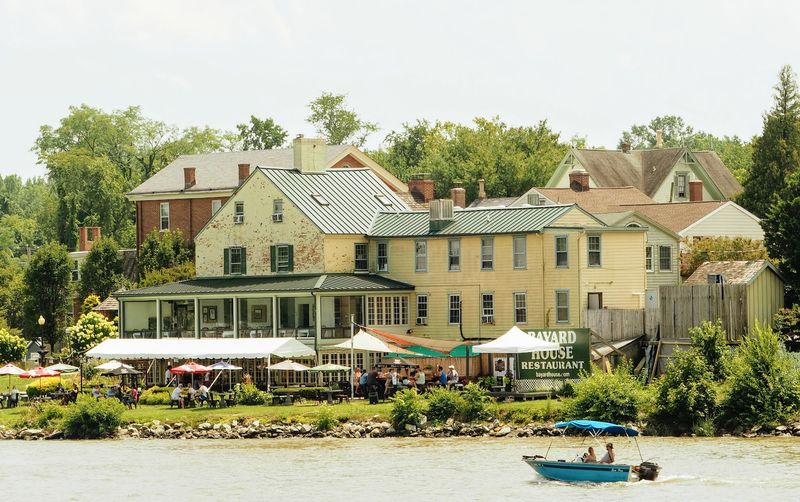
A town this photogenic was never going to stay a secret for long, and Chesapeake City has leaned into its appeal by hosting seasonal events that bring the waterfront to life throughout the year.
From summer art festivals to fall harvest gatherings, the town uses its historic backdrop as a natural stage and the results are consistently worth the drive.
The annual Chesapeake City Canal Day is one of the most popular events, drawing visitors from across Maryland and Delaware for live music, local vendors, food, and boat demonstrations along the waterfront.
It is the kind of small-town festival that feels genuinely festive rather than manufactured. The setting does most of the heavy lifting.
Even outside of organized events, the town has a festival-ready energy on busy summer weekends. Street musicians appear, outdoor dining spills onto sidewalks, and the ferry runs steadily back and forth across the canal.
Chesapeake City figured out early that its real product was the experience of being there, not just the things to buy or see.
The seasonal calendar keeps that experience fresh across multiple visits. If you go once and enjoy it, you will find a reason to come back for the next event on the list.