A Small Rhode Island Town With A Big Chowder Obsession And Many Critics
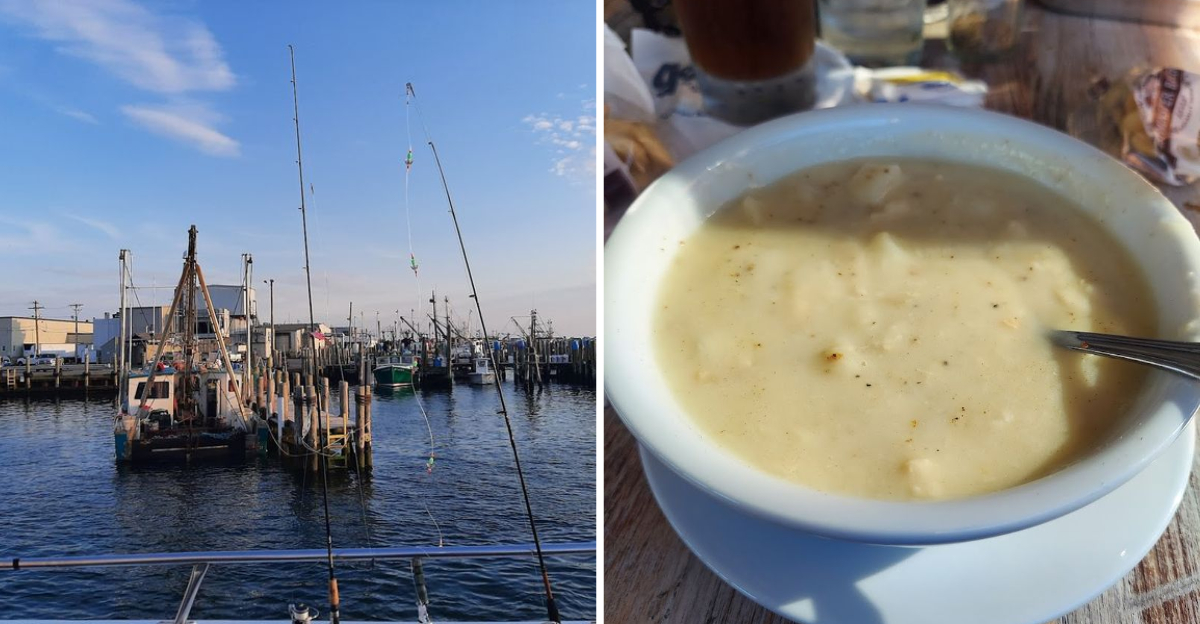
In a tiny Rhode Island town, chowder is a local obsession.
Everyone seems to have an opinion, and no two bowls are ever judged the same way. Locals take it seriously, comparing recipes and debating flavors like it actually matters.
New England is full of seafood spots, but this place stands out for its famously opinionated chowder critics. Even a simple bowl can spark conversation, disagreement, and plenty of storytelling.
Visitors often arrive thinking it is just another meal, then quickly realize it is something else entirely.
Because here, chowder is never just chowder, it is a conversation waiting to happen.
Seafood Shacks Worth Queuing For
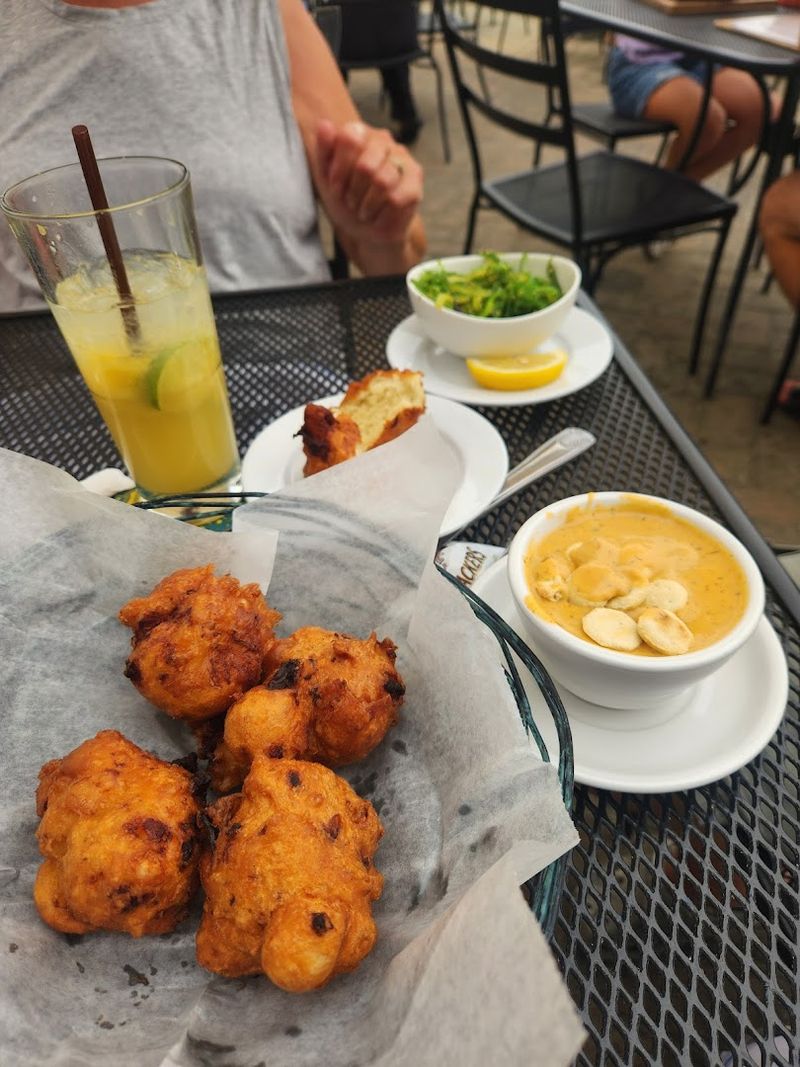
Culinary excellence here is defined by a short distance between the boat and the fryer. Local kitchens operate on a philosophy that prioritizes timing and simplicity above all else.
Fried clams and stuffed shellfish at George’s of Galilee at 250 Sand Hill Cove Rd, Narragansett, RI 02882 dominate the menus of the various stalls lining the waterfront. The quality of every bite is tied directly to the harvest of that same morning.
Can you believe that some of the best advice comes from the strangers standing next to you? Fellow diners are often eager to share their favorite orders or debate the garnishes.
Most establishments offer outdoor benches that put the diner within arm’s reach of the harbor waves. This blend of honest cooking and raw scenery makes for a memory that stays forever.
Crispy fritters filled with bits of clam represent a staple that many discover for the first time here. Pairing them with a hot cup of clear broth is considered the correct local approach.
Waiting in line under the afternoon sun becomes a social ritual where neighbors swap stories of the season. The aroma of seasoned batter drifting through the salty air makes the anticipation quite pleasant.
Chowder Debate Explained
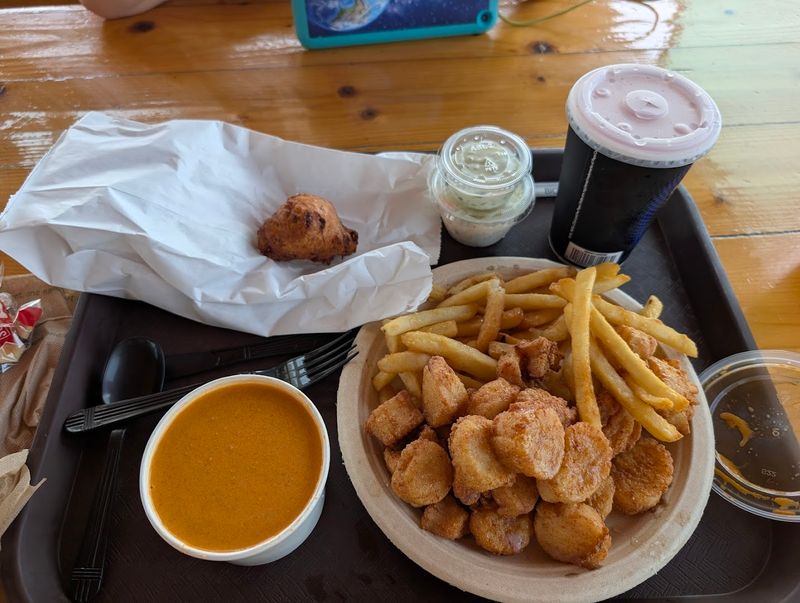
Clear broth signifies a culinary boundary that locals guard with passion. This variety avoids the heavy creams associated with northern regions.
I learned that dairy is considered an unwanted distraction here.
The purity of the clam is allowed to dominate every single spoonful of the steaming liquid. Longtime patrons of waterfront kitchens have defended this transparent style for years.
Do you have any idea how much knowledge goes into a simple cup? The opinions shared over these tables are grounded in generations of firsthand experience with the local waters.
Many residents grew up consuming recipes from relatives who gathered the ingredients personally. This intimate link to the source creates a high standard that every cook must meet.
A disappointing bowl is quickly identified and discussed throughout the small community. This informal system of checks and balances keeps the flavors sharp and the ingredients fresh.
Mediocrity is simply not tolerated when it comes to the village’s signature dish.
The Broth Truth
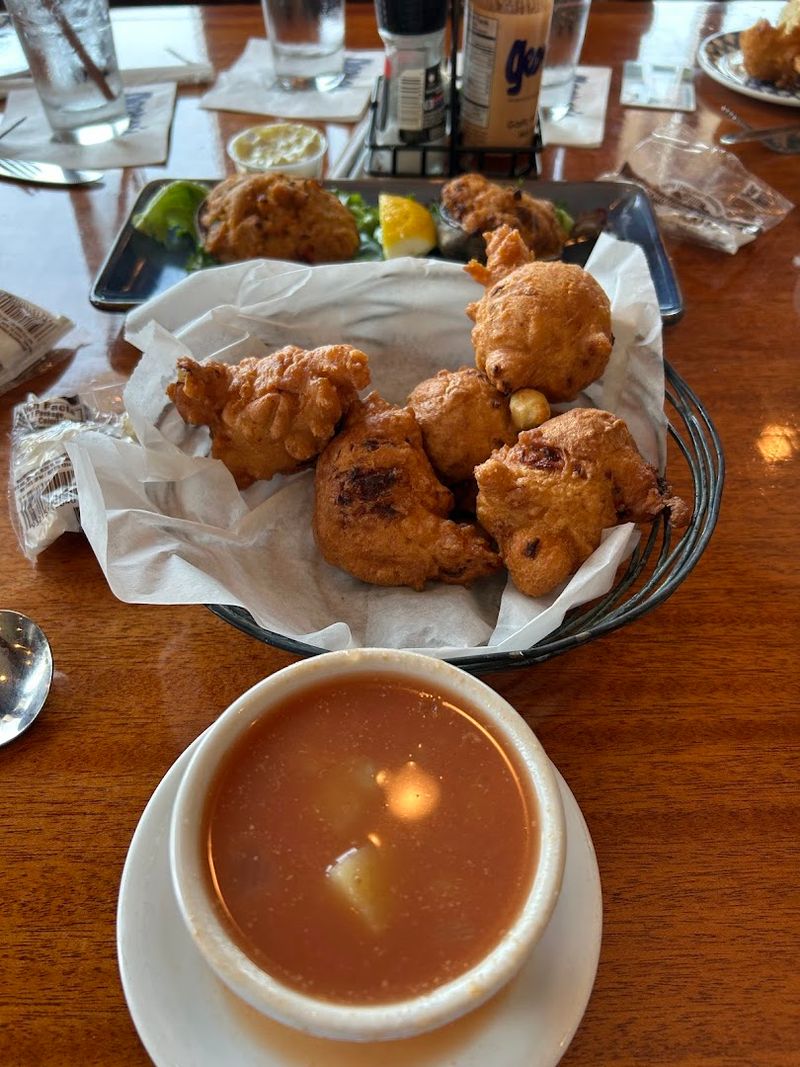
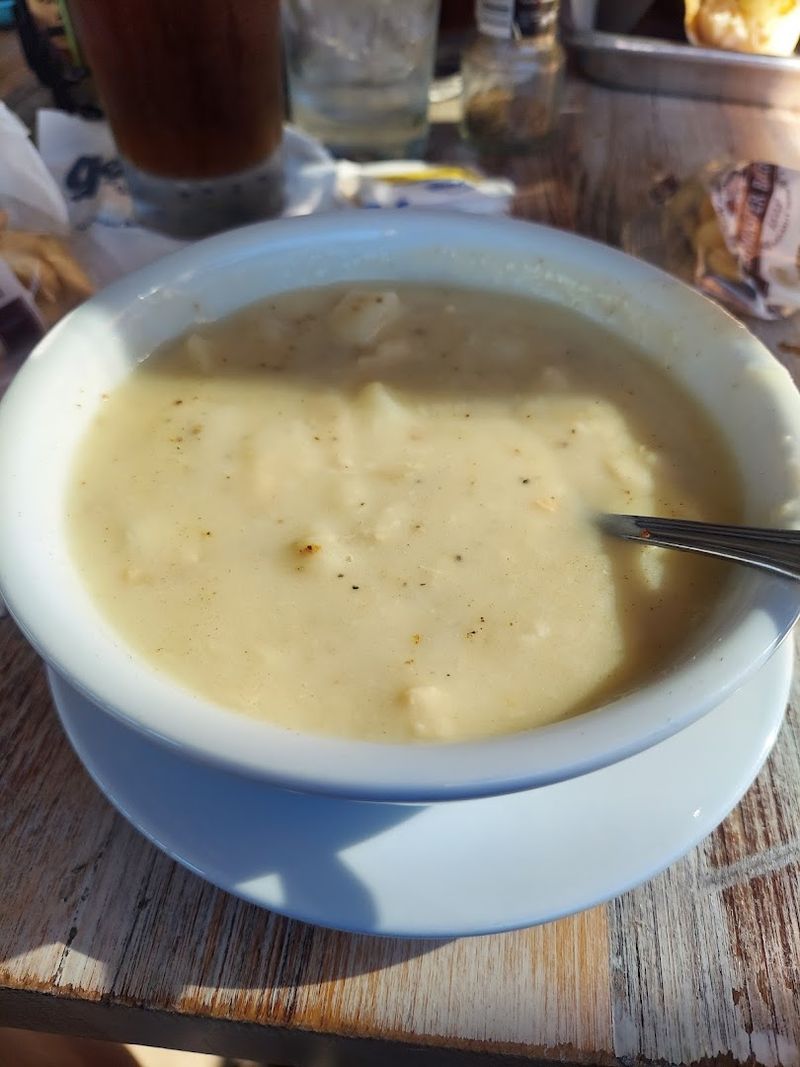
At first glance, the broth may seem almost too simple. Its transparency leaves nothing hidden, with no cream or thickening to soften the edges.
That clarity is exactly what defines the experience. Each spoonful carries a direct, briny taste of the ocean, shaped by fresh clam liquor and careful preparation.
Without heavier ingredients, the texture remains light and clean, making it easy to enjoy even during the warmest days along the coast.
For many visitors, this is the moment when expectations shift. What appears minimal at first reveals a depth of flavor that feels far more intentional than it looks.
The absence of distraction allows even subtle differences between kitchens to stand out more clearly. Small variations in seasoning or freshness can completely change the character of the bowl.
The Local Argument
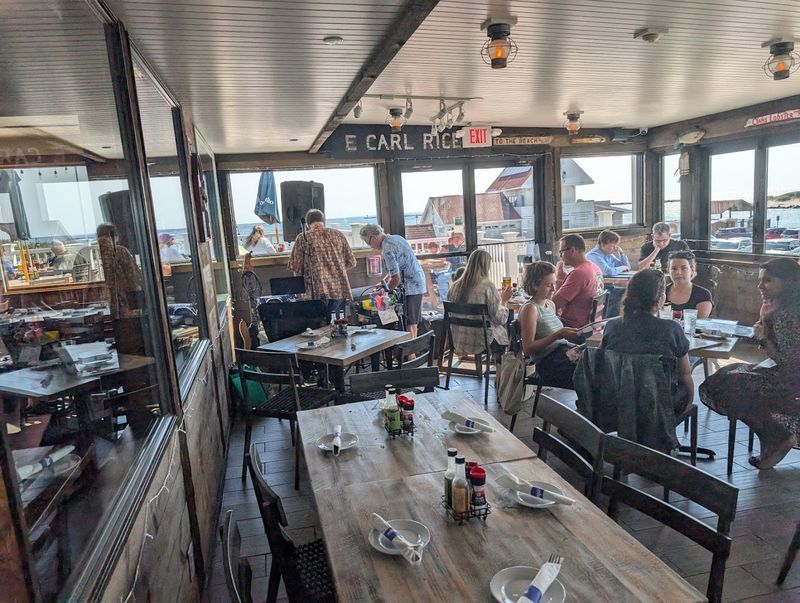
Disagreements about chowder rarely stay theoretical for long. They play out in real time, on benches by the water and at crowded counters where people gather to eat.
Conversations tend to start casually, then shift into detailed comparisons of where the best bowl can be found that day. One person points to consistency, another to portion size, a third to subtle differences in seasoning.
What makes these exchanges stand out is not the intensity, but the familiarity. The debates are rarely hostile.
Instead, they feel like a shared ritual, something expected rather than avoided.
Visitors often find themselves drawn into these discussions without meaning to. A simple question about where to eat can quickly turn into a passionate breakdown of local favorites.
There is a rhythm to these conversations, shaped by repetition and long-held opinions that rarely change overnight. Listening in becomes part of the experience, offering insight into how seriously food is taken in this small community.
Picking Your Side
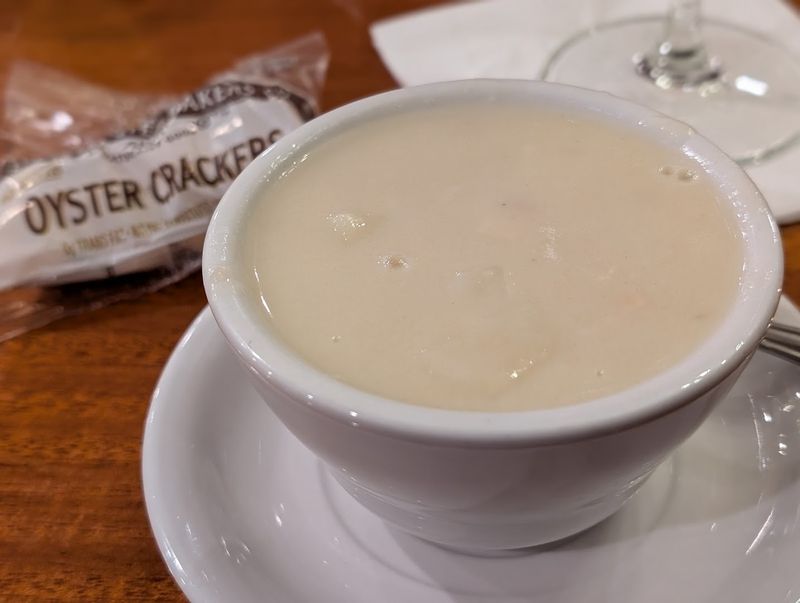
Spending time here almost inevitably leads to choosing a favorite place. What begins as curiosity turns into preference after only a few meals.
Some people return to the same counter for the familiarity of a consistent recipe. Others keep searching, comparing small differences between kitchens along the waterfront.
These choices tend to stick. Locals often remain loyal to a single spot for years, sometimes decades, rarely feeling the need to switch.
I would say that picking a side becomes part of the experience itself. It is less about finding a definitive “best” and more about discovering which version feels right to you.
That decision often comes with a story, tied to a specific day, a recommendation, or a conversation overheard by the water. Over time, those small moments shape a personal connection to a place that might otherwise feel like just another stop along the coast.
Small Town Built On Fish
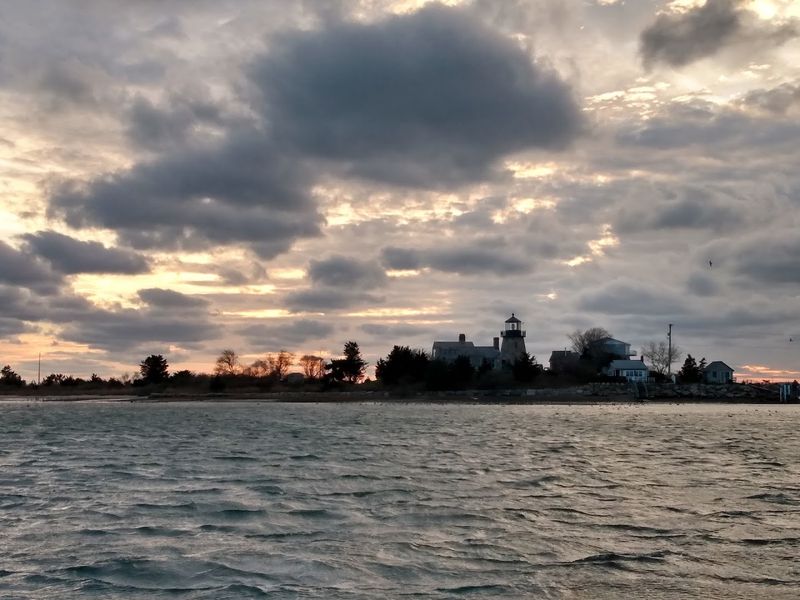
The ocean’s history is not just the soul of this coastal settlement, it is the foundation of everything that ends up in its kitchens.
Here, the modern world feels secondary to the rhythm of daily catch and preparation.
Galilee functions as a community shaped entirely by the tides and the food they provide. What happens on the water is inseparable from what is served at the table a few hours later.
Before sunrise, the air is already thick with the scent of salt and freshly landed seafood. It feels less like a greeting and more like a preview of what will soon be sorted, cooked, and served throughout the day.
Rhode Island’s connection to the Atlantic runs deep, but in this village that relationship is made tangible through food, especially the clams, lobsters, and fish that define its coastal cuisine.
At the heart of it all is Narragansett, where working docks are the starting point for some of the region’s most iconic seafood dishes.
Trawlers and lobster boats line the piers, unloading the ingredients that move almost directly into nearby kitchens. Everything here is built around function, speed, and freshness rather than presentation.
Generations of families have built their lives around this cycle, passing down knowledge not only of the sea, but of how to handle its harvest once it reaches shore.
Nothing about this place is staged for visitors. It is a working food system at full intensity, where the effort, the catch, and the meals it becomes are all part of the same continuous story.
Watching The Fishing Fleet
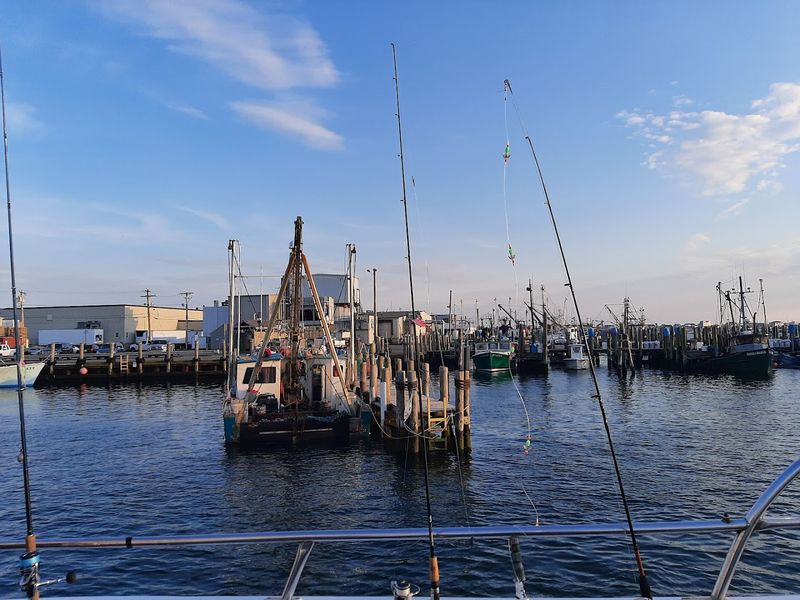
Early risers are rewarded with a view of the harbor that most travelers never witness. Watching the fleet return to the piers is a transformative experience that provides a new perspective.
One of the most recognizable operations here is Frances Fleet at 33 State St, Narragansett, RI 02882.
The vessels arrive heavy with a diverse harvest of fish and various sea creatures. As soon as the lines are secured, the docks transform into a high-speed theater of logistics.
This unloading process has followed the same basic choreography for more than a hundred years. It is a fast-moving operation where sorting and selling happen with an impressive, dizzying speed.
I was shocked by the sheer scale of commerce taking place on these wooden planks. Professional buyers gather at the water’s edge to inspect the quality of the morning catch personally.
Every transaction represents a link in a chain that connects the deep ocean to local tables. The boats themselves are fascinating subjects, carrying the marks of constant battle with the salt water.
Equipment is stacked in practiced patterns that allow the crew to function in cramped quarters. This is a Rhode Island place of grit and hard-earned success that needs no extra embellishment or polish.
When To Visit And Why
Warm weather brings the highest number of visitors to the village, and it is also when the food scene is at its busiest.
Seafood shacks and waterfront kitchens work at full pace, turning the day’s catch into quick, fresh meals. Ferry arrivals peak as well, bringing steady crowds in search of classic coastal dishes.
July and August attract the largest influx of people chasing the summer seafood experience. Lines form early at local spots known for chowder, fried clams, and other staples, making timing part of the experience.
Weekdays offer a quieter way to enjoy the food without the rush.
Spring and autumn offer a slower version of the same food culture. Boats still go out and kitchens still serve fresh seafood, but the pace is more relaxed.
It becomes easier to focus on simple dishes prepared without the summer crowds.
Even in winter, the food identity remains strong. A smaller number of places stay open, serving locals who come for warm chowder and fried seafood.
The atmosphere is quieter, but the connection between sea and plate feels even closer.
No matter the season, the Rhode Island coast is best experienced through its food, especially for those who follow its rhythm year-round.