How This Tiny Northern California Lumber Town Survived The Timber Collapse And Rebuilt Itself Around Food And Art
Places built around one industry often seem to lose their footing when that industry disappears. Some never even recover at all.
In Northern California, one tiny former lumber town found a softer, more surprising second life.
Mill history still lingers in the background, but the energy feels different now, carried by thoughtful food, local art, and a sense of purpose that did not arrive overnight.
Change in a place like this rarely happens in one big moment. It gathers slowly, through small risks and people willing to imagine more for the streets they know by heart.
That quiet transformation is what makes the town so interesting. Strength still lives here. It just shows itself in a completely different form now.
A Lumber Town With Real Roots
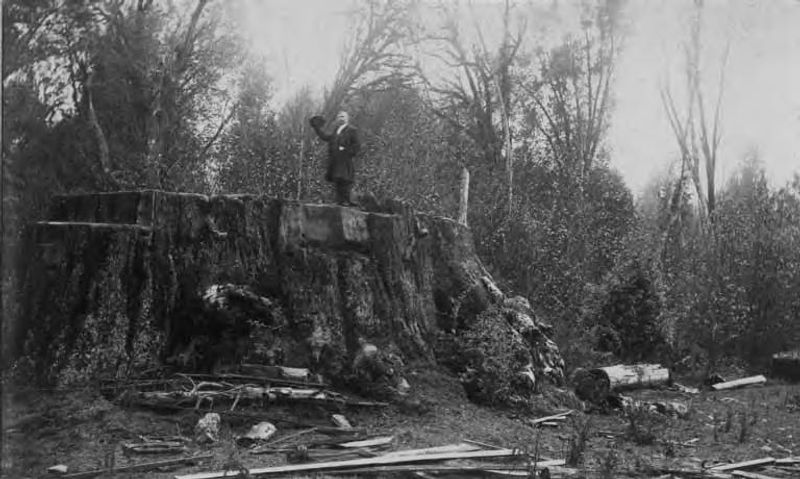
Long before anyone talked about craft culture or artistic communities in Humboldt County, Blue Lake was built on timber.
The town grew alongside the region’s expanding lumber economy in the 19th century, and wood was shipped out on the Arcata and Mad River Railroad, which connected the valley to broader markets along the Northern California coast.
Humboldt County’s historical records show that the timber industry shaped nearly every part of daily life in Blue Lake during its early decades.
The railroad depot, the mill operations, and the rhythms of working-class labor defined the town’s identity for generations.
Understanding that foundation matters because it explains why the shift away from timber was so disorienting for a place this small.
The town did not drift away from lumber gradually. The collapse came hard and fast, and what Blue Lake did next says a lot about the character of a community that refused to quietly disappear.
Dell’Arte International and the Theatre That Changed Everything
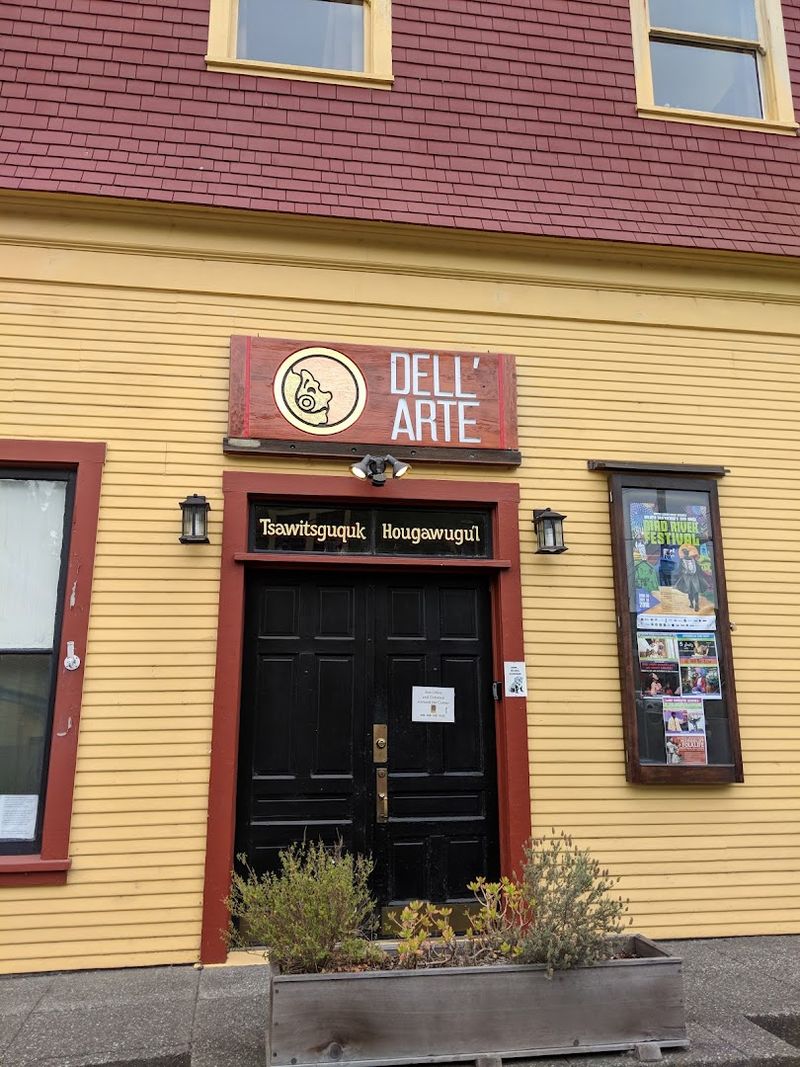
Some towns get a new factory after an economic collapse. Blue Lake got a world-renowned physical theatre school, and it turned out to be one of the most consequential things that ever happened to the place.
Dell’Arte International was established in 1975, and its presence fundamentally shifted how the town saw itself and how outsiders saw it too.
Dell’Arte International is located at 131 H St, Blue Lake, CA 95525, and the school has grown into a nationally recognized training ground for physical theatre artists.
Productions staged there draw audiences from across the region and beyond, giving a town of 1,200 people a cultural footprint that most mid-sized cities would envy.
The annual Mad River Festival, which began in 1989, brings together theatre, music, and puppetry each summer in a way that feels genuinely rooted in the community rather than imported for tourism purposes.
For Blue Lake, Dell’Arte is the clearest proof that the town’s reinvention around the arts was not accidental.
Mad River Brewery and the Craft Beer Anchor
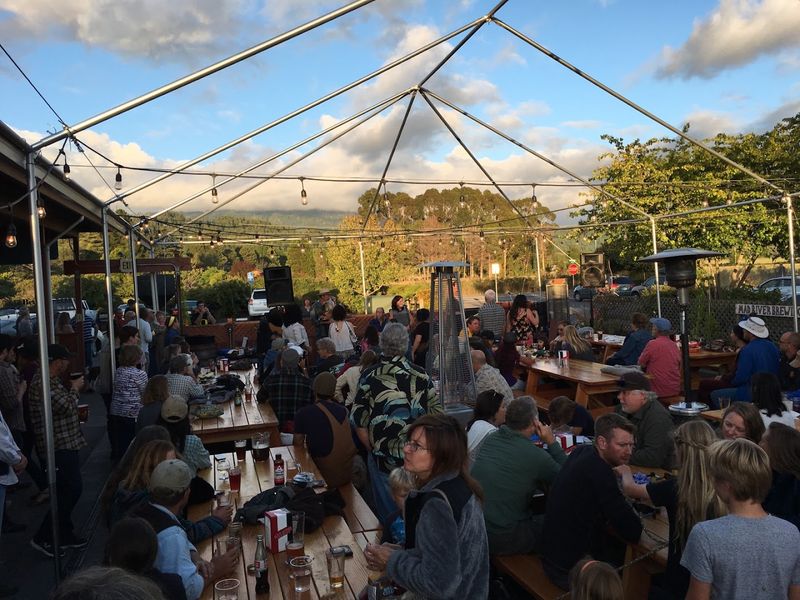
There is something grounding about a brewery that has been in the same small town for more than three decades.
Mad River Brewery has been crafting beer in Humboldt County since the early 1990s, which means it was part of Blue Lake’s identity long before craft brewing became a lifestyle trend across the country.
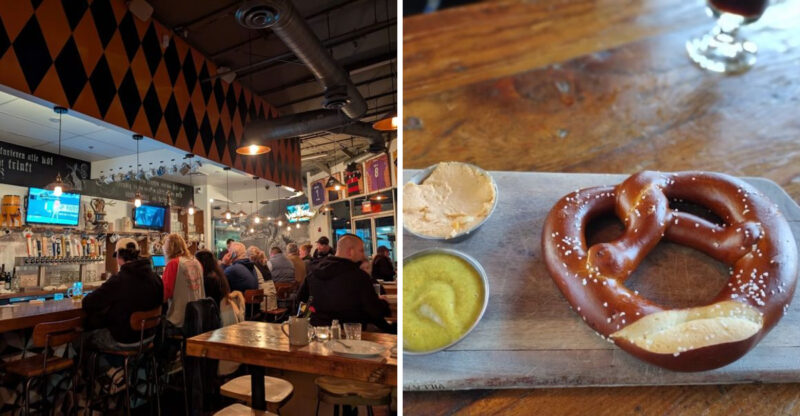
The Mad River Brewing Company Tap Room is located at 101 Taylor Way, Blue Lake, CA 95525, and it functions as more than just a place to sample local products.
The tap room has become a community gathering point where locals and visitors share the same space in a way that feels natural rather than staged.
Regional tourism sources specifically point visitors toward Mad River Brewery as one of the defining stops in Blue Lake, and the longevity of the operation gives it a credibility that newer establishments tend to lack.
For a town rebuilding its economic identity, having an anchor business with genuine history in the community is not a small thing.
Logger Bar and the Logging Past on Display
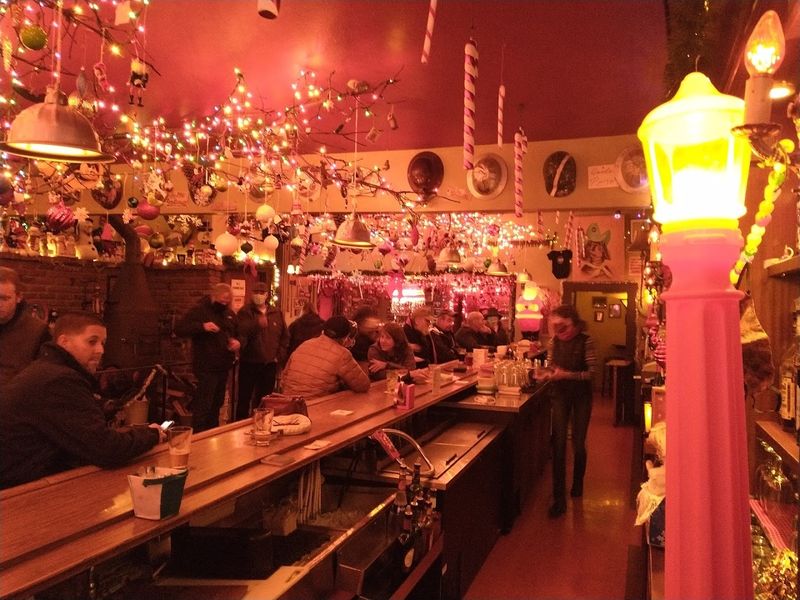
Not every town that reinvents itself bothers to remember what it used to be. Blue Lake is different, and the Logger Bar is the clearest example of that.
The walls inside are covered with historic photographs and actual logging equipment from the timber era, turning a neighborhood bar into something closer to a living archive.
Logger Bar sits at 100 Greenwood Ave, Blue Lake, CA 95525, and it has been a fixture in the community long enough to earn the kind of reputation that only comes with time.
Visitors who walk in expecting just a local hangout often leave with a much clearer sense of what this town was before the mills went quiet.
The combination of logging history and present-day social life happening in the same room is oddly effective.
Conversations happen under old black and white portraits of workers who shaped the valley, and that physical connection to the past keeps the lumber identity alive without turning it into a museum exhibit.
The Arcata and Mad River Railroad Legacy
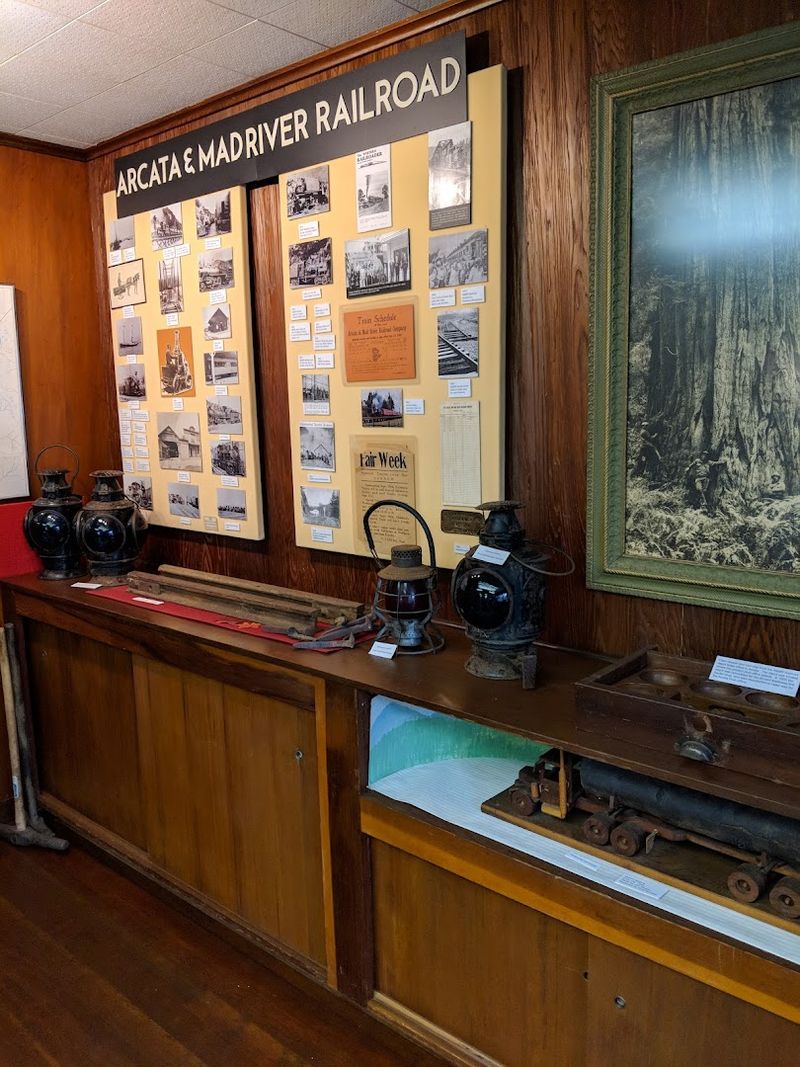
Railroad history has a way of making the past feel tangible, and Blue Lake has one of the more interesting railroad stories in Northern California.
The Arcata and Mad River Railroad was the infrastructure that made the timber economy function, moving cut lumber out of the valley and connecting the town to the wider world during its most prosperous decades.
The Blue Lake Museum is housed in the former Arcata and Mad River Railroad depot at 330 Railroad Ave, Blue Lake, CA 95525, preserving the town’s logging and railroad heritage in a building that was central to the old economy.
The museum offers a window into what Blue Lake looked like when timber was king, with exhibits that help visitors understand how completely the town’s identity was shaped by the industry.
Keeping that railroad history visible is part of what makes Blue Lake’s current identity feel layered rather than hollow. The town did not bulldoze its past to build something new.
The depot still stands, the history is still taught, and visitors who care about understanding a place rather than just passing through it tend to find the museum genuinely worth their time.
The Redwood River Setting That Softens the Industrial Past
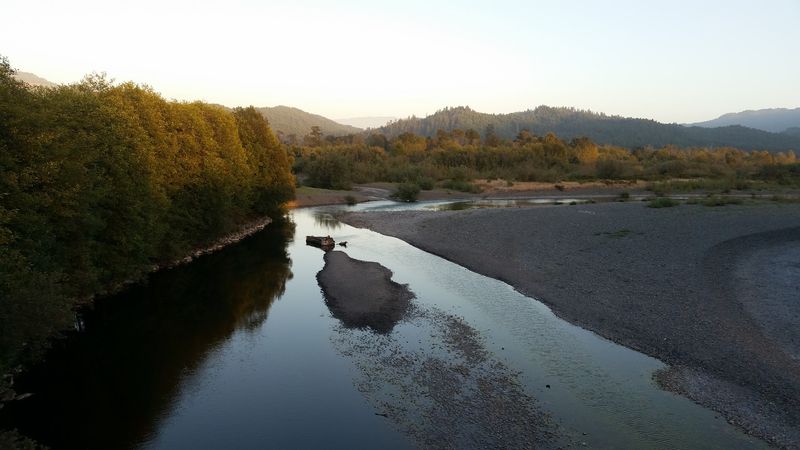
Geography played a quiet but important role in Blue Lake’s ability to reinvent itself.
Sitting along the Mad River in Humboldt County, surrounded by redwood forest and not far from the Northern California coast, the town has a natural setting that makes it appealing beyond any single attraction or industry.
The Mad River itself adds a dimension that purely urban reinventions lack.
Parks along the riverbank give residents and visitors a place to slow down, and the fish hatchery in the area draws people with interests that have nothing to do with theatre or craft beverages.
That variety matters for a small town trying to build a visitor base without leaning too hard on any one thing.
The redwood setting also gives Blue Lake a visual identity that is immediately recognizable and hard to replicate.
The tall trees, the river light, and the damp cool air of Humboldt County create a backdrop that softens the town’s industrial history without erasing it.
For anyone driving through the region, Blue Lake tends to feel like a place that earned its landscape rather than one that simply happens to be located in it.
Food and Community Gathering in a Small-Town Frame
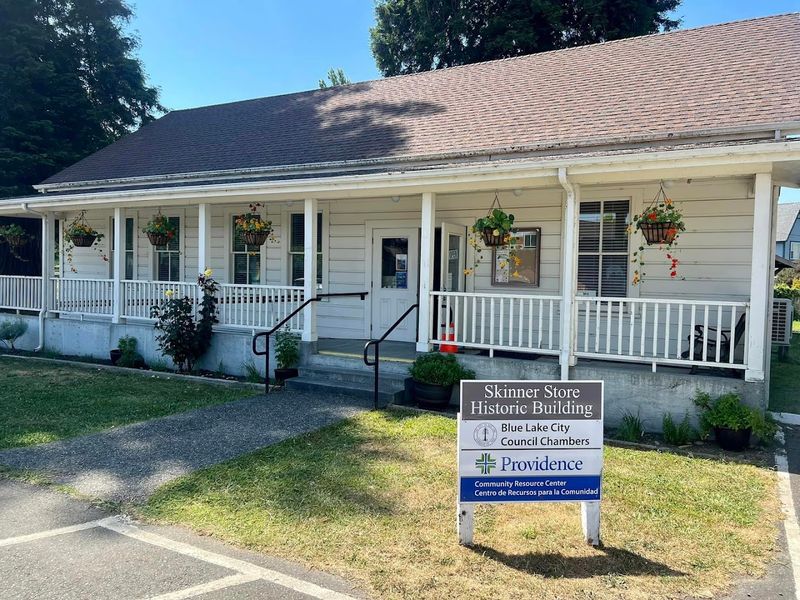
The food and drink culture in Blue Lake is not built around fine dining or destination restaurants in the conventional sense.
What the town offers instead is a collection of places where the community actually gathers, and that distinction matters more than it might initially seem.
Regional tourism sources frame Blue Lake’s food-and-drink scene as an invitation to slow down and stay a while rather than a checklist of must-try spots. That framing reflects something real about how the town functions.
The brewery tap room, the Logger Bar, and the local gathering places all operate at a pace that matches the size and rhythm of the community around them.
Blue Lake’s food culture rewards patience and conversation more than it rewards comparison or curation.
Sitting down in one of the town’s establishments on a weekday afternoon, with locals at nearby tables and no particular rush to move on, is one of the more honest ways to understand what Blue Lake has become since the mills went quiet.
A Town That Kept Its Identity While Building a New One
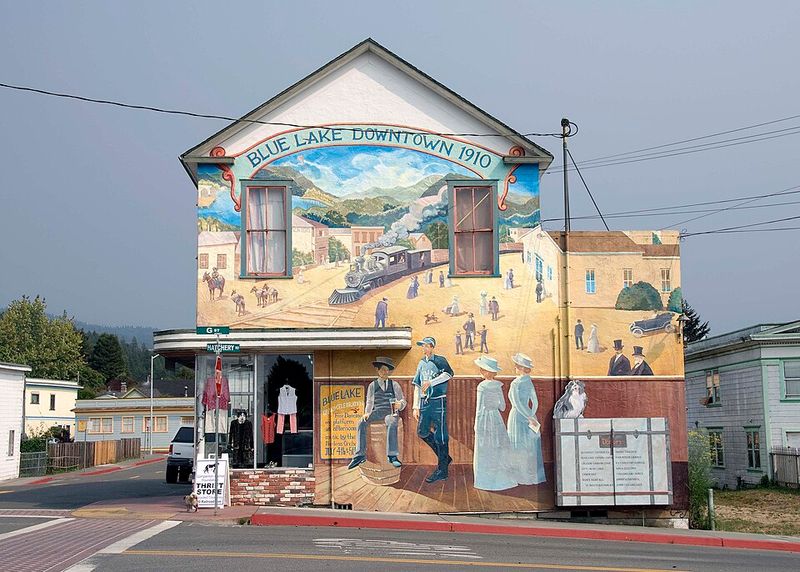
What makes Blue Lake genuinely interesting is not that it replaced its lumber identity with something shinier. The more accurate story is that the town added layers.
The logging photos still hang in the bar. The railroad depot still stands.
The Chamber of Commerce history traces the town from its resort-and-railroad roots through timber prosperity and into the present arts-focused phase without pretending any chapter did not happen.
That kind of continuity is harder to maintain than it looks. Many small towns that lose a dominant industry either freeze in place or overcorrect toward a new brand that feels imported.
Blue Lake has managed to hold both identities at once, and the result is a town that feels genuinely lived-in rather than curated for visitors.
Walking through Blue Lake on a regular afternoon, the combination of old and new is easy to sense.
A theatre school operates a few blocks from a bar decorated with logging gear. A craft brewery shares the same small-town air as a railroad museum.