This Louisiana Coastal Village Is Changing And The Seafood Still Delivers
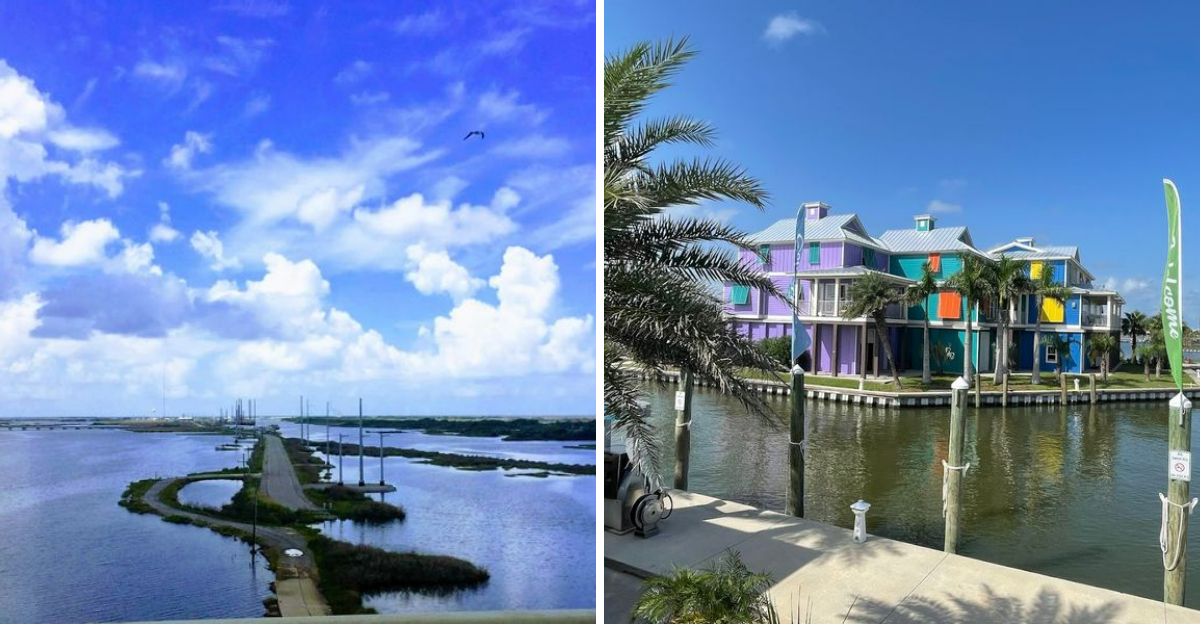
It’s changing, and not slowly. The Gulf keeps taking chunks of it, storm by storm, year by year, and Louisiana’s southernmost inhabited barrier island just keeps showing up anyway.
I drove two hours through open marsh, past water on both sides of the road, wondering if I’d find anything worth the detour. Then I smelled the shrimp boats before I saw them.
This is the kind of state secret Louisiana holds close, a fishing village that never bothered becoming a tourist trap. The seafood here is absurdly fresh, the kind that makes you question every shrimp po’boy you’ve eaten before.
But what got me wasn’t the food. It was realizing this whole place, this stubborn, salt-bleached, beautiful state landmark, might look different in the years ahead.
A Remote Barrier Island That Feels Worlds Away
Few places in America feel as genuinely remote as this narrow strip of land. Grand Isle sits on a barrier island in the Gulf of Mexico, reachable only by LA-1, a road that cuts through open marsh and open sky.
The drive alone tells you this place plays by different rules.
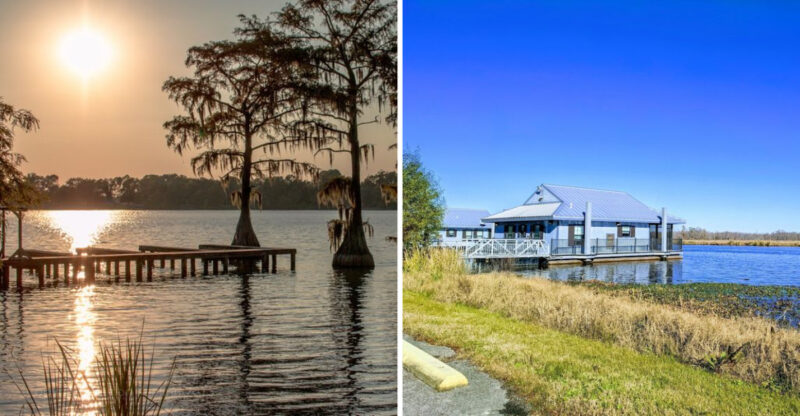
The island is about seven miles long and just a mile wide at its broadest point. On one side, the Gulf stretches out endlessly.
On the other, Barataria Bay sits calm and glassy most mornings. You are surrounded by water no matter where you stand.
That geography shapes everything here. It shapes the food, the culture, and the pace of daily life.
Fishing is not a hobby on Grand Isle. It is a way of life passed down through families for generations.
The salt air gets into everything, including your appetite. You will leave hungry for more of this place, even after a full plate of fresh catch.
Fresh Gulf Seafood That Speaks For Itself
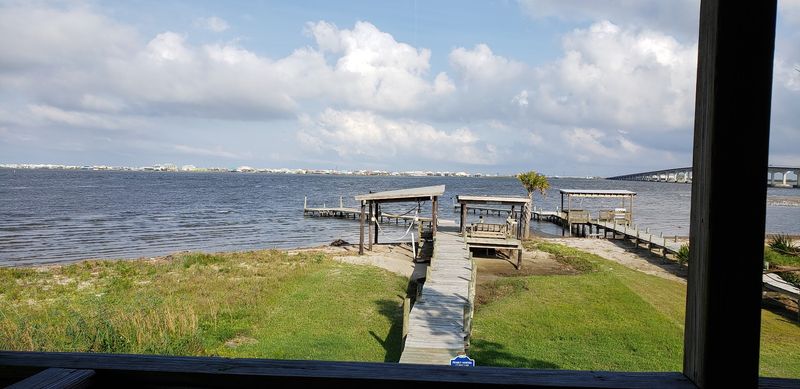
Seafood here often feels far fresher than what you get inland. That freshness hits you with the first bite, and suddenly every other shrimp you have eaten feels like a lie.
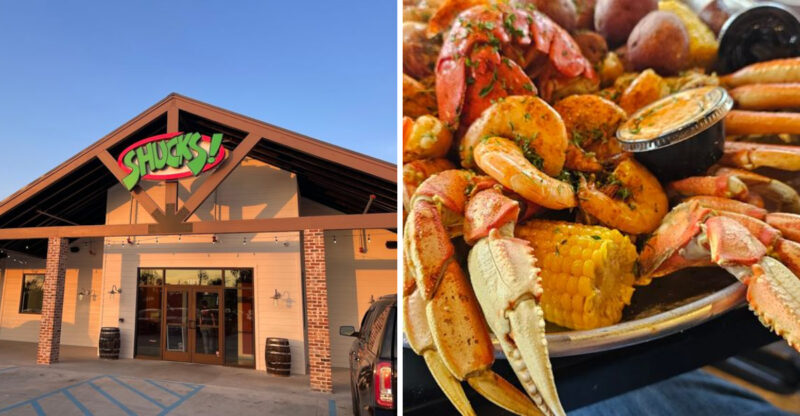
Grand Isle fishermen land shrimp, crabs, oysters, and finfish right here in these waters. Local eateries keep the menu honest and simple.
You get what the Gulf gave up that morning, and that is always enough.
Po’boys here are built differently. The shrimp are plump and sweet, lightly fried with a crisp shell that cracks when you bite through.
Gumbo comes dark and smoky, loaded with crab and sausage. Crawfish dishes show up depending on the season, and every version tastes earned rather than manufactured.
Eating seafood at Grand Isle feels like a transaction between you and the ocean. No middlemen.
No mystery ingredients. Just honest Gulf cooking done the way it has been done here for over a century.
Bring your appetite, and do not make any plans for the hour after your meal.
A State Park Beach That Keeps Things Wild And Simple
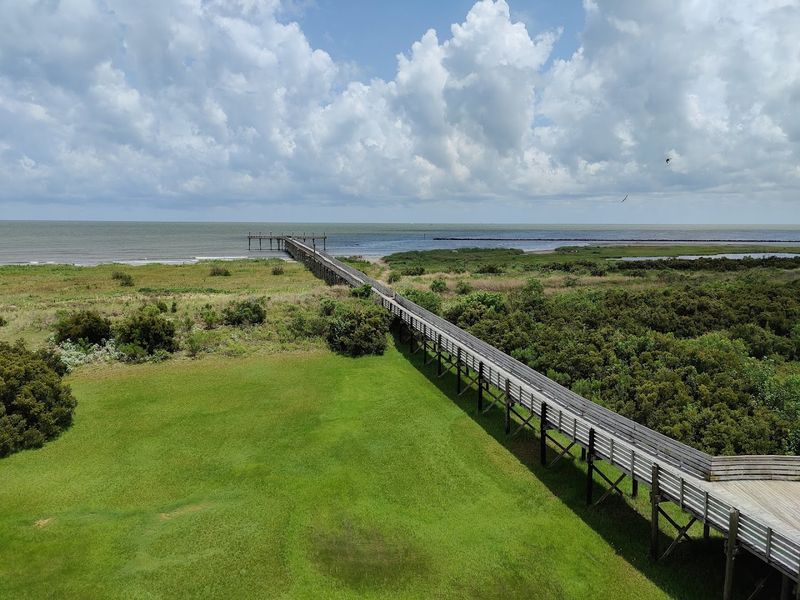
The beach at Grand Isle State Park is not the polished, resort-style kind. It is wide, wild, and genuinely beautiful in a way that feels unscripted.
Brown pelicans cruise low over the surf while kids dig in the sand nearby.
The park includes a fishing pier that stretches far out into the Gulf. Anglers line up along it on weekends, casting for redfish, speckled trout, and flounder.
Even if you do not fish, walking that pier at sunset is worth every step.
Campsites inside the park put you close to the water and close to the stars. Nights here are quiet except for wind and waves.
Waking up to the sound of the Gulf outside your tent is the kind of alarm clock that ruins all other mornings.
Trails wind through the park and connect to the Grand Isle Birding Trail, which passes through ancient oak forests draped in Spanish moss. The park address is 108 Admiral Craik Drive, Grand Isle.
Getting here early on a summer weekend is smart because parking fills up fast and the beach rewards those who arrive first.
Spring Birding That Turns The Coast Into A Show
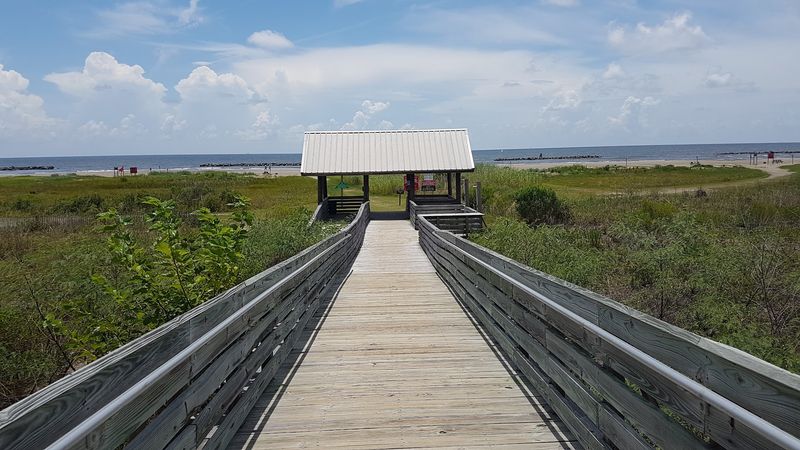
Every spring, something remarkable happens on Grand Isle. Large numbers of migratory birds cross the Gulf of Mexico and land here, exhausted and hungry, in the first trees they find.
The oak forests of this island become a living spectacle of color and song.
Warblers, tanagers, orioles, and buntings pile into the branches by the hundreds. Birders from across the country time their trips around this event.
The Grand Isle Birding Trail connects the best viewing spots along the island in a manageable loop.
You do not need to be a serious birder to enjoy it. Standing under a tree filled with painted buntings, which are tiny birds that look like someone spilled a paint set, is just flat-out joyful.
Even people who have never cared about birds stop and stare.
The festival called Grand Isle Migratory Bird Celebration happens each April and draws thousands of visitors. Guided walks, binoculars, and a lot of enthusiastic pointing are involved.
It is one of the best free wildlife shows in the entire country, and it happens right here on this small strip of Gulf Coast land every single year without fail.
A Fishing Culture That Still Shapes Daily Life
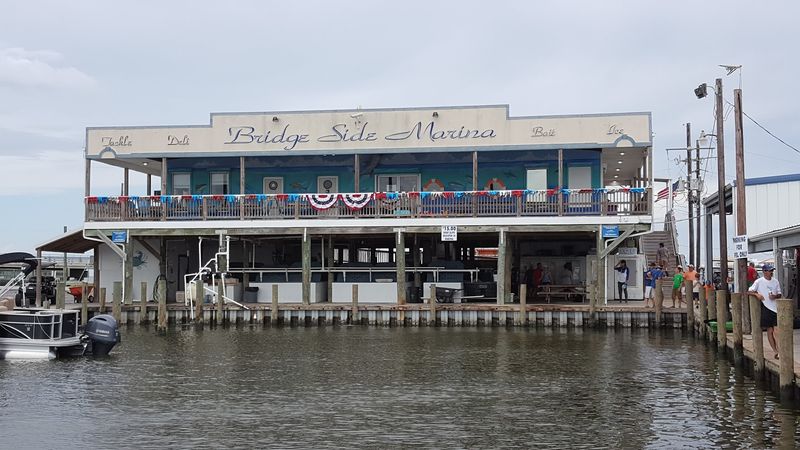
Grand Isle has been a fishing community since long before anyone thought to put it on a tourist map. The marina fills up before dawn with boats heading out for shrimp, crab, and finfish.
This is not recreational theater. It is a working waterfront with real stakes.
Families here have fished these waters for four and five generations. The knowledge of tides, currents, and seasonal runs gets passed from parent to child the same way other families pass down recipes.
It is living heritage, and it shows in how the locals carry themselves.
The seafood industry in Louisiana faces real challenges right now. The workforce is aging, and fewer young people are joining the fleet.
Efforts to attract the next generation of fishermen are underway, but the work is hard and the hours are long.
Despite that, the culture has not gone soft. Fishing tournaments draw competitors from across the Gulf Coast every summer.
The Grand Isle Tarpon Rodeo, one of the oldest fishing tournaments in the country, has been running since 1928. That kind of history does not fade quietly.
It fights to stay alive, and so does this community.
A Shoreline That Keeps Slowly Shifting
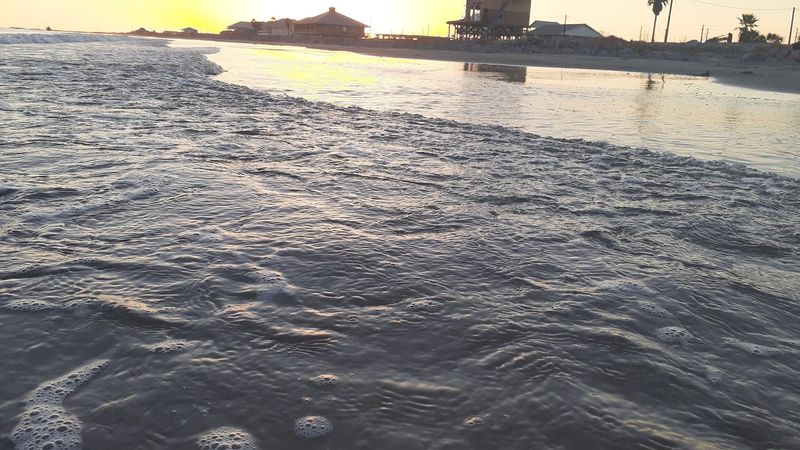
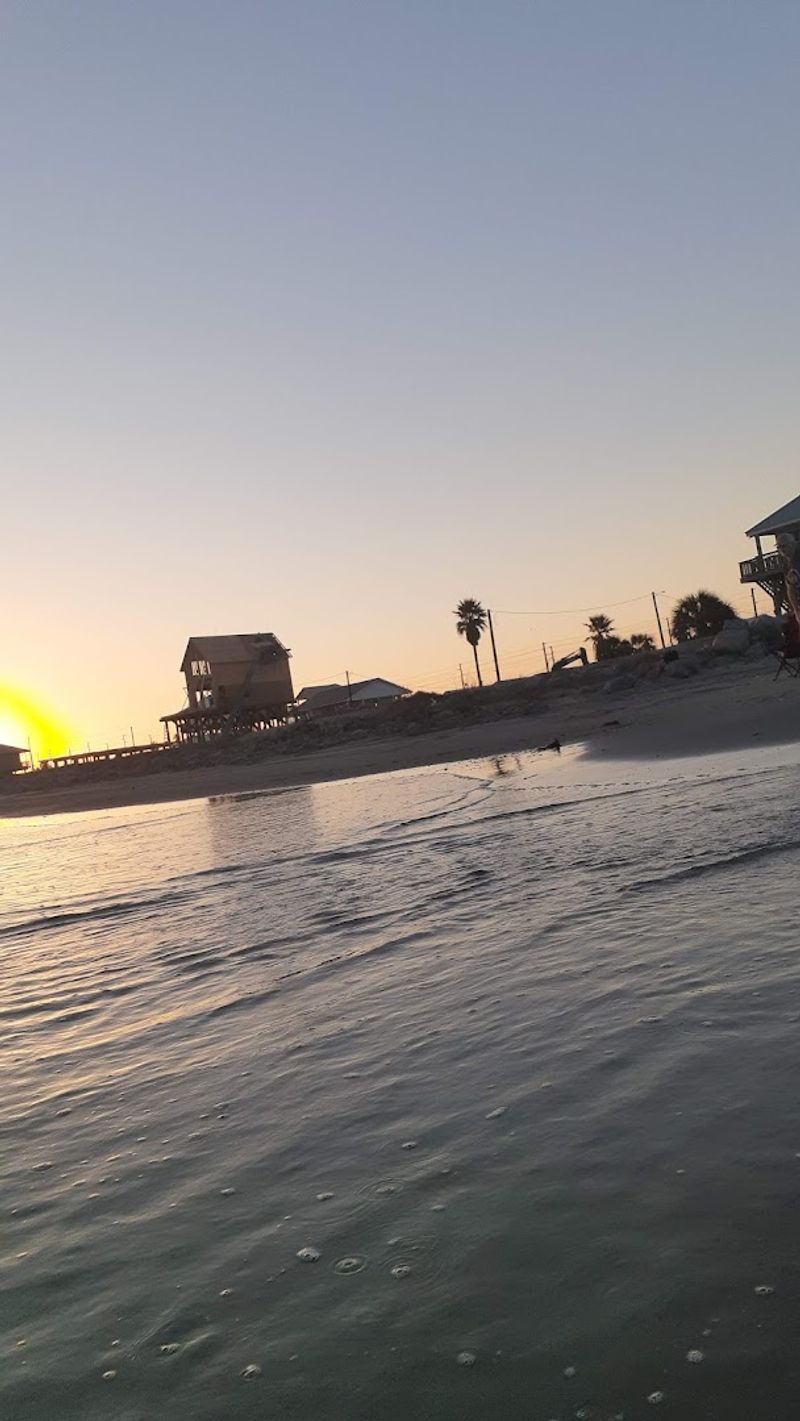
Grand Isle’s shoreline has been changing over time, slowly but measurably. Coastal erosion is not a distant threat here.
It is visible from the road, from the beach, and from the conversations locals have at the bait shop every morning.
Louisiana loses coastal land faster than almost anywhere else in the United States. Barrier islands like Grand Isle are on the front line of that loss.
Storms reshape the shoreline regularly, and each major hurricane takes a bite that does not fully grow back.
Rock barriers and restoration projects have been put in place to slow the erosion. The state has invested in rebuilding marsh and reinforcing the island’s edges.
Progress is real, but so is the scale of the problem facing this part of the coast.
What makes this worth talking about is not doom. It is urgency.
Grand Isle right now is still very much alive, full of people who love it fiercely and visitors who come back year after year. Seeing it as it is today matters.
The island is worth the trip precisely because it is still here, still fishing, and still feeding people better than almost anywhere else along this coastline.
A Quiet Spot Full Of Butterflies And Small Surprises
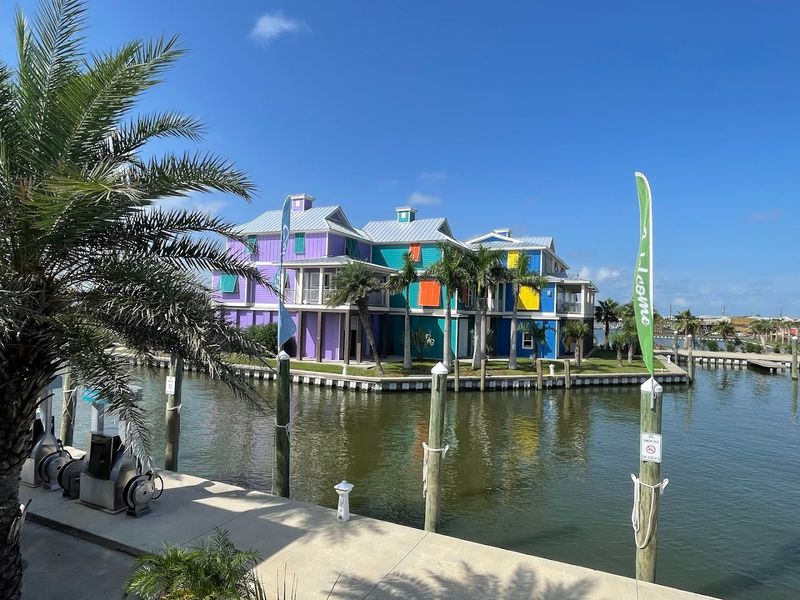
Not everything on Grand Isle involves a fishing rod or a cast net. The Butterfly Dome is one of those small, unexpected spots that stops you in your tracks.
Native butterflies float around native plants inside a screened enclosure that feels like a tiny, peaceful universe.
It is the kind of place you walk into expecting to spend five minutes and stay for thirty. Kids love it immediately.
Adults slow down in a way they did not expect to. The combination of color, movement, and quiet is genuinely calming.
The dome focuses on species native to Louisiana’s Gulf Coast. It is both a display and a conservation effort, showing how important native plants are to local butterfly populations.
You leave knowing something you did not know before, which is the best kind of attraction.
Grand Isle keeps surprising visitors who expect only beaches and boats. The Butterfly Dome is proof that this island has layers.
Between the birding trail, the state park, and this little corner of wings and wildflowers, there is more than enough to fill a full day without ever touching the water. Sometimes the best part of a coastal trip is what you find between the seafood stops.
Wake Side Cable Park And The Younger Crowd
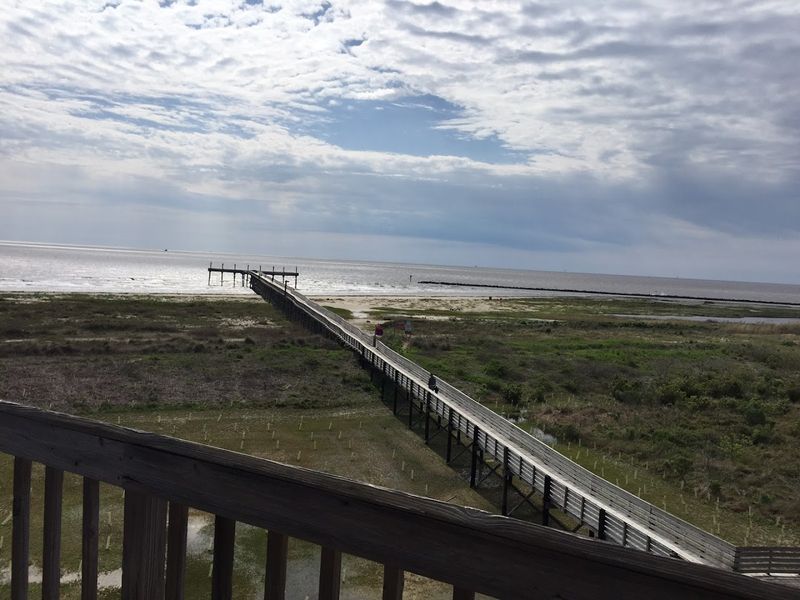
Grand Isle has a reputation as a fishing and birding destination, but Wake Side Cable Park is changing who shows up on weekends. The cable tow system pulls wakeboarders and water skiers across a course loaded with jumps and obstacles.
It is loud, fast, and genuinely fun to watch.
Cable parks use an overhead cable system instead of a boat, which makes the sport more accessible and less expensive. Beginners can learn the basics without worrying about boat wakes or traffic.
Experienced riders push the course hard and make it look effortless.
The park brings a younger energy to the island. Families with teenagers find a reason to stay longer.
The combination of wakeboarding in the afternoon and fresh Gulf seafood at dinner makes for a day that is hard to beat anywhere along this coastline.
Grand Isle has always attracted people who like their fun a little unfiltered. Wake Side fits that spirit exactly.
It is not a manicured resort experience. It is a real place where people get wet, wipe out, laugh about it, and get back on the board.
That attitude matches the island perfectly, and it gives the community one more reason to keep drawing visitors through every season.
Why The Drive Still Feels Worth It Right Now
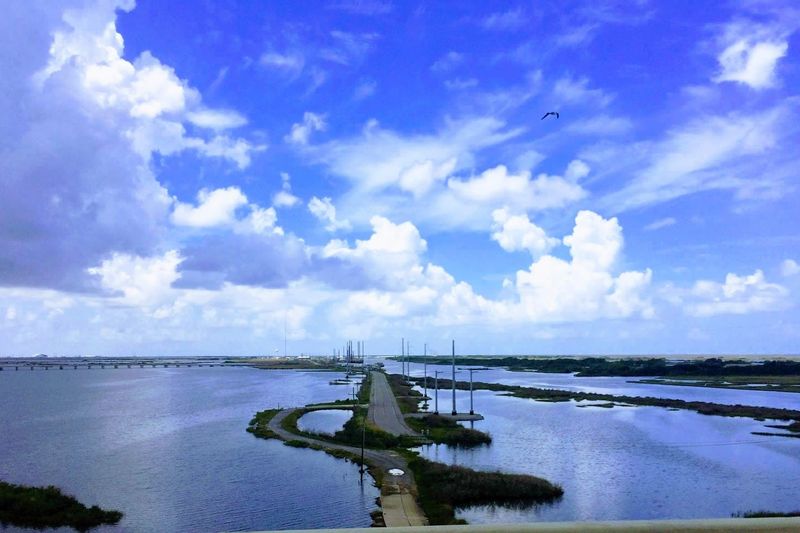
The drive down LA-1 toward Grand Isle is one of the most honest roads in the South. You pass through marsh, over bridges, and beside open water until the island appears ahead of you like a reward.
That drive alone tells you this trip is different.
Grand Isle is not trying to be anything other than what it is. There are no luxury resorts, no chain restaurants, and no manufactured experiences.
What you get instead is a real community with deep roots and serious seafood.
The island faces real challenges ahead. Erosion, an aging fishing fleet, and the unpredictability of Gulf weather all press on this place.
But right now, in this moment, Grand Isle is alive and worth every mile of that drive down the peninsula.
Visiting now means you see it while it still has all its character intact. The fishing boats still go out before sunrise.
The seafood is still pulled from nearby waters. The oak trees still fill with birds every spring.
Grand Isle sits at the end of the road for a reason. It is the kind of place that reminds you why some spots are worth protecting, worth visiting, and absolutely worth eating your way through from end to end.