In This Quiet Tidewater Virginia Village, Oyster Traditions Still Shape Every Raw Bar
The best oyster experience of my life almost did not happen because I was paying attention to Google Maps instead of my nose.
I was somewhere on the banks of the Rappahannock River in Virginia, half-focused on where I was going and half-aware that something in the air smelled extraordinary.
That is when a gravel turnoff appeared and my hands made the decision before my brain did.
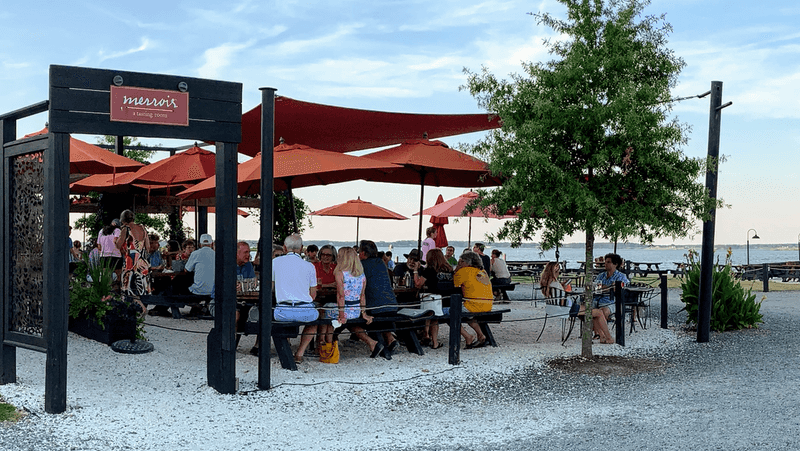
What I found was a tasting room so close to the water that you could hear the oyster cages moving in the current.
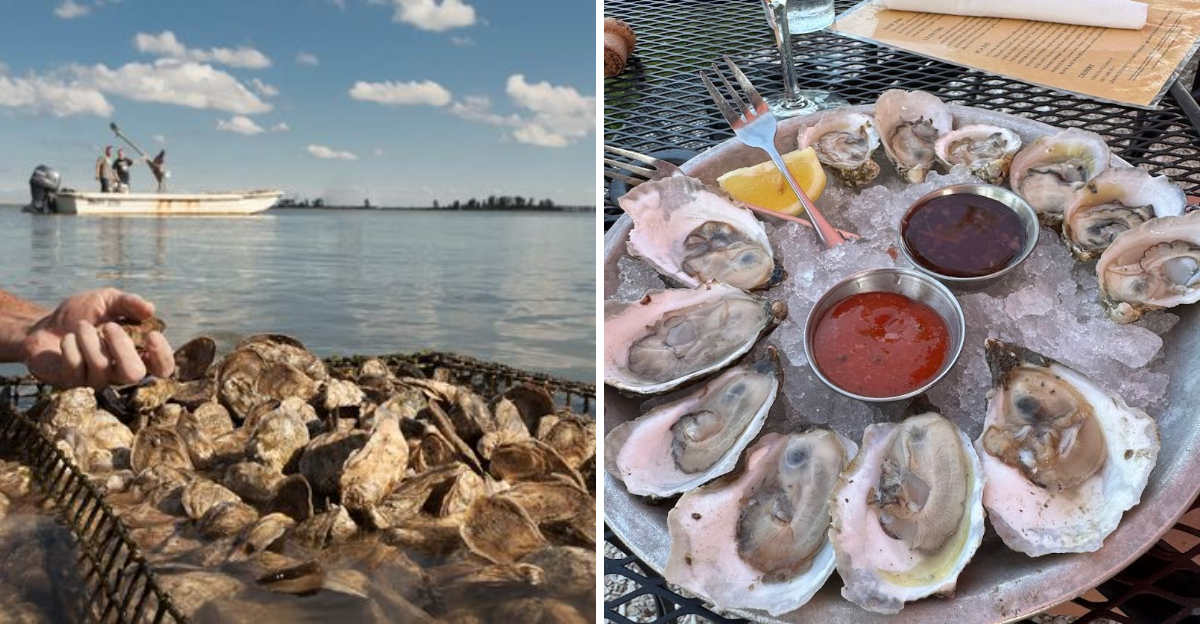
Small plates, outdoor tables, a chalkboard menu, and oysters that had been in the river approximately forty minutes before they arrived in front of me.
No pretense, no dress code, no reservation required.
Just one of the oldest continuously farmed stretches of river bottom in Virginia, and the kind of raw bar that makes you understand why people have been eating oysters on this coastline for centuries.
This village is not on most people’s radar. It absolutely should be.
Where the Creek Tells You Everything
Saltwater has a way of making everything taste more honest, and Merroir Tasting Room proves that better than anywhere I know.
The name itself is a play on terroir, the French concept that what surrounds a food shapes its flavor.
Here, that surrounding is Locklies Creek, a tidal tributary of the Rappahannock River, and it flavors every single oyster on the plate.
Rappahannock Oyster Co. runs this spot, and they grow what they serve. That is not a marketing line.
The oysters come straight from the water you are sitting beside.
You can see the beds from the tasting area, which adds a kind of clarity to the experience that most seafood restaurants simply cannot offer.
The setting is relaxed and unpretentious. Picnic tables, creek breezes, and a menu built around what the water produces that day.
There is nothing performative about it.
Come hungry and curious, and this place at 784 Locklies Creek Rd, Topping, Virginia, will reward both instincts generously.
A Flavor Worth Traveling For
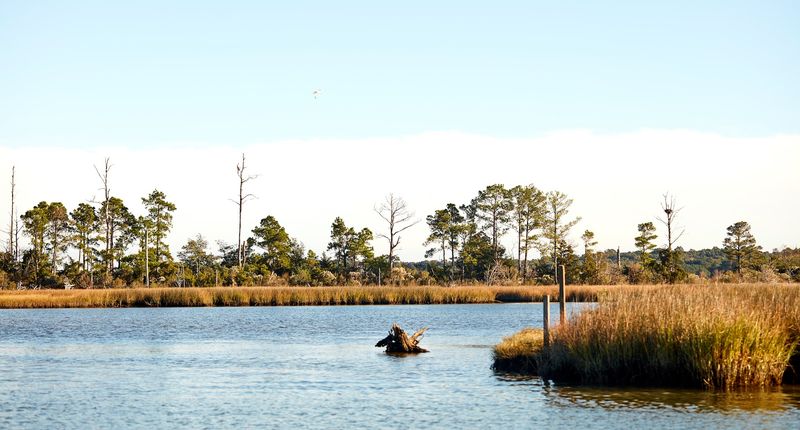
Not all oysters taste the same, and the Rappahannock River variety makes that point with quiet confidence.
These oysters carry a clean, briny salinity followed by a mild sweetness that reflects the river’s mix of fresh and salt water.
That balance is not an accident. It is the result of a carefully managed estuary and generations of knowledge about how to grow shellfish in it.
Rappahannock oysters have been harvested from this river since the 1800s.
The Croxton family, who founded Rappahannock Oyster Co., revived the tradition in the early 2000s after the local industry had declined significantly.
Their work helped bring the Virginia oyster back to national attention, and food writers across the country took notice quickly.
At Merroir, you taste these oysters at their freshest possible point. No long haul in a refrigerated truck.
No days of sitting on ice in a distribution warehouse.
The journey from water to shell to your hand is measured in minutes, not days. That proximity changes everything about how the oyster tastes and feels.
Tidewater Virginia’s Oyster Culture Runs Deeper Than The Menu
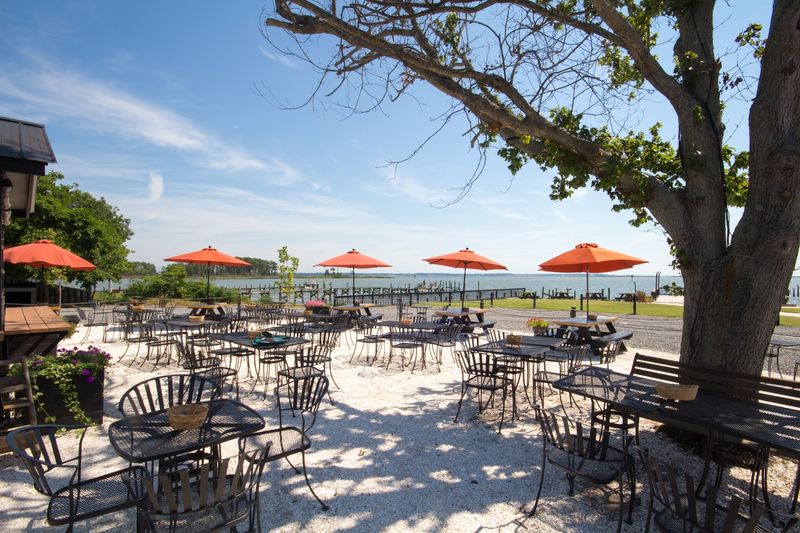
Oyster culture in Tidewater Virginia is not a trend. It is a way of life that predates the United States itself.
Indigenous communities harvested oysters from these rivers for thousands of years before European settlers arrived and quickly recognized the same abundance.
The Rappahannock River, in particular, became one of the most productive oyster fisheries on the entire East Coast.
By the late 1800s, Virginia was shipping millions of bushels of oysters annually to cities like New York, Baltimore, and Philadelphia.
The industry employed thousands of watermen across the region, and small communities like Topping were built around the rhythms of the tidal harvest.
Boats, shucking houses, and oyster packing facilities defined the local economy for decades.
It survived a serious decline through much of the twentieth century. But the recovery effort that began in the early 2000s has been remarkable.
Merroir sits at the center of that revival story, serving as both a commercial operation and a living demonstration of what responsible aquaculture can restore to a river and a region.
Raw Bar Simplicity Done With Real Intention
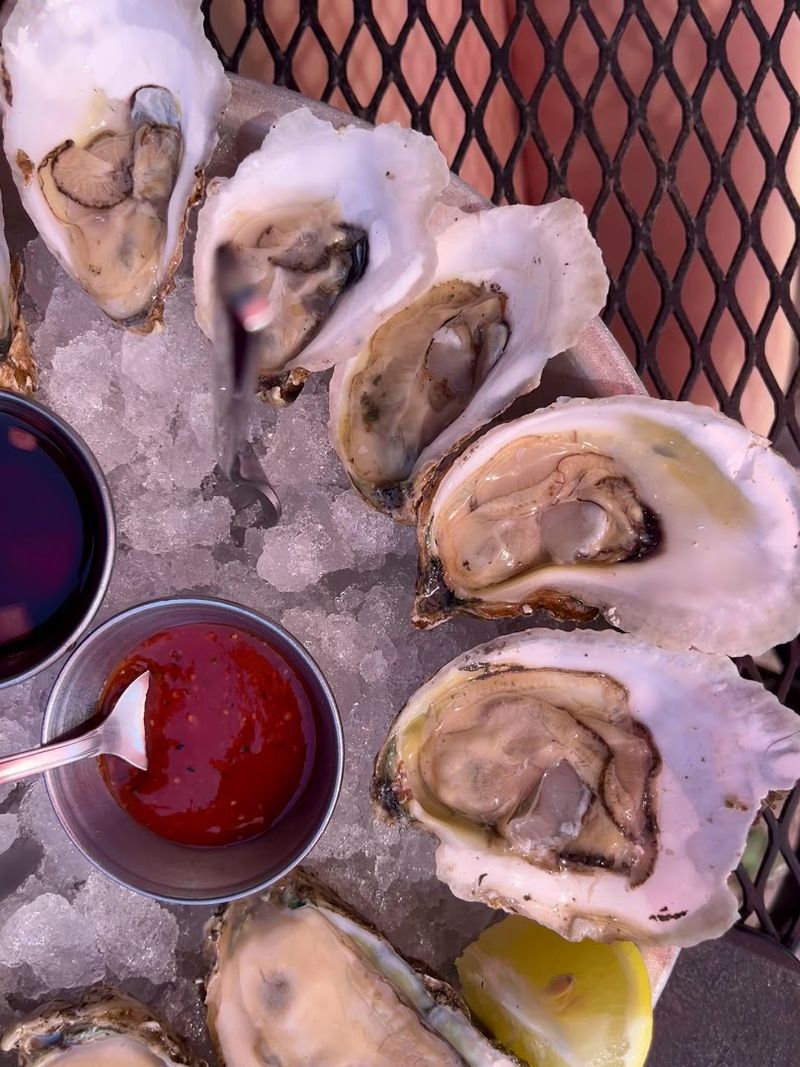
A raw bar at its best is an exercise in restraint. No heavy sauces, no elaborate garnishes, no kitchen tricks to distract from what the ingredient actually tastes like.
Merroir understands this completely.
The menu keeps things focused because the oysters do not need assistance. They need only a clean shuck and an honest hand.
The accompaniments are minimal on purpose. A squeeze of lemon, a simple mignonette, maybe a dash of hot sauce if you want it.
The point is to let the flavor of the creek come through without interference.
That philosophy sounds simple, but it requires confidence in your product that most operations do not have.
I ordered a dozen on my first visit and ended up ordering another six before I had finished my sparkling water.
The size and plumpness of each one surprised me. These were not the thin, watery oysters you sometimes get at a city restaurant that ordered too many for the weekend.
Each shell held something substantial and alive-tasting. That is the difference between proximity and distance in the seafood world.
Locklies Creek Road Is Part Of The Experience
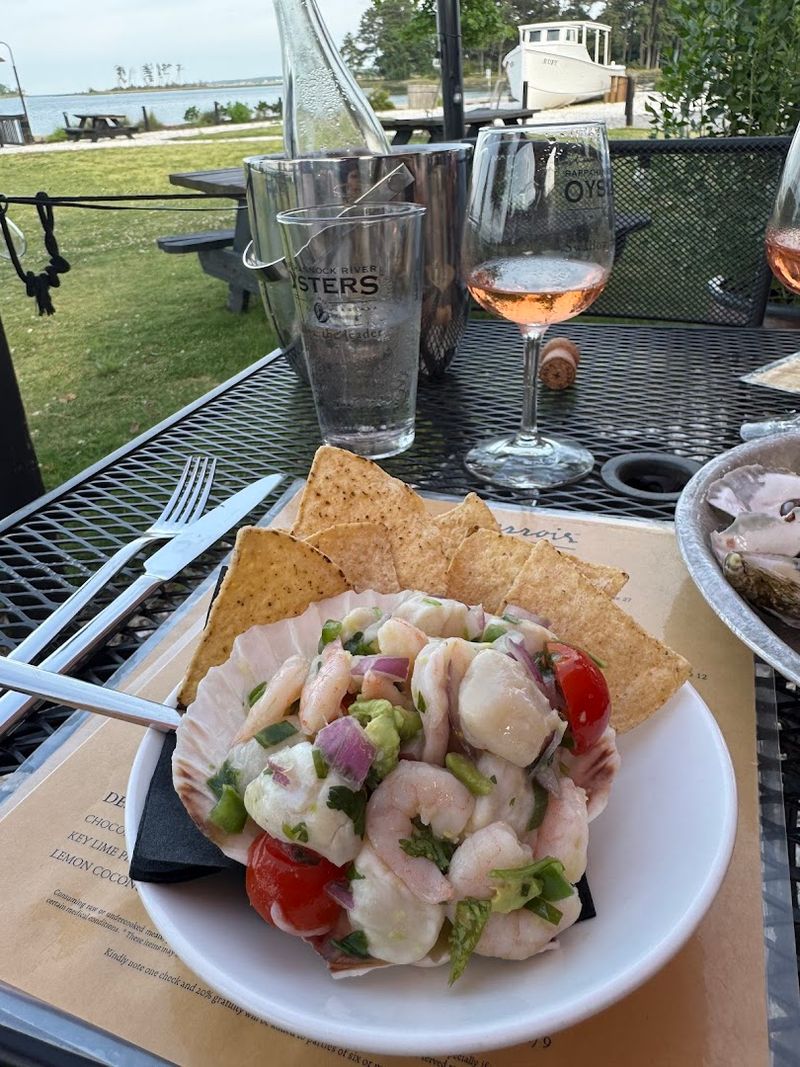
Getting to Merroir Tasting Room requires you to leave the main road and commit.
The drive through Middlesex County, Virginia, takes you past farmland, tidal marshes, and the kind of quiet that people in cities spend money trying to find.
The road itself is part of the transition from wherever you came from to wherever this place puts you.
Topping is a small unincorporated community in Middlesex County, population modest, pace deliberate.
There are no traffic lights on the way in. There is no strip mall announcing your arrival.
The landscape just gradually becomes more water than land, and then you are there, at the edge of a creek that smells like the real Virginia coast.
That geographic isolation is not a flaw. It is a feature.
The experience of arriving at Merroir is inseparable from the drive that precedes it. You slow down before you even park.
By the time you sit down at a picnic table with a view of the water, your shoulders have already dropped two inches. Food tastes better when you arrive like that, unhurried and genuinely present.
Rappahannock Oyster Co. And The Science Behind The Shell
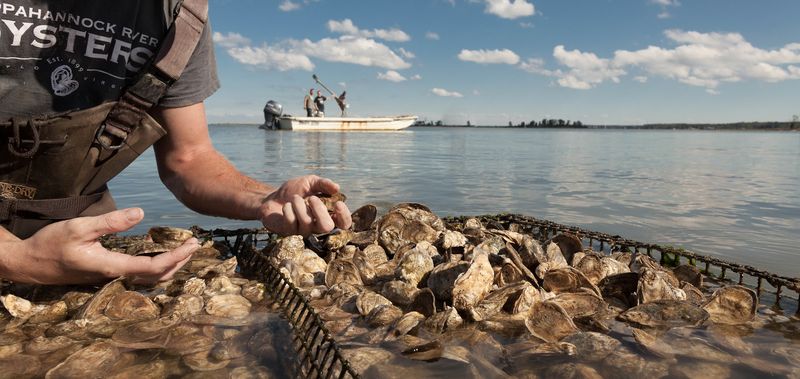
Growing oysters sounds romantic until you learn how much work goes into it.
Rappahannock Oyster Co. uses a combination of traditional bottom culture and cage aquaculture to raise their product in the Rappahannock River.
Each method produces slightly different results in texture and flavor, and the team pays close attention to both.
Water temperature, salinity levels, and tidal flow all influence how an oyster develops.
The Rappahannock River’s unique hydrology, where freshwater from inland Virginia mixes with saltwater pushing in from the Chesapeake Bay, creates a growing environment that is genuinely difficult to replicate elsewhere.
That is why Rappahannock oysters have a flavor profile that is distinctly their own.
The company also participates in restoration efforts for wild oyster reefs in the river.
Every bushel sold supports an operation that is actively trying to rebuild what was lost over the previous century.
Eating at Merroir is not just a meal. It is a small act of participation in a larger ecological story that is still being written, one oyster bed at a time.
What The Shuckers Know That The Menu Cannot Say
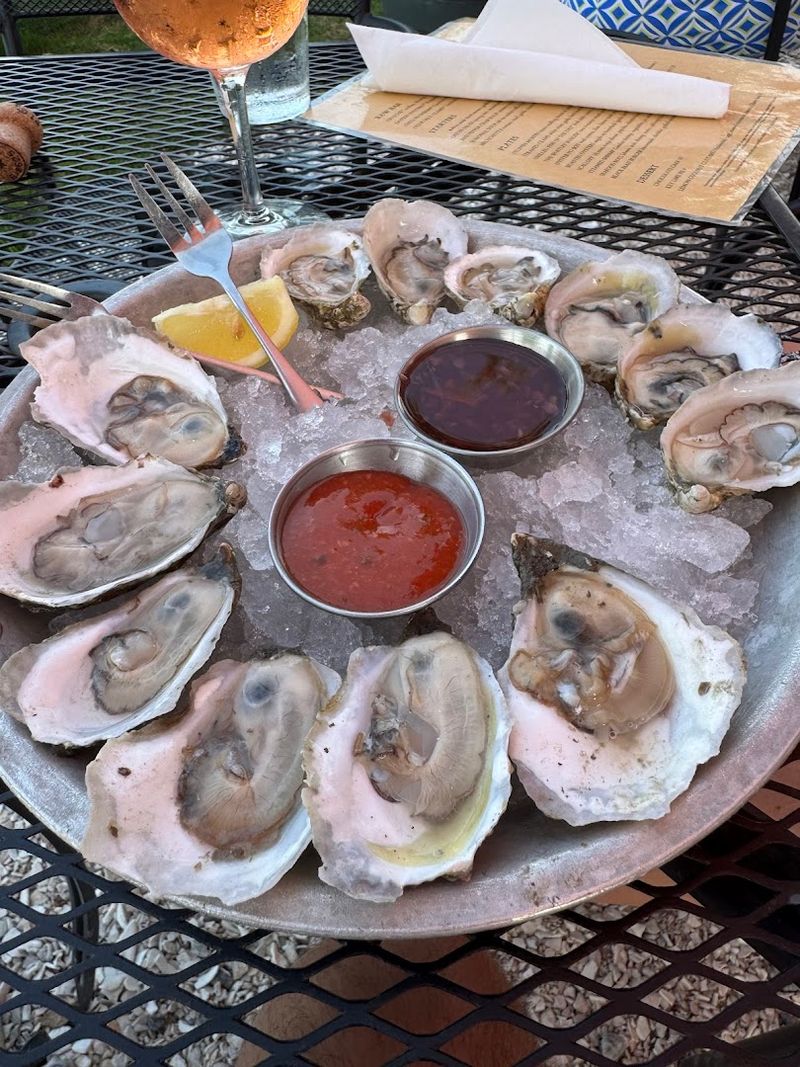
Shucking an oyster looks simple from a distance. Up close, it is a practiced skill that takes time to develop and a surprising amount of strength applied in exactly the right direction.
The people working the counter at Merroir make it look effortless, which is usually the clearest sign that someone has been doing something for a long time.
A good shucker preserves the liquor inside the shell, that briny natural juice that carries a concentrated version of the oyster’s flavor. Lose the liquor and you lose part of the story.
The best raw bars judge their shuckers on this detail specifically, and the consistency at Merroir is something I noticed immediately on my first visit.
There is also a rhythm to the work that becomes almost meditative to watch. Shell after shell, clean and precise, each one opened and set on ice with practiced efficiency.
It is the kind of craft that does not get enough recognition in food culture, where the focus usually lands on the chef in the kitchen rather than the person at the counter doing something equally difficult.
Why This Spot Belongs On Every Serious Food Traveler’s List
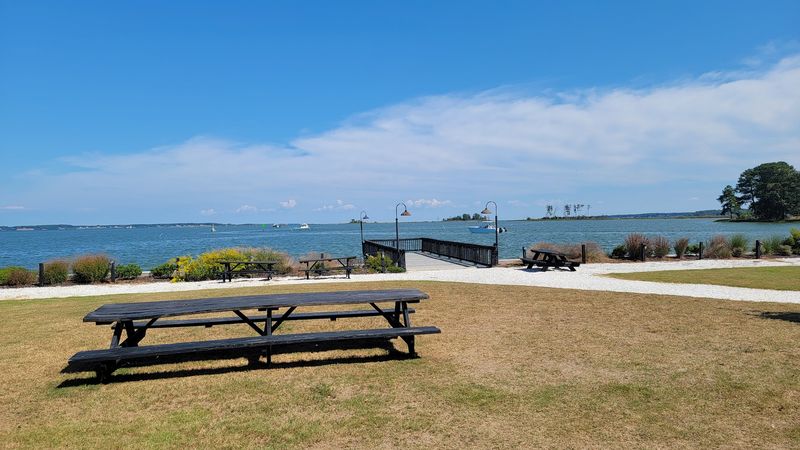
There is a category of food experience that goes beyond the plate. It involves place, timing, and the specific feeling of being somewhere that could not exist anywhere else.
Merroir in Virginia belongs firmly in that category. The combination of the setting, the product, and the philosophy behind the operation is not something you can replicate by moving it to a city block.
Food travelers often focus on restaurants with long reservation lists and elaborate tasting menus. There is nothing wrong with that.
But the experiences that tend to stay with you longest are often the ones with the shortest distance between the source and your hand. This place has essentially eliminated that distance entirely.
Plan your visit for a clear afternoon when the light on the creek is doing something interesting. Bring someone who appreciates a good story with their food.
Order more than you think you need, because you will finish everything and consider a second round.
Then sit back and let the sound of the water and the taste of the river do what they have been doing for this region for centuries.