This Maryland Canal Town Slowed Down When The Boats Stopped And Never Rushed Back
Nobody comes here by accident. You have to want to find it, and most people never do.
This small Maryland town got one shot at greatness, back when canal boats carried flour and coal up and down the Potomac and everybody thought the future was arriving by water. It wasn’t.
The railroad showed up, the boats disappeared, and the town just kind of shrugged and stayed exactly as it was. No reinvention, no rebranding, no desperate pivot to become something new.
Just brick storefronts, a glassy river, and streets that feel borrowed from another century. Maryland State has no shortage of history, but most of it gets polished and packaged for tourists.
This place never bothered. It kept the dust, kept the quiet, and kept every beautiful imperfect thing that made it worth finding in the first place.
Where The Canal Shaped The Town
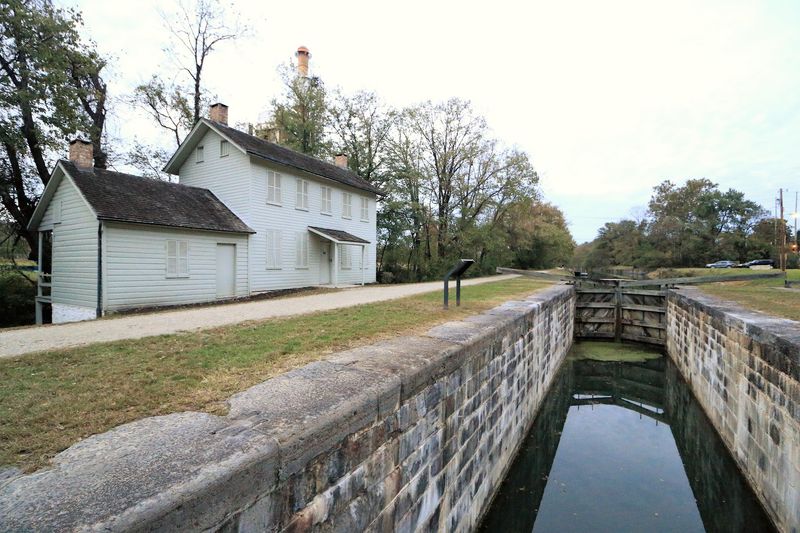
Before trains ruled the land, boats ruled this town. The Chesapeake and Ohio Canal passed right through Williamsport, Maryland, and it changed everything about the place.
Built in the early 1800s, the C&O Canal stretched nearly 185 miles. It was designed to carry coal and goods from the Appalachian interior down to the Potomac River.
Williamsport sat at a key point along the route. Boats would stop here, crews would rest, and commerce would flow like the water itself.
When the canal slowed down, so did the town. But that slowdown preserved something rare.
The old infrastructure stayed intact instead of being torn down for something newer.
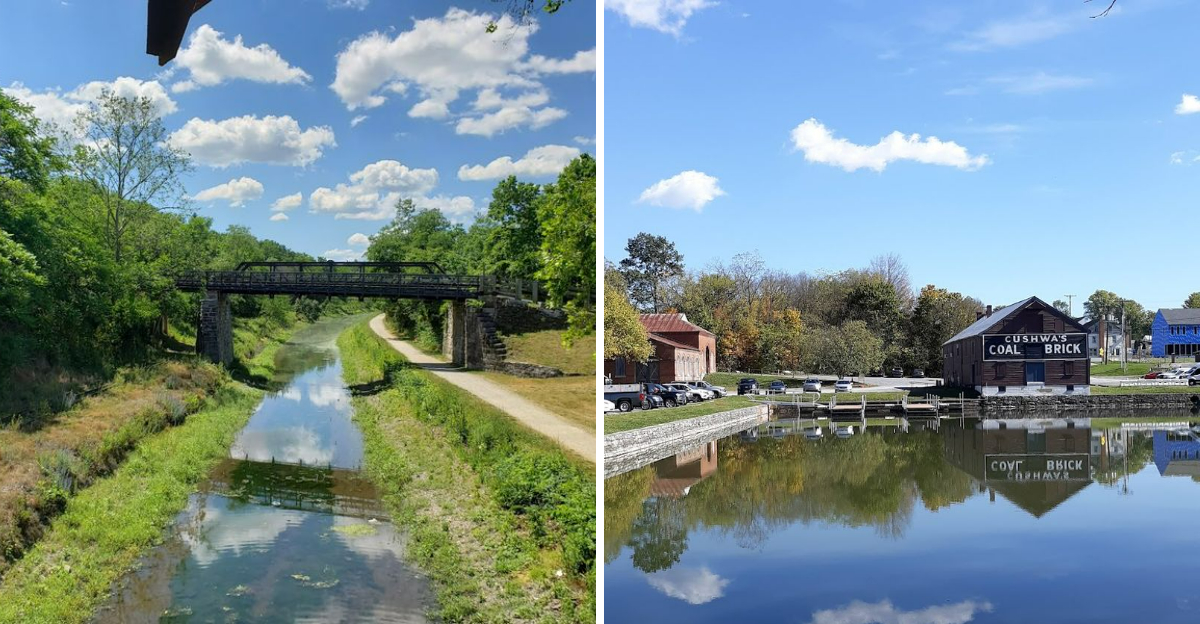
Today you can walk the towpath right through town. The stone walls, the lock remains, and the quiet water tell the whole story without a single sign needed.
Few places in the area wear their canal history this openly. Williamsport did not erase its past.
It just let the grass grow over it slowly, and that turns out to be a beautiful thing.
A Quiet Stretch Of The Potomac River
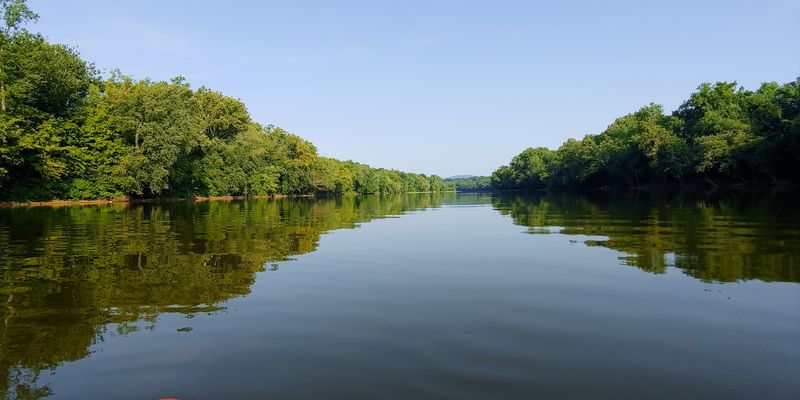
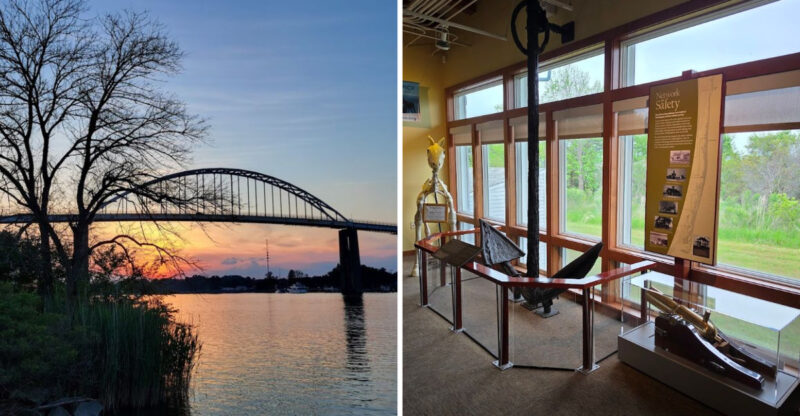
Standing at the edge of Williamsport, the Potomac River opens up in front of you like a painting. It is wide, quiet, and completely unhurried.
The town sits right at the confluence of Conococheague Creek and the Potomac. That geography made it a natural stopping point for travelers and traders for centuries.
George Washington supported improving navigation on the Potomac. That vision did not fully pan out, but it shows how seriously people took this location.
The river view here does not scream for attention. It just sits there, wide and calm, doing exactly what rivers do.
You end up standing longer than you planned.
Fishing is popular along the banks, and kayakers pass through when the water is right. The scenery rewards anyone willing to slow down enough to notice it.
Williamsport earned its place on the map because of this river. The water shaped the town, and the town shaped its people.
That relationship never really ended.
The Cushwa Basin And Canal Legacy
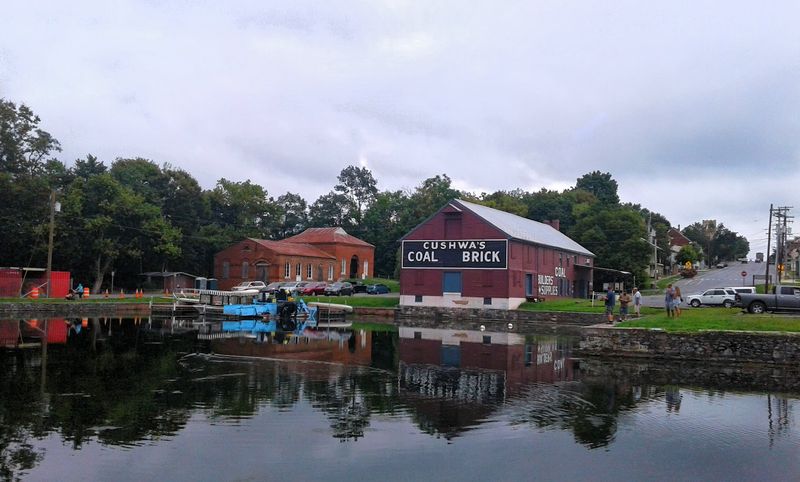
Not every town gets to keep its old canal basin intact. Williamsport kept its, and the Cushwa Basin is genuinely worth the visit.
The basin served as a turning and loading area for canal boats. It is one of the best-preserved examples of canal infrastructure still standing in the region.
The red brick Cushwa warehouse sits right at the water’s edge. Built in the 1800s, it stored goods waiting to move along the canal.
The building still stands today as part of the C&O Canal National Historical Park.
Rangers at the park visitor center inside the warehouse can tell you everything you want to know. The exhibits are clear, engaging, and surprisingly fun for all ages.
Canal boat replica tours have launched from this basin in the past. Riding one gives you a completely different sense of how slow and steady canal life actually was.
The basin reflects the sky on calm days. Ducks paddle around like they own the place, and honestly, they kind of do.
Cushwa Basin is the kind of spot that makes you grateful someone had the sense to preserve it.
A Downtown That Never Had To Change
Most small towns that lost their economic engine also lost their buildings. Developers came in, tore things down, and put up parking lots.
Williamsport somehow avoided that fate.
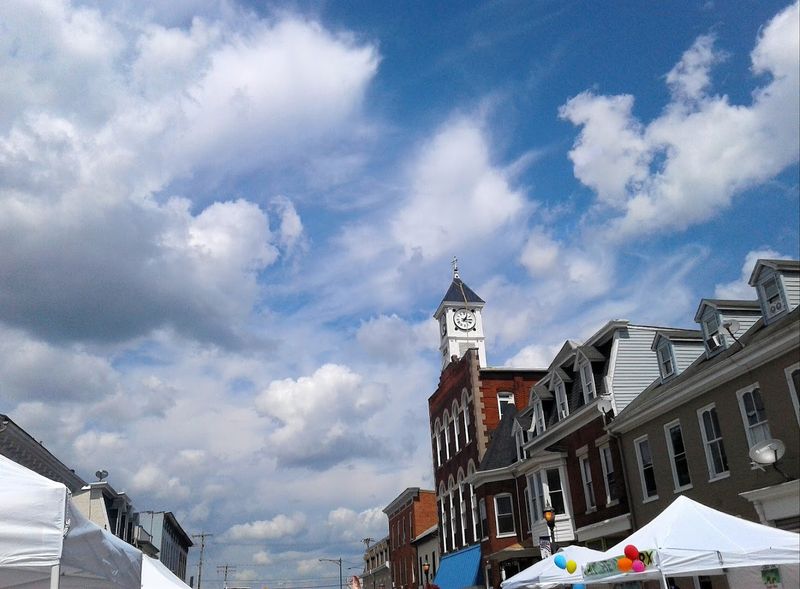
Walking through the historic downtown feels like stepping into a different era. The brick buildings are low, old, and well-worn in the most charming way possible.
The town was platted in 1787 by General Otho Holland Williams. He envisioned it as a thriving trade center on the Potomac.
That ambition echoes in the scale and layout of the streets even today.
Because growth slowed early, there was never a boom-era rush to modernize everything. The old structures stayed because nobody had a pressing reason to replace them.
Accidental preservation is still preservation.
The residential streets hold Victorian-era homes with wide porches and mature trees. It feels genuinely lived-in rather than curated for tourists.
That authenticity is hard to fake and even harder to find.
Williamsport sits in Washington County, about five miles from Hagerstown. The address is simply Williamsport, MD 21795.
Getting there takes about ten minutes from the interstate, and the contrast is immediate.
Inside The Canal Visitor Center
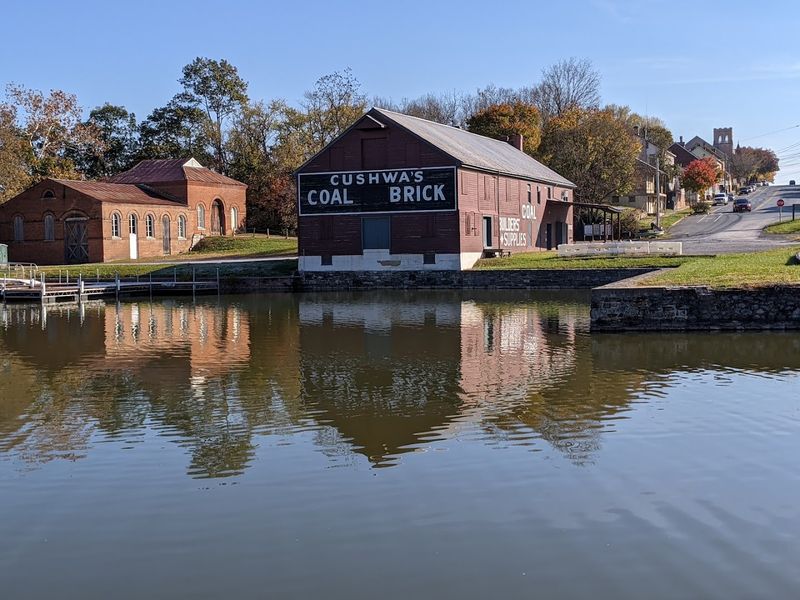
Some visitor centers feel like an afterthought. The one inside the Cushwa warehouse in Williamsport feels like the main event.
The National Park Service runs this location as one of several visitor centers along the 184.5-mile canal corridor. But this one has a special energy because of the basin right outside the door.
Inside, the exhibits walk you through the full story of the canal. You learn about the mules that pulled the boats, the families that lived aboard, and the economic forces that eventually shut it all down.
The canal era peaked around the 1870s. Competition from the B&O Railroad and repeated floods weakened canal traffic before operations ended in the 1920s.
Rangers here are genuinely enthusiastic about the history. They answer questions with real depth and can point you toward the best sections of towpath nearby.
That kind of personal guidance makes a real difference.
Admission to the park is free at this location. Parking is easy and the whole stop takes about an hour if you linger over the exhibits.
It is one of the most rewarding free experiences in this part of the state.
Walking The Historic Towpath
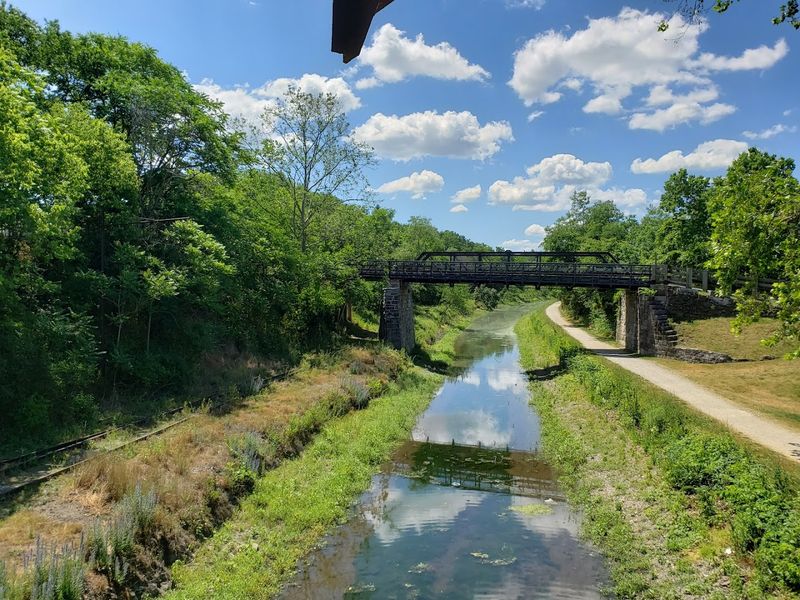
Few trails in the country carry as much history underfoot as the C&O Canal towpath. The stretch through Williamsport is especially rewarding because the town itself becomes part of the experience.
The towpath was originally the path mules walked while pulling loaded canal boats. Today it is a flat, packed-gravel trail open to hikers, cyclists, and anyone who just wants a quiet walk.
The Williamsport section passes the Cushwa Basin, crosses under the old railroad bridge, and traces the edge of the Potomac floodplain. Every quarter mile offers something different to look at.
Wildlife is abundant along this stretch. Great blue herons stand motionless in the shallows.
Turtles stack themselves on logs like they are auditioning for a nature documentary.
Cyclists use the towpath as part of longer trips along the full canal corridor. Some ride all the way from Cumberland to Washington D.C., and Williamsport sits at a natural rest point along that journey.
The trail is accessible year-round and requires no fees or permits. Sunrise walks here are particularly special.
The mist off the canal and the stillness of the morning make it feel like the whole world has not woken up yet.
Where Two Waterways Meet
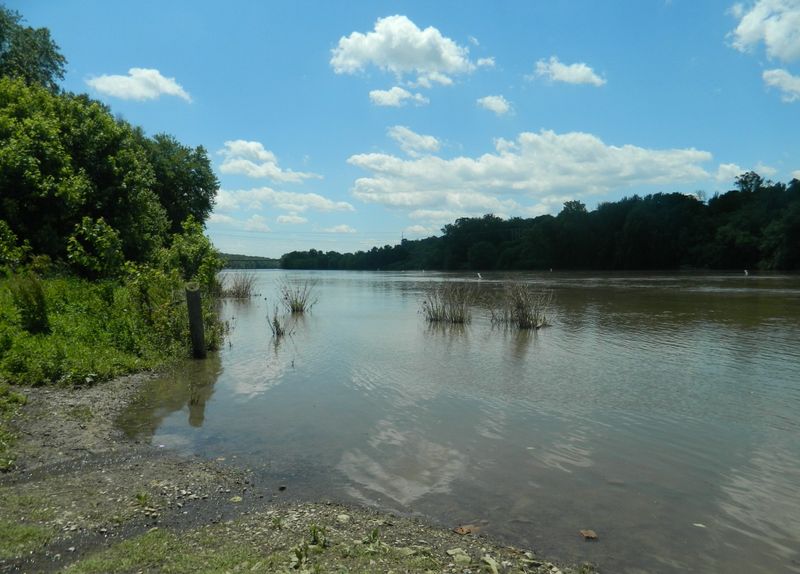
Two bodies of water meeting in one place sounds simple enough. But when that meeting point sits along a major trade route, you get the foundation for an entire town.
Conococheague Creek flows into the Potomac right at Williamsport. That confluence made the location strategically valuable long before the canal was ever dug.
Native Americans used this crossing point for centuries. European settlers followed the same logic and established ferry crossings here in the colonial era.
The geography was simply too useful to ignore.
Today the creek is a quiet, tree-lined waterway that adds to the town’s charm. Locals fish its banks and kayakers occasionally paddle its lower stretches toward the river.
The confluence is easy to find and easy to appreciate. Standing at the spot where the creek meets the river, you get a clear sense of why people kept choosing this place across different centuries.
Geography does not lie, and neither does a good river view.
Why The Slower Pace Still Works
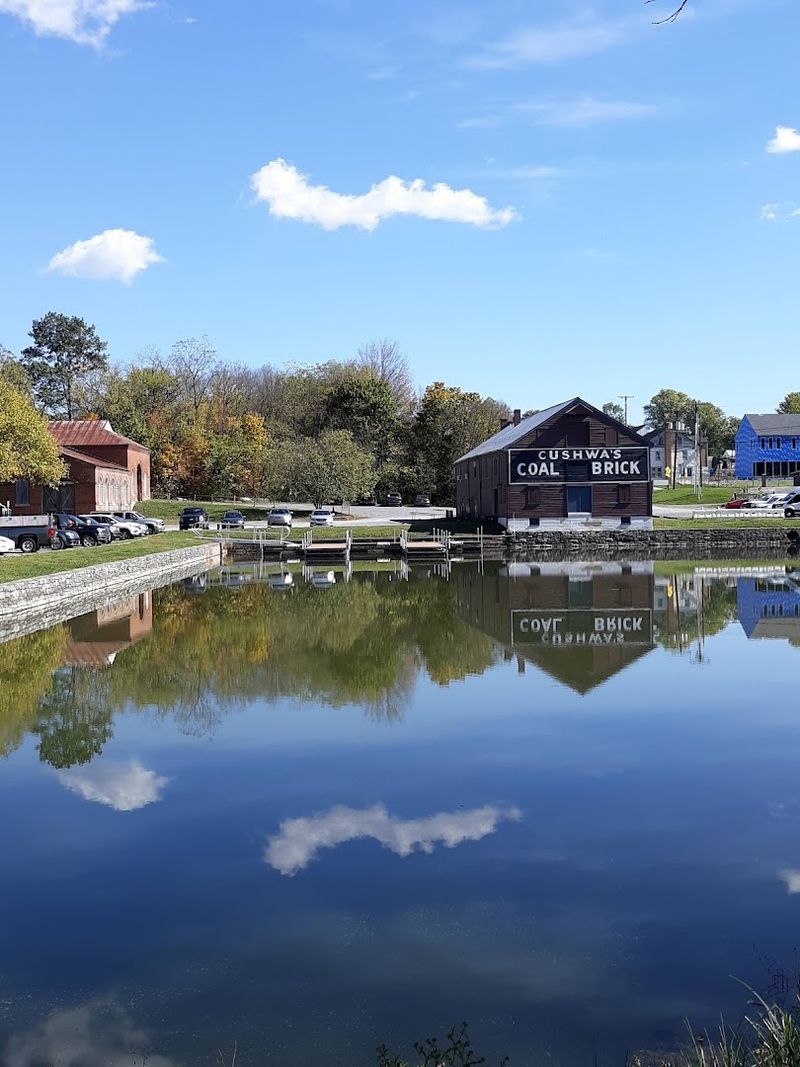
Speed is overrated. Williamsport figured that out a long time ago, and the town has been quietly proving the point ever since.
With a population of around 2,083 as of the 2020 census, Williamsport is genuinely small. There are no traffic jams, no crowds pushing past you, and no line to see anything.
That smallness creates space for a different kind of travel experience. You notice details here that would disappear in a busier place.
A carved stone lintel. A faded painted sign on a brick wall.
A canal lock that still holds water after 200 years.
The town has not tried to reinvent itself for a tourism economy. It is still a real working community where people live and raise families.
That realness is the attraction, even if it is hard to put on a brochure.
Visitors who come expecting manufactured charm often leave surprised by the genuine article. The history is real, the scenery is real, and the quiet is real.
Williamsport, MD 21795 is the kind of address you bookmark and actually return to. It rewards the curious and the patient in equal measure.
Slow down long enough, and the place gives you everything it has.